博客

  • Morrissey calls off concert in Spain after local festivities deprived him of sleep

    Morrissey calls off concert in Spain after local festivities deprived him of sleep

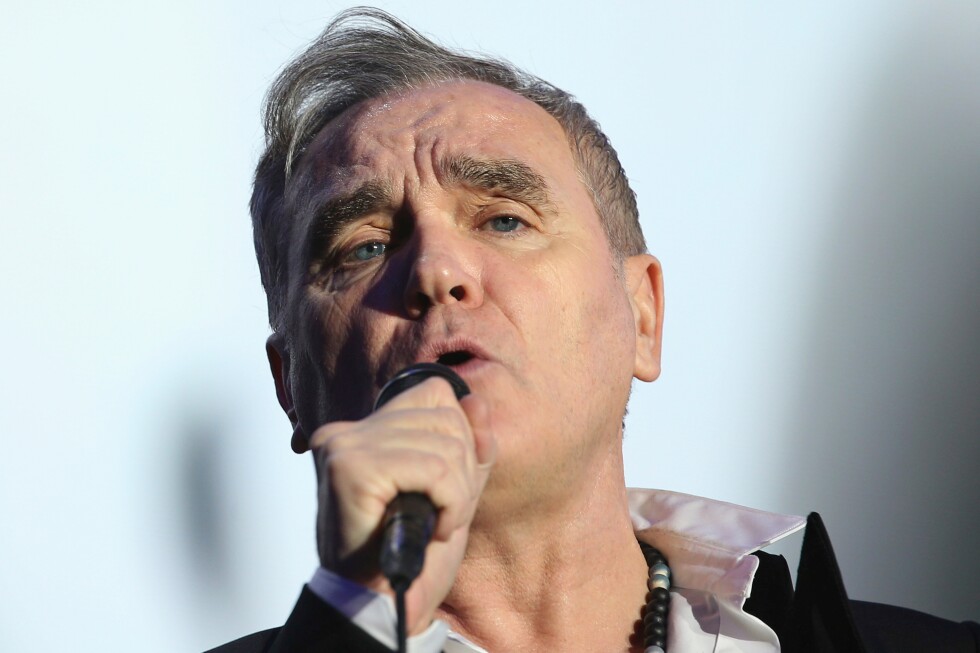
    VALENCIA, Spain — British music icon Morrissey has abruptly called off his scheduled performance in Valencia, attributing the cancellation to severe sleep disruption caused by the city’s ongoing Las Fallas festival. The former frontman of The Smiths issued an official statement through his website on Thursday morning, just hours before the concert was set to commence.

    The declaration explained that Morrissey had undertaken an extensive two-day road journey from Milan, arriving in Valencia on Wednesday. However, his attempts to rest were repeatedly interrupted by festival activities that penetrated his hotel accommodations. The statement specifically referenced ‘loud techno singing’ and persistent ‘megaphone announcements’ that prevented adequate sleep, ultimately leaving the artist in what was described as a ‘catatonic state.’

    Notably, the communication emphasized that ‘the show is not canceled’ but rather ‘rendered impossible due to circumstances,’ creating ambiguity regarding potential rescheduling options and refund availability for ticket holders. This incident occurs during Morrissey’s promotional tour for his latest album ‘Make-up Is a Lie,’ marking his first studio release in six years and his fourteenth solo project since departing the influential 1980s band The Smiths.

    The Las Fallas festival, recognized by UNESCO as an intangible cultural heritage event in 2016, features vibrant street parties, pyrotechnic displays, and the ceremonial burning of elaborate papier-mâché sculptures. While celebrated as a purification ritual by cultural authorities, the festival’s auditory intensity has now unexpectedly impacted the city’s musical programming. Morrissey, known both for his musical legacy including hits like ‘How Soon Is Now?’ and his vocal animal rights activism—particularly against Spanish bullfighting—has added another chapter to his history of unpredictable concert occurrences.
  • International passenger train service links China, DPRK

    International passenger train service links China, DPRK

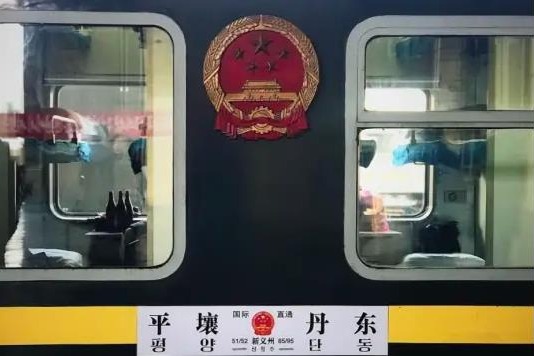
    A new chapter in Sino-Korean transportation commenced on Thursday as international passenger rail service officially resumed between Dandong, China and Pyongyang, North Korea. The inaugural departure marked a significant milestone in cross-border connectivity between the neighboring nations.

    The five-carriage train embarked on its maiden journey at 10:00 AM Beijing Time from the border city of Dandong, with scheduled arrival in the North Korean capital at 6:07 PM local time. The service establishes a reliable daily transportation link, with return trips from Pyongyang departing at 10:26 AM local time and reaching Dandong by 4:23 PM Beijing Time.

    Dandong Railway Station has undergone comprehensive preparations to accommodate international travelers. The facility now features bilingual displays in both Korean and Chinese throughout the international departure hall, including train schedules, electronic information screens, and service counters.

    Passenger excitement was palpable during the inaugural run. One North Korean traveler expressed enthusiasm about returning home via rail, having purchased her ticket immediately upon learning about the resumed service the previous day.

    Border authorities implemented streamlined procedures to ensure efficient operations. Song Ping, a representative from Dandong Exit-Entry Frontier Inspection Station, confirmed that specialized measures have reduced the entire train’s inspection process to under 30 minutes, significantly enhancing travel convenience.

    An executive from China State Railway Group’s international department emphasized the service’s broader significance, noting that this railway connection will function as both a crucial transit corridor for cross-border movement and a symbolic bridge reinforcing bilateral relations between China and North Korea.

  • US military ‘not ready’ to escort tankers through Hormuz Strait: energy secretary

    US military ‘not ready’ to escort tankers through Hormuz Strait: energy secretary

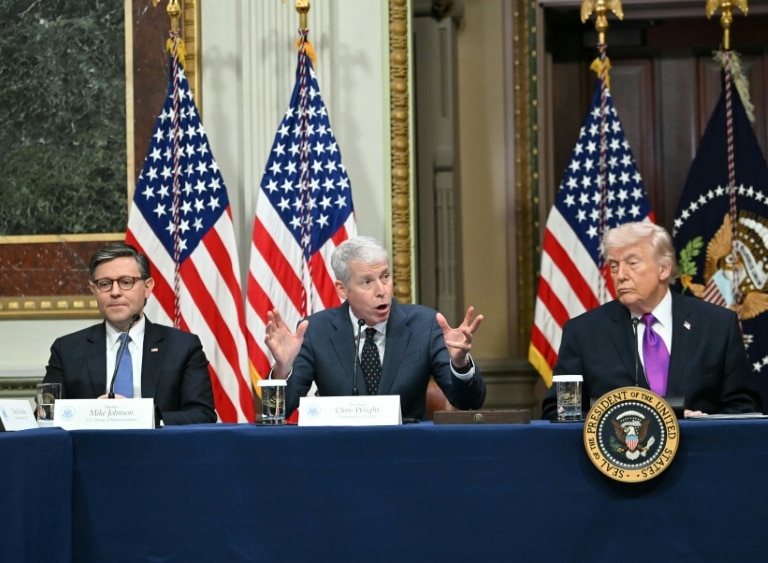
    U.S. Energy Secretary Chris Wright stated on Thursday that American military forces remain unprepared to provide naval escorts for oil tankers navigating the critical Strait of Hormuz, citing the full concentration of military assets on offensive operations against Iran. This declaration comes amidst escalating tensions following attacks on commercial vessels in the region that have triggered significant volatility in global oil markets.

    The ongoing military confrontation with Iran has created what the International Energy Agency characterizes as the most substantial supply disruption in the history of the global oil market. With approximately one-fifth of worldwide crude shipments typically passing through the strategically vital waterway, the effective shutdown of the Strait of Hormuz has propelled oil prices beyond the $100 per barrel threshold.

    President Donald Trump’s administration had previously committed to implementing protective escort services and reinsurance facilities for international shipping companies to stabilize energy markets. However, Secretary Wright clarified that these protective measures cannot be immediately implemented, explaining that all military resources are currently dedicated to neutralizing Iran’s offensive capabilities and the industrial infrastructure supporting them.

    Despite the current limitations, Wright expressed confidence that escort operations would likely commence before the conclusion of the month. His remarks followed a controversial social media post earlier this week that erroneously claimed escort missions had already begun, subsequently retracted by the White House.

    Confronting domestic political pressure over rising gasoline prices, President Trump emphasized through his Truth Social platform that preventing Iranian nuclear weapons development remains his paramount priority, outweighing concerns about energy costs. The administration simultaneously pursued multilateral solutions through the International Energy Agency, securing an unprecedented agreement to release 400 million barrels from strategic petroleum reserves.

    The United States committed 172 million barrels through a swap mechanism that anticipates replenishment of 200 million barrels to the Strategic Petroleum Reserve within one year. Concurrently, the administration granted temporary sanctions waivers for certain Russian oil shipments already en route to China, which Secretary Wright characterized as a pragmatic solution rather than sanctions relief for Moscow.

    These developments occurred alongside the first diplomatic contact between Russian and American officials since the conflict’s inception, with Kremlin envoy Kirill Dmitriev describing discussions as productive and noting Washington’s growing recognition of Russian oil’s significance to global market stability.

  • China plans 2026 pioneer satellite launch for low-latitude remote sensing constellation

    China plans 2026 pioneer satellite launch for low-latitude remote sensing constellation

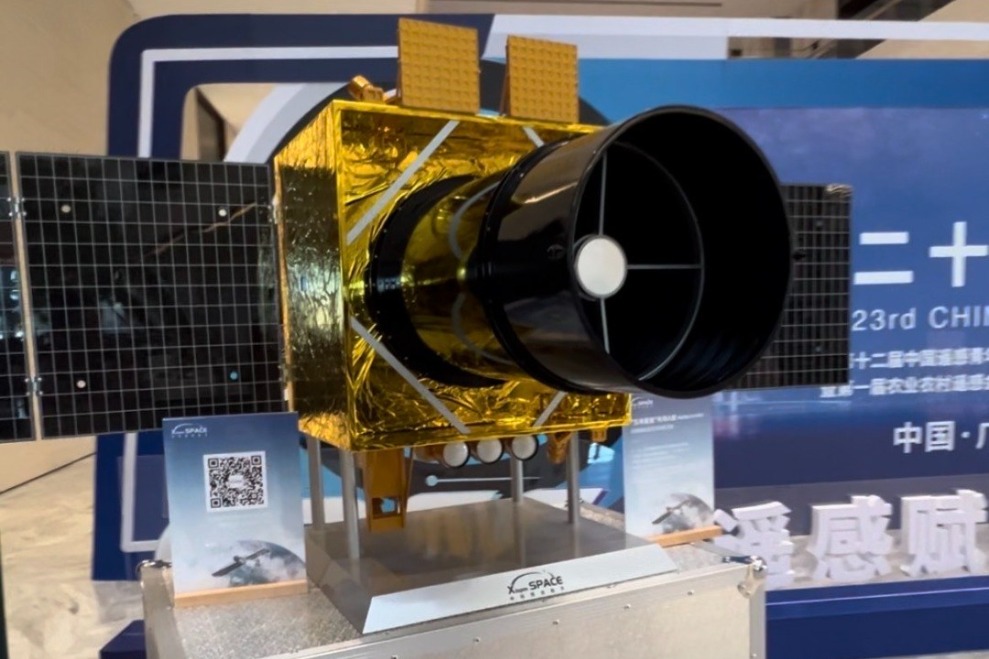
    China is advancing its space technology capabilities with the development of the Wuyang Constellation, the nation’s first integrated remote sensing and communication satellite network specifically designed for low-latitude regions. According to the Institute of Aerospace Remote Sensing Innovations at Guangzhou University, the project will initiate its preliminary phase with the deployment of three pioneer satellites around 2026, with the inaugural launch scheduled for this year to test critical technologies and operational frameworks.

    The ambitious initiative, a collaborative effort between Guangzhou University, the Guangzhou Municipal People’s Government, and the State Information Center, targets comprehensive coverage between 35 degrees north and south latitude. This strategic positioning aligns with China’s Greater Bay Area development objectives while serving regions including Southeast Asia, Africa, and South America.

    Between 2026 and 2028, developers plan to expand the constellation with 25 application satellites capable of delivering daily full coverage of low-latitude zones with emergency response times under 30 minutes. The project’s ultimate vision involves establishing a commercial network of 1,008 satellites by approximately 2035, creating a real-time remote sensing system for global low-latitude monitoring.

    Professor Gu Xingfa, Chairman of the Chinese National Committee for Remote Sensing, revealed that the Wuyang Constellation will feature advanced high-resolution, wide-swath full-spectrum payloads. This technological sophistication will enable the creation of a ‘material fingerprint’ spectral database, essentially upgrading remote sensing capabilities from basic imagery to sophisticated physical measurement and analysis.

    The constellation’s deployment will occur in phases, gradually covering 15 southern Chinese provinces and 99 low-latitude countries and territories worldwide. The system promises to deliver ‘sense-while-you-send, use-while-you-get’ intelligent services specifically designed for disaster prevention, ecological monitoring, agricultural management, and resource conservation.

    Commercial participation is already underway, with over 20 core enterprises signing agreements to contribute to satellite development and data services. The project has established a dedicated commercial space innovation center to integrate research, incubation, application development, and investment opportunities. By 2030, organizers anticipate achieving more than 95% real-time remote sensing coverage in target regions while stimulating industrial investment exceeding 10 billion yuan (approximately $1.45 billion).

  • China’s forest, grass coverage rate surpasses 56%: report

    China’s forest, grass coverage rate surpasses 56%: report

    China has achieved a remarkable environmental milestone with its combined forest and grassland coverage rate now exceeding 56%, according to an official report released by the National Greening Commission on March 12, 2026. The announcement coincided with the country’s 48th National Tree Planting Day, highlighting decades of sustained afforestation efforts.

    The comprehensive report reveals that China’s ambitious greening initiatives resulted in the planting of over 3.56 million hectares of new forests during 2025 alone. Simultaneously, the nation successfully restored approximately 4.93 million hectares of degraded grassland, demonstrating a balanced approach to ecosystem rehabilitation.

    Detailed metrics show China’s forest coverage rate has reached 25.09%, with total forest stock volume climbing to nearly 20.99 billion cubic meters. These ecological achievements have translated into significant economic benefits, with the forestry and grassland industry generating an output value approaching 11 trillion yuan (approximately $1.6 trillion) last year.

    The environmental revival has also fueled a surge in ecotourism, which recorded more than 3 billion visitor trips throughout 2025. This substantial public engagement with natural areas underscores the growing appreciation for China’s restored landscapes and biodiversity.

    These findings emerge as part of China’s broader environmental strategy, which has increasingly focused on sustainable development and ecological civilization construction. The report provides concrete evidence of how coordinated government policies, combined with widespread public participation in tree-planting initiatives, have collectively transformed the country’s natural environment over nearly five decades of consistent effort.

  • How Iran war laid bare the world’s reliance on Gulf oil and gas

    How Iran war laid bare the world’s reliance on Gulf oil and gas

    The escalating military conflict between the US-Israel alliance and Iran has triggered a severe global energy crisis, with Asia experiencing the most acute impacts due to its profound dependence on Gulf petroleum exports. Crude oil prices have surged beyond $100 per barrel—representing a staggering 33% increase—following aerial assaults on energy infrastructure and the effective closure of the Strait of Hormuz, a critical maritime channel handling 20% of worldwide oil shipments.

    Asian economies face particularly severe disruptions, as approximately 90% of hydrocarbons transiting the Strait of Hormuz were destined for the region last year. This dependency affects every level of society, from household electricity generation and transportation to industrial manufacturing. Even historically oil-producing nations like Malaysia and Indonesia have become increasingly import-reliant over the past decade, heightening regional vulnerability.

    The crisis exposes structural dependencies in Asia’s energy infrastructure. Refineries throughout Southeast Asia are specifically calibrated to process Middle Eastern ‘heavy sour’ crude varieties, making rapid supplier diversification practically impossible. “Substantial capital investment would be required to modify refinery specifications,” explains Jane Nakano of the Center for Strategic and International Studies, highlighting the technical constraints preventing swift adaptation.

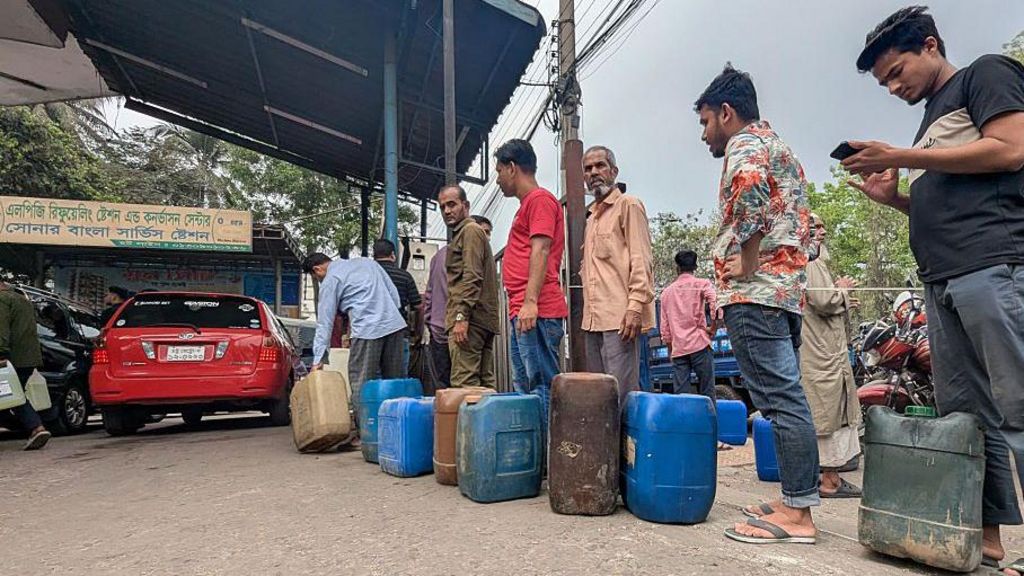
    Governments across Asia are implementing emergency measures to mitigate the crisis. The Philippines—which sources 95% of its crude from the Middle East—has instituted a four-day workweek for public employees. Thailand has mandated elevated air conditioning temperatures in government buildings, while Vietnam and Bangladesh have witnessed panic-buying queues at fuel stations amid 60% diesel price increases. Regional authorities are aggressively promoting remote work arrangements and fuel conservation protocols.

    The energy shock has cascaded into food security concerns, with transportation cost inflation affecting agricultural imports. Singapore’s 90% food import dependency and Indonesia’s complete reliance on foreign wheat illustrate the region’s vulnerability to logistics disruptions. Jet fuel prices have skyrocketed by nearly 60%, compounding supply chain pressures.

    Policy responses vary globally: South Korea implemented fuel price caps, Japan introduced wholesaler subsidies, and European nations like France saw energy corporations voluntarily limiting prices. China remains comparatively insulated through massive strategic petroleum reserves and continued Iranian oil imports despite US sanctions. With electric vehicles comprising one-third of new car sales and coal-dominated power generation, China experiences reduced consumer impact from petroleum price fluctuations.

    While European nations have diversified gas supplies since the Ukraine conflict—now primarily sourcing from Norway and the US—analysts note they remain indirectly affected. David Oxley of Capital Economics observes that “Asian customers displaced from Qatari supplies are competing for alternative resources, driving global price increases.” The United States, having expanded domestic fracking operations, demonstrates greatest resilience to the supply shock, though limited export infrastructure constrains its ability to offset global shortages.

  • Cartoonist freed after 15 years in prison without charge in Eritrea

    Cartoonist freed after 15 years in prison without charge in Eritrea

    Eritrean authorities have released prominent political cartoonist Biniam Solomon after 15 years of imprisonment without formal charges or legal proceedings, according to confirmations from family members and associates. The artist, widely known by his professional pseudonym Cobra, was apprehended in Asmara in 2011 during a government crackdown on dissent.

    Now in his early sixties, Solomon endured severe isolation throughout his detention, completely cut off from familial communication and receiving only intermittent medical attention. A relative disclosed that the latter segment of his imprisonment occurred within Asmara’s notoriously austere ‘crime investigation’ facility, commonly reported to house political dissidents and conscientious objectors under exceptionally harsh conditions.

    Solomon’s artistic career flourished during a brief period of media liberalization following Eritrea’s independence from Ethiopia. Between 1997 and 2001, his incisive cartoons critiquing socio-political issues appeared in various private publications until the government shuttered all independent media outlets citing national security concerns. Despite losing an arm during childhood, Solomon established himself as both a respected physicist educator and prolific artist, authoring three collections of his satirical work.

    His liberation coincides with a series of unexplained releases of long-term detainees, though thousands remain incarcerated without trial according to United Nations estimates. Human rights organizations have consistently documented systematic abuses within Eritrea’s penitentiary system, including inadequate nutrition, medical neglect, and extreme psychological distress – allegations consistently refuted by national authorities.

    The circumstances surrounding Solomon’s release remain opaque, with no official explanation provided by Eritrean officials. International observers note that while these developments may signal potential shifts, the absence of transparent judicial processes continues to raise concerns about the country’s human rights record.

  • Sly fox sneaks onto cargo ship in Southampton and arrives in New York

    Sly fox sneaks onto cargo ship in Southampton and arrives in New York

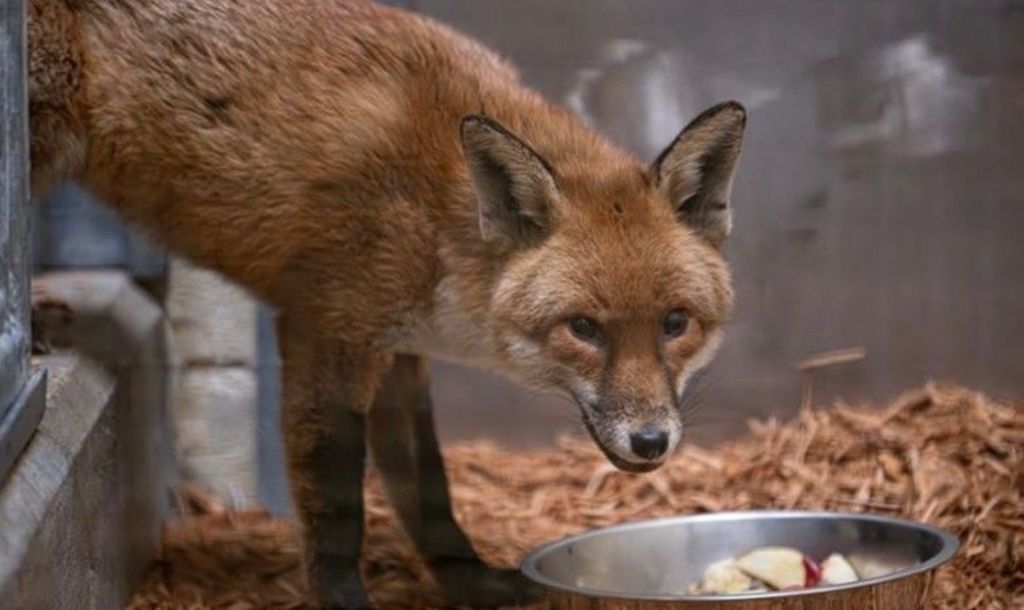
    A remarkable transatlantic journey has culminated in sanctuary for an unlikely voyager. A two-year-old male red fox, weighing approximately 11 pounds (5 kg), has been placed under professional care at the Bronx Zoo’s Animal Health Center after being discovered as a stowaway aboard a cargo ship that traveled from Southampton, UK, to the Port of New York and New Jersey.

    The unexpected passenger was detected by U.S. officials during a routine cargo inspection on February 19th. Following its discovery, the animal was promptly transferred to the wildlife experts at the Bronx Zoo for evaluation and care. The vessel had previously been docked at the English port city of Southampton, though the precise method by which the fox gained access remains undetermined.

    Initial veterinary assessments indicate the animal is in surprisingly good condition despite its arduous journey. Keith Lovett, the zoo’s Director of Animal Programs, reported to the Associated Press that the fox “seems to be settling in well” after having “gone through a lot.” A comprehensive health screening is currently underway to ensure the animal carries no diseases.

    The Port of Southampton authorities expressed amusement at the unusual incident. A spokesperson for Associated British Ports Southampton remarked that while they handle diverse cargo from vehicles to container shipments, “even we were surprised to find a fox had booked itself a transatlantic crossing,” jokingly suggesting the animal might have preferred “swapping the Solent for the Staten Island Ferry.”

    According to the Bronx Zoo’s statement, red foxes (Vulpes vulpes) rank among the world’s most widely distributed carnivorous mammals, recognized for their distinctive reddish coat and bushy white-tipped tail. Their remarkable adaptability enables them to thrive across diverse habitats spanning Europe, Asia, North America, and parts of Africa, with diets ranging from fruits to rodents.

    The zoo has confirmed that once veterinary clearance is obtained, wildlife specialists will identify an appropriate long-term habitat for the transatlantic traveler, ensuring its continued wellbeing following its extraordinary journey.

  • LIVE: Deputies to the 14th NPC take passage interview

    LIVE: Deputies to the 14th NPC take passage interview

    Beijing witnessed a significant political event on Thursday afternoon as deputies of the 14th National People’s Congress (NPC) participated in scheduled passage interviews at the iconic Great Hall of the People. The event, which commenced at 2:00 PM local time, provided a platform for elected representatives to engage with media and share insights on legislative matters and national development priorities.

    The live broadcast opportunity allowed both domestic and international audiences to witness the proceedings firsthand, highlighting China’s commitment to transparency in its political processes. These interviews occur during the annual legislative sessions where deputies discuss and shape policies that will guide China’s development trajectory.

    Concurrent with this event, several other national developments were reported, including the establishment of four state key laboratories in Macao, China Coast Guard patrols in the South China Sea, and various cultural and scientific activities across the country. These parallel developments demonstrate the multifaceted nature of China’s ongoing progress in political, scientific, and cultural domains.

    The passage interviews represent a crucial communication channel between China’s highest organ of state power and the public, offering insights into the legislative agenda and policy directions that will emerge from the current NPC session.

  • Jo Malone sued for using her own name in collaboration with Zara

    Jo Malone sued for using her own name in collaboration with Zara

    In a landmark legal confrontation shaking the fragrance industry, cosmetics conglomerate Estée Lauder Companies has initiated litigation against renowned British perfumer Jo Malone. The dispute centers on Malone’s recent collaboration with fast-fashion retailer Zara, which Estée Lauder claims violates longstanding trademark agreements.

    The controversy stems from the 1999 acquisition where Estée Lauder purchased Malone’s original brand, Jo Malone London, including comprehensive commercial rights to her name. Although Malone’s current venture, Jo Loves, technically operates separately, Estée Lauder contends that packaging materials for the Zara collaboration improperly featured the designation: ‘A creation by Jo Malone CBE, founder of Jo Loves’.

    Legal documents filed against Malone, her company Jo Loves, and Zara UK allege both trademark infringement and breach of contractual obligations. According to Financial Times reports, additional claims include ‘passing off’ – a legal concept addressing consumer confusion about product origins.

    The Zara partnership, launched in 2019, represents Malone’s continued entrepreneurial activity since departing from her namesake brand. Malone has publicly expressed regret about relinquishing control of her name for commercial purposes, though Estée Lauder emphasizes she received substantial compensation and previously honored agreement terms for years.

    A spokesperson for Estée Lauder stated: ‘While we respect Ms. Malone’s right to pursue new opportunities, legally binding contractual obligations cannot be disregarded. When terms are breached, we must protect the brand we’ve invested in and built over decades.’

    Malone’s fragrance journey began in early-1990s London, where she gained renown for innovative scents inspired by British botanicals. Her original brand expanded significantly under Estée Lauder’s ownership, becoming a global powerhouse in luxury fragrances, candles, and bath products.

    Neither Malone nor Zara UK has offered public commentary regarding the ongoing litigation, though the BBC confirms attempts to seek Malone’s perspective.