博客

  • US airline CEOs urge Congress to end shutdown and pay airport workers

    US airline CEOs urge Congress to end shutdown and pay airport workers

    In an unprecedented move, chief executives from America’s largest airlines have jointly appealed to U.S. lawmakers to immediately resolve the ongoing government shutdown that has left transportation security workers unpaid since February. The coordinated action comes as travel disruptions intensify nationwide.

    Top executives from American Airlines, Delta Air Lines, Southwest Airlines, and JetBlue Airways have formally requested Congress restore funding to the Department of Homeland Security (DHS), which oversees the Transportation Security Administration (TSA). The funding impasse stems from Congressional disagreements over immigration policy reforms demanded by Democrats as a condition for DHS funding.

    The airline leaders characterized air travel as a ‘political football’ in shutdown negotiations, emphasizing the immediate need for bipartisan agreement to fund DHS operations. They further advocated for permanent legislative solutions that would guarantee compensation for air traffic controllers regardless of government funding status.

    The human impact has become increasingly severe. TSA employees missed their first full paycheck on Friday, yet remain obligated to work as essential personnel. Over 300 security officers have resigned according to DHS reports, while absentee rates have more than doubled since the funding lapse began. Union representatives describe workers struggling to afford basic necessities like food, gasoline, and rent.

    Operational consequences are mounting. Severe weather patterns combined with spring break travel volumes and staffing shortages created significant disruptions over the weekend. Passengers at Austin-Bergstrom International Airport faced security wait times exceeding 100 minutes, prompting officials to recommend arriving 2.5 hours before domestic flights. Similar delays occurred at Fort Lauderdale and Atlanta’s major hubs.

    Several airports, including those in Denver, Seattle, and Las Vegas, have initiated donation programs asking travelers to contribute gift cards and essential items to support unpaid TSA workers. The American Federation of Government Employees expressed deep concern about the psychological and financial toll on security personnel, noting that such treatment would be ‘inexcusable’ in any other employment context.

    The political standoff centers on Democratic demands for immigration enforcement reforms following the deaths of two Minneapolis protesters during ICE operations in January. Democrats seek to prohibit immigration agents from wearing masks, improve officer identification, and strengthen warrant requirements—conditions the Trump administration has rejected.

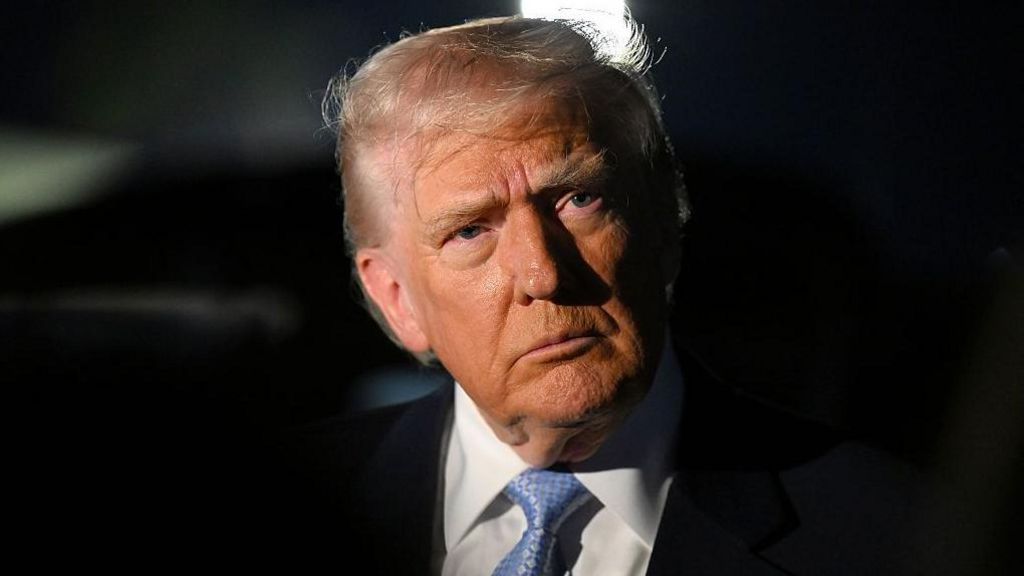
    President Trump addressed TSA workers via Truth Social on Sunday, encouraging them to ‘go to work’ while promising ‘I will never forget you!!!’ The partial shutdown continues as negotiations remain deadlocked over immigration policy provisions.

  • Trump’s White House chief of staff Susie Wiles diagnosed with breast cancer

    Trump’s White House chief of staff Susie Wiles diagnosed with breast cancer

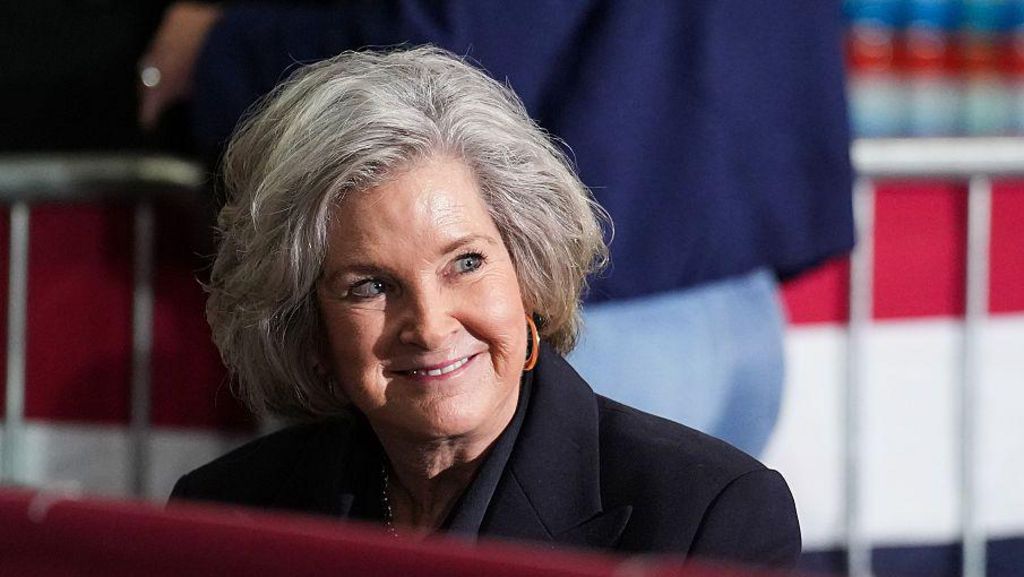
    In a personal health disclosure from the highest levels of U.S. government, White House Chief of Staff Susie Wiles has been diagnosed with early-stage breast cancer. President Donald Trump announced the news via his Truth Social platform on Monday, praising Wiles’s decision to confront her diagnosis immediately rather than delay treatment.

    Despite her health challenge, the 68-year-old political strategist will continue to perform her duties ‘virtually full time at the White House’ throughout her treatment regimen. Wiles occupies a historically significant position as the first woman to serve as White House Chief of Staff, a role considered the most crucial staff position in the executive branch responsible for maintaining the president’s agenda.

    Wiles, who played an instrumental role in Trump’s political resurgence and guided his successful 2024 campaign, addressed her diagnosis with characteristic resolve. In a statement to the New York Times, she contextualized her personal health battle within broader national health patterns, noting that ‘nearly one in eight women in the United States will face this diagnosis.’

    The Chief of Staff emphasized the continuing strength of women who maintain their professional and personal responsibilities while undergoing treatment, stating she now joins their ranks. Wiles expressed confidence in her prognosis, describing it as ‘strong,’ and acknowledged President Trump’s supportive response to her health situation.

  • Illinois State University delegation explores Liaoning’s cultural heritage

    Illinois State University delegation explores Liaoning’s cultural heritage

    A delegation comprising twenty students and faculty members from Illinois State University has successfully concluded an immersive cultural study tour in Shenyang, the capital of China’s northeastern Liaoning Province. The four-day educational program, which wrapped up on Thursday, was coordinated by the Institute of International Education at Liaoning University as part of ongoing China-US youth exchange initiatives.

    The visit featured extensive cultural exploration, including a detailed examination of Liaoning’s historical artifacts at the prestigious Liaoning Provincial Museum. The museum visit, which occurred on Wednesday, provided the American delegates with firsthand exposure to the region’s rich cultural heritage and historical significance.

    This exchange program represents continuing efforts to strengthen educational and cultural ties between academic institutions in China and the United States. Such initiatives aim to foster mutual understanding and create opportunities for cross-cultural learning among the next generation of global citizens. The program’s structure allowed participants to engage deeply with local culture while establishing academic connections that may lead to future collaborative ventures between the two universities.

    The successful completion of this tour underscores the growing importance of international educational exchanges in promoting diplomatic relations through cultural diplomacy. As similar programs continue to develop, they contribute significantly to building bridges between nations through academic collaboration and cultural immersion.

  • A look at South Africa’s extreme move to deploy the army to fight crime, by the numbers

    A look at South Africa’s extreme move to deploy the army to fight crime, by the numbers

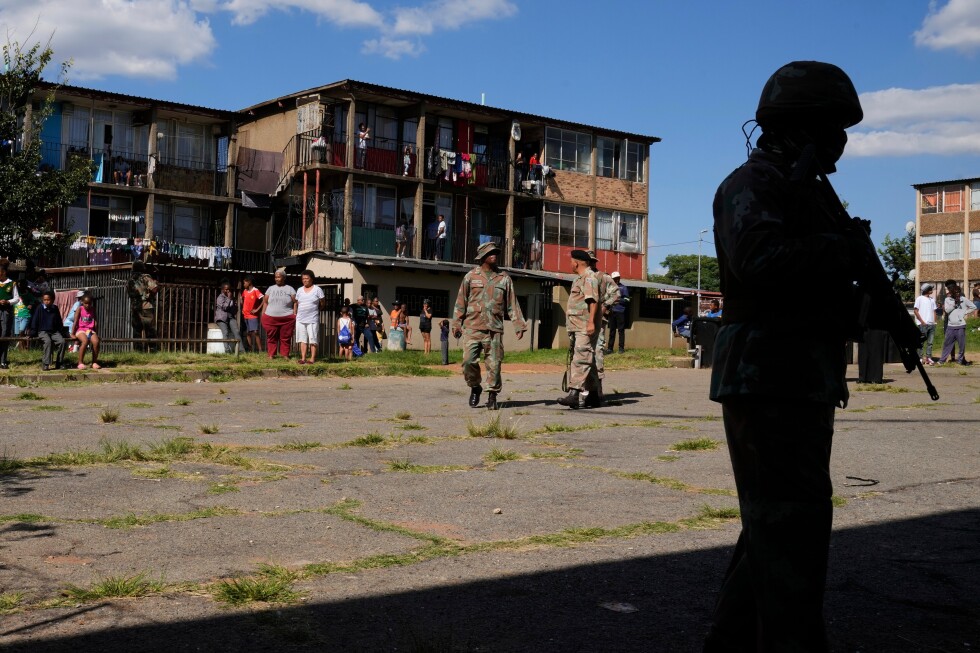
    CAPE TOWN, South Africa — In a decisive move against organized crime, President Cyril Ramaphosa has authorized an extensive military deployment spanning 13 months across five South African provinces. The unprecedented operation will deploy 2,200 soldiers to support police forces in combating two particularly destructive criminal enterprises: gang-related violence and illegal mining operations controlled by criminal syndicates.

    The deployment, effective from March 1, 2024, through March 31, 2025, represents the most prolonged military anti-crime initiative in recent years. With an allocated budget of $49.2 million, the operation will focus on Gauteng Province (home to Johannesburg), Western Cape (including Cape Town), North West, Free State, and Eastern Cape provinces.

    This strategic intervention highlights South Africa’s ongoing struggle with violent crime despite its status as Africa’s leading economy. Gang violence claims hundreds of lives annually, particularly in Cape Town’s impoverished Cape Flats district. Simultaneously, an estimated 30,000 illegal miners operate within approximately 6,000 abandoned gold and mineral mines, often employing armed violence to protect their illicit operations.

    Police authorities have outlined four primary objectives for the joint operation: significant crime reduction in targeted areas, apprehension of offenders, recovery of illegal firearms and explosives, and confiscation of narcotics. The deployment has received broad public support, with residents in crime-affected communities reportedly welcoming military presence in Johannesburg last week.

    While some opposition parties initially questioned the operation’s substantial cost, the government maintains that both gang violence and illegal mining pose fundamental threats to South Africa’s democratic institutions and economic development. This deployment marks the third military intervention against crime since 2023, though previous operations were significantly shorter in duration.

  • Wary allies show there’s no quick fix to Trump’s Iran crisis

    Wary allies show there’s no quick fix to Trump’s Iran crisis

    Former President Donald Trump’s latest remarks regarding NATO’s role in securing the Strait of Hormuz have ignited fresh tensions within the transatlantic alliance, revealing fundamental disagreements about its strategic purpose. Trump suggested that failure to secure the vital waterway would prove “very bad for the future of NATO,” implying offensive obligations that contradict the alliance’s defensive foundation.

    This perspective has drawn sharp criticism from European leaders and military experts. Germany’s Defense Minister Boris Pistorius openly questioned what “a handful of European frigates” could accomplish that the powerful U.S. Navy could not, emphasizing that “This is not our war. We have not started it.” The sentiment echoes across European capitals, where governments are resisting pressure to join military operations against Iran.

    The crisis stems from Iran’s effective blockade of the Strait of Hormuz, except for vessels carrying Iranian oil to allies like India and China. This has created urgent economic concerns as Western governments scramble to address the disruption to global shipping routes.

    Military capabilities present another challenge. Former Royal Navy Commander Tom Sharpe noted that Western navies have largely neglected mine-clearing capabilities since the last major naval de-mining operation in 1991. The Royal Navy currently has no mine-clearing ships in the region, instead offering newly developed seaborne drones that remain combat-untested.

    Complicating matters further, Iran’s Revolutionary Guard possesses sophisticated asymmetric capabilities including armed fast boats, naval suicide drones, and shore-based missiles. Recent imagery from Iranian media shows extensive preparations with boats and drones stored in underground tunnels.

    While Trump has characterized keeping the strait open as “a very small endeavour” potentially involving attacks on the Iranian coastline, European allies are advocating for de-escalation. EU foreign ministers are considering expanding the mandate of Operation Aspides, currently focused on Red Sea security, though member states including Spain and Italy have expressed reservations.

    French President Emmanuel Macron has emerged as the most willing European leader to participate in escort operations, but only after the “hottest phase” of conflict concludes. The complex threat environment—with dangers from air, surface, and underwater dimensions—makes any escort operation significantly more challenging than previous missions against Houthi rebels.

    With no clear resolution in sight, NATO allies remain caught between American pressure for involvement and their own strategic calculations about engaging in a conflict they did not initiate.

  • Morocco or France? Lille’s 18-year-old Ayyoub Bouaddi keeps his World Cup choice open

    Morocco or France? Lille’s 18-year-old Ayyoub Bouaddi keeps his World Cup choice open

    LILLE, France — The international football community awaits a pivotal decision from Ayyoub Bouaddi, Lille’s 18-year-old midfield prodigy, who must choose between representing France or Morocco at the highest level. Currently starring in Ligue 1, Bouaddi has emerged as one of Europe’s most promising talents, creating intense recruitment competition between two footballing nations.

    Despite his established presence in France’s youth squads, including the Under-21 team, Bouaddi remains the subject of aggressive courting by Moroccan football authorities. The North African nation, fresh from their historic World Cup semifinal appearance in 2022, has intensified efforts to secure the dual-nationality player’s commitment ahead of the 2026 World Cup in North America.

    When questioned about his international allegiance following Lille’s 2-1 victory over Rennes, Bouaddi maintained an open stance: ‘Let’s see, I’ve not chosen yet.’ This ambiguity comes as Morocco’s football federation and newly appointed coach Mohamed Ouahbi accelerate their pursuit, potentially including Bouaddi in upcoming World Cup preparation matches against Ecuador and Paraguay in late March.

    The technical midfielder’s remarkable trajectory includes breaking records at Lille, where he became the youngest player to feature in the UEFA Conference League just three days after his 16th birthday. His Champions League debut against Real Madrid on his 17th birthday further cemented his status as an exceptional talent with world-class potential.

    Morocco’s recruitment strategy has consistently targeted players of Moroccan descent developed in European systems, and Bouaddi represents their latest priority. The Atlas Lions face Brazil, Haiti, and Scotland in Group C of the 2026 World Cup, adding urgency to their talent acquisition efforts.

  • China’s Kuaizhou 11 Y7 rocket launches 8 new satellites

    China’s Kuaizhou 11 Y7 rocket launches 8 new satellites

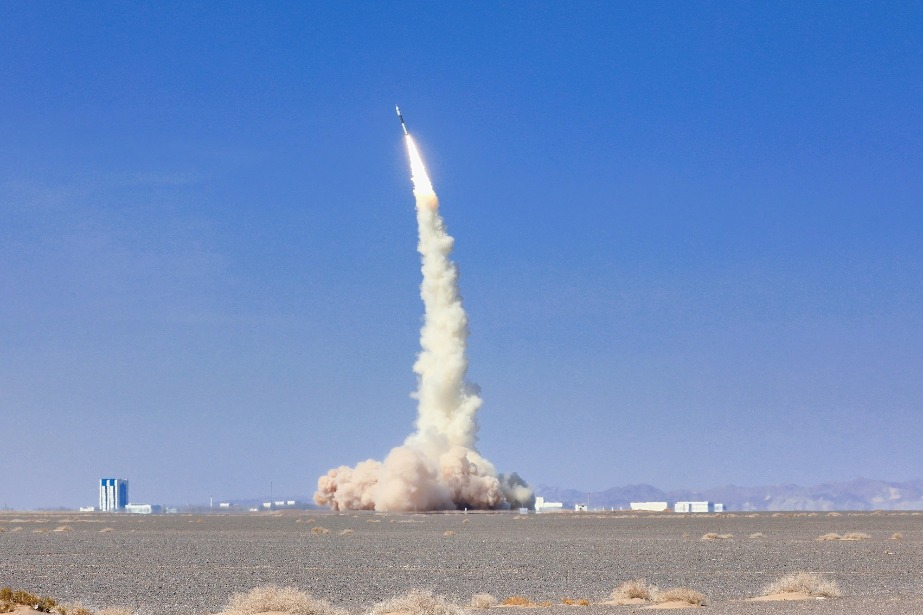
    China has marked another significant milestone in its aerospace program with the successful launch of the Kuaizhou-11 Y7 carrier rocket from the Jiuquan Satellite Launch Center in Northwest China. The launch occurred precisely at 12:12 pm Beijing Time on Monday, demonstrating China’s growing capabilities in rapid deployment space missions.

    The medium-lift solid-propellant rocket executed a flawless ascent, transporting eight newly developed satellites to their predetermined orbital positions. The mission represents the latest achievement in China’s expanding satellite constellation projects, which support various applications including Earth observation, communications, and scientific research.

    The Kuaizhou (meaning ‘Fast Vessel’) series represents China’s strategic emphasis on developing responsive launch capabilities that can deploy satellites with minimal preparation time. This launch capability provides significant advantages for both civilian and potential defense applications, offering rapid replacement or augmentation of orbital assets when needed.

    This successful mission follows previous Kuaizhou-11 launches and demonstrates continued technical refinement of China’s commercial space infrastructure. The achievement highlights China’s increasing presence in the global space industry, where it continues to advance both government-led and commercial space initiatives.

    The Jiuquan Satellite Launch Center, situated in the Gobi Desert, has served as China’s primary space facility since 1958 and continues to play a crucial role in the country’s ambitious space program, which includes lunar exploration, space station operations, and satellite deployment missions.

  • Australia battered by climate ‘whiplash’ as Climate Council warns of dangerous new era of extreme weather

    Australia battered by climate ‘whiplash’ as Climate Council warns of dangerous new era of extreme weather

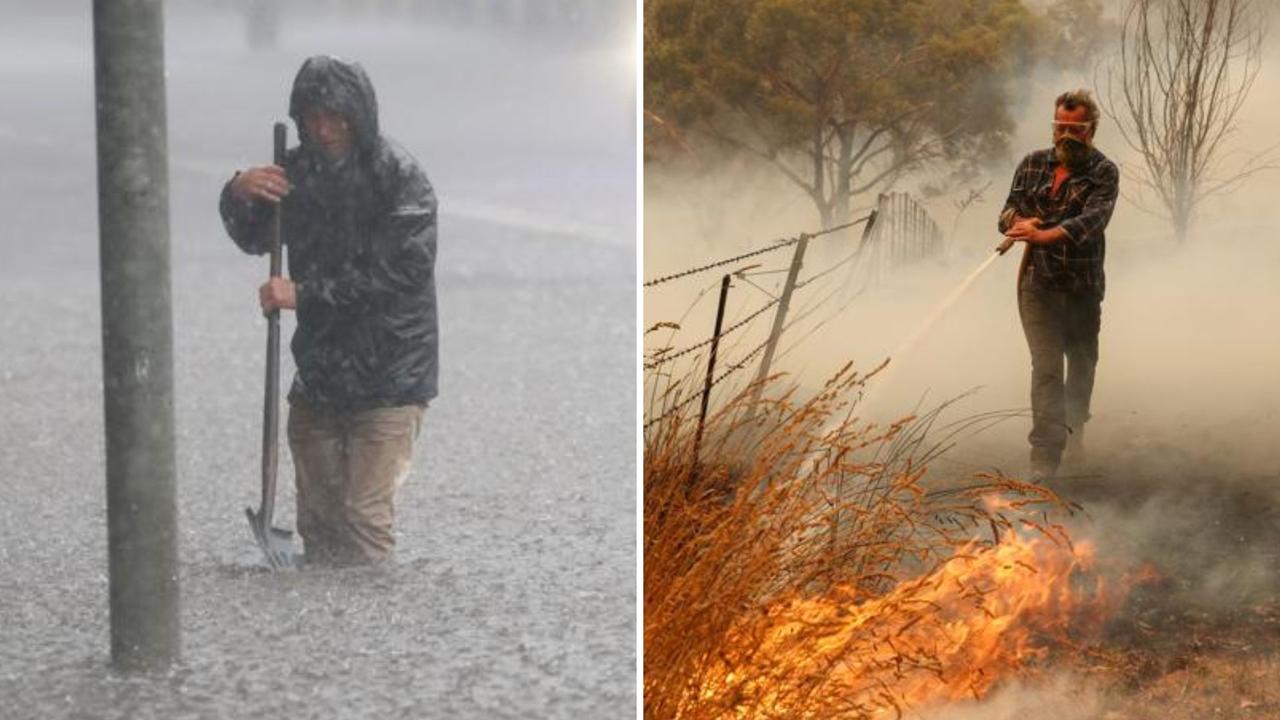
    A new analysis from the Climate Council reveals Australia has endured a summer of severe climate ‘whiplash,’ where identical geographical areas suffered through catastrophic bushfires only to be deluged by record-breaking floods mere weeks later. This rapid oscillation between opposing weather extremes is emerging as a dangerous hallmark of the nation’s altered climate patterns.

    Dr. Andrew Watkins, a meteorologist with the Council, emphasized that climate change is now the dominant force steering Australia’s temperatures. He pointed to the paradoxical fact that 2025, a year bookended by a cooling La Niña weather pattern, still ranked as Australia’s fourth-hottest year on record and the globe’s third-hottest. ‘That tells us the baseline has shifted,’ Dr. Watkins stated.

    This elevated thermal baseline accelerates evaporation, supercharging the atmosphere with moisture. The result is a devastating cycle: extreme heat desiccates the landscape, priming it for intense fires, which is then followed by storms capable of unleashing unprecedented rainfall. This precise sequence was observed in western Queensland, where some towns received their entire annual average rainfall within the first five weeks of 2026. Subsequently, a tropical low in February triggered flood watches across nearly half the continent, isolating inland communities that had been sweltering under 45°C heat just a month prior.

    The report, released Tuesday, quantifies the escalating financial toll, noting insurance companies paid out an average of $4.5 billion annually from 2019 to 2024—more than double the yearly average for the preceding three decades.

    Specific instances of whiplash were stark. In Victoria, January’s fire storms ignited over 200 bushfires, with towns like Walpeup and Hopetoun setting a new statewide record of 48.9°C. Astonishingly, residents along the Wye River who evacuated under catastrophic fire warnings were, a week later, witnessing floodwaters washing cars out to sea. New South Wales witnessed its own records, with Tibooburra receiving 273mm of rain in February—ten times its monthly average—after enduring a record six consecutive days of 45°C heat in January.

    NSW Fire Commissioner Greg Mullins, who also serves on the Climate Council, warned that the frequency of extreme disasters is accelerating. ‘We used to think of catastrophic fire conditions as once-in-a-generation events. Now they’re arriving every decade,’ he said. This new reality is stretching emergency services to their limits, as evidenced by Victorian firefighters combating 200 fires in a single day—a event that ultimately resulted in the loss of 451 homes. Commissioner Mullins directly linked the ballooning insurance costs and community devastation to fossil fuel pollution, urging governments to accelerate the transition to clean energy to curb these accelerating extremes.

  • China warns Trump’s latest tariff moves could damage trade ties

    China warns Trump’s latest tariff moves could damage trade ties

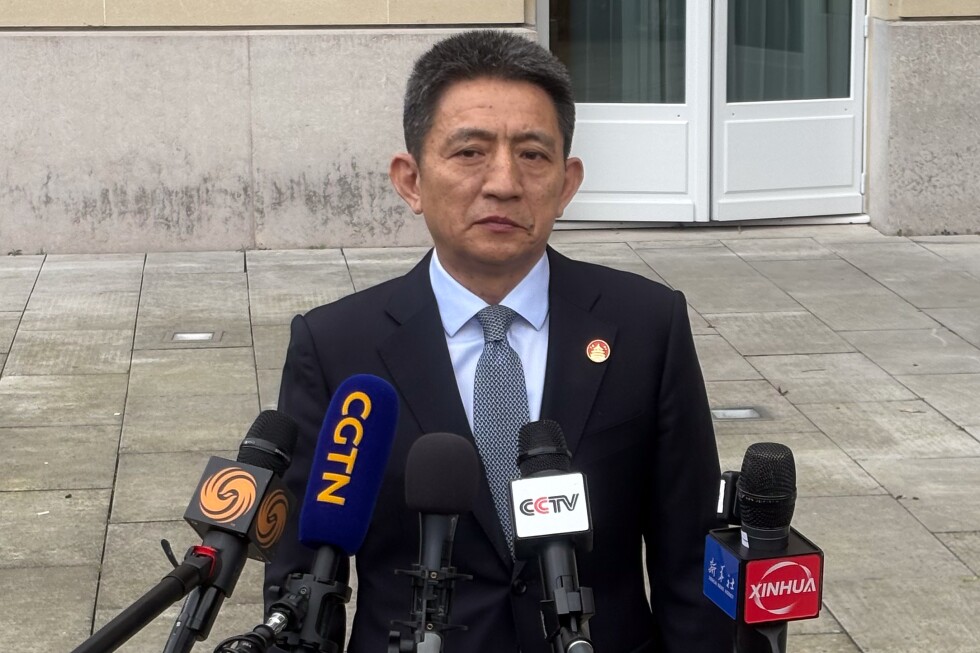
    During high-level diplomatic talks in Paris, Chinese officials issued a stern warning regarding recent U.S. trade policy maneuvers that could destabilize Sino-American economic relations. Li Chenggang, China’s International Trade Representative, expressed profound concerns about the Trump administration’s renewed trade investigations into foreign manufacturing, initiated after the U.S. Supreme Court invalidated previous tariff measures.

    The Paris meetings, intended to lay groundwork for President Trump’s anticipated visit to China within weeks, occurred against a backdrop of renewed tension. While the Trump administration has suggested potential postponement of the presidential visit, Chinese officials declined to address scheduling specifics during their brief press appearance.

    Complicating the diplomatic landscape, the Iran conflict has emerged as a potential obstacle to bilateral reconciliation efforts. This development follows the previous tariff war that saw import taxes escalate to triple-digit percentages before both nations agreed to a twelve-month truce.

    U.S. Treasury Secretary Scott Bessent, leading the American delegation, clarified that any potential delay in President Trump’s visit would not stem from disagreements regarding Iran policy or efforts to secure the strategically vital Strait of Hormuz for global shipping routes.

    The prospective visit would mark President Trump’s first official trip to China since his 2017 visit during his initial term, occurring approximately five months after his meeting with President Xi Jinping in Busan, South Korea.

  • Ex-French president Sarkozy appeals conviction in Libyan campaign financing case

    Ex-French president Sarkozy appeals conviction in Libyan campaign financing case

    PARIS — Former French President Nicolas Sarkozy appeared before an appeals court in Paris on Monday to contest his landmark conviction for illicit campaign financing tied to Libyan sources during his 2007 presidential bid. The 71-year-old conservative leader, who previously served 20 days in prison last year, is fighting a five-year sentence for “criminal conspiracy” handed down last September.

    The original trial concluded that Sarkozy and his associates orchestrated a sophisticated scheme between 2005 and 2007 to secure millions in funding from the regime of late Libyan dictator Moammar Gadhafi. In exchange for financial support, prosecutors alleged Sarkozy offered political and diplomatic concessions to the North African government.

    This appeal proceeding, expected to continue through June 3, will reexamine all evidence and testimony involving Sarkozy and nine co-defendants, including three former government ministers. The case represents an unprecedented moment in French judicial history—marking the first time a modern French president has faced actual imprisonment.

    Sarkozy maintains his complete innocence, characterizing the allegations as politically motivated attacks. Despite multiple legal challenges since leaving office in 2012, he remains an influential figure within conservative political circles.

    The appeal unfolds against the backdrop of another recent judicial setback for Sarkozy. France’s Court of Cassation upheld his conviction in November for separate illegal campaign financing violations during his 2012 reelection attempt. That ruling requires him to serve six months under house arrest with electronic monitoring—a sentence that has not yet been implemented.