
MIAMI — In a strategic pivot just hours before the World Baseball Classic semifinal, Italian manager Francisco Cervelli has announced a significant pitching change. Aaron Nola, not Michael Lorenzen as previously anticipated, will take the mound for Italy against Venezuela at loanDepot Park on Monday night. This last-minute decision reshapes the tactical landscape for the crucial elimination game. Nola, a 32-year-old right-handed pitcher, brings formidable recent form to the start. He secured a victory in Italy’s group stage finale against Mexico on March 11, delivering a dominant performance with five scoreless innings. In that outing, he limited opponents to just four hits while recording five strikeouts and a single walk over 69 pitches. Opposing him will be Venezuela’s starter, Keider Montero. The 25-year-old right-hander will be tasked with neutralizing an Italian lineup that has surprised many in the tournament. The stakes for this semifinal clash are immense, with the victorious team earning the right to face the United States in the championship final on Tuesday night.
博客
-
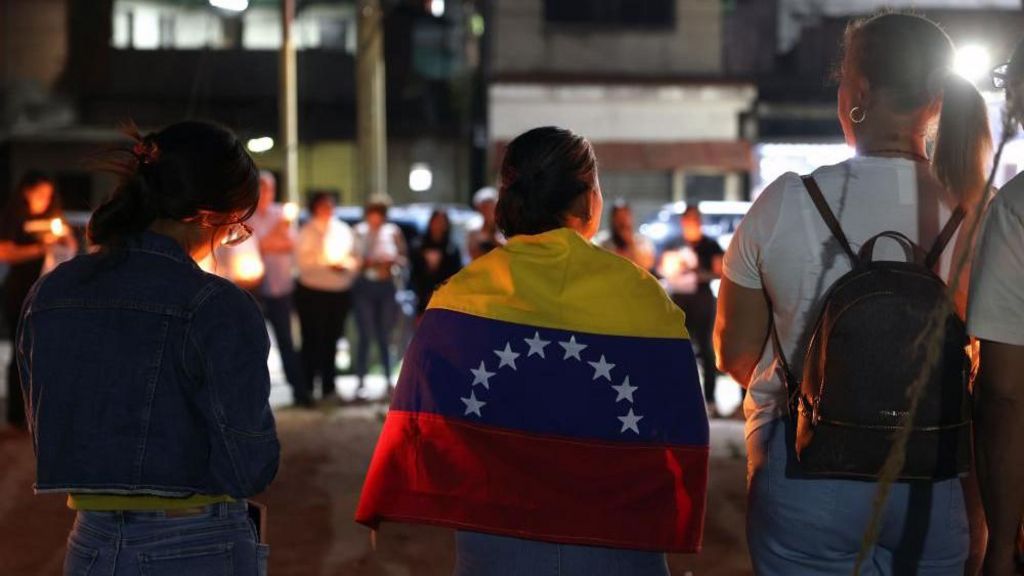
UN receives reports alleging torture of detainees in Venezuela continues
The United Nations High Commissioner for Human Rights, Volker Türk, has raised serious concerns regarding continued human rights violations in Venezuela despite recent political changes. Speaking before the UN Human Rights Council, Türk acknowledged the passage of an amnesty law under the leadership of Delcy Rodríguez, who assumed power following the seizure of former President Nicolás Maduro by US forces in January. However, he emphasized that “structural and systemic human rights concerns have persisted” in the South American nation.
Türk revealed that his office continues to receive disturbing reports of “torture and mistreatment of detainees” occurring in Venezuelan detention facilities, specifically naming Rodeo 1 and Fuerte Guaicaipuro centers. Particularly alarming is the disclosure that a child remains among those arbitrarily detained despite the amnesty legislation.
The Commissioner highlighted a significant discrepancy in release figures, noting that while the Maduro-loyalist parliament claims over 7,700 individuals received “full freedom,” the independent prisoners’ rights organization Foro Penal has confirmed fewer than 700 actual releases. According to parliamentary data, most beneficiaries weren’t in traditional prisons but under alternative restrictions like house arrest or parole.
Türk has urgently requested official documentation of those released and unimpeded access to detention centers, requests that have thus far gone unfulfilled. This call for transparency comes as the Independent International Fact-Finding Mission on Venezuela continues documenting post-January human rights violations, including torture, sexual violence, and degrading treatment in detention facilities.
Venezuelan officials have historically dismissed such allegations as politically motivated and previously characterized UN reports as “politicized” and driven by “perfidious interests.” The government has not yet responded to Türk’s latest statements.
-
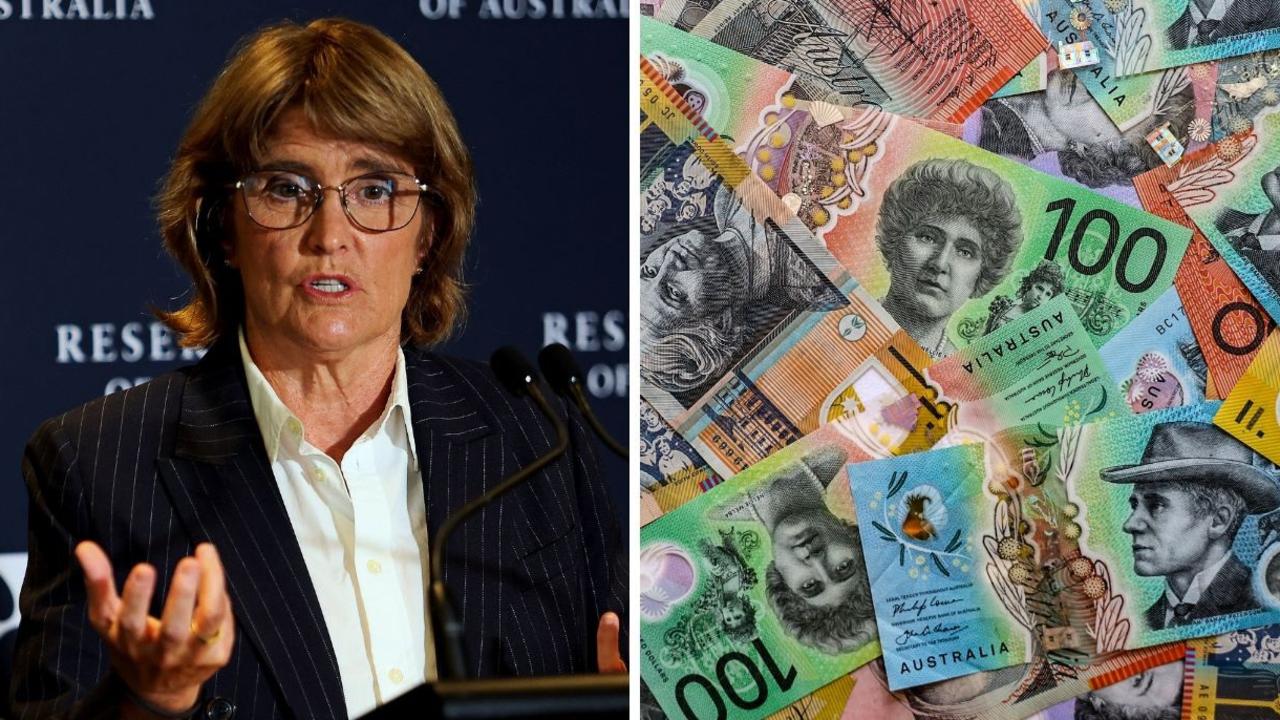
Reserve Bank weighs rate hike as shock oil price surge hits households
The Reserve Bank of Australia faces a critical monetary policy decision amid escalating geopolitical tensions that have triggered a global oil crisis. Financial markets now estimate a 70% probability that the RBA will implement a 25-basis-point rate hike on Tuesday, potentially elevating the official cash rate from 3.85% to 4.10%.
This anticipated tightening of monetary policy follows a dramatic surge in oil prices precipitated by recent military actions between the US/Israel coalition and Iran. The strategic blockade of the Strait of Hormuz—a vital maritime trading corridor—has propelled oil prices from $56 to exceeding $100 per barrel within just three weeks of trading activity.
AMP Chief Economist Shane Oliver describes the situation as a perfect storm for policymakers: “Oil shocks create a dual-edged sword—they drive headline inflation upward while simultaneously depressing economic activity, which ultimately reduces underlying inflationary pressures.” The economist elaborated that soaring fuel costs effectively function as an indirect tax increase, diminishing household disposable income and constraining consumer spending across broader sectors of the economy.
The immediate household impact is severe—every $10 per barrel increase translates to an additional 10 cents per liter at gasoline pumps. This represents approximately a $14 weekly burden on family budgets, accumulating to nearly $730 annually during sustained price elevations.
Despite market expectations, several prominent economists advocate for monetary policy caution. Ebury Market Analyst Anthony Malouf recommends postponing rate adjustments until May, arguing that the RBA should await more comprehensive economic data, particularly the full March quarter Consumer Price Index figures scheduled for late April release.
The current inflation rate stands at 3.8%, already exceeding the RBA’s target band of 2-3%. Treasury projections indicate potential temporary spikes into the “high fours” due to oil market volatility. Treasurer Jim Chalmers acknowledged the uncertainty, stating the duration of geopolitical tensions remains “the biggest variable” in economic forecasting.
Recent economic indicators reveal softening conditions, with Commonwealth Bank data showing February household spending declined 0.5% month-on-month—the most significant reduction since mid-2021. Both consumer and business confidence metrics have deteriorated following February’s rate hike.
RBA Governor Michele Bullock will announce the board’s decision following a two-day deliberation period, with financial markets and Australian households awaiting guidance on navigating this complex economic landscape where conventional monetary policy tools confront extraordinary external shocks.
-
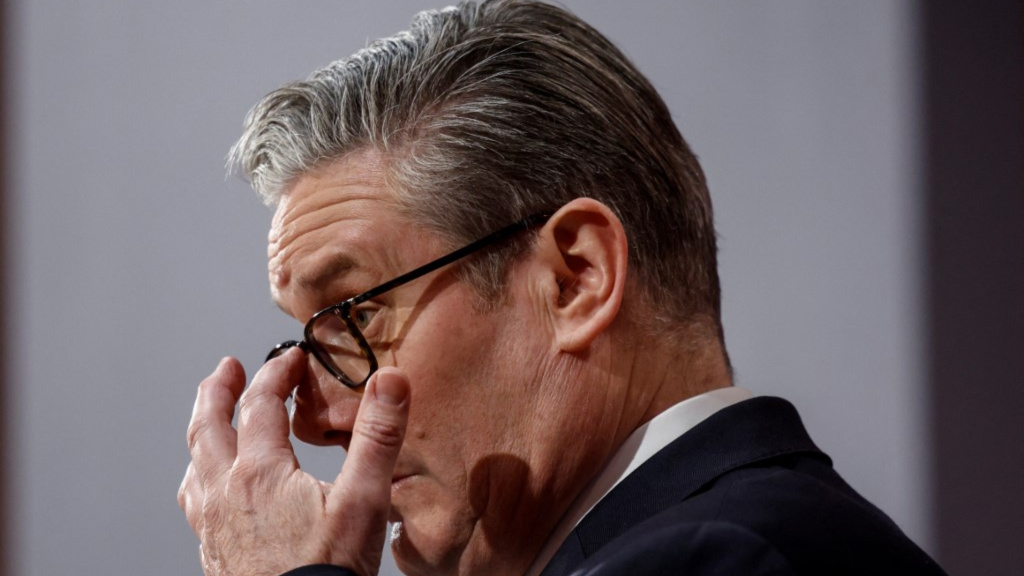
Britain drawn closer to Iran war as a reluctant Starmer moves to appease Trump
British Prime Minister Keir Starmer announced on Monday that the United Kingdom is formulating a “viable plan” to facilitate the reopening of the strategically critical Strait of Hormuz. This declaration followed a high-stakes discussion with US President Donald Trump, who had previously issued stark warnings about NATO’s future should member states decline to assist American efforts in securing the vital maritime passageway.
The Strait of Hormuz, through which approximately twenty percent of global oil shipments transit, has become the focal point of international tension following Iran’s effective blockade in retaliation against US-Israeli military operations. President Trump’s weekend appeal to multiple nations, including Britain, China, France, Japan, and South Korea, for a collective “team effort” has placed the Starmer administration in a complex diplomatic position.
Despite overwhelming domestic opposition to military engagement, Britain finds itself increasingly entangled in the conflict. The UK government has permitted American forces to utilize British military installations as staging grounds for bomber missions targeting Iranian missile facilities. Energy Secretary Ed Miliband revealed the government’s consideration of deploying minesweeping drones—sophisticated devices that mimic ship patterns to safely detonate underwater mines—rather than warships to the region.
Prime Minister Starmer emphasized the economic imperative of reopening the strait to “ensure stability in the markets,” while acknowledging the considerable challenges involved. He asserted that while US-Israeli operations have “massively weakened” Iran’s military capabilities, any lasting solution would require a “negotiated agreement” to constrain Tehran’s nuclear ambitions and guarantee secure international shipping lanes.
The evolving situation has exposed strains in the transatlantic relationship, particularly regarding Britain’s initial refusal to authorize American strikes from the joint UK-US base on Diego Garcia. Whitehall sources indicate the Starmer government views the US-Israeli offensive as lacking legal justification and contrary to British national interests.
President Trump’s criticism of NATO as a “one-way street” and his remarks about Britain’s delayed naval contribution have been met with measured responses from UK officials. Work and Pensions Secretary Pat McFadden emphasized that Britain maintains no obligation to acquiesce to all American requests, characterizing the relationship as “enduring” beyond current political personalities.
As military activity intensifies—with US bombers operating from British soil and Iranian drones attacking bases housing British personnel—the Starmer government faces mounting pressure to balance alliance commitments with domestic political realities while pursuing de-escalation in an increasingly volatile regional conflict.
-

Two charged in death of anti-Iranian regime activist in Canada
Canadian authorities have formally charged two individuals with first-degree murder in the death of Masood Masjoody, a prominent Iranian dissident and former mathematics instructor, whose disappearance in early February culminated in the discovery of his remains in Mission, British Columbia last week.
The Integrated Homicide Investigation Team (IHIT) identified the accused as Mehdi Ahmadzadeh Razavi, 48, and Arezou Soltani, 45, both of whom appeared in court on Monday. While police confirmed the victim and suspects were acquainted and had engaged in social media disputes, the precise motive remains under active investigation.
RCMP spokesperson Freda Fong acknowledged the case’s profound impact on the Iranian-Canadian community, stating that the first-degree murder charges represent a significant development in the ongoing investigation. Both defendants lack prior criminal records in Canada, according to official sources.
Masjoody, 45, served on the board of the Iran Front for the Revival of Law and National Sovereignty, an organization dedicated to opposing Tehran’s regime. The group had expressed concern following his disappearance, highlighting his years of activism against what they described as ‘influence and intimidation networks’ connected to the Islamic Republic in diaspora communities.
Following the criminal charges, the organization issued a statement characterizing Masjoody’s death as a consequence of ‘political violence’ and ‘lawlessness,’ though Canadian authorities have not confirmed any political motivation behind the killing. The investigation began after neighbors reported unusual circumstances surrounding Masjoody’s disappearance, prompting a comprehensive police response that ultimately led to the murder charges.
-

Experts: too early to tell if super El Nino will hit this year
Climate experts from China’s National Climate Center are advising against premature conclusions regarding the potential development of a super El Niño event this year, despite growing online speculation about record-breaking temperatures and extreme weather patterns. Current monitoring indicates that the lingering La Niña conditions are gradually weakening, with the tropical Pacific potentially transitioning toward an El Niño state later in 2026.
Director Liu Yunyun of the climate prediction division explained that while there exists a relatively high probability of the central and eastern equatorial Pacific entering an El Niño phase during the latter half of the year, accurate predictions regarding its precise onset timing and overall intensity remain challenging. The El Niño-Southern Oscillation (ENSO) phenomenon represents a naturally recurring climate pattern that typically cycles every three to seven years, significantly influencing global weather systems through fluctuations in ocean temperatures and atmospheric conditions across the tropical Pacific.
Scientific classification of ENSO phases relies on measuring sea surface temperature anomalies. Sustained three-month average anomalies exceeding 0.5°C for at least five consecutive months indicate El Niño conditions, while anomalies below -0.5°C signify La Niña episodes. Based on current observations and model forecasts, the ongoing La Niño episode is approaching its conclusion, expected to transition into a neutral phase in coming months before potentially evolving into El Niño conditions as early as late spring.
Chief Forecaster Chen Lijuan emphasized that while El Niño events frequently correlate with increased global average temperatures, the actual scale of warming and extreme weather intensity depends on multiple factors including event strength, type, and regional climate responses. Historical data indicates approximately a one-third probability of entering an El Niño phase during the same year following a La Niña’s conclusion.
Experts cautioned that climate discussions on social media platforms sometimes contain exaggerated claims or information taken out of context. They urged the public to interpret predictions carefully, noting that climate forecasting inherently involves uncertainties, particularly concerning El Niño’s timing, intensity, and regional impacts. Regardless of whether El Niño develops this year, climate specialists emphasized that increasing frequency of extreme weather events has become the new reality under global climate change, advising farmers, city planners, and the general public to maintain vigilance and prepare accordingly.
-
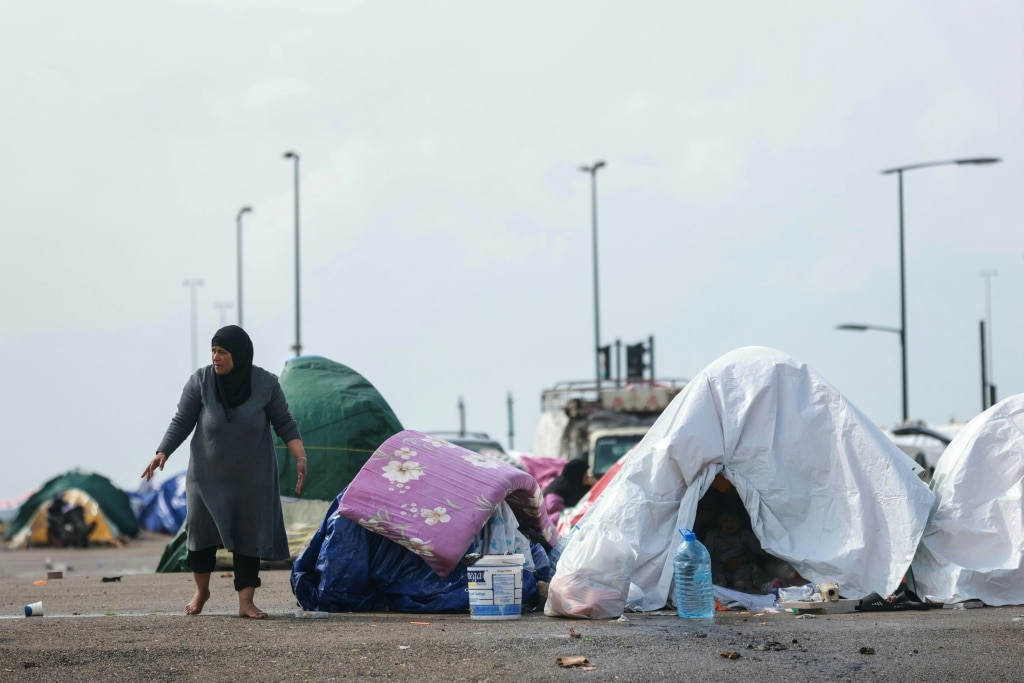
Israel army says ground assault against Hezbollah underway in Lebanon
The Israeli Defense Forces confirmed the initiation of targeted ground operations within Lebanese territory on Monday, marking a significant escalation in the ongoing conflict with Hezbollah militants. Military officials described these incursions as “limited” missions focused on dismantling terrorist infrastructure in southern Lebanon’s strategic strongholds.
This development follows two weeks of intensified hostilities that have reportedly displaced over one million Lebanese citizens, with approximately 132,000 seeking refuge in collective shelters according to Beirut’s estimates. The Lebanese National News Agency documented continuous Israeli strikes across southern regions, with official reports indicating 886 fatalities, including 111 children, since fighting commenced on March 2.
The current confrontation originated when Hezbollah, backed by Tehran, launched attacks against Israel in retaliation for the elimination of Iranian Supreme Leader Ayatollah Ali Khamenei during joint US-Israeli operations. Israel responded with comprehensive aerial bombardments before progressing to ground maneuvers.
Military spokesman Lieutenant Colonel Nadav Shoshani disclosed that operations target new locations where Hezbollah’s elite Radwan unit allegedly positions threats against Israeli civilians. “We understand Hezbollah is intending to expand their operations… firing hundreds of rockets daily,” Shoshani stated, emphasizing the defensive nature of these missions.
Hezbollah countered with rocket and drone attacks on northern Israel, striking the city of Nahariya where emergency responders treated one individual for blast injuries and six others for smoke inhalation. An AFP correspondent observed smoke rising from Khiam following Israeli bombardment, where Hezbollah reports direct clashes with Israeli forces.
International reactions have emerged strongly, with Turkey condemning the ground operation as worsening regional instability and potentially creating “another humanitarian catastrophe.” German Chancellor Friedrich Merz cautioned Israel against this path, labeling it “an error.”
Israeli Defense Minister Israel Katz declared that displaced Lebanese would not return south of the Litani River until security guarantees for northern Israeli residents are established. Notably, Israel has not implemented evacuations in its northern territories despite the intensified conflict, diverging from previous engagement protocols.
-
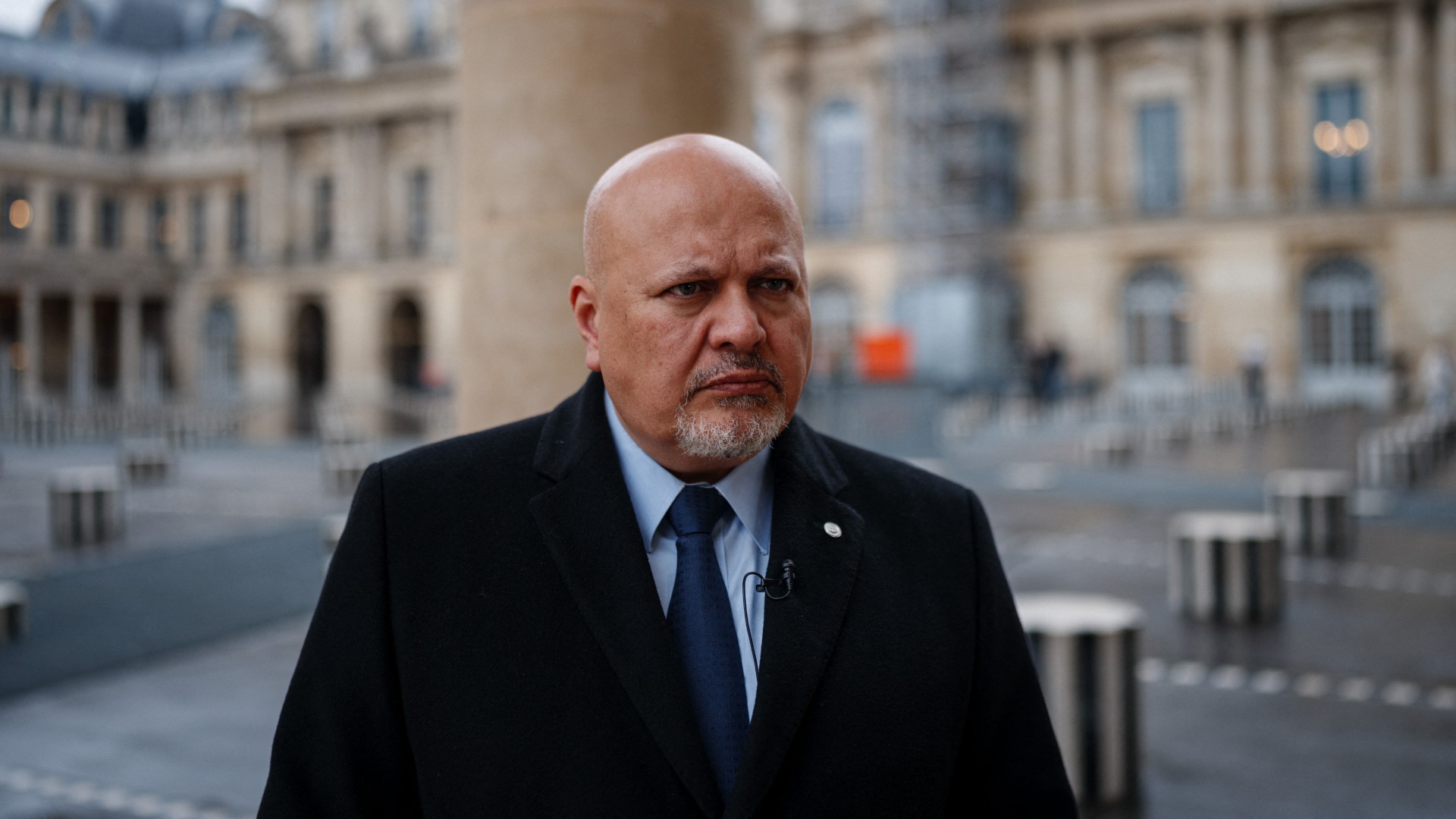
ICC governing body set to rule on prosecutor Karim Khan misconduct claims
The International Criminal Court (ICC) faces a profound institutional crisis as its governing body convenes to determine the professional future of Chief Prosecutor Karim Khan. The Assembly of States Parties (ASP) Bureau, comprising 21 member representatives, is reviewing a confidential judicial report investigating serious sexual misconduct allegations against Khan.
This pivotal document, compiled by an independent tribunal of three judges applying the criminal law standard of ‘beyond reasonable doubt,’ outlines potential findings ranging from serious misconduct to complete exoneration. The report remains strictly confidential, accessible only to bureau members, with neither Khan nor the majority of the court’s 125 member states permitted to review its contents.
The judicial examination originated from a United Nations Office of Internal Oversight Services (OIOS) investigation commissioned in November 2024 following media reports that a staff member had accused Khan of sexual assault. The case escalated when the complainant declined to cooperate with the ICC’s internal investigative mechanisms.
According to internal ASP documents, the bureau possesses authority to suspend Khan pending case resolution if misconduct is established. The prosecutor would subsequently receive 30 days to formally respond and present his defense during a hearing. Should the bureau confirm serious misconduct, Khan’s removal would require an absolute majority vote (63 states) among ICC member nations.
Diplomatic sources indicate Monday’s meeting may yield either immediate decisions or establish an adjudicative process, with delegates consulting their respective governments on this complex matter. The proceedings occur against the backdrop of Khan’s voluntary leave of absence since May 2024, during which deputy prosecutors have managed office operations.
This leadership crisis emerges during particularly consequential investigations into atrocity crimes across multiple regions, including Palestine, Ukraine, Sudan, and Afghanistan. The timing proves especially sensitive given Khan’s recent application for arrest warrants against Israeli Prime Minister Benjamin Netanyahu and Defense Minister Yoav Gallant in May 2024—a move that triggered aggressive diplomatic and economic retaliation from Israel and allied nations.
The United States under President Donald Trump has imposed financial sanctions and visa restrictions against Khan, his deputies, several ICC judges, and Palestinian entities since February 2025. Previous reporting revealed that British officials, including then-Foreign Secretary David Cameron, threatened defunding and withdrawal from the ICC during tense pre-warrant negotiations.
Khan has vehemently denied all allegations, characterizing Israel’s parallel attempt to disqualify him from the Palestine investigation as based on ‘a haze of ends-oriented conjecture and misleading or false assertions.’ The convergence of misconduct allegations with high-stakes international investigations has created unprecedented challenges for the court’s institutional integrity and operational capacity.
-

China recovers $4.95b in medical insurance funds in 2025
China’s National Healthcare Security Administration (NHSA) achieved a significant milestone in 2025 by recovering approximately 34.2 billion yuan ($4.95 billion) in misappropriated medical insurance funds, according to an official statistical report released on Monday. This substantial recovery represents one of the most successful anti-fraud campaigns in China’s healthcare system history.
The comprehensive audit revealed systematic insurance fraud across 1,626 medical institutions, with 27.8 billion yuan identified and reclaimed through rigorous verification processes. In a coordinated effort with public security authorities, the administration investigated 3,776 separate cases, resulting in the arrest of 10,357 suspects involved in fraudulent activities. The campaign also leveraged whistleblower participation, recovering 2.74 billion yuan through tip-offs while distributing approximately 1.56 million yuan in rewards to informants.
Concurrently, China’s healthcare coverage expanded significantly, with basic medical insurance now encompassing over 1.33 billion citizens—an increase of 4.06 million from the previous year—maintaining a 95% coverage rate nationwide. The combined medical and maternity insurance funds demonstrated robust financial health, recording total revenues of 3.59 trillion yuan against expenditures of 3 trillion yuan.
Service utilization metrics showed notable trends: outpatient visits surged to 7.22 billion (a 25.51% year-on-year increase), while inpatient services declined slightly to 278 million visits (down 3.4%). The healthcare safety net proved particularly effective for vulnerable populations, with coverage for low-income rural residents and those recently lifted from poverty remaining above 99%. The three-tier protection system—combining basic medical insurance, critical illness insurance, and medical assistance—benefited over 246 million rural residents, reducing their medical expenses by approximately 193 billion yuan.
Cross-provincial medical services witnessed substantial growth, with hospitalization expense direct settlements reaching 15.82 million cases (a 10% increase) involving 162 billion yuan in fund payments. Outpatient direct settlements expanded even more dramatically, reaching 292 million visits (30% growth) with 45.5 billion yuan in payments (26% increase).
Maternity insurance coverage expanded to nearly 260 million people, with the fund disbursing 136 billion yuan in benefits to more than 35 million recipients. The national reimbursement drug list expanded with 114 new additions in 2025, bringing the total to 949 drugs added since the NHSA’s establishment in 2018. The administration also completed its 11th round of national centralized drug procurement, covering 55 pharmaceutical products.
-
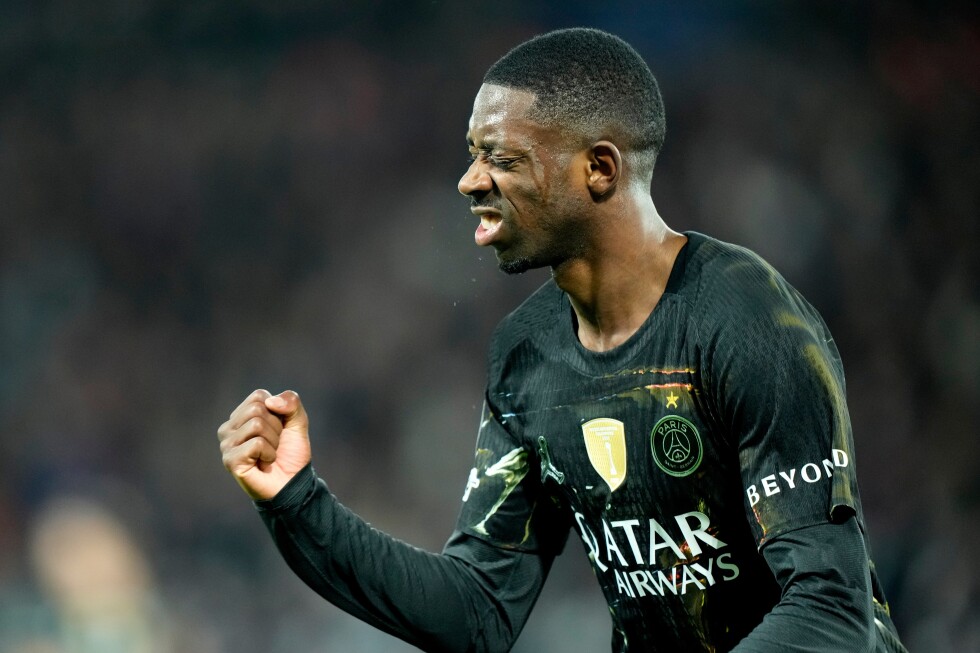
Dembélé feeling fit and ready to steal the limelight for PSG and France
As the season reaches its pivotal climax, Paris Saint-Germain forward Ousmane Dembélé has declared himself fully fit and brimming with ambition to dominate both club and international football. The French international, now 28 and entering his athletic prime, has overcome persistent injury struggles that previously limited his contributions.
Dembélé’s resurgence was spectacularly demonstrated during PSG’s 5-2 Champions League victory against Chelsea last Wednesday, where he scored a breathtaking solo goal after sprinting from the halfway line. This performance echoed his career-best form from last season, when he netted 35 goals and played an instrumental role in securing PSG’s inaugural Champions League title while simultaneously earning the prestigious Ballon d’Or.
“My determination to secure additional silverware with PSG has never been stronger,” Dembélé stated on Monday, ahead of the crucial Champions League return leg against Chelsea. “With the World Cup approaching, my motivation levels are extremely high. Despite previous physical setbacks, I recognize the necessity to demonstrate my capabilities consistently.”
The talented winger has endured a challenging period with calf and hamstring injuries that caused him to miss 14 matches and be substituted prematurely in several others. Now fully recovered, Dembélé emphasizes his commitment to offensive productivity: “I thrive on frequent ball involvement, making penetrating runs, and contributing either goals or assists in every appearance—this fundamental objective remains unchanged.”
Beyond his on-field aspirations, Dembélé has emerged as an influential voice within the squad. Following PSG’s disappointing 3-1 defeat to Rennes last month, he publicly criticized teammates for insufficient collective effort, stating: “We must demonstrate greater desire on the pitch. Individualistic play will prevent us from achieving our trophy ambitions. The club’s interests must supersede personal agendas.”
Although coach Luis Enrique initially advocated for maintaining squad unity, Dembélé remains unapologetic about his constructive criticism, believing it produced positive results: “I have no regrets—this approach is essential for PSG’s success. The message was intended for the entire team, and I believe it yielded benefits. We’ve addressed the issue of poor decision-making in final third situations without creating dressing room conflicts.”
Luis Enrique, who once benched Dembélé for disciplinary reasons during a Champions League encounter against Arsenal, has transformed into his most ardent supporter. The Spanish manager praised: “He’s an incredible asset who can adapt his playing style dynamically. From a spectator’s perspective, his ball possession is consistently delightful to watch.”
French national team supporters eagerly anticipate Dembélé’s World Cup performance, hoping for redemption after his premature substitution during the first half of the 2022 final defeat against Argentina.