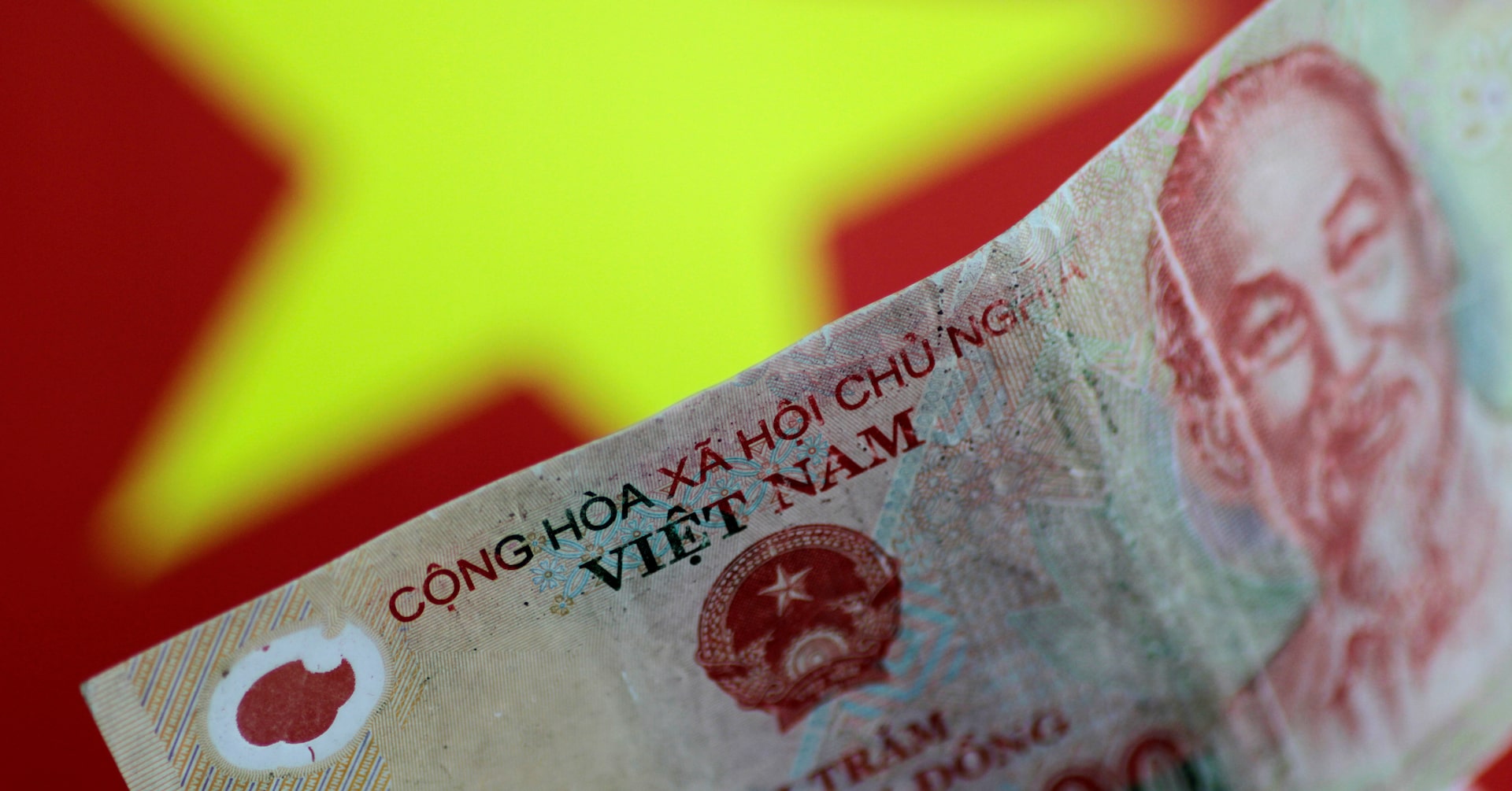
Vietnam is set to introduce sweeping reforms that would require police approval for investment projects across key sectors such as energy, telecommunications, and construction. The draft decree, proposed by the Ministry of Public Security, aims to bolster national security and reinforce the ‘absolute leadership’ of the ruling Communist Party. However, the move has sparked concerns among foreign investors, who fear increased compliance costs and project delays. The proposal, which is open for public comment until September 22, could significantly expand the powers of Vietnam’s security apparatus. If enacted, the decree would mandate security vetting for a wide range of critical infrastructure projects, including nuclear power plants, telecommunications, and oilfields, as well as seemingly less critical ventures like industrial parks and golf courses. Vietnam, a nation heavily reliant on foreign investment, currently conducts limited security checks on most development projects, with the police playing a largely advisory role. The proposed reforms would grant the Ministry of Public Security the authority to determine whether projects meet undefined security conditions, effectively giving it veto power. The draft document also outlines plans for the ministry to supervise and inspect foreign aid projects, assessing their impact on security and social order. While the government argues that the reforms are necessary to address a complex international landscape dominated by strategic competition, critics warn that the changes could deter investment and slow economic growth. Vietnam is home to major multinational corporations, including Samsung, Honda, and Intel, which have previously expressed concerns over bureaucratic delays. The proposed decree follows a similar 2019 regulation that prioritized defense considerations in economic projects but was more limited in scope. As the draft moves closer to becoming law, its potential implications for Vietnam’s investment climate remain a subject of intense debate.
博客
-

African pride as Rwanda prepares for cycling history
The 2025 UCI Road World Championships, set to begin in Rwanda on Sunday, represent a monumental milestone for African cycling. For the first time since the event’s inception in 1921, the prestigious competition will be held on African soil, with Kigali’s BK Arena serving as the starting point for the women’s individual time trial. This historic moment underscores the growing influence of African cyclists on the global stage. Among the standout competitors is Kim Le Court from Mauritius, who earlier this year became the first African to wear the leader’s yellow jersey in the Tour de France Femmes. Le Court expressed her excitement, stating that competing in Africa’s inaugural World Championships is ‘really special’ and a testament to the potential of riders from smaller nations. The event will feature 13 races across time trials and road races, with gender parity and three age categories: junior, Under-23, and elite. Rwanda’s selection as host in 2021 prompted African cycling federations to intensify their efforts in nurturing young talent, with around 150 professional cyclists from the continent now competing at the highest levels. However, Rwanda’s challenging terrain, characterized by its ‘land of a thousand hills,’ may pose difficulties for some riders, including Eritrea’s Biniam Girmay, Africa’s top male cyclist. Despite his sprinting prowess, Girmay acknowledges the grueling nature of the men’s road race, which includes over 5,500 meters of climbing. Nevertheless, he remains committed to supporting his national team and inspiring the next generation of African cyclists. The event is expected to draw massive crowds, with Rwanda’s passion for cycling evident in the annual Tour du Rwanda, which attracts over one million spectators. Despite security concerns stemming from the ongoing conflict in neighboring DR Congo, the UCI confirmed the event would proceed as planned. UCI President David Lappartient emphasized the importance of uniting the global cycling community in Africa, while Kimberly Coats of Team Africa Rising highlighted the potential for long-term investment in the sport. For young African riders, the championships offer a platform to showcase their talent and attract development opportunities. Ethiopia’s Tsige Kahsay Kiros, an 18-year-old junior competitor, is among those making waves after her impressive performance at the Tour de l’Avenir. As the event unfolds, it promises to leave a lasting legacy, firmly placing African cycling on the global map.
-
SoftBank, OpenAI Japan AI joint venture is delayed, source says
SoftBank Group Corp. and OpenAI’s highly anticipated joint venture to deliver artificial intelligence (AI) services to corporate clients in Japan has encountered significant delays, according to an insider familiar with the matter. Initially slated for launch this summer, the venture, named SB OpenAI Japan, is now expected to provide an update on its progress in November. The source, who requested anonymity due to the confidential nature of the details, cited prolonged preparations as the primary cause for the setback. SoftBank confirmed that preparations are ongoing but refrained from commenting further, while OpenAI has yet to respond to inquiries. The venture was announced in February by SoftBank CEO Masayoshi Son and OpenAI CEO Sam Altman, with ownership shared between OpenAI and a newly established SoftBank entity. At a June shareholder meeting, Junichi Miyakawa, CEO of SoftBank’s telecom unit, had targeted the end of July for the venture’s launch, though specific product offerings remain under discussion. This initiative marks a resurgence in Son’s bold investment strategy, following a period of retrenchment due to underperforming tech investments. Meanwhile, SoftBank’s $500 billion Stargate project, aimed at developing data centers in the U.S., has also faced delays due to protracted negotiations and location-related decisions, as disclosed by CFO Yoshimitsu Goto last month.
-
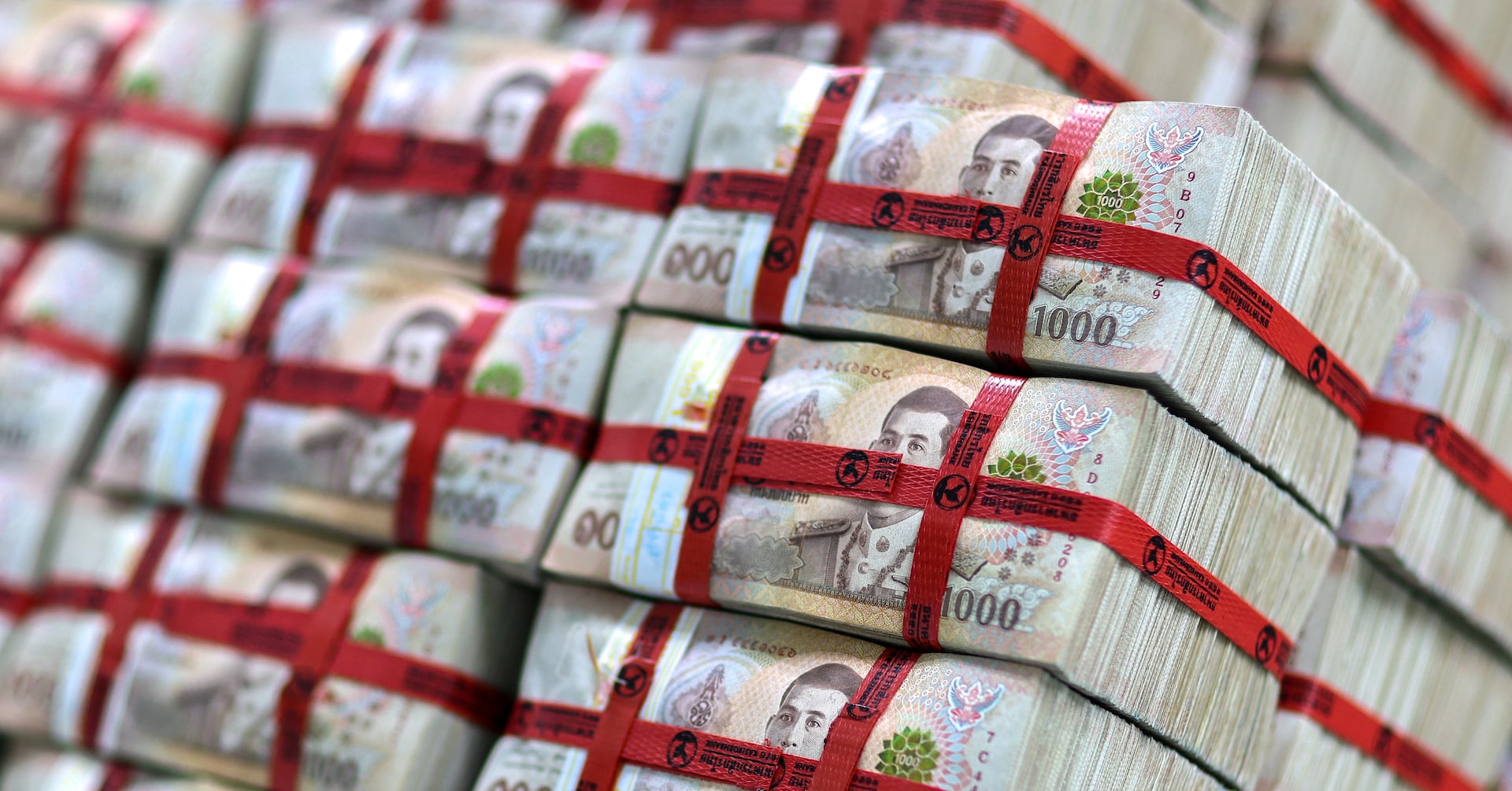
Thai government says will work with central bank to tackle baht’s strength
The Thai government, in collaboration with the central bank, is taking decisive steps to manage the surging value of the baht, which has reached its highest level in four years. Incoming Finance Minister Ekniti Nitithanprapas emphasized the need for currency stabilization during discussions with Vitai Ratanakorn, the incoming Bank of Thailand Governor, set to assume office on October 1. The baht’s strength, driven by foreign investments in bonds and stocks, poses a significant risk to Thailand’s export and tourism sectors, both critical pillars of the nation’s economy. To address this, authorities are closely monitoring capital inflows and gold trading for irregularities. Earlier this week, the central bank proposed a tax on gold trading as part of broader measures to curb the currency’s appreciation. Between January and July, Thailand’s gold exports surged by 82% year-on-year, reaching $7.6 billion, with $2.1 billion worth of gold shipped to Cambodia alone. Despite these efforts, the baht remains one of Asia’s top-performing currencies, second only to the Taiwan dollar, with an 8% gain this year. The government’s proactive approach aims to mitigate economic vulnerabilities while ensuring sustainable growth.
-
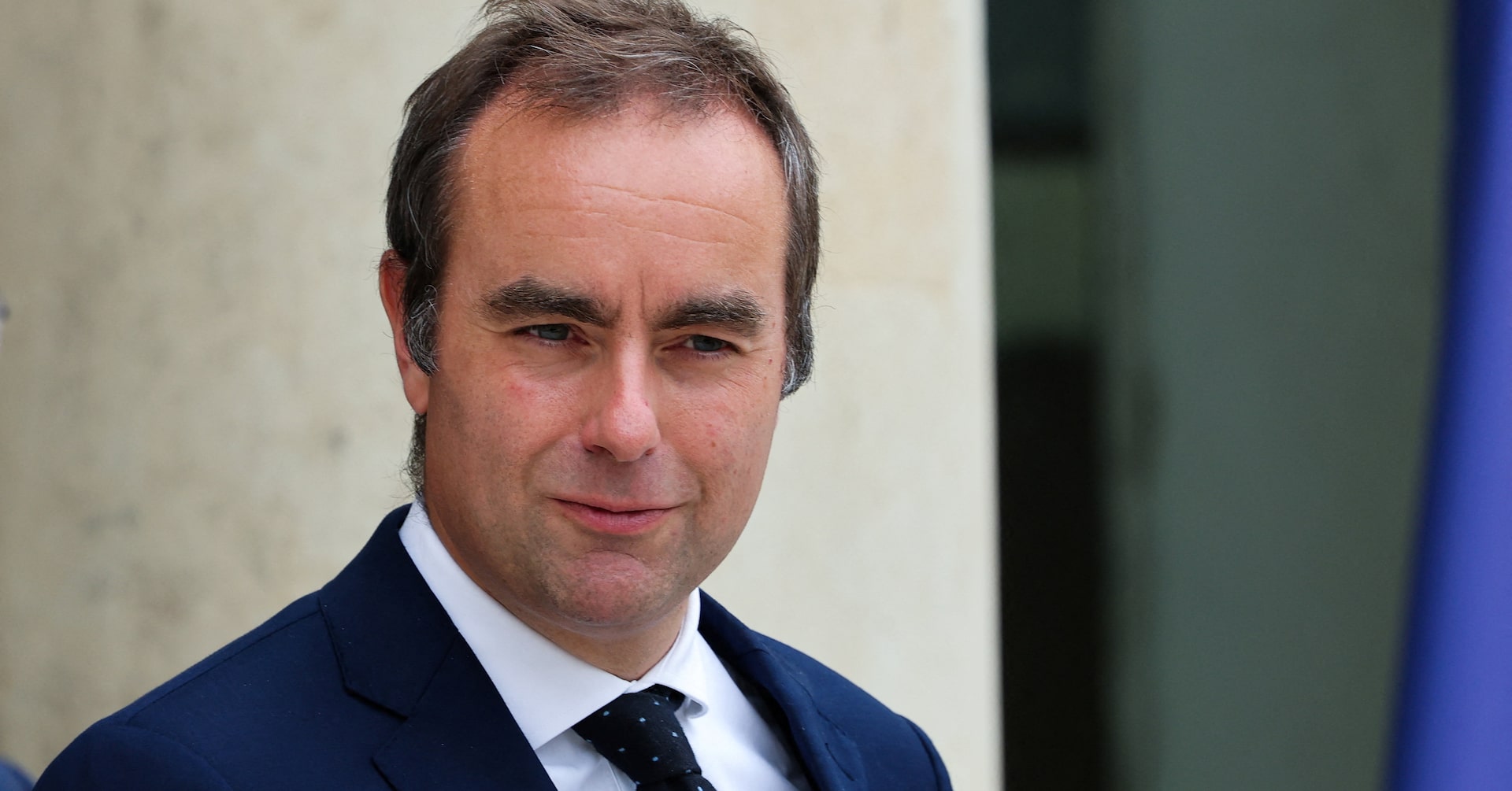
Tax the rich or fall: French PM faces budget ultimatum
French Prime Minister Sébastien Lecornu finds himself at a critical juncture as he navigates the contentious debate over a proposed 2% wealth tax on billionaires, a measure that could determine his political survival. The tax, dubbed the ‘Zucman tax’ after economist Gabriel Zucman, targets individuals with assets exceeding €100 million and has garnered overwhelming public support, with 86% of voters in favor, including 92% of President Emmanuel Macron’s party members. However, the proposal faces fierce opposition from right-wing lawmakers and business leaders, who warn it could stifle investment and trigger capital flight. Lecornu, who assumed office less than two years ago, is racing to finalize the 2026 budget by October 7, with the Socialists demanding the tax as a condition for their support. Failure to secure their backing could lead to a no-confidence motion, potentially toppling his government. The tax, which would affect approximately 1,800 households, is projected to raise up to €20 billion annually, aiding France’s efforts to reduce its budget deficit, the largest in the eurozone. Critics argue that the tax could harm innovative startups like Mistral AI, Europe’s rising star in artificial intelligence, while proponents insist it is a necessary step toward tax justice and reducing wealth inequality. The debate has reignited discussions about France’s tax burden, already the highest among OECD countries, and its implications for economic competitiveness. As Lecornu weighs the political and economic ramifications, the fate of the Zucman tax remains uncertain, with potential constitutional challenges looming.
-

Beijing drops Google probe, shifting focus to Nvidia in US trade talks, FT reports
In a significant development, China has decided to terminate its antitrust investigation into Google, signaling a strategic shift in its regulatory approach amid ongoing trade negotiations with the United States. The Financial Times reported on Thursday that this move reflects Beijing’s tactical redirection of focus towards Nvidia, leveraging regulatory scrutiny as a bargaining chip in bilateral talks. The decision to drop the probe into Google also conveys a message of flexibility to Washington, as tensions between the two nations continue to escalate. The investigation, initiated by China’s State Administration for Market Regulation in February, alleged that Google had violated the country’s anti-monopoly law, though specific details of the allegations were not disclosed. Google has not yet been formally notified of the decision to end the probe, and the company declined to comment on the matter. This development comes shortly after China accused Nvidia of similar antitrust violations, intensifying regulatory pressure on U.S. firms. The U.S.-China trade relationship has been strained over the past six months, with both sides imposing tariffs and engaging in disputes over platforms like TikTok. China’s recent actions, including the antitrust probes, underscore its increasing regulatory scrutiny of American companies operating within its borders.
-

Japan considering North Korea’s participation in 2026 Asian Games
Japan is deliberating whether to permit North Korean athletes to compete in the 2025 Asian Games in Nagoya, following North Korea’s expressed interest in participating. This decision comes despite the absence of diplomatic relations between the two nations and North Korea’s non-participation when Japan last hosted the Games in 1994. Since 2016, Japan has enforced a ban on North Korean citizens entering the country due to concerns over its nuclear and ballistic missile programs. However, exceptions have been made for North Korean athletes to participate in international sports events. According to Kyodo News, North Korea has indicated plans to send approximately 150 athletes to compete in 17 events during the Games, scheduled from September 19 to October 4, 2025. Japan’s Chief Cabinet Secretary, Yoshimasa Hayashi, confirmed that the Asian Games’ organizing committee has consulted the Japanese sports ministry regarding this matter. The government is currently evaluating the request through inter-ministerial consultations. Notably, North Korea participated in the 2023 Asian Games in Hangzhou, China, securing 11 gold medals and a total of 39 medals. The decision on North Korea’s participation in the Nagoya Games remains pending, reflecting the complex interplay between sports and diplomacy.
-

Exclusive: U.S. diplomats on Syria abruptly let go amid pro-Damascus policy push, sources say
In a surprising turn of events, several senior U.S. diplomats stationed at the Syria Regional Platform (SRP) in Istanbul have been abruptly dismissed, according to sources familiar with the matter. The SRP, which functions as the de facto U.S. mission to Syria, has been a key player in Washington’s efforts to integrate Syrian Kurdish allies with the central administration in Damascus. The dismissals, which occurred suddenly and involuntarily, are part of a broader reorganization of the team, though they are not expected to impact U.S. policy in Syria. The diplomats reported to Tom Barrack, the U.S. special envoy for Syria and a close confidant of former President Donald Trump. Barrack, who was appointed in May, has been advocating for a unified Syrian state under President Ahmed al-Sharaa, who rose to power in a swift advance last year. The move to integrate the Kurdish-led Syrian Democratic Forces (SDF) into national security forces has been met with resistance from some SDF leaders, who have fought alongside the U.S. against Islamic State during former President Bashar al-Assad’s rule. The SDF continues to push for a less centralized government, aiming to retain the autonomy they gained during Syria’s civil war. Barrack, who also serves as the U.S. ambassador to NATO member Turkey, has been actively involved in addressing regional issues, including a recent plan to resolve a standoff with the Druze minority in southern Syria. The State Department has declined to comment on the dismissals, emphasizing that core staff working on Syrian issues remain operational from various locations. The SRP, headquartered at the U.S. consulate in Istanbul, has been the primary U.S. diplomatic presence in Syria since the closure of the embassy in Damascus in 2012.
-
Foreigners snap up Asian bonds in August after two-month hiatus
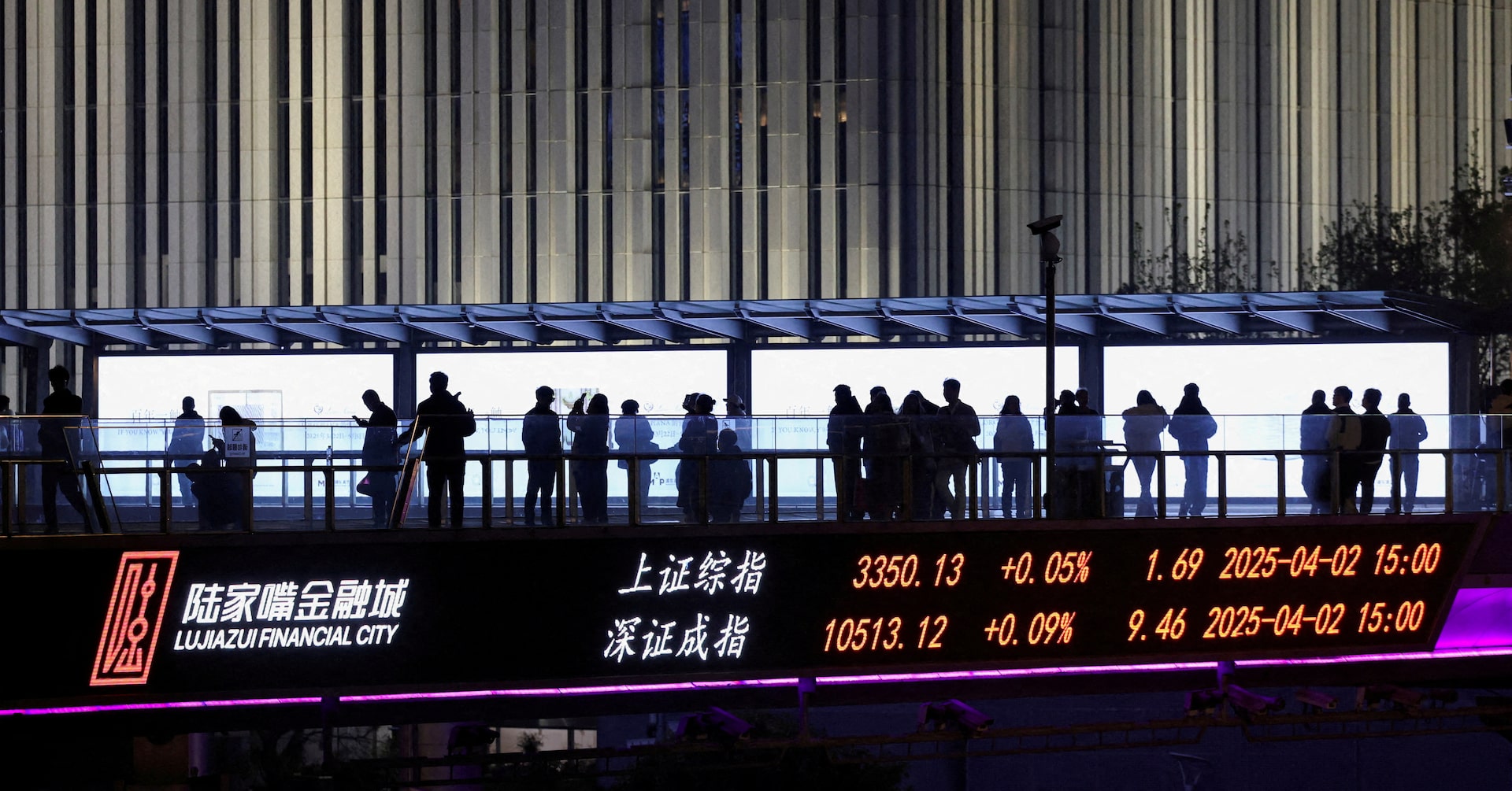
In August, Asian bonds experienced their first monthly foreign inflow in three months, driven by expectations of U.S. Federal Reserve rate cuts aimed at supporting a cooling labor market. This development has heightened demand for higher-yielding emerging markets. According to data from regulatory authorities and bond market associations in India, Indonesia, Thailand, Malaysia, and South Korea, non-native investors purchased Asian bonds worth a net $311 million last month, marking the first monthly net purchase since May. The Fed reduced interest rates for the first time since December, citing increasing risks to the labor market and signaling further rate reductions as unemployment rises, work hours shrink, and other signs of economic weakness emerge. Khoon Goh, head of Asia research at ANZ, anticipates a cumulative rate cut of 125 basis points, bringing the Fed funds rate to 3.25% by March 2026. Goh also noted that a more accommodative U.S. monetary policy stance should bolster currencies and asset markets in Asia, excluding China. Last month, investors bought Indian bonds worth $773 million and Malaysian debt instruments worth $721 million, ending a two-month selling trend in both markets. However, South Korean, Indonesian, and Thai bonds saw foreign outflows of $447 million, $400 million, and $337 million, respectively.
-
US import dependence on EU on the rise, outpacing China, study finds
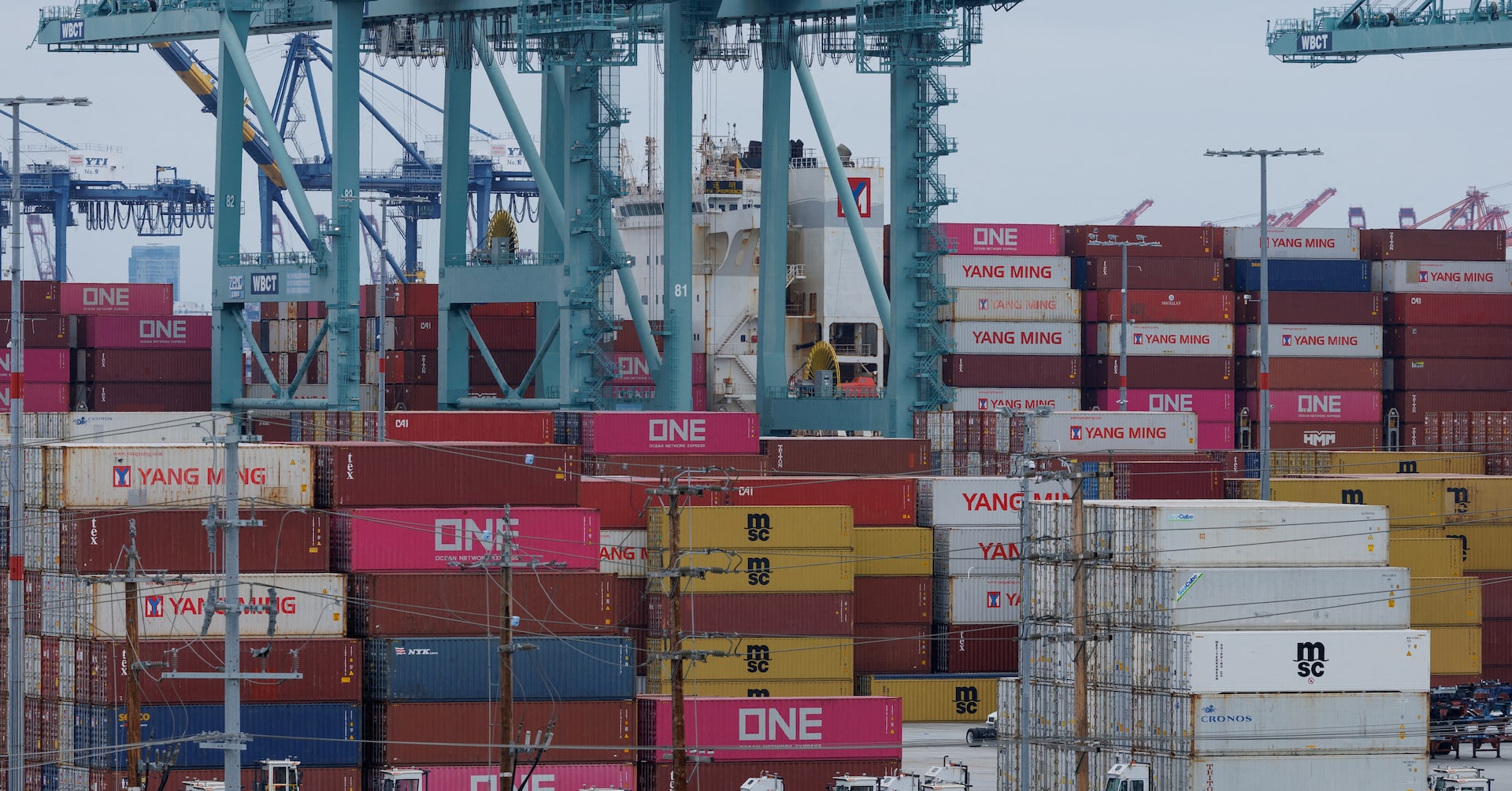
A recent study by Germany’s IW economic institute reveals a significant shift in the United States’ import dependency, with the European Union now surpassing China in both the total value and variety of goods imported. Over the past 15 years, the U.S. reliance on EU imports has grown substantially, with the number of product categories where at least 50% of imports originate from the EU increasing from over 2,600 in 2010 to more than 3,100 in 2023. The total import value of these goods, including chemical products, electrical machinery, and equipment, reached $287 billion last year, nearly 2.5 times higher than in 2010. In contrast, China accounted for 2,925 product categories with a total value of $247 billion in the same period. The study suggests that this growing dependence could provide the EU with strategic leverage in future tariff negotiations. EU Commission President Ursula von der Leyen may have had a stronger position in recent talks, which resulted in a baseline tariff rate of 15% on most EU goods. The report also highlights that many EU products are difficult to replace in the short term, a factor that could be pivotal if trade tensions escalate. As a last resort, the EU could consider export restrictions on goods critical to the U.S. economy. Co-author Samina Sultan emphasized that while trade data alone cannot fully capture the importance of these goods, the study underscores the potential risks for the U.S. if it continues to raise tariffs, effectively ‘shooting itself in the foot.’