博客

  • French ex-Prime Minister Lionel Jospin, architect of the 35-hour week, dies at 88

    French ex-Prime Minister Lionel Jospin, architect of the 35-hour week, dies at 88

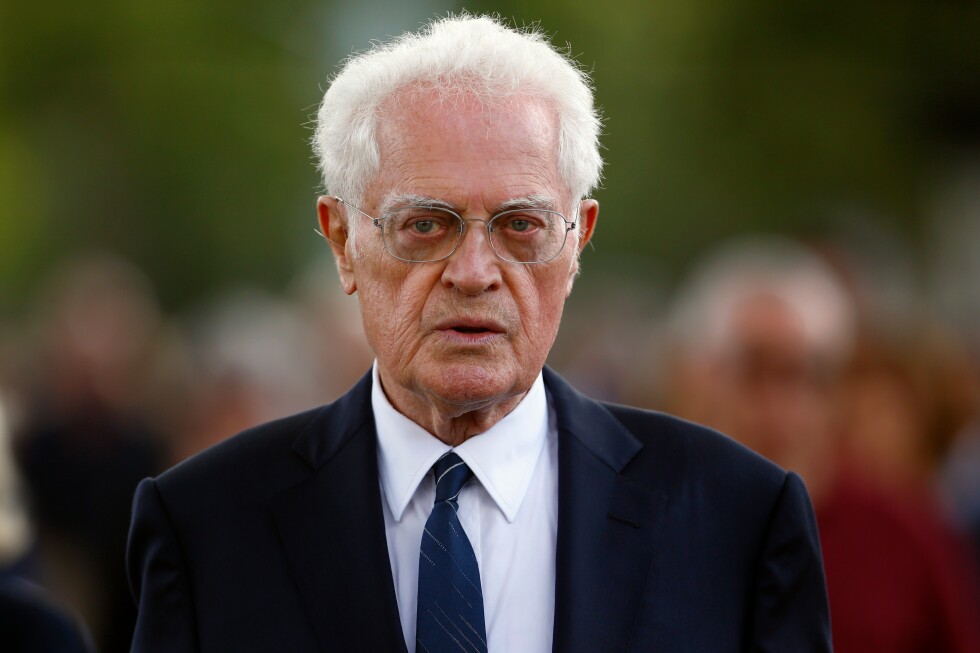
    Lionel Jospin, the former French Prime Minister whose political career encompassed both transformative social reforms and a dramatic electoral defeat, has passed away at age 88. His death was confirmed by current Prime Minister Sébastien Lecornu via social media, following an initial report from Agence France-Presse citing family sources.

    Jospin’s political legacy remains defined by his 1997-2002 tenure as Prime Minister during France’s unique ‘cohabitation’ government, where he led a left-wing administration under conservative President Jacques Chirac. During this period, he implemented groundbreaking legislation including the 35-hour work week, civil unions for both LGBTQ+ and heterosexual couples, and the parity law mandating equal gender representation in electoral candidates.

    A former economics professor with distinctive white curls and thick-rimmed glasses, Jospin brought intellectual rigor and moral integrity to French politics. His leadership helped restore the Socialist Party’s credibility following corruption scandals that had devastated the party in the early 1990s. Unlike many contemporaries, Jospin maintained an untainted reputation throughout his career.

    His political journey ended abruptly with the shocking 2002 presidential election, where he finished third behind far-right leader Jean-Marie Le Pen by approximately 200,000 votes. This defeat, which sent Le Pen into the runoff against Chirac, prompted Jospin’s immediate withdrawal from public life.

    Born July 12, 1937, Jospin’s worldview was shaped by his Protestant upbringing and childhood experiences in Nazi-occupied Paris, where he developed what he described as ‘a certain horror of talkativeness.’ A graduate of the prestigious École Nationale d’Administration, he initially associated with Trotskyist groups before joining the Socialist Party, maintaining throughout his career his signature philosophy: ‘Yes to the market economy, no to a market society.’

  • Former Shanxi governor prosecuted for bribery

    Former Shanxi governor prosecuted for bribery

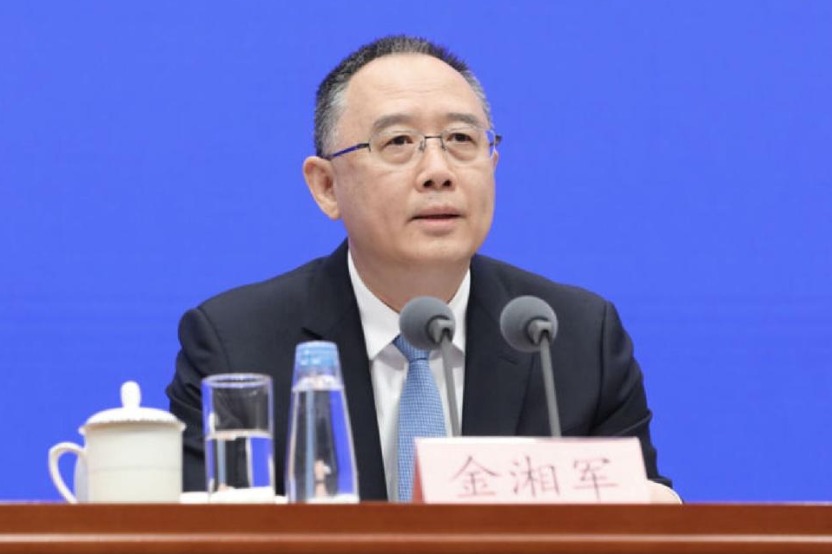
    China’s Supreme People’s Procuratorate has formally initiated legal proceedings against Jin Xiangjun, the former governor of Shanxi Province, on charges of bribery and corruption. The prosecution announcement, made public on Monday, marks a significant development in one of the country’s high-profile corruption cases.

    According to official documents, Jin stands accused of exploiting his influential positions, most notably his role as provincial governor, to illicitly benefit third parties in exchange for substantial monetary and valuable assets. The prosecution characterizes the accepted bribes as reaching ‘a huge amount,’ indicating the serious nature of the allegations.

    This legal action follows Jin’s removal from both the Communist Party of China and his government post in October of the previous year, when disciplinary authorities concluded their investigation into his conduct. The case represents the latest demonstration of China’s ongoing anti-corruption campaign that has targeted high-ranking officials across various levels of government.

    The prosecution of a former provincial governor underscores the Chinese leadership’s continued commitment to combating graft within the political system. Such cases typically undergo thorough judicial review, with proceedings conducted in accordance with China’s legal framework for addressing corruption among public officials.

  • Slovenia’s president urges talks on future government after tight election outcome

    Slovenia’s president urges talks on future government after tight election outcome

    Slovenia has entered a period of political uncertainty following parliamentary elections that resulted in a near-perfect deadlock between the nation’s competing ideological factions. Preliminary results from the State Election Commission, accounting for 99.85% of ballots counted, reveal Prime Minister Robert Golob’s liberal Freedom Movement secured 29 seats in the 90-member parliament, while the opposition conservative Slovenian Democratic Party (SDS) obtained 28 seats.

    The electoral outcome leaves no party with the required 46-seat majority, transforming smaller political entities into potential kingmakers who will determine the future governing coalition. President Natasa Pirc Musar has urgently called for negotiations to commence immediately, recognizing the Freedom Movement as the ‘relative winner’ despite their marginal lead of less than 1%.

    This electoral contest represented a crucial referendum on Slovenia’s political direction within the European Union, pitting Golob’s pro-European liberalism against the right-wing populism of SDS leader Janez Jansa. The virtual tie reflects profound divisions among Slovenia’s 1.7 million eligible voters and underscores the nation’s history of alternating between left and right-leaning governments since gaining independence from Yugoslavia in 1991.

    Both main contenders acknowledged the challenges ahead. Prime Minister Golob acknowledged ‘tough weeks ahead’ in coalition building, while Jansa—known for his affiliations with Hungarian Prime Minister Viktor Orbán and admiration of former U.S. President Donald Trump—expressed skepticism about forming a stable coalition government given the current balance of power.

    The election campaign was marked by heightened tensions, featuring allegations of foreign interference and corruption claims that further polarized the electorate. The eventual coalition negotiations will not only determine Slovenia’s domestic policies but also influence the country’s position within European Union politics, particularly regarding the ongoing struggle between liberal and conservative blocs across the continent.

  • From forecasts to the future: a sci-fi journey on World Meteorological Day

    From forecasts to the future: a sci-fi journey on World Meteorological Day

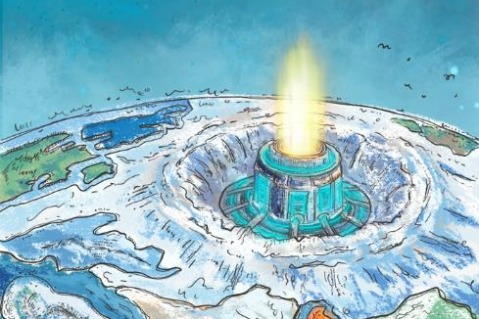
    In a groundbreaking fusion of science fiction and meteorological advocacy, Chinese authorities have launched an innovative educational campaign marking the 66th World Meteorological Day. The China Meteorological Administration, in collaboration with China Daily, has developed an extensive illustrated series inspired by the acclaimed sci-fi film “The Wandering Earth” to communicate the vital importance of weather observation.

    The narrative follows protagonist Liu Xiaoqiang, a maintenance technician stationed at Earth Engine C0323 in a dystopian future where planetary rotation has ceased and atmospheric phenomena have disappeared. Experiencing existential doubts about his repetitive duties, Liu’s perspective transforms when he encounters a mysterious communication directing him to the abandoned “Museum of Countless Weather.”

    This repository of meteorological history, constructed within a derelict observation station, contains preserved instruments and records documenting centuries of scientific dedication. Through interactive exhibits, Liu discovers the extensive legacy of human commitment to weather monitoring—from research stations in polar extremes to high-altitude observatories where generations of scientists meticulously documented climate patterns.

    The exhibition reveals how continuous meteorological observation protected civilizations through advanced warning systems and climate research. Liu emerges with profound understanding of this year’s World Meteorological Day theme: “Observing Today, Protecting Tomorrow.”

    The initiative represents a creative approach to public science education, using compelling storytelling to highlight how contemporary meteorological work safeguards future generations. By connecting current climate observation efforts with humanity’s long-term survival, the project underscores the critical role of sustained environmental monitoring in building climate resilience.

  • Spring pollen spurs surge in treatments

    Spring pollen spurs surge in treatments

    China’s healthcare system is experiencing a significant surge in demand for allergy treatments as the nation enters the peak spring pollen season. Medical facilities nationwide are reporting unprecedented numbers of patients seeking relief from seasonal allergic rhinitis, with particular emphasis on advanced treatments for moderate-to-severe cases.

    A breakthrough in allergy management has emerged through Stapokibart, a novel biological agent therapy that has transformed treatment paradigms since its approval in 2025. This innovative medication, specifically developed for seasonal allergic rhinitis, has already provided relief to over 20,000 patients across China. The therapy’s recent inclusion in the national medical insurance program in early 2026 has dramatically reduced financial barriers, making cutting-edge treatment accessible to a broader population.

    Medical authorities highlight Stapokibart’s exceptional clinical profile. According to Dr. Wang Chengshuo, Vice-President of Beijing Tongren Hospital, the biologic demonstrates superior efficacy compared to traditional combination therapies using intranasal glucocorticoids and oral antihistamines, while maintaining an excellent safety record. The treatment requires only three subcutaneous injections per pollen season, with out-of-pocket costs reduced from 1,039 yuan to approximately 200 yuan per dose for insured patients.

    Healthcare institutions are implementing strategic adjustments to manage the seasonal influx. Beijing Tongren Hospital has expanded its weekly appointment capacity by 600-800 slots, introduced fast-track services, and established specialized evening rhinology clinics to accommodate working patients.

    Market analytics from Dingdang Health confirm the escalating demand, showing a 60.4% week-over-week increase in allergy medication sales nationwide, with Beijing leading at 89.5% growth. Online medical consultations regarding allergy symptoms have similarly surged.

    The epidemiological landscape reveals a concerning trend: adult prevalence of allergic rhinitis has risen from 11.1% in 2005 to 18% in 2025, affecting approximately 250 million Chinese citizens. Medical experts note that severe cases significantly impair daily functioning, including work performance, academic achievement, and sleep quality.

    Dr. Jin Xingji, Deputy Chief Physician in Dermatology, emphasizes the psychological dimension of allergy management, noting that fatigue and stress during pollen season can exacerbate allergic reactions. Maintaining emotional stability and overall health remains crucial for immune system balance.

    While Stapokibart represents a major advancement, medical professionals recommend it primarily for patients whose symptoms severely impact daily life and show inadequate response to standard treatments after one to two weeks of therapy.

  • Iran says Strait of Hormuz not blocked

    Iran says Strait of Hormuz not blocked

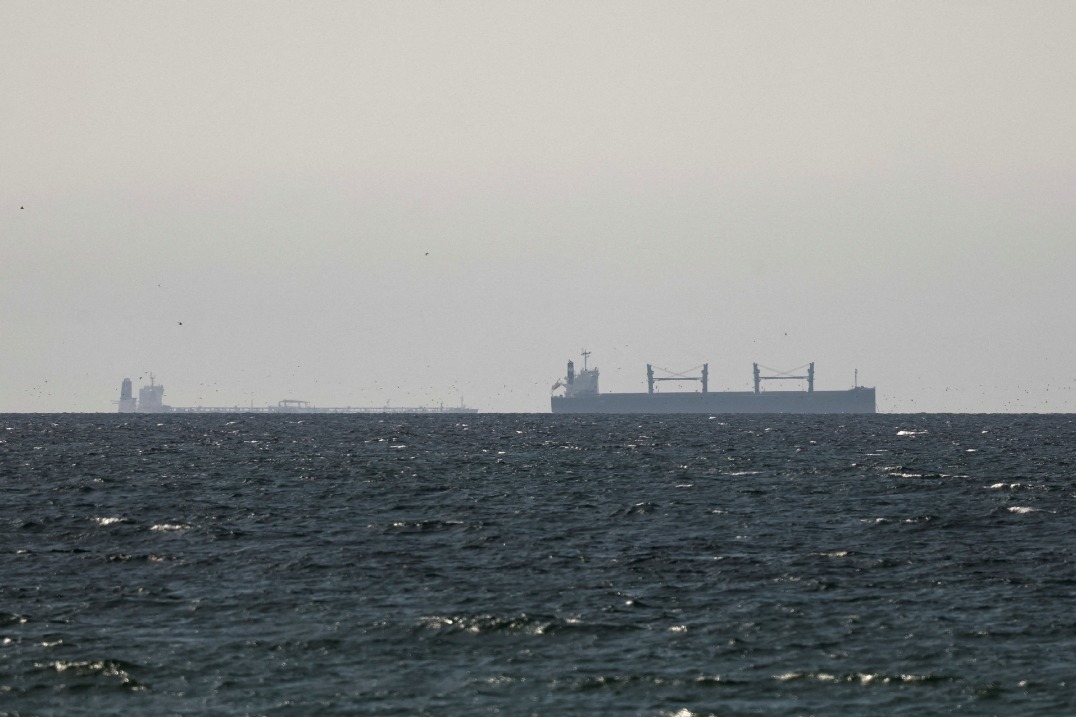
    TEHRAN – Iran’s Foreign Ministry issued a definitive statement on Sunday clarifying that maritime traffic continues unimpeded through the strategic Strait of Hormuz, despite ongoing regional hostilities. The ministry emphasized that while navigation persists normally, certain security protocols have been implemented in response to current conflict conditions.

    The declaration came as part of Iran’s comprehensive position statement addressing recent military engagements with the United States and Israel. Iranian officials maintained that Tehran has consistently upheld principles of maritime security and freedom of navigation throughout the volatile period.

    According to the ministry, recent American and Israeli military operations against Iranian territory have created a precarious security environment throughout the Persian Gulf and the critical waterway. These developments have directly compromised shipping safety and regional stability, the statement noted.

    Asserting its right to self-defense under international law, Iran confirmed it has targeted US military installations in the region while implementing measures to prevent ‘aggressor’ nations from utilizing the strait for hostile purposes. The ministry specified that vessels affiliated with or belonging to nations participating in attacks against Iran are being denied passage through the strategic channel.

    However, the statement clarified that non-hostile vessels from other countries can obtain safe transit through coordination with Iranian authorities, provided they adhere to established security regulations and haven’t supported aggressive actions against Iran.

    The ministry concluded that sustainable security in the vital waterway can only be achieved through cessation of military aggression against Iran, an end to destabilizing actions by the US and Israel, and full recognition of Iran’s legitimate regional interests.

    The tensions referenced in the statement stem from February 28 joint US-Israeli attacks that targeted Tehran and other Iranian cities, resulting in significant casualties including the death of then-Supreme Leader Ali Khamenei and senior military officials. Iran responded with comprehensive missile and drone strikes against Israeli territory and US bases throughout the Middle East.

  • Maritime transport support vessels enhance Hainan’s inter-island transportation

    Maritime transport support vessels enhance Hainan’s inter-island transportation

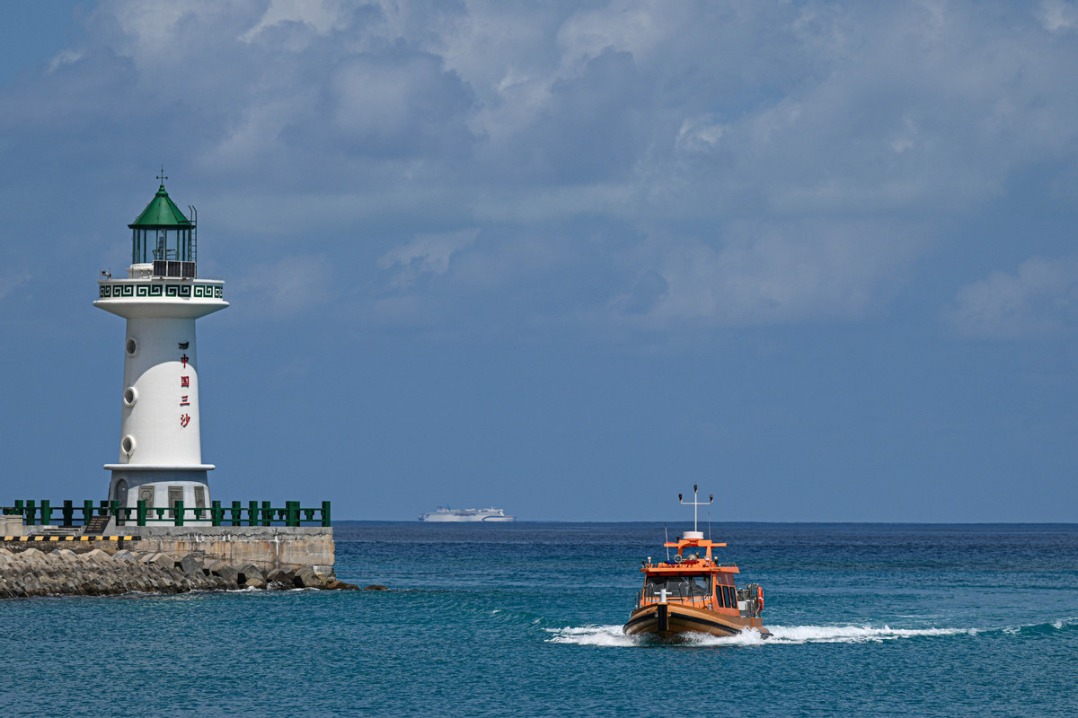
    The archipelagic region of Hainan has witnessed a transformative enhancement to its maritime transportation network with the successful deployment of specialized support vessels serving inter-island routes. These vessels, which commenced official operations connecting Yongxing Island and Zhaoshu Island on January 7, 2025, represent a significant infrastructure advancement for China’s southernmost province.

    Recent photographic documentation from March 19, 2026, captures one of these modern vessels navigating the waters near Sansha, demonstrating the ongoing operational success of this maritime initiative. The introduction of these specialized ships has addressed previously existing transportation challenges between Hainan’s islands, creating a more reliable and efficient connection system.

    The practical impact of this maritime upgrade has been substantial for island residents and personnel. The enhanced transportation service has dramatically improved accessibility between islands, facilitating not only daily commuting but also the transportation of essential supplies. For those stationed on the more remote islands, the improved connectivity has significantly elevated living and working conditions, reducing the isolation previously experienced.

    Operational data from 2025 reveals the scale of this transportation success: the vessels completed 831 round-trip journeys throughout the year, safely transporting 11,588 passengers. This substantial utilization rate demonstrates both the necessity of the service and its successful integration into the regional transportation ecosystem.

    The development aligns with broader initiatives to improve infrastructure and connectivity across Hainan’s island territories, reflecting China’s ongoing commitment to enhancing regional development and maritime capabilities. The project stands as a model for island chain transportation solutions that balance practical utility with sustainable operational practices.

  • Kenyan police investigate alleged disappearance of ex-foreign minister

    Kenyan police investigate alleged disappearance of ex-foreign minister

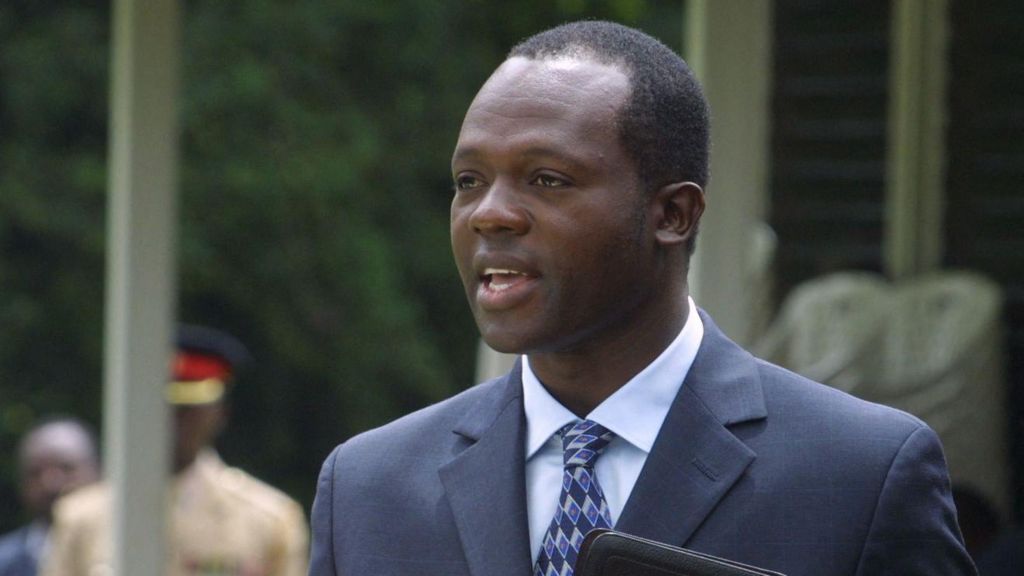
    Kenyan authorities have launched a high-priority investigation into the mysterious disappearance of Raphael Tuju, the nation’s former Foreign Minister, who vanished under circumstances suggesting possible abduction. The incident occurred on Saturday evening when Tuju and his driver were en route to a scheduled radio interview in Nairobi.

    According to official police reports, the former minister’s vehicle was discovered abandoned with its hazard lights activated along a roadway in Karen, an affluent suburb of the capital. Authorities noted that all attempts to contact Tuju proved futile as his mobile phone remained switched off.

    The disappearance unfolds against the backdrop of an intense legal confrontation involving Tuju’s substantial business assets. Court documents reveal a protracted financial dispute with lenders seeking to recover approximately $15 million in outstanding debts linked to properties owned by Dari Limited, a company under Tuju’s ownership. Despite multiple legal petitions, Tuju has been unsuccessful in preventing the auction of these properties.

    In recent developments, Tuju had formally reported to police that he was being followed by an unmarked vehicle prior to his disappearance. He had also publicly alleged that dozens of police officers forcibly took control of his Karen property, ejecting his staff and security personnel. The former minister contended that influential government officials were orchestrating efforts to seize his assets, though these claims remain unaddressed by state authorities.

    Police have established a specialized task force coordinating with multiple government agencies to locate the missing statesman. In an official statement, law enforcement urged public cooperation while simultaneously requesting that Tuju’s family provide unrestricted access to relevant locations and information.

    The case has drawn significant political attention, with prominent opposition figures openly speculating about state involvement in Tuju’s disappearance. Governor James Orengo explicitly characterized the incident as a kidnapping, while Lawmaker Otiende Amollo demanded immediate police action to ensure Tuju’s safety and return.

  • UK’s nuclear-powered sub travels into Gulf

    UK’s nuclear-powered sub travels into Gulf

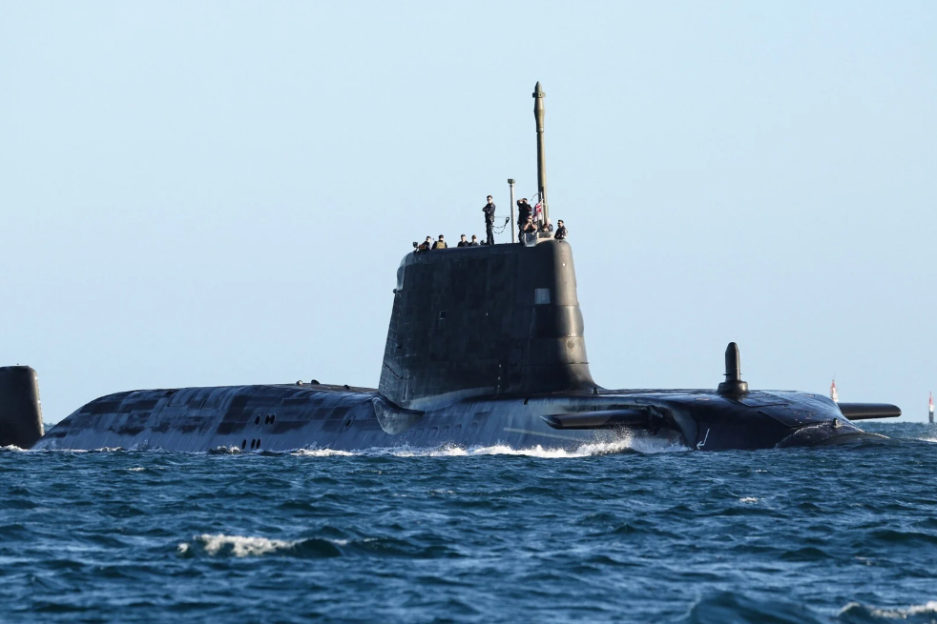
    In a significant military escalation, the United Kingdom has deployed its nuclear-powered submarine HMS Anson to the Arabian Sea amid rising tensions with Iran. The vessel, armed with Tomahawk cruise missiles, reportedly traveled approximately 9,000 kilometers from its previous deployment near Australia to position itself strategically in the volatile region.

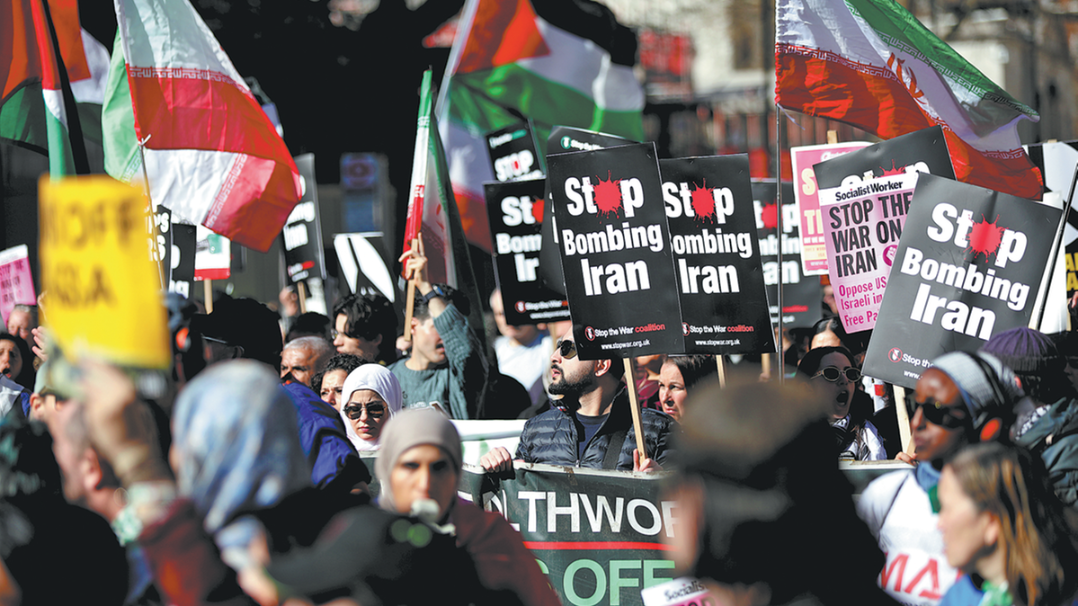
    The deployment comes as Western nations express growing concern over Iran’s targeting of the critically important Strait of Hormuz shipping lane. Although the UK Ministry of Defence has maintained its policy of not commenting on submarine operations, this movement appears to support Britain’s recent decision to permit American forces to utilize UK air bases for strikes against Iranian installations threatening the vital waterway.

    This policy shift followed revelations that Iran had attempted missile attacks on the joint UK-US military facility on the Chagos Islands in the Indian Ocean. According to reports from The Wall Street Journal and CNN, two missiles were launched toward Diego Garcia island, with one being successfully intercepted and the other failing mid-flight.

    British Foreign Secretary Yvette Cooper emphasized the government’s cautious approach, stating to the BBC that while defensive measures would be taken to protect national interests, the UK sought to avoid direct involvement in offensive operations. “We will provide defensive support against these reckless Iranian threats, but we have not been—and we continue not to be—involved in offensive action,” she asserted, adding that Britain does not wish to be drawn into a broader regional conflict.

    The situation has prompted coordinated international response, with leaders from Britain, France, Germany, Italy, the Netherlands, and Japan issuing a joint statement expressing their readiness to ensure safe passage through the Strait of Hormuz. This collective effort aims to stabilize global energy markets after recent conflicts caused fuel prices to surge dramatically.

    Adding to the tension, US President Donald Trump issued a stark ultimatum at 23:44 London time on Saturday, threatening to “obliterate” Iranian power plants unless the Strait of Hormuz is reopened to all vessels within 48 hours. Meanwhile, Israeli claims regarding Iran’s capability to target European cities have been met with skepticism by British officials, who questioned the feasibility of such scenarios.

  • US threat adds fuel to Mideast fire

    US threat adds fuel to Mideast fire

    The Middle East conflict entered a perilous new phase as US President Donald Trump issued a 48-hour ultimatum threatening to destroy Iran’s power plants unless the Strait of Hormuz is fully reopened. The dramatic threat, delivered via social media on Saturday, represents a stark reversal from previous statements about de-escalating hostilities.

    Iran responded swiftly with a counter-threat through Ebrahim Zolfaghari, spokesman for Iran’s Khatam al-Anbiya Central Headquarters, warning that any attack on Iranian energy facilities would trigger retaliatory strikes against US and Israeli infrastructure targets. The semiofficial Tasnim News Agency reported that energy, information technology, and desalination facilities would be prioritized in such retaliation.

    The strategic Strait of Hormuz, connecting the Persian Gulf to the Indian Ocean, remains effectively closed to commercial shipping due to ongoing attacks and threats. This critical waterway normally handles approximately one-fifth of global oil shipments, and its closure has already impacted global energy markets and food prices worldwide.

    Despite the hostilities, Iran’s representative to the International Maritime Organization, Ali Mousavi, indicated that ships could transit the strait with prior coordination with Iranian authorities, excluding vessels from “enemy” nations. Mousavi emphasized Tehran’s commitment to diplomatic solutions while maintaining that respect for Iran’s territorial integrity remains paramount.

    The conflict has intensified militarily with US-Israeli strikes targeting multiple Iranian locations including Tehran, Karaj, Isfahan, and the nuclear facility at Natanz. Pirhossein Kolivand of the Iranian Red Crescent Society reported that over 80,000 civilian locations, including schools and medical centers, have been damaged since hostilities began.

    International concern mounted as IAEA Director General Rafael Grossi reiterated calls for military restraint to prevent potential nuclear accidents. The UN nuclear agency confirmed bombing damage at Iran’s Natanz enrichment facility—the fourth such attack on nuclear sites since the conflict began—though no radiation leaks were detected.

    The human toll continued to rise with nearly 200 injuries reported from Iranian strikes on southern Israeli cities. Israel responded by closing schools and banning large gatherings in affected regions while Prime Minister Benjamin Netanyahu vowed continued strikes against “enemies on all fronts.

    Diplomatic relations further deteriorated as Saudi Arabia declared Iranian military officials and embassy staff personae non gratae, ordering their expulsion within 24 hours. The Saudi Foreign Ministry cited repeated violations of sovereignty and international agreements in its decision.