博客

  • Norway’s crown princess breaks silence on Epstein links: ‘I was manipulated and deceived’

    Norway’s crown princess breaks silence on Epstein links: ‘I was manipulated and deceived’

    In a deeply personal television appearance, Norway’s Crown Princess Mette-Marit has broken her seven-week silence regarding her connections to the late convicted sex offender Jeffrey Epstein. The 52-year-old royal delivered a tearful account during a 20-minute interview with NRK, Norway’s national broadcaster, describing feelings of manipulation and deception in her interactions with Epstein.

    The crown princess revealed extensive email correspondence spanning from 2011 to 2014, including a stay at Epstein’s Florida residence while he was absent. ‘I feel so manipulated, and when you are manipulated, you don’t realise it from the start,’ she stated, frequently appearing emotionally overwhelmed during the conversation. Seated beside her husband, Crown Prince Haakon, Mette-Marit emphasized her acceptance of responsibility for insufficient background checks while maintaining she was unaware of Epstein’s criminal status as a convicted abuser.

    The interview followed intense public pressure and scrutiny from Norwegian leadership, including Prime Minister Jonas Gahr Støre, demanding explanations about the royal’s associations. Despite her contrite tone, some responses appeared defensive, particularly regarding her 2013 stay at Epstein’s Palm Beach property, which she attributed to an unnamed mutual acquaintance.

    Mette-Marit recounted an unsettling incident during her Florida visit that prompted her to contact her husband, describing feelings of discomfort and insecurity. Crown Prince Haakon confirmed recalling the distress in his wife’s voice during that phone call. Remarkably, the princess continued communications with Epstein for some time following this episode, attributing this to her inherently trusting nature.

    The timing of the interview coincided with the conclusion of her son Marius Borg Høiby’s rape trial, suggesting strategic scheduling to avoid overlapping media attention. With verdicts expected in June, the crown princess evidently awaited the trial’s completion before addressing her Epstein connections publicly.

    Questions regarding her future royal capabilities emerged during the conversation, particularly given her ongoing battle with pulmonary fibrosis. The princess acknowledged that her serious health condition would ultimately determine her capacity to fulfill royal duties alongside her husband. Crown Prince Haakon reinforced their united front, describing their royal journey as ‘our project, which we’re doing together’ after more than 25 years of marriage.


  • Bridge as keeper: Sipping tradition and modern life at Yinding and Wanning bridges

    Bridge as keeper: Sipping tradition and modern life at Yinding and Wanning bridges

    In the heart of Beijing’s ancient hutong neighborhoods, two historic bridges—Yinding and Wanning—stand as silent witnesses to the city’s evolving identity where centuries-old traditions intersect with contemporary urban life. These architectural landmarks physically and symbolically connect Beijing’s historical districts with its modern developments, creating unique spaces where the past dialogues with the present.

    The bridges serve as daily crossroads for residents like Bella Li, a native Beijinger who returned to her hometown after extensive international travels. Her story exemplifies the modern Beijing experience—global perspectives integrated with deep local roots. The areas surrounding these bridges have become cultural hubs where traditional tea houses coexist with modern cafes, and where elderly residents practicing tai chi share space with young professionals commuting to work.

    These bridges represent more than mere transportation infrastructure; they function as living museums that preserve Beijing’s architectural heritage while facilitating the city’s continuous transformation. The stone constructions have witnessed dynastic changes, political upheavals, and now serve as backdrops for the daily rhythms of 21st century urban life. Locals and tourists alike frequent these areas to experience authentic Beijing culture, where the aroma of traditional teas blends with the energy of a modern metropolis.

    The preservation of these historical structures demonstrates Beijing’s commitment to maintaining cultural continuity amid rapid urbanization. As development continues throughout the capital, these bridges remain anchor points that ground the community in its rich history while allowing for organic evolution of traditions and lifestyles.

  • Immediate end to tensions urged

    Immediate end to tensions urged

    Amid escalating hostilities across the Middle East, Chinese Foreign Minister Wang Yi issued an urgent appeal for an immediate cessation of military operations during a critical phone discussion with British counterpart Yvette Cooper on Thursday. The diplomatic exchange occurred against a backdrop of unprecedented attacks on energy infrastructure that threaten global economic stability.

    Minister Wang emphasized that the continuing conflict severely jeopardizes regional peace while simultaneously disrupting international energy markets, financial systems, trade networks, and shipping corridors. He warned that prolonged warfare would yield no victors, asserting that ceasefire implementation represents the collective aspiration of the global community.

    As permanent UN Security Council members, China and Britain bear special responsibility for maintaining international security, Wang noted. He advocated for enhanced bilateral communication to uphold UN Charter principles and preserve fundamental international norms, preventing further deterioration of the world order.

    The diplomatic urgency follows Israel’s first-known strike on Iran’s massive South Pars natural gas field on Wednesday, triggering retaliatory attacks against energy facilities across Gulf nations. Iran’s shared offshore field with Qatar suffered direct hits to gas tanks and refinery sections, forcing worker evacuations as firefighters battled ensuing blazes.

    Qatar’s critical Ras Laffan LNG complex—accounting for approximately 20% of global liquefied natural gas supply—endured a ballistic missile strike that caused extensive damage. In response, Doha expelled Iranian security attaches within 24 hours. Simultaneously, Iranian attacks targeted UAE’s Habshan gas facility and Bab field, suspending operations, while Saudi Arabia’s oil-rich Eastern Province came under fire.

    These coordinated energy infrastructure assaults propelled oil prices to nearly $110 per barrel, exacerbating existing supply chain vulnerabilities. Saudi Foreign Minister Prince Faisal bin Farhan declared shattered trust with Tehran while reserving rights to military response during emergency regional talks in Riyadh.

    Cooper conveyed Britain’s perspective on the turbulent situation, expressing desire for continued Sino-British coordination to facilitate diplomatic negotiations and pursue sustainable conflict resolution. Both officials concurred on advancing their comprehensive strategic partnership through enhanced exchanges and implementation of existing bilateral understandings.

  • Tea farmers harvest West Lake Longjing tea in China’s Hangzhou

    Tea farmers harvest West Lake Longjing tea in China’s Hangzhou

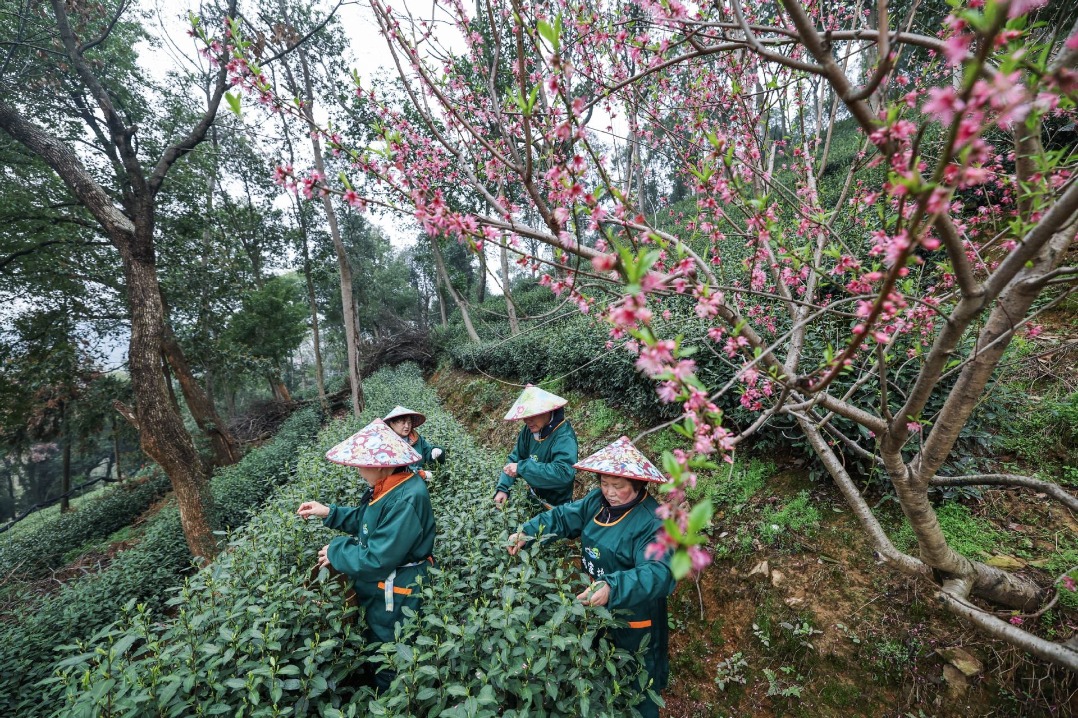
    The annual harvest of West Lake Longjing tea, China’s prestigious green tea variety, has officially commenced in the picturesque hills of Hangzhou, Zhejiang province. Tea farmers across the region have begun carefully hand-picking the season’s first tender leaves, marking a significant cultural and agricultural milestone in the Chinese tea calendar.

    This year’s harvest, which traditionally aligns with the spring equinox, showcases the meticulous process behind one of China’s most celebrated tea varieties. The West Lake Longjing tea, renowned for its exceptional quality and historical significance, undergoes precise harvesting techniques where only the youngest leaves and buds are selected to ensure premium quality.

    Characterized by its distinctive flat-shaped leaves, vibrant jade-green coloration, and delicate aroma, this tea variety holds a protected geographical status, with authentic production limited to specific regions around West Lake. The tea’s reputation stems from its complex flavor profile featuring subtle chestnut notes and a smooth, sweet aftertaste without bitterness.

    Local agricultural experts note that this year’s weather conditions have been particularly favorable, with adequate rainfall and temperate climates contributing to optimal leaf development. The harvesting process follows centuries-old traditions while incorporating modern sustainable farming practices to maintain both quality and environmental stewardship.

    The West Lake Longjing tea not only represents an important economic activity for local farmers but also embodies China’s rich cultural heritage in tea production, dating back to the Tang Dynasty. Its global reputation continues to grow, with increasing international demand for authentic Chinese premium teas driving both cultural appreciation and economic development in the region.

  • Umberto Bossi, the League’s populist founder and a pivotal figure in Italian politics, dies aged 84

    Umberto Bossi, the League’s populist founder and a pivotal figure in Italian politics, dies aged 84

    ROME — Umberto Bossi, the incendiary founder of Italy’s transformative Northern League party and one of the nation’s most consequential political figures, passed away Wednesday at age 84. His death immediately triggered nationwide tributes spanning Italy’s political divide, with leaders from across the spectrum acknowledging his profound impact on the country’s governance.

    President Sergio Mattarella commemorated Bossi as ‘a passionate political leader and sincere democrat,’ while Prime Minister Giorgia Meloni recognized his ‘fundamental contribution’ in establishing Italy’s first contemporary center-right coalition government. Born September 19, 1941, in the industrial town of Cassano Magnago, Bossi emerged from humble beginnings to architect a political revolution that fundamentally altered Italy’s post-war trajectory.

    From the late 1980s onward, Bossi masterfully articulated northern taxpayers’ mounting frustrations, transforming regional discontent into a potent populist movement advocating autonomy and occasionally outright secession. His iconic slogan ‘Roma ladrona’ (Thieving Rome) encapsulated his indictment of central government corruption and became the battle cry for disaffected voters nationwide.

    Entering national politics in 1987 and earning the regional moniker ‘Il Senatùr,’ Bossi engineered the Northern League’s evolution from marginal regional player to national powerhouse. His complex political partnership with media magnate Silvio Berlusconi produced two ministerial appointments where Bossi advanced his federalist agenda through institutional reforms.

    Bossi’s legacy remains multifaceted: celebrated as visionary by supporters, criticized as divisive by opponents, yet universally acknowledged as a transformative force in Italian politics. His iconic 1994 appearance in a white tank top—a deliberate contrast to Berlusconi’s polished image—endures as symbolic of his populist, anti-establishment approach.

    Though a 2004 stroke significantly impaired his health and a 2012 party funding scandal forced his resignation as leader, Bossi maintained political influence as the movement’s founding patriarch despite tensions with current leader Matteo Salvini.

  • Tariffs hurting domestic manufacturing

    Tariffs hurting domestic manufacturing

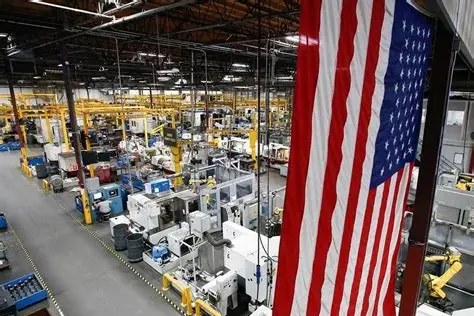
    WASHINGTON — The Trump administration’s tariff-centered economic agenda is producing severe unintended consequences for American manufacturing, contrary to its stated objectives. Jay Allen, a Trump supporter and owner of Allen Engineering in northeast Arkansas, exemplifies this troubling trend as his company struggles under the weight of import taxes.

    Allen’s manufacturing operation, which produces high-end industrial concrete equipment selling for up to $100,000 per unit, has been severely impacted by increased costs for imported components including engines, steel, gearboxes, and clutches. Despite his initial support for the president’s economic policies, Allen reported operating at a loss in 2025 directly attributable to tariffs, forcing workforce reductions from 205 to 140 employees and price increases of 8-10% that risk further depressing sales.

    This case study reflects broader economic data showing 98,000 manufacturing jobs lost during Trump’s first year back in office. The administration’s core rationale—that tariffs would stimulate domestic factory growth and generate sufficient revenue to reduce federal deficits—has failed to materialize. Instead, U.S. companies are now seeking over $130 billion in tariff refunds through litigation against the government.

    The White House maintains that positive indicators including construction spending, factory construction hiring, and manufacturing productivity gains will eventually yield benefits. Pierre Yared, acting chairman of the White House Council of Economic Advisers, stated via email that production timelines mean “it will be some more time before we fully materialize the benefits of the president’s policies.”

    However, economic analysts challenge this optimism. Joseph Steinberg of the University of Toronto notes that even under ideal conditions, manufacturing employment would require a decade to recover to pre-tariff levels. The current situation falls far short of this best-case scenario due to persistent policy uncertainty that discourages business expansion.

    The challenge is particularly acute for small and medium manufacturers, who comprise 98% of U.S. manufacturing establishments but lack the lobbying power or brand recognition of corporate giants to mitigate tariff impacts. Industry groups are advocating for targeted tax credits and exemptions for raw materials and components not available at scale domestically, as the U.S. continues to lag severely behind China in global manufacturing share.

  • ICE arrests of Asians, Pacific Islanders nearly quadruple

    ICE arrests of Asians, Pacific Islanders nearly quadruple

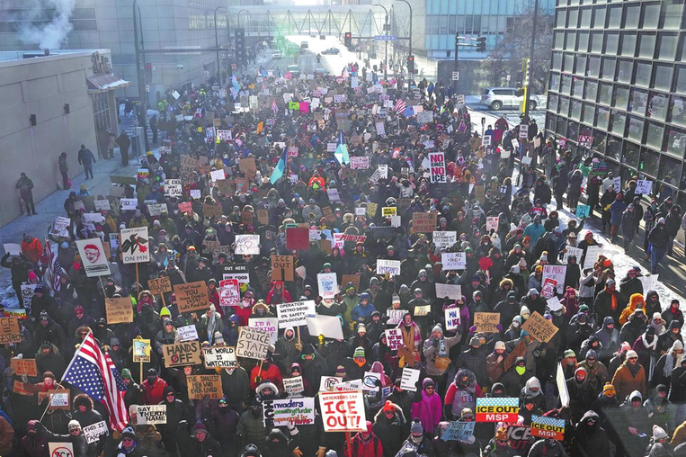
    A dramatic escalation in US immigration enforcement has disproportionately targeted Asian and Pacific Islander communities, with arrest figures surging nearly 400% during President Donald Trump’s second administration according to newly analyzed government data.

    The research conducted by Stop AAPI Hate, a coalition addressing anti-Asian racism, reveals that between January 20 and mid-October of last year, US Immigration and Customs Enforcement (ICE) arrested 7,752 individuals of Asian and Pacific Islander descent. This represents a staggering increase from the 1,998 arrests recorded throughout 2024 under the previous administration. The enforcement actions resulted in 7,243 detentions and 2,776 deportations within these communities.

    Chinese nationals constituted the largest demographic among those arrested at 26%, followed closely by Indian citizens at 25%. Vietnamese nationals accounted for 12% of arrests, with Laotian and South Korean citizens each representing 4% of the total.

    The human toll of these enforcement measures extends beyond statistics. Government records indicate 33 fatalities occurred within immigration detention facilities last year. Human rights observers attribute these deaths to multiple factors including deprivation of liberty, isolation, psychological distress, and substandard physical conditions compounded by inadequate medical and mental healthcare services.

    The intensified enforcement has generated widespread anxiety throughout Asian American communities nationwide. In October, ICE operations on New York’s historic Canal Street effectively emptied Chinatown of its typical vibrant street vendors. Similar enforcement actions targeted Asian-owned businesses including grocery stores, massage parlors, salons, and restaurants in Sacramento, California, prompting community vigils.

    The psychological impact is profound. A University of Chicago National Opinion Research Center survey found 34% of Asian and Pacific Islander adults feel less secure in the United States, with 39% reporting they have withdrawn from public life to varying degrees. Approximately 36% of over 1,300 respondents expressed concern about their immigration status being questioned or revoked, while 30% reported fear of arrest, detention, or deportation.

    The climate of fear has altered daily behaviors, with some long-term residents like Jessica, a Chinese immigrant and retired teacher in Dallas, now carrying identification documents despite four decades of residence. ‘I know I’m not required by law to carry my passport as an American citizen,’ she explained, ‘but news of wrongful detentions has made me fearful that ICE agents might question me based on my appearance.’

  • Trump’s Pearl Harbor remark overshadows Japan PM visit

    Trump’s Pearl Harbor remark overshadows Japan PM visit

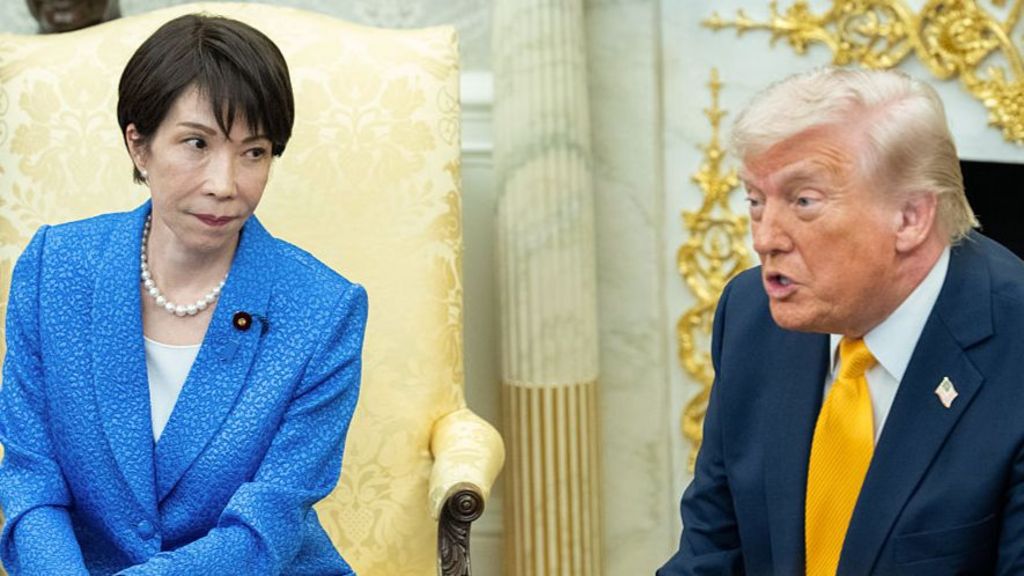
    During Japanese Prime Minister Sanae Takaichi’s official visit to Washington, President Donald Trump invoked one of the most painful chapters in U.S.-Japan history to justify his administration’s surprise military strike against Iran. When questioned by Japanese journalists about why allies weren’t forewarned of the February 28th operation, Trump retorted: “Who knows better about surprise than Japan? Why didn’t you tell me about Pearl Harbor?”

    The remark created visible discomfort for Prime Minister Takaichi, who according to eyewitnesses from Japan’s Yomiuri Shimbun newspaper, “viscerally reacted, her eyes widening and her smile disappearing as she leaned back, drawing her hands in, clearly taken aback.” The comment drew some laughter from others in the Oval Office, but highlighted the delicate nature of historical references between the two nations.

    The Pearl Harbor attack on December 7, 1941, resulted in 2,403 American deaths and propelled the United States into World War II. The conflict culminated with the atomic bombings of Hiroshima and Nagasaki in 1945, which killed hundreds of thousands of Japanese civilians. Since the 1952 peace treaty, both countries have consciously focused on reconciliation rather than historical grievances.

    This diplomatic encounter occurred against the backdrop of ongoing tensions in the Strait of Hormuz, where Iran has blocked oil shipments in retaliation for U.S.-Israeli attacks. Japan had previously declined Trump’s request to help reopen the vital waterway, though Takaichi later indicated Tokyo would provide support within its legal framework. The blockade has caused global oil prices to skyrocket, affecting approximately 20% of the world’s oil supply.

    The incident underscores the ongoing challenges in the U.S.-Japan alliance, where historical memory continues to influence contemporary diplomacy despite seven decades of partnership.

  • Chinese researchers decode oriental fruit fly’s egg-laying mystery to curb mango damage

    Chinese researchers decode oriental fruit fly’s egg-laying mystery to curb mango damage

    Researchers at Southwest University in Chongqing have made a groundbreaking discovery that explains why oriental fruit flies target unripe mangoes, potentially revolutionizing pest control methods for one of agriculture’s most damaging insects.

    Led by Professor Wang Jinjun, the scientific team identified that female oriental fruit flies (Bactrocera dorsalis) possess a sophisticated sensory mechanism in their ovipositor—a specialized egg-laying organ—that detects hesperidin, a chemical compound naturally present in maturing mangoes. This finding, published in the prestigious Proceedings of the National Academy of Sciences, reveals the evolutionary adaptation that drives the pest’s destructive behavior.

    The study demonstrates that as mangoes ripen, hesperidin concentrations increase to levels that become toxic to fruit fly offspring. The compound significantly reduces egg hatching rates, suppresses larval development, and decreases adult emergence success. To avoid these detrimental effects, female flies have evolved the ability to ‘taste’ hesperidin levels using sensory receptors located at the tip of their ovipositor, which they use to pierce fruit before egg deposition.

    Professor Jiang Hongbo, a key member of the research team, explained that this discovery enables two innovative approaches to pest management: developing targeted interventions that exploit the fly’s sensory system, and creating early warning systems that monitor chemical changes in fruit to predict infestation risks before damage occurs.

    The oriental fruit fly causes substantial economic losses across tropical and subtropical regions by triggering premature fruit drop before farmers can detect infestations. This research provides the first comprehensive understanding of the biological mechanisms behind the pest’s selective egg-laying behavior, offering hope for more effective and environmentally friendly control strategies.

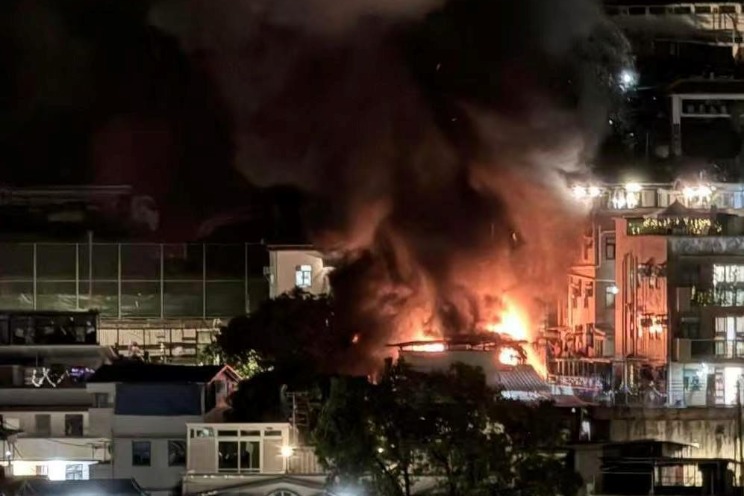
  • Nearly 100 people evacuated after house fire in Hong Kong

    Nearly 100 people evacuated after house fire in Hong Kong

    A significant emergency response unfolded in Hong Kong’s Tsuen Wan district on Thursday evening as a major fire consumed a tin-sheet structured residence near Lo Wai. Local authorities elevated the alarm designation to Level 3 following the blaze’s rapid intensification around 10 pm.

    The incident gained immediate attention as multiple explosions accompanied the initial outbreak, triggering numerous emergency calls from concerned residents. Firefighting crews implemented large-scale evacuation procedures, successfully relocating approximately 100 individuals from adjacent properties during the critical initial response phase.

    Eyewitnesses reported dramatic scenes with intense flames generating substantial thermal radiation and towering columns of thick, dark smoke visible across considerable distances. The structural characteristics of the tin-sheet construction contributed to both rapid fire spread and challenging containment conditions for emergency personnel.

    As of the latest updates, emergency services have confirmed no casualties resulting from the incident, though damage assessment to the affected structure remains ongoing. The Hong Kong Fire Services Department continues to maintain operational presence at the scene to ensure complete extinguishment and investigate ignition factors.