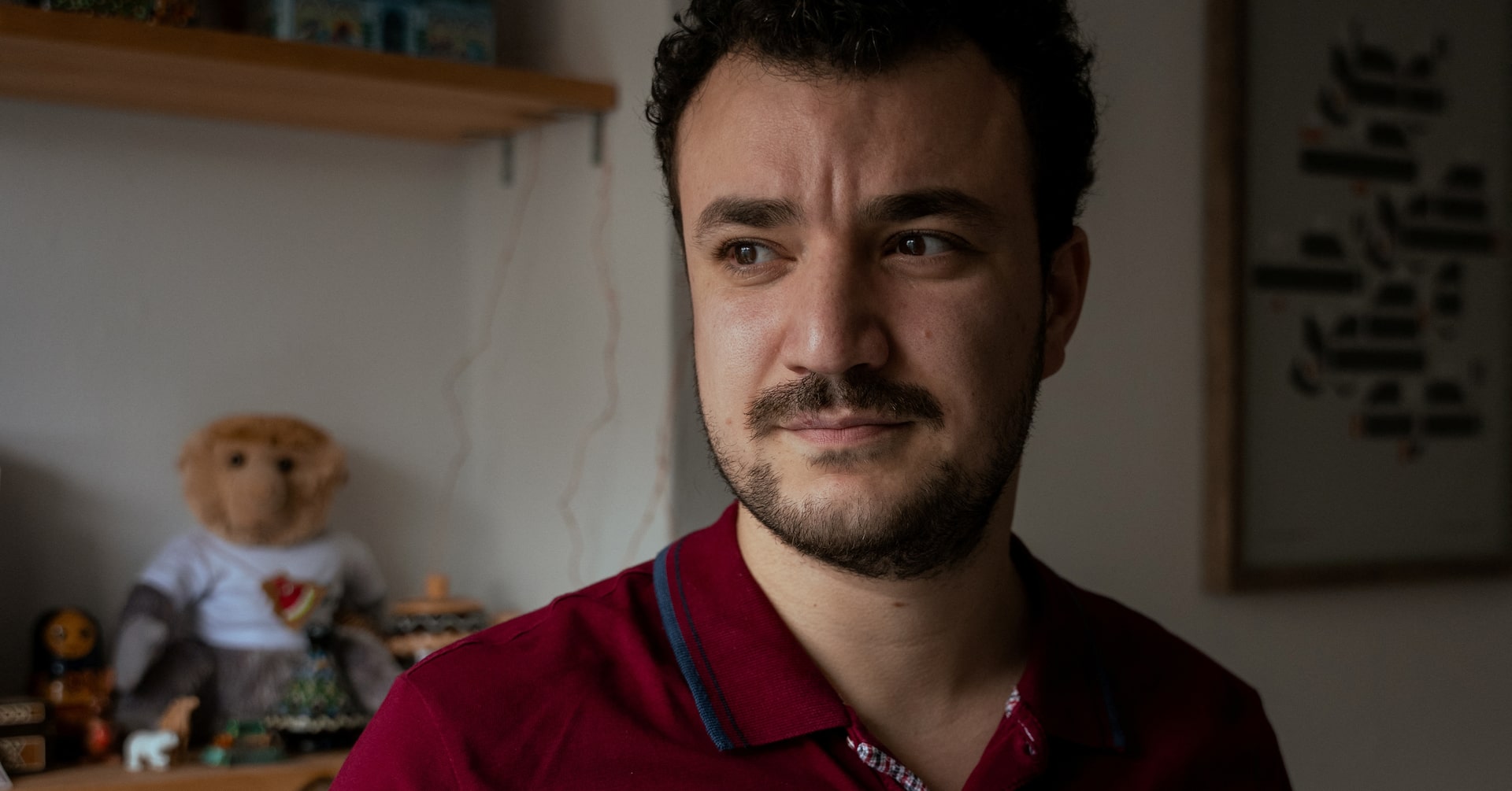
In a controversial decision, a U.S. immigration judge has ordered the deportation of Mahmoud Khalil, a pro-Palestinian activist and Columbia University student, to either Algeria or Syria. The ruling, issued on September 17, 2025, stems from allegations that Khalil omitted critical information from his green card application. Immigration Judge Jamee Comans asserted that Khalil ‘willfully misrepresented material facts’ to bypass immigration protocols and increase his chances of approval. However, Khalil’s legal team has vowed to appeal the decision, citing ongoing federal court orders that prevent his immediate deportation or detention. Khalil, a 30-year-old permanent U.S. resident of Palestinian descent, was previously detained for over 100 days earlier this year under the Trump administration’s crackdown on pro-Palestinian activism. During his detention, Khalil missed the birth of his child, as his wife, a U.S. citizen, was pregnant at the time. He was eventually released on June 20 after U.S. District Judge Michael Farbiarz ruled that punishing Khalil for a civil immigration matter was unconstitutional. The Trump administration has labeled pro-Palestinian activists like Khalil as antisemitic and supporters of extremism, a characterization vehemently denied by protesters, including some Jewish groups. They argue that criticizing Israel’s actions in Gaza and advocating for Palestinian rights is unfairly equated with extremism. Khalil has accused the administration of retaliating against him for exercising his right to free speech, stating, ‘They resorted to fabricating baseless allegations to silence me.’ The case has sparked widespread concern among human rights advocates, who warn that such actions threaten free speech and due process. Columbia University, where Khalil is a student, was a focal point of last year’s protests calling for an end to Israel’s war and divestment from companies supporting Israel. The ongoing legal battle highlights the tension between immigration enforcement and constitutional rights in the U.S.
博客
-
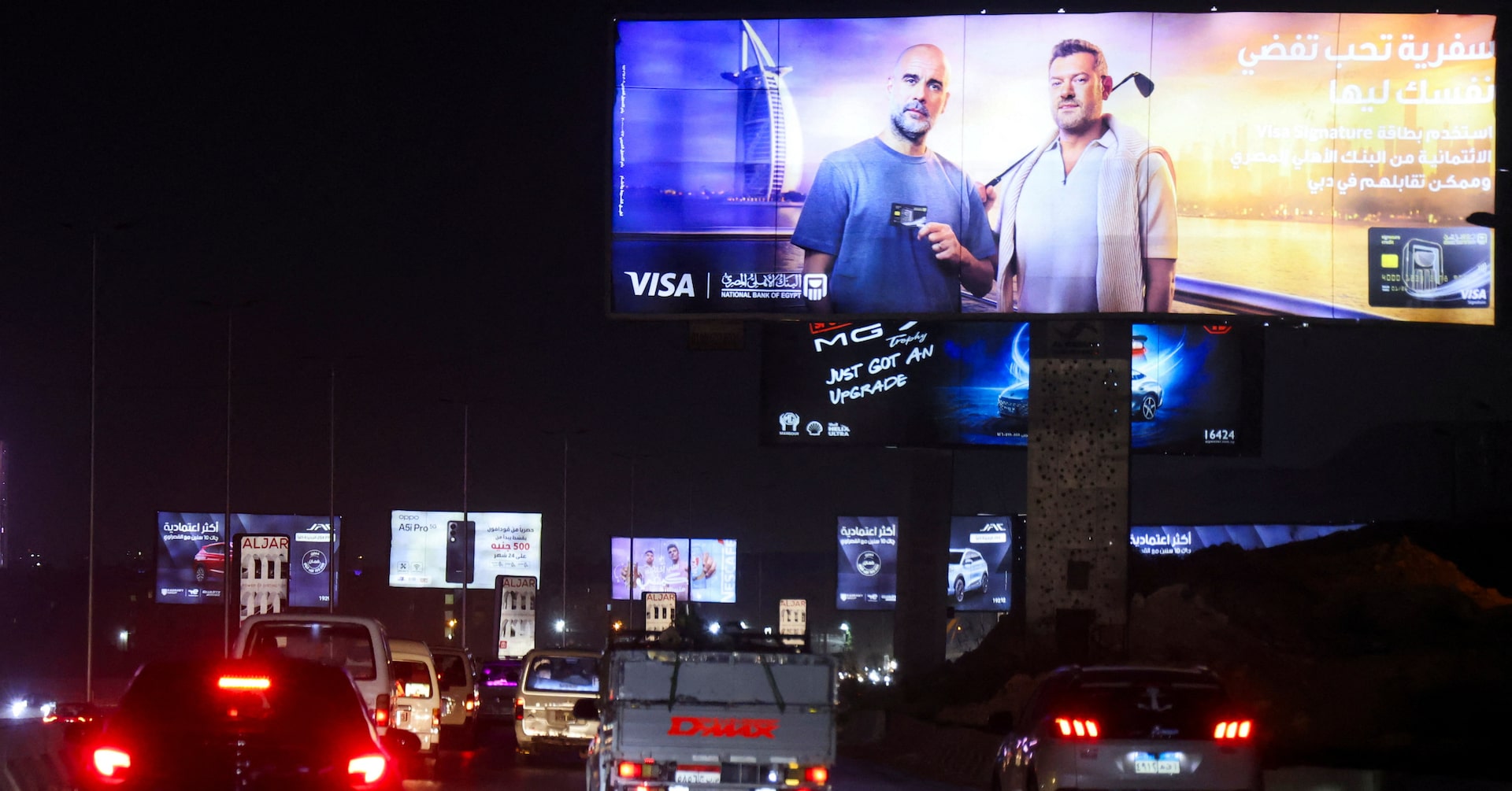
Egypt’s billboard boom strains eyes but raises profits
Cairo’s bustling streets, already notorious for their chaotic traffic, are now facing a new challenge: an overwhelming surge in flashy billboards. These large, brightly lit advertisements, which have more than doubled in number over the past six years, are raising concerns about driver concentration and the quality of life for residents. According to AdMazad, an advertising analytics firm, the number of billboards has skyrocketed from 2,500 in 2019 to approximately 6,300 today, with digital ads increasing more than tenfold to over 300 in the same period. This translates to more than 30 billboards per square kilometer in inhabited areas. The proliferation of these ads is largely attributed to the expansion of Egypt’s transport network under President Abdel Fattah al-Sisi, who has invested billions in new roads and bridges. While the advertising industry has become a significant source of government revenue, generating 6.3 billion Egyptian pounds ($130 million) in 2024, the psychological and visual impact on drivers and residents cannot be ignored. Psychotherapist Khaled Salaheldin warns that constant exposure to idealized lifestyles can lead to feelings of inadequacy, especially in a country grappling with inflation and subsidy cuts. In response, Egyptian Prime Minister Mostafa Madbouly has called for stricter regulations to ensure that advertisements preserve urban aesthetics and societal norms.
-
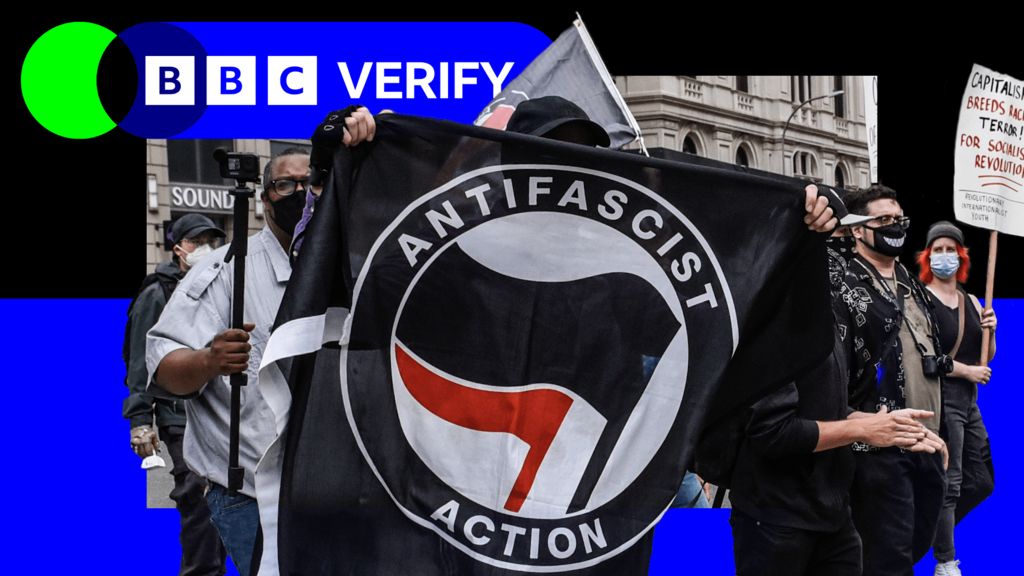
What is Antifa and why is President Trump targeting it?
Former US President Donald Trump has announced his intention to designate Antifa as a ‘major terrorist organization,’ targeting what he describes as the ‘radical left.’ This declaration follows the killing of conservative activist Charlie Kirk, which has intensified political divisions in the country. In a post on his Truth Social platform, Trump labeled Antifa as a ‘sick, dangerous, radical left disaster’ and pledged a thorough investigation into the group. Antifa, a decentralized, leftist movement opposing far-right, racist, and fascist groups, has long been a focal point of Trump’s criticism. However, experts question the feasibility of this designation, given Antifa’s lack of formal structure, leadership, or membership. In 2020, then-FBI Director Christopher Wray noted that Antifa is better understood as an ideology rather than an organization. Despite this, Antifa remains a contentious topic among right-wing influencers and politicians, who argue it is part of a broader left-wing network undermining US values. The movement, whose name derives from the German ‘antifaschistisch,’ gained prominence after Trump’s 2016 election and the 2017 Charlottesville rally. Activists associated with Antifa have frequently clashed with right-wing groups, both online and in physical confrontations. Critics highlight the movement’s willingness to use violence, which activists claim is in self-defense. Trump’s proposal to designate Antifa as a terrorist organization faces legal hurdles, as the US government can only designate foreign groups as Foreign Terror Organizations (FTOs). Legal experts emphasize that the First Amendment protects the right of association, complicating any efforts to label domestic groups as terrorist organizations. This is not the first time Trump has targeted Antifa; he made a similar pledge in 2020 but did not follow through. His latest move comes amid heightened political tensions, with the Department of Justice recently removing a study on political violence that highlighted far-right extremism as a significant threat. Experts warn that politicizing violence risks escalating tensions rather than reducing them.
-
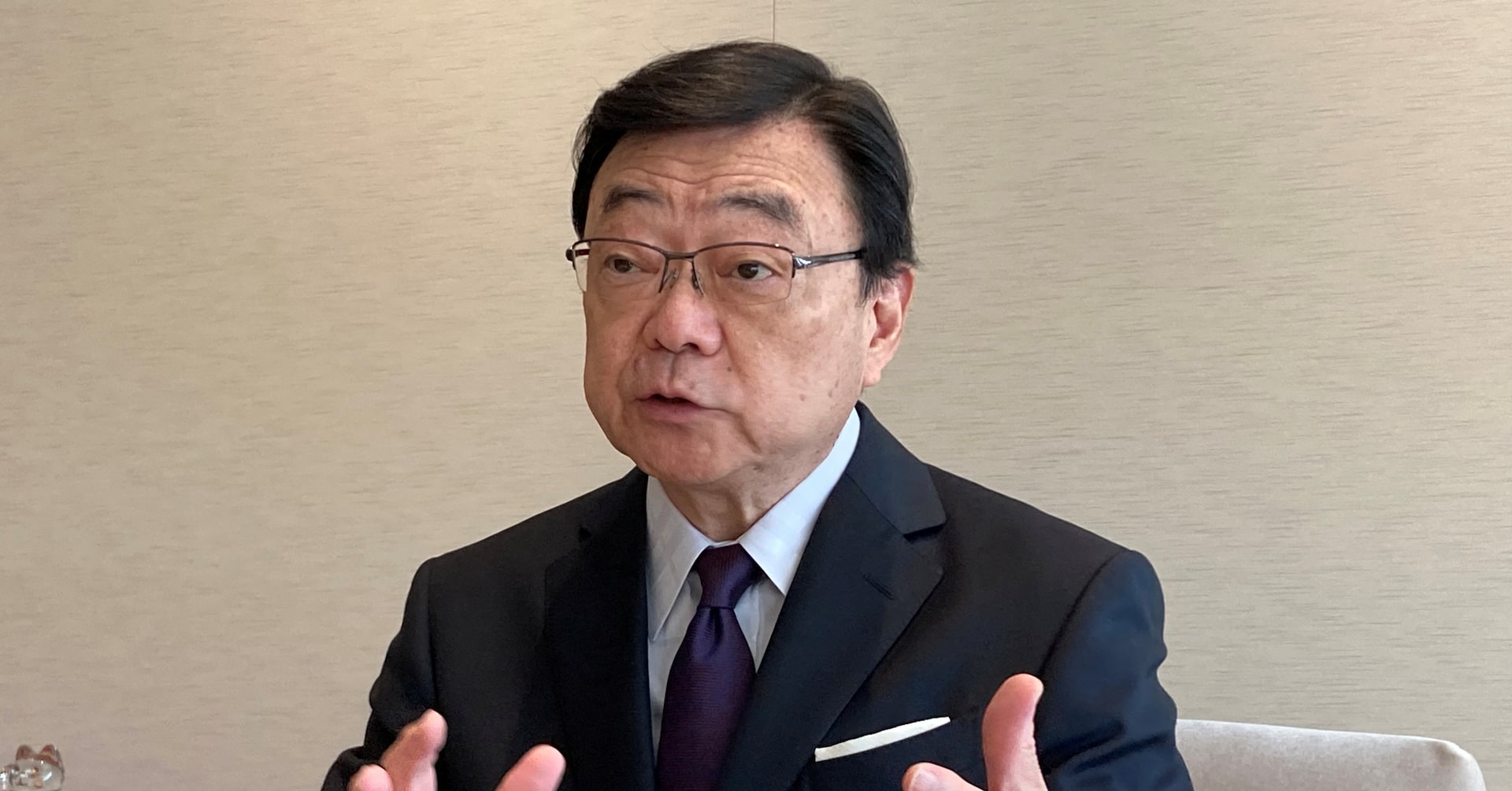
Japan should diversify oil sources but Canadian supply seen tough, industry association head says
In a recent development, Japanese oil refiners are being urged to diversify their crude oil supply sources, as 95% of Japan’s imports currently originate from the Middle East. Shunichi Kito, president of the Petroleum Association of Japan (PAJ) and head of Idemitsu Kosan, Japan’s second-largest refinery, highlighted the challenges of importing heavy Canadian crude during a press conference in Tokyo. Kito emphasized the difficulty of investing in new refining facilities due to a steady 2% annual decline in domestic oil demand, leaving the decision to individual companies. Meanwhile, Alberta, Canada’s primary oil-producing province, is exploring financial investments in Japan’s refining sector. Sources indicate that Alberta is in preliminary discussions with several Japanese refiners to potentially fund the construction of coker units, which would enable the processing of heavy crude from Alberta’s oil sands. This move aims to reduce Alberta’s heavy reliance on the United States for oil exports. While Kito acknowledged the need for diversification, he noted that no specific requests have been made to Japanese refiners yet. The initiative reflects broader global efforts to balance energy security and sustainability amidst shifting market dynamics.
-
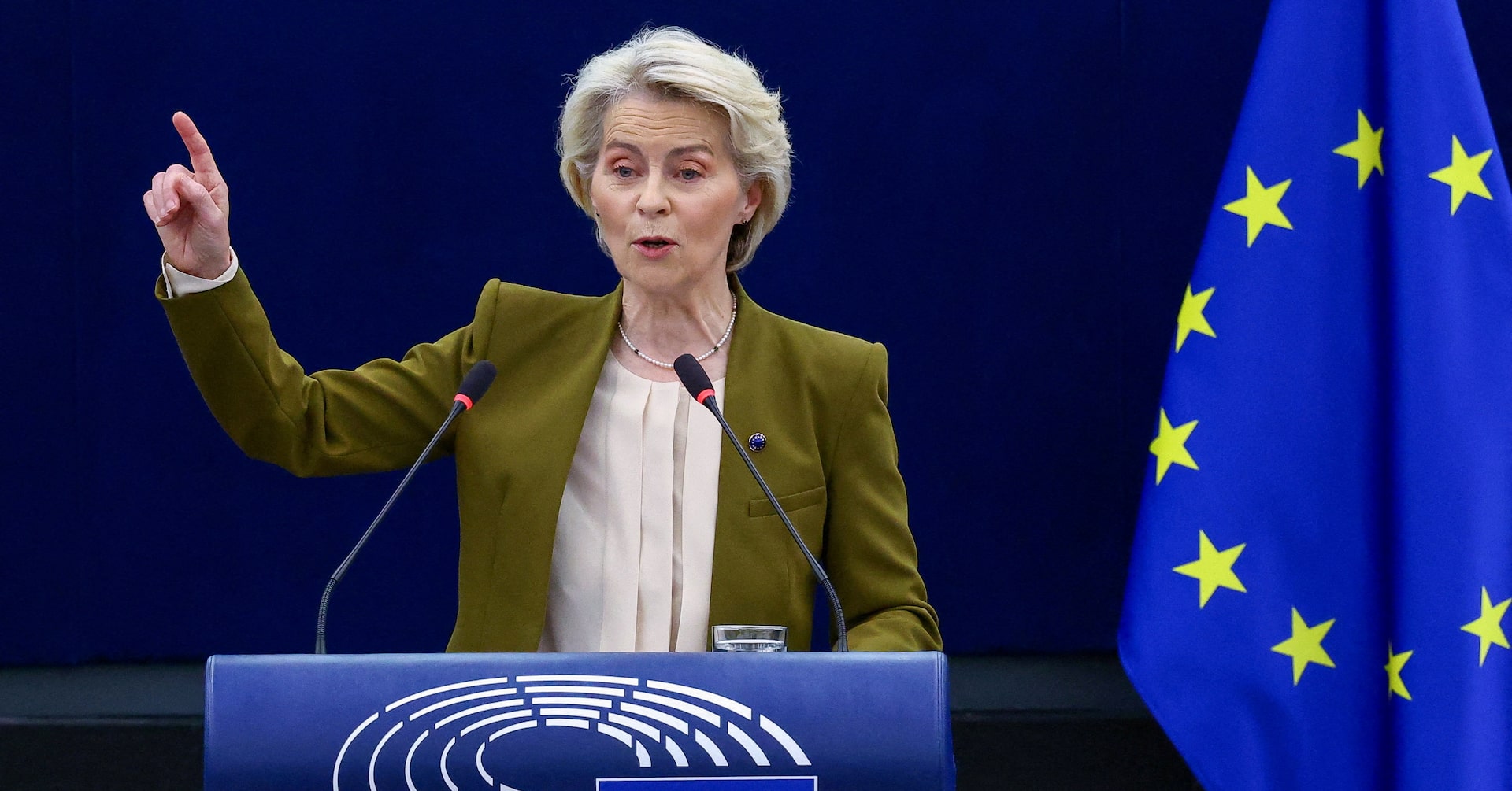
EU needs deals with India, others to reduce US dependency, von der Leyen says
European Commission President Ursula von der Leyen emphasized the European Union’s urgent need to diversify its trade partnerships to reduce economic dependencies, particularly in light of rising U.S. import tariffs. Speaking at a conference with German business leaders on September 18, 2025, von der Leyen highlighted India as a key partner, expressing optimism about finalizing a trade deal with the country by the end of the year. She revealed that Indian Prime Minister Narendra Modi had reaffirmed his commitment to this objective during a recent phone conversation. Beyond India, the EU is also engaging in negotiations with South Africa, Malaysia, the United Arab Emirates, and other nations to broaden its trade network. This strategic shift aims to bolster the bloc’s economic resilience and mitigate risks associated with over-reliance on specific markets. Von der Leyen’s remarks underscore the EU’s proactive approach to navigating global trade challenges and fostering stronger international ties.
-
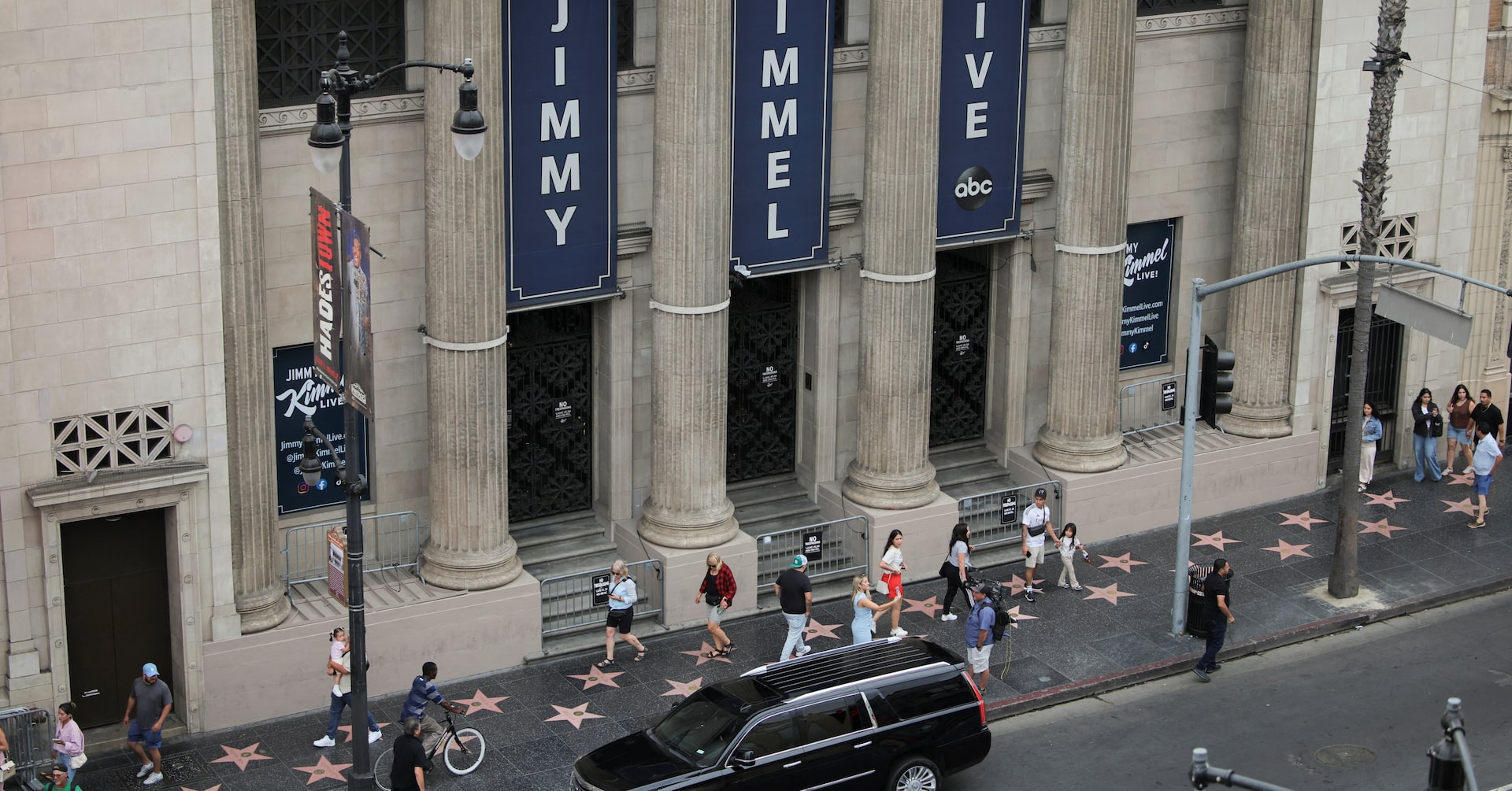
German journalists’ union criticises decision to take Jimmy Kimmel off air
In a bold statement on Thursday, Germany’s leading journalists’ union, DJV, called on major U.S. media outlets to stand by their journalists following ABC’s controversial decision to pull ‘Jimmy Kimmel Live’ from its lineup. The move came after host Jimmy Kimmel made remarks about the assassination of conservative activist Charlie Kirk, sparking widespread debate over freedom of expression and press integrity. DJV head Mika Beuster criticized ABC’s actions, labeling them as a symptom of the ‘rampant erosion of freedom of the press and expression in the U.S.’ Beuster further accused broadcasters of ‘servility’ towards U.S. President Trump, warning that such compliance would only invite greater pressure on journalists. The suspension of Kimmel’s show follows a threat from the head of the U.S. communications regulator against Disney, ABC’s parent company. This incident is part of a broader trend of punitive actions against media figures, academics, and corporate employees who have commented on Kirk’s assassination. Republican leaders and conservative commentators have urged Americans to mourn Kirk respectfully, with some individuals facing job losses or suspensions for discussing the killing online. The situation has reignited concerns about the state of free speech in the U.S. and the role of media in safeguarding democratic values.
-
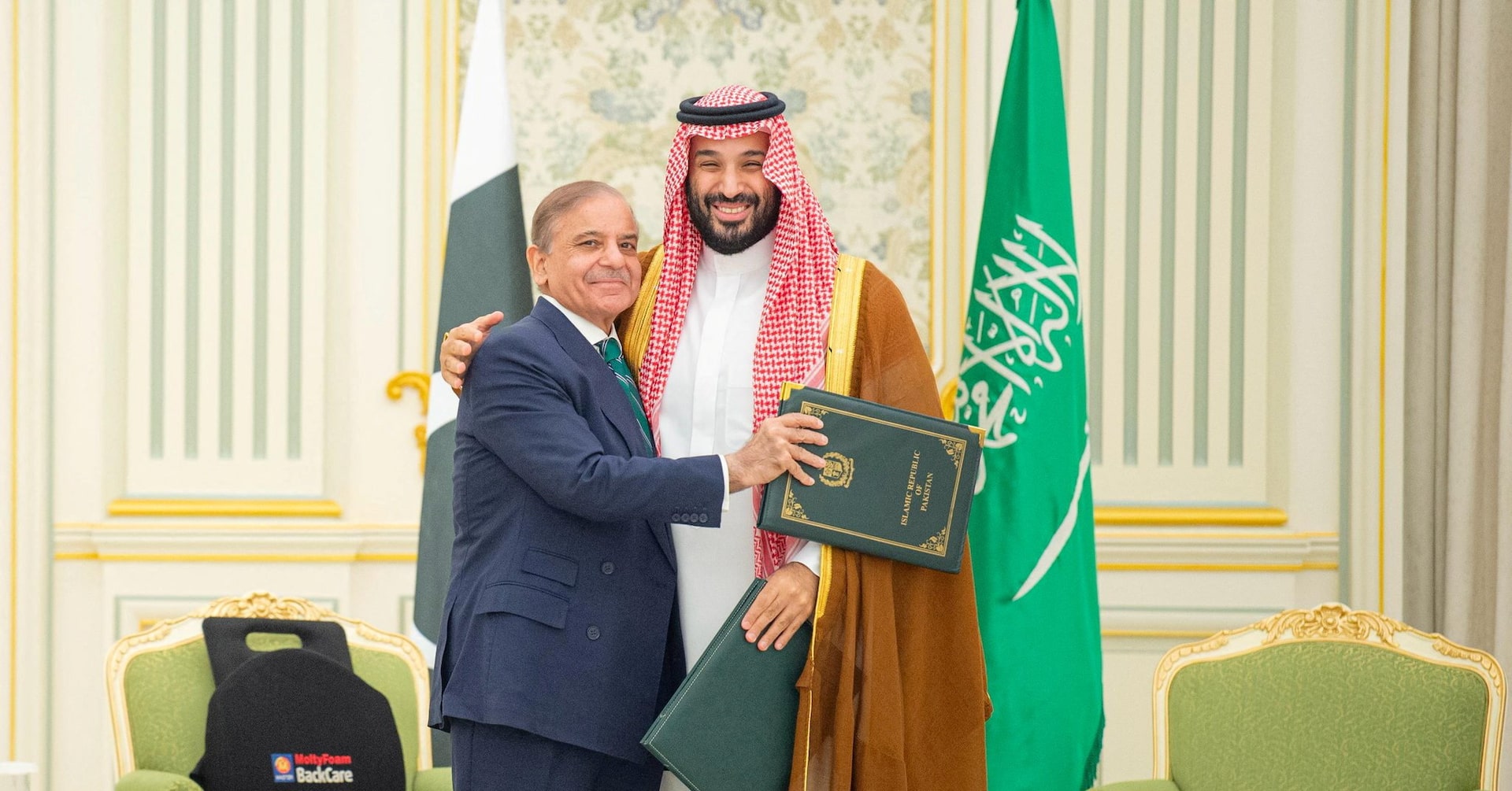
Saudi Arabia, nuclear-armed Pakistan sign mutual defence pact
In a landmark move, Saudi Arabia and Pakistan solidified their longstanding alliance by signing a comprehensive mutual defence agreement on September 17, 2025, in Riyadh. The pact, inked by Saudi Crown Prince Mohammed bin Salman and Pakistani Prime Minister Shehbaz Sharif, underscores a deepening of military and strategic cooperation between the two nations. The agreement, which includes provisions for mutual defence against aggression, comes at a critical juncture as regional tensions escalate following Israel’s recent airstrikes on Qatar. The strikes, aimed at Hamas leaders during ceasefire negotiations, have heightened concerns among Gulf states about the reliability of the United States as a security partner. Pakistan, the only nuclear-armed Muslim-majority nation, has historically maintained that its nuclear arsenal is a deterrent against India. The Saudi official emphasized that the agreement is not a reaction to specific events but rather an institutionalization of decades-long collaboration. The pact also highlights the economic interdependence between the two countries, with Saudi Arabia providing Pakistan with a $3 billion loan to bolster its foreign reserves. The agreement’s implications for regional stability, particularly in light of Pakistan’s ongoing tensions with India, remain a focal point of analysis. Both nations have fought three wars since their independence in 1947, and their nuclear capabilities have since shaped a precarious balance of power. The Saudi official acknowledged the need to balance relations with both Pakistan and India, emphasizing the kingdom’s commitment to fostering regional peace.
-
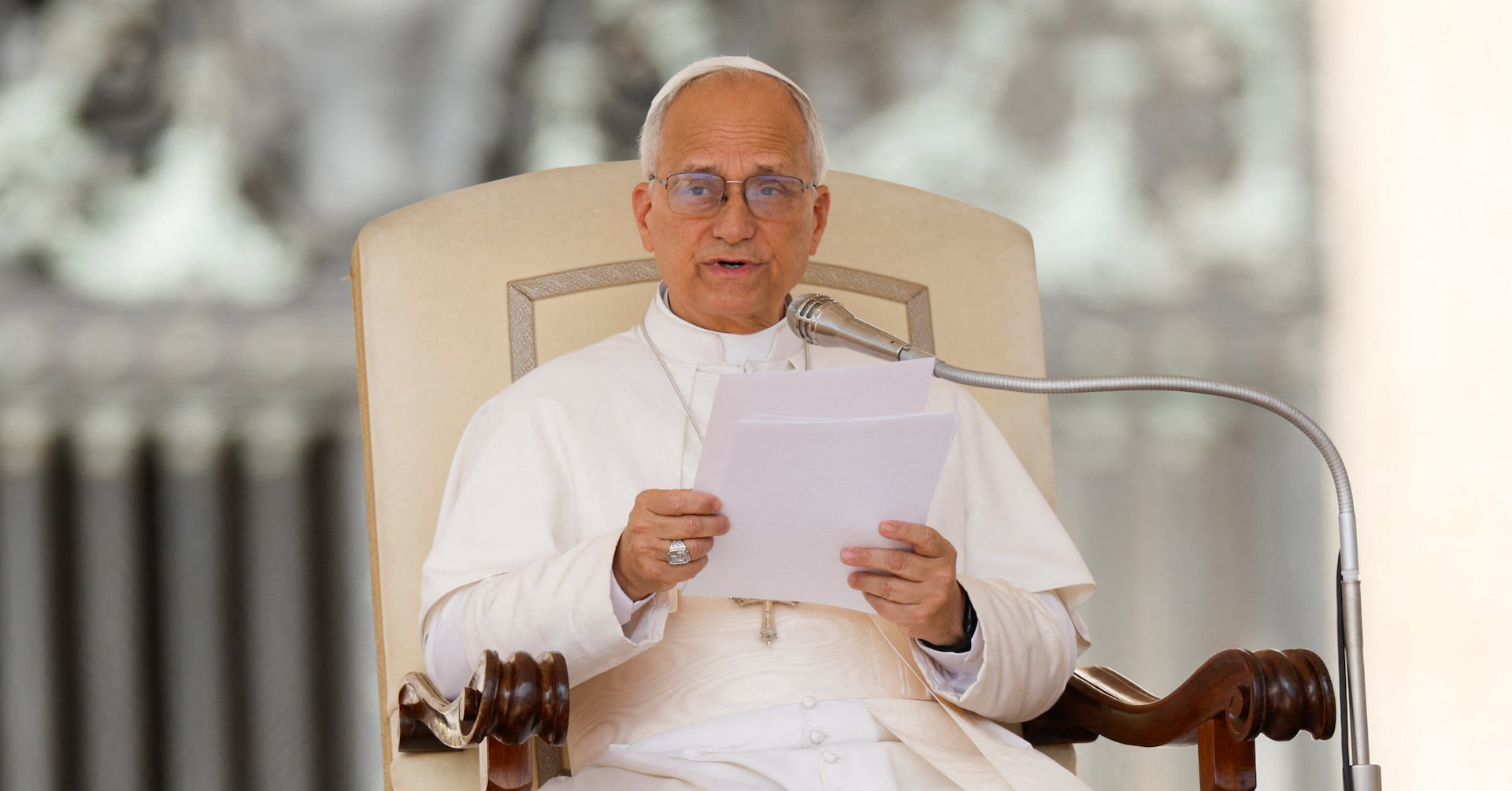
Pope Leo plans to keep Francis’ key reforms but avoid bigger changes, he says
In his first major interview since assuming the papacy in May 2025, Pope Leo XIV emphasized his commitment to continuing the policies of his predecessor, Pope Francis, while steering clear of radical changes to Catholic doctrine. The interview, conducted in late July for a forthcoming biography, revealed Leo’s cautious approach to contentious global and ecclesiastical issues. The Pope, the first American to hold the position, reiterated Francis’ inclusive stance toward LGBTQ+ Catholics and women’s roles in the Church but stopped short of endorsing same-sex marriage or female ordination. He also addressed the Church’s ongoing sexual abuse scandals, stressing the need to support victims while acknowledging concerns about false allegations. On the international front, Leo expressed concern over the humanitarian crisis in Gaza but avoided labeling Israel’s actions as genocide. He also discussed the Vatican’s financial challenges, noting improvements but acknowledging lingering issues. Leo’s reserved style contrasts with Francis’ outspokenness, reflecting his focus on maintaining unity within the Church.
-
Key takeaways from Trump-Starmer news conference
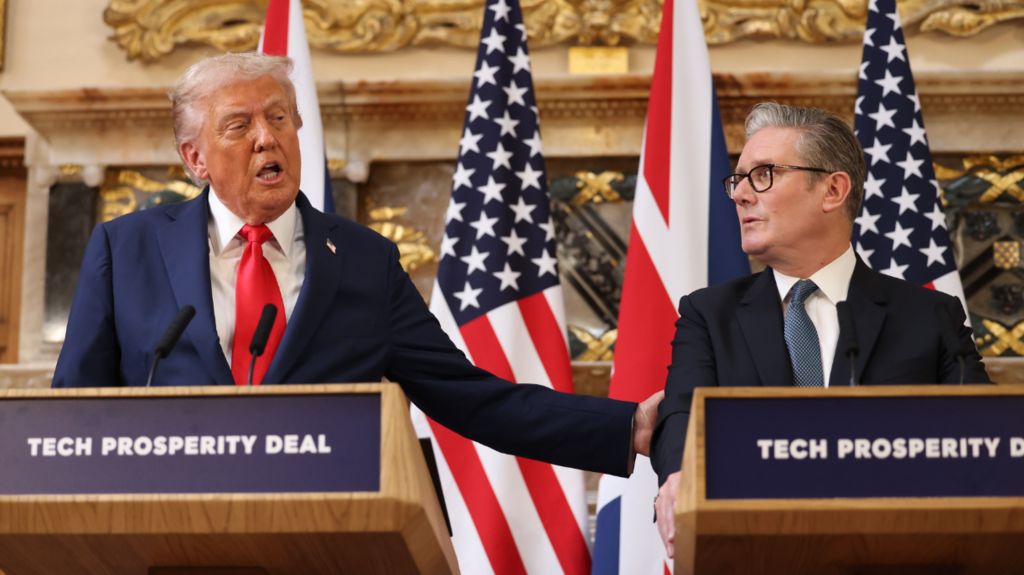
Sir Keir Starmer and Donald Trump held a joint press conference at Chequers, the UK Prime Minister’s country residence, marking the conclusion of Trump’s second state visit to the UK. The hour-long event covered a range of topics, from international relations to domestic policies, with both leaders addressing contentious issues diplomatically. One of the key points of discussion was the UK’s imminent recognition of Palestinian statehood, a move Trump had previously criticized as potentially rewarding Hamas. However, Trump downplayed the disagreement, stating it was one of only a few differences between him and Starmer. Starmer clarified that the timing of the decision was unrelated to Trump’s visit and emphasized that Hamas would have no role in any future Palestinian state. Trump praised Starmer’s stance, even giving him a pat on the back during the conference. Another hot topic was the UK’s efforts to curb illegal migration, particularly the record number of small boat crossings in the English Channel. Trump suggested that Starmer consider involving the military, drawing parallels to his own border security policies in the US. Starmer highlighted the recent launch of the first flight under the UK-France migrant returns deal as a significant step forward. Both leaders also united in condemning Russia’s invasion of Ukraine, with Starmer criticizing recent Russian missile attacks and Trump expressing disappointment in Vladimir Putin’s actions. Trump admitted he had hoped the Russia-Ukraine conflict would be easier to resolve but reaffirmed his commitment to finding a peaceful solution. The issue of free speech also surfaced, with Starmer vowing to protect it as a fundamental British value while balancing it with necessary safeguards. The press conference concluded without addressing the recent dismissal of Lord Mandelson as the UK’s US ambassador, a decision linked to his past association with Jeffrey Epstein. Trump distanced himself from Mandelson, stating he did not know him well, while Starmer reiterated that the decision was based on new information about Mandelson’s ties to Epstein.
-
Hyundai Motor to ramp up US output, trims profit margin goal on tariff hit
Hyundai Motor Group, a leading South Korean automaker, announced on Thursday its ambitious plan to produce over 80% of the vehicles it sells in the U.S. domestically by 2030. This strategic move comes in response to evolving U.S. tariff policies and aims to mitigate the financial impact of import duties. The company revealed this during its CEO Investor Day in New York, alongside revising its 2025 operating profit margin target downward to 6-7%, citing tariff-related challenges. However, Hyundai remains optimistic, projecting margins to rebound to 7-8% by 2027 and 8-9% by 2030.