
Gold prices experienced a notable uptick on Thursday, driven by a weakening dollar and the U.S. Federal Reserve’s decision to cut interest rates by 25 basis points. The Fed’s move, coupled with its indication of a gradual easing path for the remainder of the year, has significantly bolstered the appeal of the precious metal. Spot gold rose by 0.2% to $3,668.34 per ounce, following a record high of $3,707.40 on Wednesday. U.S. gold futures for December delivery, however, saw a slight decline of 0.4% to $3,703. The dollar, which had recently gained strength, retreated to near a two-month low, making gold more affordable for holders of other currencies. Concurrently, benchmark 10-year Treasury yields also decreased. Market analysts attribute the rise in gold prices to the dollar’s resumed weakness and the Fed’s dovish stance, which suggests two additional rate cuts this year. Fed Chair Jerome Powell described the rate cut as a ‘risk-management measure’ in response to a softening labor market, emphasizing a ‘meeting-by-meeting’ approach to future rate decisions. Gold, a non-yielding asset, is traditionally seen as a safe haven during periods of geopolitical and economic uncertainty, and it tends to thrive in low-interest-rate environments. Analysts, including Ross Norman, an independent market expert, believe that gold’s bull run remains robust, with record highs likely to persist. Traders are currently anticipating a 90% chance of another 25-basis point cut at the Fed’s October meeting, according to the CME Group’s FedWatch tool. ANZ Bank also predicts that gold will outperform early in the easing cycle, citing increased demand for haven assets amid a challenging geopolitical landscape. Meanwhile, other precious metals showed mixed performance, with spot silver rising 0.4% to $41.84 per ounce, platinum gaining 1.5% to $1,383.60, and palladium declining 0.7% to $1,146.55 per ounce.
博客
-
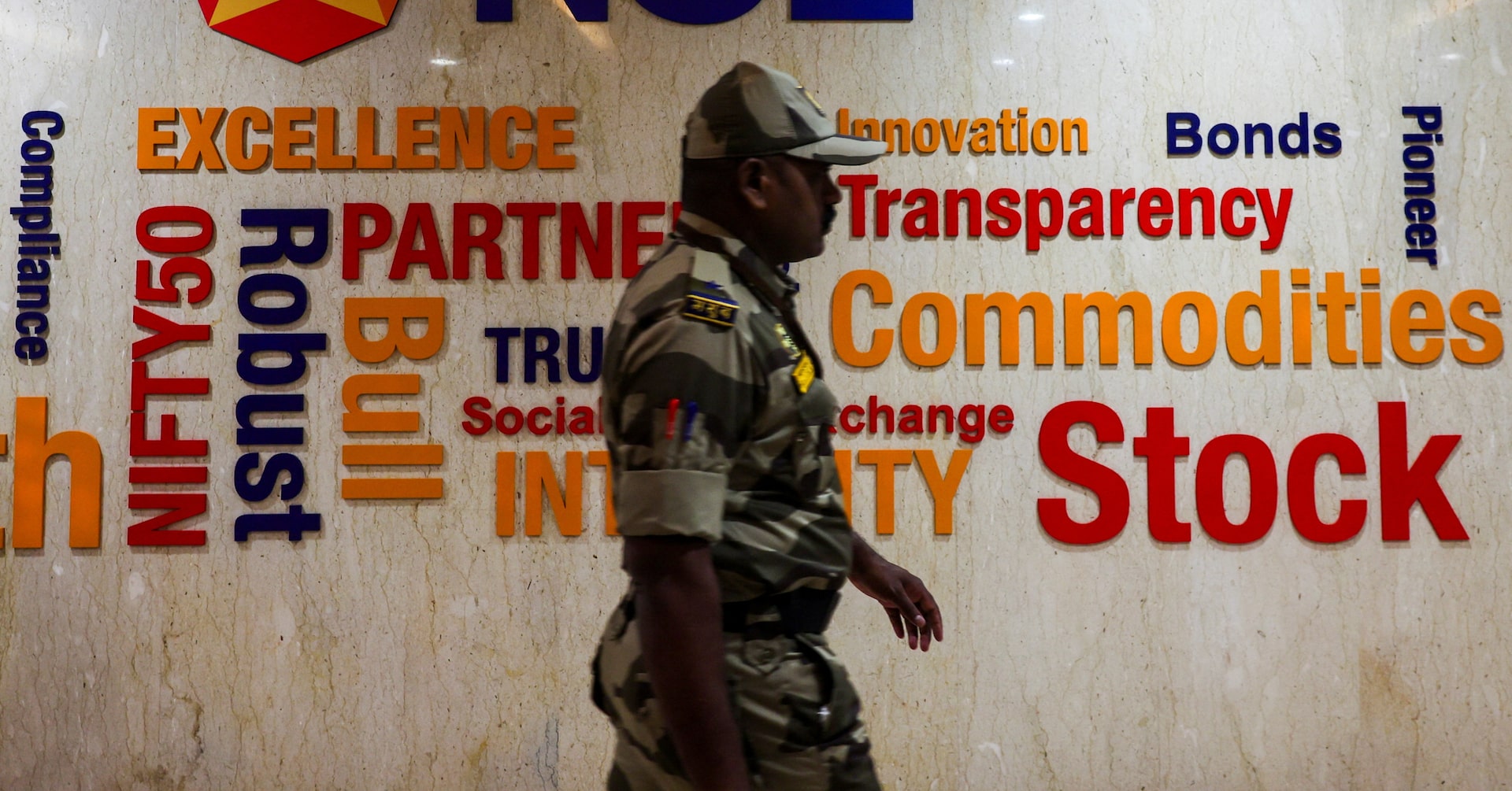
India’s stock benchmarks hit 10-week highs on Fed rate cut, optimism over US trade talks
India’s stock market surged to a 10-week high on Thursday, driven by gains in IT and pharmaceutical sectors. The rally followed the U.S. Federal Reserve’s decision to implement a quarter-point rate cut and indications of easing trade tensions. The Nifty 50 index climbed 0.37% to 25,423.60, while the BSE Sensex rose 0.39% to 83,013.96. IT and pharmaceutical stocks, which derive significant revenue from the U.S., saw notable increases of 0.8% and 1.5%, respectively. Biocon and Natco Pharma further boosted the pharma index with gains of 4% and 3.3%, supported by favorable regulatory developments in the U.S. Twelve out of 16 major sectors recorded gains, with small-cap and mid-cap indices adding 0.3% and 0.4%, respectively. The Fed’s rate cut, its first this year, has sparked optimism among investors, though uncertainty remains about the pace of future monetary easing. Market analyst Om Ghawalkar noted that the decision could attract foreign institutional investments and bolster investor confidence. Additionally, chief economic advisor V. Anantha Nageswaran hinted at potential reductions in U.S. tariffs on certain Indian imports, further supporting market sentiment. The Nifty 50 has closed in positive territory in 11 of the last 12 sessions, now trading just 3.25% below its September 2024 peak. However, Cohance Lifesciences saw a 5.6% decline after a block deal involving an 8.9% stake at a discounted price.
-

Oil India sees restart of Mozambique LNG project by year’s end
India’s state-run Oil India Ltd (OILI.NS) has announced that the $20-billion Mozambique liquefied natural gas (LNG) project, operated by French energy giant TotalEnergies (TTEF.PA), is expected to restart development by the end of 2025. The project, in which Oil India holds a stake, was halted in 2021 due to a deadly attack by Islamic State-linked insurgents, prompting TotalEnergies to declare force majeure. Speaking at the company’s annual shareholder meeting, Oil India Chairman Ranjit Rath expressed optimism about the project’s revival, citing improved security conditions and its strategic importance in meeting India’s growing gas demand. TotalEnergies CEO Patrick Pouyanne had previously indicated in June that development could resume ‘this summer.’ The project is a multinational venture, with TotalEnergies holding a 26.5% stake, Mitsui & Co (8031.T) owning 20%, Mozambique’s state-owned ENH at 15%, and Indian state firms ONGC Videsh, Bharat PetroResources, and Oil India collectively holding 30%. Thailand’s PTTEP (PTTEP.BK) owns the remaining share. Separately, Oil India reported significant dividends from its investments in Russian projects, including Vankorneft and Taas-Yuryakh, with $942 million received, representing 91% of its original investment. Full recovery of the investment is anticipated in the coming year.
-

Exclusive: Turkey’s surprise Air Europa deal came down to one key thing: control
In a surprising move, Turkish Airlines has successfully acquired a significant stake in Spanish carrier Air Europa, outmaneuvering European rivals Lufthansa and Air France-KLM. The deal, valued at 300 million euros for a 25-27% stake, was finalized due to Turkish Airlines’ willingness to share control with Air Europa’s Hidalgo family owners, according to sources familiar with the negotiations. This marks a rare instance of a non-European airline investing in a European carrier, particularly given EU regulations that restrict majority ownership by non-EU entities. The agreement underscores Turkish Airlines’ strategic focus on expanding its presence in Iberia and Latin America, leveraging Air Europa’s established routes. While Lufthansa and Air France-KLM sought a path to majority control, their demands were incompatible with the Hidalgo family’s preference for maintaining influence. Analysts note that the deal is less about financial gain and more about geopolitical and connectivity advantages, positioning Turkish Airlines to strengthen its hub-and-spoke network. The Turkish government’s support further bolsters the airline’s strategic ambitions, with Transport Minister Abdulkadir Uraloglu highlighting the alignment with Turkey’s broader global connectivity strategy. Despite the complexities of minority stakes, Turkish Airlines’ financial stability and political backing mitigate potential risks, ensuring the deal’s viability.
-
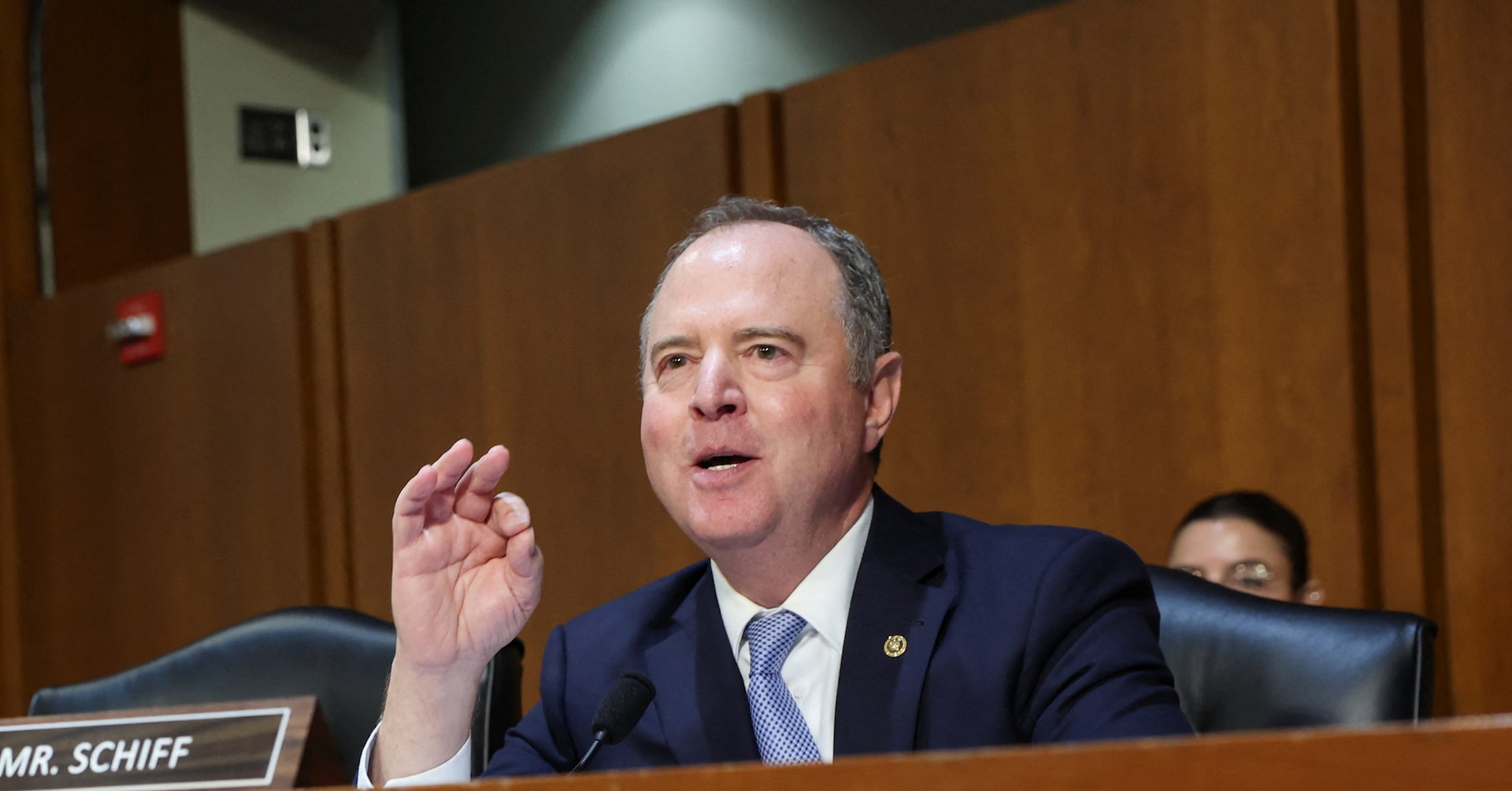
US Democratic Senator asks health insurers to commit to covering vaccines
U.S. Senator Adam Schiff (D-CA) has taken a proactive stance in ensuring continued access to routine vaccinations, sending letters to major health insurers ahead of a pivotal meeting of the CDC’s Advisory Committee on Immunization Practices (ACIP). In the letters, Schiff urged companies such as UnitedHealth Group, CVS Health, Elevance Health, Cigna, and Kaiser to publicly commit to covering vaccines for illnesses like measles and COVID-19, regardless of the committee’s recommendations. He emphasized that patients should not face out-of-pocket costs for these essential immunizations. Schiff’s move comes in response to recent changes within the ACIP, which have caused confusion among patients and healthcare providers. In May, Health and Human Services Secretary Robert F. Kennedy Jr., a known vaccine skeptic, announced that the CDC would no longer recommend the COVID-19 vaccine for healthy pregnant women and children. This decision, coupled with Kennedy’s replacement of ACIP members with less experienced or skeptical individuals, has raised concerns about the committee’s credibility. Schiff highlighted that the Affordable Care Act (ACA) mandates private insurers to cover vaccines recommended by the ACIP, but the statute did not anticipate the committee’s overhaul. In response, some states have allowed pharmacies to follow guidance from medical organizations like the American College of Obstetrics and Gynecology. Meanwhile, America’s Health Insurance Plans has assured that coverage for previously recommended vaccines will continue through the end of 2025. The ACIP is set to review recommendations for COVID-19, Hepatitis B, and the measles-mumps-rubella-varicella vaccines on September 18 and 19. Schiff’s initiative underscores the importance of maintaining evidence-based vaccine policies and ensuring public access to critical healthcare services.
-
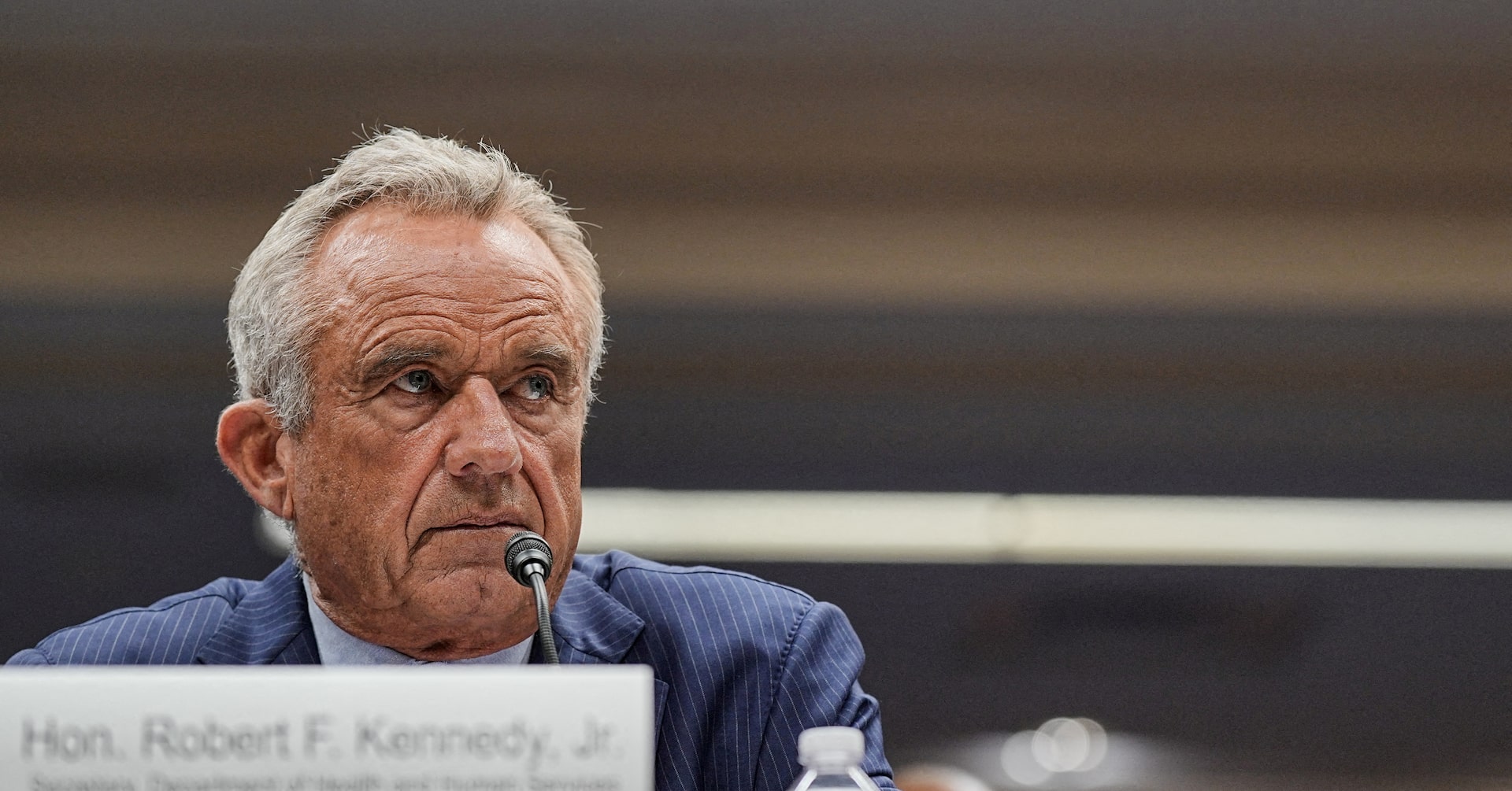
Kennedy is rewriting US vaccine policy — fast and on his terms
U.S. Health and Human Services Secretary Robert F. Kennedy Jr. is aggressively advancing sweeping changes to the nation’s vaccine policies, despite significant opposition from scientists, lawmakers, and public health experts. Since taking office, Kennedy has restricted eligibility for COVID-19 vaccines, removed the country’s top public health official, expanded federal support for state-level vaccine exemptions, dismantled the vaccine recommendation review process, and reshaped a national vaccine advisory board with like-minded experts. These actions have drawn sharp criticism from medical societies, Democrats in Congress, and even members of Kennedy’s own family, who have called for his removal. Public health leaders warn that his policies could restrict access to critical vaccines for children, potentially reversing decades of progress in immunization. Kennedy’s supporters, however, argue that his efforts aim to restore public trust in health agencies and promote greater scrutiny of vaccine safety. The ongoing debate comes as a Kennedy-appointed advisory board prepares to vote on potential changes to childhood vaccine recommendations, a decision that could have far-reaching implications for public health nationwide.
-
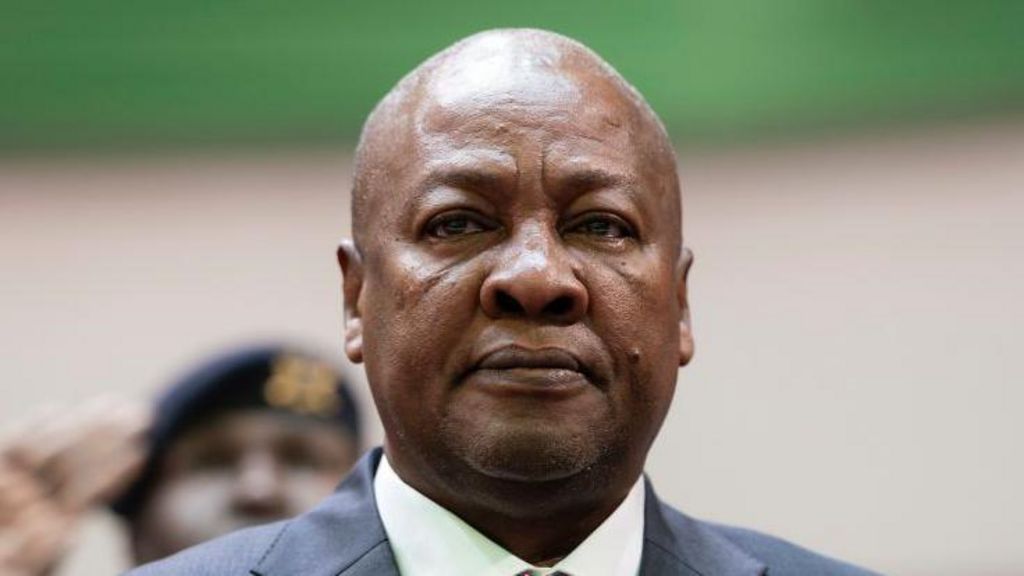
US deportees sue Ghana over ‘illegal’ detention
Ghana’s President John Mahama is under fire from opposition lawmakers for failing to present a controversial deportation agreement with the United States to parliament for ratification. The issue has escalated as 11 individuals deported from the US to Ghana have filed a lawsuit against the Ghanaian government, alleging unlawful detention. Their lawyer, Oliver-Barker Vormawor, claims the detainees have not violated any Ghanaian laws and are being held illegally in a military camp. He has demanded the government produce the group in court and justify their detention. The government has yet to respond to the lawsuit but has indicated plans to accept an additional 40 deportees. Opposition MPs are calling for an immediate suspension of the deportation deal until it is properly ratified by parliament, as required by Ghanaian law. The situation has sparked confusion, with conflicting statements from President Mahama and Foreign Minister Samuel Okudzeto Ablakwa regarding the status of the deportees. While Mahama stated that 14 deportees had been returned to their countries of origin, Ablakwa contradicted him, saying only most had been repatriated. Vormawor’s court filing asserts that 11 deportees remain in detention in Ghana. The deportations are part of the Trump administration’s stringent immigration policies, which have led to record-level deportations of undocumented migrants. Ghana’s foreign minister emphasized that the decision to accept the deportees was based on humanitarian principles and pan-African solidarity, not an endorsement of US immigration policies. Meanwhile, five of the detainees, including three Nigerians and two Gambians, have also sued the US government, arguing their deportation violated a court order.
-

Exclusive: US probes people swept up in Trump Washington crackdown for benefits fraud
The U.S. Department of Health and Human Services (HHS) Inspector General’s office has launched an investigation into whether individuals detained during President Donald Trump’s intensified crime prevention efforts in Washington, D.C., are fraudulently enrolled in federal benefit programs. This probe, revealed through a government document and sources familiar with the matter, focuses on potential misuse of Medicare, Medicaid, and Temporary Assistance for Needy Families (TANF) programs by those caught in the crackdown. The initiative has diverted federal agents from high-impact cases, raising concerns about resource allocation. Since August 2025, Trump has deployed National Guard troops and federal law enforcement to curb crime in the capital, resulting in over 2,000 arrests. However, it remains unclear if any charges related to benefits fraud have been filed. The investigation also examines individuals questioned or detained but not arrested. Critics argue that involving specialized agents in this effort is inefficient, as it sidelines their expertise in recovering significant funds for the government. The HHS Inspector General’s office declined to comment, citing policy. Meanwhile, the crackdown has led to a notable decline in violent crime in D.C., with a 35% drop in 2024 and an additional 26% reduction in the first seven months of 2025. Trump has expressed plans to replicate this strategy in other cities, starting with Memphis, Tennessee.
-
Key products in Huawei’s AI chips and computing power roadmap
In a groundbreaking move, Chinese tech giant Huawei has broken its silence to reveal a comprehensive product roadmap for its chips and computing power systems, marking its first public strategy to compete with global leader Nvidia. The announcement, made on September 18, 2024, outlines Huawei’s plans to introduce three new Ascend series chips over the next three years, starting with the Ascend 950 in the first quarter of 2025. The Ascend 950 will come in two variants: the 950PR, optimized for inference and recommendations, and the 950DT, designed for model training and decoding. Huawei also revealed that the Ascend 960 and 970 will significantly boost computing power and memory capacity, with the 970 expected to surpass Nvidia’s offerings. Despite U.S. export restrictions limiting Huawei’s access to TSMC, the company has developed its own high-bandwidth memory (HBM) technology, which it claims is more cost-effective than SK Hynix and Samsung’s HBM3E and HBM4E. Huawei’s cluster computing systems, such as the Atlas 900 A3 SuperPoD, already rival Nvidia’s advanced products, and the company plans to launch the Atlas 950 SuperPod in Q4 2026, boasting 6.7 times more computing power than Nvidia’s NVL144 system. Additionally, Huawei’s Kunpeng CPU chip series, first introduced in 2019, will see new iterations in 2026 and 2028, accompanied by the TaiShan 950 SuperPod for general-purpose computing. This bold strategy underscores Huawei’s determination to establish itself as a major player in the global semiconductor and AI markets.
-
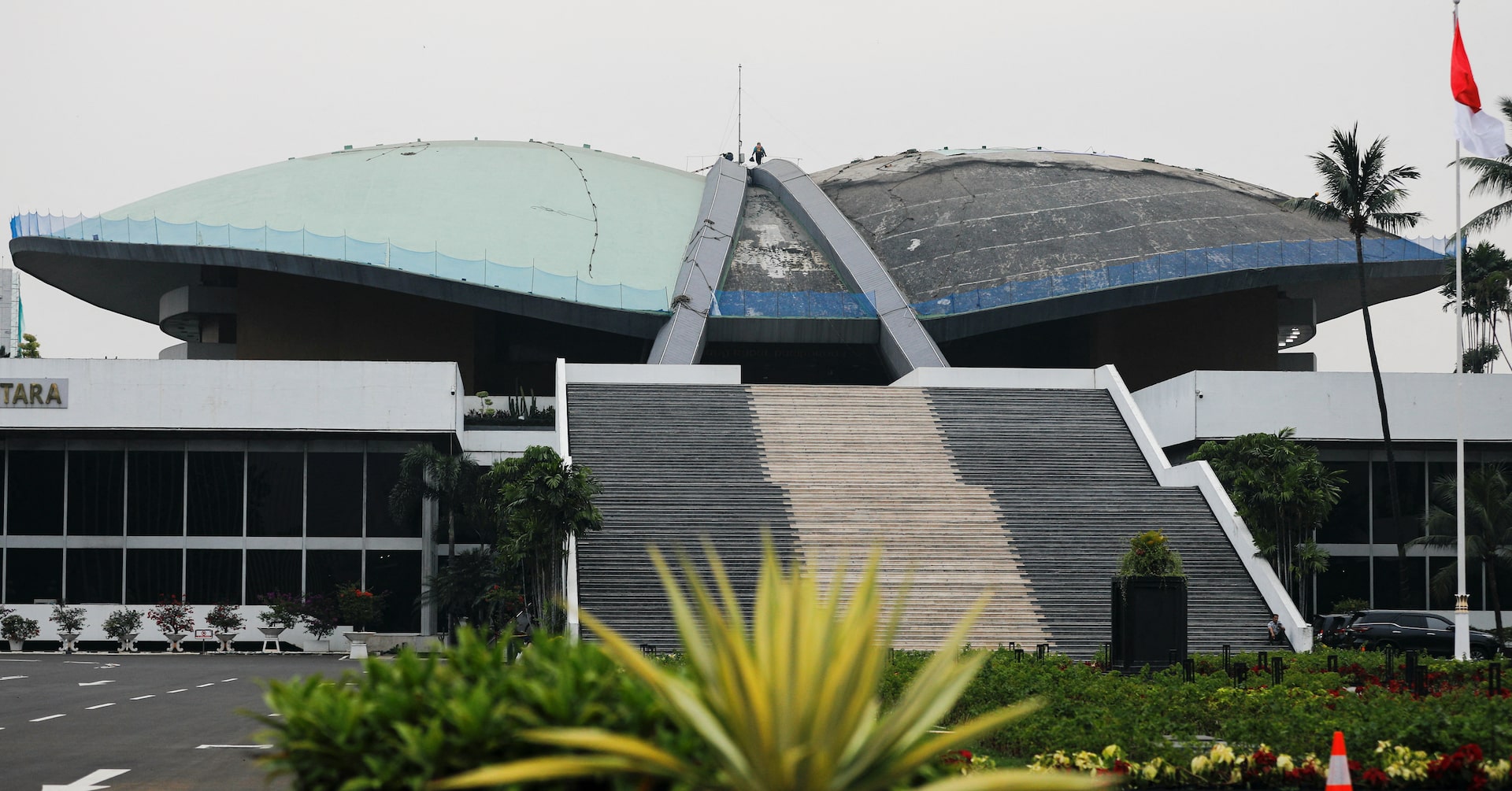
Indonesian parliament set to approve bigger 2026 budget for Prabowo
Indonesia’s parliament has taken a significant step toward approving a larger spending plan and a wider fiscal deficit for the 2026 budget than initially proposed by President Prabowo Subianto. On Thursday, the parliamentary fiscal oversight panel endorsed a total spending plan of 3,842.7 trillion rupiah ($233 billion), marking a 9% increase over the estimated 2025 budget. The fiscal deficit is projected to reach 2.68% of GDP, slightly higher than Prabowo’s August proposal but still below the legal threshold of 3%. The panel also set a revenue target of 3,153.6 trillion rupiah, a 10% increase over 2025 estimates. A final parliamentary vote is expected on September 23, with Prabowo’s coalition likely to secure approval. The budget aims to support Prabowo’s ambitious GDP growth target of 5.4% for 2026, with a long-term goal of 8% growth by 2029. The government plans to leverage the wider fiscal gap to drive economic growth, particularly as the U.S. Federal Reserve is expected to maintain an accommodative monetary policy until mid-2026. However, economists have cautioned against relying heavily on bond issuance to fund the deficit, urging the government to explore non-tax revenue sources. The budget also includes increased allocations for regional transfers, though they remain below 2025 levels. Regional leaders had expressed concerns over potential tax hikes to cover shortfalls, prompting the government to adjust spending plans to maintain social and political stability. Key allocations include 335 trillion rupiah for a flagship free meals program and 335.3 trillion rupiah for defense spending. The budget reflects the government’s commitment to balancing economic growth with fiscal prudence.