博客

  • Israel to ‘control’ southern Lebanon as Smotrich urges border shift to Litani River

    Israel to ‘control’ southern Lebanon as Smotrich urges border shift to Litani River

    Israeli Defense Minister Israel Katz declared on Tuesday that military forces intend to establish control over southern Lebanon, following similar territorial assertions by Finance Minister Bezalel Smotrich who advocated for redrawing the border at the Litani River. Katz specified that hundreds of thousands of displaced Lebanese civilians would be prohibited from returning to their homes until Israel’s northern border security is fully guaranteed, with plans to maintain a security zone extending to the Litani River.

    ‘The fundamental principle remains unequivocal: areas harboring terror activities and missile launches will be cleared of residences and inhabitants, with IDF presence established throughout,’ Katz stated. These remarks follow his recent directive for military operations to destroy all bridges crossing the Litani River and accelerate the demolition of Lebanese properties near the boundary.

    Finance Minister Smotrich addressed the Knesset on Monday, emphasizing that the ongoing conflict should conclude with ‘radical transformation’ beyond defeating Hezbollah. He proposed establishing a ‘sterile security cordon’ deep within Lebanese territory, suggesting the Litani River should become Israel’s new border with Lebanon—comparable to the ‘Yellow Line’ in Gaza and the buffer zone on Mount Hermon in Syria.

    Israel has historically maintained undefined borders with Lebanon, Syria, and Palestinian territories, relying instead on ceasefire agreements from 1949 and 1967. The strategic Mount Hermon in Syria came under Israeli occupation in 2024 following the collapse of Bashar al-Assad’s government, while the unilaterally imposed ‘Yellow Line’ in Gaza has expanded to encompass over half the territory since its establishment during the US-brokered October ceasefire.

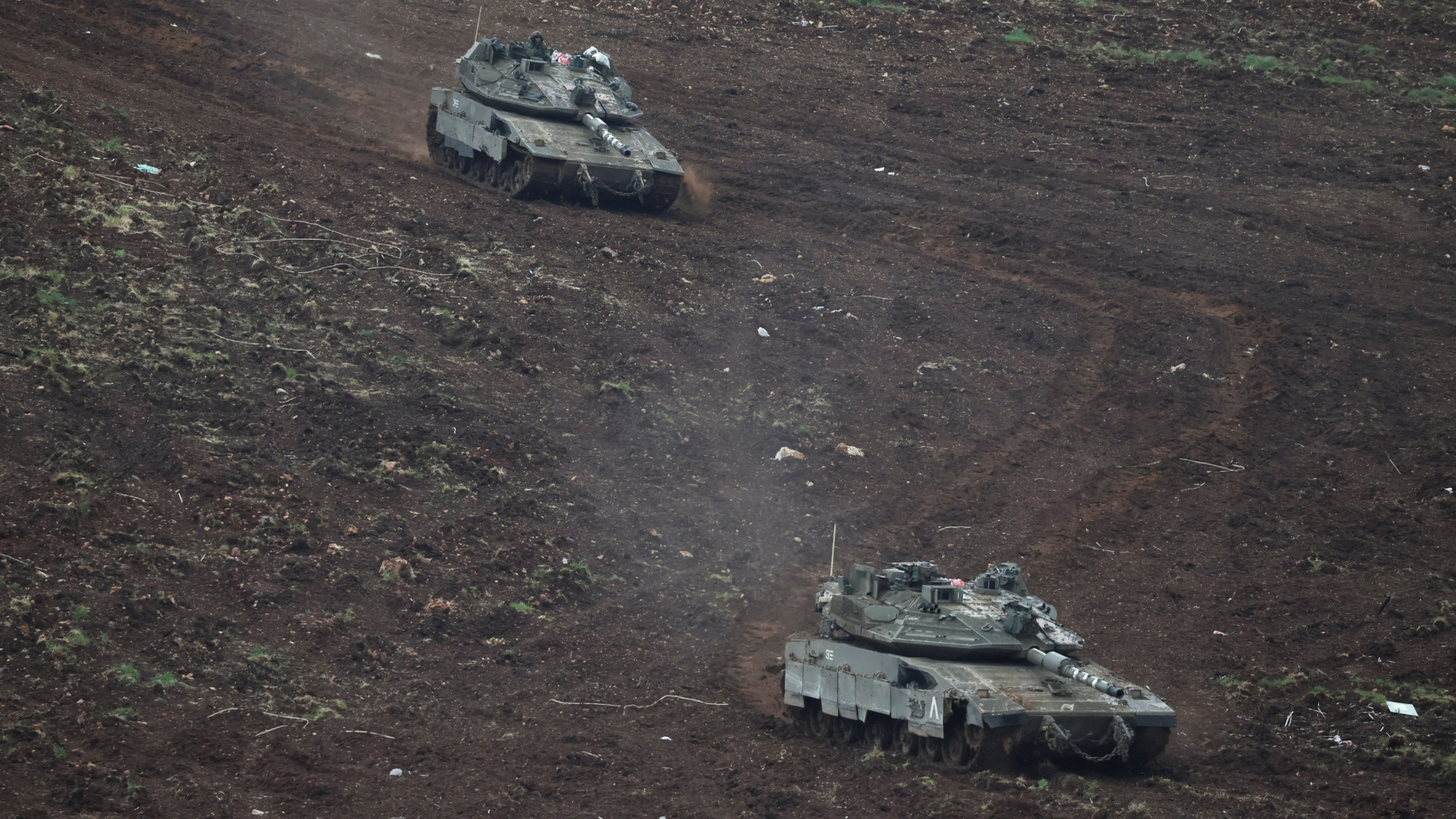
    These developments occur amid reports from Axios indicating Israel’s preparation for a substantial ground offensive into Lebanon, with objectives to capture all territories south of the Litani River—located approximately 30 kilometers north of the current border and serving as a vital connection between southern Lebanon and the remainder of the country. Recent military actions, including the destruction of key Litani River bridges and strikes on border-area residences, have prompted Lebanese President Joseph Aoun to warn of potential preliminary measures toward a full-scale ground invasion.

  • Poland faced a surge in cyberattacks in 2025, including a major assault on the energy sector

    Poland faced a surge in cyberattacks in 2025, including a major assault on the energy sector

    WARSAW, Poland — Polish cybersecurity authorities have reported a dramatic 250% surge in cyberattacks during 2025, with over 270,000 incidents targeting the nation’s digital infrastructure. Deputy Minister of Digital Affairs Paweł Olszewski revealed these alarming statistics on Tuesday, describing an ongoing ‘cyber war’ that has intensified significantly each year.

    The most concerning incident occurred on December 29, when coordinated attacks simultaneously struck a combined heat and power plant serving approximately 500,000 customers and multiple renewable energy facilities. While electricity distribution remained uninterrupted, the destructive nature of the infiltration prompted CERT Polska (Computer Emergency Response Team) to issue an unprecedented public technical report seeking international cybersecurity expertise.

    Marcin Dudek, head of CERT Polska, characterized the attack as ‘a significant escalation’ distinct from previous financially-motivated ransomware incidents. ‘The motivation was just destruction,’ Dudek emphasized, noting this marked the first known destructive cyber assault on energy infrastructure within both NATO and European Union territories.

    Technical analysis points toward Russian state-sponsored threat actors. CERT’s investigation identified digital infrastructure previously associated with ‘Dragonfly’ (also known as ‘Static Tundra’ or ‘Berserk Bear’), a cybersecurity cluster linked to FSB Center 16 according to FBI alerts. Simultaneously, ESET cybersecurity researchers found malware signatures consistent with ‘Sandworm,’ another Russian-affiliated group historically connected to destructive operations in Ukraine.

    Anton Cherepanov, ESET’s senior malware researcher, confirmed the attack employed ‘data-wiping malware and its deployment techniques commonly associated with Sandworm.’ Both groups have established ties to Russian intelligence services, with Sandworm previously attributed to the GRU by U.S. authorities.

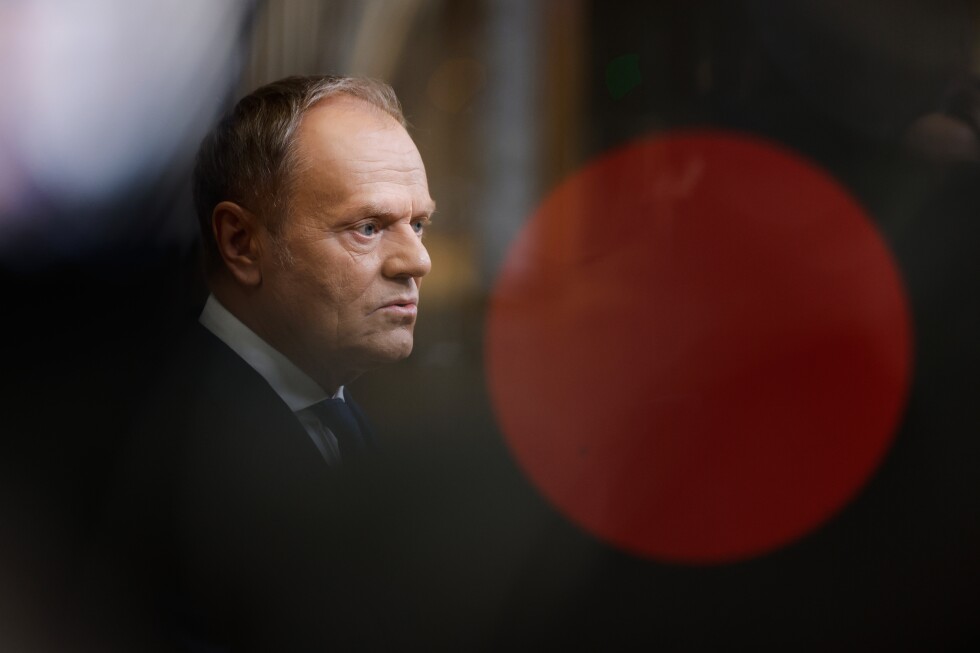
    The Polish government under Prime Minister Donald Tusk has substantially reinforced cyber defenses since Russia’s full-scale invasion of Ukraine in 2022. The Russian Embassy in Warsaw has not responded to requests for comment regarding these allegations.

  • US detainee Dennis Coyle released by Taliban after more than a year

    US detainee Dennis Coyle released by Taliban after more than a year

    In a significant diplomatic development, Taliban authorities have released American citizen Dennis Walter Coyle after more than a year in detention. The 64-year-old language researcher, captured in January 2025 while working on Afghan linguistics projects, was pardoned to mark Eid al-Fitr celebrations according to the Taliban-run foreign ministry.

    The release occurred at Kabul airport with the participation of UAE Special Envoy Saif Al Ketbi and former US Ambassador Zalmay Khalilzad. The United States government, which recently designated Afghanistan as a ‘state sponsor of wrongful detention,’ confirmed the development through Secretary of State Marco Rubio’s statement acknowledging Coyle’s journey home.

    Coyle’s family maintained through published letters that the researcher carried ‘deep love for Afghanistan in his heart for nearly twenty years’ and meant no harm to the country. His captivity involved near-solitary conditions that raised health concerns among relatives, though no formal charges were ever filed against him.

    The breakthrough follows heightened diplomatic tensions, including Washington’s March 9th declaration labeling Taliban tactics as terrorist methods for kidnapping individuals. Special Envoy for Hostage Response Adam Boehler had previously warned nations holding Americans of becoming ‘the next Venezuela or Iran.’

    Despite the successful release, the State Department continues pressing for other detained Americans including Mahmood Habibi, missing since 2022, and Paul Overby, who disappeared a decade ago. The complex negotiation process occurs through intermediaries like Qatar due to the absence of formal diplomatic relations between the US and Taliban-led Afghanistan.

  • ‘Helpful’ and ‘scary’: Travellers react to ICE agents at airports

    ‘Helpful’ and ‘scary’: Travellers react to ICE agents at airports

    The deployment of Immigration and Customs Enforcement (ICE) officers to major U.S. airports has generated polarized responses from travelers during the ongoing partial government shutdown. While some passengers expressed appreciation for the additional security presence, others voiced significant concerns about encountering federal immigration authorities in aviation security contexts.

    This operational shift represents an unconventional staffing solution implemented during the budget impasse that has left approximately 800,000 federal workers either furloughed or working without pay. The Department of Homeland Security has temporarily reassigned ICE personnel from their regular immigration enforcement duties to assist Transportation Security Administration screeners who continue working without compensation.

    The visible presence of armed ICE agents at security checkpoints and terminal areas has created a complex dynamic within airport environments. Some travelers reported feeling reassured by the enhanced security visibility, characterizing the additional personnel as ‘helpful’ in maintaining order during potentially vulnerable periods. Conversely, numerous passengers described the experience as ‘scary’ and intimidating, particularly those from immigrant communities or mixed-status families who now navigate airport spaces with increased apprehension.

    This deployment highlights the broader operational challenges facing federal agencies during the longest government shutdown in U.S. history. Aviation security experts note that while the temporary reassignment provides logistical support for TSA operations, it raises questions about appropriate use of specialized immigration enforcement resources and potential impacts on community trust in transportation security systems.

    The situation remains fluid as congressional negotiations continue regarding border security funding and government reopening procedures. Travelers are advised to anticipate continued unusual security configurations at airports until normal appropriations resume and standard staffing protocols are restored.

  • NASA to build $20 bn moon base, pause orbital lunar station plans

    NASA to build $20 bn moon base, pause orbital lunar station plans

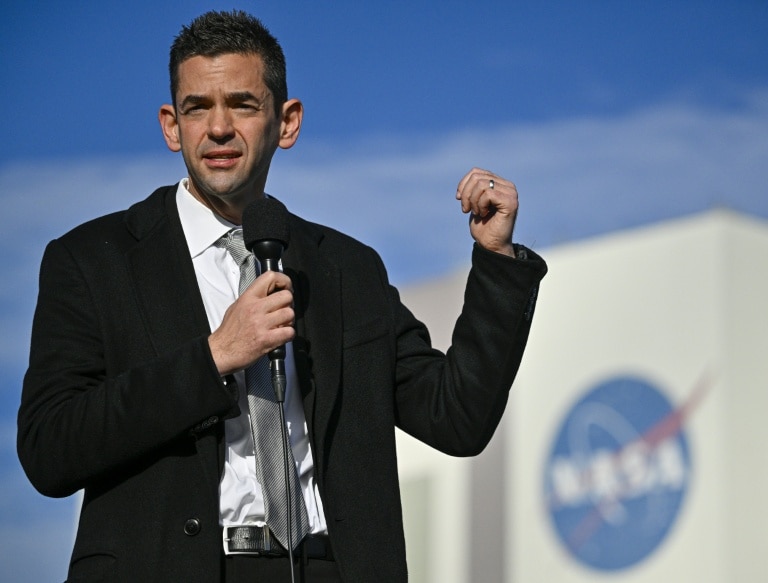
    In a significant strategic shift for America’s space exploration agenda, NASA Administrator Jared Isaacman announced the agency will suspend development of the Gateway lunar orbital station and instead channel approximately $20 billion toward establishing a permanent surface base on the Moon. The declaration came during a major policy address at NASA headquarters in Washington, D.C., marking a substantial reallocation of resources within the Artemis program.

    The revised approach prioritizes ‘infrastructure that enables sustained surface operations’ over the orbital transfer station concept. While existing Gateway hardware will be repurposed where feasible, and international partnerships will be redirected toward surface objectives, the orbital component has been effectively paused in its current form. This decision follows internal evaluations criticizing Gateway as potentially redundant and diverting resources from more critical lunar surface ambitions.

    NASA’s revised blueprint outlines an ambitious seven-year timeline involving dozens of missions conducted alongside commercial and international collaborators. This methodical approach aims to construct ‘humanity’s first permanent surface outpost beyond Earth,’ creating a foundational presence that would eventually support missions to Mars. The overall target of returning American astronauts to the lunar surface by 2028 remains unchanged despite these architectural changes.

    The strategic reassessment occurs alongside scheduling adjustments for the Artemis 2 mission. Originally slated for February, this crucial lunar flyby—the first in over fifty years—is now targeting an early April launch. This mission serves as a vital test flight to rebuild operational ‘muscle memory’ before attempting a subsequent landing. The U.S. effort maintains its competitive dimension, with China pursuing its own crewed lunar mission objectives by 2030, relying heavily on advancements from private sector partners like SpaceX and Blue Origin, who are developing the essential lunar landing systems.

  • British PM Starmer helps snooker world champs stay at the Crucible amid overseas interest

    British PM Starmer helps snooker world champs stay at the Crucible amid overseas interest

    In a significant victory for British sporting heritage, the World Snooker Championship will remain at its iconic Sheffield home until at least 2045 following direct intervention from Prime Minister Keir Starmer. The decision ends speculation that the prestigious tournament might relocate to China or Saudi Arabia.

    The Crucible Theatre, which has hosted snooker’s premier event since 1977, will undergo a comprehensive £45 million ($60 million) renovation primarily funded through national and local government support. This development comes after snooker chief Barry Hearn declared the venue “no longer fit for purpose” two years ago, citing its limited 980-seat capacity as inadequate against competing offers from international hosts.

    The substantial refurbishment will expand the venue’s capacity by approximately 500 seats, significantly enhancing revenue potential and likely increasing prize money. The project will also modernize spectator facilities throughout the historic venue.

    Prime Minister Starmer, who visited Sheffield last month to discuss the redevelopment, emphasized the cultural significance of preserving Britain’s sporting landmarks. “We have a deep cultural and sporting heritage here in the UK—sport, art and culture are the very best of us,” Starmer stated. “I’m delighted with today’s confirmation that the theatre and the city will stay host to the famous world snooker championship for many years to come.”

    The new agreement includes an option to extend the hosting arrangement until 2050. While the championship will continue at the current Crucible through 2028, the World Snooker Tour confirmed the event would temporarily relocate during redevelopment before returning to a transformed venue.

    The decision represents a strategic commitment to maintaining Britain’s position as snooker’s traditional home despite growing international interest. China and Saudi Arabia, both hosting major snooker events, had been considered potential alternative hosts for the world championship.

    Reigning world champion Zhao Xintong, the first Chinese player to win the title, expressed support for the decision: “Sheffield has become my home in the U.K. and it is famous around the world as the home of snooker. I am so pleased that we are working together to keep the world championship in the city.”

  • Czech ‘arks’ help preserve Ukraine’s cultural heritage

    Czech ‘arks’ help preserve Ukraine’s cultural heritage

    Prague’s National Museum has unveiled a groundbreaking mobile digitization laboratory designed to preserve Ukraine’s endangered cultural artifacts amid ongoing conflict. The innovative system, dubbed Archa III (Ark III), consists of a Volkswagen van transformed into a high-tech studio equipped with an autonomous robotic scanner and three specialized cameras.

    This advanced preservation technology can create hyper-realistic 3D digital replicas of historical items ranging from small artifacts to large museum pieces, both indoors and outdoors. According to National Museum director Michal Lukes, the system generates ‘precise digital copies that serve documentation, research, restoration, and potential reconstruction purposes.’

    The Archa III represents the third phase of a comprehensive Czech preservation initiative for Ukraine. Previous deployments included Archa I, a container-based system for book conservation, and Archa II, designed for digitizing two-dimensional items. These efforts have already processed approximately 40,000 pages of historical documents, including newspapers rescued from the Regional Scientific Library in Kherson.

    Museum IT director Martin Soucek explained the technical capabilities: ‘The robotic system moves along three axes and can capture thousands of high-quality photographs within minutes, creating detailed digital twins with exceptional precision.’

    The project, developed in partnership with the foundation of Czech billionaire Karel Komarek, includes comprehensive training for Ukrainian experts and a dedicated website to showcase the digitized artifacts. The van is scheduled for delivery to Kyiv in early April, where it will be operated by Ukrainian cultural preservation teams.

    Vitalii Usatyi, charge d’affaires at the Ukrainian Embassy in Prague, emphasized the significance of the mobile capability: ‘This technology can operate across Ukraine, including regions exposed to risks related to Russian aggression, which is crucial for preserving our cultural heritage.’

    The urgency of such preservation efforts is underscored by UNESCO reports verifying damage to 523 cultural sites in Ukraine as of March 11, including religious sites, historical buildings, museums, and libraries.

  • Iran reserves ‘inalienable and natural’ right to defend territory: president

    Iran reserves ‘inalienable and natural’ right to defend territory: president

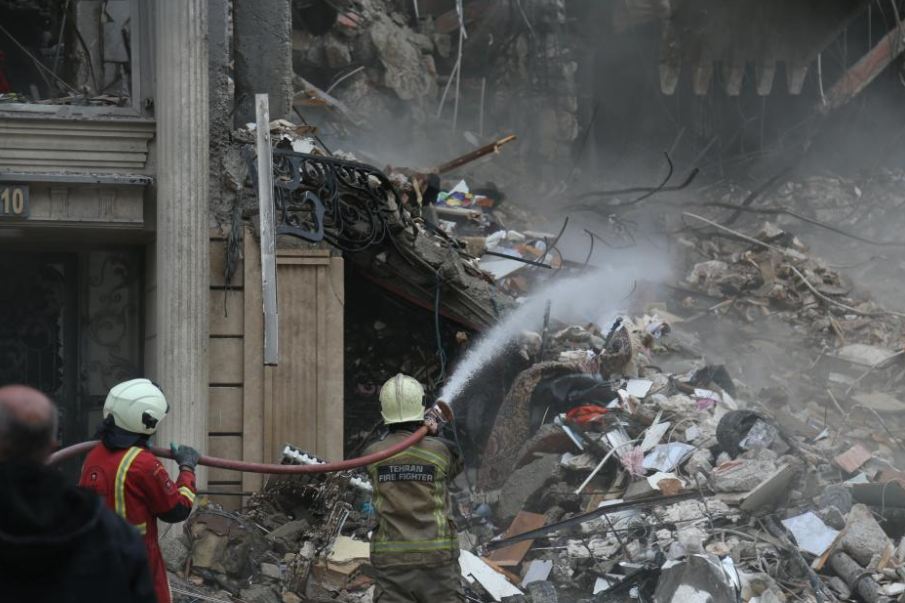
    In a significant diplomatic exchange, Iranian President Masoud Pezeshkian has emphatically declared Iran’s “inalienable and natural right” to protect its territorial integrity following coordinated military actions by the United States and Israel. The assertion came during a high-level telephone discussion with Pakistani Prime Minister Shehbaz Sharif on Monday, addressing the aftermath of what Iranian leadership characterizes as an “illegal” offensive against their nation.

    President Pezeshkian presented a detailed account of the events, stating that the military aggression occurred during sensitive nuclear negotiations, resulting in the tragic demise of then-Supreme Leader Ali Khamenei, numerous high-ranking military officials, and civilian casualties. The Iranian leader emphasized that his country did not initiate hostilities but found itself compelled to respond to external military actions that targeted both strategic infrastructure and populated areas.

    The conversation between the two leaders extended beyond immediate security concerns to encompass broader regional stability and bilateral relations. President Pezeshkian articulated Iran’s ongoing commitment to regional security cooperation while addressing navigation safety in the Strait of Hormuz. He identified the strategic waterway’s current security challenges as direct consequences of the US-Israeli military operations, while simultaneously affirming Iran’s implementation of measures to guarantee safe maritime passage.

    Prime Minister Sharif responded with expressions of profound sympathy, conveying Pakistan’s official condolences for the loss of Iranian lives and leadership figures. The Pakistani leader acknowledged Iran’s facilitation of safe passage for Pakistani vessels through the Hormuz Strait and advocated for collaborative regional initiatives to reduce tensions and reestablish lasting peace. In a notable demonstration of diplomatic solidarity, Sharif unequivocally stated that “Pakistan has always been and will always be by the side of the Iranian government and nation,” signaling continued alignment with Tehran despite complex international pressures.

  • Hong Kong tourist group enjoys five-day customized tour in Hubei

    Hong Kong tourist group enjoys five-day customized tour in Hubei

    A significant delegation of travelers from Hong Kong has concluded an exclusive five-day curated expedition through China’s Hubei province, marking a strategic initiative by local authorities to develop premium inbound tourism. The meticulously designed itinerary catered specifically to affluent Hong Kong residents seeking immersive cultural and natural experiences.

    The journey commenced in Wuhan, where visitors enjoyed serene walks beneath blooming cherry trees and participated in sophisticated riverside afternoon tea ceremonies. Beyond the provincial capital, the group explored diverse floral landscapes before venturing to monumental engineering and ecological sites.

    Key highlights included an educational visit to the Three Gorges Dam, one of the world’s largest power stations, and an excursion to the UNESCO-listed Shennongjia National Nature Reserve, renowned for its pristine forests and unique biodiversity. The entire experience was orchestrated by Travel Expert, a Hong Kong-based agency specializing in customized travel packages.

    Provincial tourism officials emphasized that such tailored programs represent Hubei’s commitment to elevating its tourism appeal through personalized services that showcase both natural wonders and cultural heritage. This approach aligns with broader efforts to attract high-value international visitors through specialized tourism products that offer deeper engagement with regional attractions.

  • What to know about Cypriot calls for ‘frank’ talks over future of UK’s military bases

    What to know about Cypriot calls for ‘frank’ talks over future of UK’s military bases

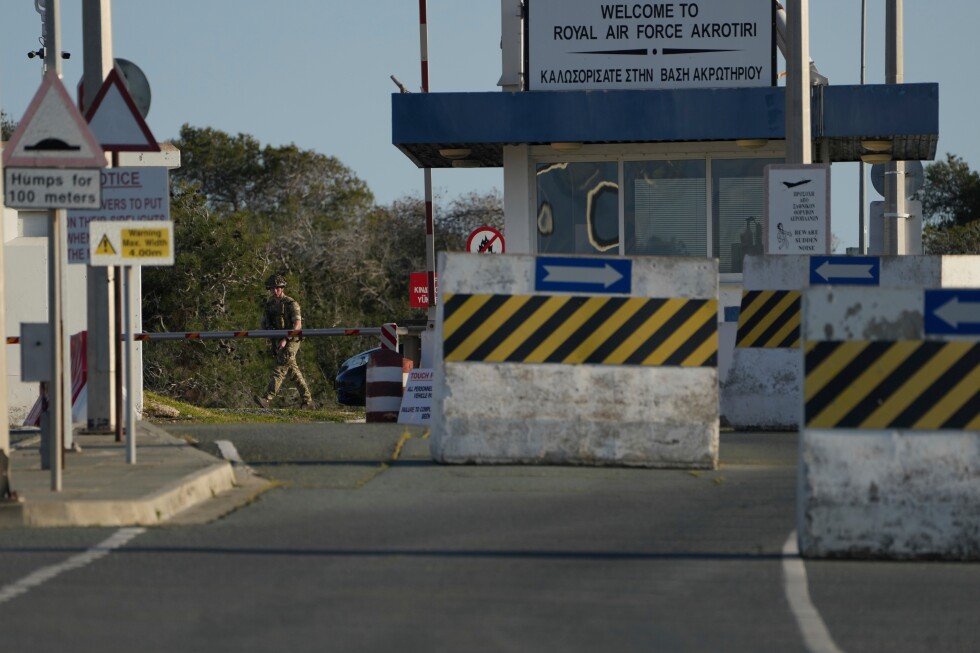
    Cyprus has initiated calls for a comprehensive reassessment of Britain’s military presence on its territory following a significant security breach that exposed diplomatic tensions. The incident occurred on March 2 when an Iranian-manufactured Shahed drone struck a hangar at the RAF Akrotiri base, located along Cyprus’s southern coastline. British authorities had activated internal sirens to alert personnel but notably failed to notify Cypriot government officials about the imminent threat, leaving both the base and nearby civilian populations vulnerable.

    This security lapse has prompted Cypriot President Nikos Christodoulides to demand “frank and open discussions” regarding the future of Britain’s two sovereign base areas at Akrotiri and Dhekelia. These installations, spanning 99 square miles, remain vestiges of colonial-era agreements established after Cyprus gained independence in 1960. President Christodoulides characterized the bases as “colonial consequences” during remarks at the European Union leaders’ summit in Brussels on March 20.

    The diplomatic friction intensified following British Prime Minister Keir Starmer’s March 1 announcement that the United States would be permitted to use British bases for defensive operations against Iranian missile sites. Although British officials later clarified that these operations would not involve Cypriot territories, the statement generated considerable concern among Cypriot authorities. According to senior Cypriot officials speaking anonymously, British authorities provided no warning about the approaching drone or potential danger to adjacent villages housing approximately 1,000 residents.

    The British government has responded with reassurances, with Starmer’s office emphasizing that “Cyprus’ security was of utmost importance to the U.K.” and confirming that RAF Akrotiri would not be utilized for U.S. strikes against Iran. Meanwhile, the UK Ministry of Defence has enhanced regional security measures, deploying the warship HMS Dragon to waters near Cyprus.

    Historically, these bases have evolved beyond their original purpose of monitoring Suez Canal traffic. RAF Akrotiri now hosts U2 spy planes conducting Middle Eastern surveillance and has served as a critical logistical hub for operations in Iraq and against the Islamic State. While successive Cypriot governments have operated under gentlemen’s agreements regarding notification of military actions, the recent incident has exposed the limitations of these informal arrangements.

    Cyprus has explicitly stated that base abolition is not currently under consideration. Instead, negotiations will likely focus on increasing operational transparency, intelligence sharing, and potentially renegotiating the bases’ status following the model of the UK’s recent agreement with Mauritius regarding the Chagos Islands. That arrangement returned sovereignty while maintaining military leasing agreements, demonstrating a potential pathway for updated bilateral arrangements between Cyprus and the United Kingdom.