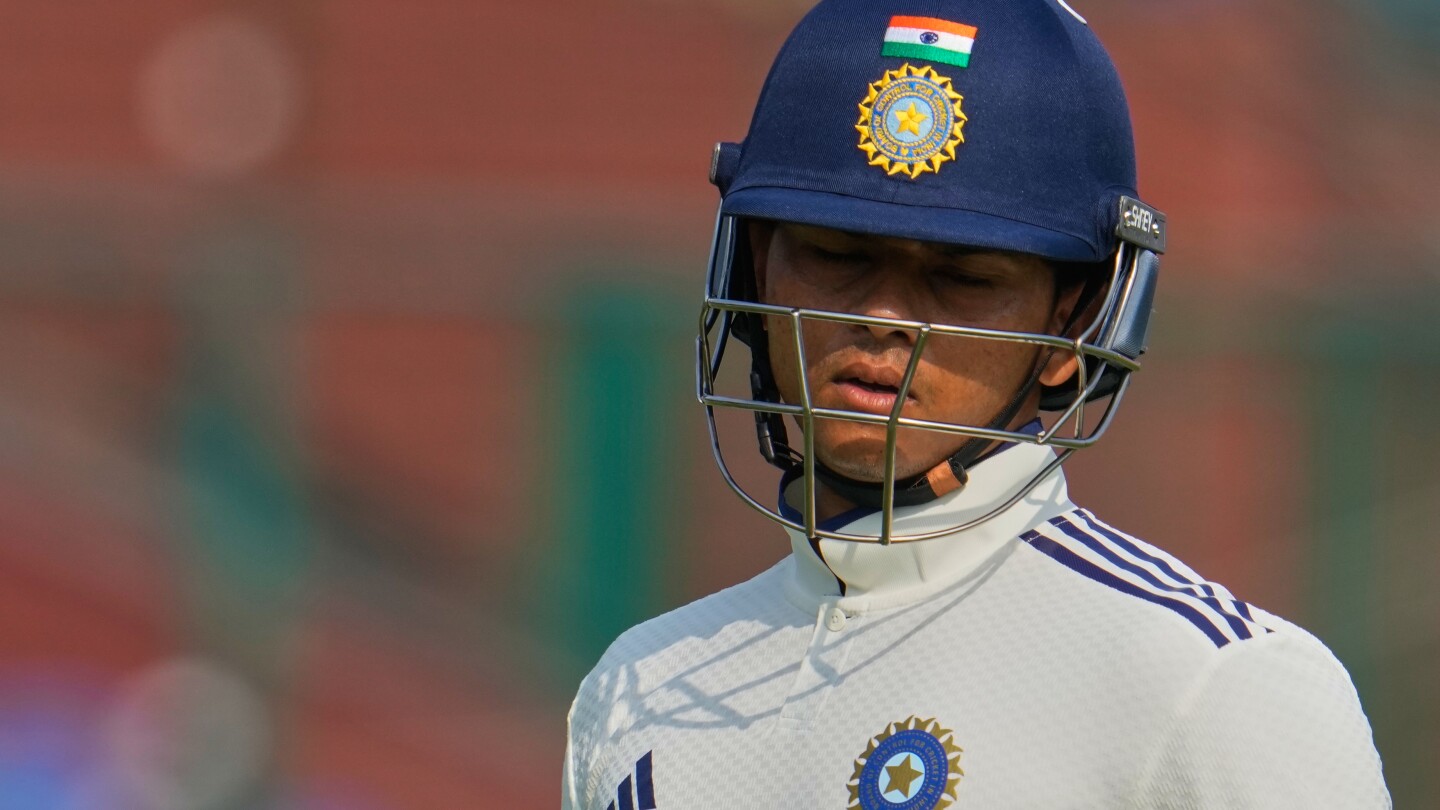
In a dramatic turn of events on the second day of the second cricket Test between India and West Indies, Yashasvi Jaiswal, who had scored a century on the opening day, was run out early in the morning session. Jaiswal, who had resumed his innings at 173 not out, was dismissed for 175 runs off 258 balls after a miscommunication with Shubman Gill. The young batsman had struck 22 fours in his impressive innings. Despite this setback, India continued to dominate, reaching 427-4 at lunch on Saturday. Gill remained unbeaten on 75 runs, with Dhruv Jurel (7 not out) providing support. Nitish Reddy also contributed with a quick 43 off 54 balls. India, leading the two-match series 1-0 after a comprehensive victory in the first Test in Ahmedabad, has maintained its dominance over West Indies, who have not won a Test against India since 2002. Jaiswal’s dismissal occurred on the eighth ball of the morning when he was sent back too late by Gill, and Tagenarine Chanderpaul’s accurate throw from mid-off caught him short of the crease. The pair had added 74 runs for the third wicket before the unfortunate run-out.
博客
-
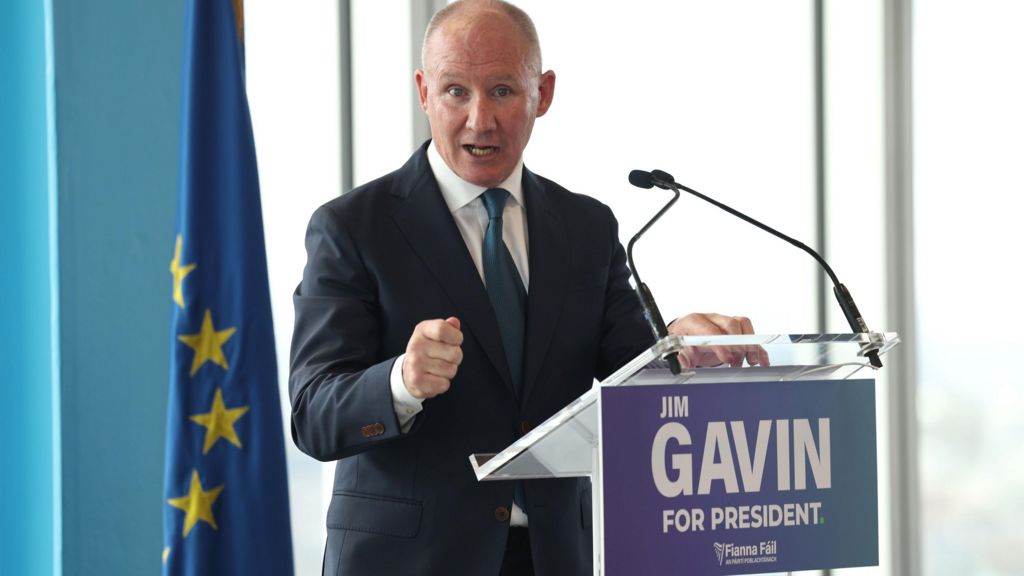
How a 16-year-old rental dispute derailed a presidential campaign
The Irish presidential election campaign has been thrown into turmoil following the withdrawal of Jim Gavin, the Fianna Fáil candidate, over a 16-year-old rental dispute. Gavin, a prominent figure in Irish sports and politics, was chosen by Fianna Fáil, the largest party in Ireland’s coalition government, to represent them in the upcoming election. However, his candidacy was short-lived after details of a 2009 rental dispute with former tenant Niall Donald surfaced in the media. The dispute, which involved an overpayment of €3,300 by Donald, had remained under the radar for over a decade until it was reported by the Irish Independent last week. Gavin’s inability to address the issue during a televised debate led to widespread speculation about the viability of his campaign, culminating in his abrupt withdrawal. This has left Fianna Fáil without a candidate and has sparked internal criticism of the party’s leadership, particularly Taoiseach Micheál Martin, for their handling of the situation. Meanwhile, the remaining candidates, Catherine Connolly and Heather Humphreys, are now in a direct contest for the presidency. Both have faced their own campaign challenges, including the unauthorized use of President Michael D Higgins’ image in a promotional video and a geographical error in a campaign video. The Irish presidential election is set to take place on October 24.
-

Militant attack on Pakistani police station kills at least 7 officers and wounds 13
In a brazen assault on Friday night, gunmen attacked a police training center in Ratta Kulachi, near Dera Ismail Khan city in northwestern Pakistan, resulting in the deaths of at least seven police officers and six militants. The attack, which involved heavy weapons and a suicide bomber, triggered a prolonged firefight lasting nearly six hours. Officials reported that the assailants attempted to breach the compound after detonating an explosives-laden truck at the facility’s main gate, collapsing part of the boundary wall and killing one officer. Approximately 200 recruits and trainers were present during the assault. Police and paramilitary units eventually regained control, killing six militants and recovering suicide vests, explosives, and weapons. The banned group Tehreek-e-Taliban Pakistan initially claimed responsibility but later denied involvement. Pakistani Interior Minister Mohsin Naqvi praised the slain officers for their bravery. The attack underscores the worsening security situation in the region, which has seen a surge in terrorism since 2021, particularly in Khyber Pakhtunkhwa province bordering Afghanistan. Pakistani security forces have conducted over 10,000 counterterrorism operations this year, resulting in significant casualties on both sides.
-

Seychelles votes in tight runoff election
The Seychelles witnessed a pivotal moment in its democratic process as citizens cast their votes in a runoff election between incumbent President Wavel Ramkalawan and opposition leader Patrick Herminie. The runoff, held on Saturday, became necessary after neither candidate secured the required majority in the initial round two weeks prior. Official results from the first round showed Herminie narrowly leading with 48.8% of the vote, while Ramkalawan trailed with 46.4%. A candidate must garner over 50% to claim victory. Polling stations opened early on Saturday, with results anticipated by Sunday. The election has been marked by intense campaigning, with both candidates addressing pressing issues such as environmental degradation and a burgeoning drug addiction crisis in the archipelago, renowned for its luxury tourism and natural beauty. Herminie, representing the United Seychelles party, aims to reclaim power for a party that governed the nation for over four decades until 2020. Ramkalawan, of the Linyon Demokratik Seselwa party, seeks a second term. The election also unfolds against a backdrop of growing opposition to the government, particularly over a controversial decision to lease a significant portion of Assomption Island to a Qatari company for a luxury hotel project. Critics argue the move prioritizes foreign interests over national sovereignty. Additionally, Seychelles faces unique challenges as a small island nation vulnerable to climate change and grappling with a severe heroin addiction crisis, as highlighted by recent international reports.
-
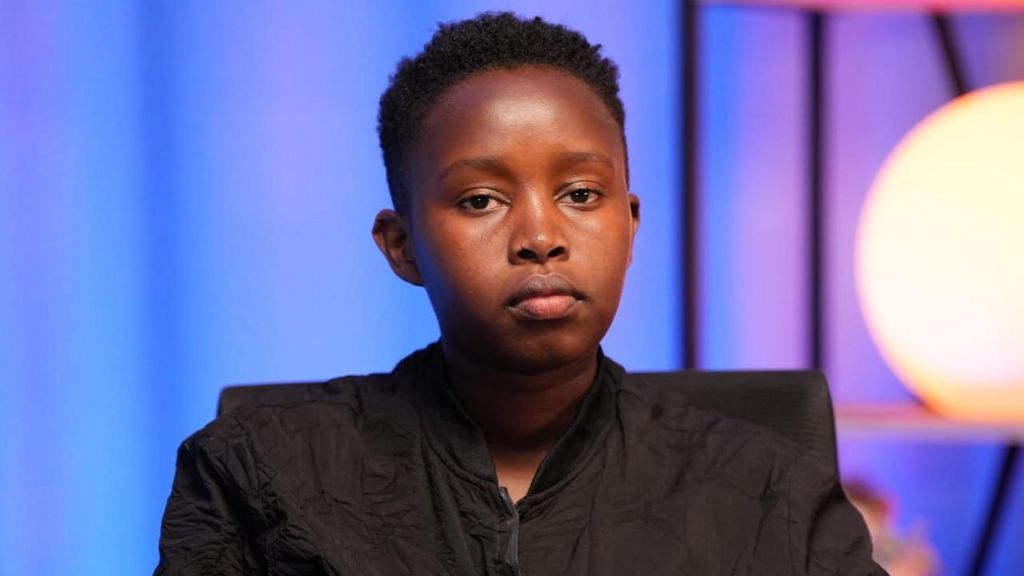
Murdered Kenyan woman’s niece to push for ex-soldier’s extradition during UK visit
The niece of Agnes Wanjiru, a Kenyan woman allegedly murdered by a former British army soldier in 2012, is set to visit the UK to meet with Defence Secretary John Healey and other MPs. Her mission is to push for the extradition of the accused, who remains in the UK despite a Kenyan High Court arrest warrant issued last month. Wanjiru’s body was discovered in a septic tank near a British army training camp in Nanyuki, Kenya, with stab wounds to her chest and abdomen. The case has long been marred by accusations of a cover-up by the British army and inadequate investigations by Kenyan authorities. Esther Njoki, Wanjiru’s 21-year-old niece, expressed her frustration, stating that the UK has been ‘too slow in acting,’ leaving her family in prolonged trauma. The case gained renewed attention in 2018 when an inquest concluded that Wanjiru was unlawfully killed by one or two British soldiers. A 2021 Sunday Times investigation further revealed that a soldier had confessed to the murder. In 2024, the British army launched an internal review, uncovering 35 suspected cases of sexual exploitation and abuse by soldiers in Kenya. Njoki plans to question Healey about measures to protect vulnerable women near international army bases. Extradition expert Ben Keith noted that while the UK-Kenya extradition treaty exists, the process could be lengthy and complex. The UK has previously extradited Kenyan nationals, offering a glimmer of hope for Wanjiru’s family. A Ministry of Defence spokesperson reiterated the UK’s commitment to helping the family secure justice.
-
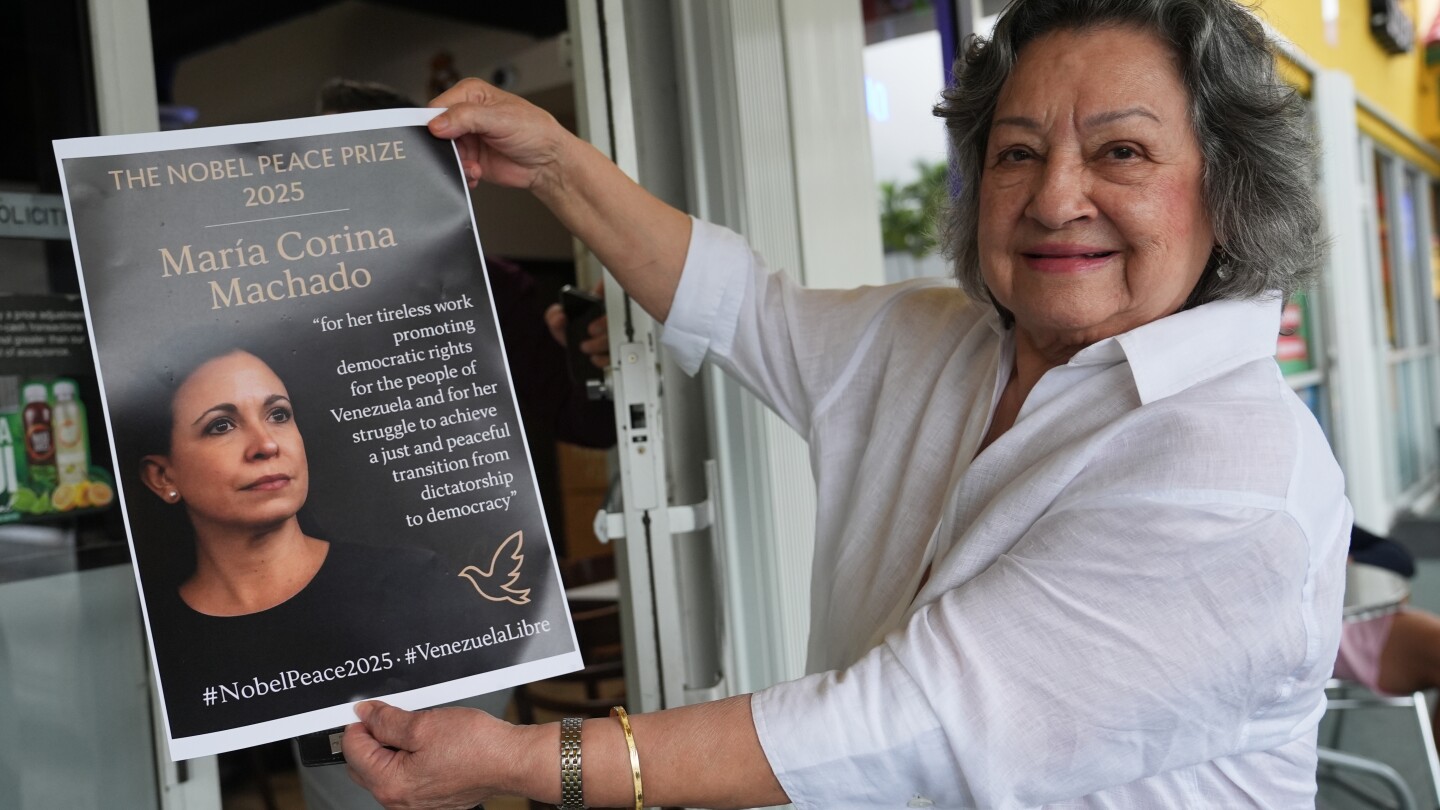
A look at how Venezuelans in the US are reacting to Maria Corina Machado’s Nobel Prize win
In Doral, Florida, often referred to as ‘Little Venezuela,’ the Venezuelan community has greeted the news of opposition leader Maria Corina Machado winning the Nobel Peace Prize with a mix of pride and apprehension. While the award recognizes her relentless fight for democracy in Venezuela, it offers little solace to the thousands of Venezuelans facing deportation threats in the United States. The Trump administration’s decision to terminate Temporary Protected Status (TPS) and humanitarian parole programs has placed over 700,000 Venezuelans at risk of being deported. Hundreds have already been sent to El Salvador, accused of being members of the Tren de Aragua gang and allegedly ‘invading’ the U.S. This policy shift comes amid a mass exodus of Venezuelans fleeing economic and political instability in their homeland. According to the United Nations High Commissioner for Refugees, more than 7.7 million Venezuelans have left since 2014, marking the largest migration crisis in Latin America’s recent history. While Machado’s Nobel Prize is celebrated as a symbol of hope for Venezuela’s democratic future, many in the diaspora fear it will not translate into tangible protections for those living in the U.S. Machado, who has aligned herself with President Trump’s policies on Venezuela, has not publicly expressed concerns about the termination of TPS, despite earlier promises to seek alternative protections for migrants. Frank Carreño, a prominent figure in the Venezuelan American community, noted that Machado views the U.S. government as an ally in her fight against Nicolás Maduro’s regime rather than a protector of Venezuelan migrants. Meanwhile, Venezuelan refugees like José Antonio Colina and Iris Wilthew expressed hope that the award would bolster efforts to remove Maduro from power, even as they grapple with the uncertainty of their own futures in the U.S.
-
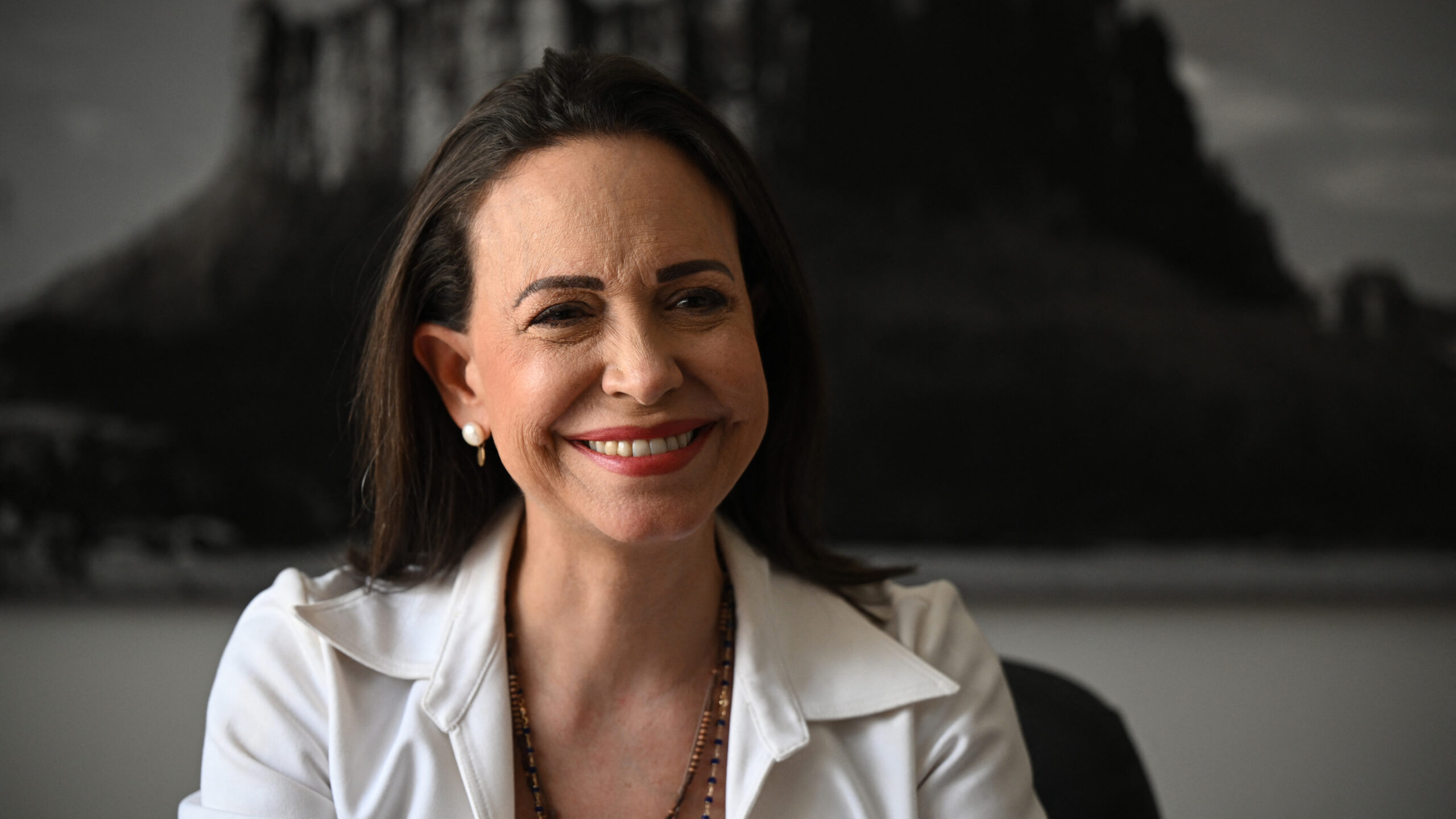
Cair calls on Nobel Prize winner to renounce support for far-right, racist and fascist parties
A prominent American civil rights organization has demanded that the 2025 Nobel Peace Prize recipient, Venezuelan opposition leader Maria Corina Machado, renounce her affiliations with racism, fascism, and far-right ideologies. The Council on American-Islamic Relations (Cair) expressed strong disapproval of the Nobel Prize committee’s decision, citing Machado’s connections to Israeli Prime Minister Benjamin Netanyahu’s Likud Party and her participation in far-right European gatherings. Cair highlighted her appearance at the Patriots of Europe conference in Madrid, where she shared the stage with figures like Geert Wilders and Marine Le Pen, who advocated for a new ‘Reconquista,’ a term evoking the historical expulsion of Muslims and Jews from Spain. The group urged the Nobel committee to reconsider its choice, arguing that it tarnishes the award’s legacy. Machado, who has openly supported Netanyahu and pledged to relocate Venezuela’s embassy to Jerusalem if elected, dedicated her prize to former U.S. President Donald Trump and the Venezuelan people, praising Trump’s backing of her cause. Trump has previously deployed warships near Venezuela to combat drug cartels. Cair emphasized that the Nobel Peace Prize should honor individuals who champion justice universally, not those who endorse divisive and exclusionary ideologies.
-

Rare wildflowers blanket Atacama desert
The Atacama Desert in Chile, renowned for its extreme aridity and status as one of the clearest places on Earth for stargazing, has undergone a stunning transformation. Typically a barren landscape, the desert has been blanketed by a vibrant carpet of wildflowers, a phenomenon triggered by unusually heavy rainfall during the southern hemisphere’s winter months. This rare event, which occurs only every few years, has brought dormant seeds to life, creating a breathtaking display of over 200 species of wildflowers, some of which are endemic to the region. The desert, which usually receives less than 15mm of rain annually, saw more than 12mm in August alone, with most of it falling in a single day. Additionally, a rare snowfall occurred in June, further contributing to the unique conditions. According to Chile’s National Forest Corporation (CONAF), this year’s bloom, which began in late August, will reach its peak in the coming weeks. This is the second consecutive year the phenomenon has occurred, following similar conditions in 2024. The Atacama’s wildflower bloom not only highlights the resilience of nature but also underscores the impact of climatic variations on even the most extreme environments.
-
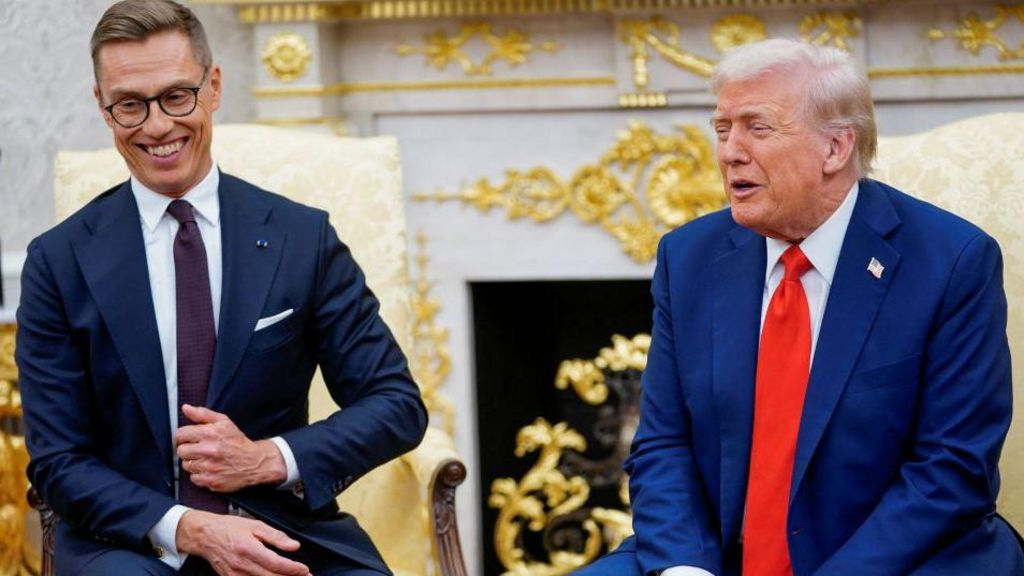
Icebreakers and golf spark Trump and Finnish leader’s unlikely friendship
In a surprising yet strategic alliance, former U.S. President Donald Trump and Finland’s President Alexander Stubb have deepened their personal and professional relationship through a landmark deal involving icebreaker ships. The agreement, finalized during a recent Oval Office meeting, underscores the growing bond between the two leaders, who have become unlikely allies in both business and diplomacy. The deal includes the purchase of 11 icebreaker vessels, a Finnish specialty, with four to be constructed in the U.S. using Finnish expertise. Trump emphasized the significance of the deal, highlighting its potential to create jobs and investments while addressing geopolitical concerns, particularly Finland’s proximity to Russia and the ongoing conflict in Ukraine. Stubb, often regarded as a pragmatic voice in European politics, has emerged as a key figure in shaping Trump’s perspective on Russia and Ukraine. Their relationship, which began years ago, has flourished through frequent communication, including weekly calls and shared interests such as golf. Stubb’s influence was notably evident during a March golf outing at Trump’s Mar-a-Lago estate, where discussions ranged from icebreakers to Ukraine. The Finnish leader’s candid advice on Russian President Vladimir Putin reportedly influenced Trump’s harshest public criticism of the Russian leader to date. Beyond policy, their camaraderie has been a cornerstone of their partnership, with Stubb’s diplomatic finesse earning him the moniker of a ‘Trump whisperer’ in European circles. As the war in Ukraine continues, Stubb’s role as a mediator between Trump and European leaders remains pivotal, with Finland’s technological expertise and strategic position amplifying its influence on the global stage.
-
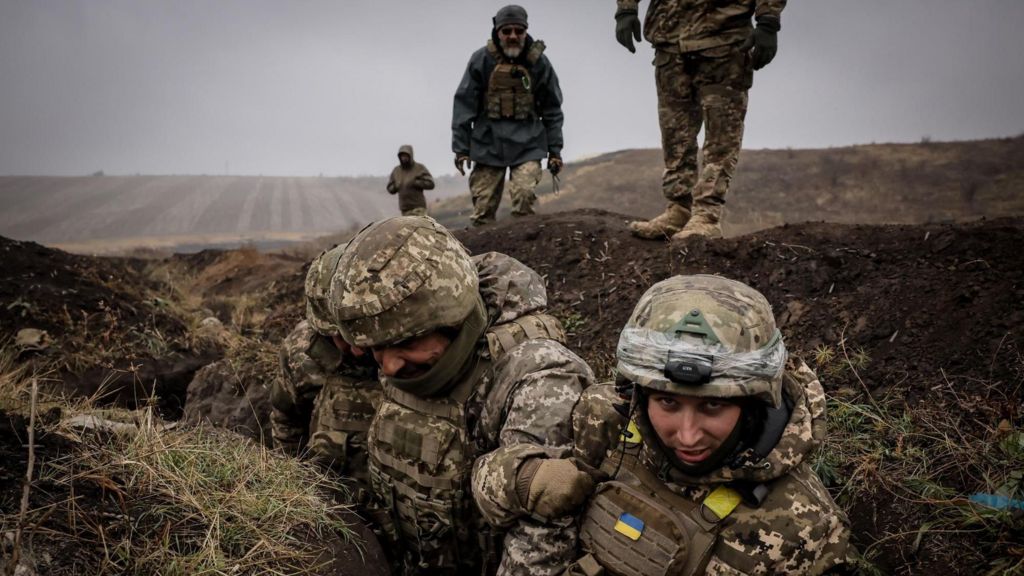
UK ready to use frozen Russian assets to fund Ukraine war effort
In a significant move to bolster Ukraine’s war efforts, UK Prime Minister Sir Keir Starmer has announced that the UK, alongside France and Germany, is prepared to leverage the full value of frozen Russian assets. This decision marks a strategic escalation in international efforts to pressure Russian President Vladimir Putin and bring Russia to the negotiation table. The leaders emphasized that this action would be executed in close collaboration with the United States. Since Russia’s full-scale invasion of Ukraine in 2022, UK sanctions have immobilized over £25 billion of Russian assets. Previously, only the profits and interest from these assets were utilized to support Ukraine. However, the new approach aims to unlock the entire value of these frozen funds. Sir Keir conveyed this commitment to Ukrainian President Volodymyr Zelensky, underscoring the unity among the three nations in driving progress toward ending the conflict. Additionally, the UK plans to impose further sanctions on Russia in the coming days and weeks. This announcement follows a recent meeting of European leaders in Copenhagen, where discussions centered on using frozen Russian assets to secure a €140 billion loan for Ukraine. The Financial Times reported last month that US President Donald Trump had urged G7 allies to seize or otherwise use these assets. The total value of frozen Russian assets in the EU is estimated at nearly €211 billion. Meanwhile, President Zelensky has called for decisive action from the US, Europe, and the G7, emphasizing the need for air defense systems and stricter sanctions. He also urged Sir Keir to join the PURL program, which facilitates NATO countries in purchasing US weapons for Ukraine. Zelensky praised the UK’s support but stressed the importance of clear participation in the program and additional sanctions against Russia.