博客

  • Spanish woman to die by euthanasia after long legal battle with father

    Spanish woman to die by euthanasia after long legal battle with father

    In a landmark case that has tested Spain’s euthanasia laws, 25-year-old Barcelona resident Noelia Castillo is scheduled to undergo medically assisted dying on Thursday following an exhaustive 18-month legal battle against her father’s opposition. The case represents the first judicial challenge to Spain’s euthanasia legislation since its implementation in 2021.

    Castillo became paraplegic after a suicide attempt in 2022, which she attributes to a lifetime of trauma and suffering. Her difficult childhood spent largely in care homes was compounded by multiple sexual assaults, including one by a former partner and another by several men in a nightclub. These experiences, she explained in recent television interviews, led to her unwavering decision to end her life through legal means.

    The Catalan government initially approved Castillo’s euthanasia request in summer 2024, but the procedure was halted at the final moment when her father, backed by the conservative legal organization Christian Lawyers, filed an emergency appeal. He contended that his daughter suffered from personality disorders impairing her judgment and emphasized the state’s obligation to protect vulnerable individuals with mental health challenges.

    The legal dispute ultimately reached the European Court of Human Rights, which ruled in Castillo’s favor, establishing a significant precedent for right-to-die cases across Europe. In emotional statements before her procedure, Castillo expressed that while her family members opposed her decision, she remained resolute in her choice to ‘leave in peace and stop the pain.’

    Spain’s euthanasia law, among the most progressive in Europe, permitted 426 assisted deaths in 2024 according to government statistics. Castillo’s case has ignited renewed debate about individual autonomy, mental health considerations in end-of-life decisions, and family rights in euthanasia procedures.

    Her mother Yolanda, while disagreeing with the decision, stated she respected her daughter’s choice. Castillo requested that only her medical team be present during the final procedure, though she allowed family members to say their goodbyes beforehand.
  • Prominent scholar Tariq Ramadan sentenced to 18 years for rape

    Prominent scholar Tariq Ramadan sentenced to 18 years for rape

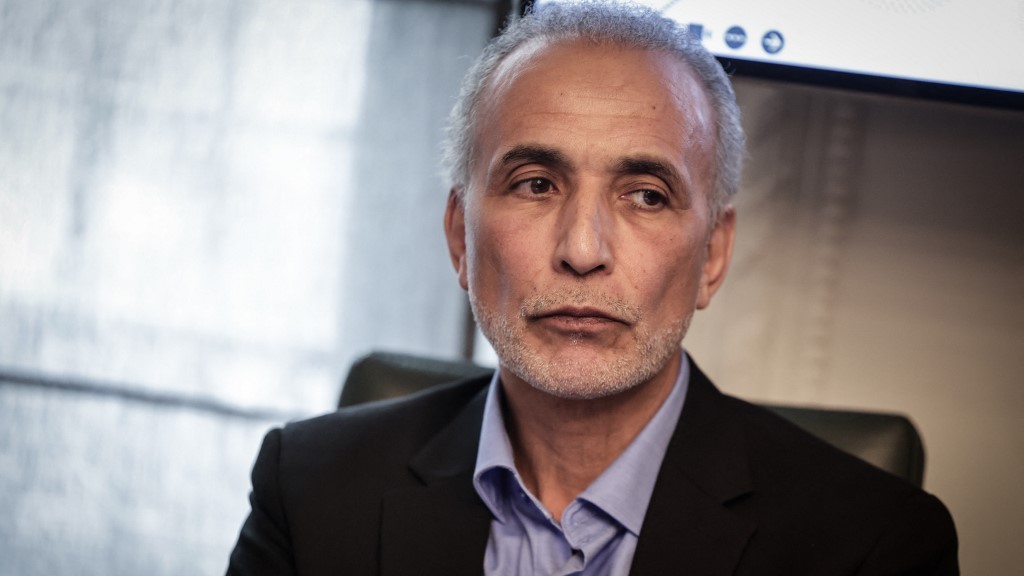
    In a landmark verdict, the Paris Criminal Court has sentenced prominent Swiss academic Tariq Ramadan to 18 years imprisonment for multiple rape convictions. The ruling, delivered in absentia on Wednesday, concludes a high-profile trial involving three separate victims between 2009 and 2016.

    Presiding Judge Corinne Goetzmann emphasized the ‘extreme gravity of the acts,’ particularly noting the rape of vulnerable persons as a determining factor in the substantial sentence. The court heard harrowing accounts from victims who described initially consensual encounters that escalated into violent assaults. One victim testified to experiencing ‘a fear of imminent death’ during strangulation by Ramadan.

    The judicial panel established a critical legal distinction regarding consent, with Judge Goetzmann stating unequivocally that ‘consenting to sexuality is not the same as consenting to any sexual act whatsoever,’ affirming the possibility of retracting consent during sexual activity.

    Ramadan’s legal team denounced the proceedings as a ‘judicial farce,’ with defense attorney Ouadie Elhamamouchi alleging ‘relentless pursuit’ of his client. All four defense lawyers staged a dramatic exit from the courtroom, protesting what they termed a ‘travesty of justice.’

    The 63-year-old Oxford scholar, who held visiting positions at Qatari and Moroccan institutions, was previously convicted of rape in Switzerland. He claimed hospitalization in Geneva due to multiple sclerosis complications, but court-ordered medical examinations determined his condition was stable and presented no barrier to trial participation.

    The sentence includes permanent banishment from French territory following prison term completion, marking a significant development in France’s judicial approach to sexual violence cases.

  • Italy’s culture minister pledges to buy more artworks, as latest purchase shown in Rome

    Italy’s culture minister pledges to buy more artworks, as latest purchase shown in Rome

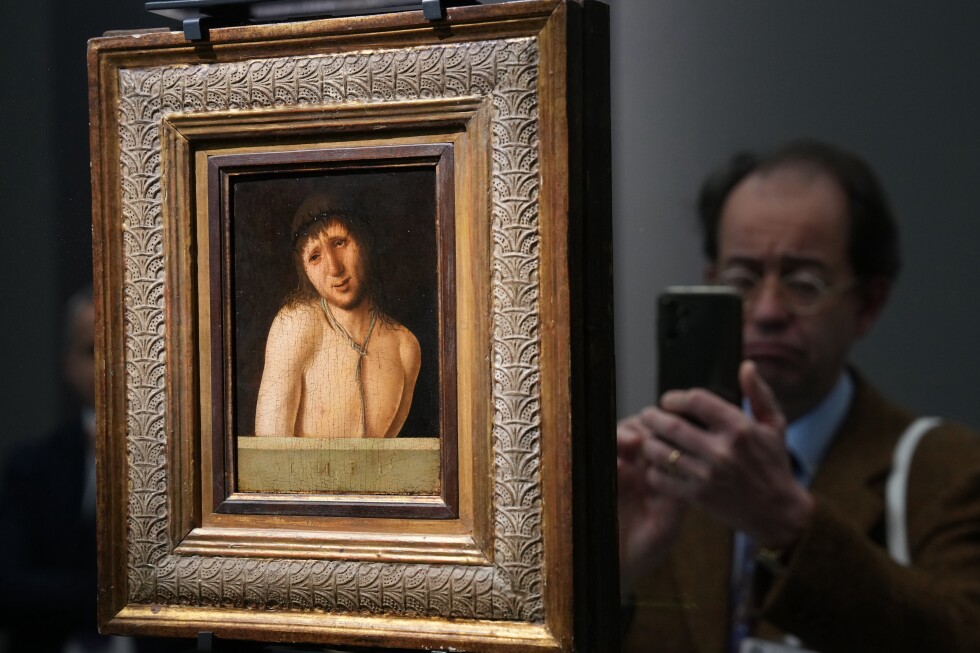
    ROME — In a significant cultural development, Italy’s Ministry of Culture has unveiled a newly acquired devotional painting by early Renaissance master Antonello da Messina at the Senate building. The acquisition signals a strengthened national strategy to reclaim historically significant artworks for public access.

    Culture Minister Alessandro Giuli confirmed the government’s intensified acquisition policy following the presentation of the double-sided panel painting “Ecce Homo,” purchased from Sotheby’s New York for $14.9 million. This strategic move comes merely weeks after another major state investment—a 30 million euro ($35 million) Caravaggio portrait obtained from a private collector.

    The recently acquired artwork, measuring 20.3 cm by 14.9 cm, features two distinct devotional scenes: one side depicts Jesus Christ wearing the crown of thorns at the moment Pontius Pilate presents him to the crowd, while the reverse shows Saint Jerome the Penitent. Dating approximately to 1470, the painting carries remarkable historical provenance—it was reportedly carried by its previous owner in a leather bag for years and used regularly for prayer, with the surface of Saint Jerome visibly worn by devotional kissing.

    Minister Giuli emphasized the ministry’s commitment despite budgetary constraints, noting that cultural acquisition funds represent separate allocations from other government operations. “Our pockets are not deep,” Giuli acknowledged, “as the Culture Ministry budget constitutes less than 0.3% of the national budget, but it is sufficient to purchase works of great artistic and public significance.”

    The painting will initially be exhibited at the National Museum of Abruzzo in L’Aquila before touring multiple Italian institutions, ensuring maximum public accessibility. This acquisition represents part of Italy’s broader cultural heritage preservation initiative, following the recent landmark Caravaggio purchase depicting Maffeo Barberini, who later became Pope Urban VIII.

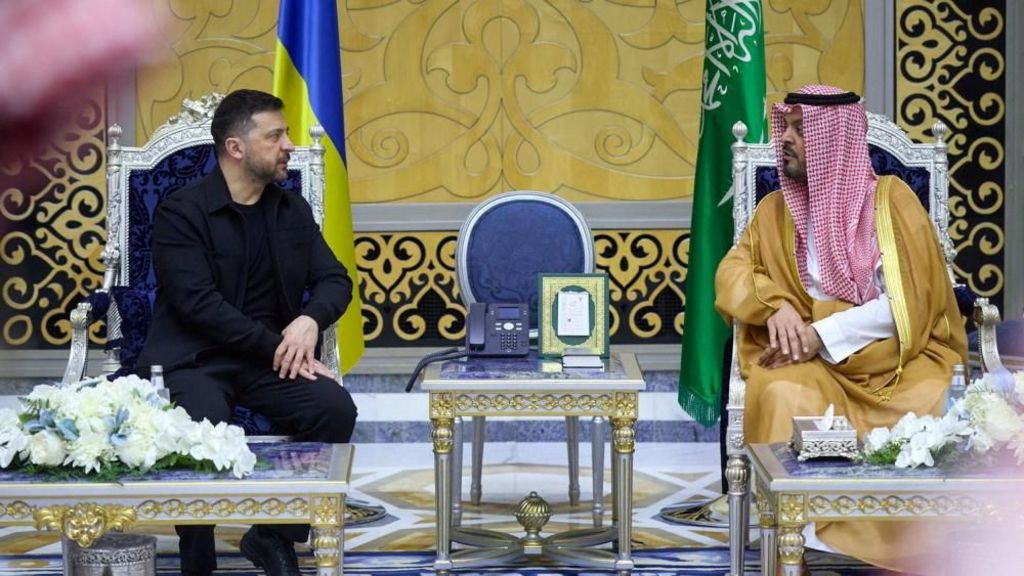
  • Zelensky visits Saudi Arabia after offering Ukraine’s drone expertise

    Zelensky visits Saudi Arabia after offering Ukraine’s drone expertise

    Ukrainian President Volodymyr Zelensky has positioned his nation as a global security partner by offering its combat-proven drone technology to Gulf states during a diplomatic visit to Saudi Arabia. The strategic proposal, presented during discussions with Middle Eastern leaders, emphasizes Ukraine’s unique battlefield experience in integrating drone systems with comprehensive air defense networks.

    Zelensky articulated the mutual benefits of this security partnership through social media and public statements, noting that ‘important meetings are scheduled’ with nations willing to collaborate on regional stability. He specifically highlighted how Ukrainian expertise could enhance security in energy-critical regions, stating that global energy security and European living costs directly depend on stable Gulf resources.

    The Ukrainian leader outlined the distinctive value of his country’s offering: ‘The key is not only producing new weapons – especially drones – not just technology, but also real experience in using it, and integrating it with radars, aviation, and other air defense systems. We have this experience.’

    In exchange for this technological transfer, Zelensky seeks enhanced military support for Ukraine’s defense against Russian aggression, particularly requesting air defense missiles that Middle Eastern states possess in surplus. This proposed quid-pro-quo arrangement comes at a critical juncture as reports indicate the U.S. is considering diverting weapons originally intended for Ukraine to the Middle East amid escalating tensions with Iran.

    Ukrainian defense companies confirm receiving interest from multiple Gulf nations, including Saudi Arabia, Kuwait, Qatar, and the United Arab Emirates. However, industry executives emphasize that any technology exports require government approval, recognizing the political and security implications of such transfers. Yaroslav Filimonov of Kvertus, a Ukrainian anti-drone electronic warfare manufacturer, noted they are ‘waiting for approval to export any products’ due to the sensitive nature of these defense technologies.

    The emerging security dialogue represents a strategic pivot for Ukraine, transforming its battlefield experience into diplomatic currency while addressing critical defense needs through international partnerships.

  • Florence pays homage to Gucci’s founder with a piazza

    Florence pays homage to Gucci’s founder with a piazza

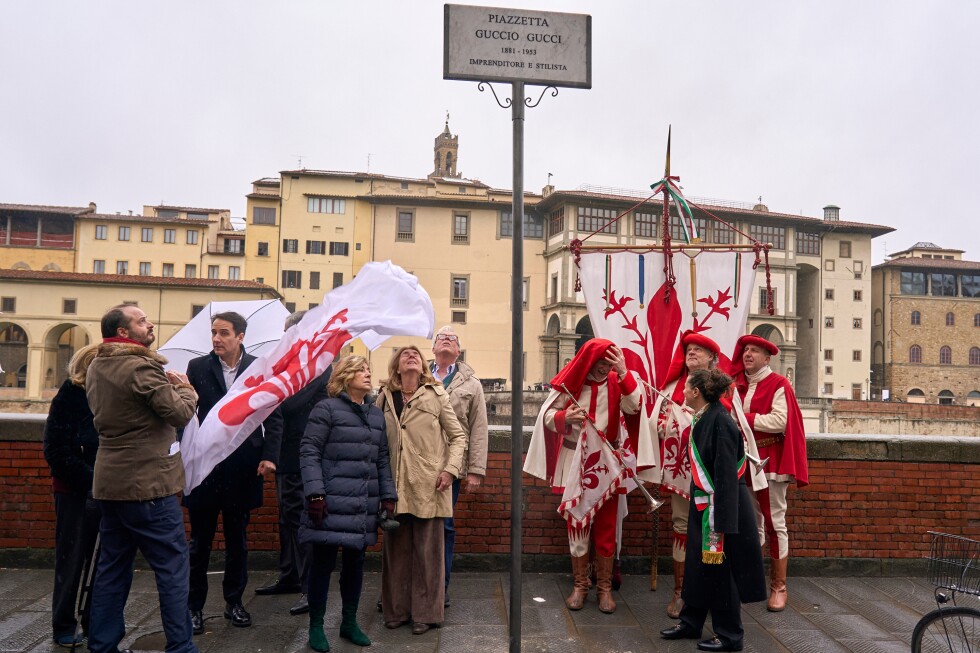
    FLORENCE, Italy — The historic city of Florence has permanently enshrined the legacy of fashion icon Guccio Gucci by dedicating a public square in his honor. The newly named Guccio Gucci Piazza stands as a tribute to the founder’s birthplace and the global fashion empire he established.

    The ceremonial naming event, held on the 145th anniversary of Gucci’s birth, brought together four of his great-grandchildren, company executives, and former employees—including an 88-year-old woman originally hired by Guccio himself. The picturesque location offers views of Florence’s architectural treasures, including the Ponte Vecchio bridge and Uffizi Gallery.

    Patrizia Gucci, great-granddaughter of the founder, emphasized the profound connection between the brand and its city of origin. “Gucci and Florence are synonymous with beauty,” she stated. “This recognition means everything to our family, honoring his memory as the visionary entrepreneur who created a world-renowned brand.”

    Gucci’s journey began when he left Florence as a teenager for London, where he worked as a bellhop and elevator operator at the Savoy Hotel. Inspired by the luxurious luggage of affluent guests, he returned to his hometown and established a leather goods company that would eventually expand into footwear and clothing, becoming a global fashion powerhouse.

    Though the Gucci family divested their final company shares in the early 1990s, the brand maintains its Florentine roots with headquarters in the city and the Gucci Garden experience on Piazza della Signoria, featuring a museum, boutique, and restaurant.

    City official Caterina Biti highlighted Gucci’s enduring significance during the ceremony: “Guccio Gucci’s narrative remains fundamentally important to Florence, embodying creativity, craftsmanship, quality, aesthetic excellence, and the dignity of labor.”

    The brand continues to maintain cultural relevance across runways, red carpets, and music, with the recent Milan Fashion Week debut of new creative director Demna generating significant anticipation within the fashion industry.

  • Shiziyang Bridge towers top out at 342 meters in Greater Bay Area

    Shiziyang Bridge towers top out at 342 meters in Greater Bay Area

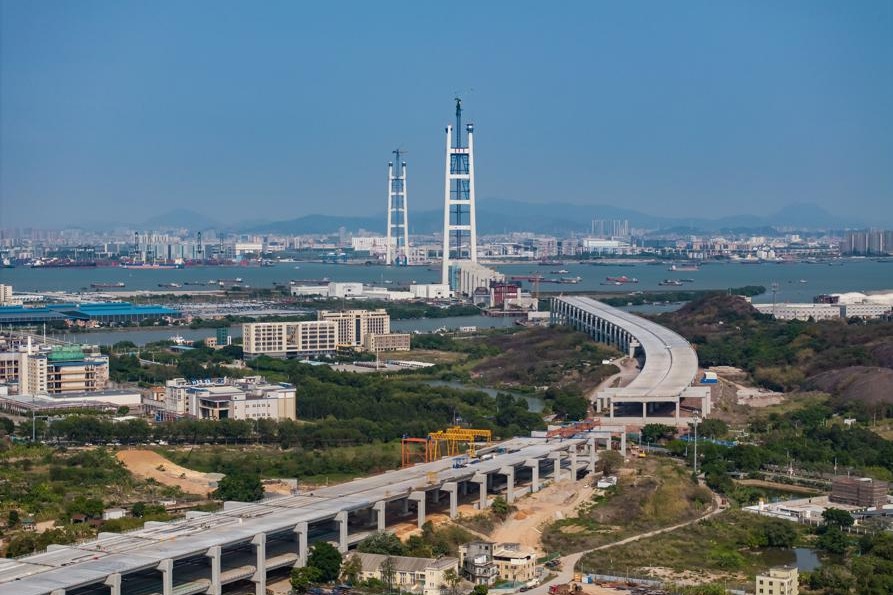
    A critical infrastructure milestone was reached in China’s Guangdong-Hong Kong-Macao Greater Bay Area on Thursday morning as construction crews completed the towering structural framework of the Shiziyang Bridge. The dual towers, soaring to an impressive height of 342 meters, represent the final vertical elements of this essential transportation link currently under development.

    As a pivotal component of the broader Shiziyang Link project, the bridge’s tower completion marks a significant transition from substructure to superstructure construction phases. According to official statements from Guangdong Transportation Group, the project will now advance to the complex process of deck installation and cable-stayed bridge engineering.

    The Shiziyang Bridge forms an integral transportation corridor designed to enhance connectivity throughout the economically vital Greater Bay Area region. This ambitious infrastructure endeavor promises to substantially reduce travel times between major urban centers while supporting regional economic integration and development objectives.

    Engineering teams have employed advanced construction methodologies and materials to achieve this structural milestone, with the tower design specifically engineered to withstand the challenging environmental conditions of the Pearl River Delta estuary. The project’s progression remains on schedule for its anticipated operational debut in the coming years, potentially transforming regional transportation dynamics.

  • Chongqing firm ships customized three-wheeled motorcycles abroad

    Chongqing firm ships customized three-wheeled motorcycles abroad

    Chongqing Shangfeng Technology, an automotive manufacturer based in southwest China’s Jiangjin district, is making significant strides in international markets with its customized three-wheeled motorcycles. The company has secured orders for over 500 units destined for markets across Asia, Africa, and Latin America, marking a notable expansion of China’s specialized vehicle exports.

    These utilitarian vehicles, affectionately known as ‘sanbengzi’ in China for their distinctive auditory and vibrational characteristics, are gaining international recognition for their economic viability and functional adaptability. The manufacturer has developed multiple customized variants specifically engineered to meet diverse regional requirements and operational conditions in developing markets.

    Industry analysts note that these exports represent a growing trend of Chinese manufacturers identifying and capitalizing on niche market opportunities globally. The three-wheeled motorcycles offer an affordable transportation solution for both commercial and personal use in emerging economies where cost-effectiveness and durability are paramount considerations.

    The successful export initiative demonstrates how specialized Chinese manufacturing capabilities are increasingly finding receptive international markets. These vehicles provide practical mobility solutions while representing the ongoing globalization of China’s automotive industry beyond conventional passenger vehicles into specialized transportation segments.

  • Guthrie on missing mother: ‘We cannot be at peace without knowing’

    Guthrie on missing mother: ‘We cannot be at peace without knowing’

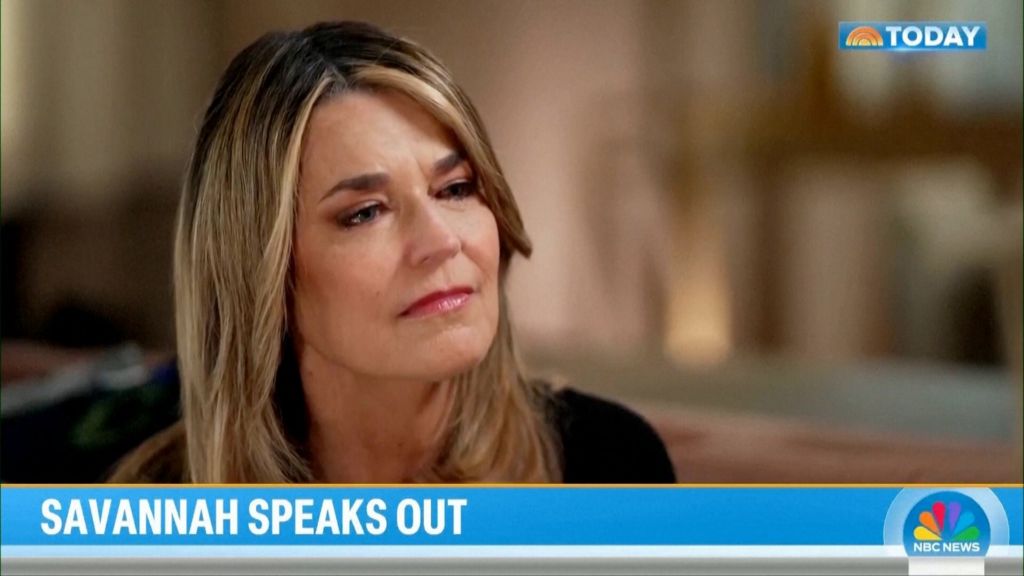
    Today show anchor Savannah Guthrie has broken her public silence regarding the mysterious disappearance of her mother, delivering an emotional account of the family’s ongoing ordeal. In her first interview since the incident, Guthrie detailed the chilling moment she received news that her mother had vanished without trace.

    The high-profile journalist revealed her internal struggle with whether her national television prominence might have inadvertently placed her family in danger. ‘We cannot find peace while this uncertainty hangs over us,’ Guthrie expressed, articulating the anguish of not knowing her mother’s whereabouts or condition.

    Guthrie’s candid reflections highlight the complex intersection of public visibility and personal tragedy, as she grapples with the possibility that her celebrity status could have made her mother a potential target. The interview provides unprecedented insight into how media personalities confront private crises while maintaining professional composure on national television.

    Law enforcement agencies continue their investigation into the disappearance, following multiple leads while the family maintains hope for resolution. The case has drawn significant public attention, underscoring how personal tragedies affecting public figures resonate with broader audiences and raise questions about privacy and safety in the spotlight.

  • Fifa investigates Congolese FA boss jailed alongside wife and son

    Fifa investigates Congolese FA boss jailed alongside wife and son

    FIFA has initiated formal disciplinary proceedings against three high-ranking officials from the Congo-Brazzaville Football Federation (Fecofoot) following their recent criminal convictions for financial misconduct. The individuals under investigation include Fecofoot President Jean-Guy Mayolas, General Secretary Wantete Badji, and Treasurer Raoul Kanda.

    This development comes after a Brazzaville criminal court sentenced Mayolas, along with his wife and son, to life imprisonment in absentia on March 10th for multiple offenses including embezzlement, money laundering, forgery, and use of forged documents. Badji and Kanda received five-year prison sentences in the same case.

    The court found that $1.3 million in FIFA development funds had been misappropriated, with the majority intended for critical projects including a national training center, women’s football development, and COVID-19 relief efforts. According to a declaration signed by all women’s club presidents in the country’s top flight, only a minimal percentage of these funds ever reached their intended destinations.

    FIFA’s ethics committee launched its investigation after receiving substantial documentation detailing financial misconduct. The charges include forgery, conflicts of interest, and offering and accepting improper gifts. This marks not the first violation for Mayolas and Badji, who previously received six-month bans from FIFA in 2015 for similar infractions related to gifts and benefits.

    The federation itself faced severe consequences earlier when FIFA imposed a suspension in February 2023 due to political interference after the Congolese government dismissed Mayolas. This suspension forced the national team to forfeit two crucial 2026 World Cup qualifiers against Zambia and Tanzania, significantly damaging Congo-Brazzaville’s qualifying campaign where they managed just one point from eight games. The ban was eventually lifted in May 2023 after Fecofoot met specific conditions, including regaining full control of its headquarters and facilities.

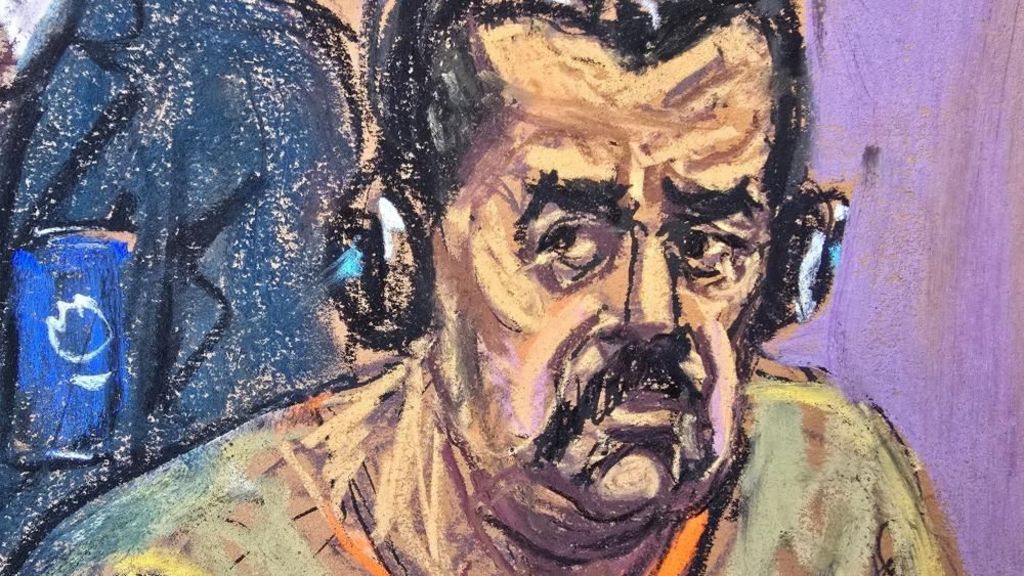
  • Judge told Maduro ‘plundered’ Venezuelan wealth in court battle over legal fees

    Judge told Maduro ‘plundered’ Venezuelan wealth in court battle over legal fees

    In a significant courtroom development, a US federal judge demonstrated considerable sympathy toward arguments presented by former Venezuelan leader Nicolás Maduro and his wife Cilia Flores regarding their right to utilize Venezuelan government funds for legal defense. The hearing, held Thursday before 92-year-old Judge Alvin Hellerstein, centered on whether US sanctions should prevent the accused couple from accessing state resources for their legal representation.

    Defense attorneys petitioned for dismissal of the narco-terrorism case entirely, asserting that the US government’s denial of fund access through sanctions violations constituted a fundamental breach of their clients’ rights. Prosecutors countered that Maduro had systematically ‘plundered’ Venezuela’s national wealth and should not be permitted to employ those same resources for his defense, citing national security and foreign policy concerns.

    Judge Hellerstein, while acknowledging the paramount importance of the right to defense, declined to dismiss the overall case based solely on the funding dispute. He did, however, indicate he would issue a subsequent ruling on the financial access question, recognizing the constitutional dimensions of the argument.

    The legal proceedings represent the second court appearance for Maduro and Flores since their dramatic capture by US forces during a nighttime raid on their Caracas compound on January 3. The couple faces extensive charges including narco-terrorism conspiracy, cocaine importation conspiracy, and weapons violations detailed in a comprehensive 25-page indictment dating back to 1999.

    The funding controversy stems from the Office of Foreign Assets Control initially granting then revoking a special license that would have permitted Venezuelan government payments for the defense team. Prosecutors maintain the defendants possess sufficient personal resources to retain private attorneys, while the defense argues sanctions have effectively frozen all accessible assets.

    Meanwhile, Venezuela has undergone significant political transformation since Maduro’s arrest, with former Vice President Delcy Rodríguez assuming power and the country reportedly resuming diplomatic relations with the United States. Outside the courthouse, pro- and anti-Maduro protesters clashed briefly, reflecting the deep divisions within Venezuelan society.

    The case continues without a set trial date as Maduro and Flores remain detained at Brooklyn’s Metropolitan Detention Center without having applied for bail.