博客

  • War in the Middle East: latest developments

    War in the Middle East: latest developments

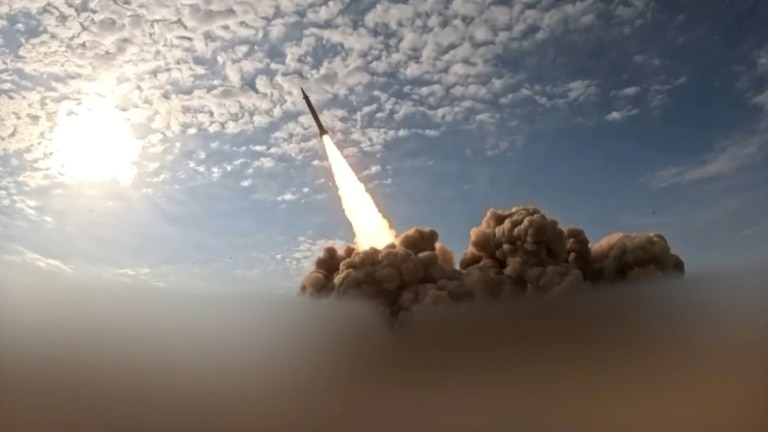
    The Middle East conflict has entered a perilous new phase with Iran issuing explicit warnings targeting US military personnel and regional shipping, while diplomatic channels show signs of activation. The Iranian Revolutionary Guards declared that hotels housing American soldiers throughout the region are now considered legitimate military targets, with armed forces spokesman Abolfazl Shekarchi stating on state television that ‘when all American forces go into a hotel, from our perspective that hotel becomes American.’

    Simultaneously, Iran has enforced a naval blockade in the strategic Strait of Hormuz, with Revolutionary Guards turning back three vessels attempting transit and declaring the waterway closed to ships traveling to or from ports linked to ‘Zionist-American enemies.’ This maritime escalation coincides with reports of direct US-Iran negotiations being prepared, with German Foreign Minister Johann Wadephul revealing that talks are ‘expected to take place in Pakistan very soon.’

    The conflict’s regional impact continues to expand with Kuwait’s main commercial port at Shuwaikh sustaining damage from a dawn drone attack, though authorities reported no casualties. Saudi Arabia’s defense ministry confirmed intercepting and destroying four drones over the kingdom’s eastern region, while Ukraine and Saudi Arabia signed a significant air defense agreement during President Zelensky’s visit, aimed at countering Iranian drone capabilities.

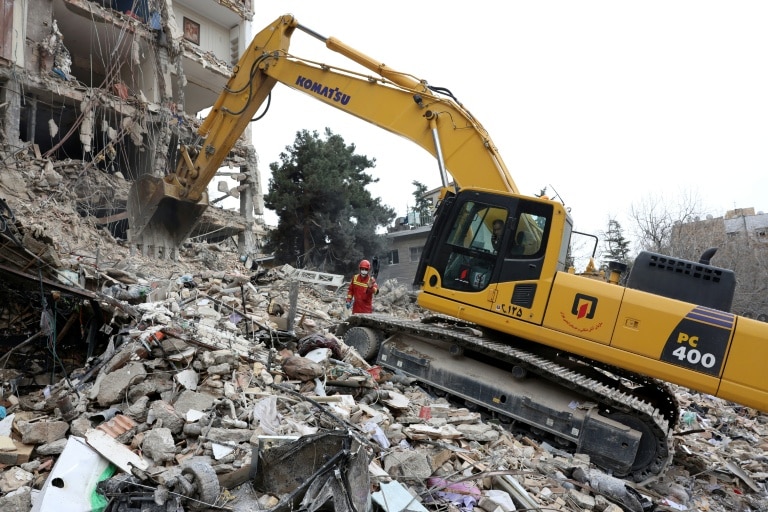
    Cultural casualties mount as well, with Tehran city council’s cultural heritage committee head Ahmad Alavi reporting that US and Israeli strikes have damaged at least 120 museums and historical sites across Iran since the conflict began. The UN Security Council prepared for closed-door consultations requested by Russia to discuss attacks on Iranian civilian infrastructure, including educational and healthcare facilities.

    Meanwhile, G7 allies pressed US Secretary of State Marco Rubio for clarity on American strategy toward Iran during talks outside Paris, with UK Foreign Minister Yvette Cooper urging a ‘swift resolution to this conflict that restores regional stability.’ The conflict’s expansion continued as Lebanese media reported Israeli strikes hitting Beirut’s southern suburbs early Friday, with AFP correspondents documenting multiple explosions in the Hezbollah stronghold.
  • ‘I’ll never be the same’: Iranians recount one month of war

    ‘I’ll never be the same’: Iranians recount one month of war

    Iranian citizens are revealing the profound transformations in their daily lives following one month of sustained military engagement with Israel and the United States. Despite government restrictions on communication and extensive internet blackouts, numerous Iranians have managed to share their experiences with international media through covert channels.

    The economic landscape has deteriorated dramatically since hostilities began. Previously struggling under international sanctions, Iran now faces hyperinflation and widespread industrial paralysis. Golnar, a 29-year-old Tehran resident, reported complete loss of income from her online business. “Even with multiple family members working and no rent expenses, we cannot consider dining out or leisure activities,” she explained. “We’re barely covering essential living costs.”

    Tourism-dependent regions have suffered particularly severe impacts. Sadeq, a 42-year-old from Qeshm island, described how normally bustling Nowruz holiday celebrations yielded few visitors. “Our hotels and cafes operate at half-capacity,” he noted. “Many residents extend stays indefinitely awaiting conflict resolution, while fuel shortages create hours-long queues.”

    Beyond economic hardship, Iranians describe adapting to extraordinary circumstances. Shayan, a 40-year-old Tehrani, acknowledged maintained infrastructure: “Basic amenities remain available—gasoline, water, electricity. Cafes operate and social gatherings continue, but pervasive helplessness dominates our psyche.” Another resident from Iran’s Kurdish region reported normalization of violence: “Explosions and missiles become routine aspects of daily life. Our primary concern now targets potential attacks on oil infrastructure.”

    The conflict has accelerated existing emigration trends. Katayoon, a yoga instructor who recently fled to Turkey, cited compounded reasons for departure: “While airstrike blast waves physically threw me from bed, my decision stemmed from decade-long fears—from mandatory hijab enforcement to prohibited cross-gender teaching.” She emphasized economic desperation: “People lack food money. Life becomes impossible.”

    Psychological impacts appear profound and permanent. Ensieh, a 46-year-old Tehran dentist, confessed: “I lose more hope daily. Caught between three mad powers, war terrifies. I’ll never regain my former self—conflict has torn away irreplaceable parts of me.”

    Concurrently, Iranian authorities have intensified domestic surveillance and suppression. Citizens report heightened street security with frequent checkpoints involving vehicle searches and electronic device inspections. Kaveh, a 38-year-old artist, described armed forces patrolling nightly while “honking and carrying flags.” Opposition gatherings express concern about potential US-clerical regime agreements, fearing intensified persecution should diplomatic resolutions emerge.

  • Education ministry issues 20 prohibitions to regulate schools

    Education ministry issues 20 prohibitions to regulate schools

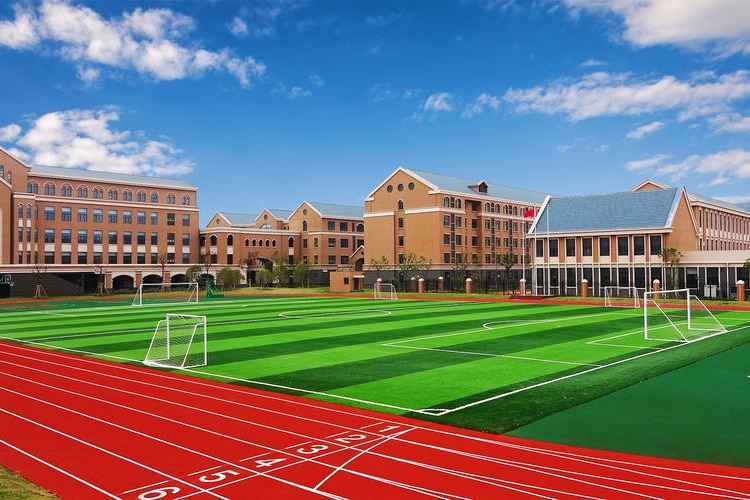
    In a landmark move to reform basic education, China’s Ministry of Education has introduced a comprehensive regulatory framework comprising twenty explicit prohibitions targeting long-standing malpractices in kindergartens, primary, and secondary schools. The sweeping guidelines, released Friday, establish clear boundaries across academic, ethical, and operational dimensions of school management.

    The regulations specifically ban educators from exploiting digital platforms—including livestream tipping services and knowledge-payment applications—to covertly solicit funds from parents through anxiety-driven marketing tactics. This addresses growing concerns about informal monetization practices within educational settings.

    Politically, the directives prohibit any form of speech or materials that oppose the Party or socialism, distort historical narratives, advocate secessionism, or defame national leaders and heroes. Such content is barred across all mediums including textbooks, examinations, digital devices, and public lectures.

    Academically, the ministry has outlawed several practices contributing to excessive student workloads. Schools are now forbidden from advancing beyond the national curriculum, reducing hours for moral education, physical education, or arts classes, and assigning homework that exceeds prescribed duration or contains punitive repetitions. The guidelines also protect student well-being by mandating respect for sleep schedules and recess periods, prohibiting the confinement of students during breaks.

    Additionally, the regulations ban weekend or holiday organized instruction outside the unified academic calendar, discriminatory treatment of students, and all forms of corporal punishment or verbal abuse. Enrollment practices are also reformed, prohibiting entrance examinations and the use of competition certificates as admission criteria.

    The ministry advocates leveraging technological solutions—including big data and artificial intelligence—to enhance oversight while reducing administrative burdens. Local education authorities are instructed to ensure nationwide dissemination and implementation of these standards across all institutions.

  • China opens investigations into US trade practices in response to Trump tariff moves

    China opens investigations into US trade practices in response to Trump tariff moves

    In a significant escalation of trade tensions, China has initiated two separate investigations into United States trade policies, marking a strategic countermove to recent actions taken by the Trump administration. The Chinese Commerce Ministry announced these probes on Friday, framing them as necessary measures to protect domestic industries and expressing strong opposition to what it characterizes as protectionist U.S. tactics.

    The first investigation will scrutinize American policies that allegedly restrict Chinese merchandise from entering U.S. markets while simultaneously limiting exports of advanced technology products to China. The second probe focuses specifically on barriers affecting China’s green energy exports, examining potential violations of international trade norms.

    These investigations, expected to span approximately six months with possible three-month extensions, represent the latest development in ongoing trade friction between the world’s two largest economies. The timing appears strategically significant, coming ahead of a postponed visit by President Donald Trump that was originally scheduled for May but delayed due to escalating tensions in Iran.

    The Chinese move responds directly to two Section 301 investigations announced by the U.S. earlier this month targeting multiple trading partners. One U.S. probe examines alleged excess industrial capacity and government subsidies in 16 economies including China and the European Union, while another investigates forced labor practices in dozens of countries.

    Chinese trade representatives previously warned during recent Paris talks that these U.S. investigations could destabilize the carefully maintained equilibrium in Sino-American economic relations. The discussions were intended to prepare for Trump’s now-delayed Beijing visit, highlighting how global geopolitical events increasingly influence bilateral trade dynamics.

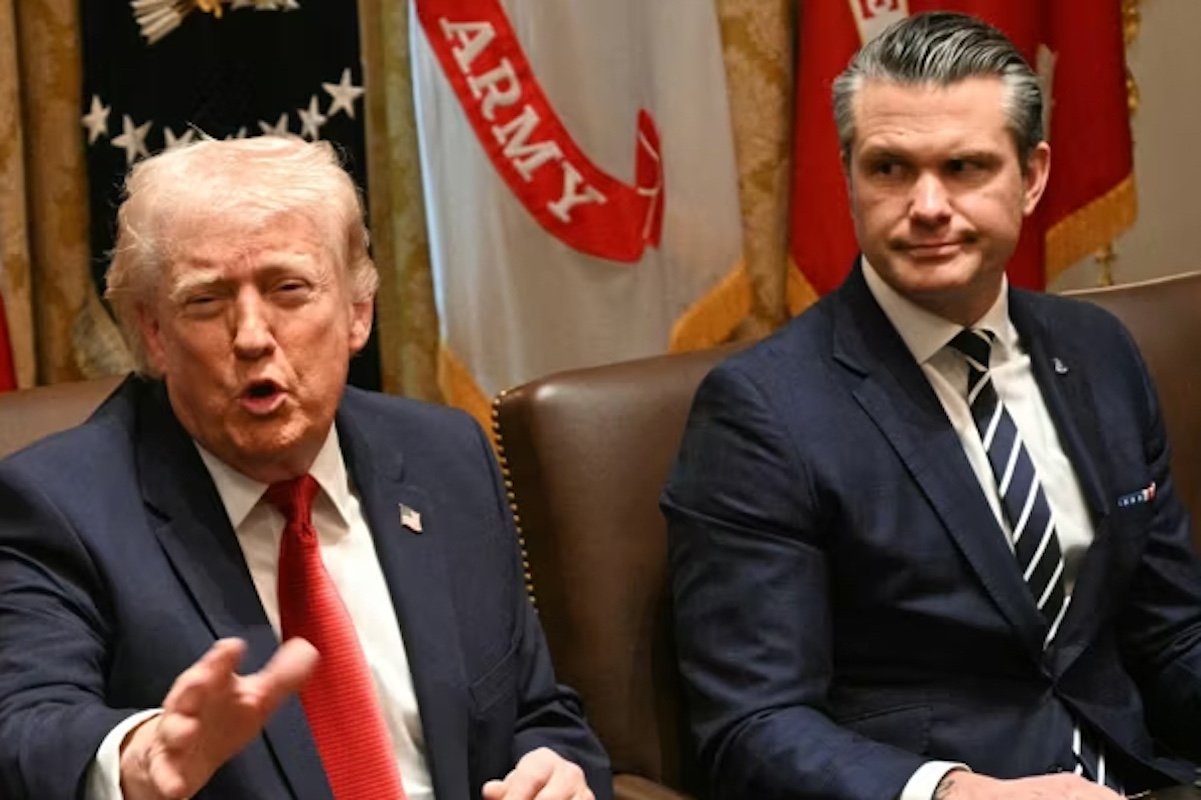
  • Trump delays Iran power plant strike threat until April 6

    Trump delays Iran power plant strike threat until April 6

    Former President Donald Trump has postponed potential U.S. military strikes against Iranian energy infrastructure until April 6, 2026, marking the second extension of his initial 48-hour ultimatum. The decision comes amid mounting international criticism and concerns about market instability following Trump’s threats to target civilian power plants.

    Through his Truth Social platform, Trump announced the 10-day extension, asserting that negotiations with Iran were progressing favorably despite contradictory reports from media outlets. This development follows his original Saturday night declaration that the U.S. would “hit and obliterate” Iranian power facilities if Tehran failed to reopen the Strait of Hormuz without conditions within 48 hours.

    The threat prompted significant market reactions, with S&P experiencing its largest decline since the onset of the Iran conflict. Financial markets showed volatility as Trump’s announcements coincided with trading closures.

    International organizations and human rights advocates have condemned the proposed strikes as potential war crimes. Jan Vande Putte, a nuclear and radiation protection expert with Greenpeace International, warned that attacking civilian electricity infrastructure violates international law and could trigger a Fukushima-scale nuclear disaster at the Bushehr facility by forcing reliance on backup diesel generators.

    Amnesty International’s Erika Guevara-Rosas characterized Trump’s threats as “dangerous and deeply irresponsible,” emphasizing that intentionally targeting essential civilian infrastructure would constitute a violation of international humanitarian law. Such actions could deprive millions of civilians of basic human rights to water, healthcare, and adequate living standards.

    Diplomatic channels remain active despite contradictory statements from both sides. Pakistani and Egyptian mediators have reportedly facilitated communication, though Iranian Foreign Minister Abbas Araghchi denied direct negotiations. Iran has presented five conditions for conflict resolution, including cessation of assassinations, war reparations, and recognition of Iranian sovereignty over the Strait of Hormuz.

    Domestically, pressure mounts on Congressional Democrats to force a war powers resolution vote before a scheduled two-week recess, with concerns that Trump might pursue a ground invasion of Iran without legislative intervention.

  • Morocco ready to host Wafcon ‘any time’ as questions remain over postponement

    Morocco ready to host Wafcon ‘any time’ as questions remain over postponement

    The Confederation of African Football (CAF) faces mounting scrutiny over its abrupt decision to postpone the 2026 Women’s Africa Cup of Nations (WAFCON), originally scheduled to commence on March 17th. The tournament has now been rescheduled for July 25th through August 16th, yet the precise rationale behind this eleventh-hour delay remains officially undisclosed, generating widespread confusion and frustration across the African football community.

    In a striking contradiction to CAF’s opaque reasoning, Moroccan Minister of Industry and Trade Ryad Mezzour asserted the nation’s preparedness, stating, “Morocco is always ready to host any competition, any time.” This declaration underscores a significant disconnect between the host nation’s claimed readiness and the continental governing body’s actions. Morocco has solidified its status as a premier hub for African football in recent years, having successfully hosted an array of tournaments including the previous two WAFCON editions, multiple CAF Champions League finals, and various age-group competitions.

    The postponement controversy is further inflamed by the recent and highly contentious aftermath of the men’s Africa Cup of Nations final, also held in Morocco. Senegal’s dramatic extra-time victory was controversially overturned by CAF’s independent appeal board following a formal protest from the Royal Moroccan Football Federation (FRMF). This decision, which reversed initial sanctions against Senegal’s coach, has fueled speculation regarding potential political tensions influencing the women’s tournament scheduling.

    With merely 12 days’ notice provided before the intended kick-off, national teams were plunged into disarray during their final preparation phases. Nigeria defender Ashleigh Plumptre, a reigning champion, articulated the profound impact on players, noting the tournament’s dual significance as a qualifier for the 2027 FIFA Women’s World Cup. “Many teams haven’t even been in the Afcon before, never mind had the chance to qualify for a World Cup,” Plumptre emphasized, highlighting the missed opportunities for development and financial support for emerging nations.

    Despite the uncertainty, sources close to the FRMF indicate Morocco still anticipates hosting the rescheduled event, with CAF required to formally revoke hosting rights if any change is intended. This episode raises critical questions about the prioritization of women’s football within CAF’s administration, contrasting sharply with the handling of men’s competitions and casting a shadow over Morocco’s preparations as a co-host for the 2030 FIFA World Cup alongside Spain and Portugal.

  • DPRK, Belarusian leaders hold talks, sign cooperation agreements

    DPRK, Belarusian leaders hold talks, sign cooperation agreements

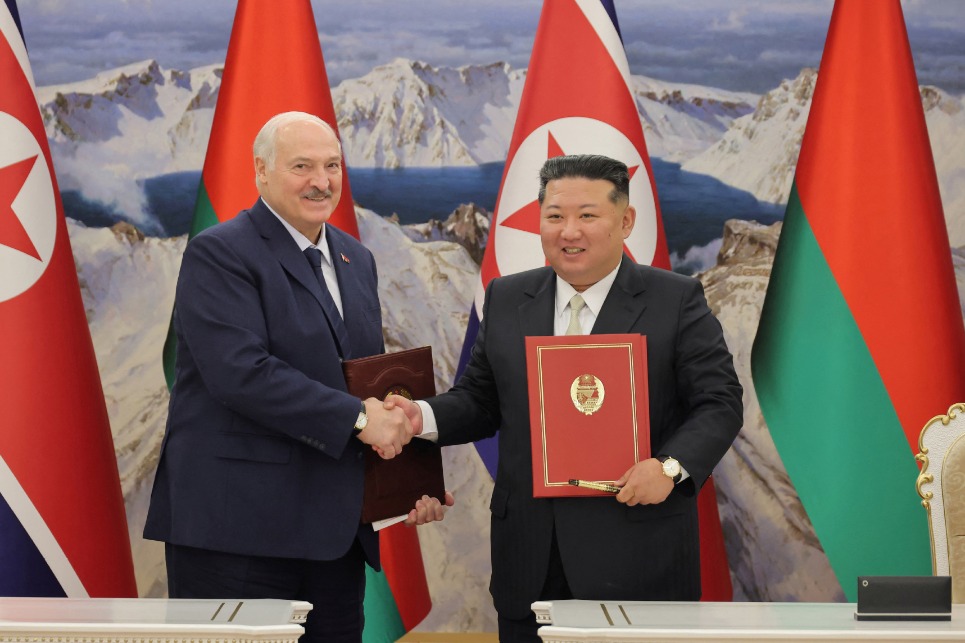
    In a significant diplomatic development, North Korean leader Kim Jong-un and Belarusian President Alexander Lukashenko concluded high-level talks in Pyongyang on Thursday, resulting in the signing of multiple bilateral cooperation agreements. The meeting, which marked Lukashenko’s first official visit to the Democratic People’s Republic of Korea, spanned two days and focused on strengthening ties between the two nations.

    The discussions between Kim Jong-un, who serves as both General Secretary of the Workers’ Party of Korea and President of the State Affairs of the DPRK, and his Belarusian counterpart addressed comprehensive plans for enhanced bilateral engagement. The leaders explored arrangements for future high-level exchanges between their governments and conducted detailed deliberations on international and regional matters of mutual interest.

    Following their extensive negotiations, the two parties formalized their cooperation through the signing of agreements covering multiple sectors. The comprehensive package includes frameworks for collaboration in diplomatic affairs, information sharing, agricultural development, educational exchanges, and public health initiatives. These accords represent a substantial expansion of the bilateral relationship beyond previous levels of engagement.

    The timing and scope of these agreements suggest a strategic calculation by both nations to strengthen international partnerships amid ongoing global geopolitical tensions. The inclusion of information and diplomatic cooperation components indicates potential alignment on international policy positions, while the agricultural and health agreements point to practical economic and developmental cooperation.

    This diplomatic engagement represents one of the most significant international visits received by North Korea in recent years and underscores Belarus’s continued outreach to nations outside traditional Western diplomatic circles. The outcomes of this meeting likely signal both countries’ intentions to develop alternative international partnerships and economic cooperation channels.

  • Austria plans to ban social media use for under-14s, joining a string of other countries

    Austria plans to ban social media use for under-14s, joining a string of other countries

    VIENNA — Austria has positioned itself at the forefront of digital child protection by announcing intentions to prohibit social media access for children under 14. The nation’s governing coalition revealed on Friday that draft legislation will be formulated by end-June, marking a significant policy shift in youth digital safety.

    Alexander Pröll, Digitalization Officer within Chancellor Christian Stocker’s administration, confirmed the government’s commitment to implementing “technologically advanced age verification systems” that safeguard user privacy while effectively restricting platform access. The proposed measures will require parliamentary endorsement before enactment, with the implementation timeline remaining undetermined.

    This Austrian initiative aligns with mounting international efforts to shield minors from digital harm. Australia pioneered this movement in 2024 by establishing the world’s first comprehensive social media prohibition for under-16s, citing concerns about harmful content and excessive screen exposure. Indonesia prepares to enforce similar restrictions starting Saturday, while multiple European nations advance comparable legislation.

    France legislated in January to ban social media for under-15s, scheduled for September implementation coinciding with the new academic year. Spain recently unveiled proposals to block under-16s from social platforms, and Denmark finalized agreements last autumn restricting access for children under 15. The United Kingdom has likewise initiated considerations regarding social media prohibitions for young teenagers.

    Vice Chancellor Andreas Babler characterized the decision as “a good day for children in our country,” vowing determined protection against “the negative effects of social media platforms.” He emphasized the government’s refusal to remain passive while “these platforms make our children addicted and often also sick.”

    The prohibition will be complemented by enhanced educational initiatives focusing on media literacy and artificial intelligence awareness within school curricula, establishing a comprehensive approach to digital citizenship for Austrian youth.

  • US Senate votes to fund most of Homeland Security to end airports chaos – but ICE excluded

    US Senate votes to fund most of Homeland Security to end airports chaos – but ICE excluded

    The U.S. Senate has unanimously voted to terminate a protracted 40-day partial government shutdown by approving funding legislation for the Department of Homeland Security (DHS), though notably excluding immigration enforcement agencies from the measure. This decision came in the early hours of Friday following intense political negotiations.

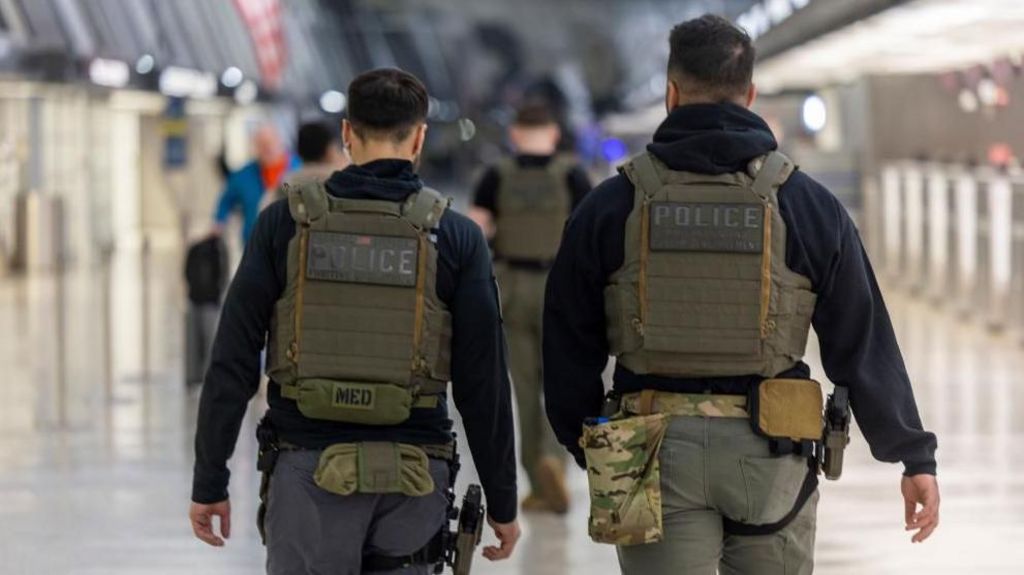
    The funding lapse, lasting nearly six weeks, triggered severe operational disruptions at airports nationwide. Approximately 50,000 Transportation Security Administration (TSA) officers, operating under DHS jurisdiction, had been working without pay since mid-February. This financial strain resulted in widespread absenteeism and hundreds of resignations, critically hampering security operations.

    At Houston Airport, the consequences became visibly apparent as travelers endured hours-long security queues. A BBC correspondent documented how exhausted passengers navigated a winding two-hour line across one terminal level, only to discover upon reaching an escalator that another extensive queue awaited them at security checkpoints. Airport authorities confirmed operating at merely 33-50% of normal TSA screening capacity.

    The political deadlock centered on Democratic demands for immigration enforcement reforms. Democrats insisted any funding agreement must include measures such as eliminating facial coverings for ICE personnel, prohibiting racial profiling practices, and mandating judicial warrants for property entries. These demands followed controversial ICE operations in Minneapolis that resulted in fatal shootings earlier this year.

    Shortly before the Senate vote, President Donald Trump announced via Truth Social his intention to issue an executive order ensuring immediate payment to TSA agents. Senate Majority Leader John Thune criticized Democrats for creating the impasse, stating Republicans had to fund DHS through piecemeal legislation rather than comprehensive funding. Conversely, Minority Leader Chuck Schumer emphasized Democratic commitment to preventing “blank checks for a lawless ICE and border patrol.”

    The approved package includes funding for TSA, Coast Guard, and FEMA operations. The legislation now advances to the House of Representatives for final approval, with stakeholders hoping to swiftly resolve the airport crises caused by critical staffing shortages.

  • In the wake of US social media verdicts, a look at what limits other countries have imposed for kids

    In the wake of US social media verdicts, a look at what limits other countries have imposed for kids

    A series of landmark legal decisions this week has intensified global scrutiny on social media platforms’ impact on youth mental health. In consecutive rulings, Los Angeles and New Mexico juries found Meta and YouTube legally responsible for harms inflicted on children through their services, marking a significant validation of long-standing concerns about digital platform dangers.

    Despite these judicial victories, child safety advocates emphasize that without comprehensive federal legislation, meaningful change remains elusive. The current regulatory vacuum in the United States contrasts sharply with aggressive measures being implemented worldwide to protect young digital citizens.

    Australia has emerged as a pioneering force, establishing the first nationwide prohibition barring children under 16 from social media platforms. The legislation imposes severe penalties—up to AU$50 million ($34 million)—for non-compliant companies, though questions persist about implementation methods and potential impacts on privacy rights.

    Brazil has enacted groundbreaking legislation requiring minors under 16 to link social accounts to parental supervision and banning addictive design features including infinite scroll and autoplay videos. The South American nation now mandates robust age verification systems surpassing simple self-declaration.

    Indonesia is poised to become Southeast Asia’s first nation to restrict social media access for under-16 users, targeting ‘high-risk’ platforms including TikTok, YouTube, and Facebook. The phased implementation begins March 28, 2024.

    European nations are advancing similar protections. France has approved legislation banning social media for under-15s and prohibiting mobile phones in high schools, while Spain plans to restrict access for those under 16. Denmark is pursuing comparable measures, and the UK is considering teenage social media bans as part of enhanced child protection frameworks.

    Malaysia has introduced licensing requirements for major platforms, compelling them to implement age verification and content safety measures as part of broader digital oversight strengthening.

    These international developments highlight a growing consensus that platform self-regulation is insufficient to address the complex challenges of protecting children in digital environments. As nations increasingly adopt legislative solutions, pressure mounts on US lawmakers to advance the stalled Kids Online Safety Act, which gained Senate approval but has since languished without full congressional adoption.