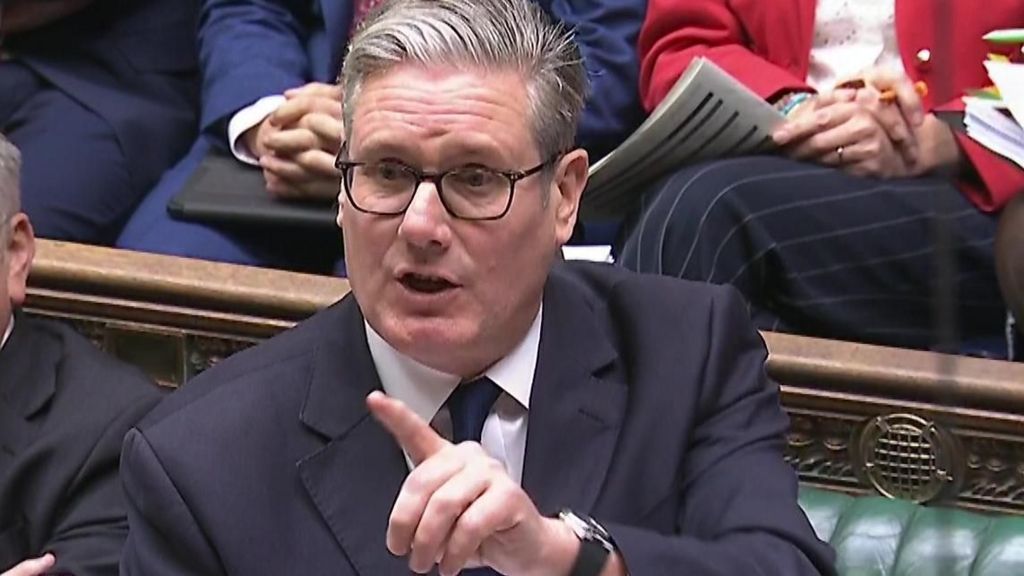
The controversy surrounding the collapse of a high-profile case involving two men accused of spying for China continues to escalate, placing the government under intense scrutiny. The opposition has seized upon the issue, further fueling the debate. The government now finds itself in a precarious position regarding the release of witness statements related to the case. Initially, it was suggested that the Crown Prosecution Service (CPS) was blocking their release, but the CPS has since clarified that it was not responsible, leaving the government with little choice but to publish the documents. During Prime Minister’s Questions, Sir Keir Starmer confirmed that the government would indeed release the statements. Prime Minister Rishi Sunak reviewed the documents for the first time this morning, marking an unusual start to the weekly session. The pledge to publish the statements was made in a statement rather than in response to questions from Conservative leader Kemi Badenoch, catching her off guard. However, questions remain about whether the release of these statements will significantly alter the narrative. Unless the documents reveal drastically new information, the core allegation—that the government may have withheld evidence rather than tampered with it—remains unchanged. The government maintains its innocence, arguing that the publication of the statements may not provide further clarity. The documents could, however, increase pressure on the CPS rather than politicians. The Conservatives have been relentless in their pursuit of answers, but the government has countered by blaming the opposition’s stance on China and existing legislation. The case involves Christopher Cash and Christopher Berry, both accused of spying for China. Following PMQs, lengthy briefings were held with the prime minister’s team and Badenoch’s team, lasting over an hour. The final submission of evidence from the deputy national security adviser was made on August 4, and a meeting on September 1 discussed the handling of the case in relation to China. The government insists that the meeting did not delve into the evidence, but the Conservatives are demanding the publication of the meeting minutes. The prime minister was informed of the case’s collapse two days before it occurred, though the source of this information remains undisclosed. This complex and ongoing saga highlights the intricate details and prolonged scrutiny the government faces.
博客
-
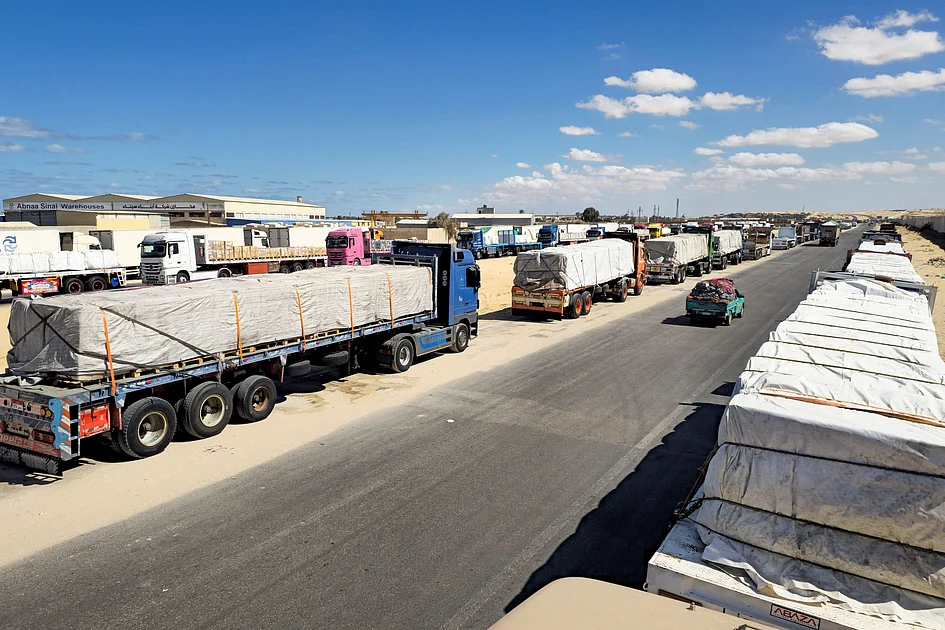
Israel to reopen Gaza’s Rafah crossing on October 15
In a significant development, Israel has announced the reopening of Gaza’s Rafah crossing on October 15, allowing humanitarian aid to flow into the war-torn Palestinian territory from Egypt. The decision, reported by Israeli public broadcaster KAN, comes as Gaza grapples with a severe humanitarian crisis following two years of conflict. The United Nations and various aid organizations have long advocated for the reopening of this crucial crossing to address the dire situation. According to KAN, 600 trucks of humanitarian aid, coordinated by the UN, international organizations, the private sector, and donor countries, will be dispatched to Gaza on Wednesday. The reopening follows a ceasefire agreement brokered by former US President Donald Trump, which included the release of hostages held by Hamas. While Hamas has released all 20 living hostages, it has yet to return the remains of all 28 deceased hostages. Israel’s far-right National Security Minister Itamar Ben Gvir has threatened to halt aid if Hamas fails to return the remaining bodies. The decision to reopen Rafah was reportedly influenced by Hamas’s intention to return four more bodies, though this has not been confirmed by the militant group. The UN had previously declared famine in Gaza in August, a claim Israel disputes.
-
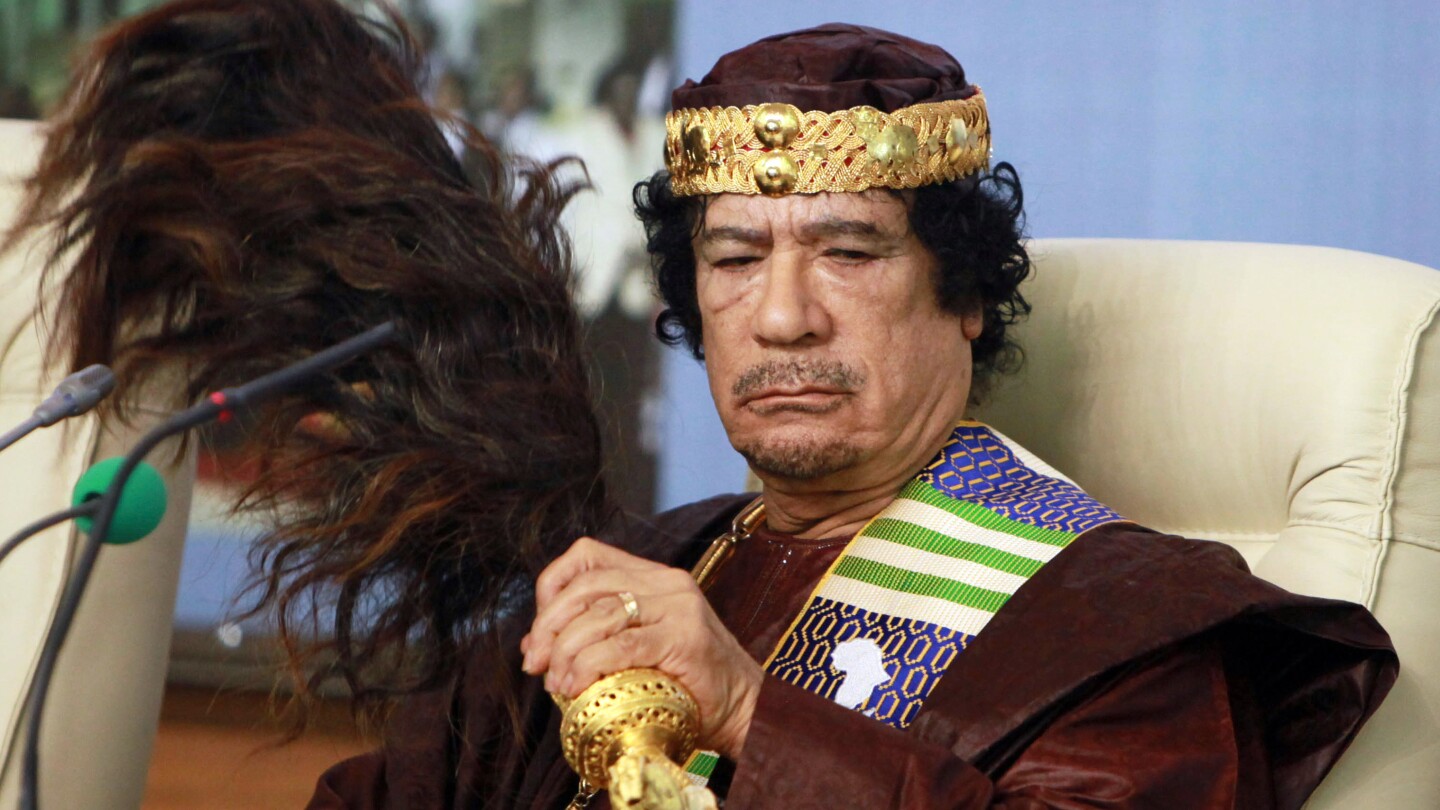
A look at some leaders who have fled uprisings
In the tumultuous world of politics, even the most seemingly invincible leaders can find themselves forced into exile, fleeing their countries to escape incarceration, execution, or political retribution. This phenomenon has been witnessed repeatedly across the globe, often triggered by revolutions, military coups, or widespread public unrest. The most recent addition to this list is Andry Rajoelina, the president of Madagascar, who was ousted in a military coup this week following weeks of Gen Z-led protests over economic hardship, lack of opportunities, and power shortages in the island nation. His downfall is part of a broader pattern of leaders who have met similar fates. Marc Ravalomanana, Madagascar’s sixth president, was overthrown in 2009 by Rajoelina himself, then the mayor of Antananarivo. Ravalomanana fled to South Africa, was convicted in absentia, and later returned to Madagascar only to face arrest before his sentence was lifted. In Syria, Bashar Assad fled to Russia in 2024 as rebel forces advanced toward Damascus, ending his family’s 51-year rule. Viktor Yanukovych, Ukraine’s former president, fled to Russia in 2014 after protests erupted over his decision to abandon an EU agreement in favor of a Russian bailout. Jean-Bertrand Aristide, Haiti’s first democratically elected leader, twice fled his country during military coups, while Libyan leader Moammar Gadhafi’s four-decade rule ended in 2011 when he was captured and killed by rebel forces during the Arab Spring. These cases highlight the precarious nature of political power and the dramatic consequences of its loss.
-
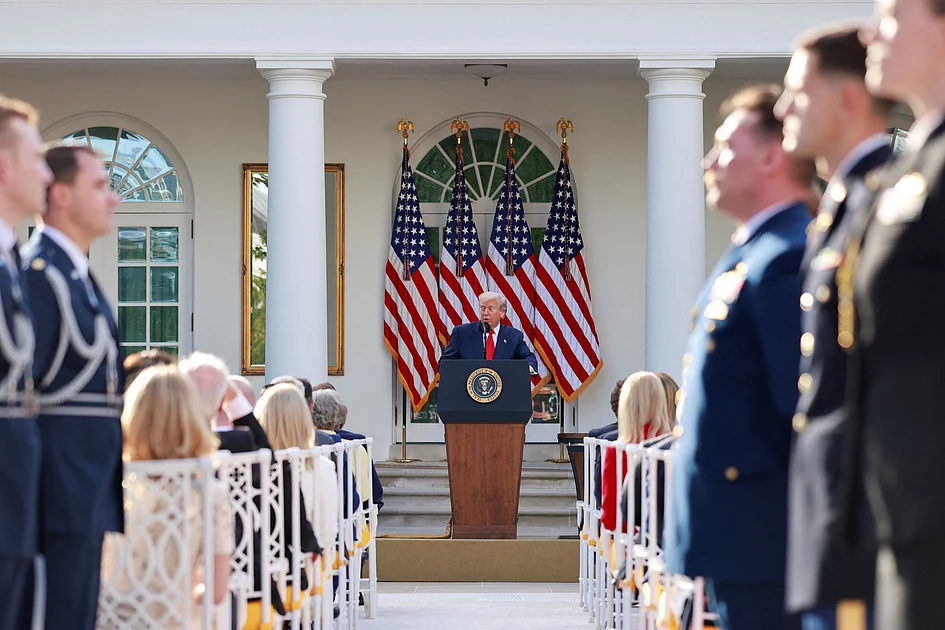
US revokes 6 visas over social media comments on Charlie Kirk
In a significant move reflecting heightened political tensions, the U.S. State Department announced on Tuesday the revocation of visas for six foreigners due to their social media comments regarding the assassination of conservative activist Charlie Kirk. The department emphasized, ‘The United States has no obligation to host foreigners who wish death on Americans,’ in a statement posted on X. This decision coincided with President Donald Trump posthumously awarding Kirk the Presidential Medal of Freedom, the nation’s highest civilian honor, during a ceremony in the Rose Garden. The event marked what would have been Kirk’s 32nd birthday. Trump praised Kirk as a ‘fearless warrior for liberty’ and a leader who galvanized the younger generation. Kirk, the founder of Turning Point USA, was fatally shot on September 10 while speaking at Utah Valley University, an incident that reignited debates over political violence in the U.S. His death has become a rallying point for Trump, who has used it to energize his base and push for measures against what he terms ‘radical left extremism.’ The Trump administration has launched a broad crackdown on left-wing organizations, deploying federal agencies like the FBI, Department of Homeland Security, and IRS to investigate groups accused of funding political violence. However, experts argue that political violence is bipartisan, with historically more attacks inspired by right-wing ideology. Officials have found no evidence linking Kirk’s shooter to any organized group. The ceremony drew prominent Republican figures, including Vice President JD Vance, Secretary of State Marco Rubio, and several U.S. Senators. Kirk, a polarizing figure in conservative politics, played a key role in mobilizing young voters for Trump’s 2024 campaign. While supporters hailed him as a champion of free speech, critics accused him of mainstreaming extremist views. Since his death, Trump has called Kirk a ‘martyr for American freedom’ and vowed to continue his work. In September, both the U.S. House of Representatives and Senate approved resolutions declaring October 14 a ‘National Day of Remembrance for Charlie Kirk.’ Trump also signed a proclamation on Tuesday officially marking the date.
-
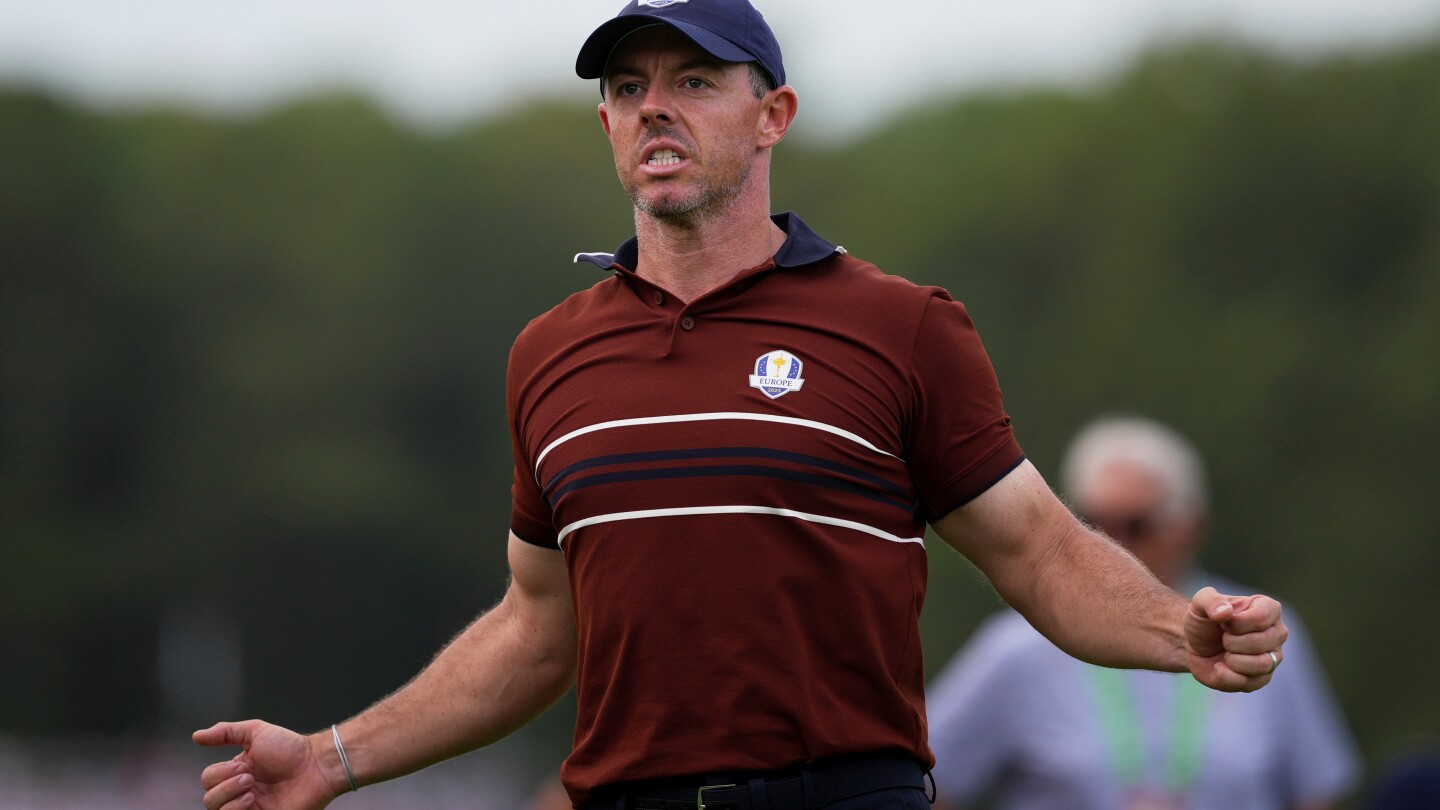
McIlroy sets sights on one day becoming Ryder Cup captain ahead of India debut
Rory McIlroy, the world No. 2 golfer and current Masters champion, has expressed his ambition to one day captain the European Ryder Cup team, though he believes this role is still a decade away. Speaking in New Delhi during his first tournament in India, McIlroy reflected on his recent success in helping Europe retain the Ryder Cup by defeating the United States in New York last month. The 36-year-old Northern Irishman, who has participated in the last eight Ryder Cups, emphasized his desire to lead the team in the mid-2030s, after continuing to play at the highest level for several more years. McIlroy praised past captains like Paul McGinley and Luke Donald, under whom he has played, and expressed gratitude for the opportunity to learn from their leadership. However, he acknowledged the challenges of the role, particularly in light of the intense atmosphere and occasional hostility from American spectators during the recent Ryder Cup. McIlroy lamented that the focus on the event’s controversies overshadowed Europe’s historic victory as the first team to win an away Ryder Cup since 2012. He urged fans to remember the team’s exceptional performance and the pride he felt in being part of such a successful campaign. Beyond the Ryder Cup, McIlroy is expanding his international presence, with upcoming tournaments in Abu Dhabi, Dubai, and the Australian Open. He expressed enthusiasm for playing in new locations and connecting with diverse audiences, though he admitted disappointment at missing the chance to attend a cricket match during his visit to India, a sport he passionately follows.
-
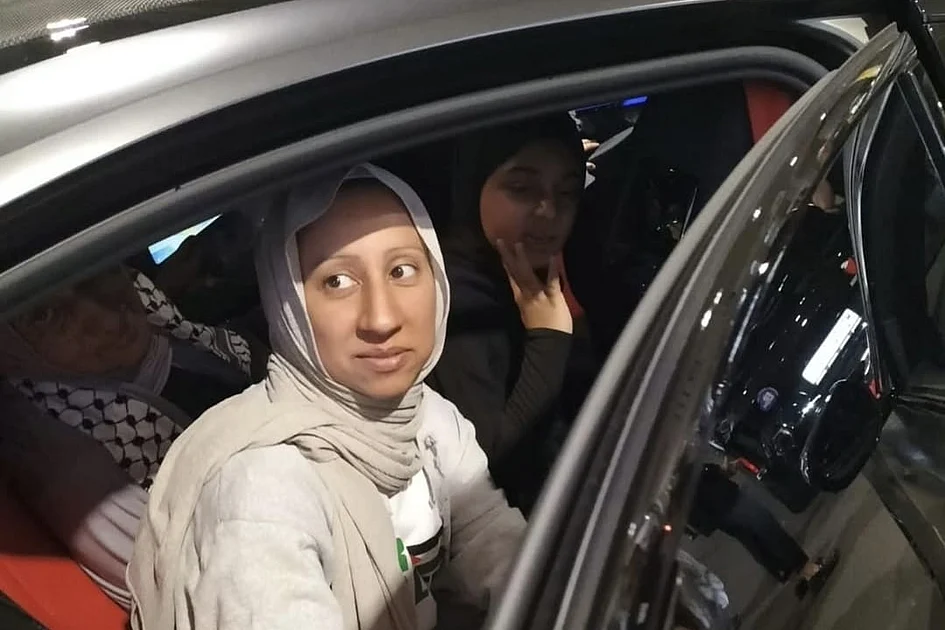
‘Feared for my life’: UAE expat recounts captivity in Israeli prison after Gaza flotilla seizure
Dr. Zaheera Soomar, a South African activist and Sharjah-based mother of three, has returned to the UAE after a six-day detention by the Israeli army. Soomar was part of the Global Sumud Flotilla, a civilian maritime mission aimed at breaking Gaza’s blockade by delivering humanitarian aid. The flotilla was intercepted by Israeli naval forces in early October, leading to the arrest of its participants. Soomar recounted her ordeal, describing crowded cells, aggressive handling by guards, and moments where she feared for her life. Despite the trauma, she remains resolute in her commitment to Palestinian justice and freedom. Soomar was deported to South Africa on Monday and arrived in the UAE on Tuesday morning. She expressed concerns about the recent ceasefire agreement between Israel and Hamas, brokered by former US President Donald J. Trump, citing Israel’s continued restrictions on aid to Gaza. Soomar, a business executive and professor, has been advocating for Palestinian rights for over a decade, drawing parallels to her experiences growing up in apartheid South Africa. Her participation in the flotilla underscores her dedication to the cause, despite the personal risks involved.
-
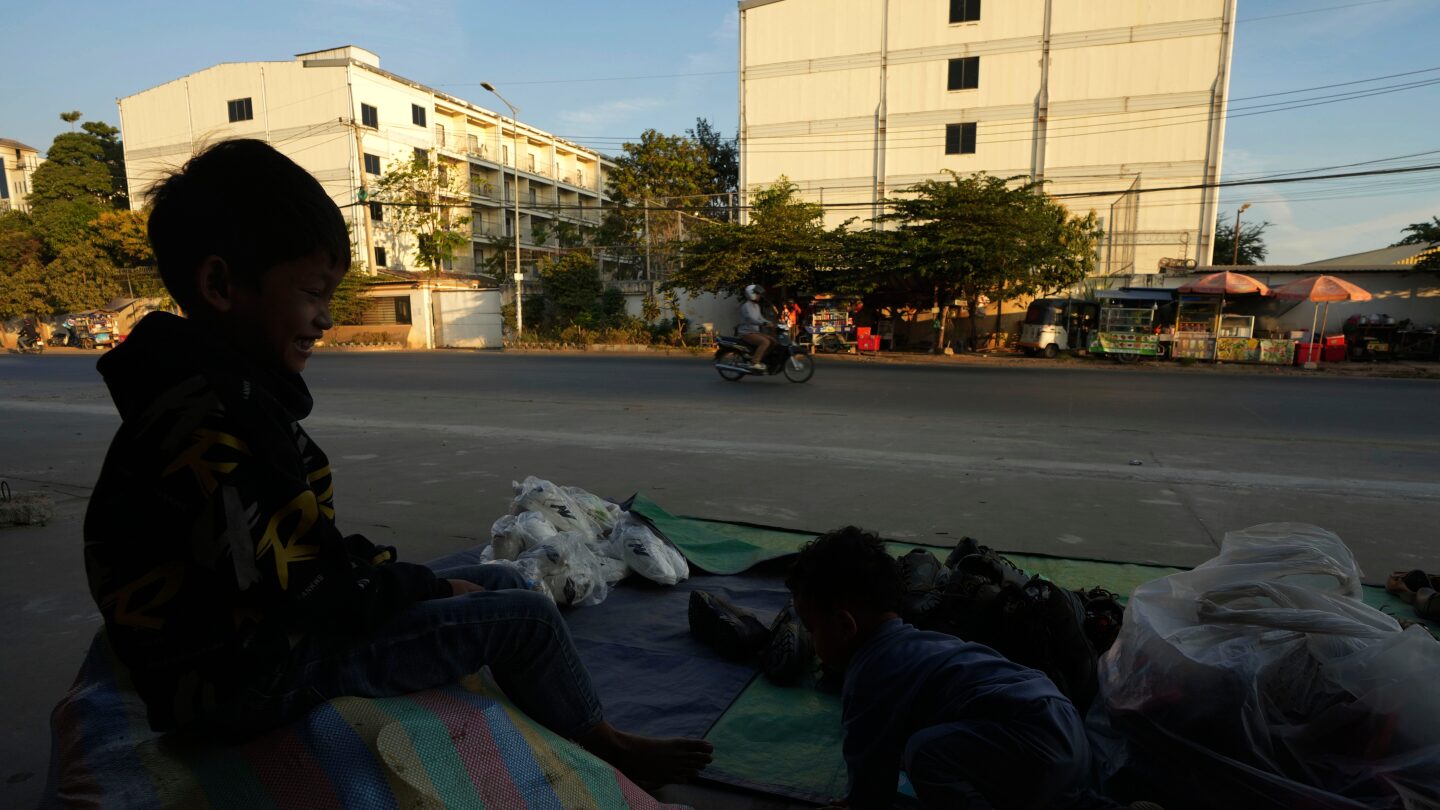
Cambodia urges a fair process as US and UK pursue Prince Group’s Chen Zhi in a global scam case
The Cambodian government has expressed its expectation that the United States and the United Kingdom provide substantial evidence in their pursuit of Prince Holding Group and its Chairman, Chen Zhi. This follows coordinated sanctions imposed by both nations, accusing the conglomerate of orchestrating extensive online scams and exploiting forced labor. Touch Sokhak, spokesperson for Cambodia’s Interior Ministry, emphasized that Prince Holding Group has complied with all legal requirements and has been treated equally alongside other major investors in the country. He also clarified that Chen’s Cambodian citizenship was granted lawfully. While Cambodia has pledged cooperation if presented with formal evidence, Sokhak reiterated that the government does not currently accuse the group or its chairman of any wrongdoing. The U.S. Treasury Department and the U.K. Foreign Office announced joint sanctions on Tuesday, alleging that Chen’s network operates as a transnational criminal enterprise, defrauding global victims and exploiting trafficked workers across Southeast Asia. U.S. authorities have seized over $14 billion in bitcoin and charged Chen with wire fraud and money laundering conspiracies. British authorities have frozen Chen’s assets, including luxury properties in London. Experts warn that dismantling such networks requires targeting their online infrastructure to prevent rebranding and continued operations. Chen remains at large and faces up to 40 years in prison if convicted in the U.S. Prince Holding Group has denied involvement in scam operations and has not publicly addressed the latest allegations. Independent research highlights Cambodia’s role as a hub for online scams and money laundering, with over 200 documented scam centers in the country. Cambodia has pledged full cooperation with international partners, provided there is sufficient evidence.
-

Gold prices in Dubai: Third record high in three days this week at Dh503 per gram
Gold prices in Dubai have soared to unprecedented levels for the third consecutive day this week, with 24K gold reaching a new all-time high of Dh503.5 per gram on Wednesday. This surpasses the previous record of Dh502.75 set on Tuesday, according to data from the Dubai Jewellery Group. Other variants, including 22K, 21K, and 18K, also achieved record highs, trading at Dh466.25, Dh447.0, and Dh383.25 per gram, respectively. Globally, spot gold was priced at $4,188 per ounce at 9:10 am UAE time. Market analysts attribute this surge to a combination of safe-haven demand, escalating US-China trade tensions, and expectations of Federal Reserve rate cuts. Frank Walbaum, a market analyst at Naga, noted that gold briefly surpassed $4,190 per ounce on Tuesday before a slight retreat as investors locked in profits. He highlighted that geopolitical risks, including US President Donald Trump’s tariff threats and Beijing’s retaliatory measures, have intensified market uncertainty. Additionally, the ongoing US government shutdown has further weighed on economic activity, bolstering gold’s appeal. Walbaum also mentioned that markets are anticipating 25-basis-point rate cuts in October and December, supported by Fed officials’ concerns over labour market risks. While tensions in Eastern Europe remain a factor, progress in the Middle East could potentially temper gold demand. This sustained rally underscores gold’s enduring role as a hedge against global economic and geopolitical instability.
-
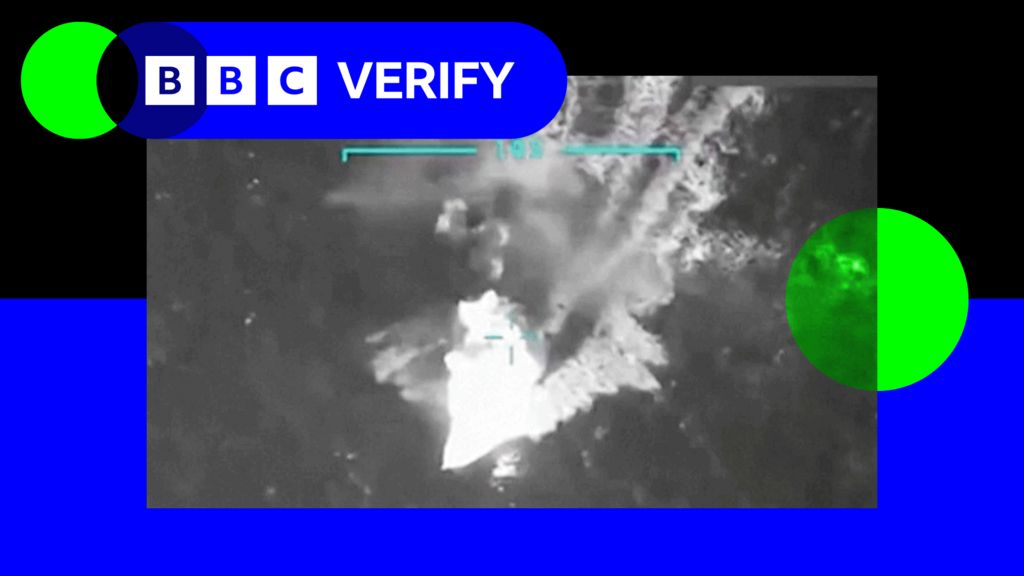
US strikes on ‘Venezuela drug boats’: What do we know, and are they legal?
The United States has conducted a series of military strikes in the Caribbean Sea, targeting vessels allegedly involved in drug trafficking. President Donald Trump announced the first of these strikes in September, claiming that a boat operated by the Tren de Aragua cartel, departing from Venezuela and carrying drugs bound for the US, had been destroyed. Subsequent strikes have been accompanied by grainy footage, though US officials have not provided concrete evidence of drug trafficking or detailed information about the vessels targeted. These actions have sparked regional condemnation and raised significant legal and ethical questions. Colombian President Gustavo Petro disputed one strike, asserting that the targeted boat was Colombian with Colombian citizens onboard, a claim denied by the White House. Legal experts have questioned the legality of the strikes under international maritime law, particularly the United Nations Convention on the Law of the Sea, which the US has not signed but claims to follow. Professor Luke Moffett of Queen’s University Belfast noted that while force can be used to stop a boat, it should generally be non-lethal and must be reasonable and necessary in self-defense. Critics argue that labeling individuals as narco-terrorists does not make them lawful military targets, and the US is not engaged in an armed conflict with Venezuela or the Tren de Aragua cartel. A leaked memo to Congress reportedly stated that the Trump administration considers the US to be in a ‘non-international armed conflict’ with drug cartels. Despite support from some Republicans, including Senator Lindsey Graham, who praised the strikes as a sign of strong leadership, concerns have been raised about compliance with US law, particularly the War Powers Resolution, which requires consultation with Congress before military action. Venezuela’s President Nicolás Maduro has denied involvement in drug trafficking and condemned the strikes, which come amid reports of increased US naval presence in the region. The USS Lake Erie, USS Gravely, USS Jason Dunham, and USS Fort Lauderdale have been identified in the Caribbean, supporting anti-narcotics operations. Trump has also offered a $50 million reward for information leading to Maduro’s arrest, further escalating tensions between the two nations.
-
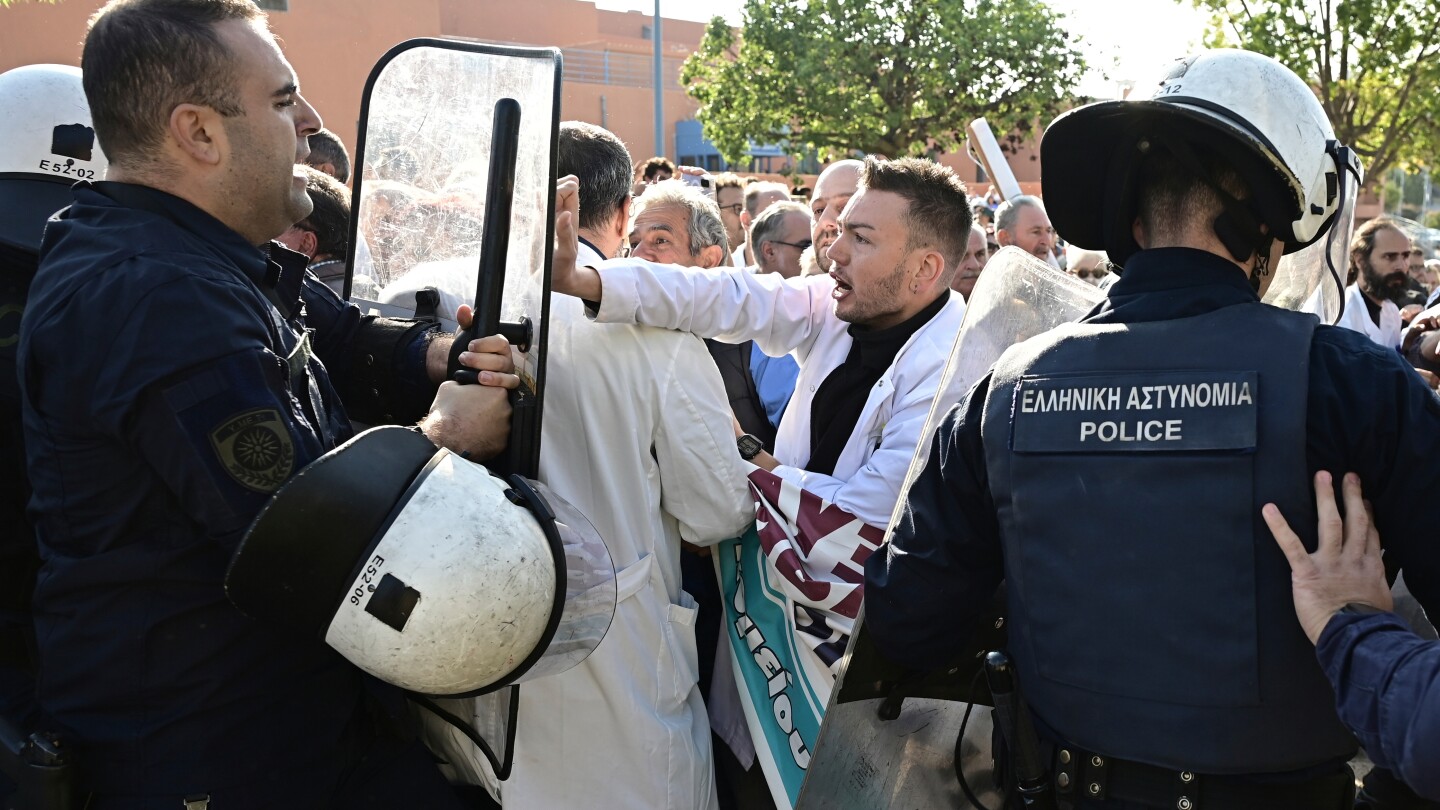
Greek riot police scuffle with protesting doctors during hospital tour by PM Mitsotakis
Tensions flared at Athens’ University General Hospital Attikon on Wednesday as riot police clashed with medical staff during a protest over deteriorating public health services. The demonstration coincided with a visit by Greek Prime Minister Kyriakos Mitsotakis, who was attending the inauguration of a new oncology department and touring the renovated emergency wing. Armed with shields, batons, and pepper spray, police forcefully dispersed doctors demanding to meet with the prime minister, according to local media reports. The protest highlighted critical issues plaguing Greece’s healthcare system, including severe staff shortages, stagnant wages, and unsafe working conditions. Dr. Giorgos Sideris, head of the Association of Hospital Doctors of Athens and Piraeus, condemned the government’s inaction, stating that healthcare workers are owed 10,000 days of leave and have endured frozen salaries. He also revealed that 130 patients recently slept on stretchers in hospital corridors due to overcrowding, emphasizing the urgent need for 125 additional nursing staff to meet basic safety standards. Mitsotakis acknowledged the challenges during his speech, noting that funding for Attikon had risen from 90 million euros to 150 million euros and that staffing levels had improved, albeit insufficiently. The new oncology ward, funded by a charity organization, is expected to treat over 20,000 patients annually, marking a 41% increase from 2019. Despite these developments, the protest underscored the deep-seated frustrations of healthcare workers and the pressing need for systemic reforms.