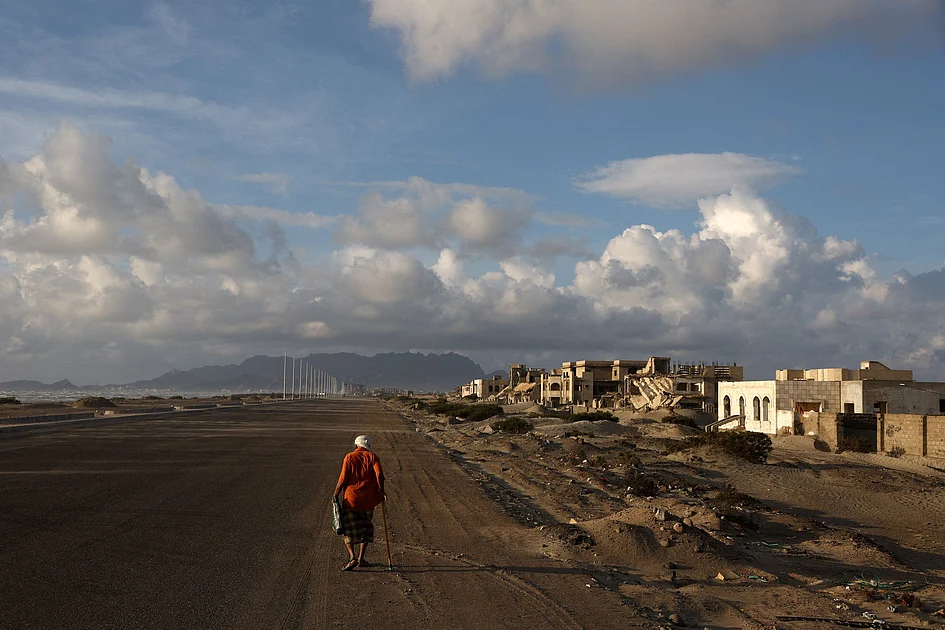
Yemen’s Houthi movement revealed on Thursday that their Chief of Staff, Muhammad Abd Al-Karim al-Ghamari, a prominent military figure within the Iran-backed group, was killed while performing his duties. The Houthis stopped short of directly accusing Israel of his death but emphasized that their conflict with Israel remains unresolved. They vowed that Israel would face “deterrent punishment” for its alleged crimes. The Houthis have previously launched missile attacks toward Israel, claiming solidarity with Palestinians in Gaza, most of which were intercepted. In response, Israel has conducted strikes on Houthi-controlled regions in Yemen. The death of al-Ghamari marks a significant moment in the ongoing tensions between the Houthis and Israel, further complicating the geopolitical landscape in the Middle East.
博客
-
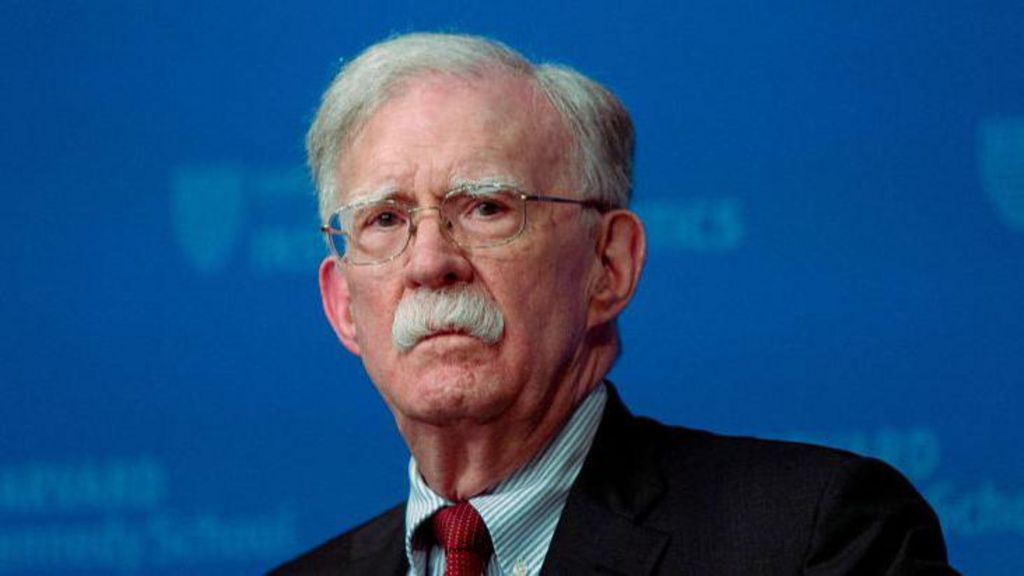
Former Trump adviser John Bolton criminally indicted
John Bolton, the former national security adviser to Donald Trump and a prominent critic of the president, has been indicted on federal charges. The Department of Justice presented evidence to a grand jury in Maryland, which concluded that there was sufficient grounds to proceed with the indictment. This development follows an FBI investigation into Bolton’s handling of classified information, which included searches of his home and office in August. Bolton, 76, is the third of Trump’s political opponents to face criminal charges in recent weeks, joining former FBI Director James Comey and New York Attorney General Letitia James. Bolton has denied any wrongdoing, and his attorney, Abbe Lowell, has maintained that Bolton handled records appropriately. Bolton was dismissed from Trump’s administration in 2019 and later published a memoir, *The Room Where It Happened*, which criticized Trump’s leadership and decision-making. The White House attempted to block the book’s publication, citing concerns over classified information, but a judge allowed its release. The Justice Department subsequently launched an investigation into Bolton’s alleged mishandling of sensitive material. When questioned about the indictment, Trump distanced himself from the case but labeled Bolton as ‘a bad guy’ and previously called him ‘grossly incompetent’ and ‘a liar.’ The indictment adds to the growing list of Trump critics facing legal challenges, raising concerns about the politicization of justice in the U.S.
-
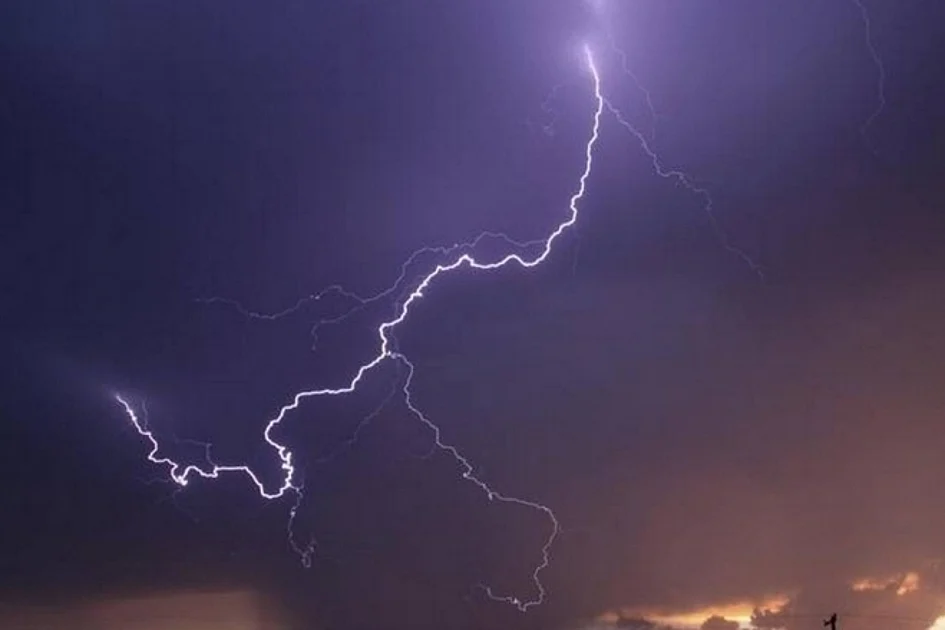
Lightning strikes can exempt airlines from compensation, EU court says
The European Union’s highest court has declared that lightning strikes on aircraft may be classified as ‘extraordinary circumstances,’ potentially exempting airlines from compensating passengers for significant delays or cancellations. This landmark ruling emerged from a case brought by a passenger who experienced a seven-hour delay on a flight from Romania to Austria after the aircraft was struck by lightning and required replacement. The Court of Justice of the European Union (CJEU) emphasized that such incidents necessitate mandatory safety inspections, which can justify the airline’s exemption from compensation obligations. However, the court also stipulated that it is the responsibility of national courts to determine whether the airline implemented all reasonable measures to mitigate the impact of such extraordinary events. This decision aligns with a 2017 ruling where the CJEU categorized bird strikes as extraordinary circumstances, further solidifying the legal framework for airline liability in unforeseen situations.
-
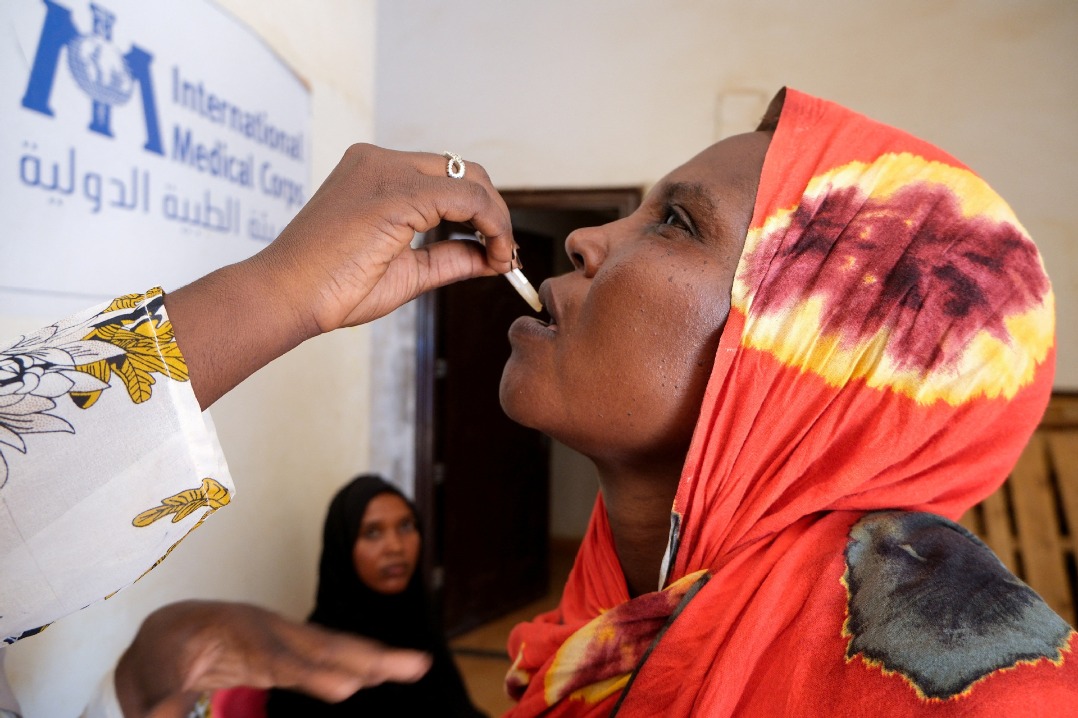
Sudan’s cholera outbreak worsens amid conflict and heavy rains
Sudan is facing an escalating cholera crisis, exacerbated by ongoing conflict, mass displacement, and relentless heavy rains. The World Health Organization (WHO) has raised alarms over a ‘concerning case fatality rate’ of 2.8 percent, nearly triple the emergency threshold of 1 percent, signaling an urgent need for a robust response. As of October 13, Sudan’s Ministry of Health reported over 120,000 cholera cases and more than 3,300 deaths nationwide. In Darfur alone, 17,246 cases and 570 deaths have been recorded across all five states since the outbreak began in Nitega, South Darfur, in May. The international humanitarian organization CARE highlighted that the conflict has displaced millions, forcing families into overcrowded camps with limited access to clean water and collapsed sanitation systems. Cholera is spreading rapidly through communities already on the brink of survival, with women, children, and the elderly bearing the brunt of the crisis. The situation is further compounded by the destruction of over 75 percent of health facilities, making healthcare increasingly inaccessible. CARE Sudan warned that the humanitarian response is severely underfunded and overstretched, with shortages of medical supplies, chlorine, hygiene kits, and insufficient water trucking capacity hampering efforts to reach affected communities. The lack of sustained funding threatens to undermine ongoing interventions, potentially worsening the crisis as the rainy season persists.
-
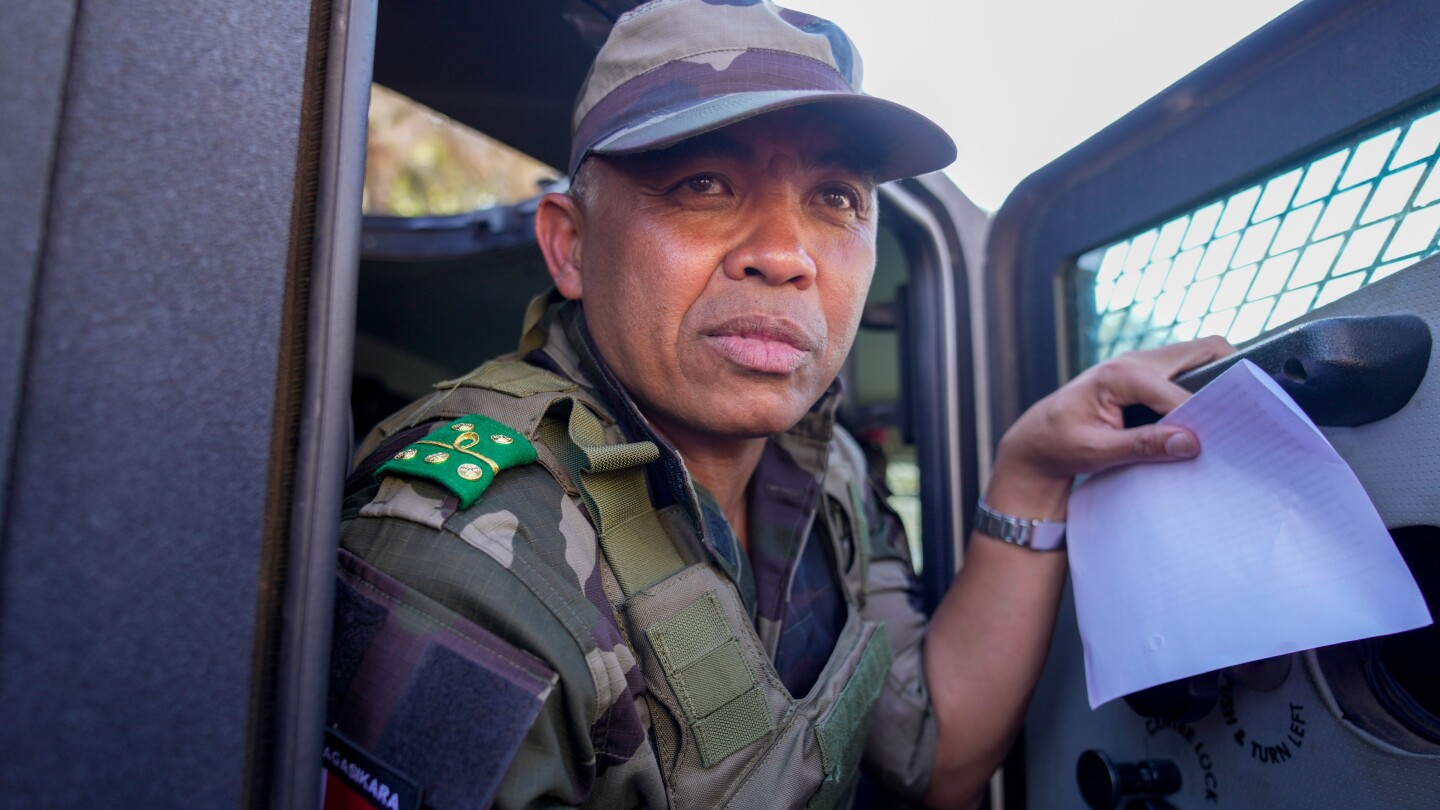
UN condemns military takeover in Madagascar as coup leader to be quickly sworn in as president
The United Nations has strongly denounced the recent military coup in Madagascar, as Colonel Michael Randrianirina is poised to be sworn in as the nation’s president just days after leading the armed forces’ takeover. UN Secretary-General António Guterres, through his spokesperson Stéphane Dujarric, condemned the unconstitutional shift in power, urging a swift return to constitutional order and the rule of law. Randrianirina, who signed a statement as the president of the “refounded” republic, is scheduled to take office at a ceremony at the High Constitutional Court on Friday. Ousted President Andry Rajoelina fled the country following the rebellion, citing threats to his life, and his current location remains undisclosed. The African Union has suspended Madagascar’s membership, expressing total rejection of the coup. The military takeover followed three weeks of intense anti-government protests, primarily led by young citizens frustrated with systemic corruption, poverty, and lack of opportunities. The movement, dubbed “Gen Z Madagascar,” mirrors youth-led uprisings in Nepal, Sri Lanka, and Bangladesh. Randrianirina, alongside his elite CAPSAT unit, joined the protests last weekend, leading to widespread military defections against Rajoelina. The colonel announced that a military council would govern the country for up to two years before new elections are held. Madagascar, a nation of 30 million, has faced persistent challenges, including poverty, drought, and political instability since gaining independence from France in 1960. This marks the latest in a series of coups, including the 2009 military takeover that initially brought Rajoelina to power.
-
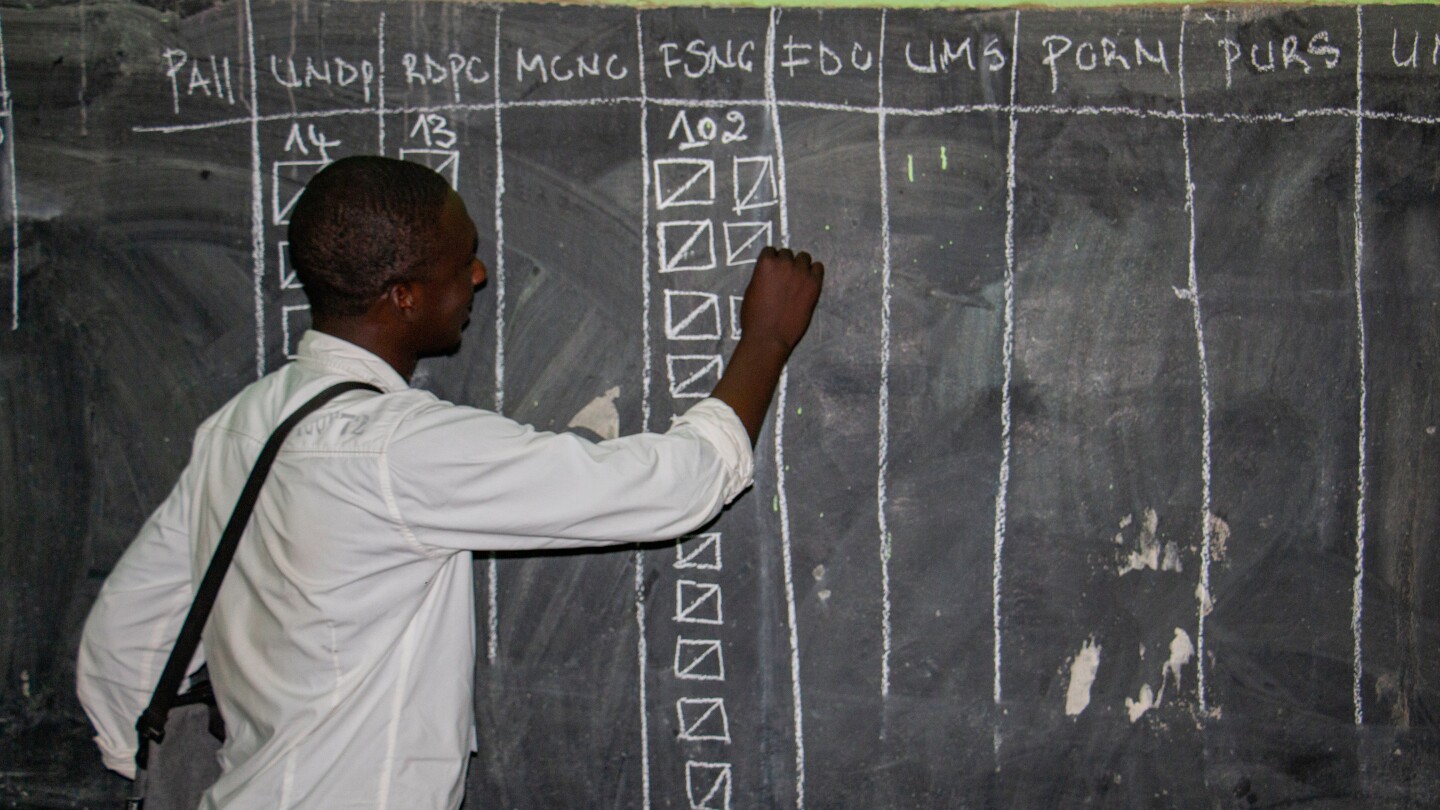
Cameroon ruling party office torched after election fraud claims, rising tensions
YAOUNDE, Cameroon — The Cameroon People’s Democratic Movement (CPDM), the nation’s governing party, reported on Thursday that one of its offices in the western city of Dschang was set on fire. This incident marks the latest escalation in the ongoing political turmoil following the October 12 presidential election, which has been marred by allegations of electoral fraud. Jean Nkuete, the party’s secretary general, confirmed the arson attack in a statement, vowing to pursue legal action against those responsible. Videos of the burning building circulated widely on social media and local news outlets, amplifying the unrest. The fire comes amid heightened tensions after opposition candidate Issa Tchiroma Bakary prematurely declared victory last week, urging 92-year-old President Paul Biya, the world’s oldest sitting president, to concede. Biya’s party has dismissed Tchiroma’s claims, accusing him of attempting to disrupt the electoral process. The constitutional court is expected to announce the final election results by October 26. Meanwhile, Tchiroma has alleged vote tampering, echoing reports from civil society groups of irregularities, including attempted ballot stuffing. Protests erupted in several cities on Wednesday night, with demonstrators in Douala, the economic capital, setting barricades ablaze. Security forces responded with tear gas and water cannons, though no casualties have been reported. The Prefect of Wouri, Sylyac Marie Mvogo, condemned the unrest, emphasizing that election matters should be handled by competent authorities. Analysts predict a victory for Biya, citing a divided opposition and the disqualification of his strongest rival in August. Tchiroma, a former government spokesperson, has garnered significant support from opposition parties and civic groups. Biya, who has ruled Cameroon since 1982, faces ongoing challenges, including a secessionist movement in the west and widespread corruption, despite the country’s rich natural resources.
-
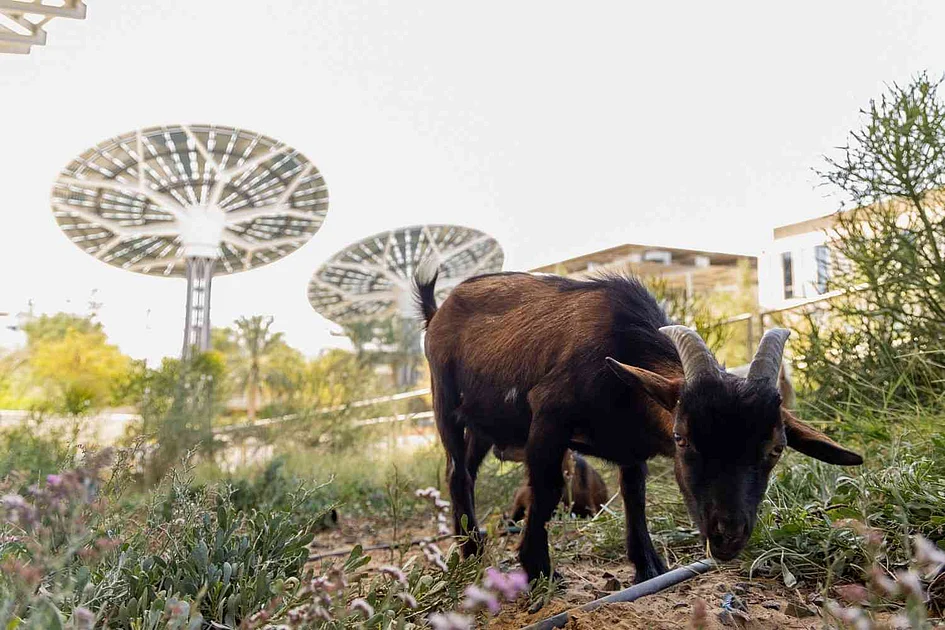
New festival at Expo City Dubai allows children to play with goats on rooftop
Expo City Dubai has introduced a delightful new attraction this October and November at Terra, its sustainability-themed building. The rooftop garden now hosts five pygmy goats, offering children and families a unique opportunity to interact with these playful animals. The Goat Festival, designed to be both educational and entertaining, will take place on October 25-26 and November 1-2. Visitors can enjoy guided walking tours every 30 minutes, where they can meet the goats up close and learn about their role in maintaining healthy gardens. Additionally, the festival features a Rescue Animal Encounter, allowing families to meet and learn about rehabilitated animals. Children can also participate in creative activities such as making bookmarks, goat masks, and footprint art, as well as planting their own mini gardens. A dedicated game zone, ‘Be The GOAT,’ will be available for kids to enjoy independently. The festival runs from 10am to 6pm on the scheduled days, offering an indoor-outdoor experience. Tickets are priced at Dh50 for individuals aged three and above, with free entry for younger children. Tickets can be purchased on the official website.
-
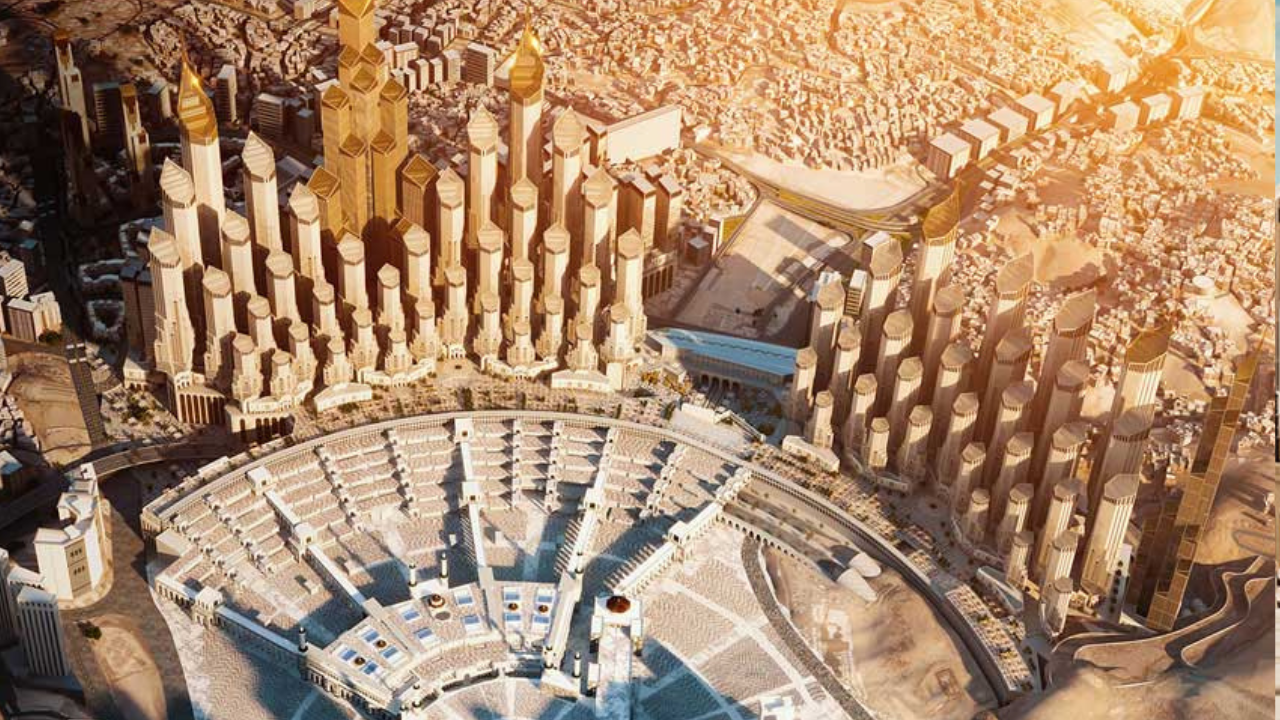
‘Luxurising the sacred’: New Mecca mega project sparks debate
Saudi Arabia’s Crown Prince Mohammed bin Salman unveiled the ambitious King Salman Gate project on Wednesday, a massive development initiative adjacent to Mecca’s Grand Mosque. Designed to accommodate up to 900,000 worshippers during peak pilgrimage periods, the project aims to enhance the experience for Hajj and Umrah pilgrims while preserving the city’s historical and cultural heritage. The development includes the restoration of approximately 19,000 square meters of cultural and heritage areas, alongside the construction of mixed-use facilities, iconic architecture, and residences with views of the Kaaba, Islam’s holiest site. The project is also expected to create over 300,000 jobs by 2036, aligning with the goals of Saudi Vision 2030. However, the announcement has sparked a heated debate on social media. While some praised the initiative for addressing the growing needs of pilgrims, others criticized it for commercializing the sacred city, arguing that the glitzy architectural display detracts from the spiritual essence of Mecca. Critics also expressed concerns about the project’s accessibility to lower-income pilgrims, with some likening the development to a ‘Las Vegas’ or ‘Disneyland’ transformation. Supporters, on the other hand, emphasized the necessity of modernization and infrastructure improvements to maintain the city’s global significance. The project remains a polarizing topic, reflecting broader tensions between tradition and modernity in one of the world’s most revered religious sites.
-
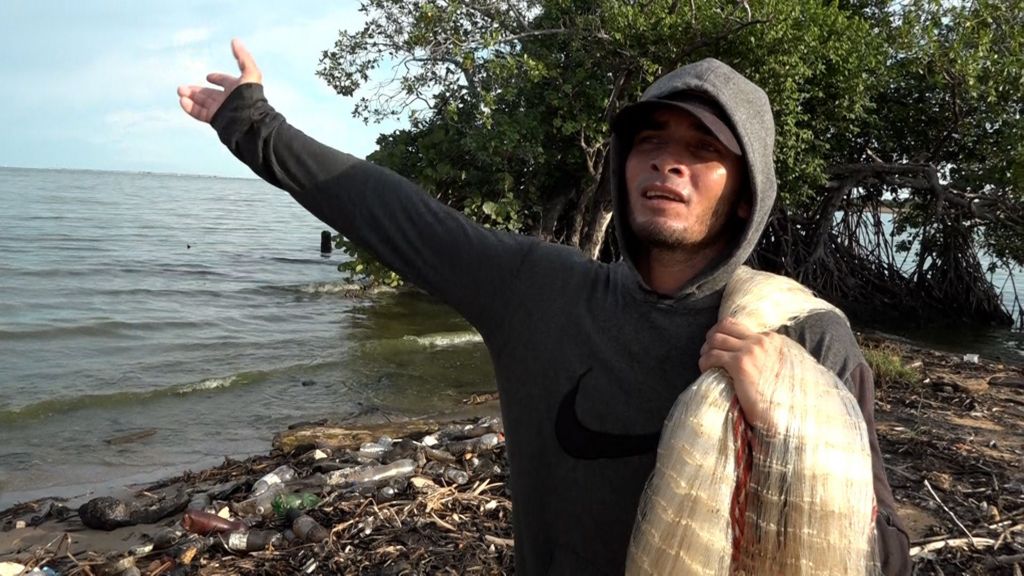
Venezuelan fishermen in fear after US strikes on boats in the Caribbean
In the shadow of escalating US-Venezuela tensions, Venezuelan fishermen like Wilder Fernández face an unprecedented threat. For 13 years, Fernández has fished the waters north of Lake Maracaibo, but now he fears his livelihood could turn deadly. The US military presence in the Caribbean, part of an operation targeting alleged ‘narco-terrorists’ linked to the Venezuelan government, has cast a pall over the region. Since September 2, US strikes on ‘narco-boats’ have killed at least 27 people, though no evidence of drug smuggling has been presented. Experts argue these actions may violate international law. President Donald Trump has further heightened tensions by considering strikes on Venezuelan soil and authorizing CIA covert operations. For fishermen like Fernández, the risk of being caught in the crossfire is a daily concern. His wife urges him to quit, but with few alternatives, he feels trapped. The fear extends across Venezuela’s fishing communities. Jennifer Nava, spokeswoman for the Council of Fishermen in El Bajo, warns that the industry’s decline could push fishermen into the arms of drug traffickers. Usbaldo Albornoz, a veteran fisherman, reports that his crew refuses to work, fearing US strikes. Despite the fear, some fishermen, like José Luzardo, remain defiant. In late September, hundreds protested the US military deployment, pledging to defend their homeland. The Venezuelan government has mobilized militias, with over 16,000 fishermen joining the call. As tensions mount, the fishing industry—already struggling with piracy, oil spills, and declining earnings—faces an uncertain future. The US claims its actions are self-defense, but for Venezuela’s fishermen, the stakes are life and death.
-
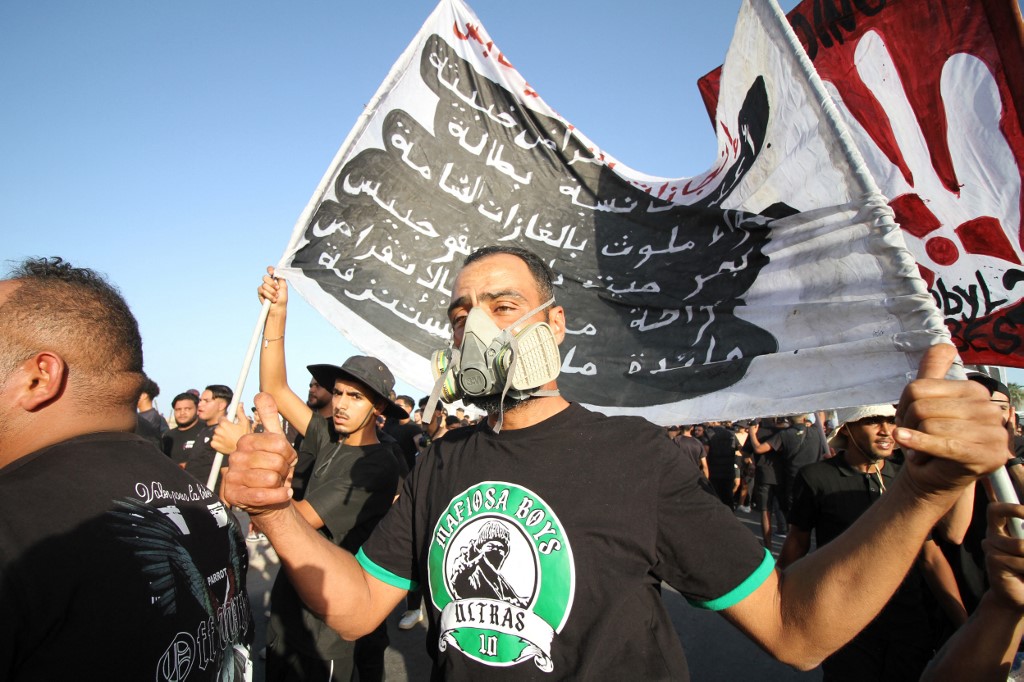
Tunisia: Thousands protest in Gabes against chemical plant pollution
Thousands of residents in Gabes, a southern Tunisian city, took to the streets on Wednesday in a massive demonstration demanding the shutdown of a local chemical complex. The protest follows a series of alarming health incidents, including numerous cases of intoxication and fainting spells, particularly among schoolchildren living near the Tunisian Chemical Group (GCT), a major producer of phosphate-based fertilizers. Social media footage captured harrowing scenes of unconscious individuals being carried by firefighters and treated with oxygen masks. A local official reported that 122 people required medical attention, with symptoms ranging from suffocation to leg pain and numbness. This marks the third such incident since early September, reigniting long-standing grievances over environmental pollution caused by the plant. Residents have long accused GCT of contaminating beaches, groundwater, and air, leading to respiratory illnesses and a spike in cancer rates in an already impoverished community. The protest, organized by the Stop Pollution collective, saw chants of ‘Gabes wants to breathe!’ and ‘We have the right to live in a clean city!’ Tunisians nationwide expressed solidarity online using the hashtag ‘We are all Gabes.’ However, the demonstration was met with heavy-handed police intervention, including the use of teargas, which caused additional injuries. The crackdown has drawn widespread condemnation, with activists decrying the disproportionate response to a peaceful movement. Environmental protests in Tunisia have increasingly faced repression, particularly since President Kais Saied’s 2021 power consolidation. While Saied has criticized the plant’s poor maintenance and pledged to promote a ‘green Tunisia,’ the government remains conflicted due to phosphate’s economic significance. Despite a 2017 commitment to phase out the Gabes plant, recent policy shifts have reclassified phosphogypsum, a hazardous byproduct, as exploitable under certain conditions. Saied has also ordered a significant increase in fertilizer production to capitalize on global market trends, further complicating the path to environmental justice.