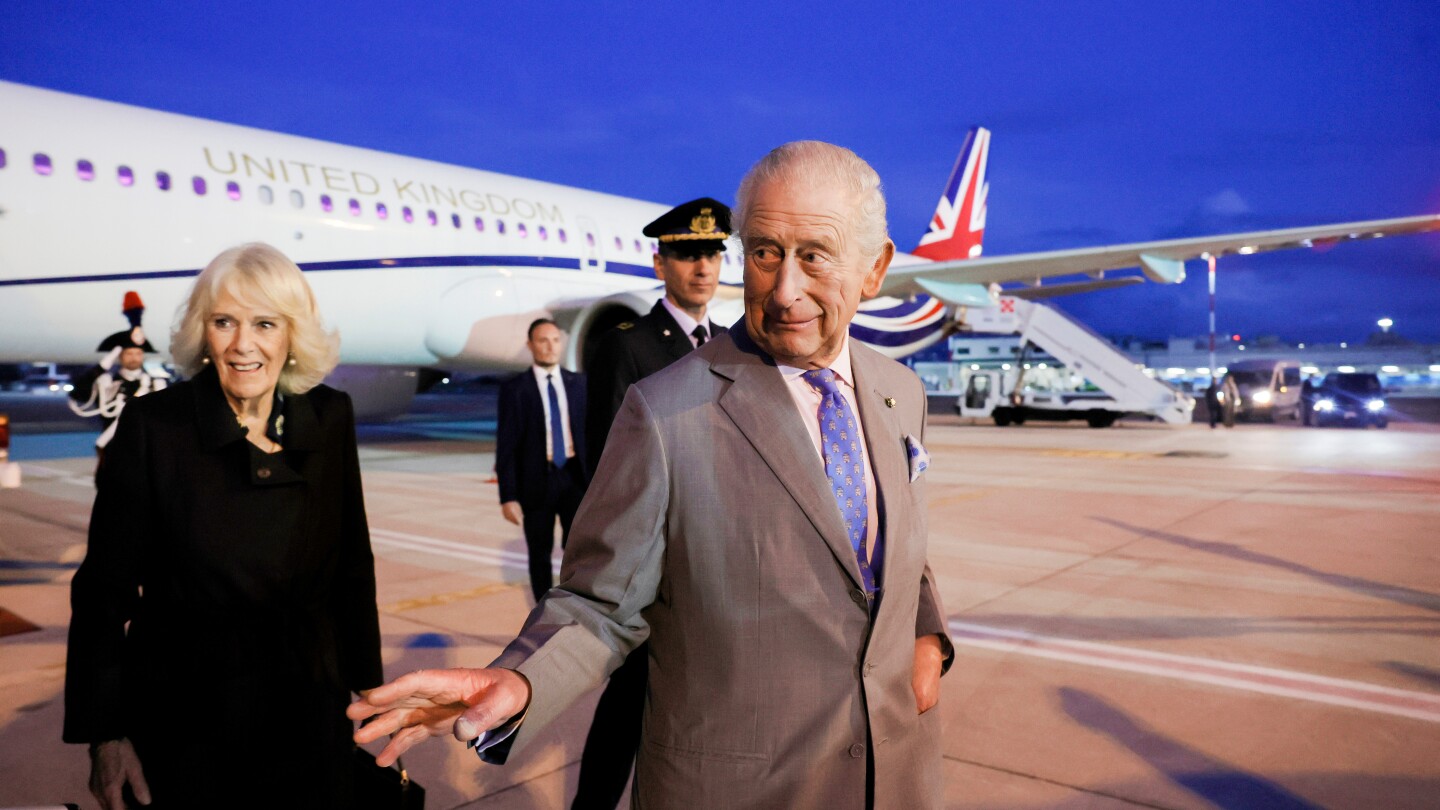
In a landmark event aimed at strengthening ties between the Church of England and the Catholic Church, Britain’s King Charles III and Queen Camilla arrived at the Vatican on Thursday. The visit, which comes amid ongoing turmoil within the British royal family over the Epstein sex scandal, marked a significant moment in the centuries-long relationship between the two Christian denominations. The royal couple was greeted in a nearly empty St. Peter’s Square, secured by heightened security measures, before meeting with Pope Leo XIV for their first audience since his election in May. The highlight of the visit was a midday prayer service in the Sistine Chapel, the first joint prayer by the heads of the two churches since the Reformation. This historic gesture underscores ongoing efforts toward unity, despite lingering divisions over issues such as the ordination of female priests and LGBTQ+ inclusion. During the visit, Charles was formally bestowed the title of ‘Royal Confrater’ at St. Paul’s Outside the Walls, a basilica with strong ties to the Church of England. In a reciprocal gesture, Pope Leo XIV received the title of ‘Papal Confrater of St George’s Chapel, Windsor Castle.’ The visit, initially planned for earlier this year, was rescheduled following the illness and subsequent passing of Pope Francis. Charles had expressed a strong desire to visit the Vatican during the 2025 Holy Year, a significant Christian celebration held every 25 years. The Anglican-Catholic split dates back to 1534, when King Henry VIII broke away from the Catholic Church after being denied a marriage annulment. While recent popes have worked to foster warmer relations with the Anglican Communion, fundamental differences remain. The royal visit coincides with renewed scrutiny of Prince Andrew’s ties to convicted sex offender Jeffrey Epstein, following the publication of a memoir by Epstein accuser Virginia Giuffre. Prince Andrew, who has denied the allegations, faces growing pressure to relinquish his titles and privileges. The Vatican visit offers a spiritual respite for the royals, highlighting the enduring significance of faith and diplomacy in bridging historical divides.
博客
-
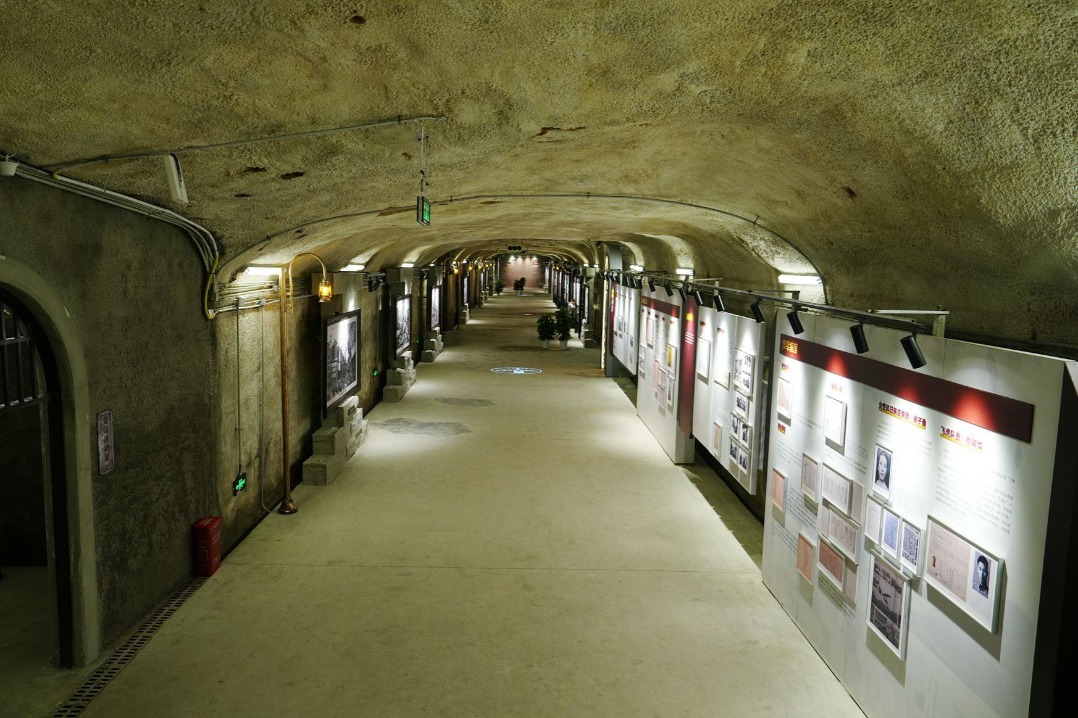
University reopens wartime shelter
Chongqing University has unveiled a significant piece of its history by reopening a wartime air-raid shelter, now transformed into a patriotism education base. Hidden behind a small, rusty iron gate on the university’s main campus, this vast underground space once provided refuge to thousands of students and scholars during the Chinese People’s War of Resistance Against Japanese Aggression and the World Anti-Fascist War. Built in 1937 and spanning over 14,000 square meters, it stands as one of the earliest and largest shelters constructed by Chinese universities. The shelter’s reopening features exhibitions detailing the university’s wartime history and its role in safeguarding lives and academic pursuits during the conflict. Wang Shuxin, Party chief of Chongqing University, emphasized the shelter’s significance as a testament to the patriotic spirit and resilience of the people during the war. Between 1939 and 1941, the university endured six bombings as Japanese forces relentlessly targeted Chongqing, China’s wartime capital. Despite the destruction, students and teachers persisted in their studies and research within the shelter. The university’s records also highlight the wartime contributions of its students, with 126 joining the army between 1943 and 1944. Among them were notable figures like Hou Ziqin, a hero of the Chinese Air Force, and He Qichen, a member of the Flying Tigers. The reopening aims to inspire today’s students to honor this legacy by studying diligently and contributing to national development. Freshman Yan Siyu expressed pride and motivation after learning about the shelter’s history, vowing to carry forward the spirit of perseverance and dedication.
-
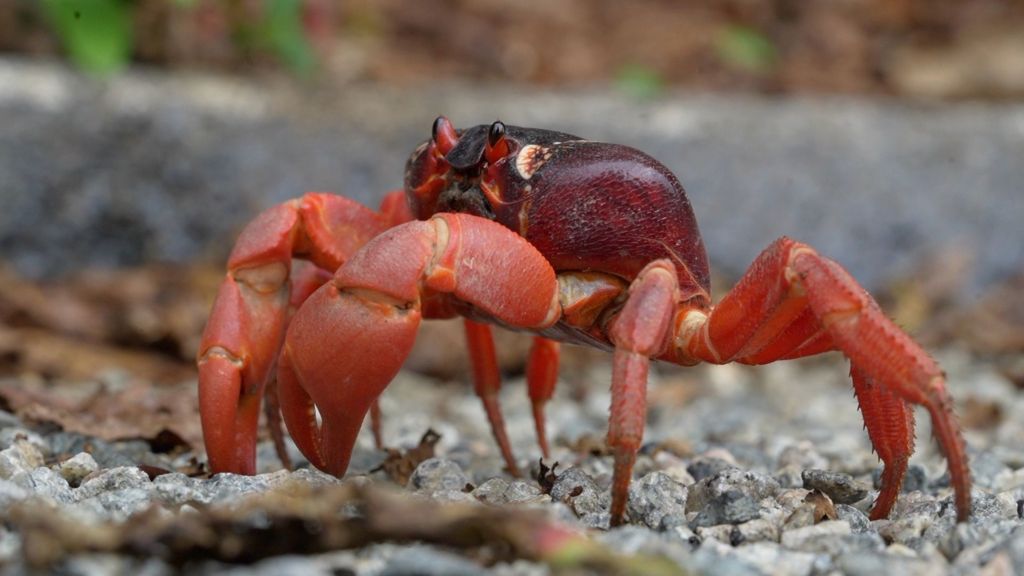
Watch: Millions of red crabs begin annual migration on Christmas Island
Every summer, the remote Christmas Island, located off the coast of mainland Australia, becomes the stage for one of nature’s most extraordinary phenomena: the annual migration of millions of red crabs. This year, an estimated 50 million crabs have begun their journey from the island’s lush forests to the shoreline, where they will lay their eggs. The migration, a critical part of the crabs’ life cycle, transforms the island into a vibrant sea of red as the crustaceans scuttle across roads, trails, and even human-made structures. Local authorities have implemented measures to protect the crabs, including road closures and specially constructed crab bridges, ensuring their safe passage. This natural spectacle not only highlights the island’s unique biodiversity but also draws tourists and researchers from around the globe, eager to witness this awe-inspiring event. The migration typically lasts several weeks, culminating in the release of crab larvae into the ocean, where they will begin their own journey of survival and growth.
-
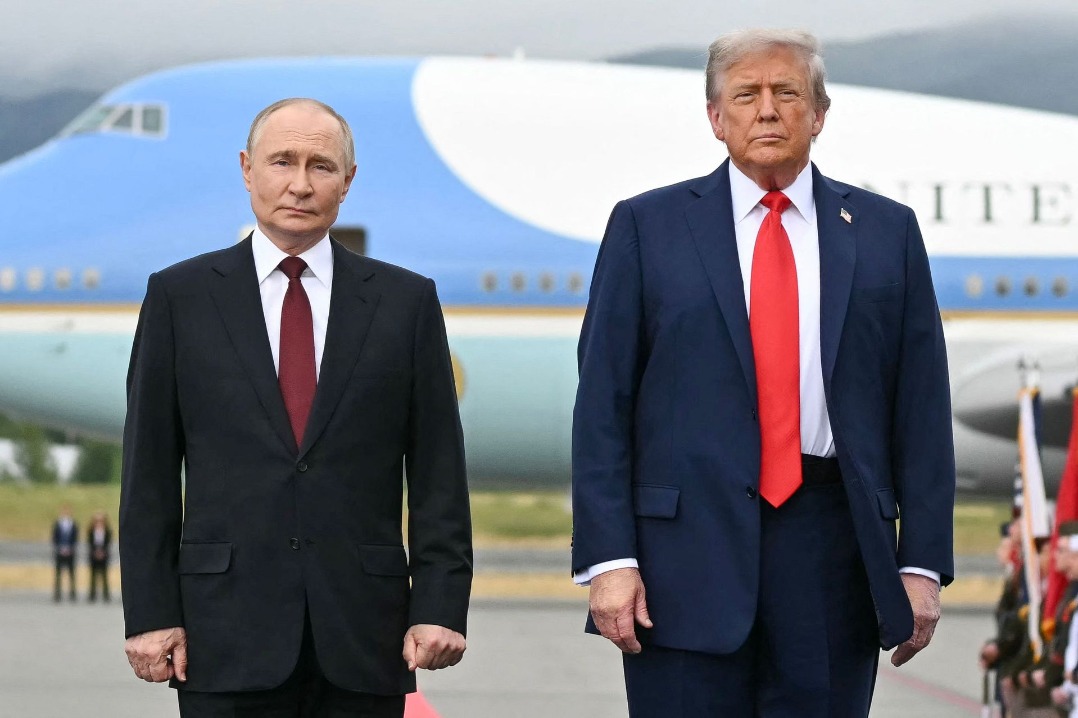
Trump says he canceled meeting with Putin
US President Donald Trump announced on Wednesday that he has decided to cancel his planned meeting with Russian President Vladimir Putin. Speaking to reporters at the White House, Trump explained that the decision was driven by his belief that the meeting would not yield the desired outcomes. ‘We canceled the meeting with President Putin,’ Trump stated. ‘It just didn’t feel right to me.’ He further elaborated, ‘It didn’t feel like we were going to get to the place we have to get. So I canceled it, but we’ll do it in the future.’ The cancellation comes just a week after Trump revealed plans to meet Putin in Budapest, Hungary, following a phone conversation between the two leaders. However, by Tuesday, Trump had already expressed doubts about the meeting’s effectiveness, calling it ‘a waste of time.’ The abrupt change in plans underscores the ongoing complexities in US-Russia relations and raises questions about the future of diplomatic engagements between the two nations.
-
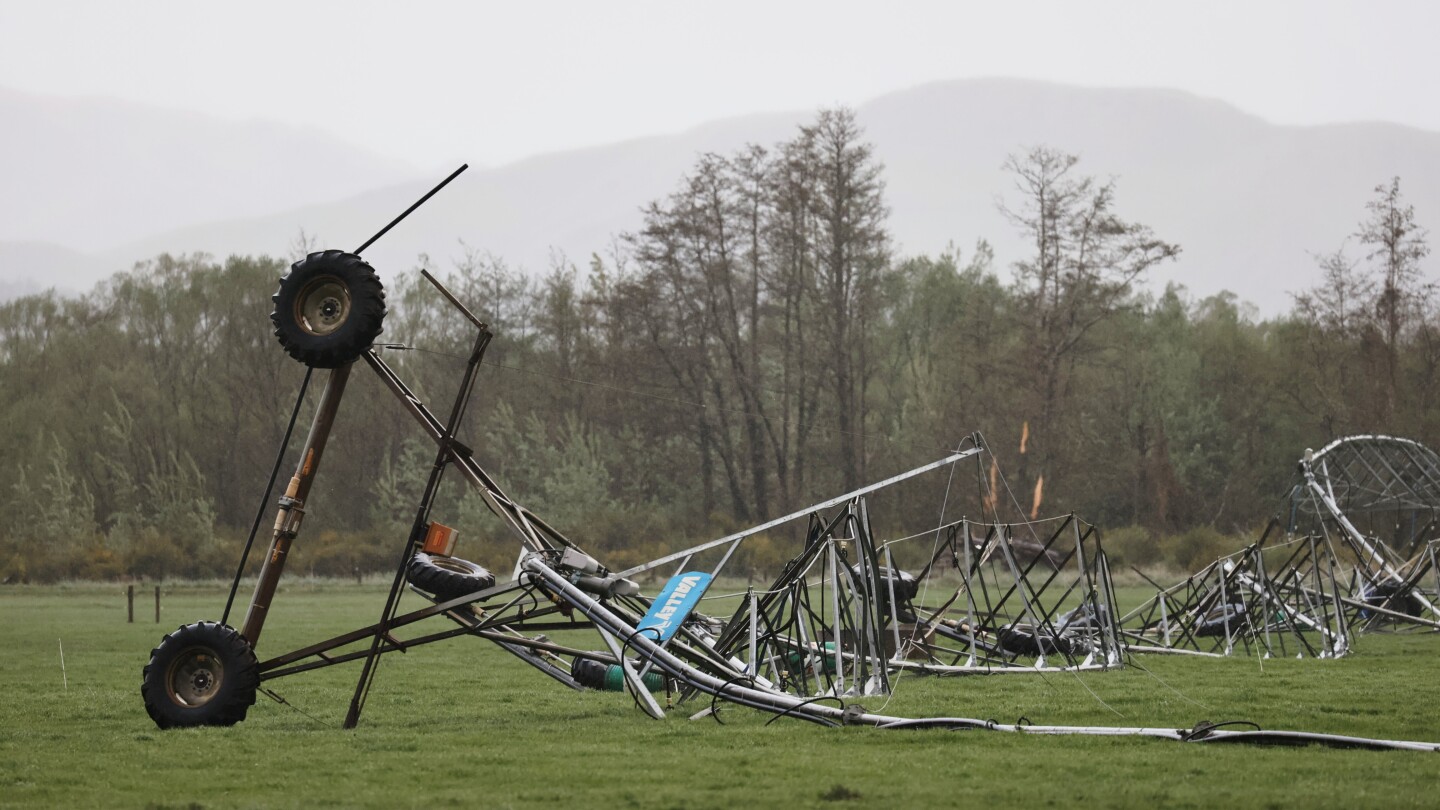
Flights canceled and a ‘mega strike’ disrupted as dangerous winds hit New Zealand
New Zealand experienced a tumultuous day on Thursday as ferocious winds wreaked havoc across the nation for the second time in a week. The powerful gales, reaching speeds of up to 230 km/h in some areas, led to widespread disruptions, including the cancellation of over 200 flights, electricity blackouts, and the closure of schools and highways. The lower North Island, home to the capital Wellington, and parts of the South Island, including Christchurch, bore the brunt of the storm. The national weather service, MetService, issued rare ‘red’ wind warnings, the highest alert level, for several regions. Fortunately, no fatalities or serious injuries were reported, unlike Monday’s storm, which claimed the life of a Wellington man struck by a falling tree branch.
The severe weather also disrupted a planned nationwide strike by health and education workers, marking one of the largest industrial actions in decades. Over 100,000 workers, represented by four unions, walked off the job for four hours after negotiations with the government over pay and working conditions collapsed. While some rallies were canceled due to the weather, thousands of workers still marched in cities like Auckland and Hamilton, and smaller demonstrations took place in towns unaffected by the storm. Hospitals and emergency rooms remained operational, but the government urged the public to seek medical attention only for urgent matters.
The strike highlighted growing tensions between the center-right government and workers’ unions, with ministers accusing the action of being politically motivated. Union leaders countered that they had also organized strikes under the previous center-left administration. The strike involved a diverse group of workers, including teachers, doctors, nurses, and social workers, who demanded better pay, improved staffing levels, and enhanced working conditions. The industrial action occurred against a backdrop of significant government spending cuts and a record exodus of New Zealanders, particularly medical professionals, to Australia, where salaries are higher and living costs are lower.
As the storm’s impact began to ease by Friday, several major highways remained closed, and residents in parts of the South Island were on alert for potential river flooding. Authorities also implemented bans on fireworks and fires due to the heightened risk of wildfires, which had already been exacerbated by the strong winds. New Zealand’s geographical location and mountainous terrain make it prone to extreme weather events, which can occur throughout the year.
-

AI and fintech to drive next digital leap of Africa
As Africa’s mobile revolution evolves, the continent stands on the brink of a new digital era driven by artificial intelligence (AI) and financial technology (fintech). This was the central theme at the Mobile World Congress (MWC) Africa, held in Kigali, Rwanda, where policymakers and industry leaders emphasized the need to bridge digital and energy gaps to unlock inclusive growth. Rwandan President Paul Kagame, speaking at the opening ceremony, highlighted Africa’s rapid digital transformation, noting how mobile technology has become integral to daily life, revolutionizing commerce, education, and finance. He praised mobile money as a global model for financial inclusion, empowering small businesses and women entrepreneurs. However, Kagame cautioned that Africa must urgently address its digital divide, as only a small fraction of its population is connected compared to the global average. He stressed the importance of integrating AI into public services and harmonizing policies to foster innovation. Rwanda’s Minister of ICT and Innovation, Paula Ingabire, echoed this sentiment, calling for collaboration across governments, industries, and innovators to position Africa as a leader in digital transformation. Doreen Bogdan-Martin, Secretary-General of the International Telecommunication Union, projected that AI could generate $2.9 trillion for the African economy, emphasizing the need for cross-sector cooperation. Vivek Badrinath, Director General of the Global System for Mobile Communications Association, highlighted Africa’s mobile industry as one of the largest infrastructures globally, covering 91% of the population. He called for partnerships to develop inclusive AI models for African languages and stressed the importance of regulatory reforms to attract investment. Closing the usage gap, he noted, could add $625 billion to Africa’s GDP by 2030, underscoring that connectivity is about empowering people and driving sustainable growth.
-

Ten dead in blast at Russian munitions plant in Urals – reports
A catastrophic explosion rocked the Plastmass military plant in Kopeisk, near Chelyabinsk in Russia’s Urals region, resulting in at least 10 fatalities and 18 injuries, according to reports. The facility, which manufactures ammunition and weapons for the military, was engulfed in flames following the blast, with witnesses recounting scenes of explosions and a massive fireball. CCTV footage captured the harrowing moment of the incident, which has sent shockwaves through the local community. Regional Governor Alexei Teksler confirmed the death toll but did not identify the specific factory involved. He emphasized that there is no evidence suggesting the explosion was caused by a drone attack. Authorities have yet to determine the cause of the blast, but a criminal investigation has been launched. A day of mourning has been declared in the region, and Teksler confirmed that the fire at the Kopeisk plant has been extinguished. The incident underscores the ongoing risks associated with military production facilities and raises questions about safety protocols in such high-risk environments.
-
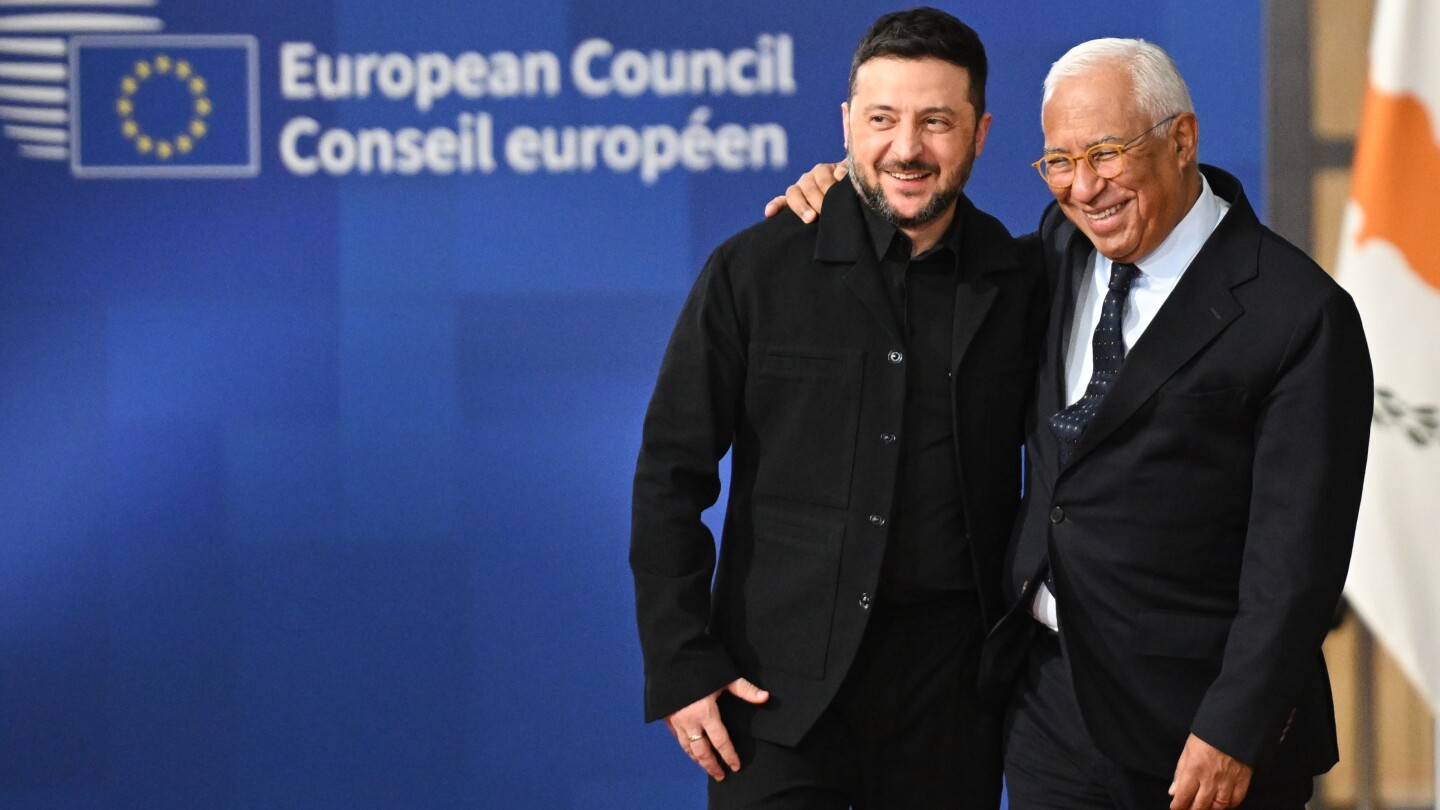
EU joins US in heaping more sanctions on Russia to push Putin into Ukraine peace talks
In a significant escalation of economic pressure, the European Union announced a new wave of sanctions against Russia on Thursday, building upon the punitive measures recently imposed by U.S. President Donald Trump targeting the Russian oil industry. This coordinated effort aims to sever the financial lifelines fueling Moscow’s ongoing invasion of Ukraine and compel President Vladimir Putin to engage in peace negotiations. The sanctions mark a victory for Ukrainian President Volodymyr Zelenskyy, who has persistently advocated for stronger international action against Russia. Speaking in Brussels, Zelenskyy expressed cautious optimism, stating, ‘We waited for this. God bless, it will work. And this is very important.’ Despite U.S.-led peace initiatives, the conflict, now in its fourth year, shows no signs of abating, with European leaders increasingly alarmed by Russia’s aggressive posture. The war has devolved into a grueling stalemate, with Ukrainian forces holding their ground against Russia’s larger military along a 1,000-kilometer front line. Meanwhile, Russian strikes on Ukraine’s power grid and Ukrainian counterattacks on Russian oil refineries have intensified, underscoring the war’s devastating toll. The EU’s latest sanctions target Russian oil and gas, the shadow fleet of aging tankers evading restrictions, and Russia’s financial sector. Additionally, new measures will limit the movement of Russian diplomats within the EU. Zelenskyy urged other nations to join the sanctions, emphasizing their global significance. The decision, which took nearly a month to finalize, reflects the EU’s ongoing struggle to maintain unity in its response to the Kremlin. This marks the 18th package of sanctions imposed by the EU since the war began, though Moscow has demonstrated resilience in circumventing such measures. Concurrently, Trump’s efforts to broker peace remain stalled, with Putin refusing to compromise and even ordering strategic nuclear drills as a stark reminder of Russia’s military might.
-
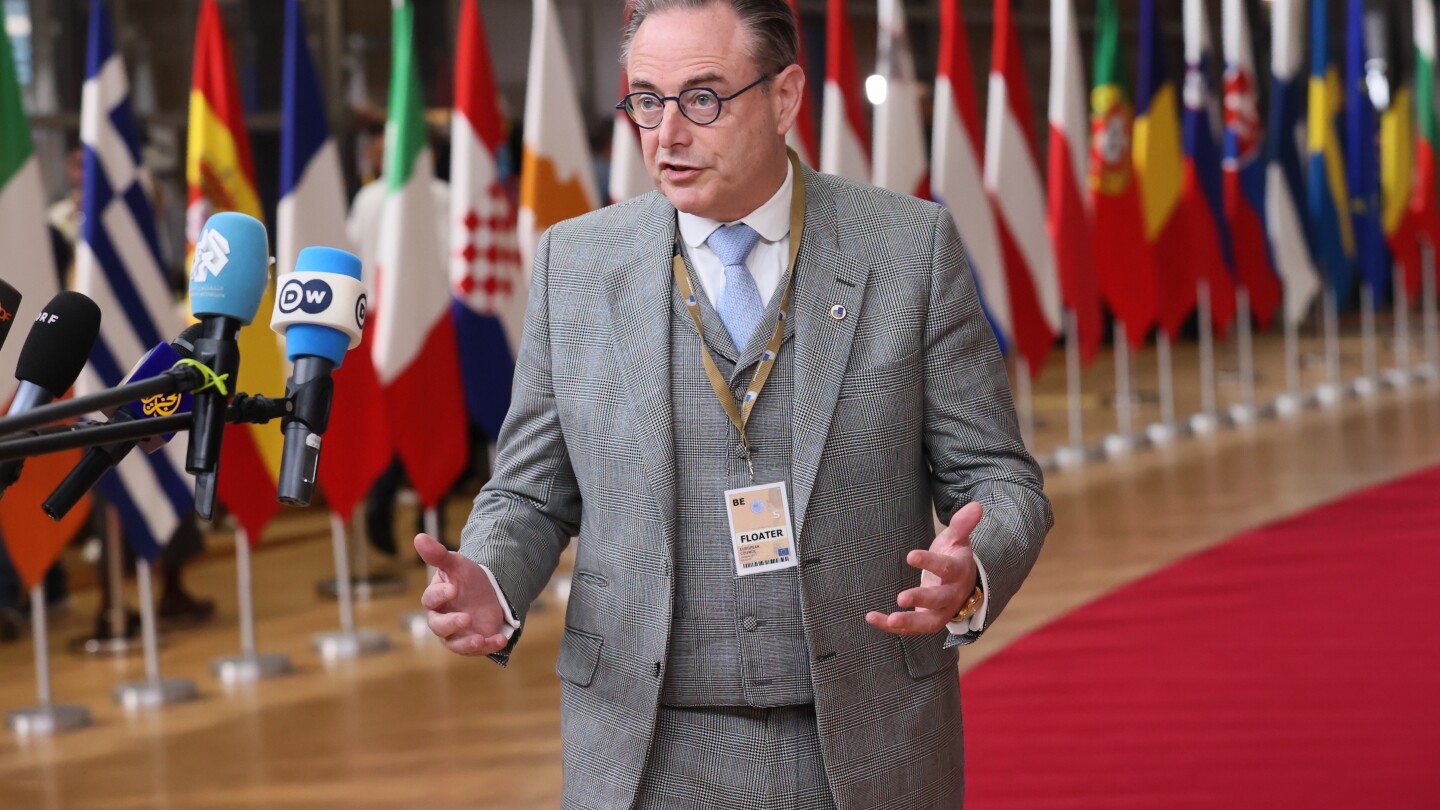
Belgium warns EU partners to share its risk if they want to use frozen Russian assets to aid Ukraine
Belgian Prime Minister Bart De Wever emphasized on Thursday the necessity for European Union member states to collectively share the risks associated with utilizing billions of dollars in frozen Russian assets held in Belgium to support Ukraine’s economy and military efforts in the coming years. With Ukraine’s financial and defense needs for 2026 and 2027 projected at approximately $153 billion, the European Commission has been formulating a strategy to leverage these assets as collateral to secure funding. Belgium, which holds the largest portion of these assets—valued at around $225 billion—has expressed caution about proceeding without solid assurances from other EU nations. De Wever highlighted the potential for severe Russian retaliation against Belgium if it acts unilaterally, stating, “If we want to give them to Ukraine, we have to do it all together. If not, Russian retaliation might only hit Belgium. That’s not very reasonable.” He further warned of possible confiscation of Western banks’ funds and European-owned companies in Russia. The European Commission has framed the initiative as a “reparation loan,” where EU countries would guarantee a $165 billion loan to Ukraine, independent of the frozen assets. Ukraine would repay the EU only if Russia compensates for war damages. Should Moscow refuse, the assets would remain frozen. Kremlin spokesman Dmitry Peskov has condemned the EU’s plan as “illegal confiscation of Russian property,” while Commission President Ursula von der Leyen clarified that the proposal involves using cash balances for a loan, not outright confiscation. De Wever stressed the unprecedented nature of the decision, noting, “This has never been done. Even during the Second World War, we didn’t do this, so it’s not a detail.”
-
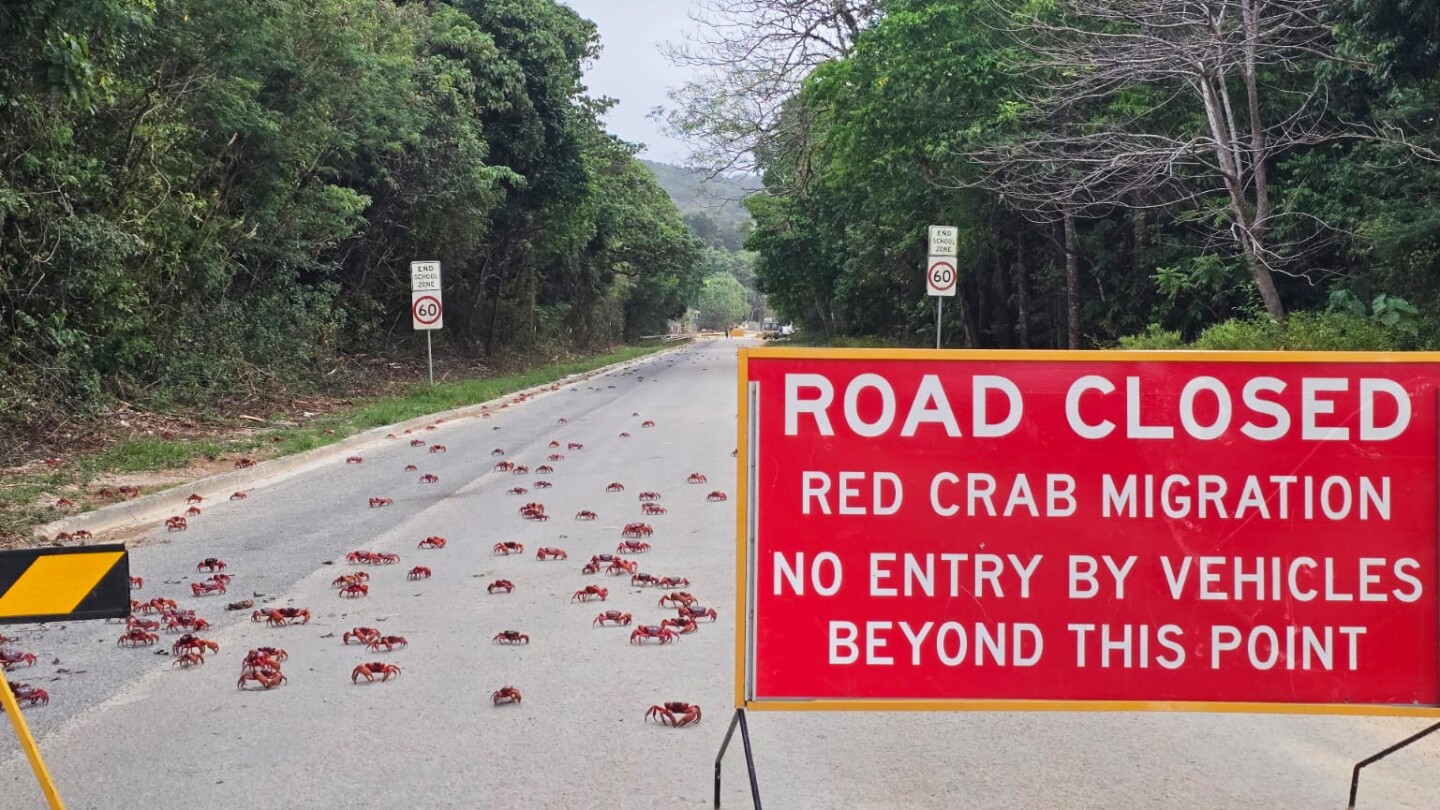
People use garden tools to protect millions of migrating red crabs on Christmas Island
MELBOURNE, Australia (AP) — The annual migration of tens of millions of red crabs has commenced on Christmas Island, a remote Australian territory in the Indian Ocean. This natural phenomenon, triggered by the onset of the Southern Hemisphere summer rains, sees up to 100 million Gecarcoidea natalis crabs journey from their forest burrows to the shoreline for breeding. The event, which began last weekend, involves a slow, methodical march of crabs across roads and gardens, creating a vivid red carpet that captivates both locals and visitors. The island’s 1,200 human residents play a crucial role in facilitating this migration. Many use leaf blowers and garden rakes to clear paths for the crabs, ensuring their safe passage to the ocean. Alexia Jankowski, acting manager of Christmas Island National Park, emphasized the unique privilege of witnessing this event. ‘Some people might think they’re a nuisance, but most of us think they’re a bit of a privilege to experience,’ she said. The crabs’ journey is indiscriminate, often leading them into homes and driveways, where residents must carefully navigate to avoid harming them. On the shores, male crabs excavate burrows where females lay and incubate eggs. The females are expected to release their spawn into the ocean at high tide on November 14 or 15, during the last quarter of the moon. The young crabs spend a month as larvae in the ocean before returning to Christmas Island as small crabs. Jankowski noted the challenges of protecting these tiny crabs, stating, ‘When they’re little babies only about half the size of your fingernail, we can’t rake them, because you’d crush them. So instead we use leaf blowers.’ This annual event not only highlights the island’s unique biodiversity but also underscores the delicate balance between human activity and natural processes.