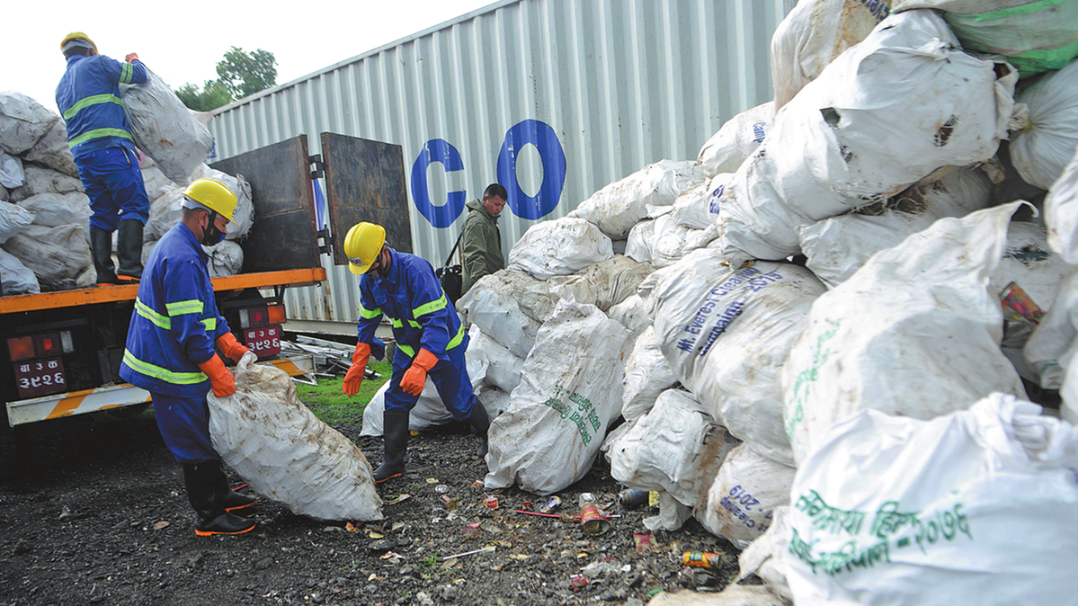
Nepal is set to implement a comprehensive five-year strategy to address the escalating litter problem on Mount Everest, the world’s highest peak. The initiative, dubbed the Clean Mountain Strategy (2025-2029), aims to tackle decades of accumulated waste that has marred the iconic mountain. The plan includes the establishment of a specialized team of ‘mountain rangers’ to monitor and manage waste at base camp and higher altitudes, as well as the exploration of drone technology for waste collection above base camp. The strategy also proposes stricter regulations on climbing permits, higher fees for climbers, and the introduction of a refundable garbage deposit system. Additionally, a significant portion of climbing revenues will be allocated to cleanup campaigns, with provisions for local community involvement. The draft strategy emphasizes transparency and global engagement, with progress reports to be distributed internationally and an independent monitoring team to conduct annual assessments. The government also plans to integrate environmental awareness into local curricula and introduce educational materials nationwide. Despite these efforts, experts caution that the success of the strategy will depend on the availability of adequate funding and consistent policy implementation.
博客
-
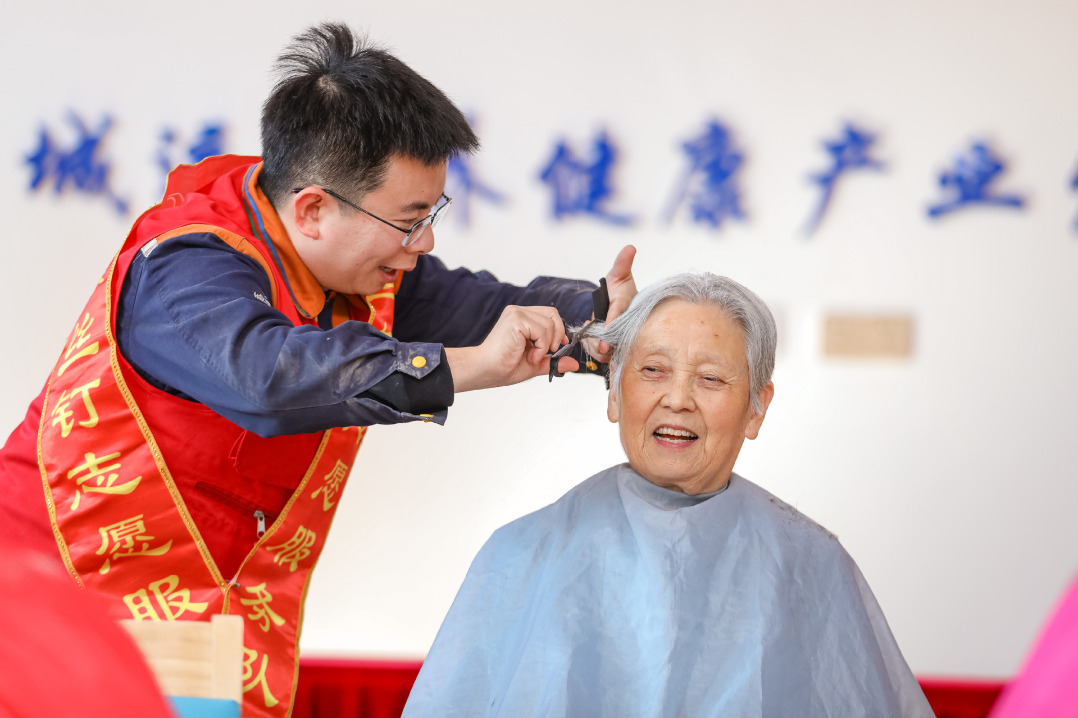
Chongyang Festival marked across China
Across China, communities and organizations came together to celebrate the Chongyang Festival, a traditional holiday dedicated to honoring the elderly. This year’s festivities, which culminated on October 29, 2025, were marked by a series of events aimed at promoting respect and care for senior citizens. In Xinghua city, East China’s Jiangsu province, legal professionals took to public parks to educate older adults on legal rights and protections related to elderly care. The Chongyang Festival, also known as Seniors’ Day in modern China, underscores the nation’s commitment to fostering intergenerational harmony and addressing the needs of its aging population. The celebrations included cultural performances, health check-ups, and community gatherings, reflecting the deep-rooted values of filial piety and social responsibility. These activities not only brought joy to seniors but also raised awareness about the importance of supporting the elderly in society.
-
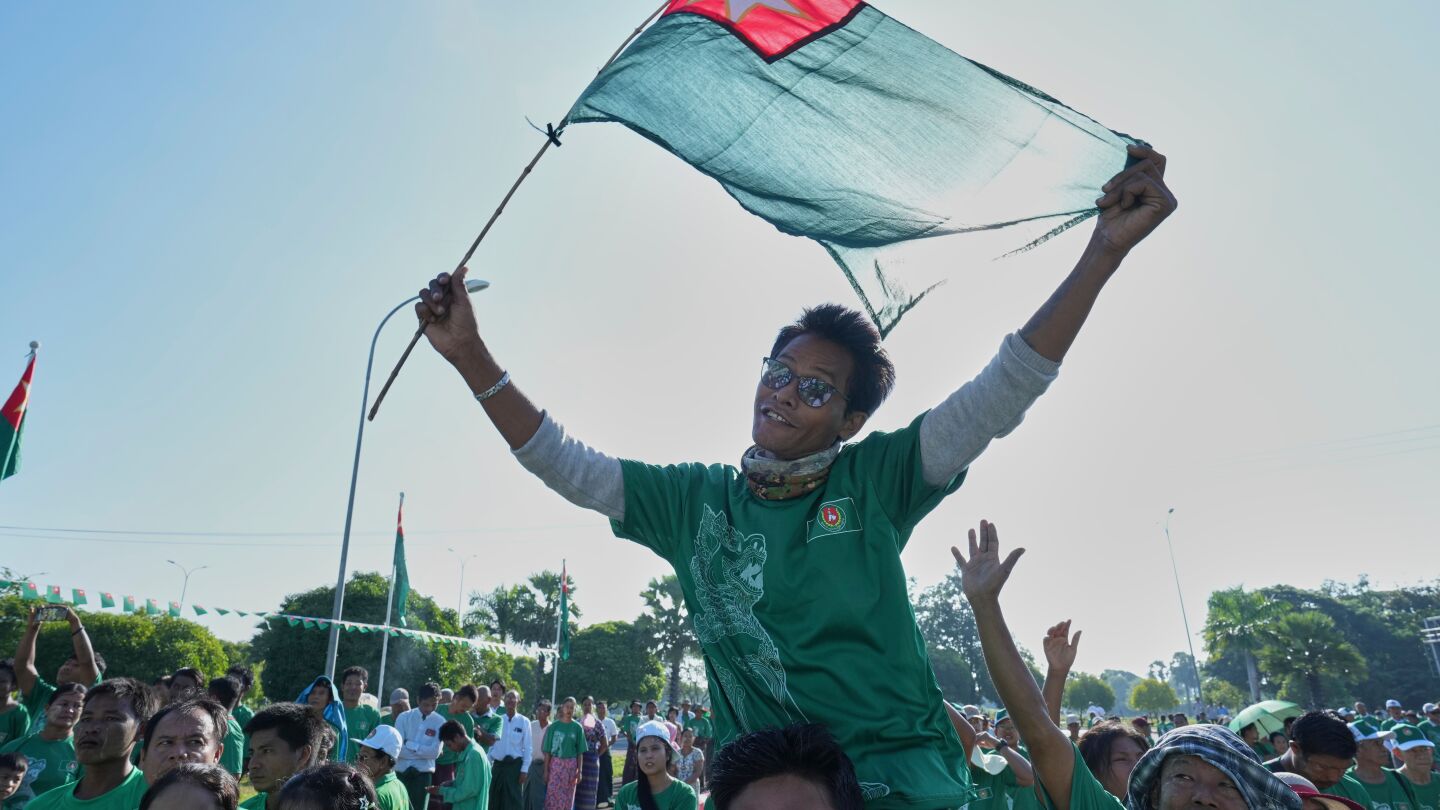
A military-backed party in Myanmar holds rallies as campaigning begins for December election
In a move widely perceived as an attempt to legitimize its 2021 coup, Myanmar’s military government has launched election campaigns, with national polls scheduled for December 28. Despite the ongoing civil war, which has rendered voting impossible in many regions, 57 political parties have registered for the contest. Notably absent is Aung San Suu Kyi’s National League for Democracy (NLD), which was forcibly disbanded after refusing to participate in what it deemed a fraudulent process. The military-backed Union Solidarity and Development Party (USDP) has already unveiled its campaign slogan, ‘Stronger Myanmar,’ in ceremonies held in Naypyitaw and Yangon. USDP chairman Khin Yi, a former general, emphasized that the election would adhere to regulations and law, asserting that the results would confer legitimacy. However, critics argue that the polls will be neither free nor fair, with opposition groups, including armed resistance factions, vowing to disrupt the process. The General Strike Coordination Body has called for a nationwide election boycott, urging public participation in their anti-military protests. The military government, led by Senior Gen. Min Aung Hlaing, has acknowledged that voting will be limited to 202 townships due to ongoing conflict. The USDP, fielding over 1,000 candidates, is expected to dominate the polls in the absence of credible opposition parties. The 2021 coup, justified by unsubstantiated claims of voter fraud in the 2020 elections, has plunged Myanmar into chaos, with airstrikes and military operations exacerbating civilian casualties and instability.
-
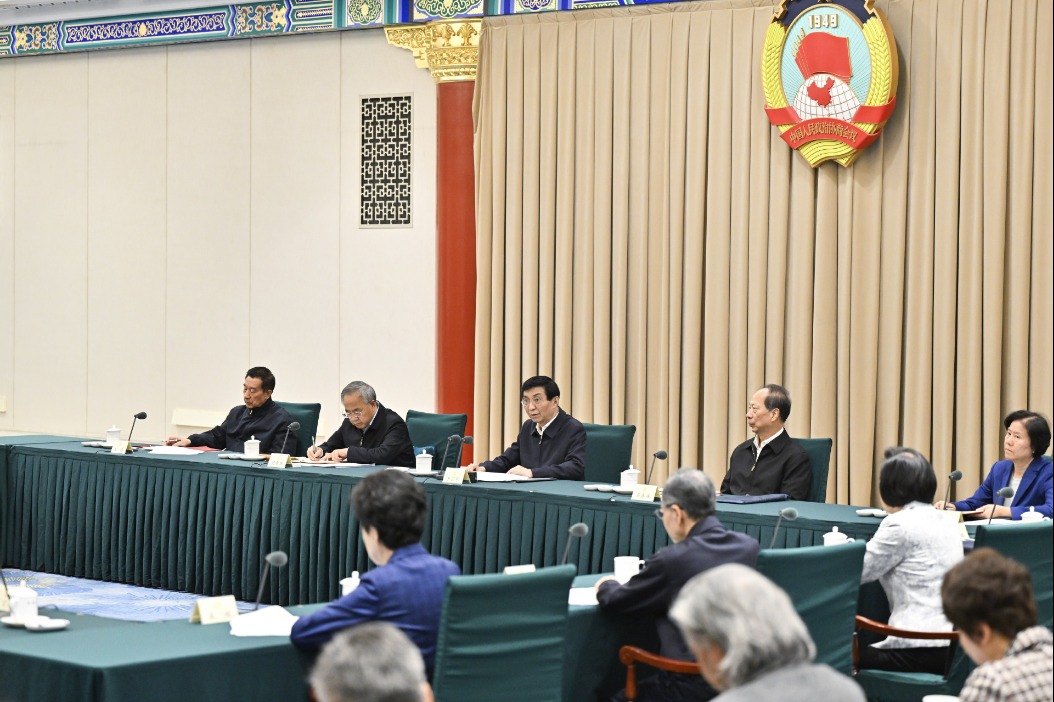
Top political advisor calls for study, implementation of guiding principles of CPC plenum
Wang Huning, a senior leader of the Communist Party of China (CPC) and chairman of the Chinese People’s Political Consultative Conference (CPPCC) National Committee, has called for a thorough study and implementation of the guiding principles from the fourth plenary session of the 20th CPC Central Committee. Speaking at a meeting of the Chairperson’s Council of the CPPCC National Committee in Beijing on October 27, 2025, Wang emphasized the importance of aligning political advisory work with the Party’s central tasks. He urged political advisors to actively contribute to the formulation and execution of the 15th Five-Year Plan (2026-30) and to ensure high-quality performance in their duties. Wang’s remarks underscore the CPPCC’s role in supporting the CPC’s strategic goals and fostering national development.
-
Local-level exchanges foster China-US ties
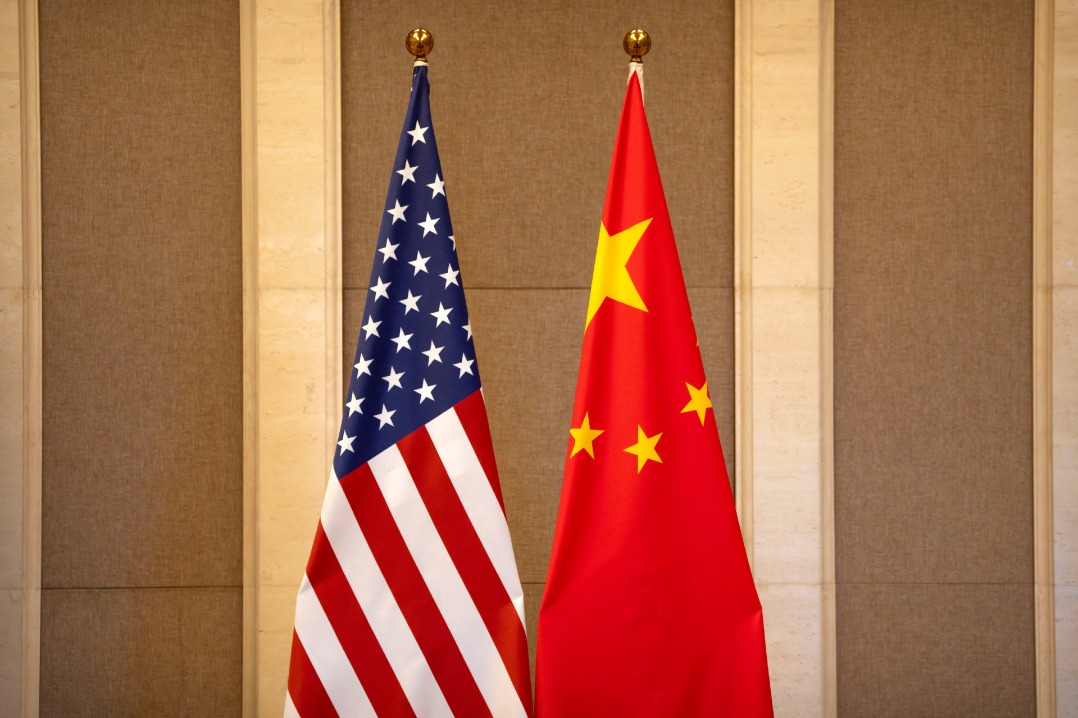
A high-profile delegation from Oregon, led by State Senate President Rob Wagner, recently concluded a 15-day visit to China, marking a significant step in fostering subnational diplomacy between the two nations. The delegation, which included state senators, bipartisan representatives, and business leaders, visited 10 Chinese cities, including Shenzhen, Fuzhou, and Chengdu, culminating in their participation in the seventh China-US Sister Cities Conference in Hangzhou. This visit, the largest from Oregon since the pandemic, aimed to deepen mutual understanding and explore new avenues for cooperation. Deb Patterson, a member of the Oregon State Senate, described the trip as both intense and impressive, highlighting the diverse climates, cuisines, and cultures experienced across China. The delegation also focused on strengthening Oregon’s sister-province relationship with Fujian, which celebrated its 41st anniversary this year. Wagner emphasized the importance of subnational diplomacy in addressing global challenges, such as climate change and economic uncertainty, and underscored the need for dialogue and cooperation at all levels. The conference brought together over 300 representatives from both countries, including participants from 28 US states, making it the largest local exchange event in recent years. Chinese Ambassador to the US Xie Feng urged both nations to leverage local partnerships to improve the broader bilateral relationship, calling for deeper mutual understanding and people-to-people connections. Yang Wanming, president of the Chinese People’s Association for Friendship with Foreign Countries, highlighted the resilience and vibrancy of sister-city cooperation, noting that such partnerships have created over 400,000 jobs in the US heartland and provided over 70,000 employment opportunities through Chinese enterprises. Victoria Woodards, mayor of Tacoma, Washington, emphasized that sister-city partnerships are built on people, not politics, and expressed hope for continued collaboration and mutual learning.
-
UN accuses Israel of weaponizing aid despite truce
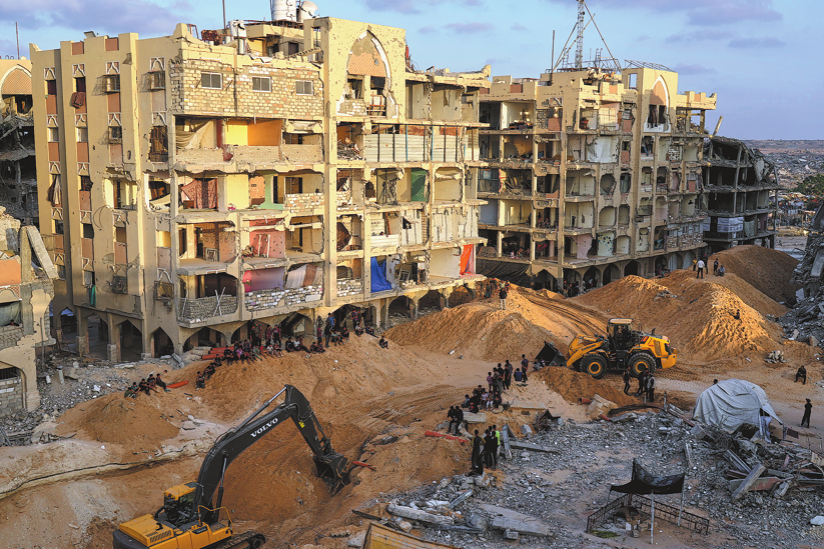
The United Nations and international humanitarian organizations have accused Israel of politicizing and weaponizing critical aid deliveries to Gaza, despite an ongoing ceasefire. The United Nations Relief and Works Agency for Palestine Refugees (UNRWA) stated on social media platform X that its international staff and humanitarian supplies continue to be barred from entering Gaza. Caroline Willemen, Gaza project coordinator for Doctors Without Borders, highlighted that while Israeli attacks have decreased since the truce, sporadic strikes persist, exacerbating the humanitarian crisis. Willemen emphasized that aid should not be subject to political conditions, noting that Gaza’s residents have endured the threat of mass extermination for years. Oxfam International further alleged that Israeli authorities have arbitrarily blocked shipments of essential aid and imposed restrictive registration processes on NGOs, delaying urgent relief efforts. On Thursday, Oxfam and 40 other organizations, including the Norwegian Refugee Council, urged Israel to comply with the ceasefire agreement and international law, ensuring unimpeded aid flow. This appeal followed the International Court of Justice’s advisory opinion, which called on Israel to facilitate humanitarian aid delivery to Gaza. Meanwhile, US Secretary of State Marco Rubio, during his visit to Israel, declared that UNRWA would not be permitted to assist in Gaza, labeling it a subsidiary of Hamas, which he referred to as a terror group. Concurrently, an Egyptian convoy entered Gaza to expedite the search for deceased Israeli hostages, with Israeli Prime Minister Benjamin Netanyahu approving the mission.
-
Russian oil company Lukoil to sell international assets in response to Trump sanctions
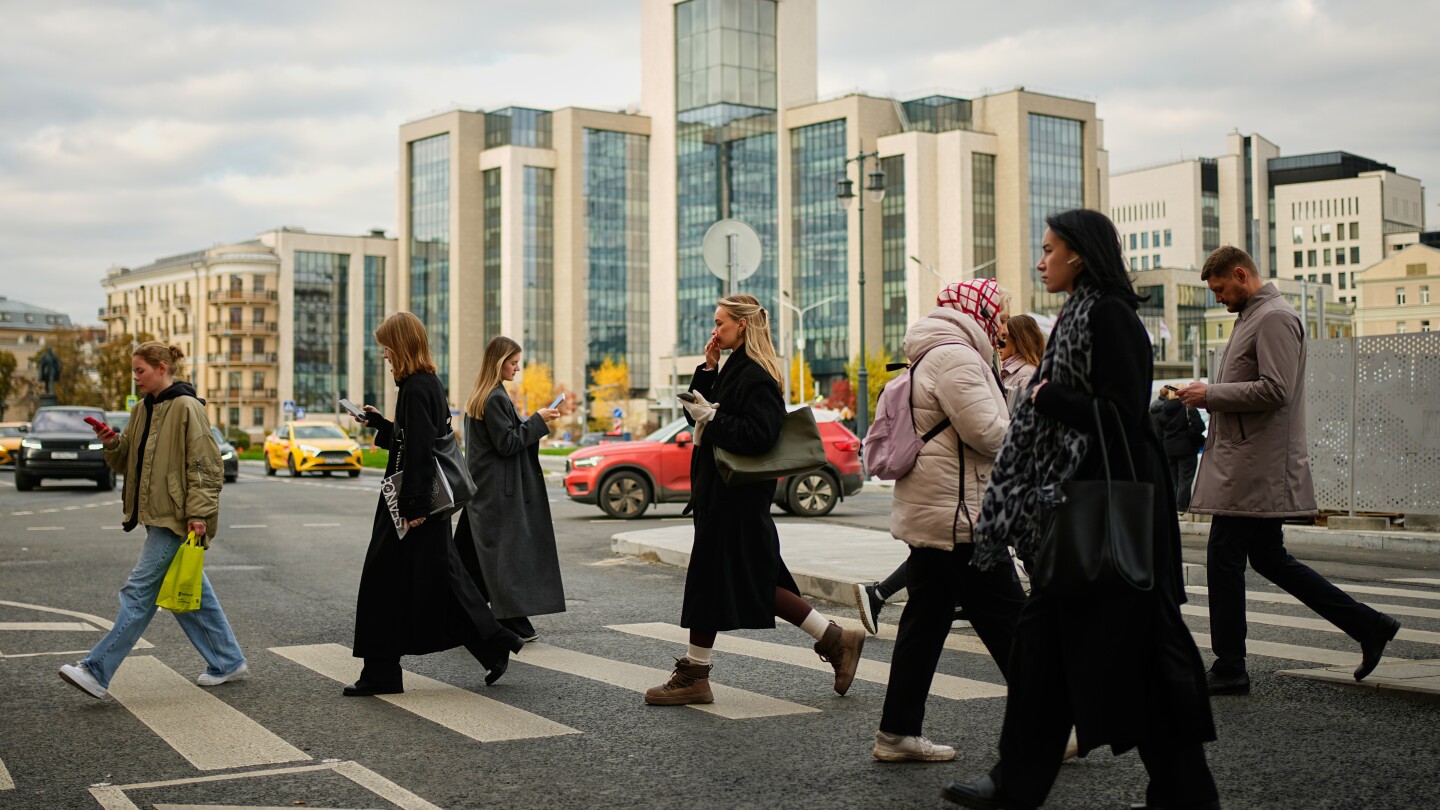
In a significant move driven by escalating geopolitical tensions, Russian oil giant Lukoil has announced the sale of its international assets. This decision comes in response to stringent sanctions imposed by the U.S. government, aimed at compelling Russia to agree to a ceasefire in its ongoing conflict with Ukraine. The sanctions, announced by President Donald Trump on October 22, target Lukoil and Rosneft, Russia’s two largest oil companies, which collectively account for approximately half of the nation’s oil exports. Oil and gas revenues are a critical pillar of the Russian economy, making these sanctions particularly impactful.
-
China, ASEAN sign Free Trade Area 3.0 Upgrade Protocol
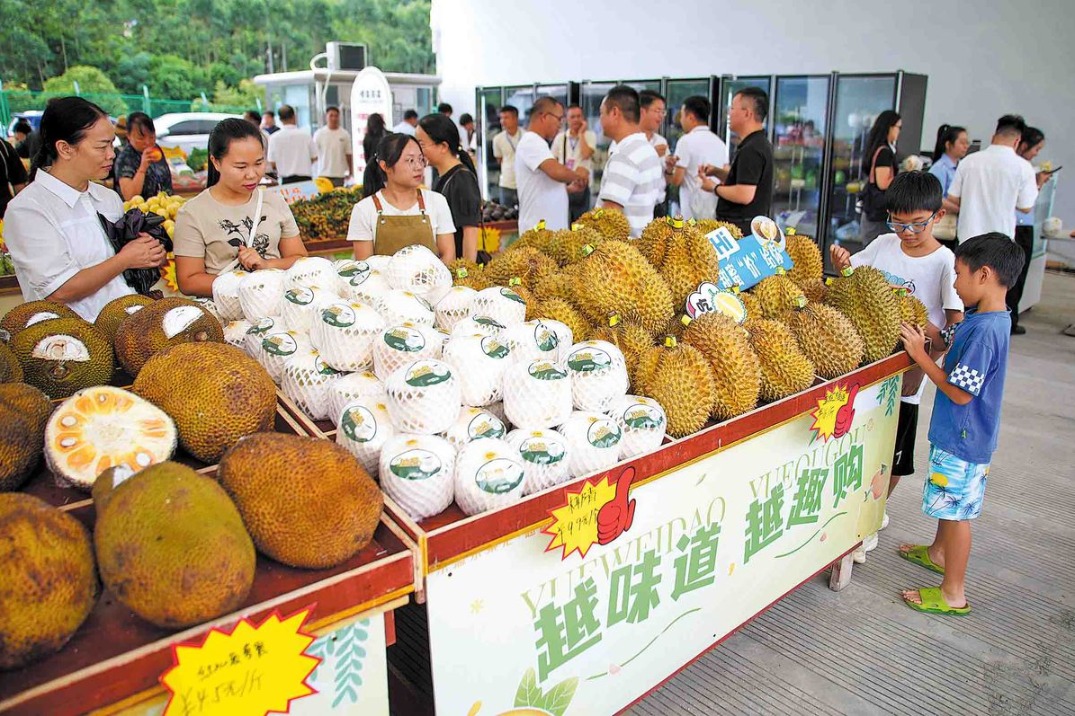
In a significant move to bolster economic cooperation, China and the Association of Southeast Asian Nations (ASEAN) have officially signed the Free Trade Area 3.0 Upgrade Protocol. The signing ceremony took place in Kuala Lumpur on Tuesday, marking a new chapter in the long-standing partnership between the two regions. This upgraded protocol aims to further reduce trade barriers, enhance market access, and foster deeper economic integration. The agreement is expected to stimulate trade and investment flows, benefiting businesses and consumers across both China and ASEAN member states. The signing of this protocol underscores the commitment of both parties to maintaining open and mutually beneficial trade relations, especially in an era of global economic uncertainty. This development is seen as a strategic step towards strengthening regional economic resilience and promoting sustainable growth.
-
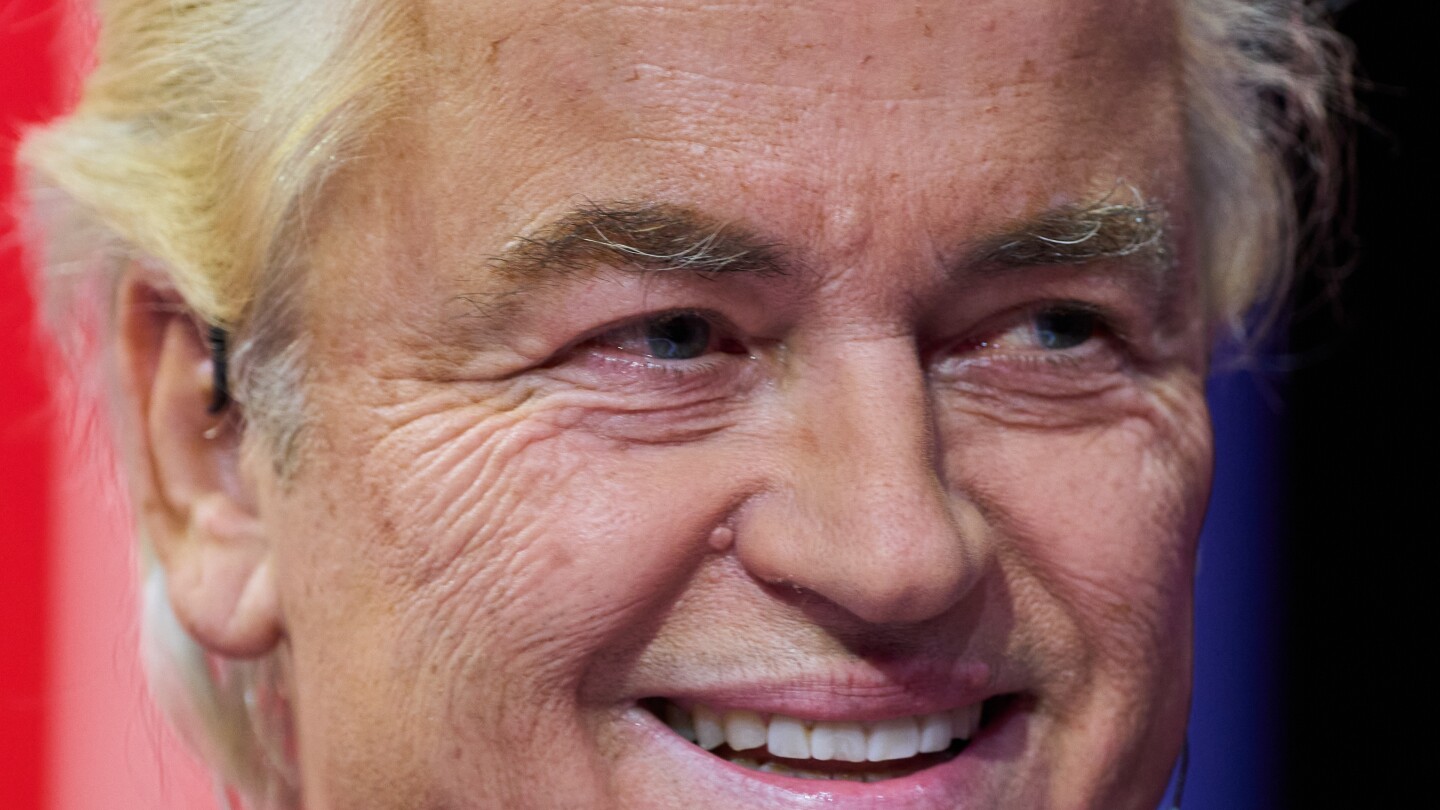
Wilders, Timmermans are among the leaders of the key parties in Dutch election
The Netherlands is bracing for a fiercely contested parliamentary election as Geert Wilders’ populist, anti-Islam Party for Freedom (PVV) and the center-left coalition of the Labor Party and Green Left vie for dominance in the 150-seat Second Chamber. The election, scheduled for Wednesday, is expected to be a close race, with both factions polling neck-and-neck in the lead-up to the vote.
Geert Wilders, the controversial figurehead of the PVV, has long been a polarizing force in Dutch politics. Known for his vehement criticism of Islam, Wilders led his party to a surprising victory in the last election, though he was denied the prime minister’s office due to coalition partners’ reluctance. Instead, he appointed career civil servant Dick Schoof as premier. Wilders, who has lived under constant security due to death threats, has a history of political turbulence, including his role in toppling a minority coalition in 2010 over austerity measures.
On the opposing side, Frans Timmermans, a former Dutch foreign minister and European Commission vice president, has emerged as a key leader of the Labor-Green Left bloc. Timmermans, who gained international recognition for his emotional speech following the MH17 tragedy, has been instrumental in uniting the center-left parties. However, his campaign has faced challenges, including AI-generated fake images circulated by Wilders’ supporters, which falsely depicted him in compromising situations.
Other notable contenders include Henri Bontenbal of the Christian Democratic Appeal (CDA), who has worked to restore the party’s credibility after a historic electoral defeat, and Dilan Yeşilgöz-Zegerius of the People’s Party for Freedom and Democracy (VVD), who has struggled to maintain her party’s standing amid coalition infighting. Rob Jetten of the centrist D66 party, the youngest candidate, has also seen a rise in support, focusing on climate issues and LGBTQ+ rights.
The election comes at a critical juncture for the Netherlands, with issues such as migration, housing, and climate policy dominating the discourse. The outcome will not only shape the country’s political landscape but also determine the direction of its policies in the years to come.
-
Direct flights seen to benefit connectivity
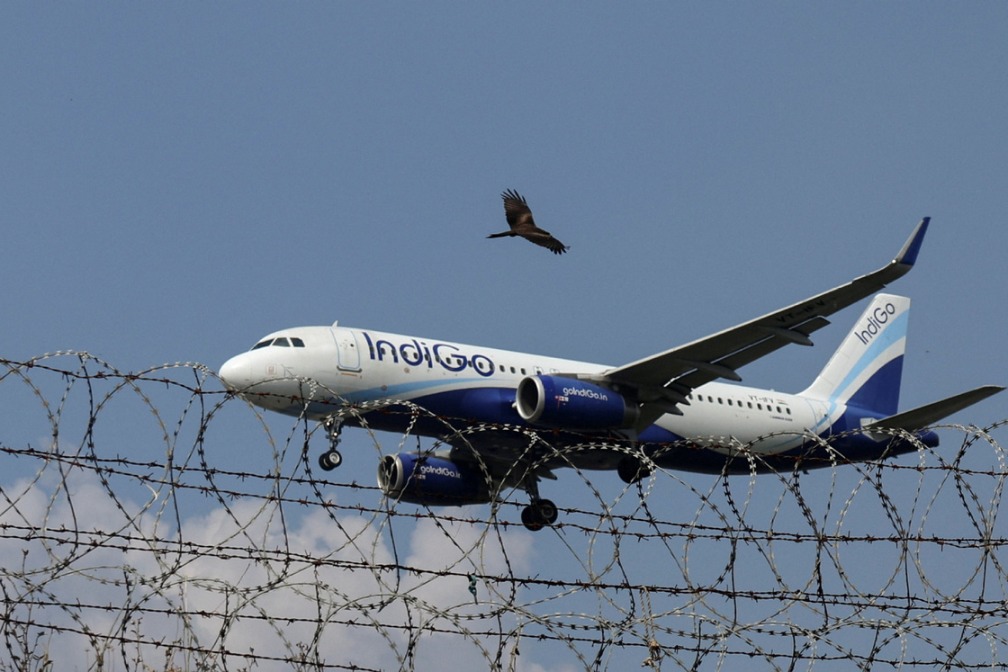
The resumption of direct flights between India and China marks a significant milestone in strengthening bilateral relations, fostering economic cooperation, and enhancing cultural exchanges between the two nations. IndiGo Airlines, India’s largest carrier, has reinstated daily nonstop flights between Kolkata and Guangzhou, with plans to expand services to other key cities. China Eastern Airlines has also announced the resumption of direct flights between Shanghai and New Delhi, signaling a renewed commitment to connectivity. This development, celebrated by officials and passengers alike, is expected to reduce travel time and costs, while opening doors for investors, tourists, and businesses. The initiative is seen as a practical step to connect over 2.8 billion people, supporting sectors such as tourism, education, healthcare, and trade. The long-awaited service, suspended since March 2020 due to the COVID-19 pandemic, is anticipated to act as a catalyst for deeper engagement and mutual growth. Analysts and industry leaders have hailed the move as a positive sign for economic, diplomatic, and strategic relations between the two countries.