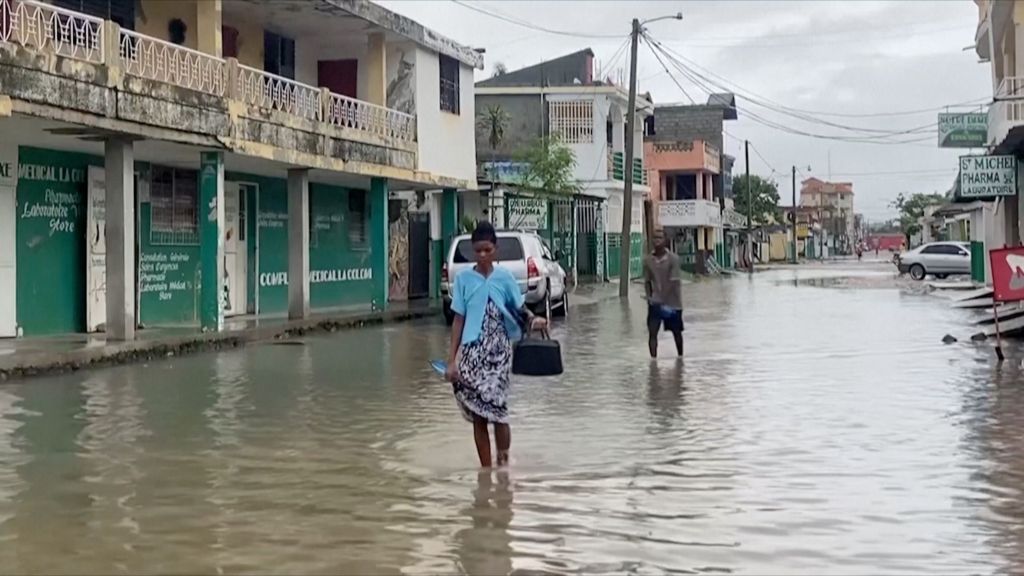
Hurricane Melissa has unleashed catastrophic flooding across the Caribbean, resulting in widespread destruction and a mounting death toll. In Jamaica, authorities have confirmed the deaths of at least four individuals, while neighboring Haiti has reported a staggering 20 fatalities due to the relentless flooding. The storm’s ferocity has submerged towns, destroyed infrastructure, and displaced countless residents, leaving communities in disarray. Emergency response teams are working tirelessly to provide aid and assess the full extent of the damage. Meteorologists warn that the hurricane’s path may continue to pose significant threats to other regions in the coming days. The Caribbean nations, already vulnerable to extreme weather events, are now grappling with the aftermath of this latest natural disaster, highlighting the urgent need for enhanced disaster preparedness and climate resilience measures.
博客
-

Rio police raids kill at least 132, corpses line street
In what has been described as the deadliest police operation in Brazil’s history, at least 132 people were killed during a large-scale raid in Rio de Janeiro. The operation, which targeted the Comando Vermelho drug gang, was meticulously planned over two months and aimed to corner suspects in a forested hillside where a special police unit lay in wait. The aftermath saw residents of the Penha neighborhood lining the streets with dozens of corpses recovered from the surrounding area. Among the dead were four police officers, while 113 suspects were arrested, and 118 firearms were seized. Rio Governor Claudio Castro defended the operation, stating that those killed were criminals engaged in gunfire from the forest. However, the high death toll has drawn sharp criticism from civil society groups and the United Nations, which called for a prompt and effective investigation into the incident. The federal government, led by President Luiz Inacio Lula da Silva, was reportedly caught off guard by the operation, with Justice Minister Ricardo Lewandowski expressing concerns over the lack of prior notification. The incident has reignited debates over police violence in Brazil’s marginalized communities, particularly as Rio prepares to host global climate events next week.
-
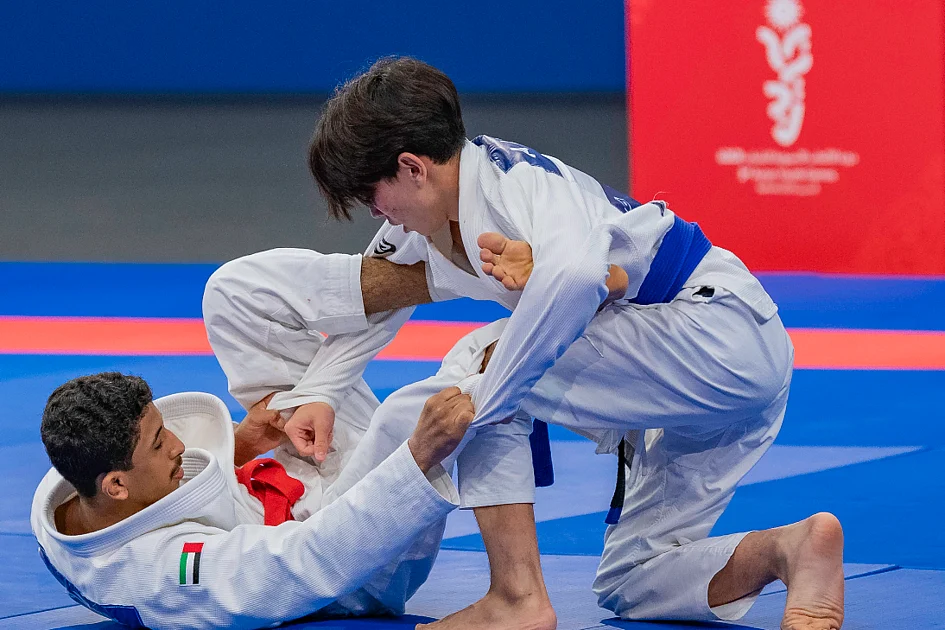
UAE’s Obaid Alketbi clinches gold at Asian Youth Games in Bahrain
The UAE Jiu-Jitsu national team made a remarkable debut at the Asian Youth Games in Bahrain, securing two medals on the opening day. Obaid Alketbi triumphed with a gold medal in the 56kg division, while his teammate Salem Alqubaisi claimed silver in the 62kg category. These victories elevated the UAE’s total medal count to 21, comprising nine gold, seven silver, and five bronze, solidifying the nation’s sixth-place standing and its position as the leading Arab country in the competition. With less than 48 hours remaining, the UAE athletes continue to showcase their technical prowess, composure, and determination. China leads the overall standings with 105 medals, followed by Uzbekistan and Kazakhstan. Among Arab nations, Saudi Arabia ranks 13th, Iraq 14th, and host nation Bahrain 15th. In badminton, UAE’s Rayan Malhan advanced to the semifinals after a decisive victory over Indonesia’s Jin Maharishil, setting up a clash with China’s Xu Ji Ning. Meanwhile, cyclist Sultan Al Hammadi finished eighth in the road race, competing against 69 participants from across Asia. The Jiu-Jitsu events highlighted intense matchups and stellar performances, with the UAE team demonstrating tactical awareness and discipline. Yousef Abdullah Al Batran, Board Member of the UAE Jiu-Jitsu Federation, praised the athletes’ progress, attributing their success to the nation’s leadership and the Federation’s focus on youth development. Gold medallist Obaid Alketbi expressed pride in his achievement, emphasizing the rigorous preparation and determination that fueled his victory. Silver medallist Salem Alqubaisi credited his performance to strong preparation, coaching, and team support, vowing to aim for further success. The Jiu-Jitsu events continue on Thursday, with the UAE team poised to add more medals to their tally.
-

Latest US boat strike kills four in the Pacific, Hegseth says
The United States has intensified its campaign against maritime drug trafficking with a series of lethal strikes in the eastern Pacific Ocean, resulting in multiple fatalities. US Defense Secretary Pete Hegseth announced on X that a recent operation, authorized by President Donald Trump, targeted a vessel suspected of transporting illegal drugs, killing four men. This follows a similar strike earlier in the week that claimed 14 lives. The White House has framed these actions as part of a broader strategy to curb the flow of narcotics into the US via the Pacific and Caribbean. Hegseth emphasized that the Western Hemisphere will no longer be a sanctuary for drug traffickers, vowing to continue such operations. The strikes, conducted in international waters, have drawn criticism from regional governments and legal experts, with concerns raised about their legality and the president’s authority to order them. The US has also bolstered its military presence in the Caribbean, deploying advanced assets like the USS Gerald R Ford. Tensions have escalated with Colombia and Venezuela, the latter accusing the US of attempting to overthrow President Nicolas Maduro and exploit the country’s natural resources. The US does not recognize Maduro as Venezuela’s legitimate leader following the disputed 2024 election.
-
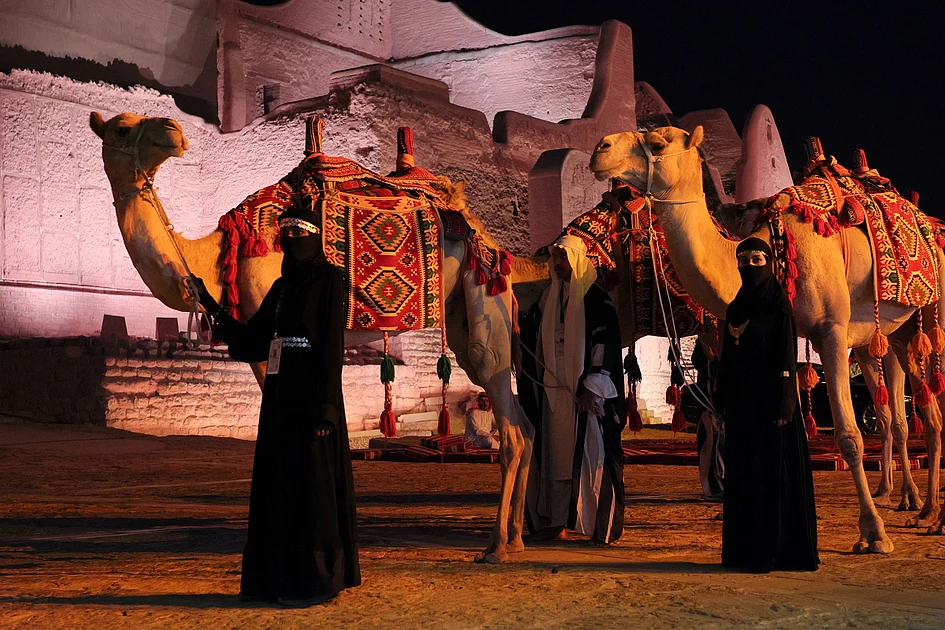
Saudi’s Diriyah gigaproject eyes role rebuilding historic Syrian sites
Saudi Arabia’s ambitious Diriyah gigaproject, a cornerstone of the kingdom’s Vision 2030 strategy to diversify its economy and establish itself as a global tourism and cultural hub, is now eyeing a potential role in the reconstruction of historic sites in Syria. Jerry Inzerillo, CEO of Diriyah Gate Company, revealed during the Future Investment Initiative (FII) summit in Riyadh that discussions with Syrian officials have taken place regarding this collaboration. ‘Someone is going to rebuild Damascus and Aleppo at some point, and Beirut as well,’ Inzerillo stated, emphasizing that while the company is currently occupied with its primary project, it may consider contributing to Syria’s reconstruction in the future. The ongoing conflict in Syria has devastated many of its ancient cities and archaeological treasures, including the ancient city of Aleppo and the Roman temple sites at Palmyra, prompting international calls for restoration efforts. Challenges such as funding, security, and political coordination remain significant hurdles. Meanwhile, the Diriyah project, which includes luxury hotels, museums, and residential units centered around the UNESCO-listed At-Turaif district, is progressing on schedule and within budget. The company is also exploring opportunities to develop six additional cultural heritage sites in Saudi Arabia and plans to pursue an initial public offering on the Saudi exchange after 2030, anticipating billions in foreign private investment.
-
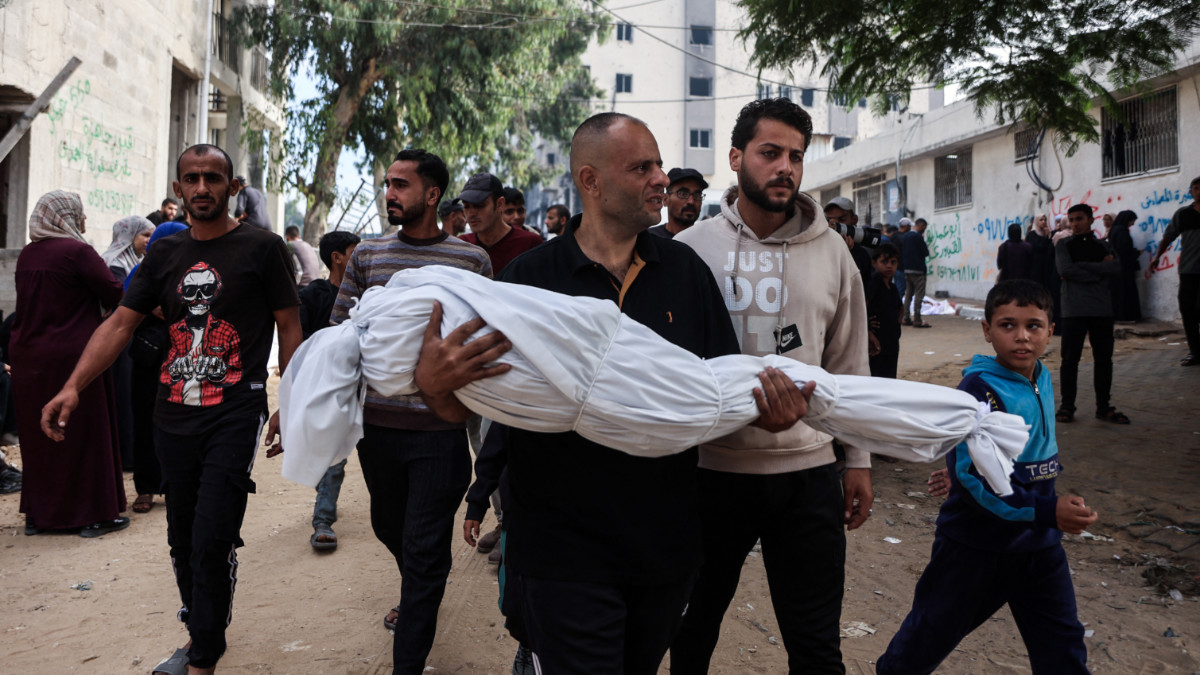
Qatari PM says Hamas ruled out role in Gaza governance, but disarmament talks ongoing
Qatar has disclosed that Hamas is prepared to relinquish its governance role in Gaza but remains uncommitted to unconditional disarmament. Speaking at a Council on Foreign Relations event in New York, Qatari Prime Minister Mohammed bin Abdulrahman al-Thani emphasized that Hamas views disarmament as a collective obligation for all factions, not solely their own. He stressed the necessity of ensuring safety for both Palestinians and Israelis through decommissioning and disarmament efforts. Qatar, alongside the US, Turkey, and Egypt, is a key guarantor of the recent Gaza ceasefire, which has been plagued by violations, including Israel’s refusal to open the Rafah border crossing and continued air strikes. On Tuesday, Israel launched its most severe attacks since the ceasefire, resulting in over 100 Palestinian casualties, including 46 children. Israel accused Hamas of breaching the ceasefire, citing an alleged attack on troops in Rafah that killed one soldier. Hamas denied involvement, while US President Donald Trump supported Israel’s retaliatory actions, expressing confidence in the ceasefire’s durability. Qatar, Turkey, and Egypt played pivotal roles in brokering the ceasefire, with Trump exerting pressure on Israeli Prime Minister Benjamin Netanyahu. Despite Israel’s ongoing occupation of half the Gaza Strip, the US is drafting a UN resolution to deploy Arab and Muslim peacekeeping forces to Gaza, avoiding references to a two-state solution. The US is likely to rely on Gulf states, including Qatar, for Gaza’s reconstruction and peacekeeping costs. The recent Israeli attack on Hamas negotiators in Doha, which killed six people, including a Qatari security official, has further complicated regional dynamics. Trump’s administration responded by pledging to defend Qatar and signing a new military training agreement. Thani described the Doha attack as a turning point in ceasefire negotiations, highlighting the crossing of red lines. Middle East Eye continues to provide independent coverage of these developments.
-
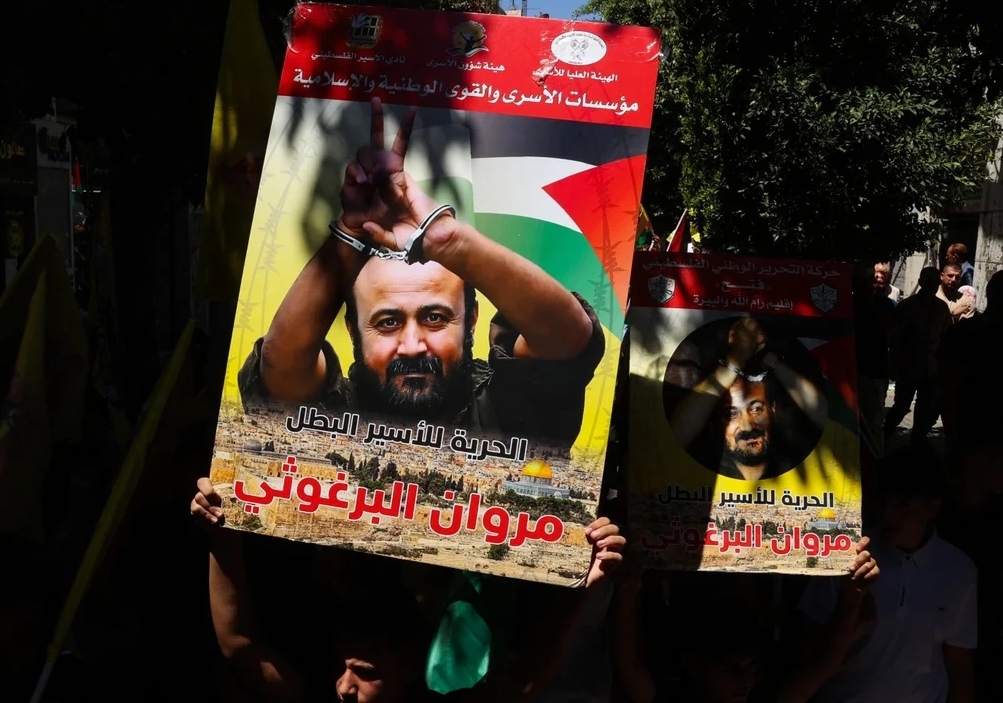
Former world leaders urge Israel to release Marwan Barghouti
The Elders, a distinguished group of former world leaders and officials, have issued a compelling appeal for the immediate release of Marwan Barghouti, a prominent Palestinian politician currently incarcerated in an Israeli prison. Barghouti, who has been detained since 2002 and is serving five life sentences, is regarded as the most high-profile Palestinian prisoner. The Elders, established by Nelson Mandela in 2007, argue that Barghouti’s release could be a pivotal step towards revitalizing the two-state solution. They emphasized his longstanding advocacy for peaceful means to achieve this goal and his consistent popularity in Palestinian opinion polls. The group includes notable figures such as Juan Manuel Santos, Helen Clark, Mary Robinson, and Gro Harlem Brundtland, among others. They condemned the alleged ill-treatment and torture of Barghouti and other Palestinian prisoners, urging Israeli authorities to adhere to international law. Barghouti, a former senior leader of Fatah and elected member of the Palestinian Legislative Council, was convicted in 2004 of multiple counts of murder, charges he has consistently denied. The Elders highlighted that his trial was marred by breaches of international law and lacked fairness. They also noted his role as a unifying figure, with opinion polls suggesting he would likely win the Palestinian presidency if elections were held. The group welcomed Palestinian Authority President Mahmoud Abbas’s commitment to free and fair elections within the next year, emphasizing Barghouti’s potential role in this process. They recalled Archbishop Desmond Tutu’s 2013 call for Barghouti’s release, stating that freeing him would signal Israel’s commitment to a peaceful resolution of the conflict. Some Israeli figures, including a former Shin Bet leader, have also called for his release. Barghouti’s wife, Fadwa, recently appealed to US President Donald Trump to secure her husband’s release, emphasizing his potential as a partner for peace. Trump has indicated he is considering the matter. The Elders urged global leaders to seize this opportunity to enhance the prospects of lasting peace and security in the region.
-

Should K-beauty products have to come from South Korea?
The global skincare market has been captivated by the allure of Korean beauty products, commonly referred to as K-beauty. These products, known for their intricate multi-step routines and innovative formulations, have seen exponential growth in international markets. Last year, South Korea’s K-beauty exports soared to an impressive $10.3 billion, marking a significant milestone in the industry’s expansion. However, this success has also led to a proliferation of non-Korean brands capitalizing on the K-beauty trend, raising questions about authenticity and definition. K-beauty first gained international recognition in the 2010s, riding the wave of Korean cultural exports like K-pop and K-drama. The elaborate skincare regimens, often involving up to 10 steps, captured the imagination of consumers worldwide, driving sales from $650 million in 2011 to $4 billion in 2017. Recognizing this surge, companies like Seoul Ceuticals emerged in 2017, offering ‘authentic Korean skincare’ despite being a U.S.-based manufacturer. The brand emphasizes its use of Korean-sourced ingredients to justify its K-beauty label. However, not all industry players agree with this approach. Seung Gu Kim, co-founder of Hwarangpoom, insists that true K-beauty products must be manufactured in Korea, reflecting a Korean perspective in their design and ingredients. The lack of an official definition or protected designation of origin for K-beauty complicates matters further. The K-beauty Industry Association, the sector’s sole government-approved trade body, has no plans to establish such a definition, focusing instead on promoting the industry’s global growth. Despite the absence of formal regulations, the association mandates that member companies be registered in South Korea and obtain approval from the Korea Food & Drug Administration (KFDA). This approval ensures products are tailored to Korea’s climate and market standards. The booming K-beauty market has also attracted counterfeiters, with MarqVision identifying $280 million worth of fake products in the U.S. alone in 2024. This rampant counterfeiting has frustrated consumers like Gracie Tulio, founder of PureSeoul, who launched her London-based retail business in 2019 to provide authentic K-beauty products directly sourced from Korean manufacturers. As the K-beauty industry continues to thrive, the debate over authenticity and the battle against counterfeits remain pressing challenges.
-
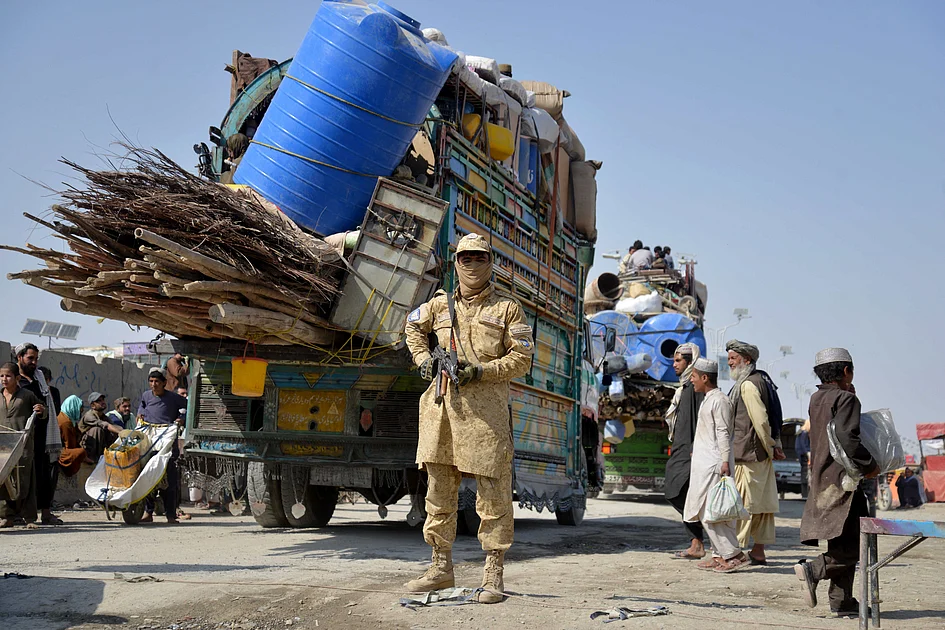
Pakistan threatens to ‘obliterate’ Taliban after peace talks fail
Pakistan has issued a stark warning to the Taliban regime in Afghanistan following the collapse of peace talks mediated by Turkey and Qatar. Defence Minister Khawaja Asif declared that Pakistan could ‘completely obliterate the Taliban regime’ with just a fraction of its military capabilities. This escalation in rhetoric comes after negotiations in Istanbul failed to produce a viable solution to the ongoing conflict between the two nations. The talks, aimed at preventing further violence, ended in disagreement over the presence of militant groups in Afghanistan that Pakistan claims are targeting its security forces. Despite a ceasefire brokered in Doha on October 19, weekend clashes near the border resulted in the deaths of 30 individuals, including five Pakistani soldiers and 25 militants. Both sides have accused each other of derailing the peace process, with Pakistan accusing Afghanistan of deflecting from core issues and engaging in a ‘blame game.’ The Taliban, however, has yet to respond to these accusations. The situation remains tense, with fears of an ‘open war’ if a resolution is not reached.
-
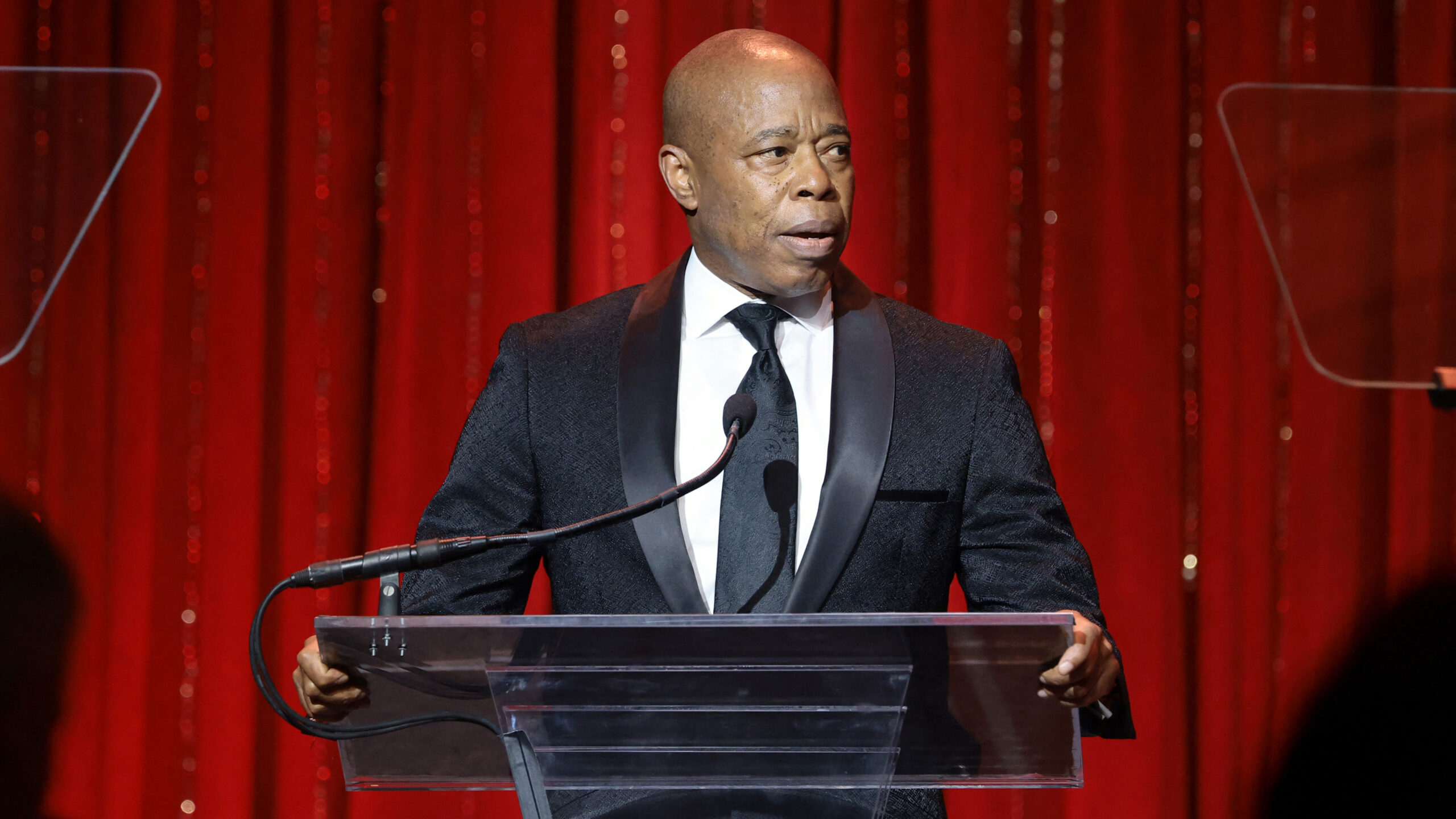
Former NYC hate crimes head sues mayor Eric Adams for discrimination: Report
Hassan Naveed, the former executive director of New York City’s Office for the Prevention of Hate Crimes, has filed a lawsuit against Mayor Eric Adams and the city, alleging he faced discrimination based on his religion and ethnicity during his tenure. The lawsuit, filed at the State Supreme Court in Manhattan, claims Naveed endured a hostile work environment, particularly after the October 2023 Hamas-led attacks on Israel, when his Muslim identity came under scrutiny. Naveed alleges that two superiors questioned him about his views on the attacks, including the controversial claim of “beheaded babies.”
In October 2023, Naveed and other Muslim colleagues met with Adams to address concerns over his aides sharing anti-Muslim, anti-Arab, and anti-Palestinian content on social media. According to the lawsuit, Adams allegedly blamed Muslims for experiencing hate due to their perceived failure to condemn Hamas and compared pro-Palestine marches to “Ku Klux Klan protests.”
Adams, who has cultivated strong ties with Israel, terminated Naveed’s employment in April 2024. A spokesperson for the mayor stated that Naveed was dismissed for poor job performance and denied any discrimination. The lawsuit follows Adams’ recent controversial remarks endorsing Andrew Cuomo’s mayoral candidacy, where he warned against “Islamic extremism” and criticized his political opponent, Zohran Mamdani, as a “communist.”
Adams’ comments have drawn widespread criticism for being Islamophobic, with critics accusing him of perpetuating harmful stereotypes. The lawsuit and Adams’ statements have sparked a broader debate about religious and ethnic discrimination in New York City’s leadership.