
The recent trade negotiations between the United States and China have sparked significant attention, particularly due to the starkly different ways the two nations have portrayed the event. The BBC’s Laura Bicker delves into the contrasting narratives presented by both sides. While the US emphasized progress and the enforcement of trade agreements, China highlighted mutual understanding and cooperation. These divergent accounts underscore the ongoing complexities in US-China trade relations, reflecting broader geopolitical tensions. The reports also reveal how each country strategically frames its diplomatic engagements to align with domestic and international objectives. This analysis sheds light on the intricate dynamics of global trade diplomacy and the challenges of achieving consensus between economic superpowers.
博客
-

Xizang’s green success exemplifies sustainable development
The Xizang autonomous region has emerged as a global exemplar of sustainable development, showcasing a unique blend of modernization and ecological preservation. This was the central theme at the 2025 Forum on the Development of Xizang, held in Nyingchi, where over 400 participants from 44 countries and regions gathered to discuss the region’s progress. The forum highlighted Xizang’s transformation from a remote area to a hub of green innovation and cultural preservation. Mo Gaoyi, deputy director of the Publicity Department of the Communist Party of China Central Committee, emphasized the region’s new historical starting point as China prepares its 15th Five-Year Plan (2026-30). He underscored the importance of governance experience exchange, human rights advocacy, and cross-cultural learning. UNESCO representative Shahbaz Khan lauded Xizang’s modern infrastructure, which has connected its most isolated communities, expanding access to education, services, and markets. Pakistan’s ambassador Khalil Hashmi praised Xizang’s green growth model as replicable for other plateau regions, noting the success of its highland barley industry, which is projected to exceed 5 billion yuan in output by 2025. Timor-Leste’s ambassador Maubere Lorosae da Silva Horta highlighted the shared challenges of climate change, calling for enhanced South-South cooperation through a Plateau-Island Ecological Monitoring Mechanism. Zhao Peng, vice-chairman of the regional government, emphasized the role of Xizang’s youth in driving sustainable development, urging them to adopt eco-friendly lifestyles and contribute to the region’s ecological and economic progress.
-
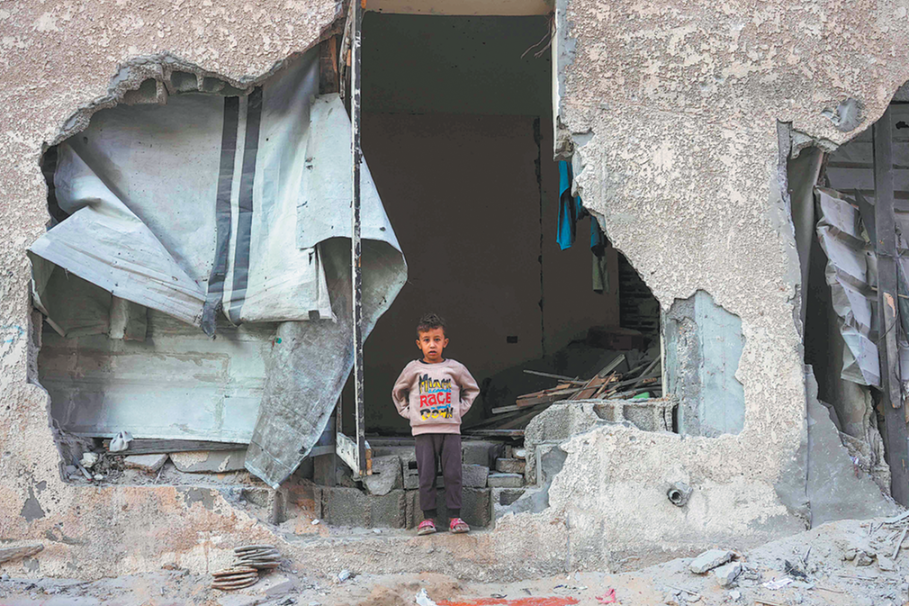
Gaza ceasefire challenged by strikes
The fragile ceasefire in Gaza faced its most severe test yet as overnight Israeli strikes resulted in the deaths of at least 100 people, including numerous children, according to local hospital officials. The violence, which erupted on Wednesday, marks a significant escalation in the conflict that has plagued the region for years. Mahmud Bassal, a spokesman for a rescue agency operating under Hamas authority, reported that 101 fatalities, including 35 children, were brought to hospitals within a span of less than 12 hours. The strikes targeted tents for displaced families, residential areas, and the vicinity of a hospital, described by Bassal as a ‘clear and flagrant violation of the ceasefire agreement.’ The Israeli military, however, defended its actions, stating that the strikes were aimed at ‘terror targets and terrorists’ and that the ceasefire remains intact. The military also confirmed the death of one of its soldiers during the latest attack. Both Israel and Hamas have accused each other of violating the ceasefire, with Hamas calling on mediators to pressure Israel to halt the strikes. The United States was notified prior to the Israeli operation, and President Donald Trump expressed confidence that the ceasefire, which began on October 10, would endure despite the recent violence. Meanwhile, hospitals in Gaza were overwhelmed with casualties, and survivors questioned the effectiveness of the ceasefire. International reactions included Turkey’s condemnation of the strikes as a violation of the truce and a call for global powers to push Israel to adhere to the agreement. The ceasefire, which halted two years of fighting following the deadly Hamas-led attacks on Israel in October 2023, remains a critical yet precarious step toward peace in the region.
-

UK’s Starmer stands by his Treasury chief after house rental rule breach
UK Treasury Chief Rachel Reeves has issued a public apology for renting out her London residence without the required license, a legal oversight that has drawn criticism from opposition leaders. The incident came to light after a report by The Daily Mail revealed that Reeves, who moved into a government-owned apartment near Downing Street following the Labour Party’s July 2024 election victory, failed to secure the necessary permit for her property. In a letter to Prime Minister Keir Starmer, Reeves described the lapse as an “inadvertent mistake” and confirmed that her team had since applied for the license. Starmer, after consulting the government’s ethics adviser, stated that no further investigation was necessary, accepting Reeves’ apology and closing the matter. However, Conservative Party leader Kemi Badenoch criticized the handling of the issue, calling for a full investigation and labeling the situation as problematic. The controversy adds to the challenges facing Reeves, who is preparing to deliver her annual budget statement on November 26 amid a struggling economy, high inflation, and subdued growth. The Labour government, which has yet to deliver on its economic promises, is also grappling with internal scandals, including the recent resignation of Deputy Prime Minister Angela Rayner over a tax dispute and the dismissal of UK Ambassador to Washington Peter Mandelson due to his ties to convicted sex offender Jeffrey Epstein.
-
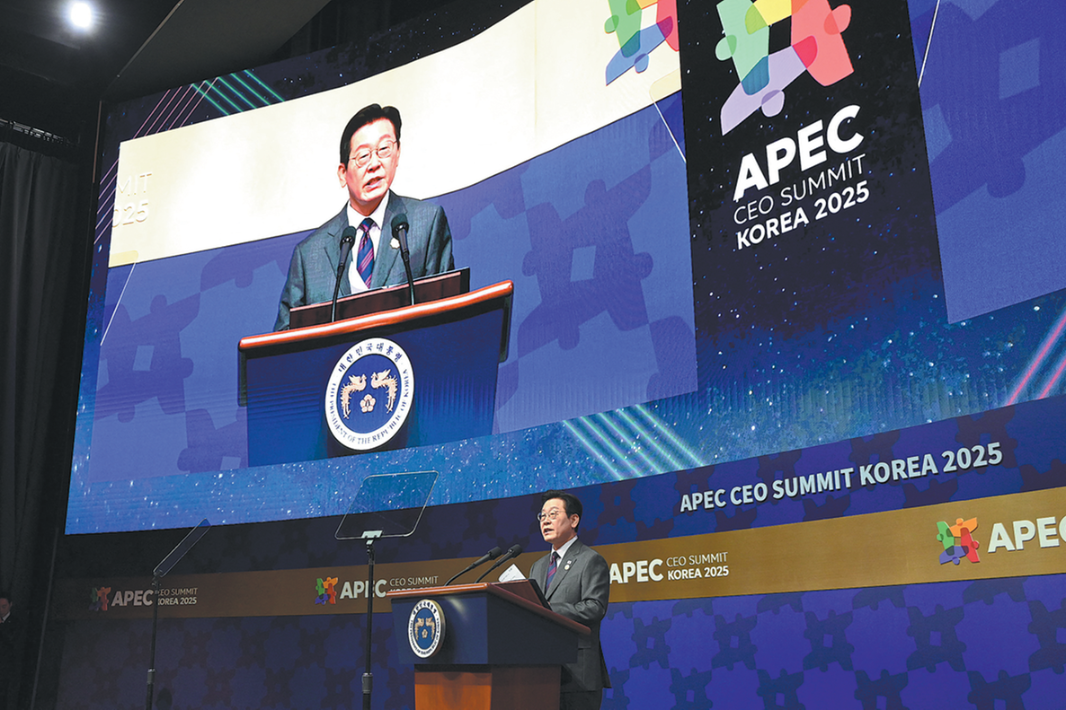
Calls for commitment to fair trade echo at APEC meeting
The APEC CEO Summit, held in Gyeongju, South Korea, underscored the critical need for fair trade, investment liberalization, and multilateral cooperation to address global economic challenges. South Korean President Lee Jae-myung, speaking at the opening ceremony, emphasized APEC’s historical role in fostering free trade and driving regional economic growth. He called for collective efforts to achieve sustainable development and equitable prosperity, particularly in the face of rising protectionism and inward-looking policies. The summit, themed ‘Building a Sustainable Tomorrow,’ also introduced an ‘AI for All’ initiative, aiming to integrate artificial intelligence as a cornerstone of APEC’s future agenda. U.S. President Donald Trump highlighted the robust growth prospects of the U.S. economy and engaged in bilateral discussions with Lee. The event, organized by the Korea Chamber of Commerce and Industry, brought together over 1,700 business leaders from 21 member economies to discuss pressing issues such as digital transformation, carbon neutrality, and global economic uncertainties. Chey Tae-won, chairman of the Korea Chamber of Commerce and Industry, stressed the importance of deepening trade and investment ties among APEC members to ensure regional prosperity. OECD Secretary-General Mathias Cormann warned of the adverse effects of trade tensions and policy uncertainty, urging APEC economies to resolve disputes through dialogue. Experts, including Choi Pil-soo of Sejong University, cautioned against unilateral trade measures that could undermine the global trade system, advocating for adherence to the WTO’s most-favored-nation principle.
-

Shenzhou XXI launch to Tiangong space station set for Friday
China is set to launch the Shenzhou XXI spacecraft on Friday night, marking a significant milestone in its space exploration program. The mission, led by Senior Colonel Zhang Lu, will transport three astronauts to the Tiangong space station for a six-month stay. The launch is scheduled for 11:44 pm from the Jiuquan Satellite Launch Center in Inner Mongolia, utilizing a Long March 2F carrier rocket. The crew includes Major Wu Fei, the spaceflight engineer, and mission payload specialist Zhang Hongzhang, both of whom are embarking on their first space mission. The Shenzhou XXI spacecraft will employ a rapid autonomous rendezvous-docking mode to connect with the Tianhe core module of the Tiangong space station, a process expected to take approximately three and a half hours. This mission will facilitate the crew exchange with the current occupants, Senior Colonel Chen Dong, Colonel Chen Zhongrui, and Colonel Wang Jie, who have been aboard the station since late April. The Tiangong space station, completed in late 2022, remains the only independently operated space station in orbit, positioned approximately 400 kilometers above Earth. This launch underscores China’s growing capabilities in space technology and its commitment to maintaining a continuous human presence in space.
-

Partnership fuels Africa’s digital leap
As Africa strives to overcome its digital divide, policymakers and technology leaders have highlighted the pivotal role of deepening technological cooperation with China in accelerating the continent’s digital transformation. From affordable smartphones to expanding broadband networks and skills development, this partnership is proving instrumental in bridging the connectivity gap and fostering a more inclusive digital future. According to the World Bank, Africa’s digital economy is projected to reach $712 billion by 2050, underscoring the significance of these collaborations. Aliyu Yusuf Aboki, Executive Secretary of the West Africa Telecommunications Regulators Assembly, emphasized the need for substantial investment to drive infrastructure and reduce device costs to the $20-$30 range, a tipping point for widespread adoption. He noted that Chinese companies are uniquely positioned to help achieve this goal. Despite rising mobile penetration, millions of Africans remain offline due to high device costs and limited rural connectivity. Collaborations with Chinese manufacturers and telecom giants are addressing these challenges by offering affordable smartphones and extending broadband networks into remote areas. In Uganda, partnerships with Chinese firms are enhancing access to digital services and strengthening the country’s ICT backbone. Godfrey Baluku Kabyanga, Uganda’s Minister of State for ICT and National Guidance, praised China’s willingness to share technology, citing Huawei’s role in expanding Uganda’s national backbone fiber network as a prime example of practical cooperation. Analysts have lauded this pragmatic model, which avoids burdensome political or financial preconditions, making China an attractive partner for African nations pursuing rapid digital transformation. Through companies like Huawei, ZTE, and Transsion, Chinese investment has contributed to the development of data centers, 5G infrastructure, e-government systems, and smartphone manufacturing across the continent. Bashir Gwandu, Chairman of the Commonwealth ITU Group, emphasized Africa’s openness to collaboration, welcoming any company that can enhance economic well-being and bridge the technology gap. As Africa positions itself for a more connected future, leaders anticipate that these partnerships will extend beyond infrastructure to encompass skills development, innovation hubs, and green digital solutions. ‘Africa’s digital transformation is not just about connectivity; it’s about creating opportunities for every citizen to participate in the global digital economy — and China’s cooperation is helping make that possible,’ Aboki concluded.
-
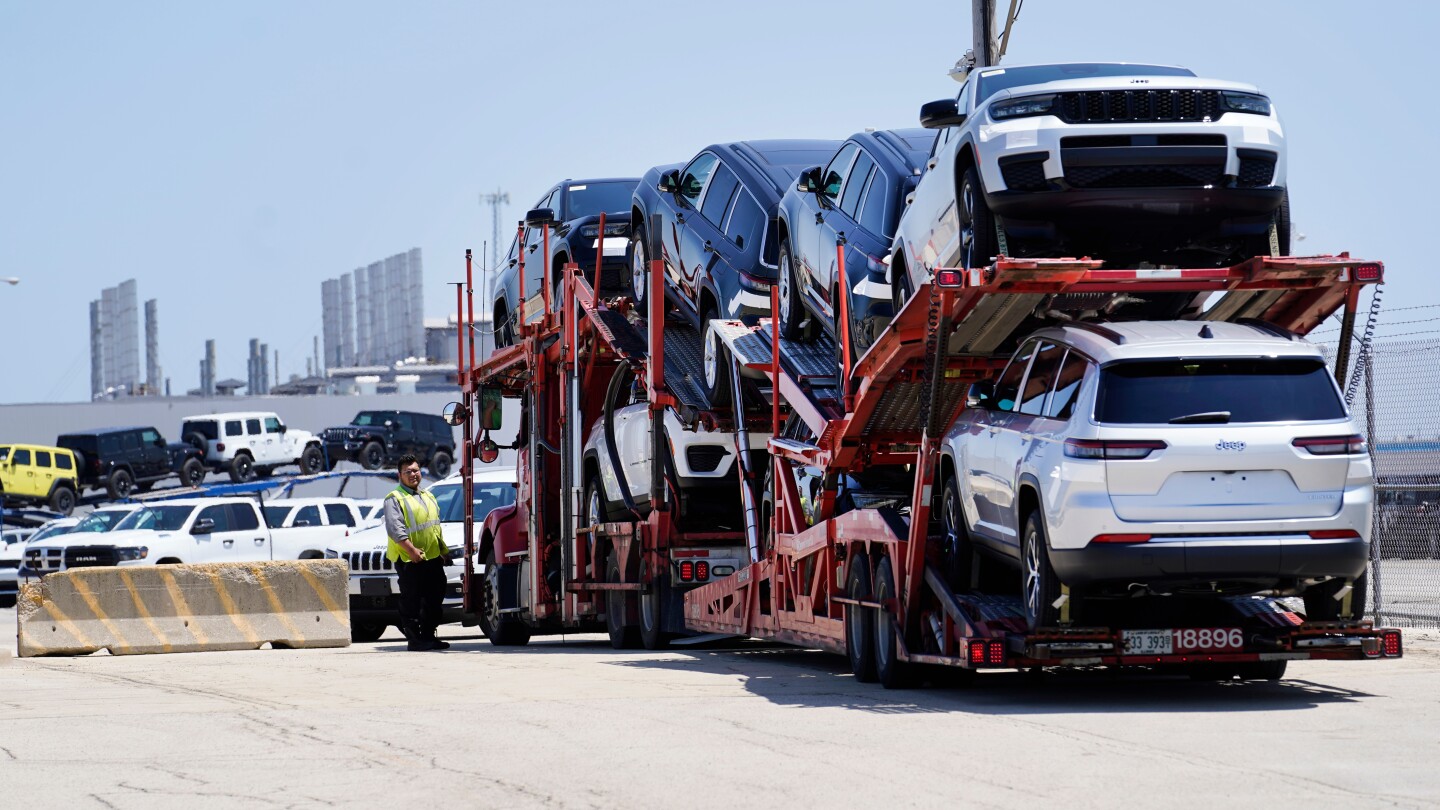
Maker of Jeep and Fiat sees early results of turnaround with higher 3Q revenue
Stellantis, the world’s fourth-largest carmaker, announced a significant 13% increase in third-quarter net revenues, reaching 37.2 billion euros. This marks the end of a seven-quarter decline, driven by robust performance in North America. The Italian-Franco-U.S. automaker, known for brands like Jeep, Fiat, and Peugeot, reported a 13% rise in vehicle shipments to 1.3 million units, with nearly 70% of the 152,000 new vehicles shipped in North America. The resurgence was fueled by the relaunch of the popular RAM 1500, powered by the HEMI V-8 engine, which had been discontinued by previous management. CEO Antonio Filosa, who assumed leadership in June, described the results as “encouraging,” highlighting strategic changes aimed at enhancing customer choice and driving growth. Stellantis also launched six new models in the first nine months of 2025 and plans to introduce four more by year-end. Globally, vehicle sales rose 4%, with notable increases in Europe, the Middle East, and Africa. However, European net revenues grew by only 4%, with market share dipping to 15.4% due to declines in France and Italy. Filosa has been actively revitalizing the company after a challenging 2024, which led to the departure of former CEO Carlos Tavares. Stellantis recently announced a $13 billion investment in U.S. operations over four years, aiming to expand manufacturing and create 5,000 jobs, potentially mitigating the impact of U.S. tariffs. The company revised its tariff impact estimate for this year to 1 billion euros, down from 1.5 billion euros.
-

China and Africa strengthen legal ties
In a landmark event held in Guangzhou, senior judicial officials from China and 12 African nations convened at the China-Africa Prosecutorial Cooperation Forum. The forum, themed ‘The Role of Prosecution in the Modernization Process of China and Africa,’ aimed to strengthen legal ties and enhance prosecutorial exchanges to support mutual modernization efforts. Chen Wenqing, a key figure in China’s political and legal affairs, emphasized the importance of aligning laws and policies to create a conducive legal environment for trade and development between the two regions. This initiative is part of the broader framework of the Forum on China-Africa Cooperation (FOCAC), which celebrates its 25th anniversary this year. Ying Yong, China’s top prosecutor, highlighted the role of law-based governance in China’s modernization and expressed readiness to collaborate with African counterparts in combating transnational crimes and enhancing judicial cooperation. African representatives, including Firmin Mvonde of the Democratic Republic of Congo and Dorcas Agik Abuya Oduor of Kenya, lauded China’s legal advancements and expressed eagerness to learn from its experiences in areas such as anti-corruption and digital economy legal frameworks. The forum concluded with the signing of the ‘Minutes of the China-Africa Prosecutorial Cooperation Forum,’ solidifying commitments to mutual legal assistance and the protection of shared interests.
-
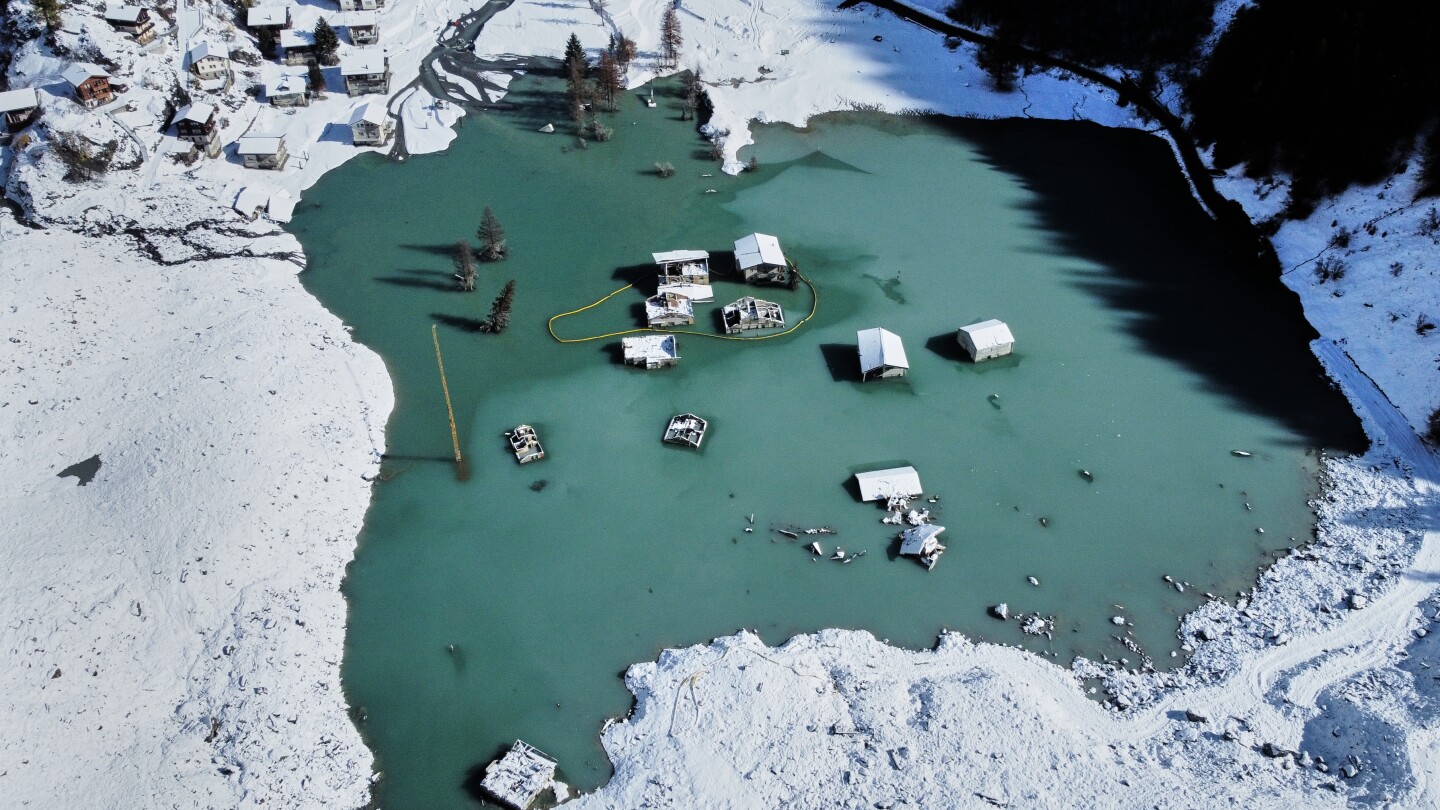
Residents of Swiss village swallowed by mudslide work to rebuild for return home
In May 2025, the serene village of Blatten in Switzerland’s Lötschental valley was struck by a catastrophic landslide. Over nine million cubic meters of ice, stone, and earth cascaded from the Kleines Nesthorn peak, obliterating more than 90% of the village’s structures and claiming the life of a 64-year-old man. The disaster left a scar nearly 2.5 kilometers wide and 100 meters high in some areas, plunging the community into chaos. Despite the devastation, the villagers, led by hotelier Lukas Kalbermatten, chose resilience over despair. Kalbermatten, whose family-owned Hotel Edelweiss was partially submerged in a murky pond, quickly shifted focus to rebuilding. Alongside other displaced families, he established a temporary hotel in the neighboring village of Wiler, ensuring the valley’s tourism industry could continue. The landslide’s aftermath revealed not only the physical destruction but also the emotional toll on residents. While some were overwhelmed by grief, others, like Kalbermatten, adopted a pragmatic approach, channeling their energy into recovery efforts. In the months following the disaster, work crews restored essential services, cleared debris, and began the arduous task of stabilizing the unstable terrain. The recent snowfall has temporarily solidified the remaining rock and ice, reducing immediate risks but complicating excavation efforts. Manfred Ebener, the construction coordinator, warned that the spring thaw could pose new challenges. Despite these hurdles, the community remains determined to rebuild, with plans to complete a new village by 2030. The disaster has also sparked conversations about climate change, as Swiss glaciologists link the increasing frequency of such events to global warming. While the villagers grapple with their new reality, their collective resolve offers a beacon of hope in the face of adversity.