
In a significant legal ruling, a South Korean court has dismissed claims by the popular K-pop group NewJeans, who sought to terminate their contract with their management label, ADOR, citing allegations of mistreatment. The Seoul Central District Court upheld the validity of the contract, marking the second legal victory for ADOR in this ongoing dispute. The court rejected the group’s argument that mistreatment had irreparably damaged their trust in the agency, stating that the level of trust was not sufficiently compromised to justify contract termination. NewJeans, a five-member girl group under HYBE—the parent company of ADOR and the powerhouse behind global sensation BTS—had announced their intention to leave ADOR in November, sparking a highly publicized legal battle. ADOR had previously filed for an injunction to prevent the group from engaging in independent commercial activities, which the court granted in March. The dispute intensified following allegations that HYBE forced out ADOR’s former CEO, Min Hee-jin, a key figure in NewJeans’ success. The group demanded her reinstatement, but HYBE refused, leading to public accusations of career sabotage and workplace harassment. The court clarified that the contract did not mandate Min’s leadership of ADOR. ADOR welcomed the ruling and expressed hope for reconciliation, announcing plans for a new album release.
博客
-
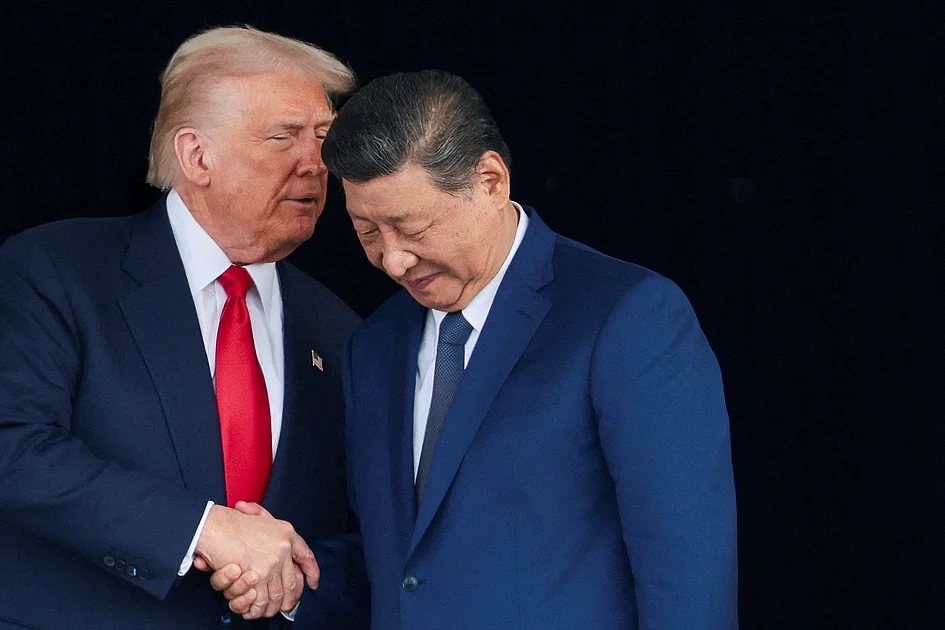
Trump strikes deal with China’s Xi Jinping on tariffs, rare earth exports
In a groundbreaking effort to enhance early detection of breast cancer, Burjeel Cancer Institute has unveiled a mobile screening initiative designed to make diagnostic services more accessible to communities across the region. This innovative program, aptly named ‘Early Detection on Wheels,’ features state-of-the-art screening equipment housed within a fully equipped mobile unit. The initiative aims to reach underserved populations, particularly in remote or rural areas, where access to healthcare facilities is often limited. By bringing advanced diagnostic tools directly to these communities, Burjeel Cancer Institute seeks to bridge the gap in healthcare accessibility and promote early intervention, which is critical in improving survival rates. The mobile unit will offer mammograms, clinical breast exams, and educational workshops to raise awareness about the importance of regular screenings. This initiative underscores the Institute’s commitment to combating breast cancer through proactive measures and community engagement. Early detection remains a cornerstone in the fight against breast cancer, and this program is poised to make a significant impact in reducing late-stage diagnoses and saving lives.
-

Five ways the government shutdown is hurting Americans
The United States government shutdown has now stretched into its fifth week, with no immediate resolution in sight. The political stalemate between Democrats and Republicans over a spending plan has left federal agencies shuttered, impacting millions of Americans who are now grappling with severe economic consequences. The prolonged shutdown threatens essential services, including food assistance, military pay, and heating aid, creating a ripple effect across the nation.
-
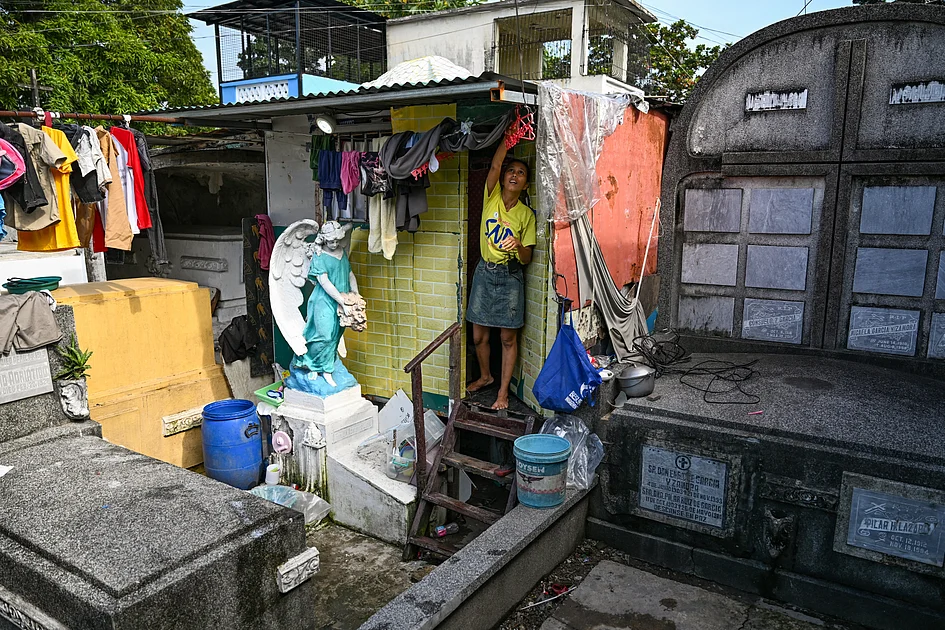
Photos: Poverty forces these Filipinos to live among the dead, become cemetery dwellers
In the heart of Manila, where poverty is pervasive and millions struggle with inadequate housing, some residents have found an unconventional refuge: cemeteries. The Manila North Cemetery, a vast 54-hectare public graveyard, is home to approximately 6,000 informal settlers who live among the tombs of over a million deceased Filipinos. These cemetery dwellers, often referred to as ‘informal settlers,’ have turned the gravesites into makeshift homes, repurposing crypts and mausoleums into living spaces. Laileah Cuetara, a 36-year-old mother of two, resides in a small wooden shanty perched atop a pair of raised tombs. Her home, furnished with a foam mattress, shelves, a television, and picture frames, is a stark reminder of the dire economic conditions faced by many in the Philippines. Cuetara earns around 3,000 pesos ($51) monthly by selling snacks and drinks to cemetery visitors. During All Saints’ Day and All Souls’ Day, she and her partner earn additional income by cleaning and tending to 30 tombs, receiving up to 1,700 pesos for each. However, their earnings are insufficient to escape the cemetery. ‘With the high prices of basic goods nowadays, it’s very difficult to improve our living conditions,’ Cuetara lamented. She moved into the cemetery in 2008 after a family conflict forced her to leave her suburban home. The plight of cemetery dwellers like Cuetara is not unique. Priscilla Buan, 51, was born in the cemetery and has raised her children among the tombs. She and her family sleep atop two crypts in a mausoleum, with the remaining space converted into a living room complete with a sofa, cabinet, and appliances. Buan sells snacks from the tomb’s grilled window but dreams of a better life. ‘Even if I wanted to, we don’t have money to buy a house,’ she said. The number of cemetery dwellers has been increasing, according to Vicente Eliver of the Kapatiran-Kaunlaran Foundation, which provides livelihood and educational programs to these residents. Eliver noted that while only grave caretakers and their families once lived in the cemetery, their descendants have continued the tradition, leading to a growing population. Most residents claim to have permission to occupy mausoleums or build shanties on graves in exchange for maintaining them. They tap into existing power lines for electricity and pay 3 pesos per gallon of water from nearby wells. However, Daniel Tan, the cemetery director, emphasized that the arrangement is not meant to be permanent. ‘This is a cemetery, it’s for the dead and not for the living,’ Tan stated. He acknowledged that the city is attempting to find permanent housing solutions but provided no specifics. For Cuetara and others, living in the cemetery is a last resort. Her 11-year-old son faces bullying at school due to their address, while her six-year-old daughter dreams of a real home, often drawing houses that adorn their makeshift dwelling. ‘All of us here dream of having a house outside, but… it’s hard, very hard,’ Cuetara said.
-

Why Xi advocates an Asia-Pacific community with a shared future
As the Asia-Pacific Economic Cooperation (APEC) marks its 30th anniversary, Chinese President Xi Jinping has reiterated his vision for a unified and prosperous Asia-Pacific community. Speaking at the 30th APEC Economic Leaders’ Meeting in San Francisco, Xi emphasized the need for continued regional cooperation to sustain the ‘Asia-Pacific Miracle,’ a period of unprecedented economic growth that has reshaped the global economy. Xi’s call for an ‘Asia-Pacific community with a shared future’ aligns with the Putrajaya Vision 2040, a long-term blueprint aiming for an open, dynamic, resilient, and peaceful region by 2040. Xi highlighted the importance of addressing diverse national conditions through consultation and collaboration, drawing on ancient Chinese wisdom to liken APEC to a family connected by the Pacific Ocean. ‘The highest good is like water; water benefits all things without contending,’ he remarked, underscoring his belief in coexistence and mutual benefit. Xi’s vision extends beyond economic integration to tackling global challenges like climate change. In February 2025, he welcomed the Sultan of Brunei, Haji Hassanal Bolkiah Mu’izzaddin Waddaulah, to China, where they discussed cooperation in emerging sectors such as the digital economy, artificial intelligence, and new energy, as well as traditional areas like agriculture and fisheries. Brunei’s role in hosting the ASEAN Center for Climate Change further symbolizes the region’s commitment to collaborative climate action. Xi envisions the Asia-Pacific as the ‘locomotive’ of globalization, driven by technological and industrial advancements that are propelling the world toward a digital, green, and smart economy. Despite global challenges, Xi remains optimistic, asserting that the forces driving integration will prevail, transforming the Pacific into a ‘thoroughfare for more prosperity and growth.’
-

What tariffs has Trump announced and why?
In a bold move to reshape global trade dynamics, former US President Donald Trump has implemented a series of tariffs on imported goods from various countries. Trump asserts that these measures will invigorate American manufacturing, create jobs, and reduce the US trade deficit. However, critics argue that the tariffs could lead to higher consumer prices and disrupt the global economy. Tariffs, essentially taxes on imports, are calculated as a percentage of a product’s value. For instance, a 10% tariff on a $10 item adds $1 to its cost, raising the total to $11. These taxes are paid by importers, who may pass the additional costs onto consumers or reduce their import volumes. Trump’s strategy aims to encourage the purchase of American-made goods and increase government revenue. He has also used tariffs as leverage in negotiations, demanding that countries like China, Mexico, and Canada take stronger actions to curb illegal drug trafficking and migration. Despite facing legal challenges and amendments, Trump’s tariffs have significantly impacted global trade. For example, China and the US have threatened each other with tariffs exceeding 100%, though a temporary truce was extended until November. Canada faces a 35% tariff on most goods, while Mexico deals with a 30% tariff, both under the USMCA agreement. Other countries, including India, Brazil, and South Africa, have also been subjected to varying tariff rates. The UK has negotiated the lowest tariff rate of 10%, primarily affecting its automotive and pharmaceutical exports. Trump’s tariffs have also targeted specific products, such as branded drugs, steel, and furniture, with rates ranging from 25% to 100%. The elimination of the $800 exemption for low-cost imports has further complicated the trade landscape, affecting millions of packages shipped daily. Despite initial economic volatility, the US economy has shown resilience, with consumer spending increasing by 2.5% in the year to June 2025. However, the International Monetary Fund (IMF) warns that US tariffs continue to have a negative impact on global economic stability. As negotiations persist, the long-term effects of Trump’s tariff strategy remain uncertain.
-

Xi Jinping — proponent of an inter-connected Asia-Pacific
President Xi Jinping, General Secretary of the Communist Party of China (CPC) Central Committee, has consistently advocated for enhanced connectivity and cooperation across the Asia-Pacific region and globally. His efforts have been instrumental in advancing the Belt and Road Initiative (BRI), a cornerstone of international economic collaboration. In April 2025, during a state visit to Vietnam, Xi and Vietnamese leader To Lam initiated discussions on a railway project linking the two nations. This initiative is set to integrate with other landmark BRI projects, such as the China-Laos railway, China-Thailand railway, Jakarta-Bandung high-speed railway, and Malaysia’s East Coast Rail Link, further strengthening regional connectivity. Beyond Asia, Xi’s vision extends to Latin America. In November 2024, he inaugurated the Chancay port in Peru, a strategic maritime gateway that reduces shipping time to China to 23 days and cuts logistics costs by 20 percent. Xi emphasized the port’s role in driving logistics, boosting trade, and spurring industrial growth. In addition to physical infrastructure, Xi has consistently highlighted the importance of stabilizing global industrial and supply chains. He has urged countries to view economic interdependence as an opportunity for mutual benefit rather than a risk. In March 2025, Xi met with over 40 global business leaders in Beijing, reaffirming China’s commitment to openness and foreign investment. Sean Stein, president of the US-China Business Council, praised Xi’s vision, stating, ‘Investing in China is investing in the future.’ Xi also underscored the significance of cultural exchanges in fostering lasting cooperation. China’s visa-free policies and cultural initiatives have significantly increased foreign visitors. This spirit of connection was evident during the 2024 APEC Leaders’ Meeting in Peru, where Chilean President Gabriel Boric presented Xi with a Spanish copy of ‘Xi Jinping: the Governance of China, Volume IV,’ highlighting the importance of cultural dialogue in strengthening bilateral ties.
-

This Spanish tenor’s already a star in Europe. Now he’s made a big splash at the Met
Xabier Anduaga, the 30-year-old Spanish tenor, has swiftly ascended to stardom in the opera world, earning acclaim for his exceptional vocal talent and stage presence. His journey began in San Sebastian, Spain, where he started singing as a boy soprano in church at the age of seven. By ten, he joined the Orfeón Donostiarra Choir, where he met Elena Barbé, his future wife and vocal coach. Despite early struggles at the conservatory, where he was pushed to sing roles unsuitable for his light tenor voice, Anduaga found his footing under Barbé’s guidance. His breakthrough came in 2016 when he performed at the Rossini festival in Pesaro, Italy, and later stepped in as a last-minute replacement for a role in Rossini’s “La Cenerentola” in Bilbao. Since then, Anduaga has become a sought-after performer across Europe, headlining productions like Bellini’s “La Sonnambula” at the Metropolitan Opera in New York. His voice, described as capable of “thinning to a silken thread or blooming into ringing, plush fortissimos,” has drawn comparisons to legendary tenors like Pavarotti, though Anduaga humbly dismisses such parallels. With a growing repertoire that includes bel canto favorites and lighter Verdi roles, Anduaga is poised to become a defining figure in opera for years to come.
-
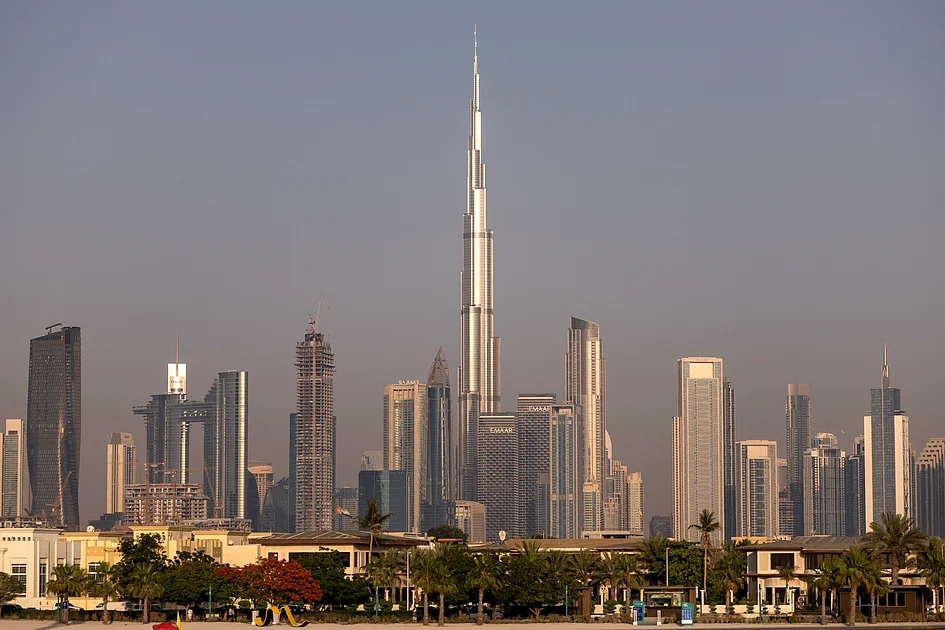
Apparel Group enters real estate with KORA Properties; first project in Dubai Maritime City
AppCorp Holding, the parent company of the renowned Apparel Group, has announced its strategic entry into Dubai’s thriving real estate market with the launch of KORA Properties. This premium real estate development firm is set to debut its first project in Dubai Maritime City on November 12, 2025. The move aligns with Dubai’s ambitious Real Estate Sector Strategy 2033, which aims to elevate the sector’s market value to Dh1 trillion. KORA Properties will focus on creating high-end residential and commercial spaces, as well as niche developments in healthcare and hospitality. Nilesh Ved, Chairman of AppCorp Holding, emphasized that KORA Properties is committed to crafting living spaces that transcend mere construction, offering ‘Timeless Living’ that nurtures dreams and fosters growth. This venture marks a significant step in AppCorp’s diversification strategy, expanding its portfolio beyond retail and lifestyle into high-value sectors. Established in 1996, Apparel Group has grown into one of the region’s largest retail conglomerates, representing over 85 global brands across 2,500 stores in 14 countries. With KORA Properties, AppCorp is poised to become a multi-sector holding company, blending its expertise in fashion with innovative real estate development.
-

The International Space Station marks 25 years of nonstop human presence in orbit
CAPE CANAVERAL, Fla. — This weekend marks a monumental milestone in space exploration: 25 years of uninterrupted human habitation aboard the International Space Station (ISS). Since its first crew arrived on November 2, 2000, the ISS has hosted nearly 300 individuals from 26 countries, including professional astronauts, space tourists, and even a movie director. The pioneering trio of NASA’s Bill Shepherd and Russia’s Sergei Krikalev and Yuri Gidzenko laid the foundation for this extraordinary achievement, transforming the station into a functional and hospitable environment. Despite geopolitical tensions between the U.S. and Russia, collaboration in space remains strong, a testament to the unifying power of space exploration. Over the years, the ISS has evolved from a rudimentary outpost to a state-of-the-art facility, complete with advanced labs, an internet phone, and a glassed-in cupola offering breathtaking views of Earth. Astronauts have conducted thousands of experiments, including groundbreaking medical research and the famous twins study involving Scott and Mark Kelly. However, life aboard the ISS is not without challenges. Astronauts have faced close calls, such as a near-drowning incident, persistent air leaks, and the growing threat of space debris. As the ISS approaches its planned decommissioning in 2031, NASA is working with private companies like SpaceX and Axiom Space to ensure a seamless transition to future orbital stations. SpaceX has been tasked with safely deorbiting the ISS, while Axiom plans to repurpose its module into a new space station. NASA’s goal is to maintain a continuous human presence in orbit, ensuring that the legacy of the ISS endures.