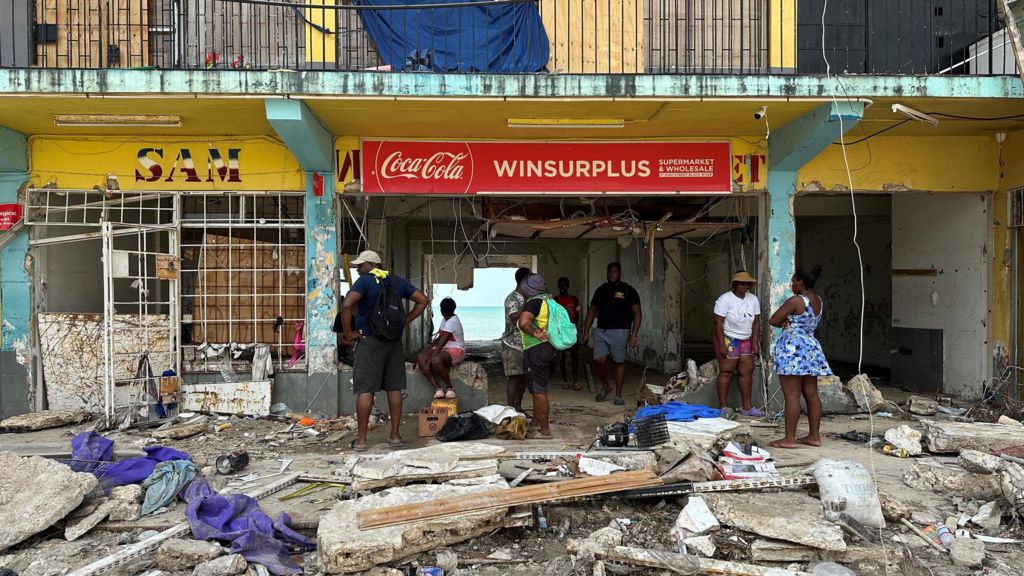
The aftermath of Hurricane Melissa has left the Jamaican port city of Black River in a state of utter devastation. As one of the most powerful Category 5 storms ever recorded in the Caribbean, Melissa unleashed fierce winds and a catastrophic storm surge that decimated nearly everything in its path. Roads are rendered impassable, buildings lie in ruins, and essential infrastructure, including hospitals and police stations, has been destroyed. Residents are now grappling with the dual challenges of survival and the search for missing loved ones.
博客
-
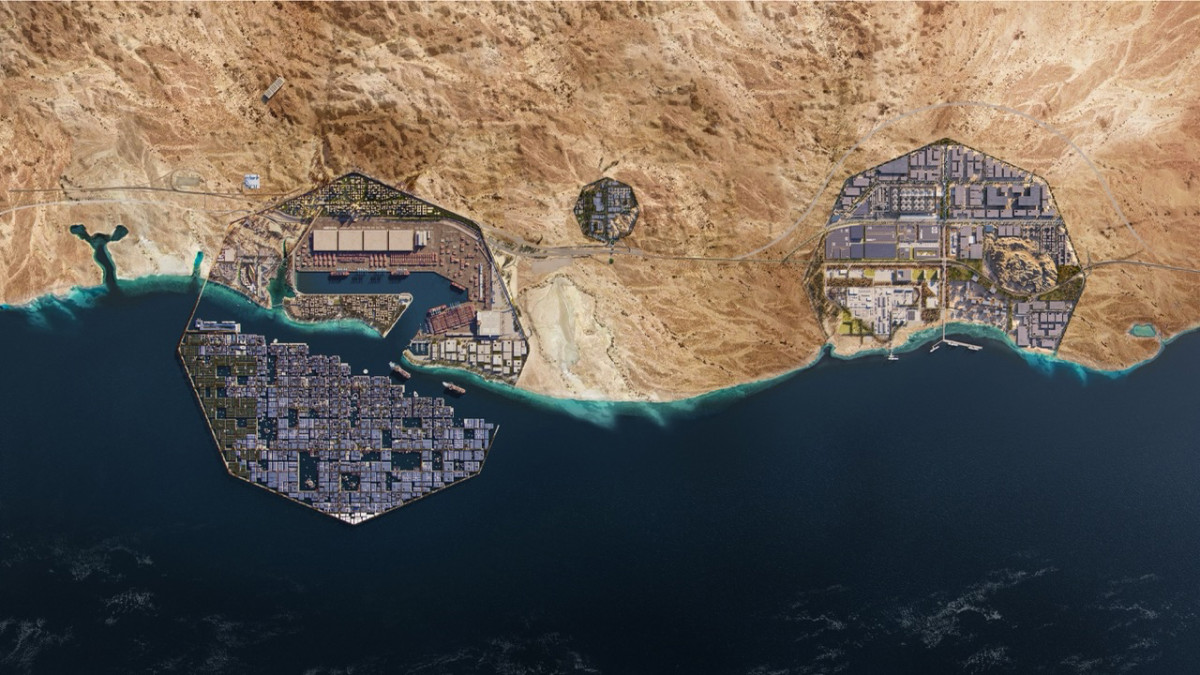
Saudi Arabia’s unbeatable AI pitch? Having oil and gas to burn
Saudi Arabia is positioning itself as a global hub for artificial intelligence (AI) by leveraging its abundant and inexpensive energy resources. Amid rising energy costs in the US, partly driven by data center demands, the Kingdom is enticing global investors with the promise of low-cost electricity to power AI infrastructure. Greg Priddy, an energy expert at the Center for the National Interest, emphasized that Saudi Arabia’s primary competitive edge in AI lies in its cheap electricity, largely derived from fossil fuels. While other metrics may favor alternative locations, the Kingdom’s ultra-affordable energy costs give it a unique advantage in the race to become an AI powerhouse. This ambition was prominently showcased at the Future Investment Initiative (FII) conference in Riyadh, where Saudi executives outlined plans to establish the country as the third-largest player in AI, alongside China and the US. Major projects, such as Datavolt’s $5 billion data center on the Red Sea coast and Humain’s expansive data center network, underscore the Kingdom’s commitment to AI development. However, experts caution that Saudi Arabia must significantly expand its electrical grid to meet the colossal energy demands of these facilities. The Kingdom’s reliance on fossil fuels, particularly natural gas and crude oil, provides a cost-effective solution for now, but investments in renewable energy and shale gas extraction are also underway. Saudi Aramco’s recent acquisition of a minority stake in Humain highlights the strategic link between energy and AI. With electricity prices 30-50% cheaper than the global average, Saudi Arabia offers a compelling proposition for data center operators. Crown Prince Mohammed bin Salman’s Vision 2030 initiative further supports this push, aiming to diversify the economy beyond oil exports. While challenges such as skilled labor shortages and geopolitical concerns over semiconductor exports persist, Saudi Arabia’s energy wealth and government-driven pricing policies position it as a formidable contender in the global AI landscape.
-
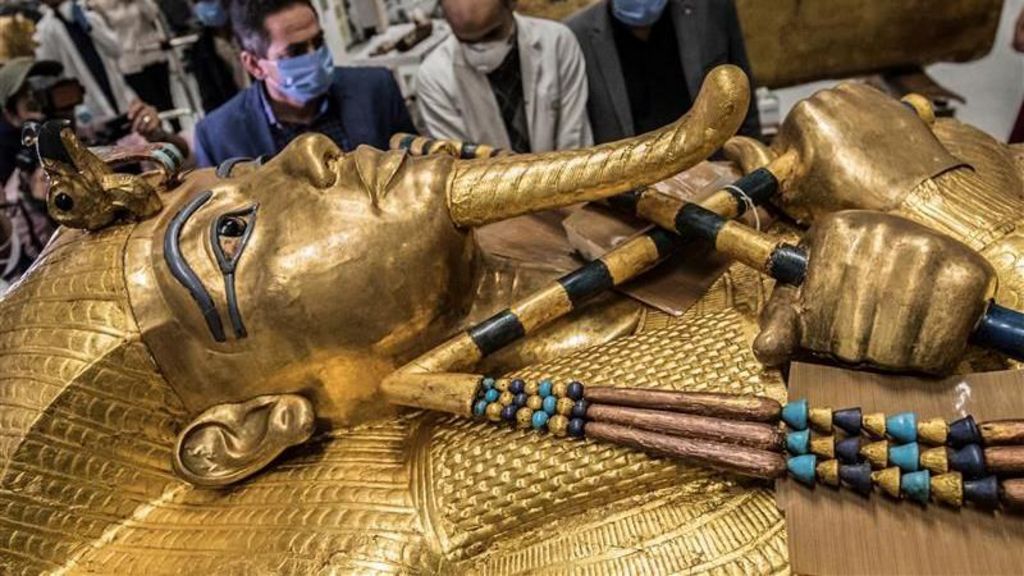
Egypt’s Grand Museum opens, displaying Tutankhamun tomb in full for first time
Egypt has officially unveiled the Grand Egyptian Museum (GEM), a monumental cultural institution near the Great Pyramid of Khufu in Giza. Described as the world’s largest archaeological museum, the GEM houses approximately 100,000 artefacts spanning seven millennia of Egyptian history, from pre-dynastic times to the Greek and Roman eras. A centerpiece of the museum is the complete collection from Tutankhamun’s tomb, including his iconic gold mask, throne, and chariots, displayed together for the first time since their discovery by British Egyptologist Howard Carter in 1922. Dr. Tarek Tawfik, President of the International Association of Egyptologists, emphasized the significance of showcasing the entire tomb, offering visitors an immersive experience akin to Carter’s original discovery. The $1.2 billion museum complex, which spans 500,000 square meters, is expected to attract up to 8 million visitors annually, revitalizing Egypt’s tourism sector. The GEM also features other remarkable exhibits, such as the 4,500-year-old funerary boat of Khufu and a 16-meter-long suspended obelisk of Ramesses II. The museum’s opening has reignited calls for the repatriation of key Egyptian antiquities, including the Rosetta Stone, the Dendera Zodiac, and the Bust of Nefertiti, currently held in foreign institutions. Dr. Zahi Hawass, Egypt’s former minister of tourism and antiquities, expressed pride in the museum’s completion, highlighting its role in showcasing Egypt’s cultural heritage and modern achievements. The GEM, which began construction in 2005, faced numerous challenges, including financial crises, political turmoil, and the COVID-19 pandemic, but its completion marks a new era for Egyptology and cultural tourism.
-
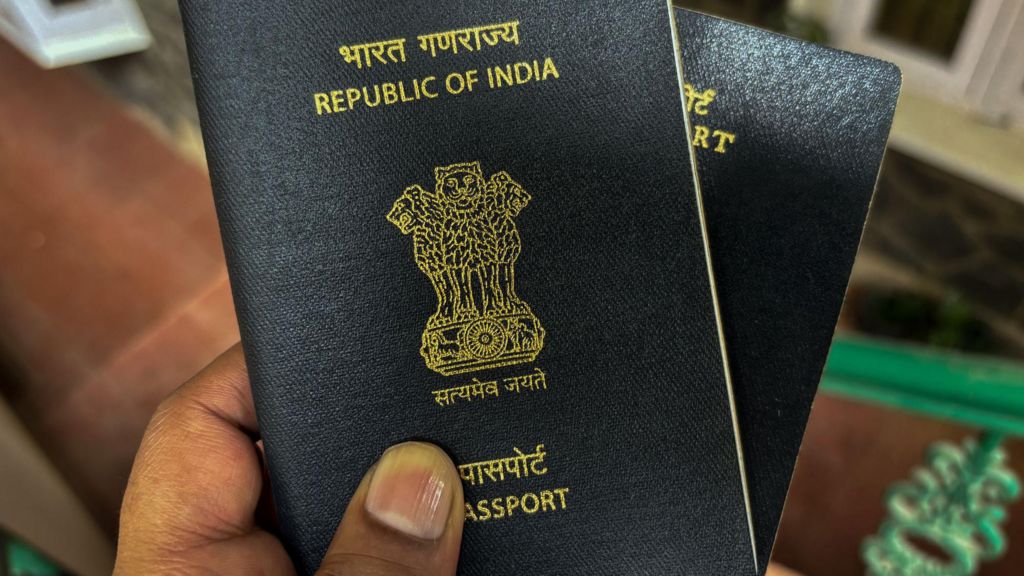
Why the Indian passport is falling in global ranking
India’s passport has been ranked 85th out of 199 countries in the 2025 Henley Passport Index, a global ranking system based on visa-free travel access. This marks a slight decline from its previous position, highlighting ongoing challenges for Indian citizens seeking international mobility. While the number of visa-free destinations for Indians has increased from 52 in 2015 to 57 in 2025, the country’s ranking has remained stagnant, reflecting a more competitive global landscape in travel partnerships and visa policies. For comparison, Singapore, South Korea, and Japan continue to dominate the index, offering their citizens visa-free access to 193, 190, and 189 countries, respectively. Meanwhile, India shares its 85th rank with Mauritania, an African nation with a significantly smaller economy. Experts attribute India’s stagnant ranking to factors such as political instability, immigration concerns, and cumbersome visa procedures. Achal Malhotra, a former Indian ambassador, notes that India’s historical political upheavals, including the Khalistan movement in the 1980s, have tarnished its global image. Additionally, issues like passport fraud and slow visa processing further hinder its progress. Despite these challenges, India has introduced technological advancements, such as the e-passport, which incorporates biometric data to enhance security. However, experts emphasize that diplomatic outreach and travel agreements remain crucial for improving India’s passport strength and global mobility.
-

She’s a pop star, he’s a former PM – why Katy Perry and Justin Trudeau just might work
In a surprising turn of events, former Canadian Prime Minister Justin Trudeau and American pop icon Katy Perry have confirmed their romantic relationship. The couple was photographed holding hands in Paris last weekend, leaving the Crazy Horse cabaret after celebrating Perry’s 41st birthday. This unexpected pairing has captured global attention, blending the worlds of politics and pop culture in a way few could have anticipated. Both Trudeau and Perry have faced significant public scrutiny in recent years, making their union a fascinating chapter in their respective journeys. Trudeau, who stepped down from politics earlier this year amid declining popularity, and Perry, who has weathered professional setbacks and personal challenges, appear to be finding solace in each other. Their relationship offers a rare glimpse into Trudeau’s private life, which has been largely shielded from public view since his resignation. For Perry, the partnership opens doors to new civic and philanthropic opportunities, while Trudeau benefits from a softer, more relatable image in the realm of pop culture. Observers note that their connection is rooted in shared experiences of navigating life post-separation, with both recently ending long-term relationships. As the couple continues to make headlines, their romance serves as a reminder of the unpredictable nature of love and the enduring allure of high-profile relationships.
-
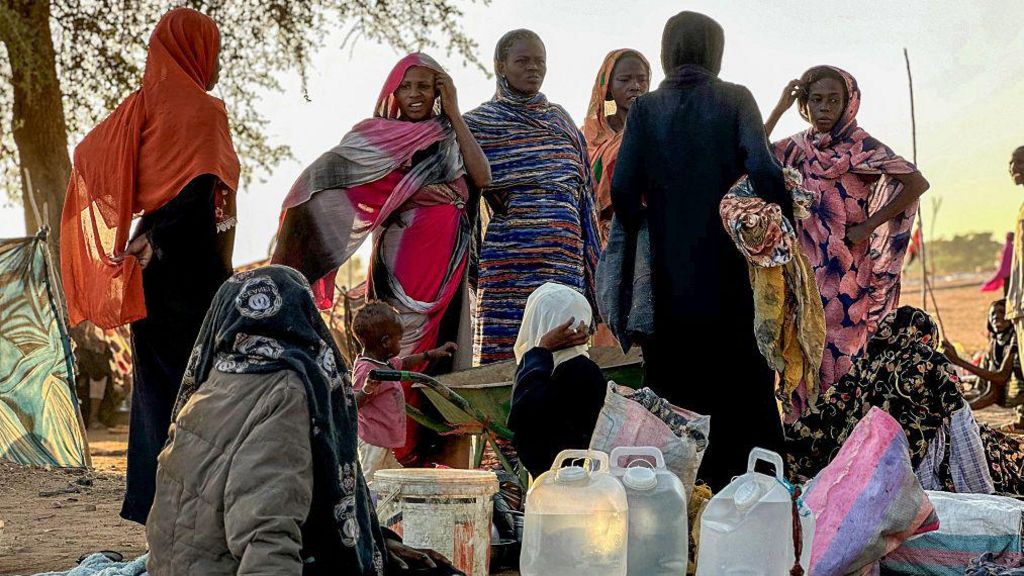
‘I was accused of spying and beaten’ – a boy’s escape from captured Sudan city
The western Sudanese city of el-Fasher has become a focal point of the ongoing civil war between the Rapid Support Forces (RSF) and the Sudanese army. Twelve-year-old Abdiwahab, whose name has been changed for safety, recently escaped the city after it fell to the RSF. In a video shared with the BBC, he recounts being assaulted multiple times by RSF fighters, who accused him of espionage. Separated from his family during the chaos, Abdiwahab walked 80 kilometers over three days to reach Tawila, a town offering relative safety. His story mirrors those of thousands of others fleeing el-Fasher, where the UN estimates 60,000 have escaped amid reports of atrocities, including rape and mass killings. Many survivors arrive in Tawila alone, traumatized, and in desperate need of aid. Ali, a volunteer aid worker who fled el-Fasher himself, filmed Abdiwahab’s account and is now helping new arrivals at a temporary camp. The situation remains dire, with aid agencies overwhelmed by the influx of displaced people, many of whom are unaccompanied minors or suffering from injuries and malnutrition. Despite the RSF leader’s admission of ‘violations’ and promises of investigation, the humanitarian crisis continues to deepen, leaving over 260,000 civilians, including 130,000 children, trapped in el-Fasher under famine-like conditions.
-
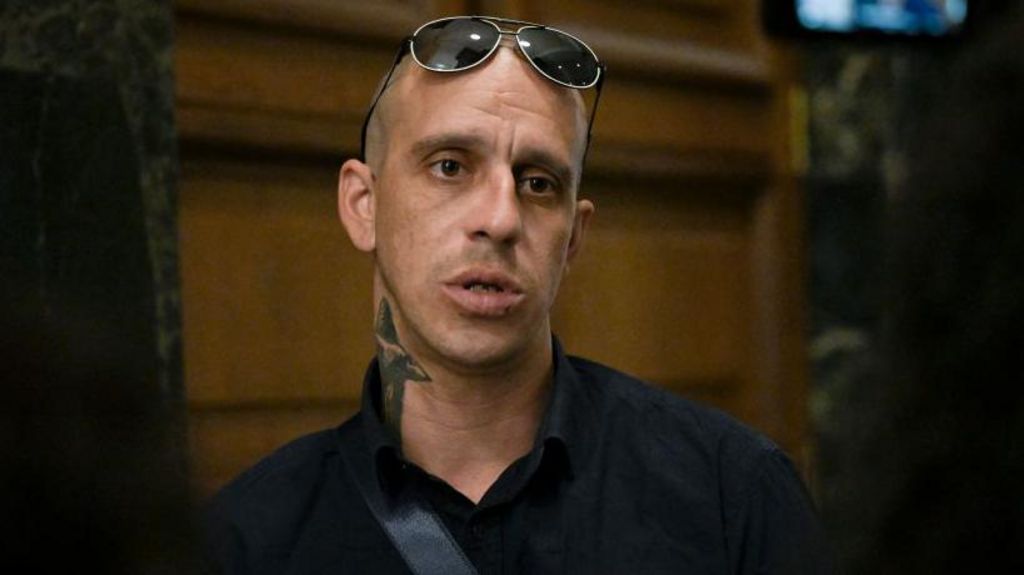
Hand of Moscow? The men jailed for vandalism in French hybrid warfare case
In a case that underscores the evolving nature of modern hybrid warfare, three Bulgarian men were sentenced to two to four years in prison for their involvement in a Kremlin-linked campaign to destabilize France. The trial, held in a Paris courtroom, revealed a stark contrast between the sophistication of hybrid warfare and the mundane reality of its execution. Georgi Filipov, Nikolay Ivanov, and Kiril Milushev admitted to vandalizing the Wall of the Righteous, a Holocaust memorial, with red handprints in May 2024. Despite their admissions, they denied working for a foreign power or harboring antisemitic motives. The trio’s actions were part of a broader series of symbolic attacks in France, including pigs’ heads left outside mosques and coffins placed near the Eiffel Tower. These incidents were amplified by Russian social media trolls, aiming to sow discord and question the stability of French society. France, with its political divisions and historical ties to Moscow, has become a prime target for such operations. The defendants, described as low-level operatives, were allegedly recruited through discreet channels, highlighting a shift from high-cost espionage to cost-effective, deniable proxies. Filipov, who claimed ignorance of the operation’s significance, was paid €1,000 for his role. Milushev cited personal struggles, while Ivanov, considered the mastermind, received the harshest sentence. The case raises questions about the Kremlin’s role in exploiting societal fractures to undermine Western democracies.
-
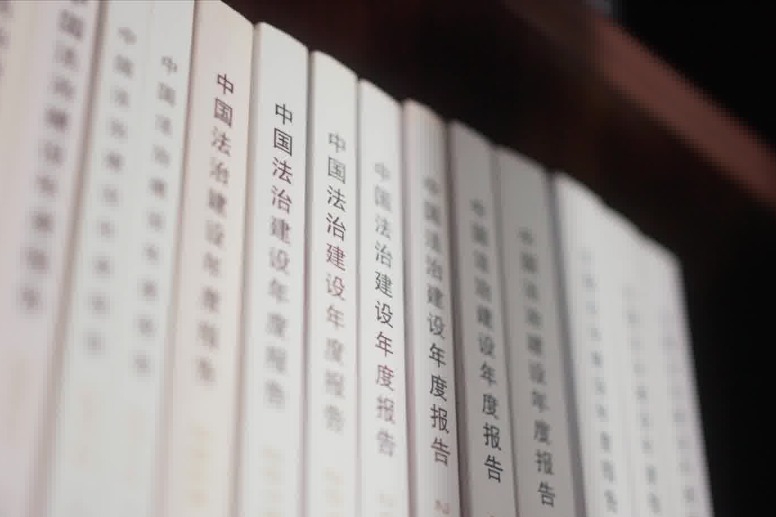
Annual report on rule of law in China released
China Daily Information Co (CDIC) holds exclusive rights to all content published on its website, including text, photos, and multimedia materials. Unauthorized reproduction or use of this content in any form is strictly prohibited without prior written consent from CDIC. The site recommends using browsers with a resolution of 1024*768 or higher for optimal viewing. Additionally, the platform provides essential information about China Daily, advertising opportunities, contact details, job offers, and expatriate employment resources. Users can also follow the organization through various channels to stay updated.
-
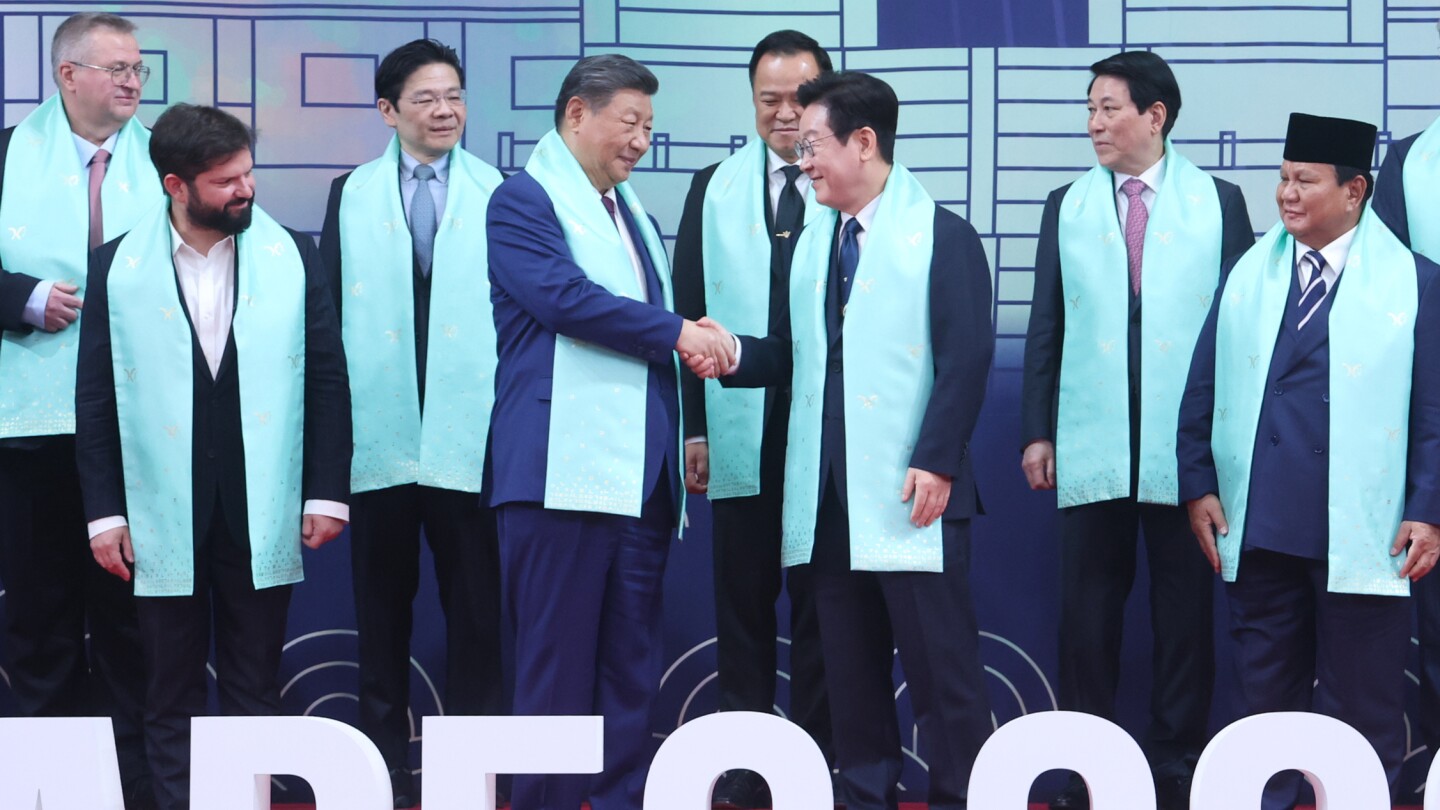
South Korea calls for greater Chinese efforts to bring North Korea back to talks
In a significant diplomatic engagement, South Korean President Lee Jae Myung and Chinese President Xi Jinping convened in Gyeongju, South Korea, to discuss pressing regional issues and bolster bilateral relations. The meeting, held on the sidelines of the Asia-Pacific Economic Cooperation (APEC) summit, focused on North Korea’s denuclearization and expanded economic cooperation between the two nations. President Lee urged Xi to play a more active role in persuading North Korea to return to negotiations, emphasizing the importance of peace on the Korean Peninsula for regional prosperity. Xi, in response, pledged continued efforts to promote stability and resolve issues concerning the Korean Peninsula. The discussions also highlighted China’s strategic position as North Korea’s traditional ally, though questions remain about Beijing’s influence over Pyongyang. Meanwhile, North Korea’s Vice Foreign Minister Pak Myong Ho criticized South Korea’s denuclearization efforts as unrealistic. Beyond North Korea, the two leaders signed agreements to combat online scams, expand a bilateral free trade deal, and renew a currency swap agreement. The APEC summit concluded with a joint statement reaffirming the importance of trade and investment for regional growth, despite ongoing U.S.-China trade tensions. The leaders also addressed emerging challenges such as artificial intelligence, demographic shifts, and urbanization, underscoring the need for multilateral cooperation in a rapidly changing global landscape.
-

Number of Irish citizens deported from US up more than 50%
The United States has witnessed a significant surge in the deportation of Irish citizens, with figures revealing a more than 50% increase in 2025 compared to the previous year. According to data from the U.S. Immigration and Customs Enforcement (ICE), 99 Irish nationals were deported between January and September 2025, up from 60 in the 2024 fiscal year. This trend has sparked widespread concern, particularly among families facing separation due to stringent immigration enforcement.