博客

  • China to accelerate smarter, greener transport system in 15th Five-Year Plan

    China to accelerate smarter, greener transport system in 15th Five-Year Plan

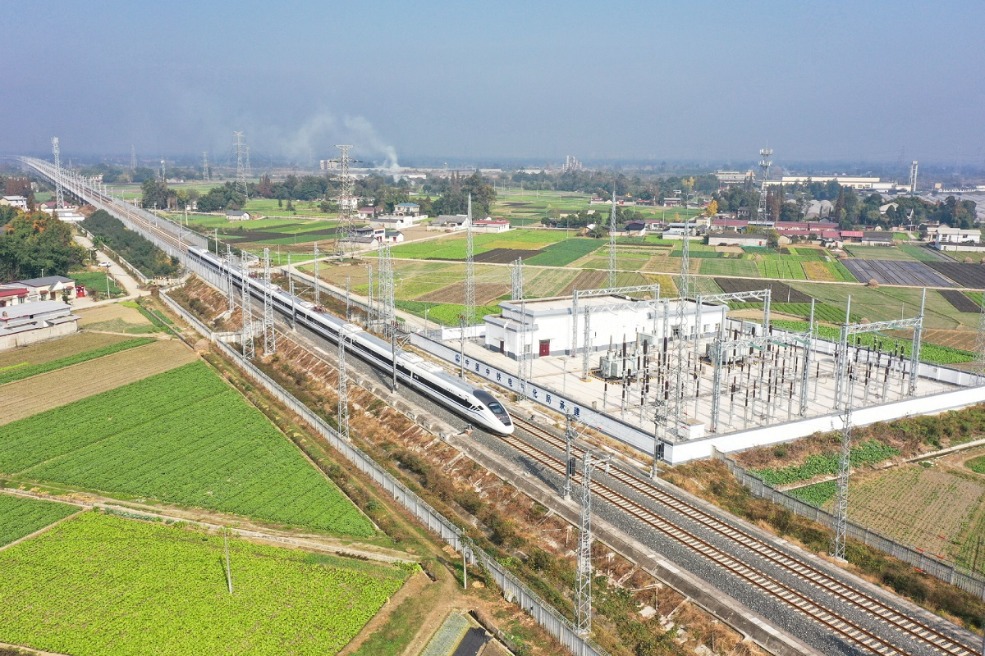
    China is poised to revolutionize its national transportation infrastructure through an ambitious modernization strategy during the 15th Five-Year Plan period (2026-2030). Transport Minister Liu Wei announced the comprehensive initiative during the National People’s Congress session in Beijing, outlining a multi-faceted approach to create an integrated, intelligent, and environmentally sustainable transport ecosystem.

    The blueprint prioritizes four critical development areas: systemic integration, enhanced safety protocols, comprehensive digital transformation, and accelerated green transition. Minister Liu revealed that China’s national comprehensive three-dimensional transport network has already achieved over 90% completion during the previous five-year cycle, with targets set to reach 95% completion by 2030.

    China’s transportation scale demonstrates the system’s critical importance to national economic activity and daily life. Current metrics show approximately 30 million passenger vehicles utilizing expressways daily, alongside 10 million high-speed rail passengers and 2 million air travelers. Urban mobility records indicate 100 million daily metro journeys, with equivalent volumes using public buses and taxi/ride-hailing services. The logistics sector handles an impressive 550 million parcels collected daily across the nation.

    The modernization plan addresses critical vulnerabilities, including more than 120,000 kilometers of roads damaged annually by flooding. Infrastructure resilience projects will focus on reinforcing highways and bridges while implementing advanced digital monitoring systems. Artificial intelligence integration will expand significantly for automated highway inspections, with parallel developments in smart highway networks, automated ports, and intelligent shipping solutions.

    Environmental considerations form a cornerstone of the strategy, with transportation currently accounting for approximately 10% of national carbon emissions. The ministry will pioneer zero-carbon transport corridors and hubs while accelerating the adoption of new-energy vehicles, vessels, and clean transport equipment. Regional integration will receive renewed emphasis through improved intercity commuting networks and multimodal logistics systems designed to enhance transfer efficiency.

    Service enhancements for 2026 include optimized holiday travel support mechanisms, streamlined passenger transfer experiences, modernized expressway service areas, and improved facilities catering to elderly travelers and commercial truck drivers.
  • Bangladesh working with India to extradite 2 suspects in killing of prominent activist

    Bangladesh working with India to extradite 2 suspects in killing of prominent activist

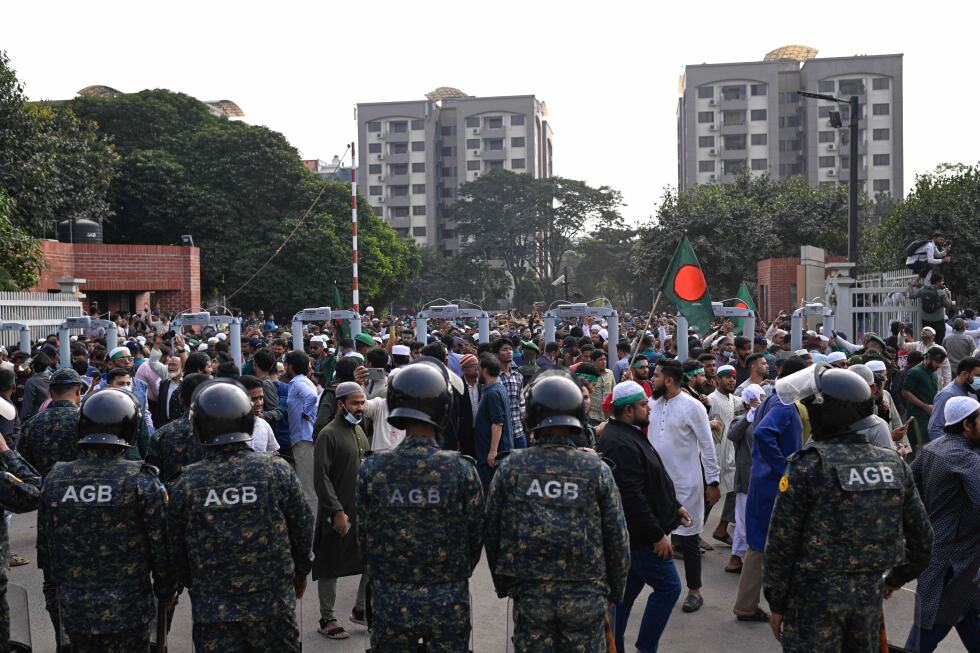
    Bangladesh has initiated formal diplomatic channels with India to secure the transfer of two suspects apprehended in connection with the assassination of prominent political activist Sharif Osman Hadi. The development follows the arrest of Bangladeshi nationals Faisal Karim Masud and Alamgir Hossain by Indian special police during a targeted raid in Bongaon, West Bengal, on Sunday.

    Indian judicial authorities have sanctioned the detainment of both individuals for intensive interrogation, as reported by the Press Trust of India. Bangladesh’s Inspector General of Police, Mohammed Ali Hossain Fakir, confirmed Monday that the Ministry of Foreign Affairs is leveraging the existing extradition treaty between the two neighboring nations to facilitate the suspects’ transfer.

    The victim, Sharif Osman Hadi, emerged as a significant figure during the 2024 political uprising that culminated in the ousting of former Prime Minister Sheikh Hasina after her 15-year administration. Serving as both student leader and spokesperson for the cultural revolution advocacy group Inquilab Mancha, Hadi sustained fatal gunshot wounds in Dhaka on December 12. Despite being airlifted to Singapore for advanced medical intervention, he succumbed to his injuries on December 18.

    Hadi’s tragic demise ignited widespread civil unrest across Bangladesh, with enraged protesters mobilizing in the capital and assaulting the headquarters of the country’s two predominant daily newspapers. The activist had cultivated substantial support among youth demographics and Islamist circles while simultaneously drawing criticism from liberal segments for his radical viewpoints. His supporters have publicly implicated both India and the deposed Prime Minister Hasina—who sought refuge in India following the August 2024 revolution—in orchestrating his assassination.

    Bangladeshi law enforcement had previously identified potential suspects believed to have fled across the border. Indian authorities corroborated this assessment, indicating the arrested individuals were sheltering in the border region with intentions to re-enter Bangladesh.

  • Guinea opposition leader urges ‘direct resistance’ after 40 parties dissolved

    Guinea opposition leader urges ‘direct resistance’ after 40 parties dissolved

    Guinea’s political landscape faces unprecedented consolidation as authorities dissolved 40 opposition parties in a sweeping decree, prompting exiled opposition leader Cellou Dalein Diallo to declare open political warfare against President Mamady Doumbouya’s administration.

    The Ministry of Territorial Administration and Decentralization issued the late Friday decree shuttering headquarters and local offices of numerous political organizations, including the Rally of the People of Guinea (associated with former President Alpha Condé) and Diallo’s Union of Democratic Forces of Guinea. The government mandate additionally prohibits using dissolved parties’ logos, acronyms, and symbols while confiscating all organizational assets.

    Official justification cites non-compliance with legal requirements, specifically failure to submit mandatory financial statements. However, multiple affected parties vehemently dispute these allegations, maintaining full compliance with all legal obligations according to Reuters reports.

    This dramatic political purge occurs merely two months after former junta leader Doumbouya formalized his presidential position through a contested election that excluded key opposition figures. Diallo, responding via social media video statement on Sunday, characterized the decree as a declaration of war against political dissent, asserting that “the head of the junta and his malevolent clique want to rewrite the country’s history by erasing from the political landscape all forces likely to overshadow his nascent one-party state.”

    The opposition leader concluded that peaceful political change through dialogue or democratic processes has become impossible, leaving “direct resistance” as the sole remaining path toward change. Jean-Marc Telliano, former minister and president of the dissolved Rally for the Integrated Development of Guinea, similarly pledged to pursue all legal avenues to restore political rights.

    Doumbouya, who seized power through a 2021 coup overthrowing President Condé, faces mounting international criticism for systematically dismantling democratic institutions and suppressing political freedoms since assuming control.

  • Blast outside Belgium synagogue was ‘antisemitic act’, mayor says

    Blast outside Belgium synagogue was ‘antisemitic act’, mayor says

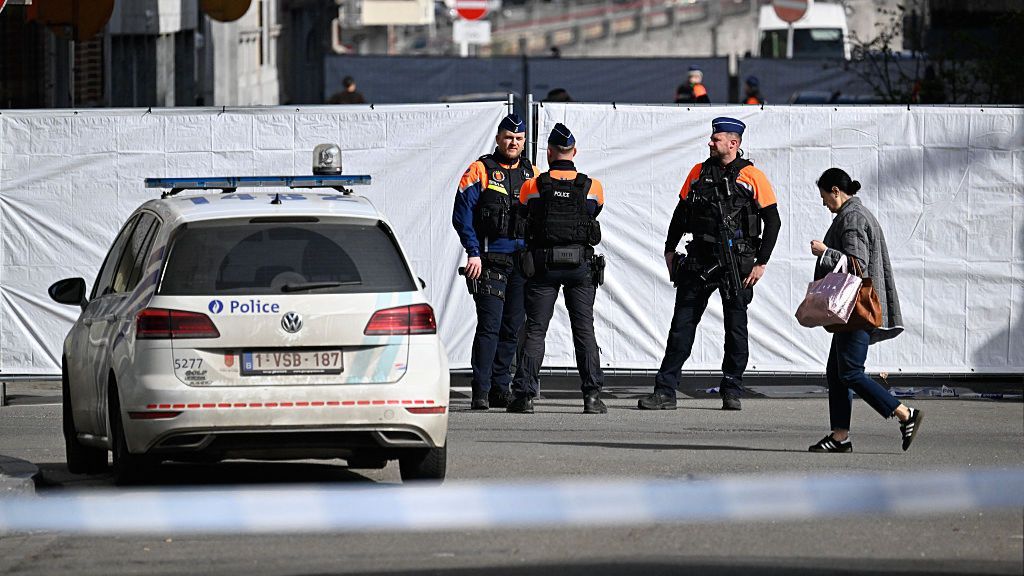
    An explosion rocked the Belgian city of Liège in the early hours of Monday, causing significant damage to a historic synagogue. The blast occurred at approximately 04:00 local time directly in front of the religious building, shattering windows across the street though fortunately resulting in no injuries.

    Local authorities have characterized the incident as a deliberate antisemitic attack. Liège Mayor Willy Demeyer immediately condemned the explosion as targeting the Jewish community, while Prime Minister Bart De Wever expressed solidarity through social media, stating: “Antisemitism is an attack on our values and our society, and we must combat it unequivocally.”

    The Belgian federal prosecutor’s office, which handles terrorism and organized crime cases, has assumed leadership of the investigation. Police established an extensive security perimeter around the site, closing the street throughout Monday morning as forensic experts examined evidence including scorch marks and debris visible in photographs from the scene.

    Local residents reported being awakened by the powerful blast that shook nearby buildings. One woman residing close to the synagogue told RTBF public broadcaster that she initially mistook the explosion for a gas-related incident.

    Interior Minister Bernard Quintin denounced what he called a “despicable antisemitic act that directly targeted Belgium’s Jewish community.” He confirmed that security measures around Jewish institutions would remain heightened, noting that security services had already been on high alert due to concerns about potential threats motivated by the ongoing conflict in the Middle East.

    The Liège synagogue, constructed in 1899, additionally functions as a museum documenting the history of the city’s Jewish community according to its website. This incident follows recent security concerns in Belgium, including the October arrest of three individuals suspected of plotting a jihadist-inspired drone attack against Prime Minister De Wever and other politicians.

  • Ghana calls on Commonwealth to condemn attack on its peacekeepers in Lebanon

    Ghana calls on Commonwealth to condemn attack on its peacekeepers in Lebanon

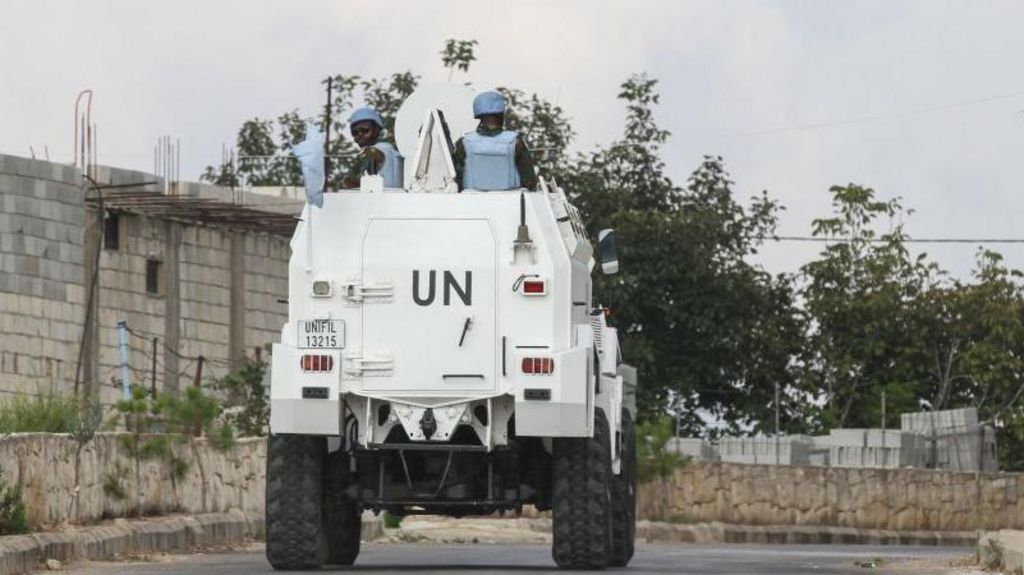
    Ghana has issued a formal appeal to the Commonwealth for a decisive condemnation of Friday’s missile strike targeting United Nations peacekeepers in southern Lebanon, which left four Ghanaian soldiers wounded. The attack occurred at approximately 18:00 local time, striking a base of the United Nations Interim Force in Lebanon (Unifil) where the Ghanaian battalion was stationed.

    Addressing Commonwealth counterparts at a meeting in London on Sunday, Ghana’s Foreign Minister Samuel Okudzeto Ablakwa characterized the assault as “an attack on every principle that the UN Charter exists to defend.” While not explicitly attributing responsibility, Ablakwa emphasized the urgent need for investigation and accountability.

    The Ghana Armed Forces confirmed all injured personnel are in stable condition, with three sustaining minor injuries. One critically wounded soldier successfully underwent surgical procedures and is reportedly responding well to treatment.

    Social media documentation revealed extensive damage to battalion facilities, with videos showing significant structural impact and fires at the peacekeeping compound.

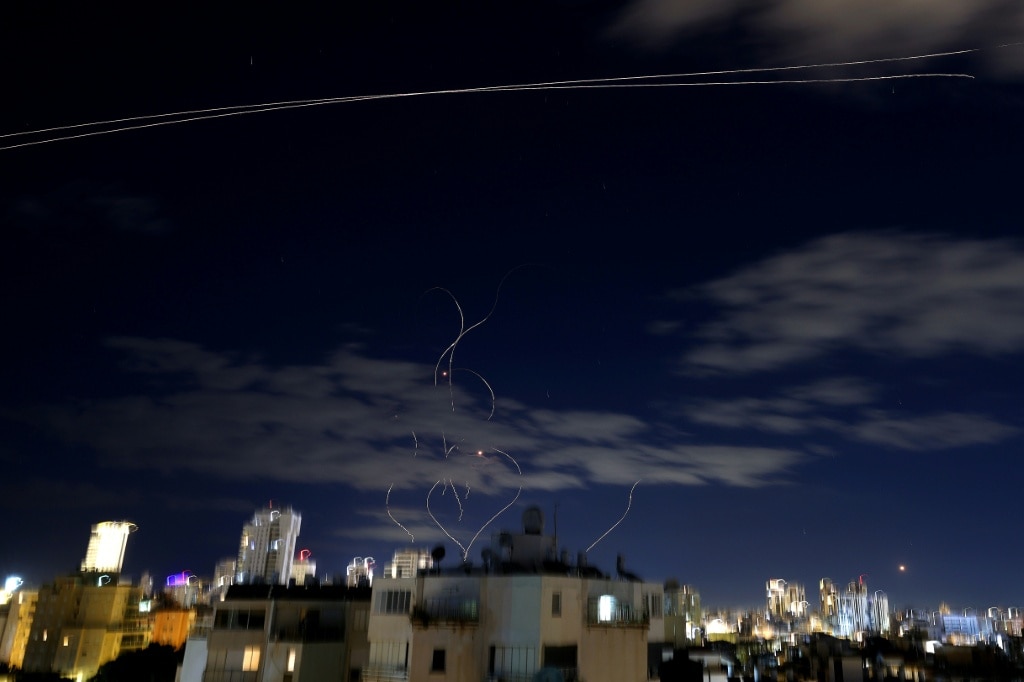
    The incident occurs amid escalating cross-border hostilities between Israel and Hezbollah. While Lebanese President Joseph Aoun attributed the strike to Israel, Ghanaian officials have maintained diplomatic caution regarding attribution. The Iranian-backed Shia group had previously claimed rocket and drone attacks targeting Haifa, Israel, citing retaliation for the killing of Iran’s Supreme Leader Ayatollah Ali Khamenei.

    Ghana’s foreign ministry has formally lodged a protest with UN Secretary-General António Guterres, who echoed calls for accountability, stating “those responsible must be held accountable.” As one of the longest-standing contributors to UN peacekeeping operations in Lebanon, Ghana’s appeal carries significant weight in international diplomatic circles.

  • India offered sanctuary to Iranian ship three days before US sank it

    India offered sanctuary to Iranian ship three days before US sank it

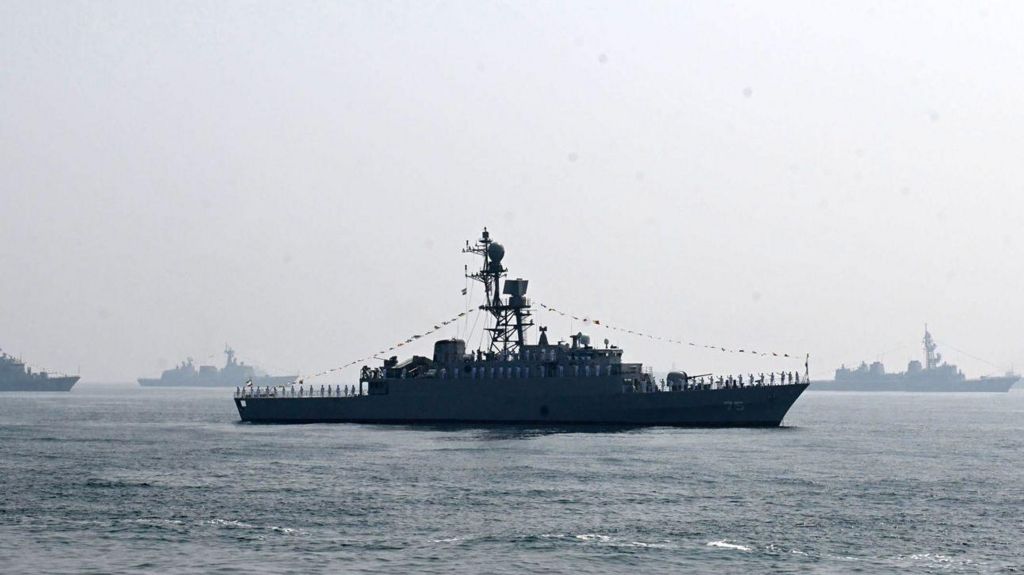
    In a significant escalation of hostilities beyond the Middle East, the Iranian warship Iris Dena was sunk by a U.S. submarine on March 4th in international waters off Sri Lanka’s southern coast. The attack resulted in the deaths of at least 87 sailors from a crew of 130, marking a dramatic expansion of the U.S.-Israel military campaign against Iran.

    The incident has cast a spotlight on India’s delicate diplomatic position. Indian Foreign Minister S. Jaishankar confirmed to parliament that Iran had formally requested docking permissions for three of its warships—Iris Dena, Iris Bushehr, and Iris Lavan—on February 28th, the very day the war began. India granted this permission on March 1st. This timing places India in a complex situation, having just days earlier hosted the same vessels for a joint military exercise in Visakhapatnam from February 15th to 25th.

    The post-attack movements of the Iranian fleet revealed a fragmented outcome. While the Iris Dena was destroyed, the Iris Lavan successfully docked in Kochi, India, on March 4th, with its crew currently under Indian naval protection. Minister Jaishankar defended this decision, stating it was ‘the right thing to do.’ Separately, Sri Lanka provided sanctuary to the Iris Bushehr on March 5th after it reported an engine malfunction.

    The sinking has ignited strong international reactions. Iranian Foreign Minister Abbas Araghchi condemned the strike as an ‘atrocity’ committed without warning, thousands of miles from Iran’s shores. In contrast, U.S. Defense Secretary Pete Hegseth boasted of the operation, incorrectly touting it as the first torpedo sinking of an enemy vessel since World War II, though similar incidents have occurred involving the UK and Pakistan. The Iris Dena is among approximately 20 Iranian naval assets destroyed since the conflict’s inception, with President Donald Trump explicitly stating the destruction of Iran’s navy is a key objective.

  • China beats North Korea 2-1 to take top spot in Group B at Women’s Asian Cup

    China beats North Korea 2-1 to take top spot in Group B at Women’s Asian Cup

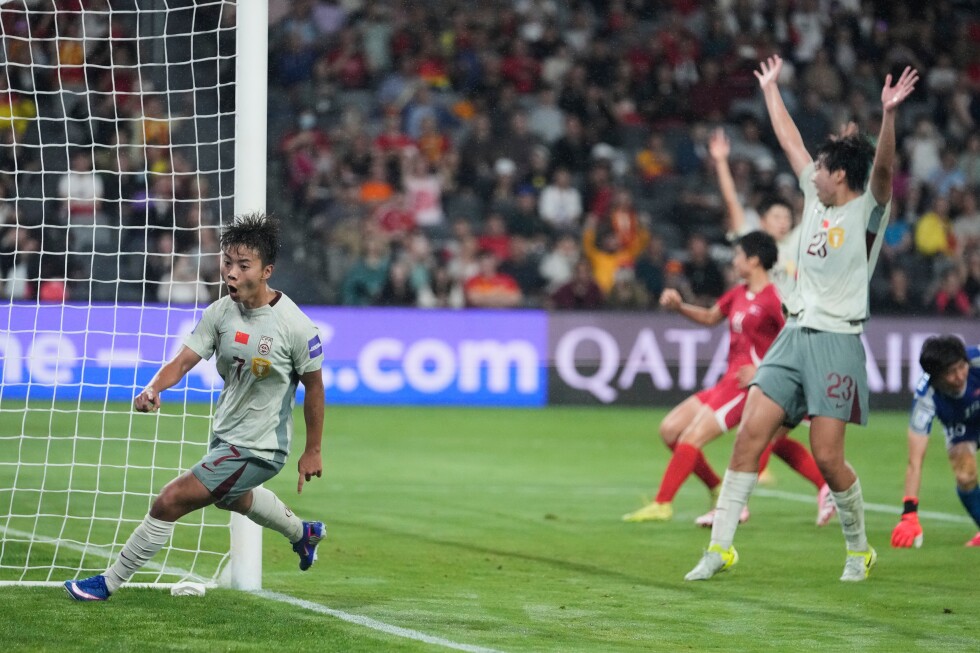
    In a high-stakes Group B finale at the Women’s Asian Cup, defending champions China secured a dramatic 2-1 victory over North Korea in a physically intense match at Western Sydney Stadium on Monday. The result positions China atop the group standings while setting North Korea for a quarterfinal confrontation against tournament hosts Australia in Perth this Friday.

    The match marked North Korea’s return to the tournament after their 2010 final loss to Australia, requiring only a draw to claim group supremacy. Their ambitions seemed attainable when Kim Kyong Yong broke the deadlock with a clinical counter-attack finish in the 32nd minute—the game’s first shot on target.

    China’s response was immediate and spectacular. Just two minutes later, Chen Qiaozhu unleashed a breathtaking strike through defensive traffic from the edge of the penalty area, leveling the score with her powerful equalizer.

    The match turned decisively in first-half stoppage time when Wang Shuang’s goal underwent VAR review after initially being flagged for offside. The video assistant referee overturned the on-field decision, awarding China the crucial go-ahead goal. The controversial ruling sparked vehement protests from the North Korean bench, resulting in a yellow card for coach Ri Song Ho and delayed the team’s return to the pitch for the second half.

    Both sides created significant opportunities after the break. North Korean goalkeeper Yu Son Gum made a spectacular full-stretch save to deny Wang Shuang in the 78th minute, while 19-year-old substitute Choe Il Son saw her apparent equalizer nullified by another VAR offside review minutes later.

    China, guided by former Australian women’s team coach Ante Milicic, now advances as group winners seeking their record-extending tenth Asian Cup title. The tournament format sees the top two teams from each group plus the two best third-place finishers progress to the quarterfinals.

  • Iran war sends oil price soaring as Khamenei son takes charge

    Iran war sends oil price soaring as Khamenei son takes charge

    Global energy markets experienced significant turbulence as escalating hostilities between Iran and Israel triggered a dramatic surge in oil prices, coinciding with the appointment of Mojtaba Khamenei as Iran’s new supreme leader. The benchmark Brent crude surpassed $100 per barrel for the first time since the Ukraine conflict four years prior, while West Texas Intermediate recorded a staggering 75% increase since the conflict’s initiation.

    The transition of power occurred amidst intensified military exchanges, with Tehran launching missile barrages targeting Israeli positions and Gulf energy infrastructure. Saudi Arabia reported drone incursions targeting oil fields, while Bahrain’s state energy company Bapco declared force majeure, indicating potential contract defaults due to circumstances beyond its control. The United Arab Emirates and Kuwait similarly reported fresh attacks on energy facilities.

    Financial markets worldwide reacted immediately to the geopolitical instability. Asian economies bore early brunt with Japanese and South Korean markets closing down over 5%, while European markets opened sharply lower with continental gas prices soaring 30%. The Philippine government implemented fuel rationing measures, and Vietnam prepared to eliminate import tariffs on petroleum products.

    G7 finance ministers convened emergency discussions regarding potential strategic oil reserve releases to mitigate price pressures. French President Emmanuel Macron, current chair of the group, emphasized the need to protect the global economy from energy market volatility.

    International responses revealed deepening geopolitical divisions. Russian President Vladimir Putin extended direct support to the new Iranian leadership, affirming Russia’s continued partnership. China cautioned against targeting leadership figures while emphasizing respect for Iranian sovereignty. Conversely, former U.S. President Donald Trump characterized Mojtaba Khamenei as politically insignificant despite his influential connections to Iran’s Revolutionary Guard Corps.

    The conflict expanded beyond the immediate region with Hezbollah engaging Israeli forces in eastern Lebanon, while Israeli strikes targeted financial institutions linked to the militant group in Beirut. The U.S. State Department ordered non-emergency personnel evacuation from Saudi Arabia following a drone strike on its embassy, signaling anticipation of prolonged hostilities.

  • 23 red cards and police intervention as mass brawl mars end of title match in Brazil

    23 red cards and police intervention as mass brawl mars end of title match in Brazil

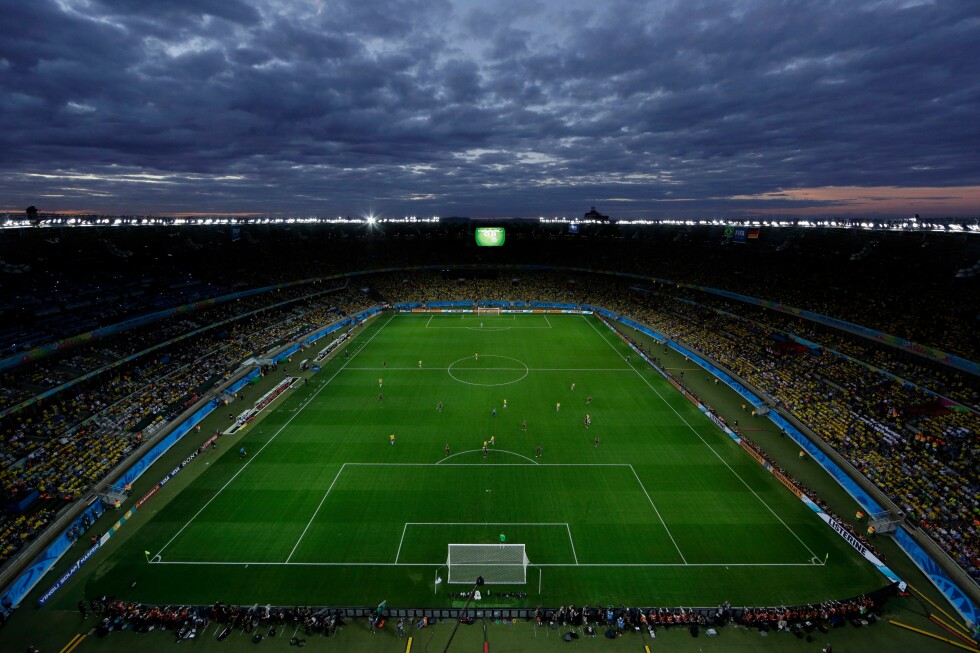
    A Brazilian state championship final between fierce rivals Cruzeiro and Atletico Mineiro culminated in unprecedented chaos as a massive on-field brawl resulted in a staggering 23 red cards being issued. The violent incident, which required intervention from military police, erupted in the closing seconds of Sunday’s Campeonato Mineiro final in Belo Horizonte.

    The confrontation originated from a dangerous challenge by Cruzeiro midfielder Christian on Atletico goalkeeper Everson near the end of the match. Everson responded violently, executing a rugby-style tackle that brought Christian to the ground before driving both knees into his opponent’s head. This aggressive act instantly ignited a full-scale melee that rapidly spread across the pitch.

    Players from both teams immediately rushed into the fray, engaging in punches, kicks, and physical altercations that lasted over a minute. The conflict quickly escalated beyond players to include substitutes, coaching staff, and security personnel. Social media footage captured particularly concerning moments, including Atletico’s star forward Hulk striking an opponent from behind before himself receiving a kick to the chest.

    When order was finally restored, the officiating crew faced the extraordinary task of disciplining participants. According to official statistics, Cruzeiro received 12 red cards while Atletico Mineiro had 11 players dismissed, including Hulk, a former Brazilian national team standout.

    Despite the late-game turmoil, Cruzeiro maintained their 1-0 advantage to claim the state championship title in Minas Gerais. The match will be remembered not for the sporting achievement but for one of the most disciplinary incidents in modern football history, raising serious questions about player conduct and security measures in high-stakes rivalries.

  • 3rd plenary meeting of 4th session of 14th CPPCC National Committee held in Beijing

    3rd plenary meeting of 4th session of 14th CPPCC National Committee held in Beijing

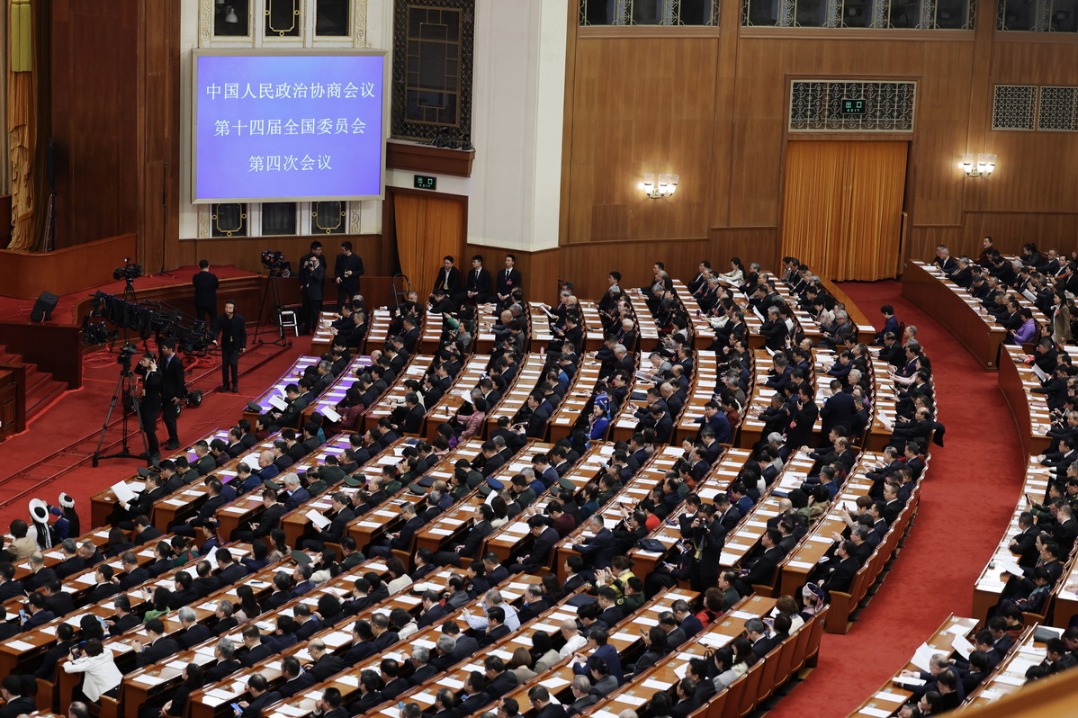
    Beijing witnessed a significant political gathering on March 8, 2026, as the Great Hall of the People hosted the third plenary meeting of the fourth session of the 14th National Committee of the Chinese People’s Political Consultative Conference (CPPCC). This high-level assembly brought together prominent figures from across China’s political spectrum to deliberate on crucial national development strategies and policy recommendations.

    The CPPCC, functioning as China’s paramount political advisory body, serves as a vital platform for multi-party cooperation and political consultation under the leadership of the Communist Party of China. The plenary meeting represented a key moment in China’s annual political calendar, where committee members representing various political parties, organizations, ethnic groups, and societal sectors convened to provide strategic insights and policy suggestions.

    During the session, participants engaged in comprehensive discussions covering a wide spectrum of national priorities, including economic development, social welfare initiatives, environmental protection, and technological innovation. The meeting facilitated constructive dialogue between political advisors and government representatives, creating channels for integrating diverse perspectives into national policy-making processes.

    The proceedings emphasized the CPPCC’s unique role in China’s political architecture as a mechanism for building consensus and promoting democratic supervision. Through specialized committees and thematic panels, members developed evidence-based recommendations aimed at addressing complex challenges facing the nation’s modernization drive.

    This gathering occurred during a pivotal period of China’s development, with the country advancing its ambitious national rejuvenation goals. The outcomes of these deliberations were expected to contribute significantly to the formulation of policies supporting high-quality growth and sustainable development across various sectors of Chinese society.