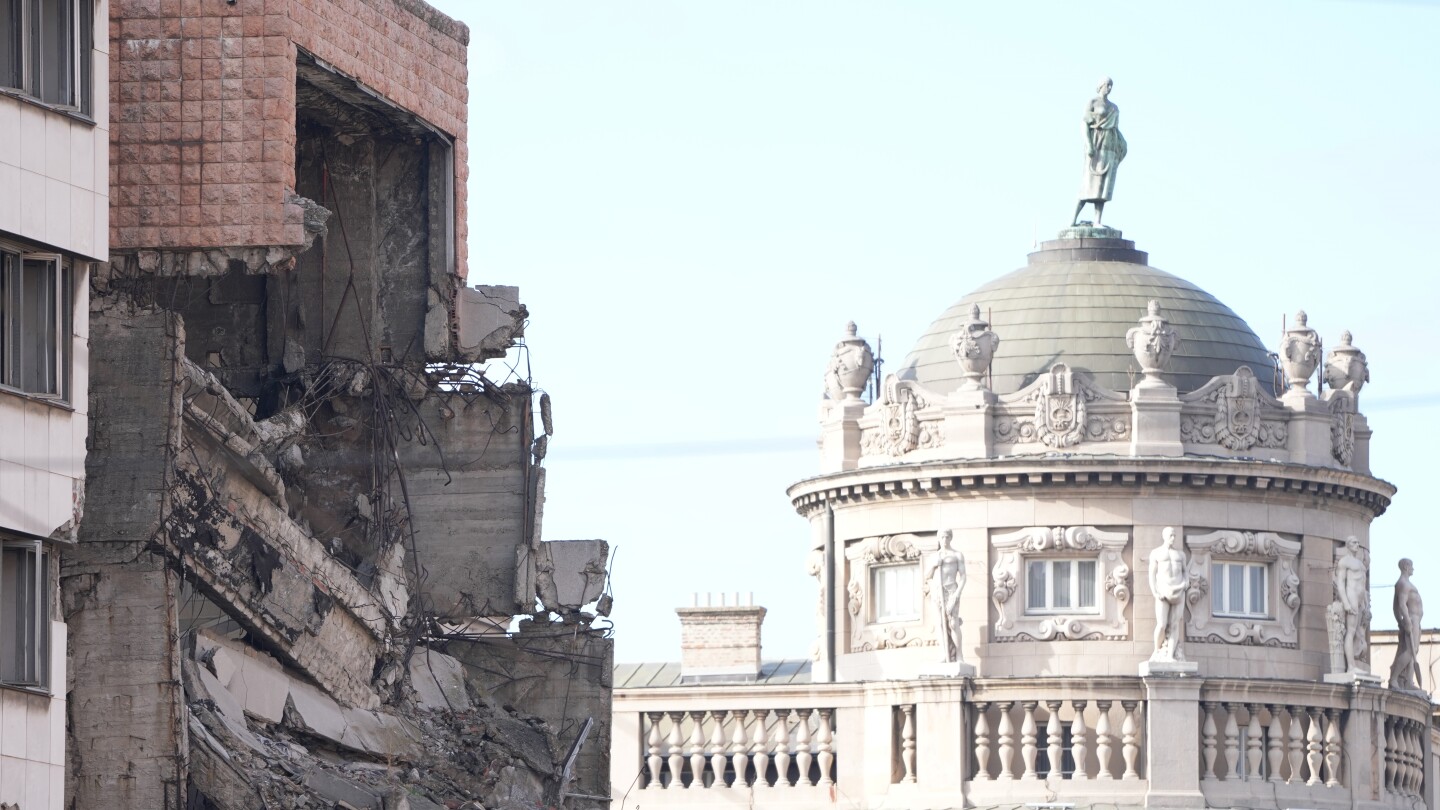
In a contentious move, Serbian lawmakers passed a special law on Friday to facilitate a real estate project financed by a company associated with Jared Kushner, son-in-law of former U.S. President Donald Trump. The project, which aims to redevelop a historic former Yugoslav military complex in Belgrade, has sparked widespread public opposition and legal challenges. The site, partially destroyed during NATO’s 1999 bombing campaign, holds significant architectural and symbolic value for many Serbians. Despite protests and a heated parliamentary debate, the bill was approved with a 130-40 vote in the 250-member assembly. The law, known as Lex Specialis, bypasses legal hurdles and allows the demolition of remaining structures on the site, which are considered prime examples of mid-20th century Yugoslav architecture. Critics argue that the project undermines Serbia’s legal system and cultural heritage, with corruption watchdog Transparency Serbia warning of dangerous precedents. President Aleksandar Vucic’s government, however, defends the initiative as a boost to the economy and U.S.-Serbia relations. The $500-million project includes plans for a luxury hotel, apartments, offices, and shops, with a memorial complex dedicated to NATO bombing victims. Opposition lawmakers and protesters decry the move as a betrayal of national heritage, with banners reading, ‘Culture is not for sale.’ The project’s sensitivity is heightened by lingering anti-NATO sentiments in Serbia, stemming from the 1999 bombing campaign. This development follows Kushner’s company securing a $1.6 billion investment deal in Albania, further fueling debates over foreign influence in the Balkans.
博客
-
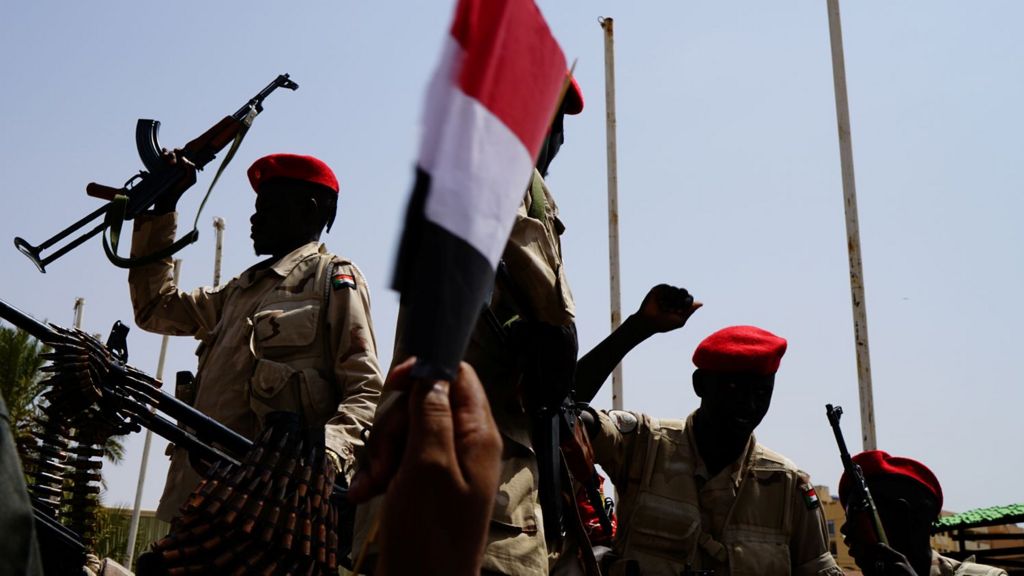
Sudan capital hit by drone attacks a day after RSF agrees to truce – reports
The Sudanese capital of Khartoum witnessed renewed violence as explosions echoed near military installations and power stations, despite the Rapid Support Forces (RSF) announcing their willingness to agree to a humanitarian ceasefire. Residents reported being awakened by the sounds of drones and blasts in the early hours of Friday, signaling a potential breach of the proposed truce. The RSF, a paramilitary group, has not commented on these incidents, while Sudan’s military-led government expressed skepticism about the ceasefire, citing the RSF’s history of disregarding such agreements. The ongoing civil war, which began in April 2023, has claimed at least 150,000 lives and displaced 12 million people, with famine conditions now spreading in conflict zones. The RSF recently consolidated its control over el-Fasher, a strategic city in Darfur, which could strengthen its position in future negotiations. However, the group faces international condemnation over allegations of mass killings and sexual violence during the city’s fall. The ceasefire proposal, backed by the US, UAE, Saudi Arabia, and Egypt, includes plans for a permanent truce and a transition to civilian rule, but Sudan’s government has rejected foreign interference and accused the UAE of supporting the RSF. UN experts have deemed these accusations credible, though the UAE denies involvement. As the conflict continues, the prospects for lasting peace remain uncertain.
-

AI infrastructure: Super data centres powering the digital age
The United Arab Emirates (UAE) is emerging as a global leader in the development of energy-resilient, AI-ready infrastructure, positioning itself as a hub for next-generation cloud and AI workloads. As the demand for artificial intelligence and large-scale cloud computing surges, the UAE is addressing the critical challenge of scaling energy-hungry data centres while ensuring sustainability, cost efficiency, and environmental responsibility.
-

Video: Trump event paused when guest faints; White House says ‘gentleman is okay’
A White House event hosted by President Donald Trump was temporarily halted on Thursday when a guest fainted during a significant announcement about reducing the cost of weight-loss medications. The incident occurred in the Oval Office as a representative from one of the two pharmaceutical companies invited to unveil the pricing agreement was speaking. The man suddenly collapsed to the floor, prompting immediate action from attendees. President Trump, who was seated at the time, stood up and remained behind his desk as several individuals, including Dr. Mehmet Oz, the administrator for the Centers for Medicare and Medicaid Services, rushed to assist the unconscious guest. The White House Medical Unit swiftly intervened, and the individual was reported to be in stable condition. White House Press Secretary Karoline Leavitt later confirmed, ‘The gentleman is okay.’ The event resumed approximately an hour later, continuing its focus on the groundbreaking price reduction initiative for weight-loss drugs.
-
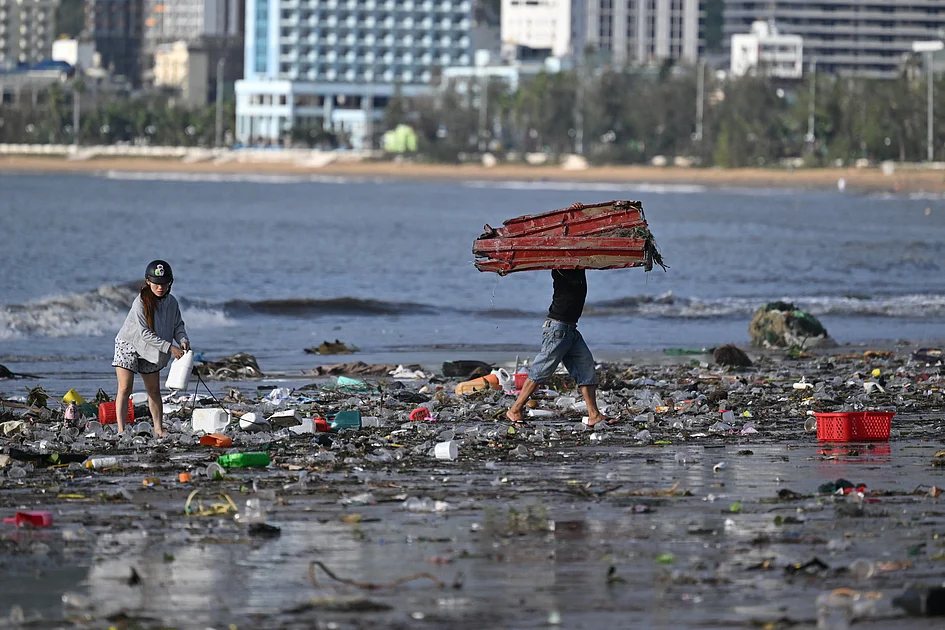
Typhoon Kalmaegi kills 188 in Philippines, brings more destruction to Vietnam
Typhoon Kalmaegi has wreaked havoc across the Philippines and Vietnam, claiming at least 188 lives and causing extensive damage. In the Philippines, officials reported 135 people missing and 96 injured, while Vietnam faced significant destruction in its coastal regions. The storm, which made landfall in central Vietnam late Thursday, uprooted trees, damaged homes, and caused widespread power outages. Although it weakened as it moved inland, authorities warned of continued heavy rainfall, with up to 200 millimeters expected in central provinces from Thanh Hoa to Quang Tri. In Vietnam, state media confirmed one fatality in Dak Lak province due to a collapsed house, while social media images depicted scenes of devastation, including flooded homes, torn-off roofs, and streets strewn with debris. The Philippine government mobilized over 268,000 soldiers for search-and-rescue operations and issued flood warnings for low-lying areas, which could impact agriculture in the Central Highlands, a key coffee-growing region. Kalmaegi is the 13th typhoon to form in the South China Sea this year, highlighting the vulnerability of Vietnam and the Philippines, both located along the Pacific typhoon belt. As the region braces for another impending typhoon, the Philippines’ civil aviation regulator has heightened alert levels for airport operations and area centers.
-

World leaders gather for second day in Brazil, seeking solutions to confront global warming
As global leaders convened for the second day of the COP30 climate summit in Belem, Brazil, President Luiz Inácio Lula da Silva unveiled a groundbreaking initiative aimed at safeguarding the world’s tropical forests. The proposed Tropical Forests Forever Facility seeks to incentivize 74 developing nations to preserve their forests by offering financial rewards funded through interest-bearing loans from wealthier countries and commercial investors. This innovative approach aims to make forest conservation more economically viable than deforestation, which currently benefits industries like cattle ranching, mining, and illegal logging. Belem, the summit’s host city, holds symbolic significance as part of the Amazon rainforest, a critical regulator of the global climate. The fund’s structure allocates 20% of its resources to Indigenous communities, who have historically been stewards of these lands. Norway led the charge with a $3 billion pledge, followed by other nations, bringing total commitments to $5.5 billion. However, the absence of leaders from the world’s top polluters—China, the United States, and India—highlighted ongoing geopolitical divisions. U.N. Secretary-General António Guterres criticized global powers for prioritizing fossil fuel interests over public welfare, warning that exceeding the 1.5°C warming threshold would result in catastrophic consequences. The summit underscored the urgent need for collective action to combat climate change while addressing economic and social inequities.
-
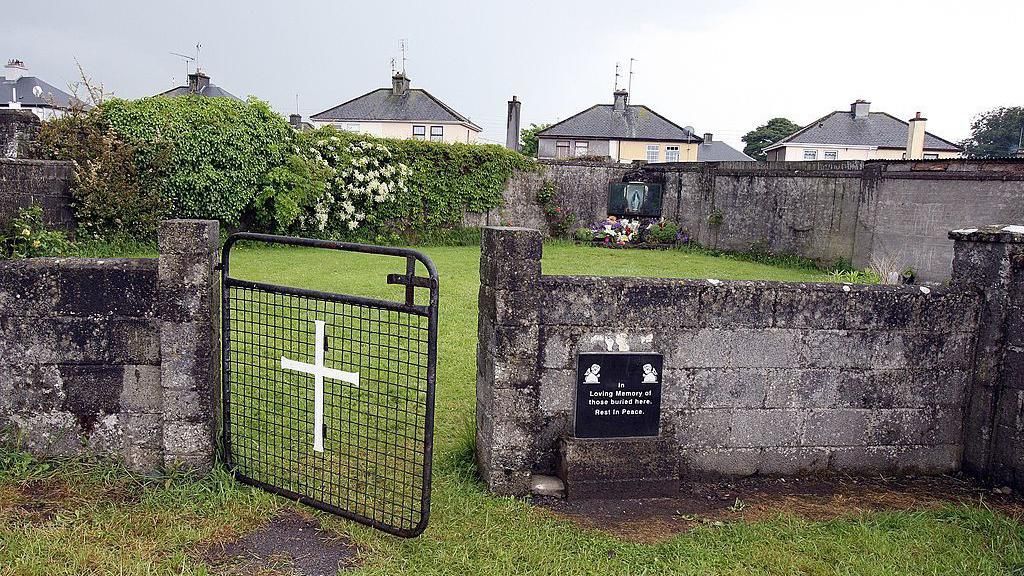
Infants’ remains found during mass burial site excavation
Archaeologists excavating the site of a former mother-and-baby institution in Tuam, County Galway, have uncovered seven sets of infant remains. The institution, operated by the Bon Secours Sisters and open from 1925 to 1961, has long been a subject of controversy. The Office of the Director of Authorised Intervention, Tuam (ODAIT), which began the excavation in July, issued its third monthly update, revealing the discovery of the remains near a ‘vaulted structure’ on the western edge of the site. Initial assessments suggest the remains belong to infants, but further analysis, including radiocarbon dating, will be required to determine their age and historical context. This process is expected to take at least three months. The site, previously used as a military barracks and a workhouse, has a complex history, making it challenging to pinpoint the exact era of the remains. ODAIT also reported finding two additional sets of remains believed to date back to the workhouse era, alongside numerous artifacts, including personal items like a razor. The excavation has drawn international attention since 2014, when local historian Catherine Corless revealed that 796 children and babies died at the institution without burial records. In 2017, Irish government investigators discovered ‘significant quantities of human remains’ in underground chambers. ODAIT continues to collaborate with the National Museum of Ireland to manage and analyze the findings.
-
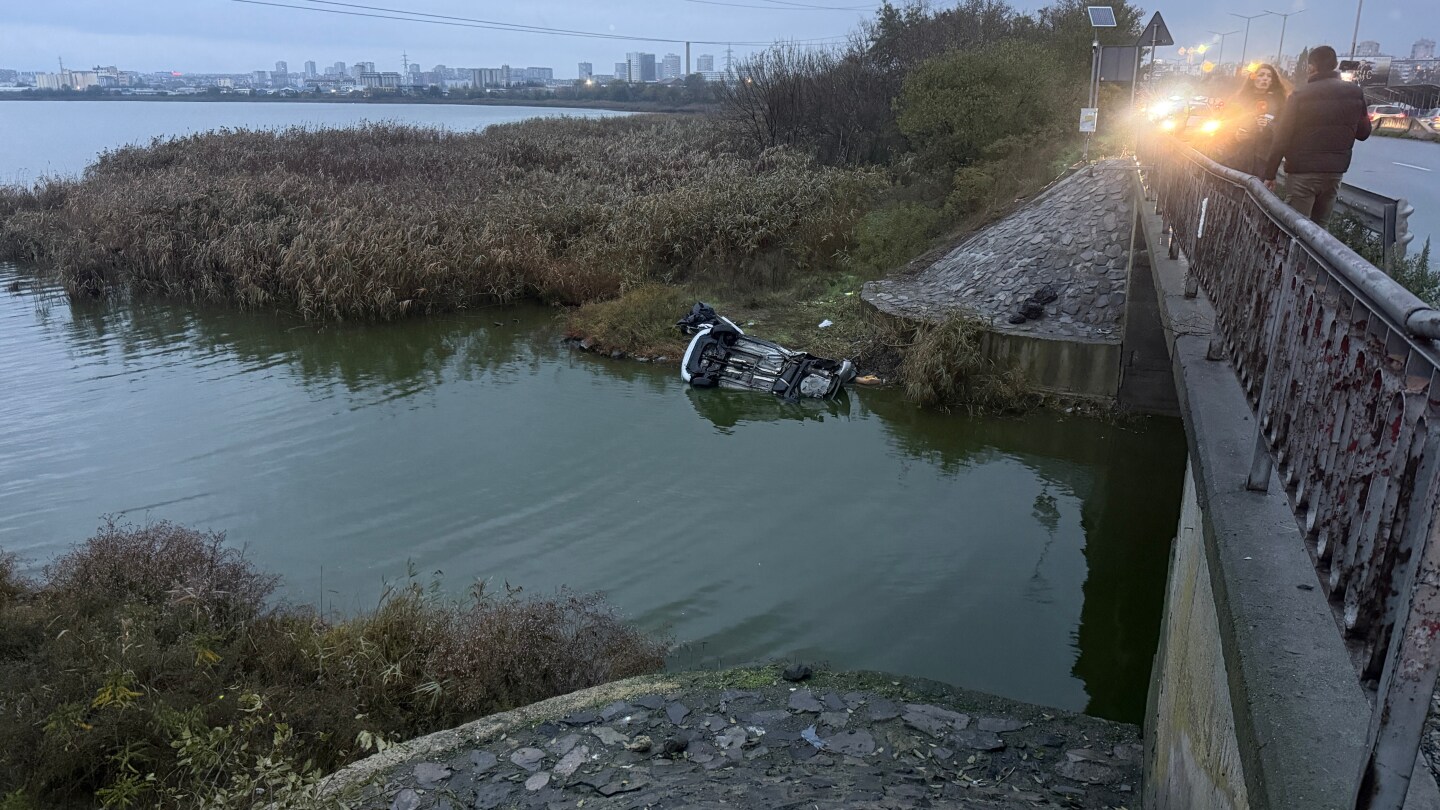
Van is chased by police in Bulgaria and crashes, killing six migrants
A tragic incident unfolded near Bulgaria’s eastern Black Sea coast late Thursday night, resulting in the deaths of six migrants and injuries to four others, including the driver of the van they were traveling in. The vehicle, bearing Romanian registration plates, was being pursued by Bulgarian police when it crashed into a lake after the driver lost control while attempting to evade spike strips laid by authorities. The accident occurred near the city of Burgas, according to Border Police Chief Anton Zlatanov, who briefed reporters on Friday. The migrants, believed to be from Afghanistan, were illegally entering Bulgaria at the time of the crash. The driver, a Romanian national, and three other passengers sustained minor injuries and were transported to a hospital after receiving initial medical care at the scene. Bulgaria, a key transit country for migrants from the Middle East and Afghanistan, has seen a significant reduction in migration pressure over the past year, with authorities dismantling up to 20 organized criminal groups involved in human trafficking. Zlatanov emphasized that while complete elimination of migration is unattainable, efforts have led to a 70% decrease in migration-related challenges compared to the previous year.
-
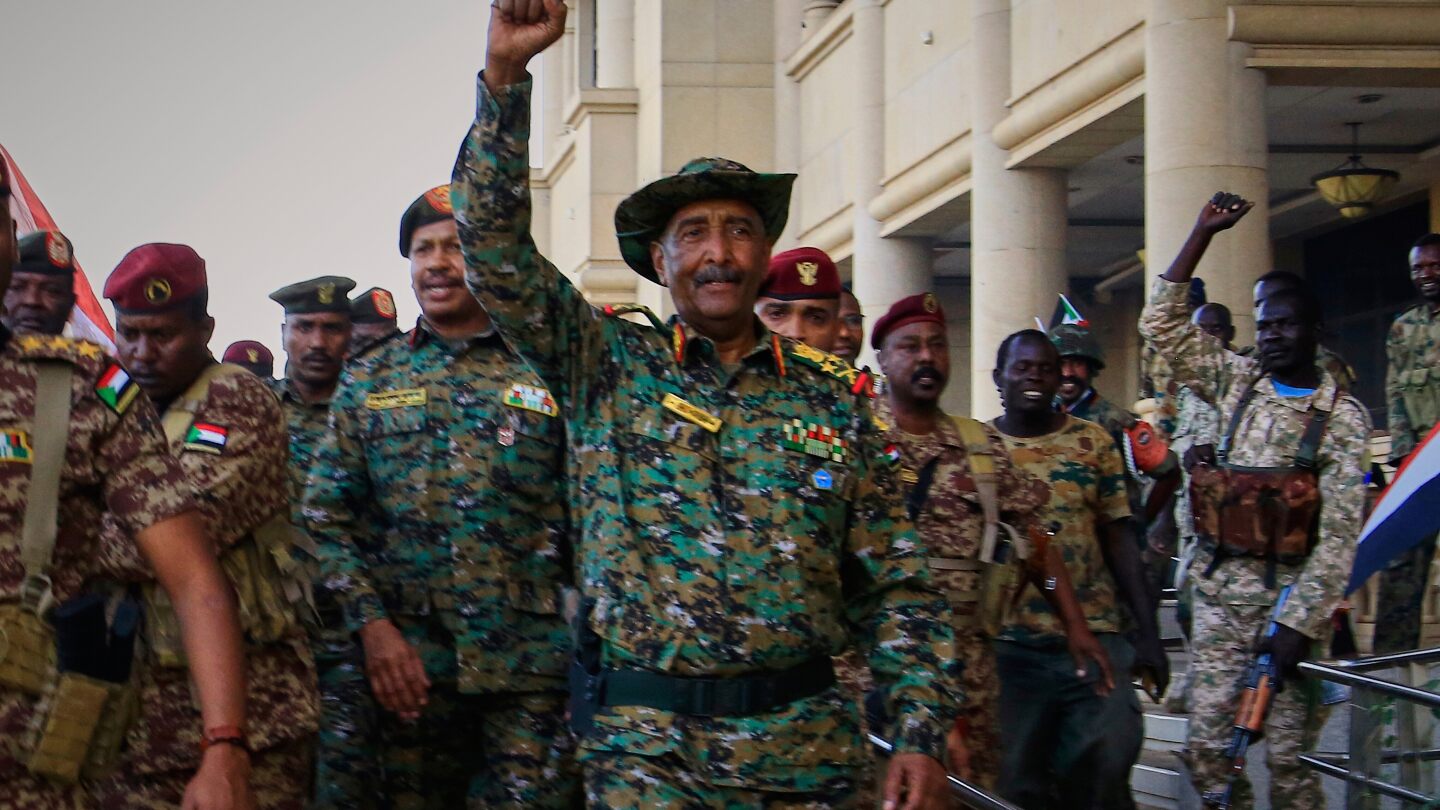
Sudanese army intercepts RSF drones targeting 2 cities
The Sudanese military successfully intercepted a series of drone attacks launched by the Rapid Support Forces (RSF) overnight in two northeastern cities, a senior army official disclosed on Friday. Speaking anonymously to discuss sensitive matters, the official revealed that 15 drones targeted Atbara in River Nile province, north of the capital, Khartoum. While no casualties were reported, local residents confirmed hearing explosions. A smaller-scale drone assault was also thwarted in Omdurman, Khartoum’s sister city. These strikes occurred just a day after the RSF announced its acceptance of a U.S.-proposed humanitarian truce mediated by the Quad, a coalition of international mediators. However, the Sudanese army emphasized that it would only agree to a ceasefire if the RSF withdraws from civilian areas and disarms, as stipulated in previous peace agreements. The conflict between the RSF and the military, which erupted in 2023 following a breakdown in their alliance during Sudan’s democratic transition, has claimed at least 40,000 lives and displaced 12 million people, according to the World Health Organization. Aid agencies warn that the actual death toll could be significantly higher, with over 24 million people facing acute food insecurity. Meanwhile, the U.N. Human Rights Council has scheduled an emergency session on November 14 to address the escalating violence in Sudan, particularly in the Darfur region. UNICEF reported that over 81,000 people have fled el-Fasher since late October, with widespread shortages of essential supplies and rampant violence against civilians, especially women and children.
-

The century’s new renaissance — Middle East
The Gulf Cooperation Council (GCC) is spearheading a global renaissance in modern hospitality, driven by innovation, design, and a renewed focus on luxury living. Yigit Sezgin, CEO of Clé & Partners, a leading advisory and investment firm, highlights the transformative forces shaping the region. The UAE, particularly Dubai, Abu Dhabi, and Ras Al Khaimah, alongside Saudi Arabia and Oman, are at the forefront of this evolution. Factors such as market potential, tax incentives, safety, and technological advancements are attracting global attention. The post-Covid era has further amplified the demand for unique, culturally immersive travel experiences, pushing the hospitality industry to new heights. Sezgin emphasizes the shift towards ‘quiet luxury,’ where refined, understated experiences replace ostentation. Wellness has also evolved beyond traditional spas, with a focus on longevity and holistic health. Branded residences are gaining traction, though they pose challenges in maintaining service quality. Clé & Partners’ vertically integrated model connects capital, creativity, and capability, setting it apart from traditional consultancies. The firm’s focus on the Global South, including the Middle East, Africa, and Southeast Asia, underscores the region’s untapped potential. Artificial intelligence is poised to redefine the hospitality landscape, but human connection will remain irreplaceable. The GCC’s hospitality renaissance is not just a regional phenomenon but a global benchmark for the future of luxury living.