
Filipino expatriates in the UAE are gripped with anxiety as Super Typhoon Fung-wong, locally known as Uwan, wreaks havoc across the Philippines. The storm, which intensified rapidly, has already claimed at least two lives and left vast areas of the Bicol region without power. Authorities are racing to evacuate over a million residents from vulnerable areas as the typhoon is expected to make landfall in Aurora province on November 9, 2025. The storm’s ferocity has raised fears of widespread destruction, particularly in regions still recovering from the devastation caused by Typhoon Kalmaegi just days earlier, which killed 188 people and left hundreds missing. For Filipinos abroad, the situation is deeply personal. Fatima S., a 47-year-old nanny in Sharjah, expressed her fears for her family in Isabela province, where light-material homes are highly susceptible to flooding. ‘Every time I hear about the rising waters, I panic. I can’t be there to help. I can only pray and hope they make it through this storm,’ she said. Meanwhile, J.P., a 26-year-old administrative staff member in Dubai, is stranded in Cebu, where power outages have left her reliant on a nearly drained power bank to stay connected with her family. A.T., a 50-year-old writer based in Dubai, is in Metro Manila but remains worried about his family in the Bicol region, where the typhoon continues to unleash its fury. The storm has also disrupted air travel, with AirAsia Philippines and AirAsia Malaysia cancelling over 400 flights to and from Manila on November 9 and 10. Passengers have been advised to monitor flight status updates and rebook their travel within 30 days at no additional cost.
博客
-
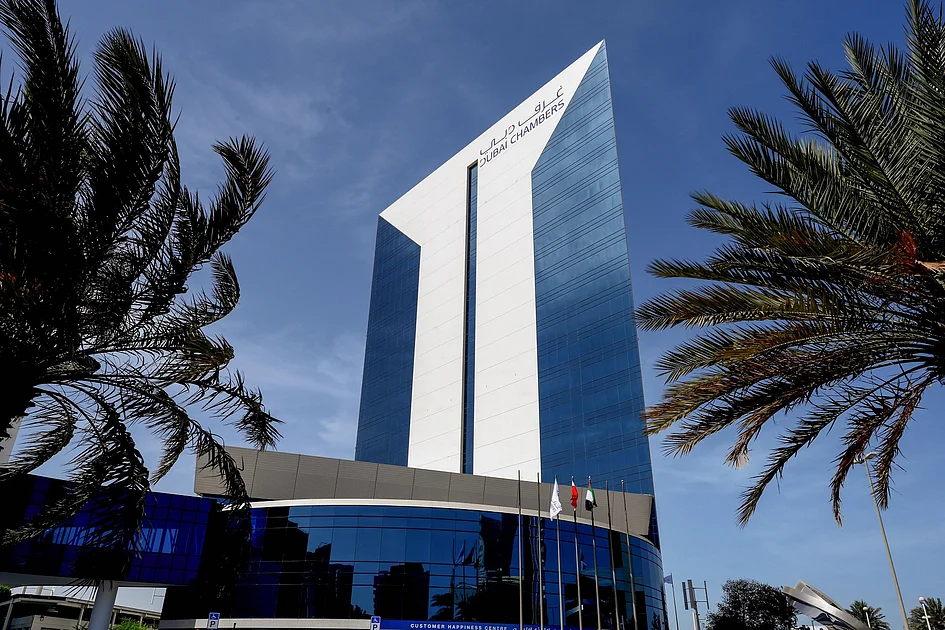
Dubai powers ahead as global startup hub: Over 580 digital firms backed in 2025
Dubai is solidifying its position as a leading global hub for digital innovation, with the Dubai Chamber of Digital Economy supporting the establishment and expansion of 582 digital startups in the first nine months of 2025. This remarkable growth underscores the emirate’s rising influence in technology entrepreneurship and its strategic efforts to attract the next generation of global digital pioneers. Notably, 70% of these startups are international companies, reflecting Dubai’s growing appeal as a gateway to Middle Eastern, African, and Asian markets. Artificial intelligence (AI) leads the charge, accounting for 21% of supported firms, while HealthTech, Software-as-a-Service (SaaS), and FinTech collectively represent another 17%. This momentum aligns with Dubai’s D33 Economic Agenda, which aims to double the emirate’s economy by 2033 and position it among the world’s top three cities for business and innovation. Omar Sultan Al Olama, Minister of State for Artificial Intelligence, Digital Economy, and Remote Work Applications, emphasized Dubai’s commitment to fostering a dynamic business environment that enables digital companies to scale globally. Nearly half of the supported firms benefited from establishment assistance, accelerator programs, and incubator services, while 32% utilized the chamber’s “Business in Dubai” platform, a one-stop service model connecting startups with investors and regulatory support. Beyond direct assistance, the chamber has invested in knowledge creation and global outreach, releasing four research reports and organizing 15 sector-specific events and 16 international roadshows across 17 cities in 10 countries. These efforts have positioned Dubai as a “launchpad city” for global startups, bridging East and West with its policy support, funding access, and fast-moving regulatory environment. The UAE’s progressive visa reforms and digital infrastructure have further attracted record levels of talent, with digital startups now contributing over 11% of the UAE’s non-oil GDP. As 2025 progresses, Dubai’s innovation engine shows no signs of slowing, redefining what it means to build, scale, and succeed on a global stage.
-
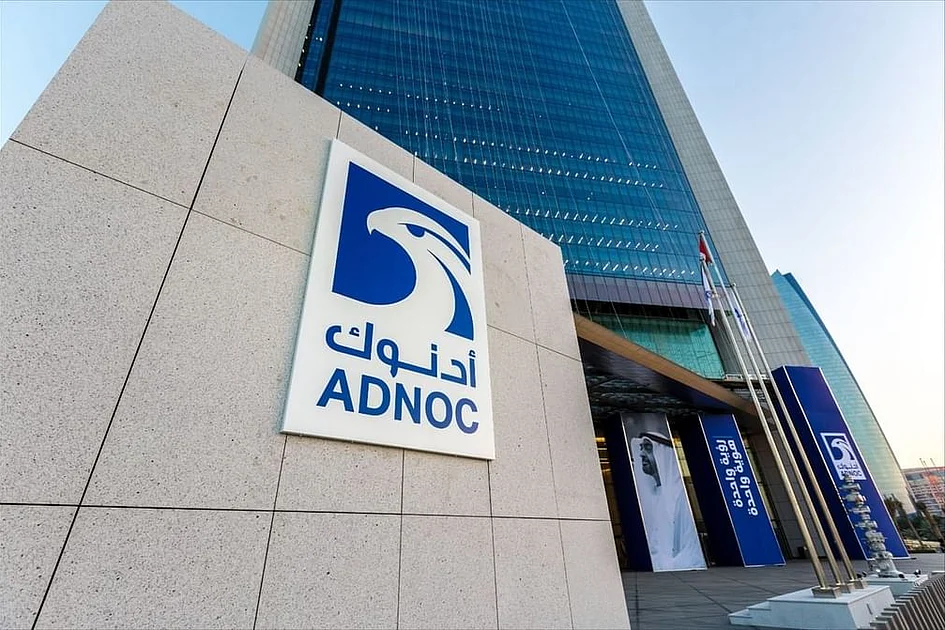
Adnoc sets sights on global trading dominance with expansion drive
Abu Dhabi National Oil Company (Adnoc) is embarking on a transformative journey to solidify its position as a global leader in energy trading. The company’s trading division is set to increase its handling of oil and refined products by nearly two-thirds in the coming years, marking a pivotal phase in its growth trajectory. This ambitious expansion is part of a broader strategy to enhance the UAE’s role in global energy markets and maximize value creation across the energy supply chain. Since its inception in 2018, Adnoc Global Trading has rapidly expanded its footprint, establishing offices in Singapore and Geneva, with plans to open a new hub in Houston by 2027. This global presence enables Adnoc to capture greater value from its production and respond effectively to shifting market dynamics. Adnoc’s trading operations are divided into two complementary arms: Adnoc Trading, focused on crude oil, and Adnoc Global Trading (AGT), a joint venture with Eni and OMV, specializing in refined products like diesel, jet fuel, and gasoline. This dual structure allows the company to operate across the entire value chain, from upstream production to downstream sales, enhancing profitability and flexibility. Market analysts highlight the strategic timing of this expansion, as global energy markets undergo significant transformation due to volatile prices, evolving trade flows, and the energy transition. By scaling its trading operations, Adnoc aims to hedge against price fluctuations and capture downstream value traditionally earned by intermediaries. The planned 60–70% increase in trading volumes will position Adnoc among the elite national oil company traders, such as Saudi Aramco Trading, Equinor, and Shell. The addition of a Houston office is particularly strategic, given the US Gulf Coast’s prominence as a global energy trading and refining hub. This move will provide Adnoc with access to critical market intelligence and trading opportunities in North and Latin America. Adnoc’s expansion aligns with its broader efforts to diversify its energy portfolio, invest in low-carbon solutions, and strengthen partnerships with global energy majors. The company is also transforming its Ruwais Industrial Complex into a world-class refining and chemicals hub, while listing subsidiaries on the Abu Dhabi Securities Exchange to attract foreign investment. Industry experts view Adnoc’s trading expansion as a logical step in its evolution, enabling the UAE to reinforce its status as a global energy hub. As Adnoc scales its operations and embeds itself in key global markets, it is redefining the role of a 21st-century oil producer — agile, globally connected, and commercially driven.
-
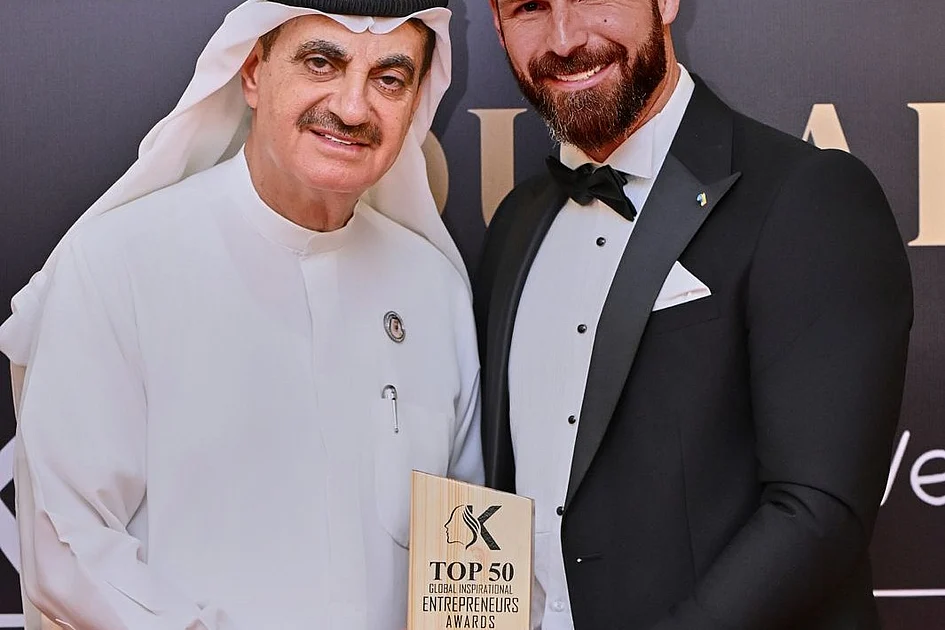
Romain Gerardin-Fresse receives the “Top 50 UAE Personality” distinction
The Khatoon Entrepreneurs Summit & Awards 2025, held in the UAE, celebrated visionary leaders who are reshaping innovation and leadership across the Emirates. Among the notable honorees was Romain Gerardin-Fresse, an internationally acclaimed lawyer and strategic advisor, who was awarded the prestigious ‘Top 50 UAE Personality’ distinction. He also received the Lawyer of Influence & Corporate Legal Visionary Award, presented by Sheikha Aisha Humaid Al Mulla. The event, themed ‘Innovation, Leadership, and Legacy,’ highlighted the UAE’s commitment to fostering excellence and entrepreneurship. Attendees included prominent figures such as Sheikh Zayed Bin Jamal Al Qassimi, Sheikha Aysha Bint Saud Al Qasimi, and Aarefa Al Fahali, among other royal dignitaries and business leaders. Gerardin-Fresse’s recognition underscores his unique blend of legal expertise and strategic entrepreneurship, which has significantly contributed to global partnerships and cross-border corporate transformations. His work exemplifies the values of integrity, foresight, and excellence that drive the UAE’s entrepreneurial spirit. The award not only honors his professional achievements but also acknowledges his holistic approach to leadership, where legal acumen serves as a catalyst for innovation and sustainable growth.
-

Harshita was murdered a year ago – so why has her killer not been caught, family ask
A year has passed since the brutal murder of Harshita Brella, a 24-year-old Indian woman, whose body was discovered in the boot of a car in Ilford, east London, on November 14, 2024. The tragedy has left her family in Delhi grappling with grief and frustration over the lack of justice. Harshita’s husband, Pankaj Lamba, is the prime suspect in her murder. He fled to India shortly after the crime and remains at large, despite being charged with murder, rape, sexual assault, and coercive behavior by Northamptonshire Police in March 2025. The couple, both Indian nationals, had relocated from Delhi to Corby, UK, earlier that year. Harshita’s family accuses both UK and Indian authorities of failing to take decisive action. Her mother, Sudesh Kumari, tearfully demands justice, stating, ‘Only then will I find peace.’ Harshita’s sister, Sonia Dabas, criticizes the UK police for their perceived negligence, suggesting that foreign nationals are not prioritized. The case has drawn scrutiny over the handling of Harshita’s domestic abuse complaint, filed two months before her death. A Domestic Violence Protection Order (DVPO) issued against Pankaj expired weeks before the murder, raising questions about police follow-up. The Independent Office for Police Conduct (IOPC) has completed its investigation into the Northamptonshire Police’s conduct, with findings shared for review. Meanwhile, Harshita’s family believes Pankaj is being shielded by Indian police, citing his relatives’ connections in law enforcement. The Delhi Police deny these allegations, stating they have issued public notices and are actively searching for Pankaj. Harshita’s father, Satbir Singh Brella, continues to seek justice through relentless visits to police stations and courts. Her mother, Sudesh, clings to her daughter’s belongings, including a pair of shoes, as a poignant reminder of her loss. The case underscores the challenges faced by victims of domestic violence and the complexities of cross-border criminal investigations.
-
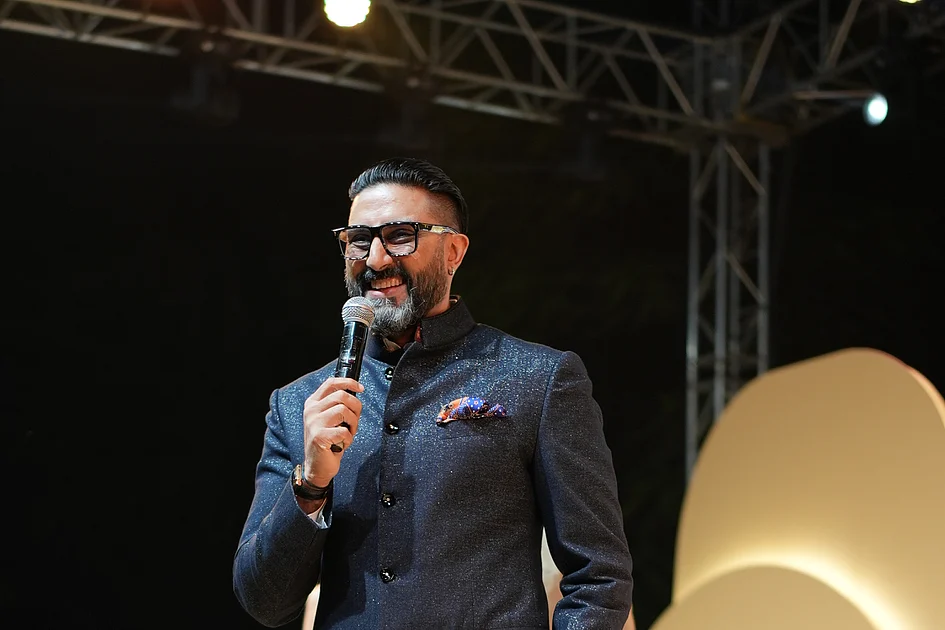
Wearing two watches, making time for family: Abhishek Bachchan on his priorities
Bollywood star Abhishek Bachchan, known for his wit and charm, recently shared insights into his life, career, and passions in an exclusive interview with City Times. With his sports drama ‘Ghoomer’ re-released in theaters following the Indian women’s cricket team’s World Cup victory, Bachchan reflected on the enduring allure of big cinema and his personal priorities.
Bachchan emphasized the influence of directors on his acting career, stating, ‘Every director is influential to an actor. It’s not fair to single out one.’ He also discussed his approach to selecting projects, noting that he chooses films that resonate with audiences and inspire him as an artist.
The re-release of ‘Ghoomer’ was a tribute to the perseverance of the Indian women’s cricket team, a decision made by director R. Balki. Bachchan expressed pride in the film’s renewed success.
Addressing the rise of OTT platforms, Bachchan welcomed the shift, highlighting the opportunities it provides for emerging talent. However, he remains confident in the timeless charm of theatrical experiences, asserting, ‘The magic of going to the movies will never go away.’
Family remains a cornerstone of Bachchan’s life. He cherishes rare moments spent with loved ones, describing a shared meal as the ultimate luxury. Reflecting on his career, he shared valuable life lessons: ‘Never give up. Believe in yourself. Fight the good fight.’
Bachchan’s passion for luxury timepieces, particularly Omega watches, stems from his teenage years in Switzerland. He owns over 40 watches, many of which hold sentimental value. Inspired by his father, Amitabh Bachchan, and his sister’s dual-time-zone watches, he now wears two watches as a nod to his family’s legacy.
Through his words, Bachchan offers a glimpse into his multifaceted life, balancing cinema, family, and personal passions with grace and dedication.
-
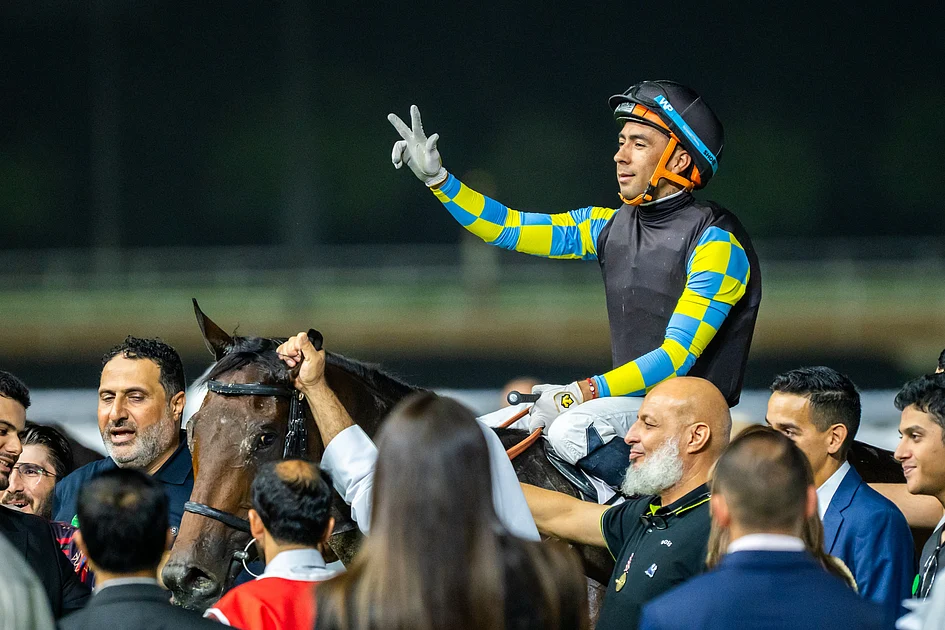
From Argentina to Meydan: Pereyra’s dream debut lights up historic Dubai Racing Carnival
The 2025–26 Dubai Racing Carnival kicked off in spectacular fashion at Meydan Racecourse, setting the stage for a season of high-stakes racing that will culminate in the 30th Dubai World Cup next March. The opening night was marked by the emergence of Argentine jockey William Pereyra, who made a dream debut with a commanding double, and the continued excellence of champion trainer Musabbeh Al Mheiri, forging a promising new partnership.
Pereyra, a 31-year-old from Argentina’s Formosa Province, showcased his elite skills on his first appearance outside South America. He began his UAE campaign with a dominant 8¾-length victory aboard Shepperton Lodge in the Emirates SkyCargo Handicap, followed by a comfortable three-length win on Cupid’s Dream in the Emirates Airline Handicap. Both victories came under the banner of Al Mheiri’s Oasis Stables, signaling the start of a potentially fruitful alliance.
Al Mheiri, who recently lost star jockey Silvestre De Sousa to Jebel Ali Stables, turned to Pereyra, a seasoned rider with over 1,700 wins and 30 Group 1 victories in Argentina. The decision proved astute, as Pereyra’s calm demeanor and tactical acumen impressed both his trainer and the Meydan crowd. ‘William is a good find,’ Al Mheiri remarked. ‘He’s fitted in quickly with the team, and we have some exciting horses for the season.’
The evening also saw the return of Dark Saffron, last season’s Dubai Golden Shaheen (G1) champion, who delivered a commanding performance in the Emirates Airline Conditions Stakes. Trainer Ahmad bin Harmash and jockey Connor Beasley celebrated a double, with Union Security coasting to victory in the Emirates Courier Express Maiden. Meanwhile, former champion trainer Bhupat Seemar made his mark with Grey Boss, a debut winner in the Arabian Adventures Maiden.
The international flair of the Carnival was evident, with British, Brazilian, and Uruguayan talents gracing the winner’s circle. As the curtain fell on the opening night, the stage was set for a season of unforgettable racing, with Meydan’s 30th World Cup anniversary promising to be a landmark event.
-
Meta is earning a fortune on a deluge of fraudulent ads, internal documents show
Internal documents from Meta, reviewed by Reuters, reveal that the tech giant projected 10% of its 2024 revenue—approximately $16 billion—would come from advertisements promoting scams and banned goods. These documents, spanning from 2021 to 2025, highlight Meta’s struggle to curb a flood of fraudulent ads on its platforms, including Facebook, Instagram, and WhatsApp. Despite internal warnings, Meta’s automated systems only banned advertisers if they were 95% likely to be fraudulent, while charging higher rates for those deemed suspicious but not conclusively fraudulent. This approach has allowed Meta to profit significantly from scam ads, with users exposed to an estimated 15 billion high-risk advertisements daily, generating $7 billion annually. The company’s ad-personalization system further exacerbates the issue by showing users more scam ads based on their interests. Meta’s internal assessment acknowledges the scale of abuse on its platforms but reveals a reluctance to implement stricter measures that could harm its revenue. Regulatory bodies worldwide, including the U.S. Securities and Exchange Commission and UK authorities, are pressuring Meta to address the issue. Meta has pledged to reduce scam ads by 50% in certain markets by 2025 and has already removed over 134 million pieces of scam content in 2025. However, internal documents suggest that Meta’s leadership has prioritized business interests over aggressive enforcement, with concerns that abrupt reductions in scam ad revenue could impact financial projections. The company anticipates regulatory fines of up to $1 billion but continues to earn billions from scam ads, far exceeding potential penalties. Meta’s strategy includes charging suspected fraudsters higher ad rates to deter them, though this approach has had mixed financial results. Critics argue that Meta’s efforts remain insufficient, with user reports of scams often ignored or dismissed. The revelations come as Meta invests heavily in artificial intelligence and other technologies, raising questions about its commitment to user safety and regulatory compliance.
-
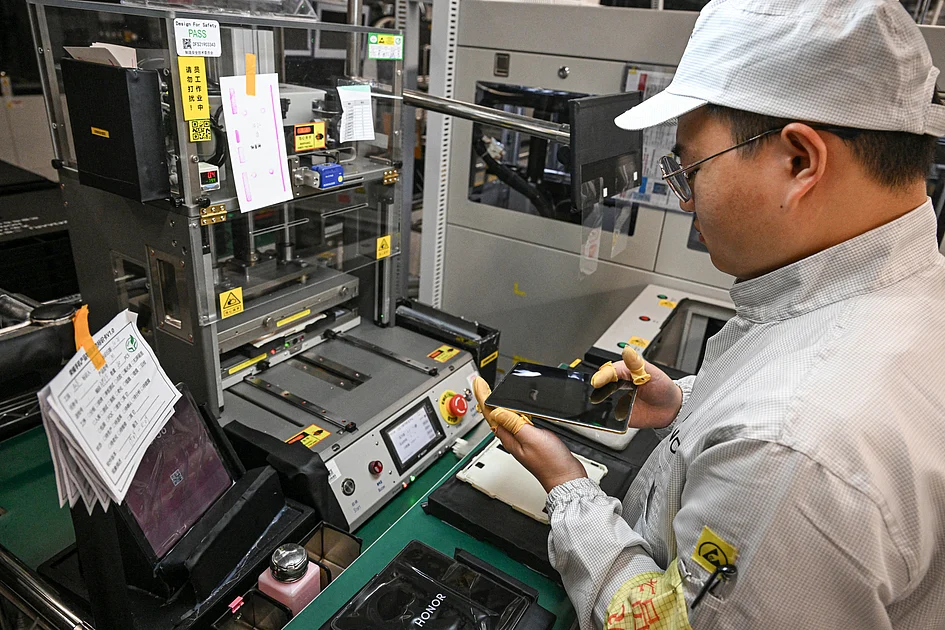
China’s factory-gate deflation eases in October, consumer prices rise
China’s economic landscape in October 2025 presented a nuanced picture as factory-gate deflation showed signs of easing while consumer prices returned to positive territory. According to data released by the National Bureau of Statistics (NBS), the Producer Price Index (PPI) fell by 2.1% year-on-year, marking a moderation from the 2.3% decline in September. This marks the 37th consecutive month of deflation in producer prices, though the rate of decline has slowed. Meanwhile, the Consumer Price Index (CPI) rose by 0.2% year-on-year, reversing a two-month downward trend and surpassing market expectations of no change. Core inflation, excluding volatile food and energy prices, accelerated to 1.2%, the highest in 20 months. Food prices, however, continued to decline, dropping 2.9% year-on-year. The data suggests that government efforts to manage overcapacity and stabilize supply-demand dynamics are yielding results, but weak domestic demand and geopolitical uncertainties continue to weigh on the economy. Analysts caution that deflationary pressures persist, and further policy measures may be required to stimulate growth. Policymakers have maintained a cautious stance, refraining from aggressive stimulus measures, with the central bank keeping interest rates steady for five months. Despite these challenges, China remains on track to achieve its annual growth target of around 5%.
-
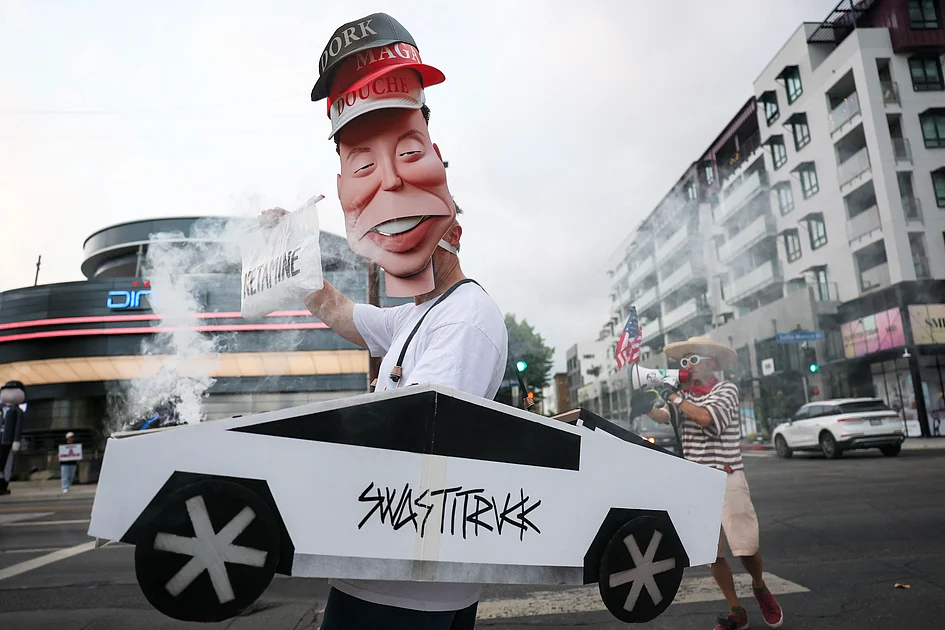
Musk’s $1 trillion pay package creates a split screen on wealth in America
Tesla shareholders have approved a groundbreaking $1 trillion pay package for CEO Elon Musk, setting the stage for him to potentially become the world’s first trillionaire. The ambitious 12-step plan requires Musk to elevate Tesla’s market valuation from $1.4 trillion to $8.5 trillion while achieving other significant milestones, such as selling 1 million humanoid robots and 10 million subscriptions to Tesla’s self-driving software. This decision comes just days after New Yorkers elected Zohran Mamdani, a progressive candidate advocating for higher taxes on the wealthy to fund social programs, highlighting the stark contrast in perspectives on wealth distribution in America. Musk’s supporters, including President Donald Trump, view his financial success as a model to emulate, while critics argue that such concentrated wealth exacerbates economic inequality. The Florida State Board of Administration defended the plan, citing Tesla’s transformation from near bankruptcy to a global leader in electric vehicles and clean energy. However, public pension fund officials in New York and California opposed the package, warning of excessive corporate power. Musk, who owns 15% of Tesla’s stock, could see his control grow to nearly 29% if he meets the plan’s targets. Meanwhile, Norway’s sovereign wealth fund voted against the proposal, citing concerns about dilution and key person risk. The approval of Musk’s pay package underscores the deepening divide in American business and politics, with progressives like Mamdani pushing for wealth redistribution and billionaires like Musk championing unfettered capitalism. The plan also reignites debates about executive compensation and corporate governance, as Tesla’s board insists it is designed to drive innovation and growth.