博客

  • Ukraine accuses Hungary of taking ‘hostage’ bank staff carrying $40 mn

    Ukraine accuses Hungary of taking ‘hostage’ bank staff carrying $40 mn

    A significant diplomatic crisis has erupted between Ukraine and Hungary following the detention of seven Ukrainian bank employees in Budapest. The incident, which Ukrainian officials have characterized as an act of ‘state terrorism,’ involves staff from the State Savings Bank of Ukraine (Oschadbank) who were transporting a substantial consignment of $40 million in cash and nine kilograms of gold.

    Ukrainian Foreign Minister Andrii Sybiha publicly accused Hungarian authorities on Friday of taking the individuals ‘hostage.’ In a series of posts on social media platform X, Sybiha detailed that the employees were operating two armored vehicles on a routine transit route between Austria and Ukraine, a standard service between state financial institutions. The minister vehemently denounced the action, stating, ‘We are talking about Hungary taking hostages and stealing money. This is state terrorism and racketeering.’

    The detention occurs against a backdrop of persistently strained relations between the two nations. Hungary has notably distanced itself from broader European Union consensus, maintaining close diplomatic and economic ties with Russia throughout the ongoing conflict in Ukraine. The government of Prime Minister Viktor Orbán has consistently opposed military aid packages for Kyiv and has been critical of EU sanctions imposed on Moscow.

    Oschadbank confirmed the incident but expressed grave concern as the precise location of its employees remains unknown. Data from GPS signals indicates the bank vehicles are stationed in central Budapest, reportedly near a Hungarian law enforcement facility. As of the latest reports, the Hungarian government has not issued an official statement or responded to requests for comment from international news agencies, deepening the mystery surrounding the legal basis for the detention.
  • Texas lawmaker drops re-election bid after admitting affair with aide

    Texas lawmaker drops re-election bid after admitting affair with aide

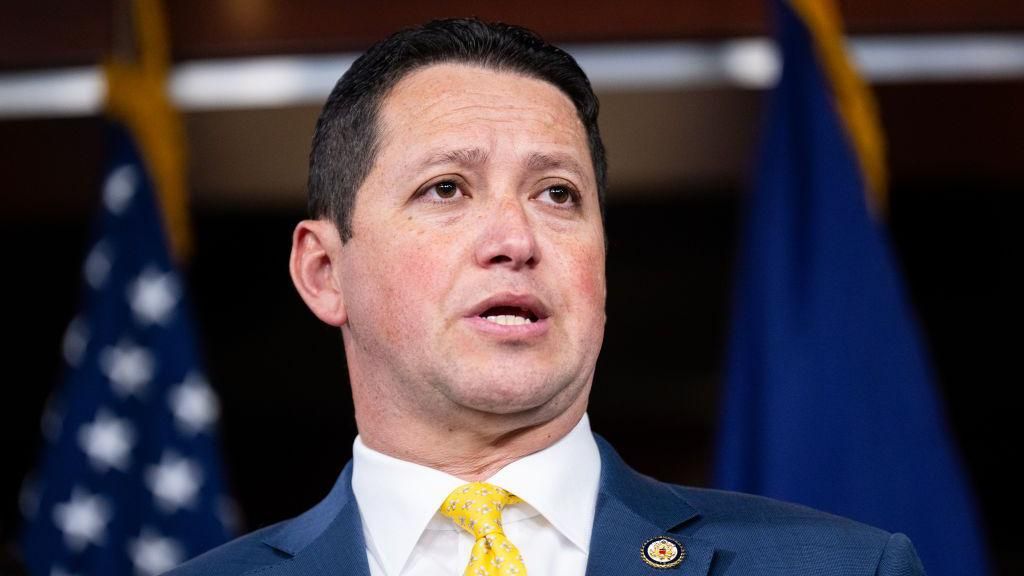
    Republican Representative Tony Gonzales of Texas has abruptly terminated his congressional re-election campaign following his admission of an extramarital relationship with a staff member who later died by suicide. This dramatic political reversal comes amid mounting pressure from senior House Republican leadership and an impending ethics investigation.

    The married father of six publicly acknowledged his relationship with Regina Santos-Aviles, a married staff member who died in September 2025 after setting herself on fire near her Uvalde, Texas residence. Her death was officially ruled a suicide by medical examiners.

    In a statement posted to social media platform X, Gonzales announced: “After deep reflection and with the support of my loving family, I have decided not to seek re-election.” This confession directly contradicts his previous characterization of the allegations as “blackmail” and a “coordinated” political attack to remove him from office.

    The congressional exit follows a failed bid to secure his party’s nomination in the upcoming mid-term elections and coincides with the House Ethics Committee’s investigation into whether Gonzales “engaged in sexual misconduct” toward an employee.

    House Republican leadership, including Speaker Mike Johnson, Majority Leader Steve Scalise, Majority Whip Tom Emmer, and Congresswoman Lisa McClain, issued a joint statement encouraging Gonzales to “address these very serious allegations directly with his constituents and his colleagues.”

    In a recent interview with conservative podcaster Joe Pags, Gonzales maintained that Santos-Aviles’ death was unrelated to their affair, stating she was “thriving” at work and claiming he was “shocked just as much as everyone else” by her tragic passing.

  • Heavy attacks hit Tehran as Israel says war in ‘new phase’

    Heavy attacks hit Tehran as Israel says war in ‘new phase’

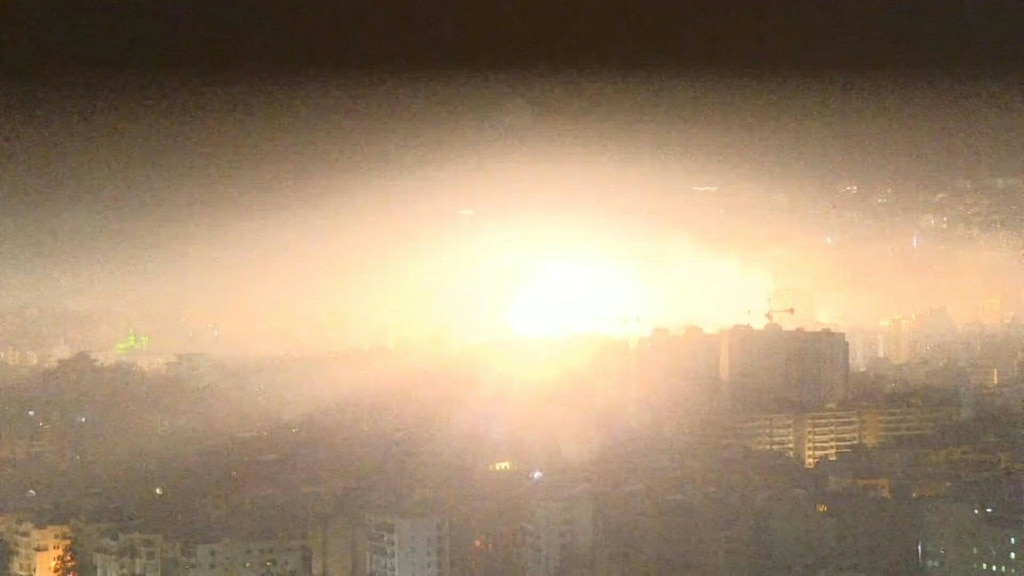
    The Middle Eastern conflict entered a perilous new chapter as heavy Israeli strikes targeted Iran’s capital, Tehran, on Friday. This escalation follows Israel’s declaration of a ‘new phase’ in its joint military campaign with the United States, specifically aimed at dismantling ‘regime infrastructure.’ Plumes of smoke were witnessed rising over the city in the aftermath of the attacks.

    The conflict, now in its seventh day, has triggered significant regional repercussions. Lebanon’s health ministry reported a rising death toll of 123 from Israeli airstrikes. In a separate incident, Qatar announced its air defenses had intercepted a drone targeting the Al-Udeid airbase, which hosts U.S. forces.

    U.S. Defense Secretary Pete Hegseth declared that ‘firepower over Iran and over Tehran is about to surge dramatically,’ signaling a prolonged and intensified campaign. This stance was echoed by Israeli Lieutenant General Eyal Zamir, who warned of ‘additional surprises’ designed to further degrade the Iranian regime’s military capabilities.

    In retaliation, Iran’s Revolutionary Guards launched missile salvos towards Tel Aviv. AFP journalists documented simultaneous waves of explosions in the Israeli city, with rocket trails visible in the sky over Netanya. The humanitarian cost continued to mount, with an Iranian state-run foundation claiming a death toll of 1,230 within Iran, though this figure remains unverified.

    The conflict has drawn in multiple nations. Hezbollah, backed by Iran, has engaged from Lebanon, prompting a mass exodus of civilians from Beirut’s southern suburbs. Displaced families sought refuge on beaches, with one evacuee, Yousef, questioning the purpose of the war. Further afield, incidents were reported from the Sri Lankan coast to Azerbaijan, and Gulf nations like Bahrain and Saudi Arabia reported intercepting projectiles.

    An information blackout in Iran, with internet connectivity at 1% of normal levels according to Netblocks, has obscured the full impact on the population. Evacuated students described scenes of terror as strikes shook Tehran. U.S. President Donald Trump inserted himself into the political future of Iran, dismissing the possibility of Ayatollah Khamenei’s son, Mojtaba, succeeding his slain father and stating he would ‘have to be involved’ in appointing a new leader who brings ‘harmony and peace.’
    Despite the escalation, Admiral Brad Cooper, head of U.S. Central Command, noted a significant decrease in Iranian ballistic missile and drone attacks since the conflict began. The crisis has already disrupted global markets, energy supplies, and travel, casting a long shadow over international stability.

  • US and Venezuela agree to resume diplomatic ties after Maduro capture

    US and Venezuela agree to resume diplomatic ties after Maduro capture

    In a remarkable diplomatic turnaround, the United States and Venezuela have formally agreed to restore diplomatic and consular relations, signaling a new chapter in bilateral cooperation focused on mineral resource development and economic recovery. The breakthrough follows months of gradually improving relations that began with the controversial capture of Venezuelan President Nicolás Maduro by US forces in January.

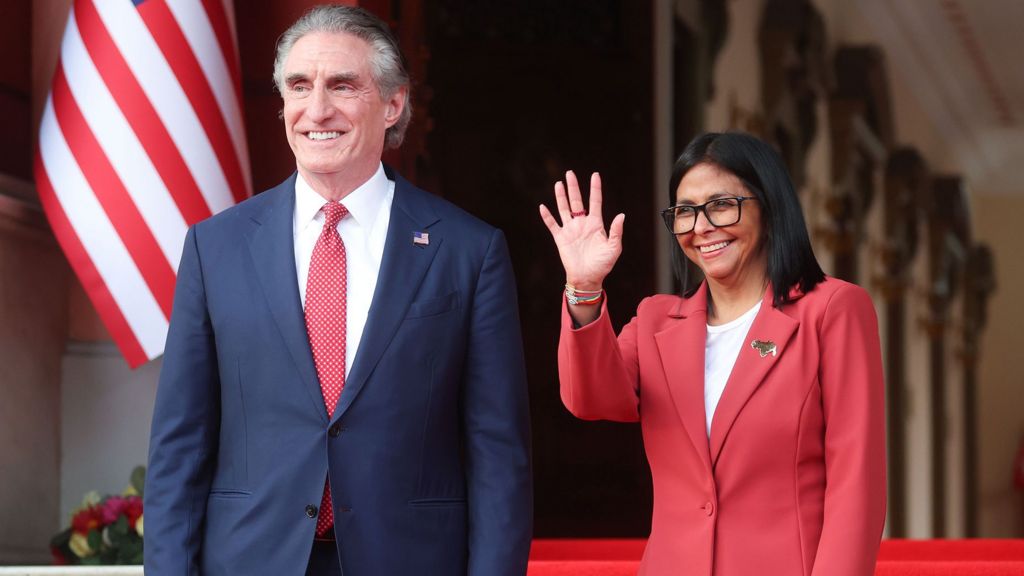
    The diplomatic reconciliation was cemented through high-level discussions between Venezuela’s interim president Delcy Rodríguez and US Interior Secretary Doug Burgum, who jointly announced collaborative efforts to develop Venezuela’s extensive mining sector. This partnership extends to Venezuela’s oil industry, with Washington recently permitting sanctioned oil sales under US supervision and Caracas implementing legal reforms to attract foreign investment.

    The US Embassy in Caracas, shuttered since 2019, has already resumed operations with a newly appointed diplomatic contingent. Additional staff from the US Embassy in Bogotá are expected to transfer to Venezuela shortly, facilitating enhanced consular services and direct negotiations between officials.

    While both nations express commitment to advancing political reconciliation, their statements reveal nuanced differences. The Venezuelan government emphasizes “constructive dialogue based on mutual respect” aimed at achieving “social and economic happiness” for its citizens, without explicit mention of political transition or elections. Conversely, the US State Department frames its engagement as a “phased process” designed to create conditions for a “peaceful transition to a democratically elected government.”

    The diplomatic reset occurs against the complex backdrop of Maduro’s impending trial in the United States on weapons and drug charges, which he denies. US officials have previously characterized Maduro’s administration as a criminal organization involved in illegal mining and drug trafficking.

    Secretary Burgum characterized US intervention in Venezuela as a “brilliant strategic move” undertaken before military actions against Iran, noting that ensured “oil will flow to America.” Venezuela’s significance extends beyond petroleum, possessing the world’s largest proven oil reserves alongside substantial deposits of gold, diamonds, and critical minerals essential for technology manufacturing.

  • North Koreans stay perfect at the Women’s Asian Cup, beating Bangladesh for its 2nd win

    North Koreans stay perfect at the Women’s Asian Cup, beating Bangladesh for its 2nd win

    SYDNEY — North Korea’s women’s football team delivered a commanding performance on Friday, overwhelming Bangladesh with a decisive 5-0 victory in their Group B encounter of the Women’s Asian Cup. The emphatic win marks their second consecutive triumph in the tournament, solidifying their position as strong contenders for the championship.

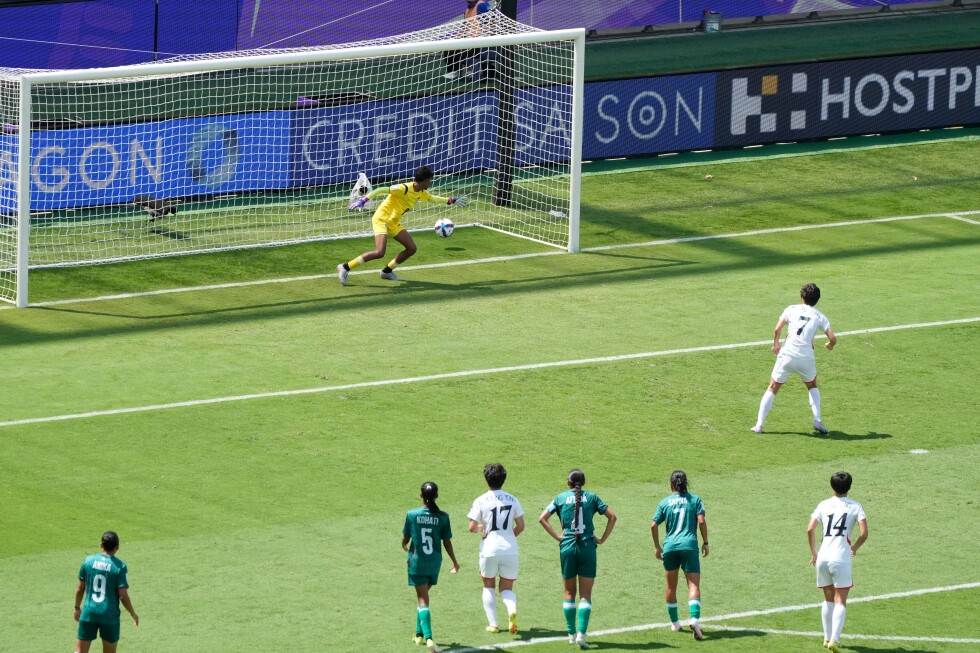
    Midfielder Myong Yu Jong emerged as the standout performer, converting a penalty kick to score her fourth goal of the competition. The breakthrough came during first-half stoppage time after Bangladesh’s Afida Khandaker received a yellow card for a foul in the box. Myong’s precise right-footed shot found the bottom right corner, doubling North Korea’s advantage just moments after Kim Kyong Yong had opened the scoring.

    The match saw two earlier North Korean goals disallowed by video review before the floodgates eventually opened. The second half witnessed a clinical display of attacking football with three additional goals. Chae Un Yong started the scoring spree with a close-range finish to the center of the net, followed quickly by Kim Kyong Yong’s second goal of the match just two minutes later. Kim Hye-Yong completed the rout with a 90th-minute strike.

    The three-time Asian champions have demonstrated formidable form, netting eight goals across two matches while maintaining a perfect defensive record. Their comprehensive victories have virtually guaranteed progression to the quarterfinal stage ahead of their crucial final group match against defending champions China on Monday.

    In other tournament developments, Australia and South Korea have already secured quarterfinal places from Group A following convincing victories. Meanwhile, Iran faces elimination pressure after consecutive defeats, needing a substantial win against the Philippines to keep their World Cup qualification hopes alive.

  • Iran’s FM says Tehran not seeking ceasefire, sees no reason to negotiate with US

    Iran’s FM says Tehran not seeking ceasefire, sees no reason to negotiate with US

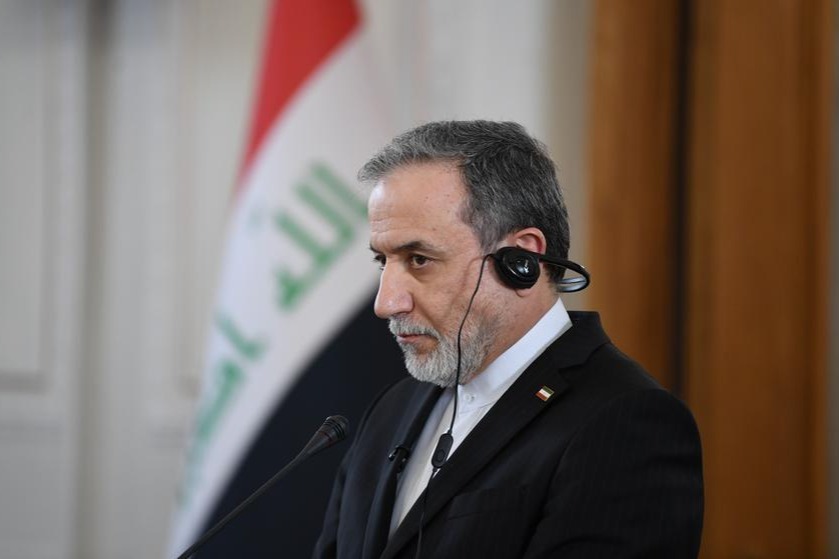
    In a defiant televised interview with NBC News aired Thursday, Iranian Foreign Minister Seyed Abbas Araghchi declared that Tehran is neither seeking a ceasefire nor sees any justification for negotiating with the United States. The minister’s statements come amid escalating military confrontations between the two nations.

    Araghchi explicitly stated Iran’s position regarding diplomatic engagement with Washington: ‘We are not asking for a ceasefire, and we don’t see any reason why we should negotiate with the United States when we negotiated with them twice, and every time, they attacked us in the middle of the negotiations.’

    Regarding potential ground invasion scenarios, the foreign minister issued a stark warning: ‘We are waiting for them because we are confident that we can confront them, and that would be a big disaster for them.’ He emphasized Iran’s military preparedness for all eventualities, asserting that the country’s armed forces remain on high alert for any development.

    The interview coincided with claims from Iran’s Khatam al-Anbiya Central Headquarters that its Islamic Revolution Guards Corps Navy had targeted the USS Abraham Lincoln aircraft carrier with drones approximately 340 kilometers beyond Iranian territorial waters in the Gulf of Oman. According to state-run IRIB TV, the carrier and its accompanying destroyers reportedly retreated to over 1,000 kilometers from the region following the engagement.

    These developments follow joint American-Israeli strikes on Tehran and several other Iranian cities that began last Saturday, which resulted in the death of Iran’s Supreme Leader Ali Khamenei, along with members of his family, senior military officials, and civilians. Iran has responded with multiple waves of missile and drone attacks targeting Israeli positions and US military assets throughout the region.

  • Japan says a second Japanese person is detained in Iran and demands their early release

    Japan says a second Japanese person is detained in Iran and demands their early release

    TOKYO — Japan’s Foreign Ministry confirmed on Friday that a second Japanese citizen has been detained in Iran, escalating diplomatic concerns between the two nations. The ministry has formally demanded the immediate release of both detained individuals while confirming their safety and well-being.

    Government officials revealed that the second detention occurred prior to the February 28 military strikes on Iran conducted by the United States and Israel. While maintaining the detainee’s safety, Japanese authorities declined to provide specific details regarding the timing of detention or potential connections to the earlier case involving a Japanese journalist.

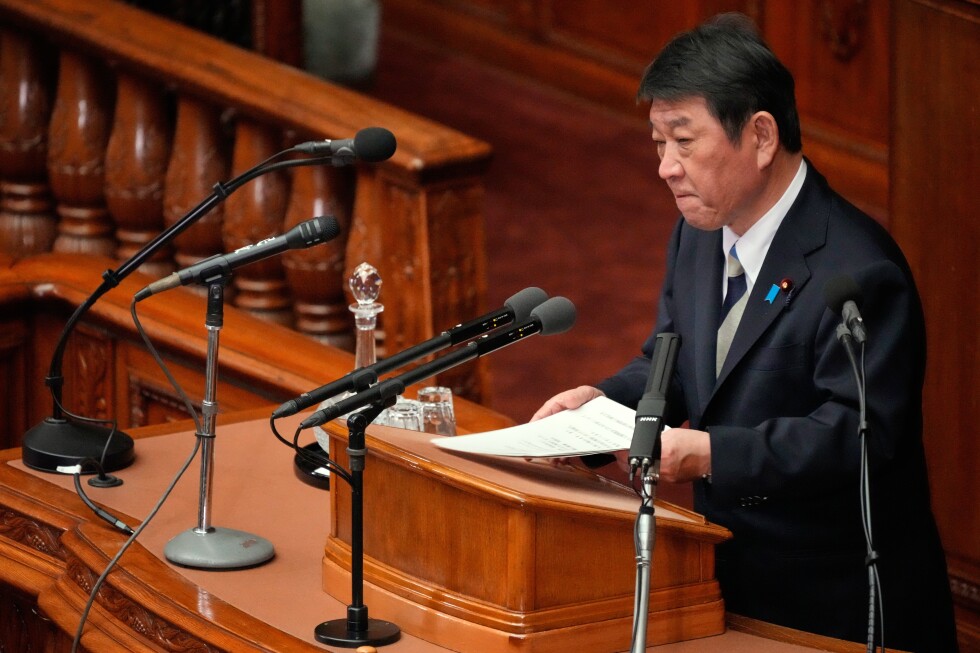
    Foreign Minister Toshimitsu Motegi addressed the situation during a parliamentary session, confirming that diplomatic channels have established contact with both detainees following the recent military actions. “The government is implementing comprehensive measures to support them, their families, and all affected parties,” Motegi stated, emphasizing Japan’s commitment to resolving the situation through diplomatic means.

    The minister further disclosed that during a meeting with Iran’s ambassador this week, he explicitly emphasized the critical importance of protecting the detainees and securing their prompt release.

    International press freedom organizations have identified the first detainee as Shinnosuke Kawashima, Tehran bureau chief for Japan’s public broadcaster NHK. According to the Committee to Protect Journalists, Kawashima was arrested on January 20 by Iran’s Islamic Revolutionary Guard Corps and subsequently transferred to Evin Prison on February 23. The CPJ has joined Japan in calling for the immediate release of all journalists detained for their professional activities.

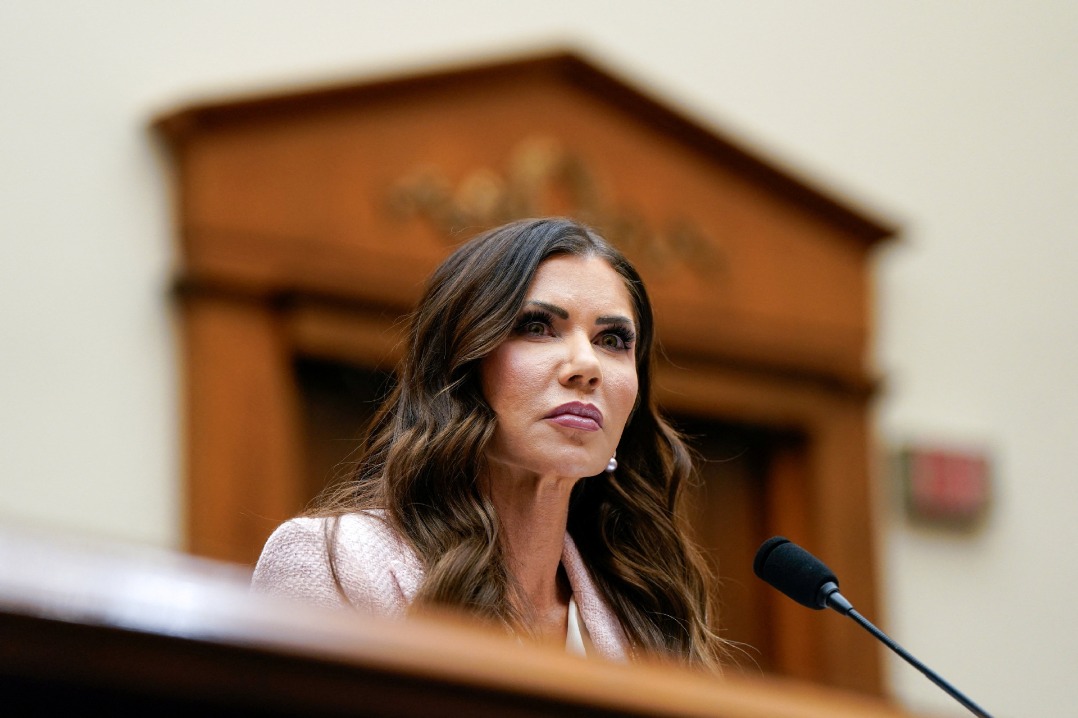
  • Trump replaces Homeland Security Secretary Kristi Noem with Senator Markwayne Mullin

    Trump replaces Homeland Security Secretary Kristi Noem with Senator Markwayne Mullin

    In a significant cabinet reshuffle, former President Donald Trump has announced the replacement of Homeland Security Secretary Kristi Noem with Oklahoma Senator Markwayne Mullin. The decision was communicated through Trump’s Truth Social platform on Thursday, March 5, 2026, citing bipartisan dissatisfaction with Noem’s leadership during her tenure.

    The move comes amid ongoing challenges at the Department of Homeland Security, including border security management, immigration policy implementation, and counterterrorism efforts. Noem, who previously served as Governor of South Dakota before assuming the cabinet position, faced increasing criticism from both Republican and Democratic lawmakers regarding her administration’s handling of these complex issues.

    Senator Mullin, a Republican from Oklahoma and former professional mixed martial artist turned politician, brings a different perspective to the role. Having served on several committees relevant to homeland security matters, Mullin has established himself as a staunch conservative voice on border protection and national security issues. His appointment signals a potential shift in policy direction and operational approach within the department.

    The transition occurs during a period of heightened global tensions and domestic security concerns, making the leadership change particularly significant. The Department of Homeland Security remains one of the most critical federal agencies, with responsibilities spanning from cybersecurity to emergency response coordination.

    This cabinet-level change reflects the ongoing evolution of Trump’s administrative team as he continues to shape his policy priorities. The swift nature of the announcement, bypassing traditional press briefing channels, demonstrates Trump’s continued preference for direct communication through social media platforms.

  • Demand for minerals to power technology could triple by 2030, UN political chief says

    Demand for minerals to power technology could triple by 2030, UN political chief says

    UNITED NATIONS — The United Nations Security Council convened a high-level session Thursday focusing on the escalating global competition for critical minerals, with projections indicating demand could triple by 2030 and quadruple by 2040. The special session, initiated by the United States during its Security Council presidency, addressed the strategic importance of minerals including lithium, cobalt, and nickel in powering both the digital economy and global energy transition.

    UN Undersecretary-General Rosemary DiCarlo revealed that trade in raw and semi-processed minerals reached approximately $2.5 trillion in 2023, accounting for over 10% of global trade. “A decade ago, these minerals had limited strategic importance,” DiCarlo stated. “Today, they underpin technologies essential to national security and economic stability.”

    The session highlighted growing geopolitical tensions surrounding mineral access. U.S. Energy Secretary Chris Wright emphasized the security imperative of diversifying supply chains, noting that over-reliance on any single nation poses significant risks. This position reflects ongoing U.S. efforts to establish a critical minerals trading bloc with allied nations to counter China’s current dominance in the sector.

    Chinese Ambassador Fu Cong acknowledged the supply-demand imbalances emerging as the world enters “a new period of turbulence and transformation.” He advocated for enhanced international cooperation and promoted China’s G20-initiated ‘green mining’ transformation program as a solution for sustainable resource extraction.

    The geopolitical maneuvering extends to resource-rich nations experiencing instability. Venezuela has offered security assurances to mining companies operating in regions previously controlled by armed groups, while Congo’s President has proposed mineral access worth an estimated $24 trillion in exchange for U.S. support in combating rebels and developing infrastructure. Congo’s UN Ambassador Zenon Mukongo emphasized the private sector’s responsibility to ensure mineral extraction doesn’t finance armed conflicts or violate national laws.

  • Does Mark Carney know where he stands on the US-Israeli war on Iran?

    Does Mark Carney know where he stands on the US-Israeli war on Iran?

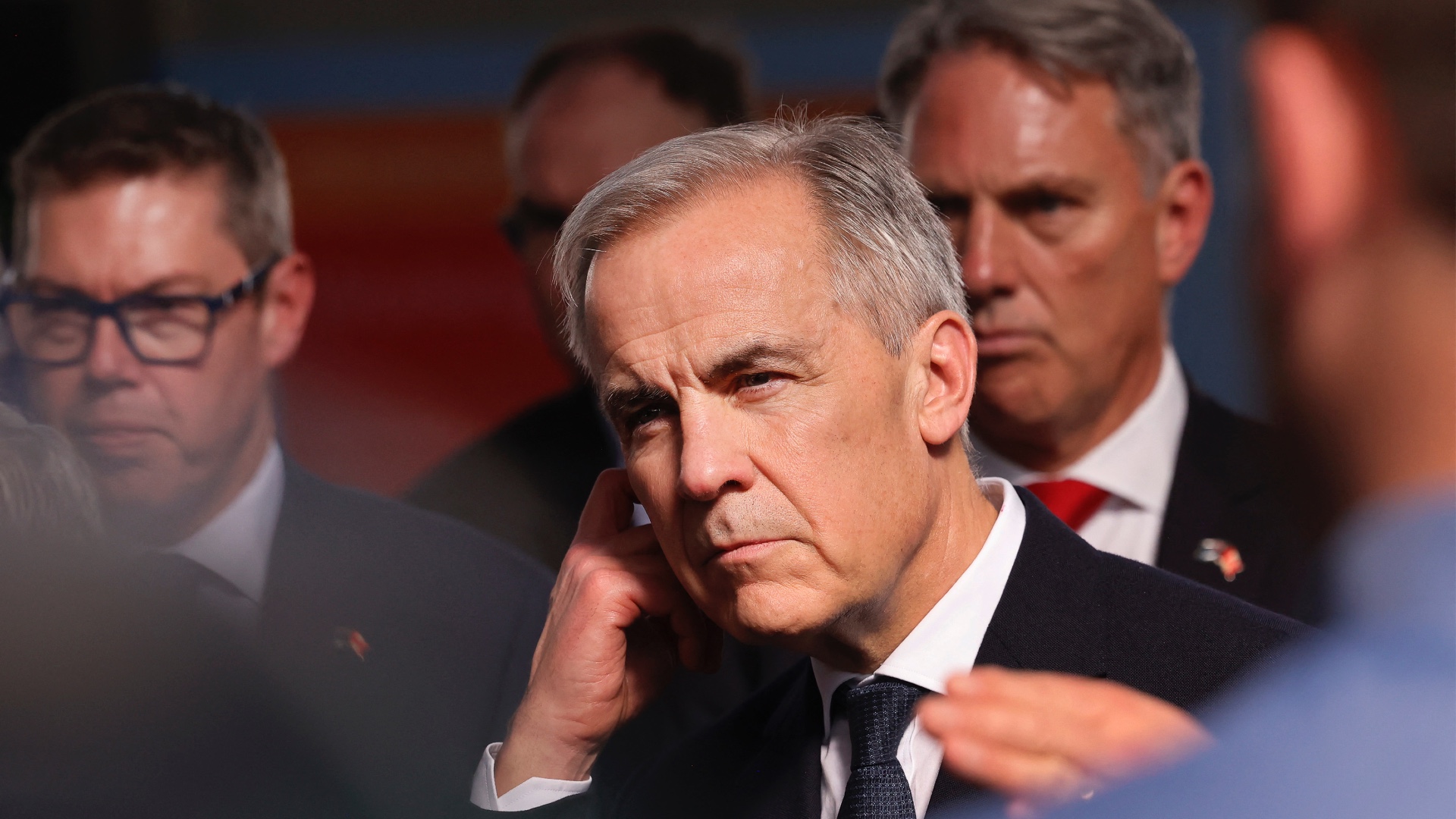
    Prime Minister Mark Carney’s administration faces mounting political pressure as it attempts to balance Canada’s international alliances with domestic opposition to military engagement in the Middle East. The crisis emerged on February 28th when Carney initially expressed unequivocal support for U.S.-Israeli military actions against Iran, despite the absence of United Nations authorization—a traditional prerequisite for Canadian foreign policy interventions.

    The initial endorsement triggered immediate dissent within Carney’s Liberal Party, compounded by polling data from the Angus Reid Institute revealing less than half of Canadians support airstrikes against Iran, with merely 30% believing such actions would improve Iranian lives. Facing this domestic discontent during his Australian visit, Carney notably refined his position, emphasizing solidarity with the Iranian people against oppressive governance while maintaining support for preventing nuclear proliferation.

    In a striking admission, Carney acknowledged that Washington and Jerusalem had acted without consulting Ottawa or pursuing UN channels. When pressed about his celebrated Davos speech advocating a new world order, Carney deferred legal assessments to the attacking nations, noting that prima facie, the operations appeared inconsistent with international law. Nevertheless, by week’s end, he refused to categorically exclude Canadian involvement, stating that Canada would stand by its allies in a potentially expanding conflict.

    This diplomatic maneuvering occurs against a backdrop of heightened military enlistment following President Trump’s threats against Canada and escalating trade tariffs. Security experts warn that Carney’s ambiguous stance creates dangerous unpredictability, particularly as the government advises Canadian citizens in the region to shelter in place without initiating evacuation procedures.