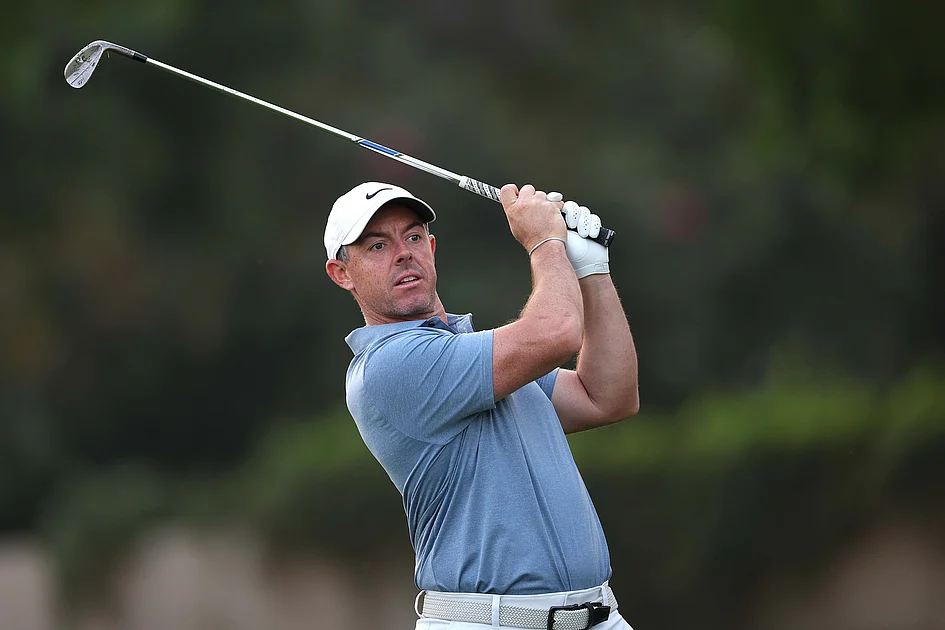
Rory McIlroy, the reigning Masters champion, is poised to make history at the DP World Tour Championship in Dubai this weekend. With a commanding 767-point lead over his closest competitor, Marco Penge, McIlroy is on the verge of securing the Harry Vardon Trophy for an unprecedented seventh time. This achievement would see him surpass the legendary Seve Ballesteros, who holds six titles, and edge closer to Colin Montgomerie’s record of eight. McIlroy’s dominance in the Race to Dubai standings has been consistent, as he aims to claim the season-long title for the fourth consecutive year. The Northern Irishman is well aware of the stakes, with 2,000 points awarded to the winner of the final Rolex Series event at Jumeirah Golf Estates. While victory is not guaranteed, McIlroy remains focused on delivering a strong performance. Reflecting on his recent form, McIlroy highlighted his impressive showing at the Abu Dhabi HSBC Championship, where he extended his lead with a flawless 62 on Sunday. He expressed optimism about maintaining his momentum in Dubai, a tournament he has won three times, including last year. McIlroy’s confidence is bolstered by the DP World Tour’s announcement of the Rory McIlroy Award, a new annual trophy honoring Europe’s first Career Grand Slam winner. The award will recognize the DP World Tour member with the best performance across all four major championships in a season. McIlroy joins an elite group of golfing legends, including Harry Vardon and Seve Ballesteros, in having a tour award named after him. As he prepares for the season finale, McIlroy remains determined to cement his legacy as one of European golf’s greatest players.
博客
-
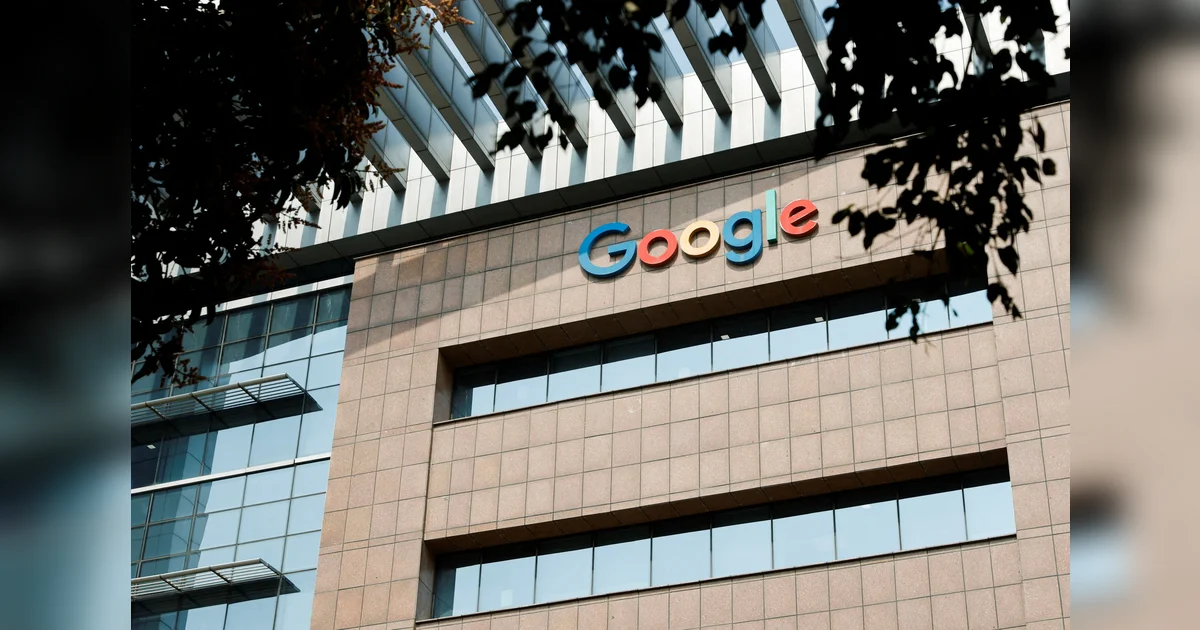
NRI Biz Matters: Google’s multifaceted investments in India to boost digital infrastructure
Google is set to make a transformative investment in India, focusing on enhancing digital infrastructure and accelerating AI-driven innovation. The tech giant’s multifaceted plan includes the development of gigawatt-scale data centers and the establishment of a new international subsea gateway in Visakhapatnam. These initiatives, supported by advanced energy infrastructure, aim to bring cutting-edge technology to enterprises, fostering AI innovation and digital growth across the country. The project is a collaboration with the Adani Group and will feature Tensor Processing Units (TPUs) and Graphics Processing Units (GPUs), significantly boosting compute capacity for deep learning, neural network training, and large-scale AI model inference. This investment is expected to create an ecosystem that accelerates AI solutions in healthcare, logistics, finance, and agriculture, among other sectors. Upon completion, the new data center campus will join Google’s global network of AI data centers spanning 12 countries. The Visakhapatnam subsea gateway will connect to Google’s extensive terrestrial and subsea cable network, positioning the city as a global AI hub. Analysts predict this initiative will generate substantial economic and societal opportunities for both India and the United States, marking a generational leap in AI capabilities. Additionally, the hub will deliver high-performance, low-latency services, enabling organizations to scale their AI-powered solutions and accelerate research and development. In parallel, India is addressing the rise in cybercrime and bank frauds through initiatives like the Indian Cyber Crime Coordination Centre and the use of MuleHunter.AI to detect and monitor mule accounts. The Reserve Bank of India is also developing a digital payments intelligence platform to strengthen risk management in the banking system.
-
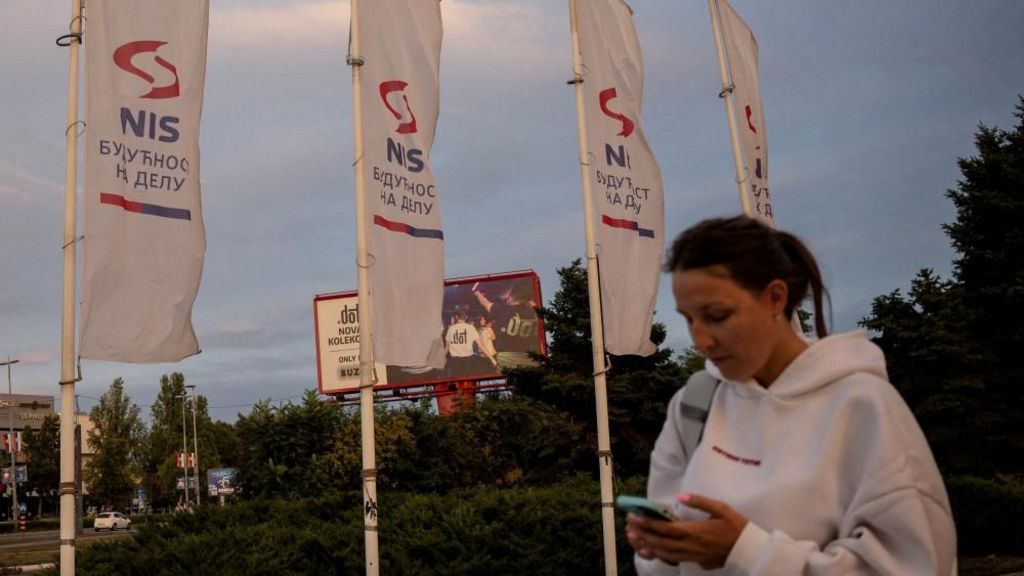
Serbia’s energy reliance on Russia comes unstuck facing US oil sanctions
Serbia finds itself in a precarious position as US sanctions on its national oil company, NIS, exacerbate tensions with its traditional ally, Russia. Russian state-owned energy giants Gazprom and Gazprom Neft control over 50% of NIS, placing the company in a bind following the sanctions imposed last month due to its ties to Russia’s energy sector. Serbian Energy Minister Dubravka Djedovic Handanovic revealed that NIS’s Russian shareholders have sought a US waiver, signaling their willingness to transfer control to a third party. However, time is running out, with Serbia’s oil refineries expected to exhaust their crude supply by the end of November. The sanctions have already disrupted NIS’s operations, forcing its petrol stations to stop accepting Visa and Mastercard payments, while Croatia has halted oil deliveries via the Janaf pipeline. Serbia is not alone in facing such challenges; neighboring Bulgaria has moved to nationalize its sole oil refinery ahead of impending sanctions. Meanwhile, Hungary secured a one-year waiver from US sanctions, highlighting the region’s divergent responses. The crisis has strained Serbia’s historically close ties with Russia, particularly over energy and arms trade. While Serbia relies on Russian gas at favorable rates, Moscow appears reluctant to renew the supply deal, leaving President Aleksandar Vucic ‘very disappointed.’ Additionally, Serbia’s arms exports to third countries, which indirectly support Ukraine, have further soured relations. Despite these challenges, Vucic remains committed to Serbia’s EU integration, a stance that may be reinforced by the current crisis. The outcome of the US waiver request remains uncertain, but the episode underscores the broader geopolitical shifts reshaping the Balkans.
-
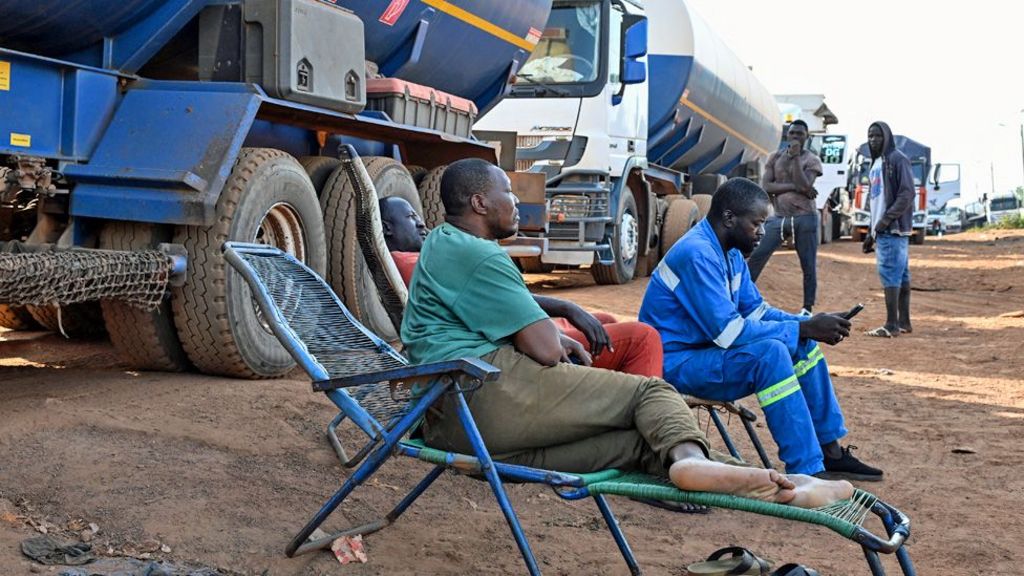
How jihadists have brought a nation to a standstill with their fuel blockade
Mali, a landlocked West African nation, is grappling with a severe fuel crisis that has disrupted daily life and exposed the government’s vulnerabilities. The crisis stems from a blockade orchestrated by Jama’at Nusrat al-Islam wal-Muslimin (JNIM), an al-Qaeda-affiliated jihadist group, which has targeted fuel convoys entering Mali. Over the past two months, JNIM fighters have kidnapped drivers, torched more than 100 trucks, and effectively cut off fuel supplies to the capital, Bamako. This economic warfare has paralyzed the country, forcing schools and universities to close, driving up food prices, and leaving hospitals struggling with power cuts. The crisis has also sparked international concern, with the US and France advising their citizens to avoid or leave Mali. The fuel shortage has led to long queues at petrol stations, with some drivers resorting to sleeping at stations in hopes of refueling. Public transport fares have tripled in some areas, forcing many to walk long distances to work. Traders report that food prices have surged due to increased transport costs and dwindling supplies of imported goods. The blockade has highlighted the government’s inability to secure key transport routes and maintain public confidence. In response, the military-led government has implemented emergency measures, including escorting fuel convoys with army trucks and negotiating a fuel supply agreement with Russia. However, critics argue that the junta’s reactive approach has failed to address the root causes of the crisis. The fuel shortage has also deepened Mali’s reliance on Russia, potentially alienating Western aid and investment. For ordinary Malians, the crisis has brought immense hardship, raising fears of increased crime and a worsening security situation. Amidou Diallo, a welder, warns that prolonged shortages could lead to dangerous consequences. As Mali struggles to navigate this crisis, the government faces mounting pressure to restore stability and regain public trust.
-
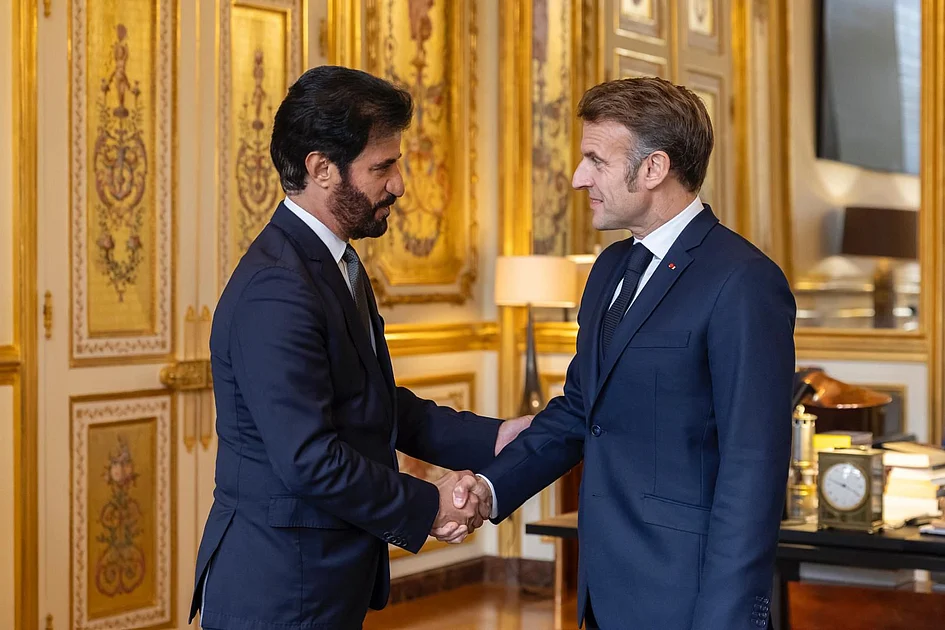
Ben Sulayem, Macron reaffirm partnership between France and FIA
In a landmark meeting, FIA President Mohammed Ben Sulayem and French President Emmanuel Macron reaffirmed the enduring partnership between France and the Fédération Internationale de l’Automobile (FIA). The discussions underscored shared priorities in motorsport, road safety, sustainable mobility, and the protection of young people online. France, home to the FIA’s headquarters in Paris, remains a cornerstone of the Federation’s legacy, with Macron and Ben Sulayem celebrating the nation’s pivotal role in global motorsport. From the historic Paris–Rouen trial in 1894 to the iconic 24 Hours of Le Mans, France has consistently driven innovation and economic impact in the industry, supporting over 1,000 jobs and contributing €162 million annually to the French economy. The leaders also addressed France’s representation in the FIA Formula 1 Championship, the contributions of French manufacturers and promoters, and the facilitation of visas for FIA delegates. Joining the meeting were Yann de Pontbriand, President of the Automobile Club de France (ACF), and Pierre Gosselin, President of the Fédération Française du Sport Automobile (FFSA). Their discussions emphasized the central role of these clubs in promoting safe and responsible mobility and motorsport. Road safety and sustainable mobility were key focal points, with Ben Sulayem and Macron exchanging views on initiatives like the FIA Driver Safety Index, a groundbreaking AI-powered tool to measure driver risk. The leaders also highlighted the FIA’s United Against Online Abuse (UAOA) campaign, which aligns with France’s policies on social media safety for children. By combining regulation, education, and technology, the campaign aims to create safer, more inclusive environments for the global sporting community. Ben Sulayem remarked, ‘Today highlights the deep and historic connection between France and the FIA, a bond that stretches back to the founding of our Federation in Paris over a century ago. Together, we are committed to advancing safer roads, more sustainable and accessible mobility for all, and fostering innovation in motorsport that benefits communities worldwide.’
-
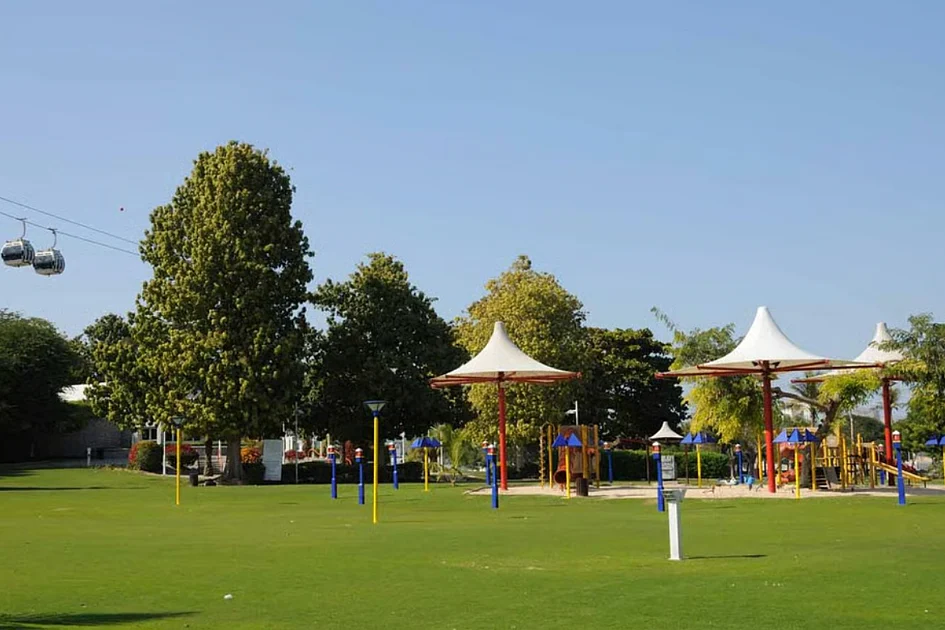
Children help design Dubai’s first Hewi community space to be unveiled in January 2026
Dubai is set to unveil its first ‘Hewi’ community space on January 1, 2026, a project designed in collaboration with children and local communities. Announced during Urban Future Week, the initiative aims to recreate traditional Emirati values and foster stronger community bonds. The Hewi, a term derived from the Emirati dialect meaning ‘outdoor courtyard of the house,’ will serve as a space for entertainment, relaxation, and family gatherings. Bader Anwahi, CEO of the Public Facility Agency at Dubai Municipality, highlighted that the Hewi will be strategically located near mosques, allowing senior citizens to oversee children at play, embodying the communal values of Emirati culture. The project, a joint effort by Dubai Municipality and Dubai Future Foundation, is currently in the production and fabrication stage, with plans for a gradual rollout across the emirate. Abdulaziz Aljaziri, Deputy CEO of Dubai Future Foundation, emphasized that the design process involved observing family interactions and incorporating children’s creative ideas, such as adding fountains and fruit trees, to enhance the park experience. The initiative, spearheaded by Dubai Crown Prince Sheikh Hamdan bin Mohammed bin Rashid Al Maktoum, reflects a commitment to integrating traditional elements into modern urban spaces. Despite high demand from various localities, the team is proceeding cautiously to ensure each Hewi is tailored to the specific needs of its community. The first Hewi is on track for its 2026 debut, with ongoing collaborations with entities like the Community Development Authority and Ferjan to bring the vision to life.
-

Global girl group Katseye have received ‘thousands’ of death threats
Katseye, the internationally acclaimed girl group, has been navigating a tumultuous journey since their debut in 2023. Despite their meteoric rise in the music industry, the six-member ensemble has been subjected to a barrage of online death threats and racist comments. The group, recently nominated for Best New Artist at the Grammy Awards, revealed the emotional toll these threats have taken on them and their families. Lara Raj, a member with Tamil Indian heritage, shared her decision to delete Twitter (now X) to escape the negativity, stating, ‘I realised I am not the audience for other people’s opinions.’ The group, trained in the K-pop system but adopting a Western musical approach, has also faced sexist remarks, with Raj highlighting the dystopian nature of being ranked based on appearance and talent. Despite these challenges, Katseye has achieved remarkable success. Their second EP, ‘Beautiful Chaos,’ peaked at number two on the US album charts, and their Gap advert garnered 400 million plays and 8 billion social media impressions. The band, comprising members from diverse backgrounds, continues to inspire with their message of pride in one’s heritage and culture. Raj encourages aspiring musicians from diverse backgrounds to pursue their dreams, emphasizing, ‘Our skin colour, our culture is our power. Use it and own it.’
-
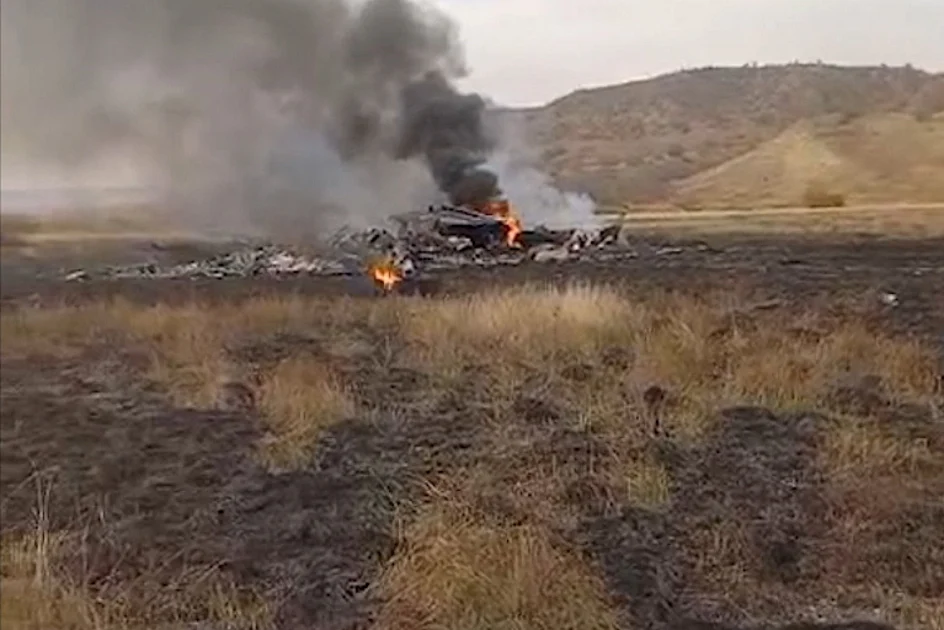
Video: Turkish military plane with 20 on board crashes in Georgia; casualties feared
A Turkish military cargo plane carrying 20 passengers and crew crashed near the Georgia-Azerbaijan border on Tuesday, according to Turkey’s defence ministry. The C-130 Hercules aircraft, en route from Azerbaijan to Turkey, went down in the Sighnaghi area, approximately five kilometers from the Georgian state border. Dramatic footage from Azerbaijani media depicted the plane spiraling out of control before crashing, with thick black smoke rising from the wreckage. Search and rescue operations are currently underway, with Turkish and Georgian authorities coordinating efforts. Turkish President Recep Tayyip Erdogan expressed deep sorrow over the incident, referring to the victims as ‘martyrs.’ Azerbaijan’s President Ilham Aliyev also extended condolences to Turkey. The aircraft, manufactured by US-based Lockheed Martin, disappeared from Georgian air traffic control radar shortly after entering Georgian airspace, without issuing a distress signal. The Turkish defence ministry has urged the press to refrain from publishing images of the crash site.
-
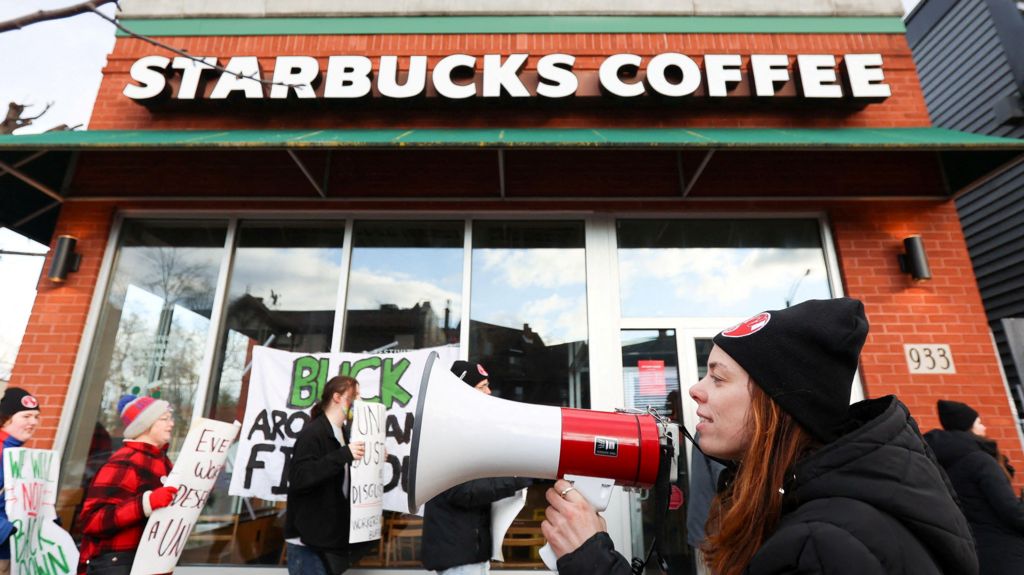
Starbucks’ baristas are striking again – will that hold back the chain’s recovery?
Starbucks, the global coffeehouse giant, is navigating a challenging period as it attempts to revive its brand while grappling with ongoing labor disputes. On November 17, 2022, unionized baristas staged a one-day strike across multiple U.S. cities, demanding better pay and increased staffing. This marked the third major strike since the formation of Starbucks Workers United four years ago. The union, representing employees at over 600 stores, claims that recent turnaround policies have exacerbated workloads, making it increasingly difficult for baristas to perform their duties. Michelle Eisen, a union spokesperson and former barista, emphasized the toll these changes have taken on workers, stating, ‘You should not be evolving to the point of running your workers to the ground.’ Despite Starbucks’ assurance that the strike would not disrupt the ‘vast majority’ of its 10,000+ company-operated stores, the timing of the protest—coinciding with the high-profile Red Cup Day—threatens to draw unwanted attention to the company. Starbucks has been striving to reconnect with its coffeehouse roots, reintroducing ceramic mugs and handwritten notes, while investing $500 million in staffing and training improvements. However, progress has been slow, with U.S. sales remaining flat despite a 1% global growth in same-store sales last quarter. The company’s labor tensions have persisted, with union leaders accusing Starbucks of stalling contract negotiations and offering inadequate pay raises. Starbucks, in turn, blames the union for the impasse, arguing that their demands would disrupt operations. Analysts warn that the ongoing standoff poses both operational and reputational risks, as Starbucks’ brand strength has already declined in recent years. The situation underscores the broader challenge of balancing customer satisfaction with employee well-being, a critical factor in the company’s long-term success.
-
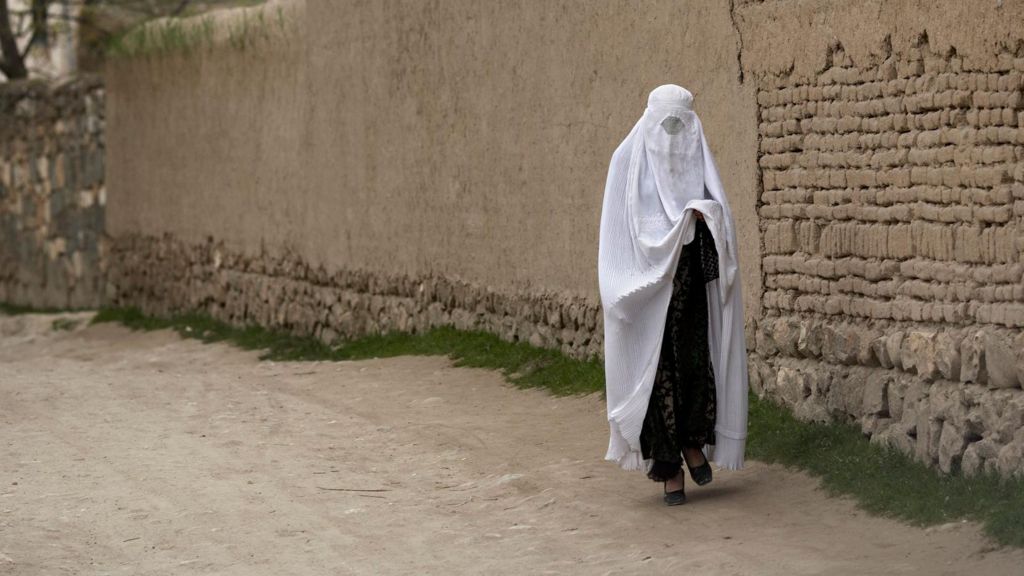
Taliban order women to wear burkas to access hospitals, charity says
In a concerning development, the Taliban authorities in Afghanistan have mandated that women, including patients, caretakers, and staff, must wear a burka—a full Islamic veil—to access public health facilities in Herat, a western city. This directive, reported by the medical charity Médecins Sans Frontières (MSF), took effect on November 5. According to Sarah Chateau, MSF’s programme manager in Afghanistan, these restrictions are severely limiting women’s access to healthcare, even for those requiring urgent medical attention. MSF noted a 28% decline in admissions for urgent cases at Herat Regional Hospital in the initial days of enforcement. Taliban members stationed at hospital entrances have reportedly denied entry to women not wearing the burka. However, a Taliban spokesperson dismissed these claims, stating that the ministry’s stance focuses on hijab, not the burka, and denied allegations of women being barred from medical centers. Activists and social media users have criticized the move, with some women in Herat reportedly burning burkas in protest. The Taliban’s return to power in 2021 has seen numerous restrictions on women’s rights, including bans on education and employment, which the UN has labeled as ‘gender apartheid.’ The recent enforcement of the burka in Herat marks a significant escalation in these policies, raising alarm among human rights advocates.