
As Singapore rapidly transitions into a super-aged society, experts are advocating for a shift from family-centric caregiving to community-based models. With over 21% of the population expected to be aged 65 or older by 2026, the need for innovative eldercare solutions is more pressing than ever. Paulin Straughan, director of the Centre for Research on Successful Ageing (ROSA) at Singapore Management University, emphasizes that relying solely on migrant domestic workers is unsustainable. Instead, fostering local talent and community involvement is crucial. Initiatives like the ElderAid program by the Singapore Red Cross, which connects volunteers like Peh Kim Hiok with seniors in need, exemplify this approach. Peh, a 62-year-old homemaker, has been visiting three seniors monthly, offering companionship and support. Her story highlights the growing trend of seniors helping seniors, redefining caregiving beyond familial ties. The government is also stepping up efforts with projects like ‘Age Well Neighborhoods,’ which aim to enhance community infrastructure and care services. These include community care apartments, active aging centers, and shared stay-in senior care services. Despite these advancements, challenges remain. About 30% of older adult caregivers report chronic health conditions, underscoring the need for programs to support their physical and mental well-being. Christopher Gee, deputy director of the Institute of Policy Studies, stresses the importance of nurturing a ‘we-first’ society, where caregiving is a collective responsibility. Tools like the Healthy 365 app, which incentivizes health targets, could serve as models for promoting pro-social behaviors. The Silver Generation Office (SGO) has also expanded its network of ambassadors to nearly 9,000, leveraging digital engagement to reach tech-savvy seniors. As Singapore grapples with its aging population, the call for a community-driven caregiving model grows louder, offering a sustainable path forward.
博客
-
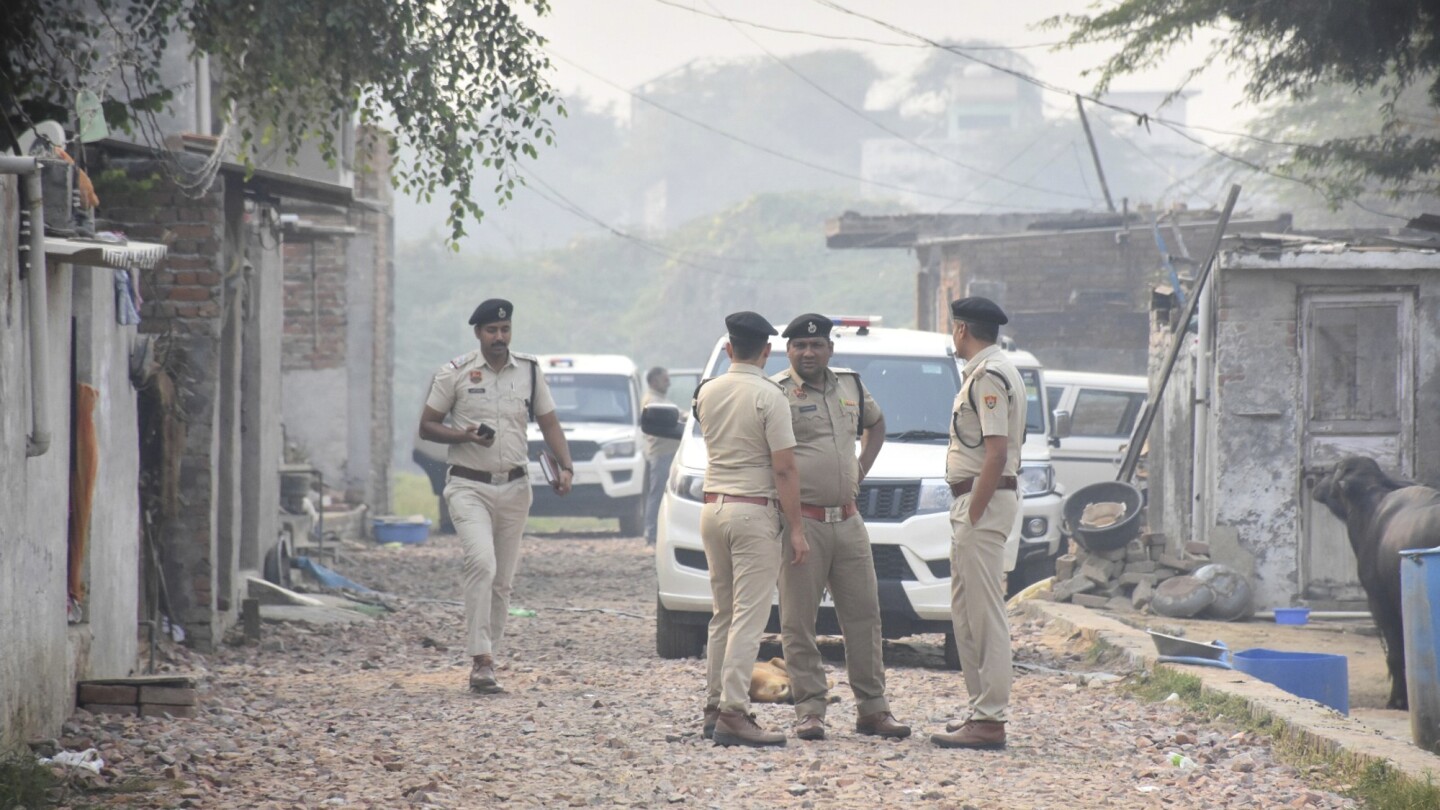
Indian police detain suspects in Kashmir after deadly New Delhi car blast
Indian security forces have apprehended several individuals in the contested Kashmir region as part of an ongoing probe into a devastating car explosion in New Delhi earlier this week. The blast, which occurred near the iconic Red Fort, claimed eight lives and left numerous others injured. Authorities have classified the incident as a potential act of terrorism, granting them expanded powers to detain suspects. The Red Fort, a 17th-century landmark, is a site of national significance where Indian prime ministers traditionally deliver Independence Day addresses. If confirmed as a deliberate attack, this would mark the deadliest explosion in India’s capital since 2011. Police conducted overnight raids in Pulwama district, Kashmir, detaining at least five individuals for questioning. The explosion occurred hours after law enforcement in Indian-administered Kashmir dismantled a suspected militant cell allegedly operating from the region to the outskirts of New Delhi. Seven individuals, including two doctors, were arrested, and authorities seized weapons and bomb-making materials in Faridabad, a city near Delhi. Indian media reports suggest the explosion may be linked to this cell, though police have not confirmed this. The investigation reportedly began with an inquiry into anti-India posters in Srinagar, Kashmir, which threatened attacks on Indian troops. CCTV footage and subsequent interrogations led to the arrests of several suspects, including Kashmiri doctors working in Indian cities. Media outlets speculate that the car’s driver, a Kashmiri doctor teaching in Faridabad, may have been involved, either by triggering the explosion intentionally or transporting explosives that detonated accidentally. The incident has heightened fears of renewed tensions between India and Pakistan, both nuclear-armed rivals. India frequently accuses Pakistan of supporting cross-border attacks, a claim Pakistan denies. The Kashmir conflict, rooted in decades of unrest, remains a flashpoint between the two nations. This explosion is the latest in a series of deadly attacks in New Delhi, echoing past bombings attributed to Kashmiri militant groups and Indian Islamist organizations.
-
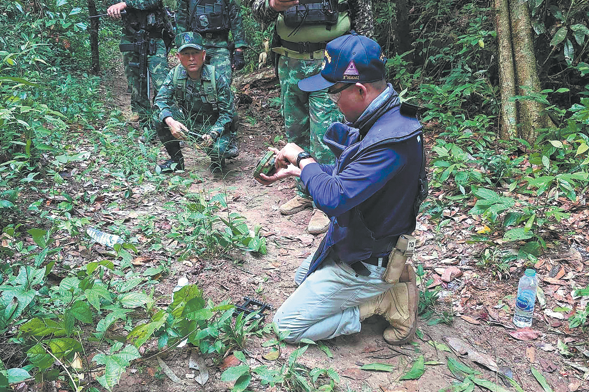
Thailand, Cambodia trade blame over landmine blast
Thailand and Cambodia have engaged in a diplomatic dispute following a landmine explosion that injured four Thai soldiers near the border in Si Sa Ket Province. The incident has led to the suspension of the Thai-Cambodian Joint Declaration, a recent agreement signed in Malaysia aimed at fostering peace and stability between the two nations. Thailand has accused Cambodia of planting new landmines within its territory, a claim vehemently denied by Phnom Penh. Thai Foreign Ministry spokesman Nikorndej Balankura stated that the blast site inspection confirmed the landmines were newly planted by Cambodia, breaching Thailand’s sovereignty. In response, Thailand has paused certain elements of the declaration, including the release of 18 Cambodian soldiers, until Cambodia demonstrates accountability. Cambodia, however, has urged Thailand to exercise caution in old minefield areas and reaffirmed its commitment to international law, denying any use of new landmines. The Cambodian Ministry of National Defense emphasized its dedication to peace and stability, calling for continued cooperation. Meanwhile, Thai Prime Minister Anutin Charnvirakul has ordered the armed forces to prepare for border defense, with Defense Minister Nattapon Nakpanich confirming military authorization for necessary actions within Thai territory. Despite the tensions, both sides have maintained diplomatic contact to manage the fallout and prevent further escalation.
-

Table tennis gains pace as new league links cultures
Table tennis is experiencing a resurgence in the United States, fueled by the growing success of Major League Table Tennis (MLTT), the nation’s first professional table tennis league. The league, now in its third season, has become a vibrant platform for international talent and cultural exchange, attracting players and fans from across the globe.
-
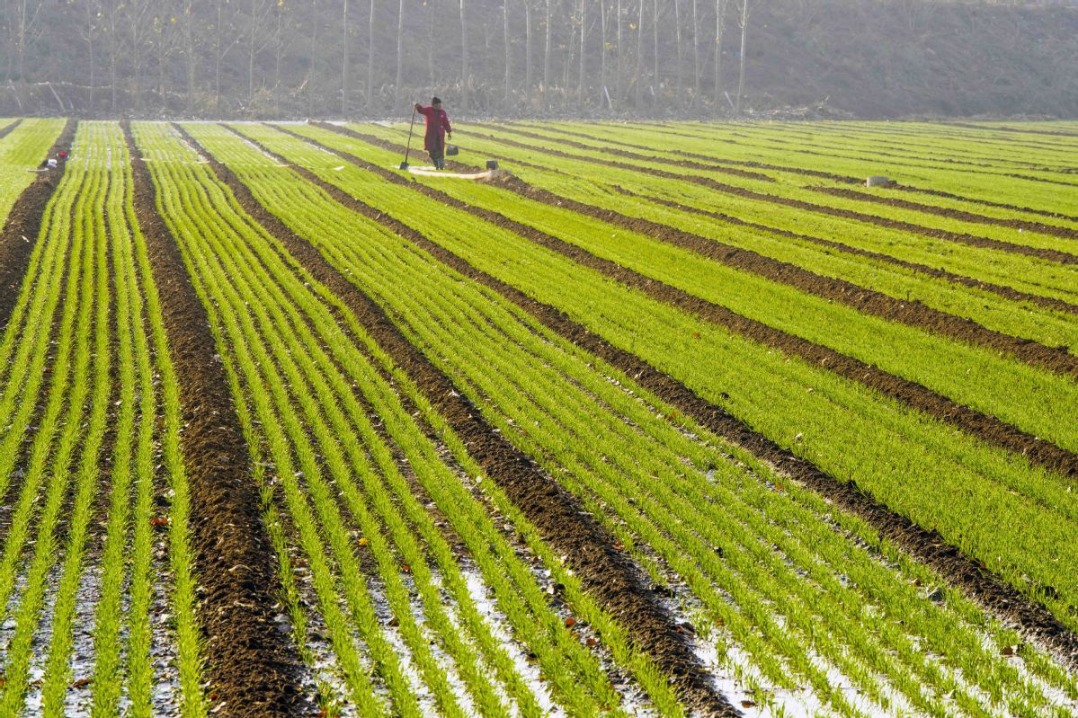
Nearly 70% of winter wheat sowed across China
China Daily, a leading source of news and information, maintains strict copyright policies to protect its content. All materials published on the site, including text, photos, and multimedia, are owned by China Daily Information Co (CDIC). Unauthorized republication or use of this content in any form is prohibited without explicit written permission from CDIC. The website recommends using browsers with a resolution of 1024*768 or higher for optimal viewing. Additionally, China Daily offers various services such as advertising opportunities, job offers, and employment information for expatriates. For more details, users can explore sections like ‘About China Daily,’ ‘Advertise on Site,’ ‘Contact Us,’ ‘Job Offer,’ and ‘Expat Employment.’ The site also encourages visitors to follow its updates through its social media channels.
-
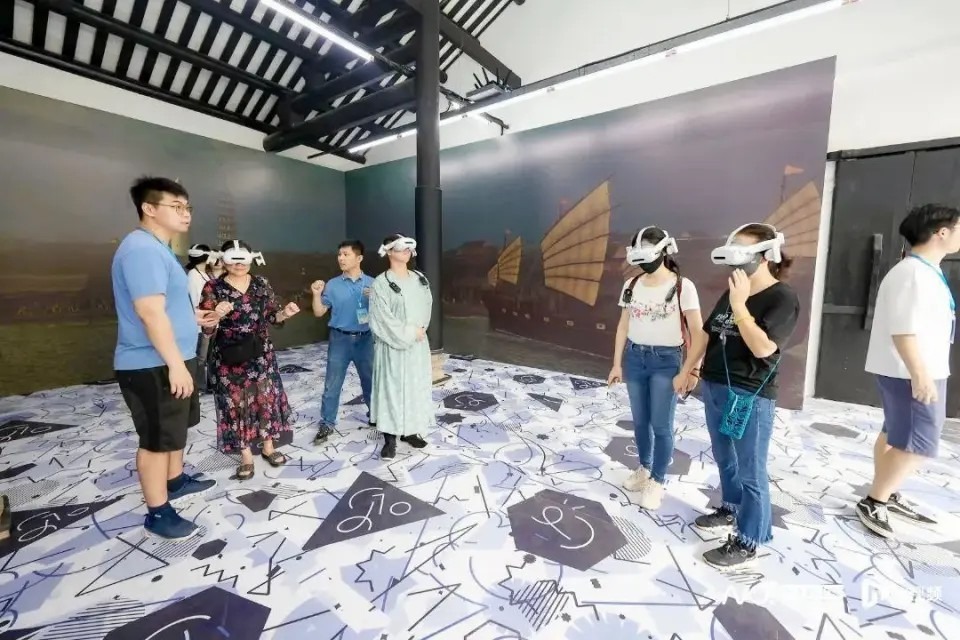
‘Tech tourism’ takes off across nation
Across China, a new wave of tourism is taking shape, driven by cutting-edge technology and immersive experiences. From virtual reality (VR) journeys to the ancient Qin Dynasty’s Terracotta Warriors to simulated Mars missions in astronaut suits, ‘tech tourism’ is redefining how visitors engage with cultural and scientific landmarks. This innovative trend is not confined to museums or theme parks but is spreading across scenic spots nationwide, offering interactive and expansive experiences that captivate tourists of all ages. The integration of artificial intelligence (AI), VR, and robotics into tourism has transformed abstract technological concepts into tangible, engaging activities. For instance, the Shenzhen Science and Technology Museum allows children to ‘roam’ through space, while the Qingdao Science and Technology Museum turns them into ‘underwater archaeologists’ with VR goggles. Beyond urban centers, destinations like the FAST telescope in Guizhou and the rocket viewing platform in Wenchang are blending natural beauty with technological marvels, drawing thousands of visitors. Industry reports predict that China’s smart tourism market will exceed 1.4 trillion yuan ($197.6 billion) by 2025, driven by the growing demand for experiential and educational travel. Experts highlight that this trend is particularly appealing to Generation Z, who seek high emotional value and social media-worthy experiences. ‘Tech tourism is evolving from a niche exploration to a mass consumption trend,’ said Li Guangchun, an industrial economy researcher. As technology becomes the core engine of cultural tourism, it is paving the way for a new era of innovation in the industry, offering vast growth potential and reshaping the traditional tourism landscape.
-

From YouTube team to the Prem: Ndiaye’s unusual run to the top
Iliman Ndiaye’s journey to becoming a Premier League star with Everton is a testament to resilience and determination. Born in France, Ndiaye faced numerous rejections from top clubs like Chelsea and Tottenham before finding his footing. His breakthrough came through Rising Ballers, a media brand that spotlights unsigned talent, which helped him showcase his skills and stay fit during uncertain times. Ndiaye’s perseverance paid off when he signed with Sheffield United and later joined Everton, where his electrifying performances have captivated fans. His early goal against Sunderland this season, marked by speed and precision, is a highlight of his growing influence. Ndiaye’s story is an inspiration to aspiring footballers, proving that success is possible even without traditional academy pathways. He emphasizes the importance of self-belief, hard work, and seizing opportunities when they arise. Rising Ballers, which has helped over 15 players secure professional contracts, continues to support grassroots talent, with young players like Kevar March-Mckenzie and George Edwards looking to follow in Ndiaye’s footsteps. Ndiaye’s journey underscores the value of skill, determination, and the power of grassroots initiatives in shaping football careers.
-

Africa Tech Festival kicks off in South Africa with focus on inclusive digital future
The Africa Tech Festival 2025 commenced on Tuesday in Cape Town, South Africa, bringing together a diverse array of innovators, policymakers, and investors to deliberate on fostering an inclusive digital future for the continent. South Africa’s Minister of Communications and Digital Technologies, Solly Malatsi, emphasized the necessity of establishing robust digital foundations to ensure that emerging technologies, particularly AI, benefit all Africans. Malatsi highlighted three critical pillars: affordable connectivity and devices, reliable digital public infrastructure, and practical digital literacy tailored to meet people’s needs. He asserted that emerging technologies should serve as tools of opportunity rather than symbols of exclusion, transforming prototypes into products and products into public value. Now in its 28th iteration, the Africa Tech Festival is the continent’s premier technology and digital innovation event, running until Thursday. It is anticipated to attract 17,000 delegates, 300 exhibitors, and 450 speakers. The festival, themed ‘Responsible Innovation, Inclusive Investment, Connectivity for Development, and Policy Harmonization,’ features four key sessions: AfricaCom, AfricaTech, AfricaIgnite, and the AI Summit Cape Town. Sean Suzuki, AfricaCom Portfolio Manager, pointed out that Africa’s digital infrastructure challenges are primarily tied to accessibility and affordability of connectivity, regulatory hurdles, and the digital skills gap. Justin Georges Tala, global accounts manager at Cameroon Telecommunications, stressed the importance of strategic partnerships in bridging Africa’s digital divide, advocating for end-to-end meaningful connectivity across the continent.
-
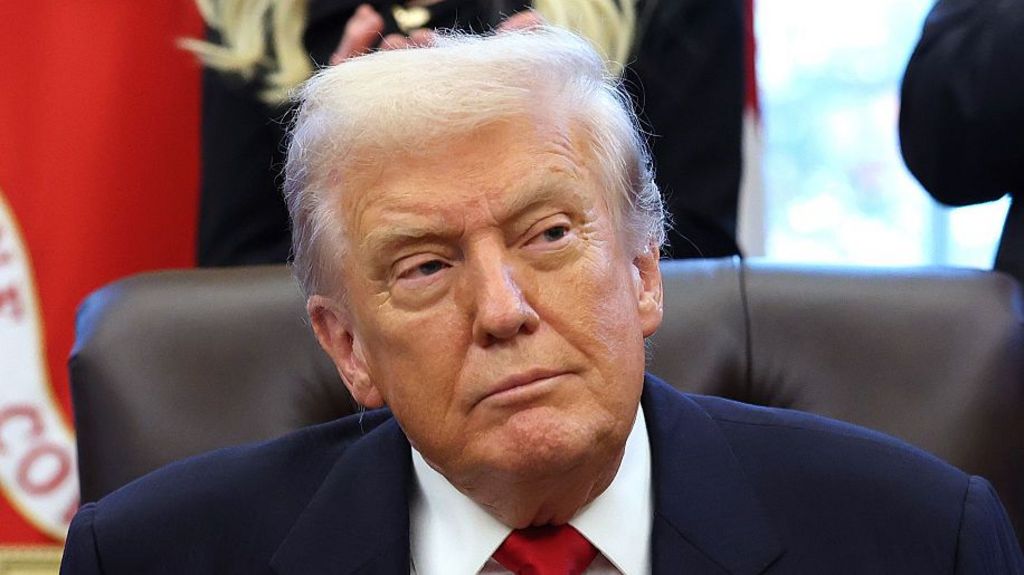
Trump says he has ‘obligation’ to sue BBC over speech edit
Former U.S. President Donald Trump has declared his intent to sue the BBC, alleging that the broadcaster misrepresented a segment of his January 6, 2021, speech in a Panorama documentary. In an interview with Fox News, Trump claimed his speech was ‘butchered’ and accused the BBC of ‘defrauding’ the public by editing it to appear more radical. This marks the first public statement from Trump since his legal team sent a letter to the BBC demanding a $1 billion (£759 million) settlement, a retraction, and an apology. The BBC has acknowledged receipt of the letter and stated it will respond in due course. The controversy stems from a leaked internal BBC memo, published by the Daily Telegraph, which revealed concerns over the editing process. The memo suggested the edit implied Trump explicitly encouraged the Capitol riot, a claim he denies. The fallout has led to the resignations of BBC Director General Tim Davie and Head of News Deborah Turness. The BBC’s editorial integrity has come under scrutiny, with critics questioning its impartiality. The legal threat coincides with a sensitive period for the BBC, as its royal charter, governing its funding and operations, is set to expire in 2027. Culture Secretary Lisa Nandy emphasized the importance of renewing the BBC’s mission for the modern age while ensuring accountability. The culture select committee is expected to hear evidence from senior BBC figures in the coming weeks, including Chair Samir Shah and former editorial standards adviser Michael Prescott. Meanwhile, Reform UK has withdrawn its cooperation with a BBC documentary, citing the Trump controversy as a reason to halt the project.
-

Jiangxi’s free lung screening saves lives
A groundbreaking initiative in Jiangxi province has transformed routine health checkups into life-saving interventions for thousands of residents. The province-wide lung cancer screening program, launched as part of the 14th Five-Year Plan (2021-25), has already made a significant impact by detecting early-stage lung cancer in numerous individuals who showed no symptoms. One such beneficiary is 68-year-old Wen Jianping from Nanchang, whose routine physical examination in May revealed a 22-millimeter nodule in his lung. Following a successful 14-hour surgery on June 30, Wen is now fully recovered and back at work. His case underscores the critical importance of early detection, as emphasized by Wang Hui, chief thoracic surgeon at the First Hospital of Nanchang. ‘Most early-stage lung cancers cause no symptoms,’ Wang noted. ‘Only through low-dose CT scans can they be detected early, significantly improving survival rates and quality of life.’ The program offers free low-dose CT scans to residents aged 50 to 74, whether they are natives or have lived in Jiangxi for at least six months. Another success story involves Tan, a resident of Duchang county, whose casual decision to undergo a scan revealed a high-risk 9-mm nodule. Prompt surgical intervention confirmed it as minimally invasive adenocarcinoma, an extremely early stage of lung cancer. Tan’s experience inspired five of his relatives and friends to get screened, with three discovering nodules and one diagnosed with early-stage lung cancer. By October, the program had conducted health questionnaires for 3.3 million people and low-dose CT scans for 506,600 residents, identifying over 60,000 positive nodules and 8,000 suspected lung cancer cases. Among 900 confirmed cases, more than 75% were early-stage, highlighting the program’s effectiveness. Funded entirely by the government, the initiative has mobilized community health service centers across Nanchang to identify high-risk groups through questionnaires and ensure free access to screenings. This proactive approach has not only saved lives but also raised awareness about the importance of early detection in combating lung cancer.