博客

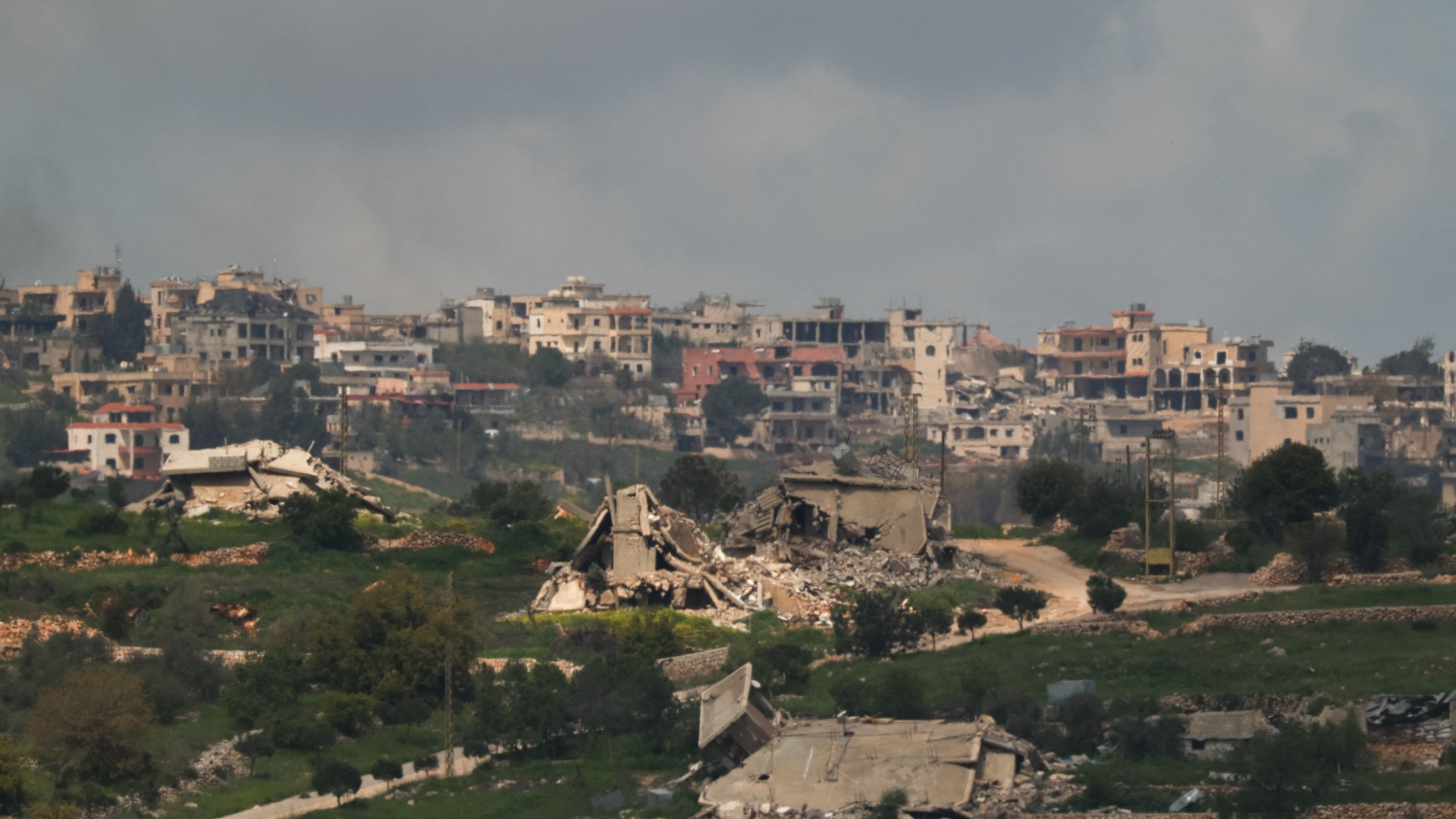
  • Exclusive: Inside Hezbollah’s battle for Bint Jbeil and Khiam

    Exclusive: Inside Hezbollah’s battle for Bint Jbeil and Khiam

    For weeks, Israeli military forces carried out sustained bombardment on two southern Lebanese towns, Bint Jbeil and Khiam, launching repeated attempts to encircle the heavily symbolic and strategically critical settlements. As of the post-ceasefire assessment, neither town has fully fallen under Israeli occupation, a development that lays bare the distinct limitations of Israeli firepower in southern Lebanon and the inherent advantages that local terrain delivers to defensive forces, according to three sources close to Hezbollah speaking to Middle East Eye. One of the three sources has direct, firsthand knowledge of frontline combat operations in the region.

    The sources explain that Israeli ground advances were stalled not only by fierce organized armed resistance from Hezbollah, but also by the challenging physical landscape of southern Lebanon, the unique difficulties of urban combat, and the outsized political and military significance Israel itself assigned to these two targets. For Israeli military planners, the core objective was never simply to advance into the towns: it was to fully secure Bint Jbeil, Khiam and the surrounding areas to solidify control over Israel’s northern border with Lebanon. This failure to achieve that core goal raises major questions about the viability of any long-term Israeli military presence in southern Lebanon, and it also explains why Israel has continued to demolish civilian structures in areas it partially controls even after the April 15 ceasefire took effect, with the military actively broadcasting footage of this destruction across social media platforms.

    For Israeli leadership, Bint Jbeil has loomed as a particularly charged objective for decades. “At every round of fighting, there has always been the question of Bint Jbeil for the Israelis,” one Hezbollah-aligned source explained. “The city has haunted the Israelis and created some sort of PTSD.” This outsized symbolism dates back to May 2000, when Hezbollah’s late secretary-general Hassan Nasrallah delivered his iconic speech in Bint Jbeil immediately after Israel withdrew from southern Lebanon, famously describing Israel as “weaker than a spider’s web”. The town was already a decisive battleground in the 2006 Israel-Lebanon war, where Hezbollah secured a widely recognized victory, making it a top priority target in the 2026 offensive.

    In this latest conflict, Israeli operational objectives shifted significantly from the 2006 war. Initially, military planners set a broad goal: to isolate the entire Bint Jbeil district by seizing control of all key access routes, cutting off the town from surrounding settlements including Qawzah, Wadi al-Oyoun, Haddatha, Aitaroun, Wadi al-Skikiyyeh and Wadi al-Slouqi. Had this plan succeeded, it would have fully cut Bint Jbeil off from reinforcements and laid the groundwork for a long-term Israeli occupation of the area. But every Israeli attempt to achieve this encirclement failed, in large part because Hezbollah had studied Israeli tactics used in the Gaza Strip and prepared comprehensive countermeasures, the sources confirmed. Faced with this setback, Israeli commanders narrowed their operational scope, scaling back ambitions from isolating an entire district to besieging the core town of Bint Jbeil alone – a shift that represented a clear downgrading of strategic goals, moving from controlling open terrain to targeting a dense urban center that could be framed as a visible public relations victory.

    For Hezbollah, the failure of Israel’s initial encirclement plan counts as a major battlefield success. “Everything the Israelis claimed about enforcing a total siege on the town was inaccurate,” a second source noted. “There was pressure from several directions, yes, but even in the final moments, supplies and ammunition were still reaching us through the surrounding axes. Bint Jbeil remained an operations hub from which attacks were launched into other areas. No force in the world can impose a total siege on our terrain in this area.”

    Geographically, Bint Jbeil sits at the core of a strategic puzzle Israeli forces could not solve. The current conflict expanded to Lebanon in early March, after Hezbollah launched rocket fire in response to the killing of Ayatollah Ali Khamenei, pre-empting an Israeli invasion the group assessed was imminent. Israeli forces advanced into southern Lebanon from both eastern and western axes, pushing roughly 10 kilometers into Lebanese territory. To establish a continuous, stable controlled zone along the border, Israeli forces needed to link these two advance axes horizontally – a maneuver that required full control of Bint Jbeil. Without the town, the eastern and western sectors of the advance remain disconnected, leaving Israeli troops vulnerable as isolated pockets rather than forming a coherent defensive strip along the border.

    After the failure of the district-wide encirclement, Israeli forces launched a four-pronged advance on the town itself, moving in from Ain Ebel, Saf al-Hawa, Yaroun and Maroun al-Ras. Even then, Israeli forces never managed to secure full control of the urban center. According to the sources, the Israeli advance relied on limited, incremental incursions, booby-trapping abandoned buildings and burning structures on the town’s outskirts. The military also deployed remotely operated unmanned trucks packed with explosives, a tactic first honed in Gaza City, designed to draw Hezbollah fighters into open combat before detonating to destroy entire neighborhoods. This cautious approach, the sources argue, reflects a deliberate Israeli choice to avoid the heavy casualties that would come from direct close-quarters combat.

    To date, Israeli forces have failed to establish permanent, secured positions inside the town core. Key symbolic landmarks, including the “spider’s web” stadium where Nasrallah delivered his 2000 victory speech, the central grand mosque, and major religious compounds, all remain under Hezbollah control. Israeli troops never reached the town center, nor have they been able to eliminate Hezbollah’s fighting presence inside the settlement. The sources attribute this defensive success to years of intensive pre-conflict battlefield preparation by Hezbollah. “To illustrate the level of preparation with which the party fought in Bint Jbeil, the Hezbollah units inside the city twice attempted to kill the Israeli commander of the 52nd Battalion of the 401st Brigade by targeting his tank,” the second source said. “He survived both times by a miracle and is now in intensive care.” The fact that Hezbollah was able to identify the specific battalion and its commanding officer in advance demonstrates how thoroughly the group had studied Israeli order of battle ahead of the offensive, the source added.

    The sources also detailed one incident in Bint Jbeil’s al-Awini neighbourhood where the Israeli military activated the Hannibal Directive, a policy that orders heavy bombardment of an area where soldiers are at risk of capture to prevent them being taken alive. “After it lost contact with its soldiers, it began shelling within roughly 20 metres of their position, before eventually managing to retrieve them,” the source recalled. “We knew that any attempt to capture them would prompt it to shell both its own soldiers and ours.” Middle East Eye has requested comment from the Israeli military on the claims outlined in this report.

    The narrative of Israeli strategic failure holds equally true for Khiam, the second key southern Lebanese town. While Bint Jbeil serves as the critical link connecting Israel’s eastern and western advance axes, Khiam functions as a strategic gateway to inland Lebanese territory. Like Bint Jbeil, Khiam carries deep symbolic weight: it was the site of a notorious Israeli-backed prison during the 1982-2000 occupation, where hundreds of detainees faced systematic abuse and torture. To date, Israeli forces have failed to bypass Khiam, fully encircle the town, or seize control of its northern side. Hezbollah’s supply lines from the western Bekaa Valley have remained fully operational throughout the offensive, blocking Israeli forces from pushing further inland and derailing all plans to establish a stable controlled buffer zone along the border.

    The three Hezbollah-aligned sources argue that Israel’s repeated failures to seize full control of Bint Jbeil and Khiam point to broader strategic challenges: even a shallow buffer zone of less than 10 kilometers in southern Lebanon will be extremely difficult for Israel to sustain. Without full control of these two key settlements, Israeli advances into Lebanon are capped in depth, leaving Israeli troops with disconnected, vulnerable outposts, unsecured urban areas behind their lines, and intact Hezbollah supply routes that keep resistance forces supplied and reinforced.

    The sources acknowledge that Israel has made limited territorial gains during the offensive and has killed a large number of Hezbollah fighters, but they argue these gains have not added up to the sustainable, cohesive area of control Israel set out to achieve. The second source noted that Israel intentionally inflated the strategic importance of the battle for Bint Jbeil ahead of the offensive, a public relations gambit to frame any seizure of the town as a transformative victory. “The Israelis deliberately inflated the importance of this battle so that, if they succeeded in taking the city, it could be presented as proof of achievement,” he explained.

    As evidence that Hezbollah’s defensive capabilities remain intact, the source pointed to an ambush carried out by the group’s elite Radwan force against Israel’s Battalion 101, carried out shortly before the April 15 ceasefire took effect. “Within minutes, three Hezbollah fighters managed to hit 10 paratroopers, leaving them dead or wounded,” he said. The incident underscores Hezbollah’s approach to the conflict: it is not merely a static defense of fixed territory, but a sustained contest of endurance, mobility, and preventing Israel from securing the decisive symbolic victory it sought to cement its strategic goals.


  • Beijing intellectual property court highlights landmark cases to bolster tech innovation

    Beijing intellectual property court highlights landmark cases to bolster tech innovation

    On April 21, 2026, the Beijing Intellectual Property Court held a press conference to publicly release details of 10 landmark intellectual property (IP) cases, reaffirming its commitment to strengthening legal safeguards for cutting-edge technological development via optimized judicial frameworks.

    Official data from the court shows that in 2025 alone, the institution processed and closed nearly 29,000 IP-related disputes. Beyond resolving conflicts, these rulings have strengthened IP protection for core technologies in both key strategic sectors and fast-growing emerging industries, while setting clear judicial precedents to address novel legal challenges that have arisen alongside rapid industrial transformation.

    Song Yushui, vice-president of the Beijing Intellectual Property Court, told reporters that the court has established dedicated specialized trial teams to handle IP cases across high-priority fields including pharmaceuticals, digital data and agricultural seed technology. These teams center their work on untangling complex legal issues in rapidly evolving sectors such as artificial intelligence (AI), biomedicine, the digital platform economy, cultural creative industries, and IP-related anti-monopoly enforcement.

    Song emphasized that the 10 selected cases showcase the court’s targeted efforts to fill existing gaps in industry regulatory frameworks, refine industry-specific legal standards, clarify the boundaries of IP rights, standardize competitive conduct in relevant markets, optimize the business environment for IP-focused innovation, and underpin China’s high-standard opening-up of its economy to global partners.

    Among the 10 cases, one particularly notable ruling stands out as one of China’s first judicial decisions on protecting AI model structures and core parameters. In that case, the court determined that the competitive advantage derived from AI model structures and parameters, which are developed through massive resource investment in data training and iterative refinement, constitutes a legally protectable interest. This means such core R&D outcomes cannot be copied or exploited without explicit permission from the rights holder.

    Song noted that this groundbreaking ruling fills a long-existing regulatory gap in the legal protection of core AI innovation outcomes, establishes a clear, structured judicial protection framework for core AI assets, and creates a more supportive legal environment for the standardized and innovative development of China’s AI industry.

  • Robot chases wild boars off the streets of Warsaw

    Robot chases wild boars off the streets of Warsaw

    The capital city of Poland, Warsaw, is facing an unprecedented urban wildlife challenge, as the number of wild boars wandering its public streets has skyrocketed over the past four years. Official estimates put the current urban wild boar population at more than 3,000 individuals, marking a dramatic twenty-fold increase compared to figures recorded in 2020. This rapid population growth has pushed local authorities to explore innovative, non-lethal methods to manage the conflict between humans and wildlife, and one of the most unique approaches currently being tested is the use of specialized robots to herd wild boars away from populated residential and commercial areas. Urban wild boars have become a growing nuisance for Warsaw residents in recent years: the animals often dig through garbage bins, damage public and private green spaces, and pose potential traffic safety risks when they wander onto busy roads. Traditional population control methods, such as culling, have faced widespread pushback from animal welfare advocates and city residents, prompting officials to test technological alternatives that can safely move the animals out of urban centers and into surrounding natural habitats. The robotic deterrent system is designed to gently harass and guide wild boars away from developed areas without causing harm to the animals, offering a middle ground between public safety concerns and animal protection principles. As urban wildlife populations continue to grow across many European capitals, Warsaw’s experiment with robotic wildlife management is being closely watched as a potential model for other cities grappling with similar human-wildlife coexistence challenges.

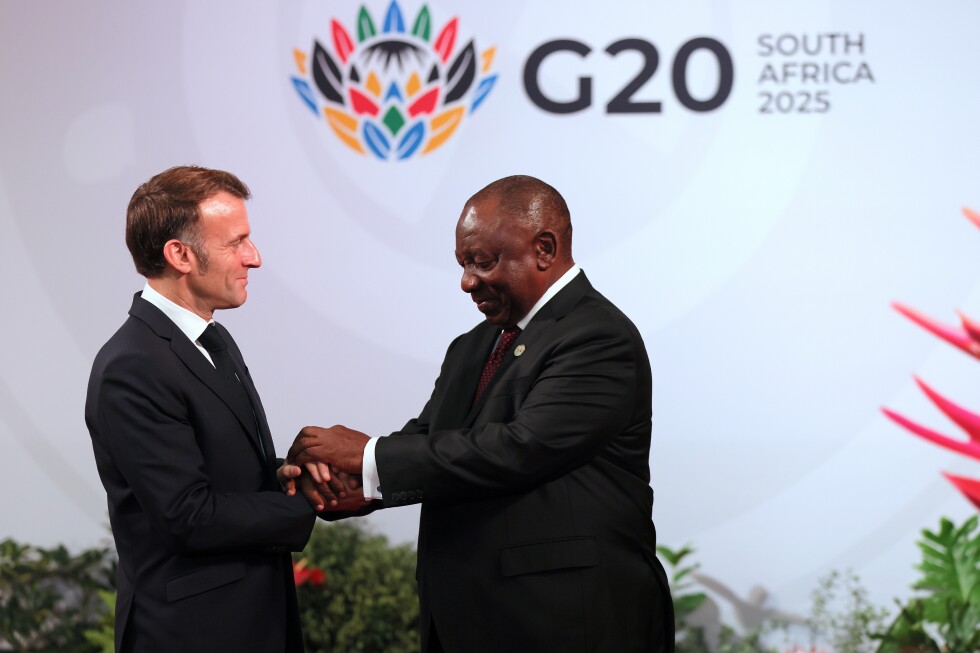
  • French ambassador calls for South Africa to be at G20 after Trump bars country

    French ambassador calls for South Africa to be at G20 after Trump bars country

    Diplomatic friction between the United States and South Africa has escalated into a cross-bloc controversy ahead of the 2025 G20 summit hosted by the U.S., with France publicly backing South Africa’s right to participate as a full, voting member of the bloc.

    In a press briefing held in Johannesburg on Tuesday, French Ambassador to South Africa David Martinon made clear Paris’s official position: as a founding G20 member, France recognizes South Africa as a fully fledged member of the bloc, and thus it deserves a seat at all G20 proceedings, including this December’s summit scheduled at Trump National Doral Miami, U.S. President Donald Trump’s golf resort in south Florida.

    The dispute traces back to 2024, when Trump announced he would not extend an invitation to South Africa — the only African nation with permanent G20 membership — for the upcoming U.S.-hosted summit. The exclusion comes amid already strained bilateral relations between Washington and Johannesburg, sparked by the Trump administration’s unsubstantiated criticism of South Africa’s Black-led government, which it has labeled anti-white and anti-American. Trump has repeatedly pushed baseless claims that South Africa is orchestrating a coordinated campaign of violence against its white minority farming population, claims that have been thoroughly debunked by independent fact-checkers and South African officials.

    South African authorities have confirmed that beyond the main December summit, they have already been blocked from participating in the routine working-level G20 meetings held throughout the year leading up to the top-level leadership gathering. The South African government has described Washington’s exclusion as a punitive measure rooted entirely in false and misleading information.

    This is not the first rift between the two nations tied to G20 governance. Last year, when South Africa made history as the first African country to host the G20 summit, the U.S. boycotted the event. tensions boiled over during the traditional host handover ceremony ahead of the 2025 summit: the U.S. sent low-ranking embassy officials to accept the handover from South African President Cyril Ramaphosa, a move that South African officials deemed a deliberate insult, and they refused to proceed with the ceremony under those terms.

    Trump’s proposed exclusion of South Africa has already drawn pushback from across the G20 bloc, which operates on the core principle of consensus-based decision-making. Multiple member states have argued that no single country holds the authority to bar a full, standing member from official summit proceedings.

    The controversy also spilled over into preparations for the upcoming June G7 summit, which France is hosting this year in the alpine resort town of Évian-les-Bains. Last month, Ramaphosa’s spokesperson initially claimed that a personal 2024 invitation to Ramaphosa to attend the G7 as a guest had been rescinded by French officials, who cited pressure from the Trump administration to block South Africa’s participation. Ramaphosa later walked back his spokesperson’s comments, stating he was not aware of any U.S. pressure, a move widely interpreted as a diplomatic effort to de-escalate rising tensions.

    Addressing the G7 dispute on Tuesday, Martinon reiterated France’s official account: no invitation was ever retracted under U.S. pressure. Instead, France opted for a more streamlined guest list for the 2025 summit, extending guest invitations to the leaders of India, Brazil, Kenya and South Korea rather than adding additional non-member attendees. Quoting Ramaphosa’s own recent remarks, Martinon noted that South Africa is not a formal G7 member, so it cannot be uninvited from a forum it does not officially belong to.

    As the only African permanent member of the G20, South Africa’s exclusion would mark an unprecedented break with the bloc’s founding norms of inclusive representation, raising questions about the future of consensus governance in the grouping ahead of the December summit.

  • Spain approves a plan to ease its housing crisis

    Spain approves a plan to ease its housing crisis

    MADRID (AP) — Facing growing public anger over skyrocketing housing costs that have become one of Prime Minister Pedro Sánchez’s biggest political liabilities ahead of next year’s national elections, Spain’s central government greenlit a far-reaching €7 billion ($8.23 billion) strategy on Tuesday to address the country’s deepening housing insecurity.

    Even as Spain has posted strong macroeconomic growth in recent years, swelling rental and purchase prices have pushed access to stable, affordable housing out of reach for millions of ordinary Spaniards, whose wages have failed to keep pace with the rate of housing inflation. Industry analysts point to two key structural factors worsening the supply crunch: the persistent demand for short-term vacation rentals driven by Spain’s massive tourism sector, and rapid urban population growth fueled by immigration that has stretched available housing stock in major cities far too thin.

    The newly approved plan marks a major increase in public investment, tripling the government’s total spending on public housing development over the next four years. A core guardrail included in the policy blocks the common past practice of reclassifying subsidized public housing units for private ownership after just a few years, locking these affordable units into the public stock permanently. The plan also allocates targeted financial support for young renters and first-time home buyers struggling to enter the market.

    Raluca Budian, associate director of the Observatory for Decent Housing at Madrid-based Esade business school, called the plan an important milestone for the country. “It is a significant step forward. For the first time in decades, there is a serious budgetary commitment,” Budian noted.

    According to government breakdowns of the budget, 40% of the total €7 billion will go toward expanding the country’s extremely limited public housing supply, which currently lags far behind the European average. Thirty percent of the funds are earmarked for residential property renovations: this includes grants to upgrade existing homes to improve energy efficiency, and incentives for new housing construction in the parts of Spain that have faced decades of rural depopulation. The remaining 30% of the budget is dedicated to direct rental and down-payment subsidies, with a specific focus on supporting young people, who are disproportionately impacted by the housing crisis.

    Housing consistently ranks as the top concern for Spanish voters in public opinion polling from state survey firm CIS, and Housing Minister Isabel Rodríguez framed the reform as a direct response to public demand. “The public is demanding an agreement to address the main problem currently affecting them,” Rodríguez said Tuesday.

    Official data from the European Union’s statistics agency Eurostat shows housing costs in Spain rose nearly 13% year-on-year at the end of 2024, outpacing most other EU member states. When it comes to public rental housing, Spain ranks among the lowest of all Organization for Economic Co-operation and Development (OECD) countries, with public rental housing making up less than 2% of the country’s total housing supply. The OECD average across all member states sits at 7%, with far higher shares in peer Western European nations: 14% in France, 16% in the United Kingdom, and 34% in the Netherlands.

    The legacy of past policy failures has contributed heavily to Spain’s current shortage. For decades, public funds were used to build housing that was later sold off to private owners, permanently removing those units from the national affordable housing stock. The new policy’s rule blocking future reclassification directly addresses this longstanding loophole.

    Associated Press journalist Joseph Wilson contributed reporting from Barcelona.

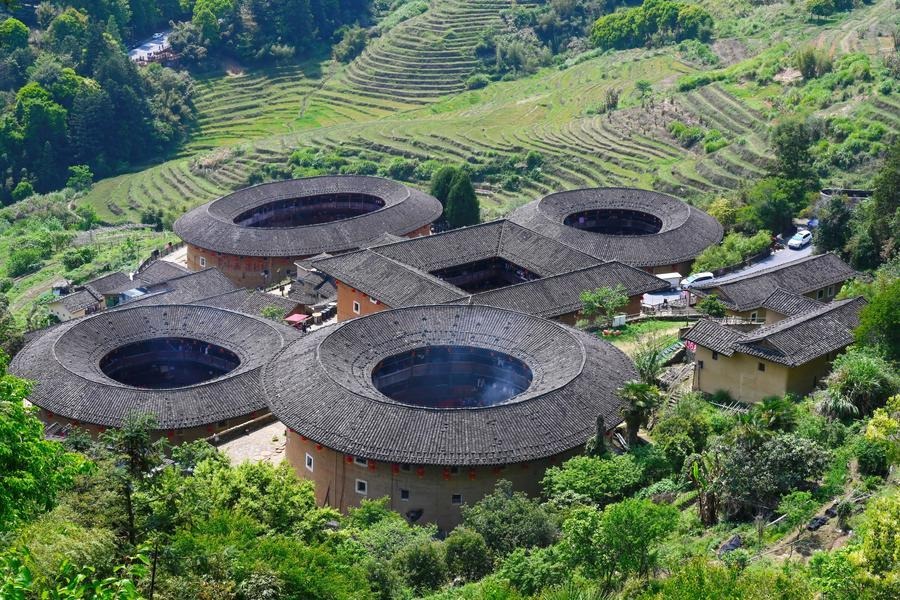
  • Traditional earthen buildings revitalized through boutique hospitality, culture

    Traditional earthen buildings revitalized through boutique hospitality, culture

    Nestled in the mountainous regions of East China’s Fujian province, centuries-old circular Tulou earthen buildings, a UNESCO World Heritage Site inscribed in 2008, are undergoing a remarkable transformation that blends centuries of cultural heritage with 21st-century traveler demands. What once drew casual day-trippers for quick sightseeing stops is now evolving into a high-end experiential tourism destination, breathing new economic life into these historic architectural treasures.

    For modern tourists like Ju, who traveled to Zhangzhou with her family to stay at Changrong Building, a converted Tulou boutique homestay, the appeal lies in stepping into living history rather than just observing it from a distance. “I really wanted to experience what it’s like to live in a Tulou,” Ju explained. “It is quiet and unique.”

    Completed in 2023 through a renovation project led by a team from Xiamen University, Changrong Building strikes a careful balance between preservation and modern comfort. The structure’s handcrafted earthen exterior and historic layout remain fully intact, while the interior has been upgraded to meet contemporary traveler expectations: 12 custom-designed modern-themed rooms now feature sound insulation, smart home technology, and dedicated public reading spaces. Beyond accommodation, the homestay offers immersive cultural activities, including guided tea picking in surrounding plantations and traditional Chinese costume photo experiences, giving visitors hands-on engagement with local culture.

    Huang Zhihui, secretary-general of the local Tulou homestay association and a native who grew up in a Tulou cluster, has witnessed the sector’s steady evolution. He recalled that the earliest Tulou homestays suffered from a lack of professional management and basic private amenities, failing to meet the growing expectations of domestic travelers who now prioritize cultural depth and service quality over low prices.

    To address this shift, Huang developed an intangible cultural heritage market near the iconic Huaiyuan Building, one of the most famous historic Tulou sites. Since opening in May 2025, the market has already drawn more than 700,000 domestic and international visitors. To resonate with younger travelers who value interactive, shareable experiences, Huang’s team introduced tech-integrated creative souvenirs: NFC-enabled sound postcards and gypsum Tulou models that let visitors access and play their own personal travel clips by tapping the souvenir with a smartphone, turning a simple memento into a personalized keepsake.

    The revitalization movement extends beyond Nanjing County to neighboring Hua’an County, where traditional Tulou structures have been repurposed for a wide range of cultural and commercial uses. Empty historic buildings have been converted into bamboo art galleries showcasing local craft traditions, specialty coffee shops, and community libraries, creating new public spaces for both tourists and local residents.

    Local tourism authorities have also leaned into modern cultural trends to attract younger audiences. During the 2026 Spring Festival holiday, Hua’an launched an immersive China-chic interactive game that invited tourists to take on character roles, interact with non-player actors, and complete themed challenges centered on traditional folk dances and historic Chinese sports. The innovative activation delivered impressive results: official data shows Hua’an’s Tulou scenic area welcomed more than 100,000 tourists during the holiday week, with ticket revenue rising 23% year-on-year to more than 6.2 million yuan (approximately $904,000). Driven by popular intangible heritage night parades, nighttime visitor numbers surged by 73.72% compared to the previous year, turning a former half-day sightseeing spot into a multi-day destination.

    Lin Ying, director of the Hua’an Cultural, Sports, and Tourism Bureau, outlined the long-term vision for the region’s Tulou tourism transformation. “We aim to transform Tulou tourism from a half-day trip into a full-day, overnight experience,” Lin said. “Our goal is to move beyond visiting a single building to creating a regional destination where visitors can experience a life that begins with nature and returns to the warmth of the hearth.”

    This adaptive reuse model has turned declining historic structures into economic drivers, proving that cultural heritage can thrive when paired with innovative hospitality and thoughtful modernization, rather than being locked away as static museum pieces.

  • Shanghai’s first Yangtze-crossing rail transit line completes track laying, boosting delta integration

    Shanghai’s first Yangtze-crossing rail transit line completes track laying, boosting delta integration

    A landmark milestone for regional connectivity in eastern China was reached Tuesday, as construction crews finished full track-laying for Shanghai Metro Line 22, the city’s first ever rail transit project that crosses the Yangtze River. The completion marks a critical leap forward in advancing the long-term integrated development strategy for the Yangtze River Delta, one of China’s most economically dynamic urban clusters.

    Also widely referred to as the Chongming Line, this new transit link is set to drastically shrink travel times between Chongming Island and central Shanghai, expand regional accessibility, and unlock fresh growth potential across the entire delta region. Chongming Island, China’s third-largest island, is a geographic formation created entirely by sediment carried and deposited by the Yangtze River over thousands of years, and has long faced connectivity gaps with mainland Shanghai that have limited its economic and social development.

    Stretching 42 kilometers from Jinji Road Station in Pudong New Area to Yu’an Station at the northern end of Chongming Island, the new line is designed to handle operating speeds of up to 120 kilometers per hour. Its route crosses the Yangtze River twice, passing through mid-route Changxing Island, and includes eight stations along its full alignment. Once the line enters full commercial operation, it is expected to reshape regional mobility patterns, support balanced economic development across Shanghai’s riverine regions, and strengthen interconnectedness between major cities across the Yangtze River Delta, supporting coordinated growth in trade, tourism, and industry.

  • Trump’s Fed chair pick vows to safeguard independence at confirmation hearing

    Trump’s Fed chair pick vows to safeguard independence at confirmation hearing

    As U.S. President Donald Trump’s nominee to head the Federal Reserve, Kevin Warsh opened his Senate confirmation hearing Tuesday with a public pledge to safeguard the critical independence of America’s central bank, even as he faces intense political pressure from the commander-in-chief to push for aggressive interest rate cuts.

    “I’m committed to ensuring that the conduct of monetary policy remains strictly independent,” Warsh stated in his opening remarks delivered before the Senate Banking Committee. Beyond his promise to protect institutional autonomy, he also reaffirmed the Fed’s core commitment to taming persistent inflation.

    The hearing represents a major milestone for Warsh, who has been tapped to replace outgoing Chair Jerome Powell when his current term expires on May 15. Every step of the confirmation process is being closely scrutinized by policymakers, economists, and global markets, as the outcome will shape U.S. monetary policy for years to come.

    Tensions have been running high around the nomination well before the hearing gavel fell. Trump has ramped up repeated public criticism of the Fed in recent weeks, attacking the central bank for refusing to implement deeper, faster interest rate cuts. Early Tuesday, the president told CNBC he would be disappointed if his nominee did not move quickly to lower borrowing costs, and renewed his baseless attacks on Powell over minor renovation costs at the Fed’s Washington D.C. headquarters. “We should have the lowest interest rate in the world,” Trump insisted.

    Partisan friction has further complicated Warsh’s path to confirmation. All 11 Democratic members of the Banking Committee called last week for a full delay of the nomination vote until two separate ongoing investigations into outgoing Chair Jerome Powell and Fed Governor Lisa Cook are concluded. Even a fellow Republican has broken ranks to oppose moving forward: Senator Thom Tillis, a member of the GOP-led panel, has pledged to block all Fed nominees — including Warsh — until the Justice Department probe involving Powell is fully resolved.

    With Republicans holding a narrow 13-seat majority on the 25-member committee, Tillis’ defection could create a dangerous deadlock that derails Warsh’s confirmation entirely. Beyond the procedural fights, the nominee also faces the prospect of sharp, targeted questioning on a range of controversial issues, from his extensive personal wealth and past professional ties to the late convicted sex offender Jeffrey Epstein, to his core policy stances on U.S. economic growth and inflation.

    For Warsh, the hearing is his first major opportunity to prove he can serve as a credible, independent steward of the nation’s monetary policy, according to analysts. “It will be his first chance since he was nominated by the president to demonstrate that he intends to be a credible, independent central banker,” David Wessel, senior fellow at the Brookings Institution, told AFP. Wessel noted the delicate balancing act Warsh must pull off: “He has to be really careful to not anger Trump, but he also has to avoid the impression that he’s weak or subject to political pressure.”

    In his opening remarks, Warsh pushed back against concerns that political interference would skew Fed decision-making, arguing that elected officials sharing their views on interest rates does not inherently threaten institutional independence. “I do not believe that independence of monetary policy is threatened when elected officials state their views on rates,” he said. He emphasized that addressing inflation is ultimately the Fed’s responsibility, adding that the central bank must “stay in its lane” when it comes to setting economic policy. The committee’s chairman, Republican Tim Scott, framed the hearing as an “opportunity to refocus” the Fed on its statutory dual mandate: delivering price stability and keeping unemployment low.

    But the top Democrat on the panel, Senator Elizabeth Warren, raised urgent alarms that the ongoing investigations into Powell and Cook are a deliberate political tactic designed to pressure Fed policymakers into falling in line with Trump’s policy demands. She warned that the nomination risks putting “a sock puppet” of the president in charge of the world’s most powerful central bank.

    Economists say the biggest policy question hanging over the hearing is just how closely aligned Warsh is with Trump’s push for steep rate cuts. During Warsh’s previous tenure as a Fed governor from 2006 to 2011, he was widely viewed as a hawk, a policymaker who prioritized controlling inflation by keeping interest rates relatively high. But ING chief economist James Knightley told AFP that Warsh appears to have shifted his policy stance in recent years. Knightley pointed out that Warsh has emerged as a vocal advocate for expanded tech investment and artificial intelligence innovation, which many economists argue could boost U.S. potential growth without spurring the same level of inflation seen in past economic expansions.

    Still, immediate headwinds stand in the way of aggressive rate cuts: rising gasoline prices driven by ongoing conflict in the Middle East have created new near-term inflation pressures that the Fed cannot ignore. If Warsh pushes for overly rapid rate cuts in the near term, it could erode the Fed’s hard-won credibility on inflation, Knightley warned. For the nominee, the path forward requires acknowledging the immediate impact of near-term price shocks while making the case that these temporary disruptions are unlikely to turn into long-term persistent inflation.

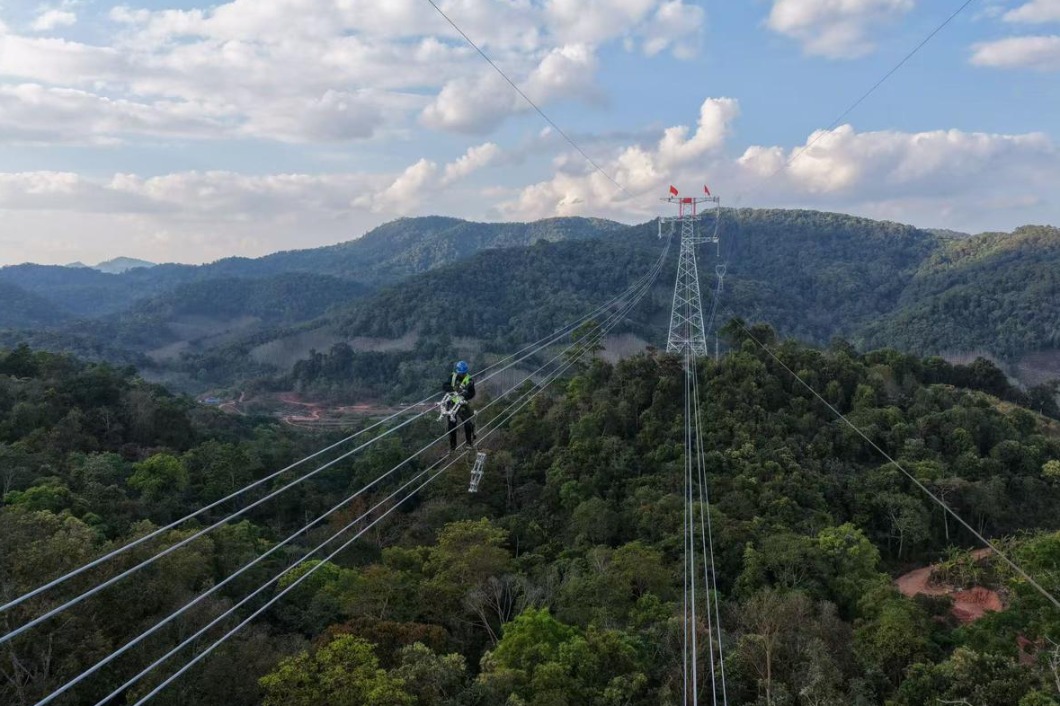
  • China-Laos mega power project put into operation

    China-Laos mega power project put into operation

    A landmark cross-border energy infrastructure partnership between China and Laos has reached a major milestone, with the 500-kilovolt China-Laos power interconnection project officially entering commercial operation on Monday, April 21, 2026. Developed to deepen bilateral energy cooperation, this new facility stands as the largest and highest-voltage cross-border power grid project ever constructed between the two neighboring nations.

    According to data released by China Southern Power Grid Lancang-Mekong International, the project delivers a transformative upgrade to bilateral energy exchange capacity. Prior to the launch of this new infrastructure, the maximum power transmission capacity between China and Laos stood at just 50,000 kilowatts. The newly commissioned project pushes this capacity to 1.5 million kilowatts — a 30-fold increase over the previous interconnection line.

    Beyond expanding capacity, the project is designed to facilitate large-scale cross-border exchange of clean energy. Project operators project that the interconnection will support the annual transmission of approximately 3 billion kilowatt-hours of low-carbon electricity between the two countries, helping to balance energy supply and demand while supporting decarbonization goals on both sides of the border.

    The project’s completion comes amid growing regional cooperation on energy infrastructure across the Lancang-Mekong region, where cross-border interconnection projects are increasingly seen as a tool to improve energy security, expand access to affordable clean power, and strengthen economic ties between participating nations.

  • Stories behind the ‘Beijing Highway’ in Jamaica

    Stories behind the ‘Beijing Highway’ in Jamaica

    For years, Jamaica’s ambitious North-South connectivity project languished in bureaucratic and logistical limbo, mired in repeated delays that blocked much-needed economic and social progress for the island nation. That all changed after a high-profile official visit to China, a diplomatic and cooperation exchange that unlocked new momentum to move the long-stalled infrastructure initiative forward. Today, that transformative project—widely known to locals as the “Beijing Highway,” built with substantial development support from China—has reshaped daily travel across Jamaica.
    Before the highway opened, the cross-island journey from the northern coast to the southern capital region took a grueling two hours along winding, congested local roads. The new modern thoroughfare has cut that travel time to less than 30 minutes, slashing logistics costs for local businesses, boosting tourism access to Jamaica’s iconic northern beach resorts, and opening new development opportunities for inland communities that had long been cut off from key economic hubs.
    The project has not been without external scrutiny, however. As China’s infrastructure investment and diplomatic footprint expand across the Caribbean, the United States has raised public concerns over what it frames as growing Chinese influence in the region. But for Jamaica’s former prime minister Bruce Golding, those worries are unfounded. In a clear defense of Jamaica’s independent foreign policy and bilateral partnership with Beijing, Golding emphasized that all negotiations and cooperation between Jamaica and China have been rooted in the core principles of mutual respect and deep mutual understanding. “There is no danger in it,” Golding said of the bilateral relationship. He added that he hopes Jamaican leaders will maintain the courage and fortitude to safeguard the mutually beneficial partnership between the two nations.
    The “Beijing Highway” stands as a tangible example of how South-South development cooperation can deliver immediate, tangible benefits to participating nations, while highlighting the growing push among smaller developing countries to preserve their policy independence amid great power competition.