博客

  • UN human rights body holds special session on Sudan after hundreds killed in Darfur’s el-Fasher

    UN human rights body holds special session on Sudan after hundreds killed in Darfur’s el-Fasher

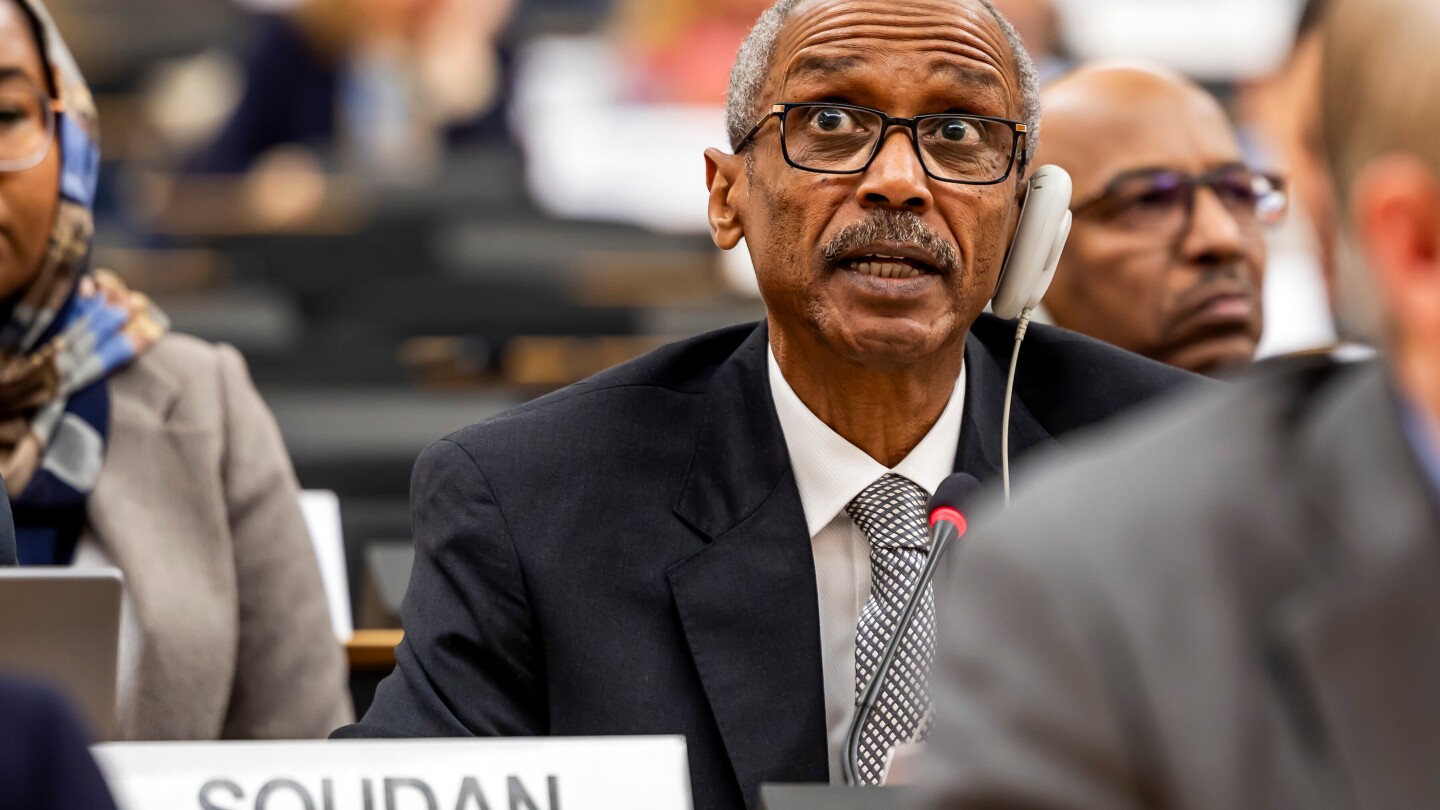
    The United Nations Human Rights Council convened a special one-day session in Geneva on Friday to address the escalating human rights violations in Sudan’s Darfur region. The session focused on the recent massacre at a hospital in el-Fasher, where over 450 people were killed by the Rapid Support Forces (RSF), a paramilitary group engaged in conflict with the Sudanese army. The RSF’s brutal campaign included house-to-house killings, sexual violence, and attacks on healthcare facilities, according to the World Health Organization (WHO).

    Volker Türk, the UN High Commissioner for Human Rights, condemned the atrocities as “the gravest of crimes,” emphasizing that the violence was both foreseeable and preventable. He highlighted reports of mass civilian killings, ethnically targeted executions, sexual assaults, abductions, and widespread detentions since the RSF seized control of el-Fasher, the capital of North Darfur.

    The council debated a draft resolution, led by several European nations, calling for an urgent investigation by an existing team of independent experts. The resolution aims to identify those responsible for the crimes and hold them accountable. Mona Rishmawi, a member of the investigative team, described el-Fasher as a “crime scene,” detailing evidence of torture, rape, abductions, and enforced disappearances on a massive scale.

    While the Human Rights Council lacks enforcement power, it plays a critical role in documenting violations and raising international awareness, potentially aiding future prosecutions at institutions like the International Criminal Court. The ongoing conflict between the Sudanese military and the RSF, which began in 2023, has resulted in at least 40,000 deaths and displaced 12 million people, with aid groups warning the actual toll could be far higher.
  • German government to subsidize industry’s energy prices in bid to revitalize economy

    German government to subsidize industry’s energy prices in bid to revitalize economy

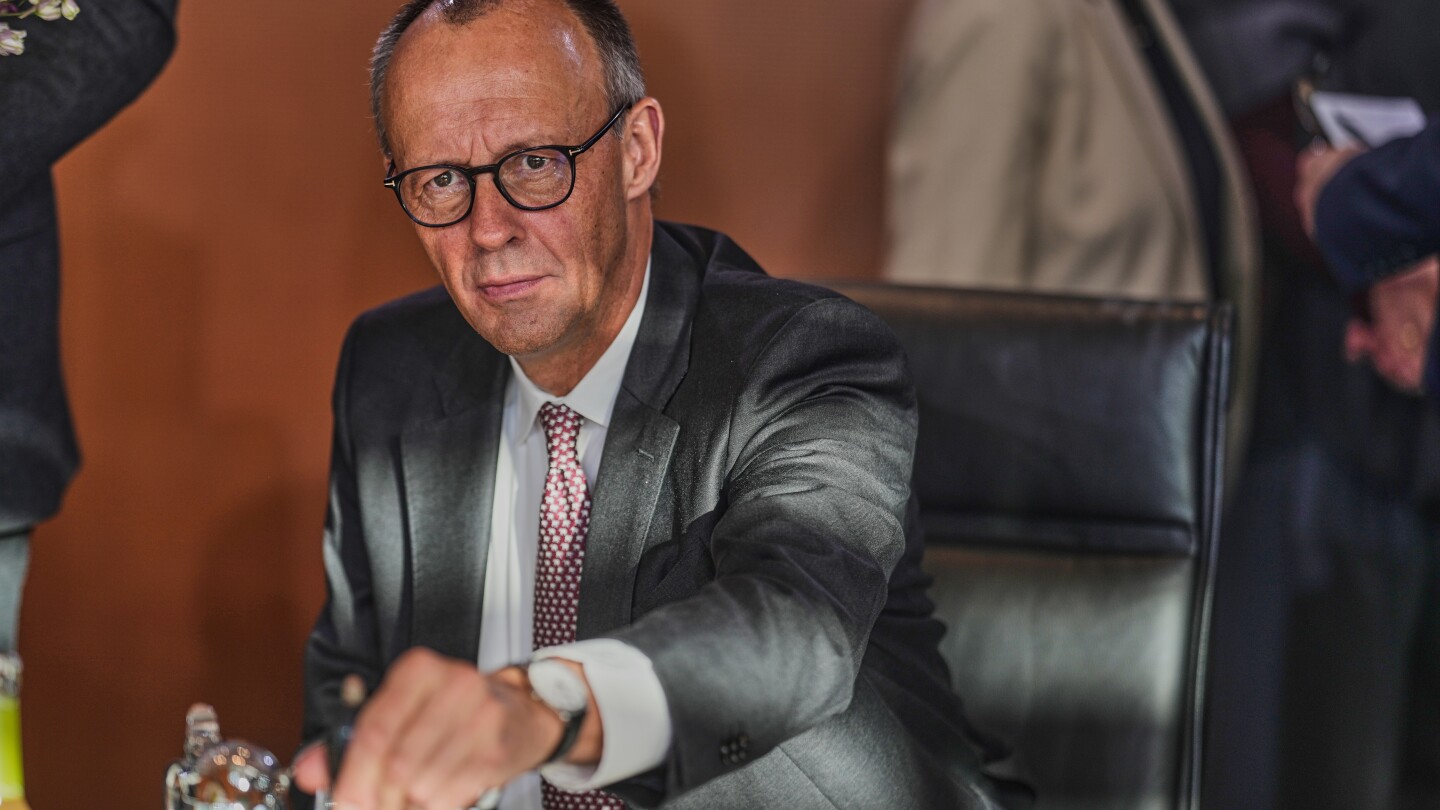
    In a decisive move to rejuvenate its sluggish economy, Germany’s governing coalition has agreed to subsidize energy prices for heavy industry over the next three years. Chancellor Friedrich Merz announced on Thursday evening that starting January 1, 2024, companies facing intense international competition will benefit from a reduced electricity price of approximately 5 euro cents (6 U.S. cents) per kilowatt hour, extending through 2028. This initiative aims to alleviate the financial burden on energy-intensive industries and enhance their global competitiveness. Talks with the European Union’s executive commission are nearing completion, with Merz expressing confidence in securing approval for the plan. Germany’s economy, the largest in Europe, has struggled with stagnation for the past two years, with minimal growth recorded. The coalition government, comprising the conservative Merz and the center-left Social Democrats, has prioritized economic revitalization since assuming office in May. Despite these efforts, recent data shows the gross domestic product (GDP) remained stagnant in the third quarter of 2023. Independent economic advisers predict a modest growth of 0.9% in 2024, following a slight 0.2% increase this year. High energy costs, competition from Chinese manufacturers, a shortage of skilled labor, and bureaucratic inefficiencies have further hindered economic progress. To address these challenges, the government has launched a comprehensive investment program, allocating 500 billion euros ($581.4 billion) over the next 12 years to modernize infrastructure, reduce red tape, and accelerate digitization. Economists like Carsten Brzeski of ING have praised the subsidy plan, noting its potential to provide both immediate relief and long-term stability for industries. Holger Lösch, deputy managing director of the Federation of German Industries, emphasized the importance of the subsidized price in maintaining the international competitiveness of energy-intensive companies. Finance Minister Lars Klingbeil estimated the cost of the measure at between 3 and 5 billion euros ($3.4 billion and $5.8 billion). Additionally, the coalition has agreed to reduce a tax on airline tickets starting in July, a long-standing demand of the air transport industry. Both measures will require parliamentary approval.

  • Eco-friendly reforms shape Wuzhong’s future

    Eco-friendly reforms shape Wuzhong’s future

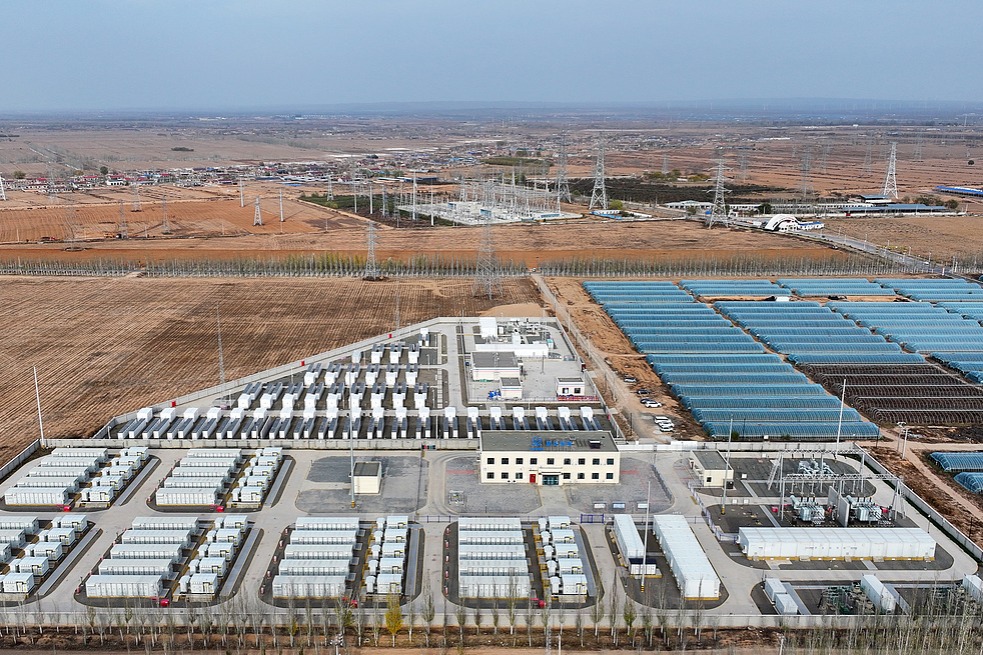
    Wuzhong, a city in Ningxia Hui Autonomous Region, is spearheading a transformative modernization drive focused on ecological conservation and high-quality development along the Yellow River basin. According to Wuzhong Party Secretary Wang Xuejun, the city is embracing its role as a pioneer in green development and efficient energy use, with these principles driving its future growth. Key projects include natural gas development, pumped storage hydropower, and new energy bases, alongside thriving industries such as dairy production and morning tea culture. The city’s industrial parks have achieved a total output value exceeding 100 billion yuan ($14 billion), with new energy installations leading the region. Wuzhong’s GDP is projected to reach 99 billion yuan by the end of the 14th Five-Year Plan period (2021-25), marking a nearly 50% increase from 2020. The city has implemented 356 key reforms, with 37 practices, including innovative water management and agricultural loan systems, gaining national recognition. Wuzhong has also enhanced its business environment, enabling over 90% of high-frequency government services to be handled online. A road-rail-sea intermodal transportation network has boosted logistics, contributing to an average annual growth of over 10% in import and export value. Innovation remains a cornerstone of Wuzhong’s strategy, with R&D intensity growing at an annual rate of 16.6%. The city is home to over 500 national high-tech and sci-tech enterprises, with breakthroughs in sodium-glucose co-transporter inhibitors and somatic cell cloning of Tan sheep. Environmental protection is central to Wuzhong’s development, with air quality meeting national secondary standards and water quality in the Yellow River consistently stable at Grade II. The city has been honored as a national ecological civilization demonstration city and a low-carbon pilot city. Wuzhong, home to 36 ethnic groups, has also pioneered ethnic unity initiatives, hosting the Ethnic Unity Progress Month for 42 consecutive years. Community events like the Neighbors’ Festival and Thousand-Family Banquet have fostered integration for over two decades. Looking ahead, Wuzhong aims to expand oil and gas capacity, develop new energy, and create a ‘green hydrogen valley’ during the 15th Five-Year Plan period (2026-30). Major ecological projects, including the Luoshan Mountain protection initiative and river basin management, will further solidify the city’s commitment to a comprehensive green transformation.

  • Pakistan wins toss, elects to field in 2nd ODI against Sri Lanka

    Pakistan wins toss, elects to field in 2nd ODI against Sri Lanka

    In a crucial decision at the toss, Pakistan’s stand-in captain Salman Ali Agha chose to field in the second one-day international (ODI) against Sri Lanka on Friday. The match, held in Rawalpindi, Pakistan, comes amidst heightened security concerns following a suicide bombing in Islamabad earlier this week, which killed 12 people outside a court. The incident had initially cast doubt over the continuation of the series, as Sri Lanka’s players expressed a desire to leave the country. However, after receiving reassurances from the Pakistan Cricket Board (PCB) regarding safety measures, Sri Lanka Cricket instructed the team to complete the series. The remaining two ODIs were rescheduled for Friday and Sunday. Agha, leading the team in place of regular ODI captain Shaheen Shah Afridi, who was sidelined due to a fever, made strategic changes to the lineup. Abrar Ahmed, who missed the first game due to illness, replaced all-rounder Faheem Ashraf. On the Sri Lankan side, spinner Maheesh Theekshana was left out, with left-arm fast bowler Pramod Madushan taking his place. The match promises to be a test of resilience for both teams, as they navigate the challenges on and off the field.

  • Shenzhou XX crew set to return after space debris delay

    Shenzhou XX crew set to return after space debris delay

    The Shenzhou XX mission crew, whose return to Earth was delayed due to safety concerns over space debris, is now set to make their journey back today. According to the China Manned Space Agency, the three astronauts—mission commander Senior Colonel Chen Dong, Colonel Chen Zhongrui, and Colonel Wang Jie—will board the Shenzhou XXI spaceship to re-enter the atmosphere and land at the Dongfeng Landing Site in Inner Mongolia. The agency confirmed that the astronauts are in excellent health, and ground teams are finalizing preparations for their safe landing. The Shenzhou XXII spaceship is also scheduled for launch soon to dock with the Tiangong space station, currently occupied by the Shenzhou XXI crew. Originally planned for November 5, the return was postponed after potential impacts from space debris were detected. This mission marks China’s 15th manned spaceflight and the ninth crew to reside on the Tiangong space station.

  • Bad Bunny wins five Latin Grammys ahead of Super Bowl

    Bad Bunny wins five Latin Grammys ahead of Super Bowl

    Puerto Rican superstar Bad Bunny emerged as the standout winner at the 2024 Latin Grammy Awards in Las Vegas, securing five prestigious trophies, including Album of the Year for his critically acclaimed project, *Debí Tirar Más Fotos*. The album, which celebrates Puerto Rico’s rich musical heritage, has also paved the way for his highly anticipated performance at next year’s Super Bowl halftime show. In his acceptance speech, Bad Bunny dedicated his win to ‘all the youth of Latin America,’ emphasizing the power of music as a form of patriotism.

  • Scholar warns of ‘weaponizing uncertainty’

    Scholar warns of ‘weaponizing uncertainty’

    A year after his election victory, US President Donald Trump’s economic policies are fulfilling campaign promises but are simultaneously weaponizing uncertainty, exacerbating global economic divisions and risks, according to Adam Posen, president of the Peterson Institute for International Economics. Posen described Trump’s approach as consistent yet incoherent, leading to patchwork outcomes that are not economically beneficial. He highlighted Trump’s core agenda, which includes a 15% across-the-board tariff, targeted duties on key industries like semiconductors and autos, and trade barriers that are ‘anti-China, but less anti-China than the hawks in either the Joe Biden administration or the Republicans wanted.’ Posen emphasized that Trump’s policies are characterized by hostility to foreigners, extreme skepticism toward trade and migration, fiscal excess, and the exercise of executive power. He noted that the negative impacts of tariffs and deportations take about a year to fully emerge, as shown by models created by senior fellows at the Peterson Institute. Businesses have faced prolonged uncertainty since the April 1 tariff announcement, with companies like Toyota and Caterpillar considering separate production in China. Despite the administration’s goal of deporting one million people yearly, the economy has not cratered due to ‘underground’ adaptation, with sectors like food processing and construction showing flat output and employment. Posen warned of a ‘stagflationary combination’ ahead, including shortages, inflation, and contraction, unless deportations stop. He also highlighted the role of artificial intelligence investments as an ‘exogenous salvation,’ with tech giants self-financing rapid AI spending from retained earnings, achieving early productivity gains. However, AI alone cannot mask structural issues, as tariff-hit industries will see rising domestic prices and falling output, employment, and growth. Posen’s article in Foreign Affairs noted that firms and governments are abandoning reliance on US ‘insurance’ and are self-insuring through non-dollar assets and localized investment. He also pointed out that US allies like the UK, Japan, South Korea, and Canada are suffering the most, while China has been able to stand up against the US and face Trump down.

  • Bridging screens, sharing stories: Festival highlights cooperation between China and US film industries

    Bridging screens, sharing stories: Festival highlights cooperation between China and US film industries

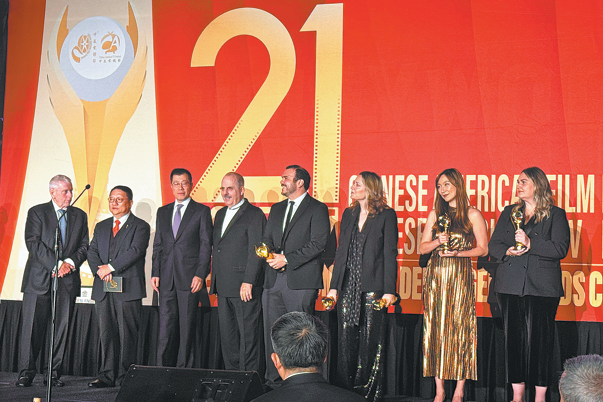
    The 21st Chinese American Film Festival and Chinese American TV Festival, held annually in Los Angeles, showcased the deepening ties between the Chinese and US film industries. The event, which took place on November 6, 2025, brought together filmmakers, actors, and industry leaders from both nations, emphasizing the power of storytelling to bridge cultural divides. Major Hollywood studios, including Universal Pictures, Paramount Pictures, Sony Pictures, and Warner Bros Discovery, were honored for their success in the Chinese market, with blockbusters like ‘Venom: The Last Dance,’ ‘Jurassic World Rebirth,’ and ‘Mission: Impossible — The Final Reckoning’ receiving the ‘Most Popular US Film in China’ awards. Industry executives expressed gratitude for the recognition and reaffirmed their commitment to fostering collaboration with Chinese partners. Jason Brenek, CEO of MetaMedia, highlighted the potential for increased cultural exchange, noting the growing appetite for Chinese-language films in the US. Hollywood producer Bill Borden, known for China-inspired films like ‘Kung Fu Hustle,’ emphasized the importance of cultural blending in creative processes. Chinese actor Zhang Luyi, who won the Best Actor Award for his role in ‘The Secret Path,’ and director Yang Zi, whose film ‘The Shadow’s Edge’ won Best Golden Angel Film of the Year, both underscored the value of cross-cultural understanding in filmmaking. The festival, launched in 2005, has become a vital platform for fostering long-term partnerships through coproductions, distribution deals, and artistic dialogue. With China’s film and television industry projected to reach 1.49 trillion yuan ($207 billion) in operating income by the end of 2025, the potential for further collaboration between the two nations remains immense.

  • Canada’s new budget aims to curb reliance on single market

    Canada’s new budget aims to curb reliance on single market

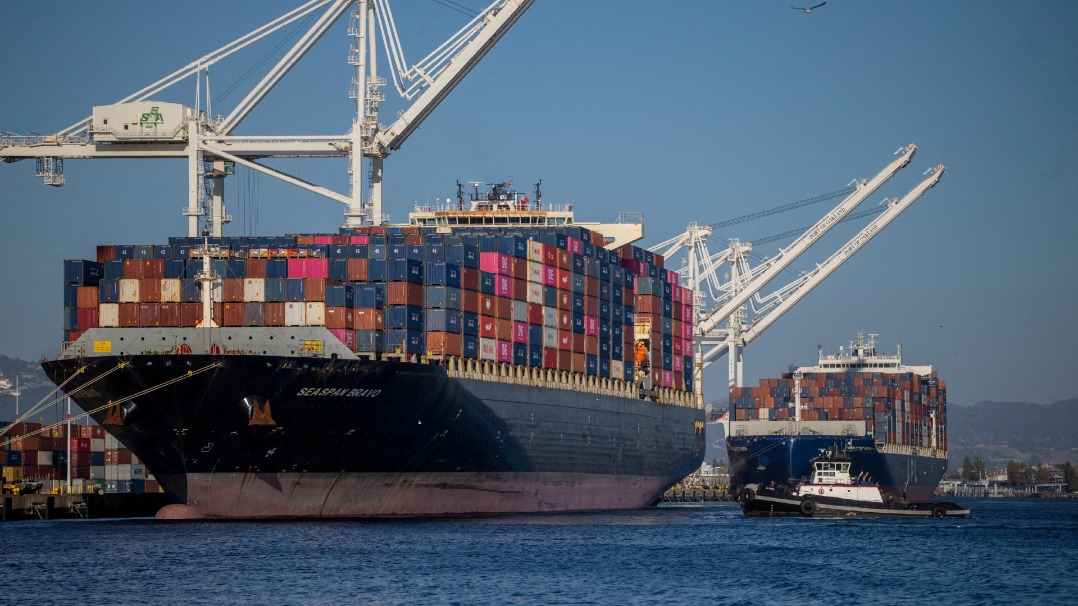
    In a bold move to reshape its economic strategy, Canada has unveiled a comprehensive federal budget aimed at reducing its reliance on the US market. Announced on November 4, 2025, by Prime Minister Mark Carney, the budget allocates over C$25 billion ($17.8 billion) to support industries impacted by US tariffs and trade disruptions, with an additional C$25 billion pledged by 2030 to enhance trade facilitation. The budget underscores Canada’s commitment to forging new economic and security partnerships beyond its southern neighbor. Carney emphasized that the era of deepening economic ties with the US has ended, stating, ‘Many of our former strengths — based on close ties to America — have become our vulnerabilities.’ The budget is seen as a confidence motion, and its failure to pass could trigger an early election, potentially unsettling markets. Economists like Mesbah Fathy Sharaf of the University of Alberta view the budget as a pragmatic response to a more protectionist global trade environment. Sharaf noted, ‘Canada is clearly looking East and West, such as Europe and the Asia-Pacific, for new opportunities.’ The budget also seeks to accelerate domestic economic activity through financial incentives and expedited project approvals. However, critics like Ron Stagg of Toronto Metropolitan University argue that the measures are largely defensive and short-term. Stagg remarked, ‘The government is hoping to increase economic activity within Canada by providing financial incentives and by fast-tracking approval for projects seen as of national importance.’ Despite the uncertainties, the budget signals Canada’s determination to diversify its economic relationships and assert greater independence on the global stage.

  • Australian schools shut over asbestos risk in children’s sand

    Australian schools shut over asbestos risk in children’s sand

    Approximately 30 schools in Australia have been fully or partially shut down following the discovery of tremolite asbestos in children’s colored sand products. The Australian Competition & Consumer Commission (ACCC) issued a recall notice on Wednesday after laboratory tests confirmed the presence of this naturally occurring asbestos. While the ACCC emphasized that the risk of asbestos becoming airborne or inhalable is ‘low,’ it cautioned that the substance ‘may still pose a risk.’ By Friday, at least 15 schools and seven preschools in the Australian Capital Territory (ACT) had closed entirely, with six others partially shutting down as a precaution. Reports also emerged of a school closure in Queensland. The affected sand products, imported from China and sold nationwide between 2020 and 2025, include Kadink Sand (1.3kg), Educational Colours – Rainbow Sand (1.3kg), and Creatistics – Coloured Sand (1kg). These items were distributed by major stationery retailers, including Officeworks. New Zealand’s Ministry of Business, Innovation and Employment also issued a voluntary recall for EC Rainbow Sand (1.3kg) and Creatistics – Coloured Sand (1kg) as a precautionary measure. Yvette Berry, ACT’s education minister, acknowledged the potential distress for families, stating that school closures would expedite testing and remediation efforts. Meanwhile, Victoria and New South Wales have opted against closing schools, citing the low health risk. Authorities in these states are working to identify and remove the recalled products from educational settings. Asbestos, a banned substance in Australia, poses severe health risks when inhaled, potentially causing lung damage and cancer.