博客

  • Taiwan president cancels trip after African countries close airspace

    Taiwan president cancels trip after African countries close airspace

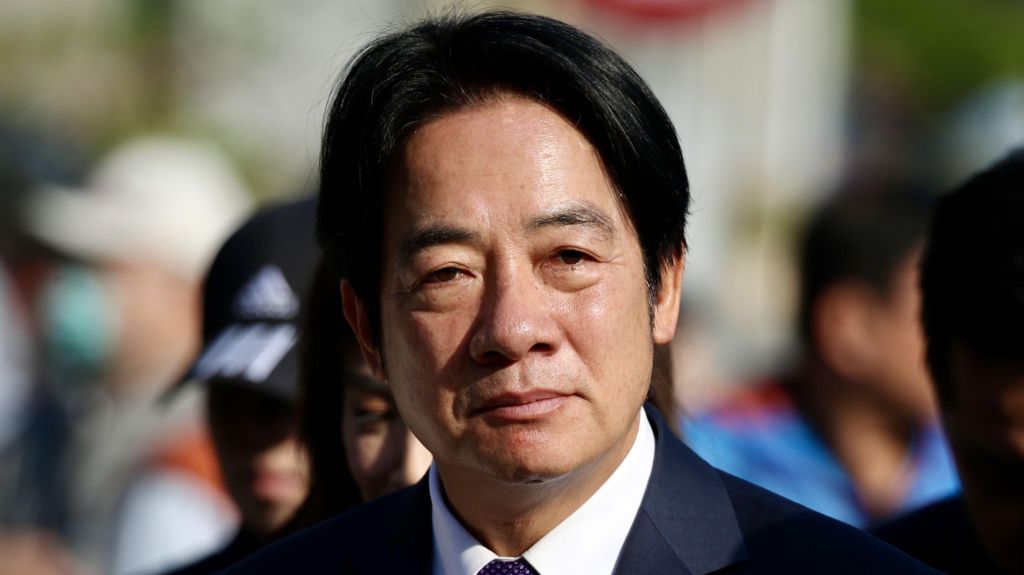
    A landmark development in cross-strait diplomatic tensions has forced Taiwan leader Lai Ching-te to scrap a planned overseas trip to Eswatini, marking the first publicly recorded instance of a Taiwanese leader abandoning a foreign journey after multiple countries revoked required overflight access.

    Lai was scheduled to travel to the southern African nation, Taiwan’s only remaining diplomatic ally on the continent, to participate in celebrations marking 40 years of King Mswati III’s reign. According to senior Taiwanese officials, three island nations in the Indian Ocean — Seychelles, Mauritius and Madagascar — withdrew their previously granted overflight permissions following what Taipei describes as “intense pressure” and economic coercion from Beijing.

    In a public statement posted to the social platform X, Lai pushed back against Beijing’s actions, framing the permit revocations as clear examples of authoritarian coercion that highlight broader threats to global international order. “No amount of threats or coercion will shake Taiwan’s resolve to engage with the world,” Lai wrote.

    For its part, Beijing has rejected accusations of coercion, instead praising the three African countries for upholding the long-standing one-China principle, which forms the foundation of Beijing’s territorial claim to the self-governing island. In official comments, a spokesperson for China’s Taiwan Affairs Office expressed “high appreciation” for the position taken by Seychelles, Mauritius and Madagascar. China’s Ministry of Foreign Affairs went further, reiterating that no official title of “President of the Republic of China” holds any international recognition, in a direct rebuke of Lai’s status. Both Seychelles and Madagascar have publicly confirmed their decision to revoke permits stems from their non-recognition of Taiwan as a sovereign state, aligning with Beijing’s position.

    Eswatini’s government has expressed regret over the canceled visit but emphasized that the disruption will not alter the long-standing bilateral diplomatic ties between the two nations. Currently, only 12 United Nations member states around the world recognize Taiwan diplomatically, most of them small island nations in Latin America and the Pacific.

    Cross-strait relations have remained strained since Lai took office, with Beijing repeatedly labeling Lai a “troublemaker” who threatens cross-strait peace. Beijing maintains that Taiwan is an inalienable part of Chinese territory, a position it has defended for decades, and has not ruled out the use of military force to bring the island under its control. Most of the international community, including the United Nations, recognizes the one-China principle, though many Western nations maintain unofficial economic and cultural ties with Taiwan.

    The cancellation has already drawn criticism from U.S. political leaders. The majority staff of the U.S. House Foreign Affairs Committee issued a statement on X affirming that it “stood with Taiwan against this blatant coercion.” U.S. Senator Ted Cruz also publicly condemned Mauritius’s decision, claiming the country was “determined to ally with the Chinese Communist Party.”
  • Thirteen killed in second India fireworks blast in three days

    Thirteen killed in second India fireworks blast in three days

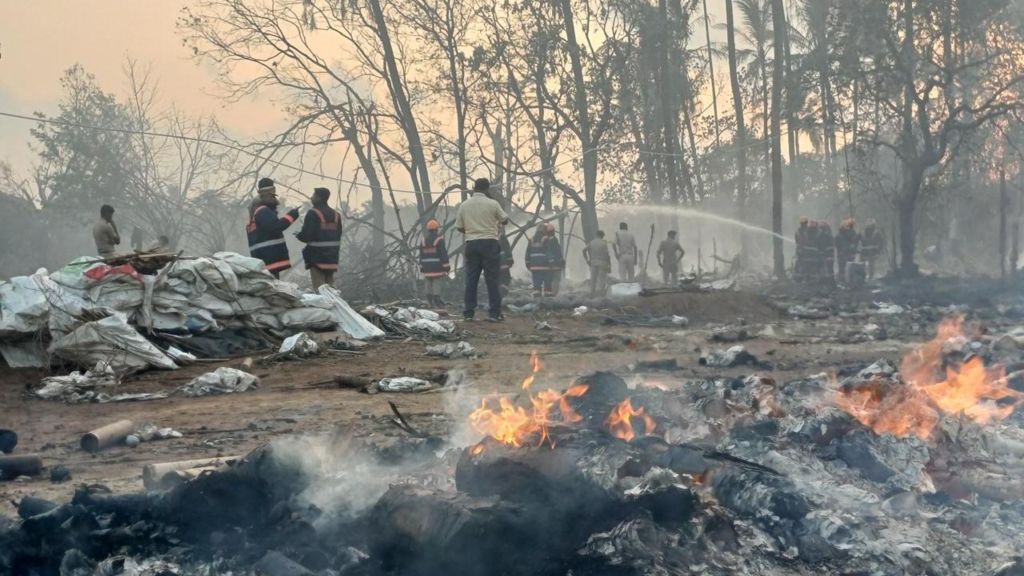
    A devastating explosion at an illegal makeshift firecracker assembly site in India’s southern Kerala state has left at least 13 people dead and multiple others critically injured, marking the second fatal industrial disaster in the country’s fireworks sector within seven days.

    The blast struck shortly after 3 p.m. local time on Tuesday in the city of Thrissur, where roughly 40 workers were gathering to assemble fireworks ahead of the upcoming Thrissur Pooram, one of India’s most prominent annual Hindu temple festivals. Local authorities confirmed that five of the injured are in life-threatening condition, and damage from the explosion extended to nearby residential structures, with the shockwave felt as far as several kilometers away — so powerful that many local residents initially misidentified it as an earthquake.

    Witnesses reported chaotic scenes in the immediate aftermath of the blast, with local residents rushing to the site to pull survivors and deceased victims out of the rubble before official emergency teams arrived. The response effort was significantly hampered by the location of the temporary assembly sheds: the structures were built alongside rural paddy fields with narrow, unpaved access roads that slowed the arrival of fire trucks and ambulances. The initial blast also triggered a series of secondary smaller explosions from stored firework materials, forcing rescuers to pause operations while hazards were neutralized.

    Officials confirmed the workers were contracted to produce fireworks for the Thiruvambady Temple, one of the two main temple groups that host the iconic competitive fireworks display that is the centerpiece of the 7-day Thrissur Pooram festival. Kerala’s Revenue Minister K Rajan told reporters that the organizing committee held official permission to produce and store fireworks in designated, regulated areas, but it remains unclear why assembly was taking place at the unauthorized rural makeshift site. Food preparations for roughly 40 workers were found at the site, confirming that a large workforce was present when the explosion occurred, though an exact headcount remained incomplete in the hours after the disaster.

    While the exact cause of the blast has not been confirmed, Thrissur’s municipal chairman PN Surendran told reporters that high mid-afternoon temperatures may have been a contributing factor. “There is still no clarity on how many workers were in the shed or the full extent of injuries,” Surendran said. “It is suspected that extreme heat may have triggered this tragedy.”

    This explosion comes just three days after a separate blast at a firecracker factory in neighboring Tamil Nadu state killed 25 people, bringing the total death toll from fireworks sector accidents in south India this week to 38. Deadly explosions are an endemic, recurring crisis in India’s $1 billion fireworks industry, which supplies pyrotechnics for religious festivals, weddings, and cultural celebrations across the country. The sector is dominated by informal, unregulated small-scale operations that handle highly explosive raw chemicals in cramped, low-cost facilities, where even a tiny stray spark can trigger a catastrophic blast.

    India’s largest fireworks production hub is Sivakasi in Tamil Nadu, which produces more than 90% of the country’s domestic firecracker supply. A 2010 study documented nearly 10,000 fireworks-related accidents in Sivakasi between 2003 and 2010 alone, including almost 400 fatal incidents. Weak regulatory enforcement and surging consumer demand ahead of major festivals like Diwali routinely push safety protocols to the background, with factory owners often cutting corners to meet deadlines and keep costs low.

    Kerala has already seen one of the deadliest fireworks disasters in Indian history: a 2016 explosion at an unauthorized fireworks display at the Puttingal Temple in Kollam killed more than 100 people and injured 400 others. Investigations later found that basic safety rules were completely ignored, with explosives stored in unregulated makeshift sheds, and community competitive pressure overriding existing safety regulations.

    In response to Tuesday’s disaster, Kerala authorities have ordered a full magisterial inquiry to determine the cause of the blast and assign responsibility for any safety violations. Kerala Chief Minister Pinarayi Vijayan has announced that the state government will bring in specialized burn care experts from other regions of India if needed to treat injured victims. Indian Prime Minister Narendra Modi also released a statement offering condolences and announcing official financial assistance: 200,000 Indian rupees (roughly $2,140) for each victim’s family, and 50,000 rupees for each injured survivor.

  • Iran fires on container ship in Strait of Hormuz

    Iran fires on container ship in Strait of Hormuz

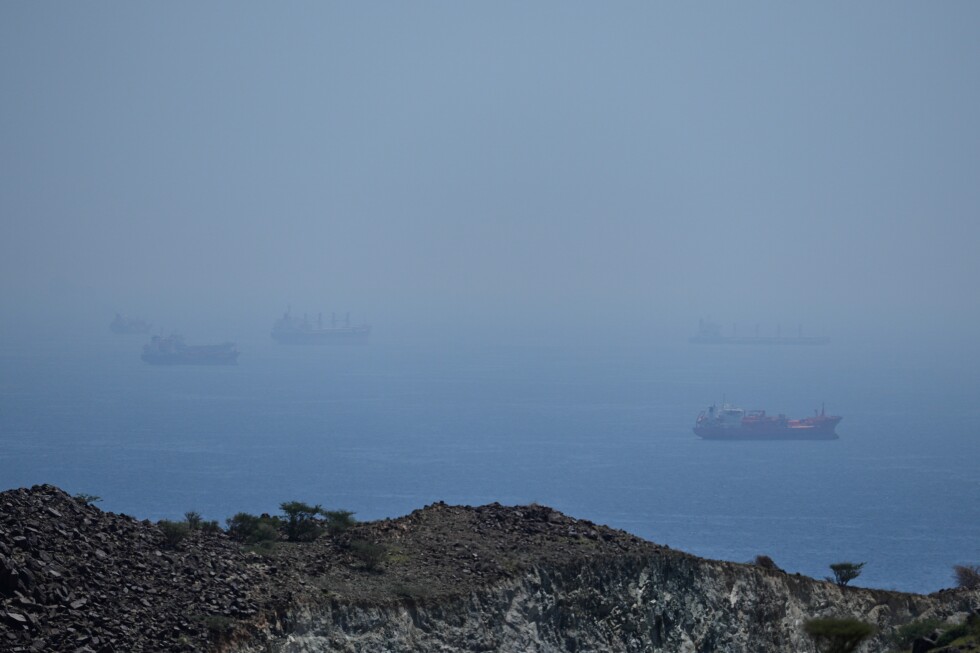
    In a sudden escalation of maritime tensions in the Persian Gulf’s critical chokepoint, Iran’s paramilitary Revolutionary Guard launched an unprovoked attack on a commercial container vessel transiting the Strait of Hormuz on Wednesday, damaging the ship just days after the United States seized an Iranian cargo ship and boarded a Tehran-linked oil tanker in the Indian Ocean over the weekend.

    The United Kingdom Maritime Trade Operations (UKMTO), the British military body that monitors commercial shipping activity across the region, confirmed the assault took place at approximately 7:55 a.m. local time in the strategic waterway, which handles roughly one-fifth of the world’s daily oil trade. According to UKMTO’s initial public advisory, the Revolutionary Guard gunboat that carried out the firing did not attempt to contact or hail the targeted container ship before opening fire, a departure from standard maritime protocols for stopping or inspecting vessels.

    Fortunately, the incident did not result in any casualties among the ship’s crew, and preliminary assessments found no risk of environmental damage stemming from the attack, UKMTO added. As of Wednesday, Iranian officials had not issued any immediate statement or acknowledgment of the assault on the vessel.

    The attack comes at a moment of already heightened friction between Iran and Western powers, and it comes on the same day that planned ceasefire talks between Iran and a group of armed militants based in Pakistan were expected to begin — talks that ultimately failed to materialize, creating another layer of instability across the broader Middle East. The assault also directly follows two separate U.S. actions targeting Iranian shipping over the preceding weekend: U.S. forces seized an Iranian container vessel after opening fire on it, and also conducted a boarding operation against an oil tanker linked to Iran’s sanctioned oil trade in the Indian Ocean. Analysts warn the tit-for-tat targeting of commercial shipping in one of the world’s most vital maritime chokepoints risks further escalating regional tensions and disrupting global energy supply chains already facing significant volatility.

  • Asian benchmarks are mixed in cautious trading amid uncertainty about US-Iran ceasefire talks

    Asian benchmarks are mixed in cautious trading amid uncertainty about US-Iran ceasefire talks

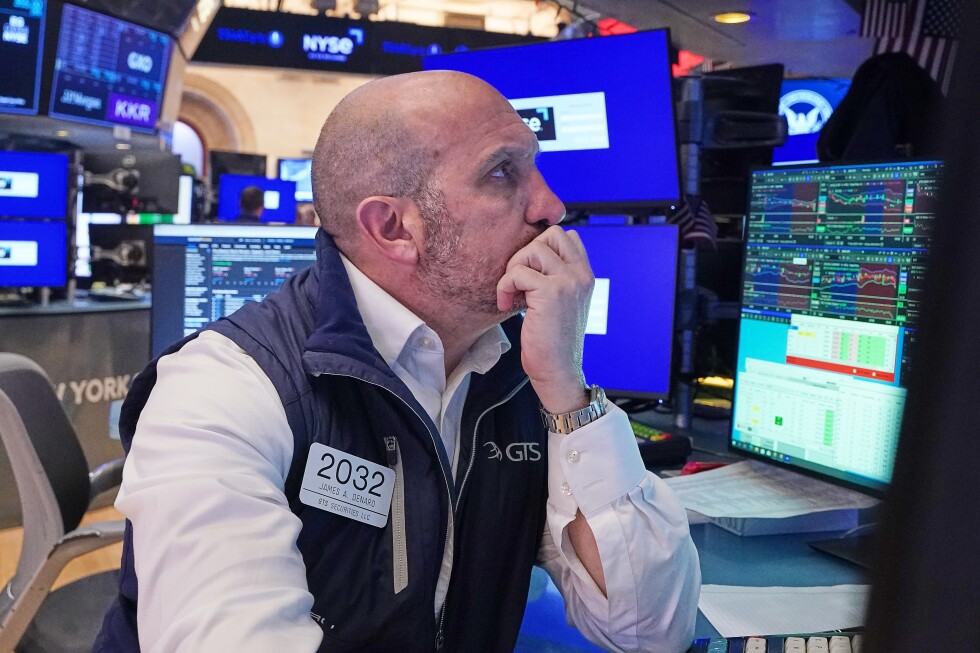
    Global financial markets traded with caution on Wednesday, as investors held their breath for developments in U.S.-Iran diplomatic efforts following a last-minute extension of a temporary ceasefire that was scheduled to expire.

    The day of trading kicked off in Asian markets, where benchmark indexes delivered a mixed performance amid ongoing uncertainty. Japan’s Nikkei 225 notched a 0.3% uptick to close at 59,530.64, while South Korea’s Kospi followed suit with a 0.4% gain to reach 6,413.62. Mainland China’s Shanghai Composite also edged up 0.3% to end the session at 4,096.59. On the downside, Australia’s S&P/ASX 200 dropped 1.2% to 8,841.00, and Hong Kong’s Hang Seng Index fell 1.3% to settle at 26,140.05.

    Sentiment shifted lower across the Atlantic in U.S. trading after U.S. Vice President JD Vance announced the cancellation of a planned trip to Pakistan, where he was set to lead a U.S. negotiating delegation in talks with Iranian representatives aimed at extending the ceasefire. The S&P 500 wiped out early gains to finish 0.6% lower at 7,064.01, while both the Dow Jones Industrial Average and the Nasdaq Composite also recorded 0.6% drops, closing at 49,149.38 and 24,259.96 respectively. Less than 10 minutes after the U.S. market closed for the day, former President Donald Trump confirmed he would extend the ceasefire to give Iran additional time to draft and submit a formal proposal to end the ongoing conflict.

    Energy markets also saw muted movement after weeks of volatility tied to the conflict. Benchmark U.S. crude slipped 19 cents to trade at $89.48 per barrel during Wednesday’s Asian session, while Brent crude, the global benchmark for oil pricing, lost 12 cents to settle at $98.36 per barrel. These small shifts stand in sharp contrast to the extreme swings that roiled markets in the early days of the conflict, when Brent crude briefly spiked above $119 per barrel and the S&P 500 dropped nearly 10% below its previous all-time high.

    Much of the market’s focus has centered on the Strait of Hormuz, the critical narrow waterway running along Iran’s coast that carries a large share of the world’s daily oil shipments out of the Persian Gulf. Net oil importers such as Japan, which sources nearly all of its crude through global shipping lanes, have already taken proactive steps: the Japanese government has released strategic petroleum reserves and is evaluating alternative shipping routes to mitigate potential supply disruptions.

    Despite the lingering uncertainty, U.S. stocks remain near the record high set just the previous Friday, a signal that investors still hold cautious optimism that Washington and Tehran will avoid a full-scale escalation that would trigger severe economic damage. Tim Waterer, chief market analyst at KCM Trade, noted that Trump’s last-minute extension preserves the current uneasy standoff rather than resolving the underlying conflict. “While the pause has reduced immediate tail risks, the absence of a genuine breakthrough means traders remain inclined to tiptoe rather than trade with real conviction,” Waterer explained.

    In other asset classes, the 10-year U.S. Treasury yield rose to 4.31%, up from 4.26% recorded at the close of Monday’s session, with gains accelerating through the day alongside modest movement in oil prices. In foreign exchange markets, the U.S. dollar edged slightly lower against the Japanese yen, falling to 159.33 yen from 159.38 yen. The euro also slipped marginally to $1.1740, down from $1.1744 in the previous session.

  • ‘Hoodoos’: Souths aim to end crazy losing streak in Melbourne against Storm side that is in all sorts

    ‘Hoodoos’: Souths aim to end crazy losing streak in Melbourne against Storm side that is in all sorts

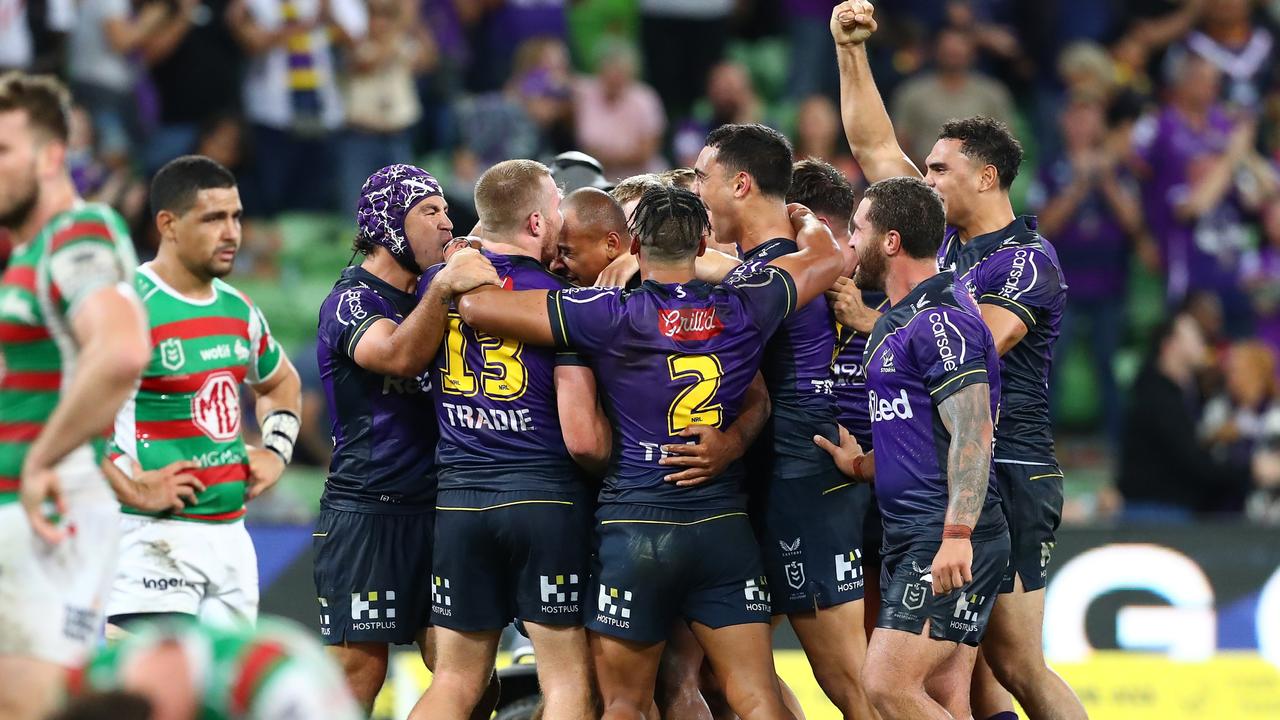
    In the brutal, unpredictable world of National Rugby League, few hoodoos loom as large or as unbreakable as the South Sydney Rabbitohs’ staggering 20-match losing streak against the Melbourne Storm on Melbourne home soil. Yet, as the two clubs prepare to clash on Anzac Day, the Bunnies find themselves presented with the best possible opportunity to finally slay this decades-long ghost, taking on a Storm side mired in a five-match losing slide and lingering near the bottom of the 2026 NRL ladder.

    The grim numbers behind the streak paint a picture of complete dominance from the Storm across every era and venue in Melbourne. Across seven clashes at the old Olympic Park stadium, Melbourne outscored South Sydney by a lopsided 288 points to just 42. Since the Storm moved to AAMI Park, the result has remained the same: the Rabbitohs have dropped all 13 matches played at the venue, with three of those losses coming by a single, devastating point that has only added to the curse’s reputation.

    Despite the weight of this historic failure, South Sydney’s leadership and playing group say they have deliberately avoided discussing the streak inside the change rooms, choosing instead to focus on the task at hand rather than the ghosts of matches past. Fresh off a dominant victory over the St. George Illawarra Dragons, where star fullback Latrell Mitchell turned in a career-defining performance with four tries, captain Cameron Murray says he refuses to give the hoodoo any extra mental weight.

    When asked what could finally make the unwanted streak change on Saturday night, Murray downplayed the significance of past results, pointing to the New Zealand Warriors’ recent end to their own 17-match losing skid against the Storm as proof that old records can be broken. “I honestly try not to think too much about records or any hoodoos or anything like that,” Murray told reporters. “It’s always a big challenge going down to Melbourne. They’ve been the top team, the pinnacle of this competition for a long time. Playing them in their backyard has proven to be a little bit extra hard coming up against a team like that. They’re always strong, Melbourne. We always have to be on our A-game and we have to be ready to work hard for a win.”

    While the Storm’s aura of invincibility appears to have fractured in the 2026 season, ravaged by a long list of key injury absences that have left the perennial powerhouse sliding down the ladder, Murray warned against underestimating Craig Bellamy’s side. He noted that the 2026 NRL season has been the most competitive in recent memory, with any side capable of pulling off an upset on any given weekend, rendering traditional form guides all but useless.

    “I haven’t been keeping too close an eye on how they’ve been going, but the competition’s hard now,” Murray said. “It’s probably more even than it has been in the past, and we’ve always maintained the fact that any NRL team who turns up on their day is a hard team to beat. I guess that’s just proven this year with the mixed results. Staying true to that mentality, Melbourne have got the talent and the skill across the park to be dangerous regardless of how they’ve started the season. They’ve got some world-class players in that team, so we certainly won’t be taking them lightly and we’ll certainly be preparing for a good Melbourne team.”

    For the Rabbitohs, one bright spot heading into the clash is the incredible try-scoring form of record-breaking winger Alex Johnston against the Storm. Across 15 career matches against Melbourne, Johnston has crossed for 17 tries, a haul that most strike forwards would envy over an entire career. Like his captain, Johnston says he has no interest in dwelling on the club’s historic losing streak, focusing instead on executing South Sydney’s game plan to get the win.

    “That’s the past and we’re here to do a job this week,” Johnston said. “It should be a good little trip down there and we’re in a good space. We’ve just got to focus on playing good footy ourselves. We haven’t spoken about it until now when you brought it up. We haven’t really spoken about it and we’re just here to play and focus on ourselves and play good footy.”

  • Iranians have long sought work and relative stability in Turkey. The war could force some to return

    Iranians have long sought work and relative stability in Turkey. The war could force some to return

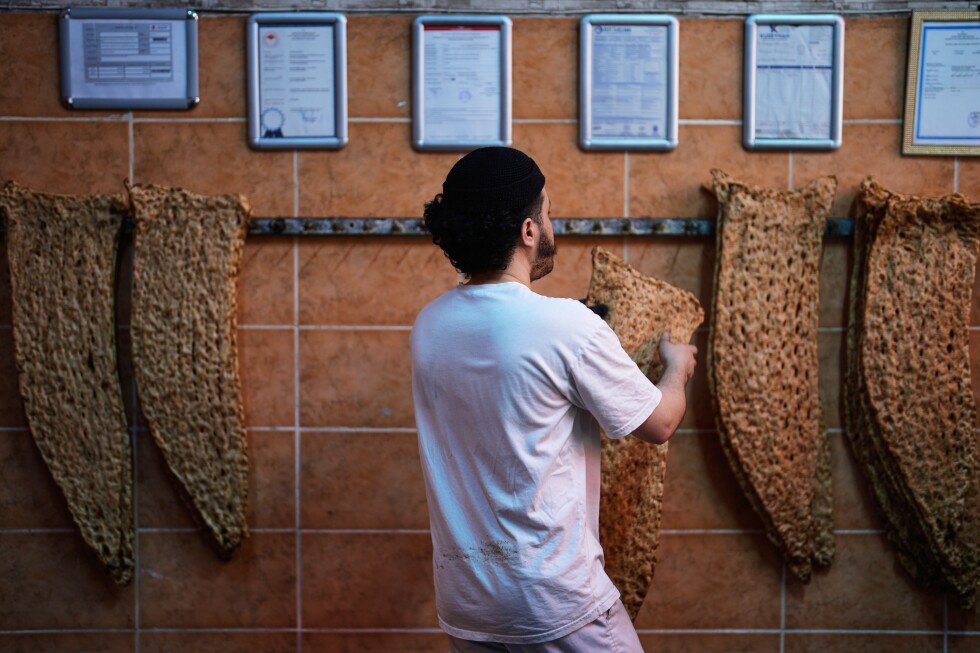
    For thousands of Iranians who built fragile new lives in neighboring Turkey, regional conflict has turned a precarious temporary existence into a daily fight for stability, separating families and forcing impossible choices between staying and returning to a homeland mired in violence.

  • Child safety staff suspended after bombshell review finds foster kids housed with triple-murderer Regina Arthurell

    Child safety staff suspended after bombshell review finds foster kids housed with triple-murderer Regina Arthurell

    A catastrophic failure of child protection protocols in New South Wales (NSW), Australia has sparked widespread public anger after a damning independent review revealed two vulnerable foster children were placed in the home of a convicted triple killer, despite an explicit warning raised with official child protection services.

    The NSW Department of Communities and Justice (DCJ) launched the review after Sydney radio outlet 2GB broke the story of the shocking placement last month. The investigation uncovered that a concerned individual first contacted the state’s official child protection helpline in December last year to flag that convicted serial killer Regina Arthurell, formerly known as Reginald Arthurell, was already living with one foster child.

    Rather than launching an urgent risk assessment, department staff dismissed the warning based on unsubstantiated assumptions about Arthurell’s age, wheelchair use and existing supervision arrangements. Shockingly, just three months later in March, a second foster child was approved to move into the same home.

    Arthurelle’s criminal record is one of the most serious in New South Wales justice history: the 50-year-old (who transitioned from male to female while serving a 24-year sentence for the 1995 murder of his fiancée) has three separate homicide convictions. In 1974, he was found guilty of stabbing his stepfather to death, followed by a 1981 conviction for killing a man during an armed robbery, before his 1995 conviction for bludgeoning his fiancée to death with a wooden plank. He was released from custody prior to the foster placement.

    The DCJ’s official review concluded that child safety was never made the central priority of the decision-making process that led to the placements. The investigation confirmed existing departmental policies and protocols were completely ignored, and required cross-checks within the department’s own case management system were never completed.

    “The offender’s history stood out as a clear indicator that they should not have been residing with children without a thorough, holistic risk assessment,” DCJ Secretary Michael Tidball stated in the official review report. “The safety of the children was not placed at the centre of decision-making. The review identified significant failures in casework practice, highlighting shortcomings in risk identification and assessment, triage, and safeguards within the child protection response for the children.”

    Following the release of the review’s findings, two senior child protection workers involved in the placement decisions have been suspended from duty. Tidball has referred the full report to the DCJ’s internal conduct division to launch a formal misconduct investigation, though no official findings against the workers have been published at this stage.

    NSW Minister for Families and Communities Kate Washington described the incident as an unacceptable failure that should never have occurred. “I was just so sorry that it had,” Washington told 2GB. “Not only have they made a determination based on unverified information about age and capacity, you know, the fellow was a serial killer.”

    Washington emphasized that the failure stemmed from individual wrong decisions that directly violated departmental rules, not a lack of system capacity or resources. “To be really clear, we had capacity in the system at the time for an investigation to be undertaken, we had the resources,” she said. “It was wrong calls made at the wrong time, but they are working in very difficult, complex environments. Our DCJ child protection caseworkers see the worst of the worst in our society, they walk into homes where parents are harming their children. There are difficult decisions made daily by our case workers, but we do expect them to follow department policies and procedures, and that’s what didn’t happen on these occasions that led to this awful situation.”

  • Trump extends Iran ceasefire with fate of Pakistan talks left uncertain

    Trump extends Iran ceasefire with fate of Pakistan talks left uncertain

    Hours before a two-week U.S.-Iran ceasefire was scheduled to expire on Tuesday, former U.S. President Donald Trump announced a vague extension of the truce, throwing the future of planned bilateral peace talks into deep uncertainty.

    In an official White House statement, Trump explained his decision to extend the ceasefire came at a formal request from Pakistan’s Chief of Army Staff Asim Munir and Prime Minister Shehbaz Sharif. He argued that Iran’s ruling government is “seriously fractured” and requires additional time to coalesce around a unified negotiating position to present to U.S. mediators. As part of the extension, Trump confirmed he has ordered U.S. military forces to maintain the ongoing naval blockade of Iran, with the truce remaining in place until Iran submits its formal proposal.

    The two-week initial ceasefire has largely held across the region, bringing a much-needed reprieve to both sides. For Iran, which has endured heavy airstrikes from the U.S., Israel, and U.S.-aligned Gulf Arab allies, the truce halted widespread destructive attacks. For oil-rich Gulf states, which faced thousands of incoming Iranian ballistic missile and drone strikes in preceding weeks, the ceasefire similarly ended persistent security threats.

    Instead of continuing offensive strikes, Trump adopted a strategy of naval blockade, framed as a response to Tehran’s seizure of partial control over the Strait of Hormuz and its selective permission for commercial vessels to transit the critical waterway. On Tuesday, the U.S. military carried out its first high-profile action under the blockade: U.S. troops boarded the crude oil tanker *Tifani* in the Indian Ocean via helicopter, seizing the vessel that had already been sanctioned for transporting Iranian crude oil to China. The U.S. Department of War published official footage of the operation to the public.

    Speaking to CNBC on Tuesday, Trump asserted that the blockade was delivering successful results, claiming “We totally control the Strait, just so you understand, for all the fake news out there.” However, his claim directly contradicts reporting from independent maritime intelligence groups, which confirm Iranian commercial vessels continue to transit the Strait of Hormuz and Gulf of Oman – areas where U.S. naval forces are concentrated. Leading maritime publication Lloyd’s List reported that at least 26 vessels have successfully bypassed the U.S. blockade to date, including 11 tankers carrying Iranian oil cargo.

    This conflicting account is just the latest example of inconsistent messaging from the Trump administration on its Iran policy. The collapse of planned talks has further muddied the outlook: just this week, global attention was focused on Vice President JD Vance, who was widely expected to travel to Pakistan for a second round of direct negotiations with Iranian delegates. CNN later reported Tuesday afternoon that Vance remained at the White House alongside Trump, joined by Secretary of State Marco Rubio and Secretary of War Pete Hegseth for emergency consultations.

    Iran has already ruled out participation in the planned talks, blaming excessive U.S. demands for the breakdown. Semi-official Iranian news agency Tasnim reported Tuesday that Tehran had already canceled plans to send a negotiating delegation to Islamabad, arguing that engaging with U.S. mediators would be a waste of time while Washington continues to obstruct any mutually acceptable agreement.

    Tensions have further escalated amid new Iranian threats. The Islamic Revolutionary Guard Corps (IRGC) warned Tuesday that it would shut down all oil production across the Persian Gulf if any new attacks against Iran are launched from Gulf Arab states. “The southern neighbours should know that if their geography and facilities are used in the service of the enemies to attack the Iranian nation, they should bid farewell to oil production in the Middle East,” Fars News Agency quoted IRGC Aerospace Force Commander Majid Mousavi as saying.

    The breakdown of talks has sent a shockwave through the Middle East, reintroducing widespread uncertainty across the region just one week after rising diplomatic optimism. Last week, hopes for a diplomatic breakthrough grew significantly after the Trump administration announced a ceasefire in Lebanon, a core precondition Iran had set for advancing negotiations.

    This report was originally compiled by Middle East Eye, an independent outlet specializing in coverage of the Middle East and North Africa region.

  • Trump extends US ceasefire with Iran

    Trump extends US ceasefire with Iran

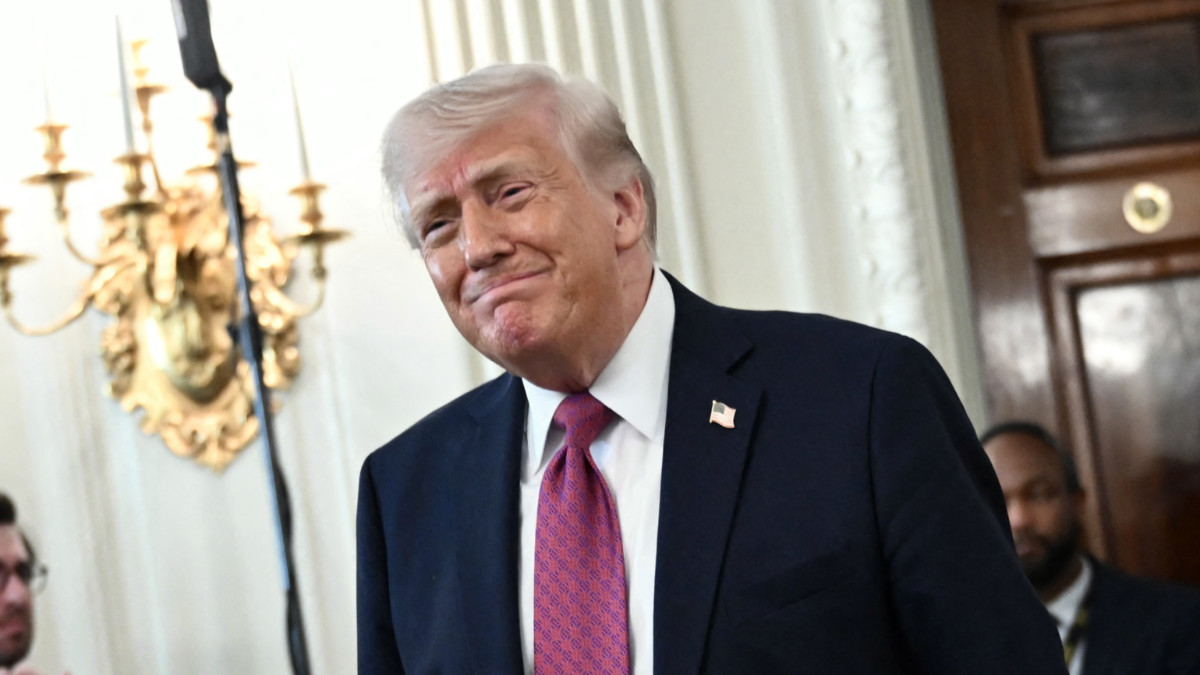
    WASHINGTON D.C. – U.S. President Donald Trump announced Tuesday that he will extend the ongoing temporary truce between the United States and Iran, just one day before the original two-week ceasefire was scheduled to expire Wednesday evening.

    In a public post shared to his social media platform Truth Social, Trump outlined the key factors that led to his decision to extend the pause in offensive actions. He cited two core drivers: the well-documented, widely anticipated deep internal political fracture within Iran’s governing institutions, and a formal request from top Pakistani leaders to hold off on any planned military strikes against Iran.

    “Upon the request of Field Marshal Asim Munir, and Prime Minister Shehbaz Sharif, of Pakistan, we have been asked to hold our Attack on the Country of Iran until such time as their leaders and representatives can come up with a unified proposal,” Trump wrote in the post.

    The U.S. president confirmed the ceasefire will remain in place indefinitely for the time being, staying active until Iranian representatives submit their unified proposal and bilateral discussions reach a conclusion, regardless of the final outcome of those talks.

    While offensive military operations will remain on hold, Trump emphasized that the U.S. military will maintain its current blockade of Iran and will stay fully postured to respond to any emerging threats. He noted U.S. forces remain “ready and able” to carry out any necessary actions if the negotiated process fails to deliver an acceptable outcome.

    The extension marks a temporary de-escalation of tensions between the two nations, which had spiked in recent weeks ahead of the original truce taking effect, and leaves the window open for diplomatic efforts to resolve ongoing disputes through negotiation rather than military conflict.

  • ‘She’s insane’: NSW squad unveiled for State of Origin opener, with star making shock move to forwards

    ‘She’s insane’: NSW squad unveiled for State of Origin opener, with star making shock move to forwards

    The New South Wales Blues have dropped a major selection bombshell for the opening match of the 2024 State of Origin women’s series, with superstar outside back Tiana Penitani Gray set to make an unprecedented positional shift to the forward pack. The announcement, made by head coach John Strange at the iconic Sydney Opera House, has turned pre-series expectations on their head just one week out from kickoff in Newcastle.

    Strange said the call to move Penitani Gray into the starting second row was anything but a gamble. The coach revealed it took just 13 minutes of an internal trial for him to be convinced that the versatile Sharks star, who has previously played wing, centre and five-eighth for NSW, had all the tools to excel in an unfamiliar forward role. Calling the selection a “no-brainer”, Strange pushed back on any criticism of his unorthodox approach to team selection, noting his eye for matching player attributes to untraditional positions has worked in the past.

    “I know I look at football differently to most coaches and most people, but I just look at the physical attributes they’ve got and the mindset they have,” Strange explained. “If you sit down and put all those down on a list, she ticks every box to be an outstanding back-rower. We’ve seen her in the centres, she loves running lines, which is a courage thing that not everyone has. She’s also a great defender, a really good communicator – which you need in the back row to coordinate the middle and edge on defense – and she’s incredibly aggressive.”

    Strange pointed to his successful conversion of former sevens winger Yasmin Meakes into a top-tier back-rower during his time coaching the Roosters as a precedent for the shift. “I did the same with Yasmin Meakes when I coached her at the Roosters,” he said. “I just said to her one day, ‘I’m going to put you in the back row because I think you’re going to be very good there because of those personal characteristics and a mindset’. Tiana, it’s a no-brainer for me. I think she’ll be outstanding there.”

    To accommodate Penitani Gray’s promotion to the starting forward line, Strange moved veteran edge forward Kezie Apps to an interchange spot. He also passed over the chance to select his own daughter Jasmin, who participated in the squad’s six-week pre-series camp, in favour of the high-risk, high-reward move for Penitani Gray.

    Another major feel-good story in the 17-person squad is the return of front-rower Millie Elliott, who is back in the Blues side 12 months after stepping away to give birth to her first child, Gigi. Elliott, who missed last year’s victorious series, has impressed throughout pre-selection camps, with NSW captain Isabelle Kelly revealing her fitness testing results are already identical to her pre-pregnancy levels.

    Rounding out the squad is young speedster Teagan Berry, who will make her State of Origin debut off the interchange bench. Berry earned her call-up after a stellar NRLW season with the Dragons, where she notched a prolific try-scoring record to catch the selectors’ eyes. Aside from Penitani Gray’s positional shift, the squad remains largely settled, retaining most of the core group that secured a 2-1 series win over Queensland last year.

    Kelly, who has played alongside Penitani Gray for years, has thrown her full support behind the positional experiment, saying the team’s vice-captain has all the qualities to thrive in the new role. “I think wherever ‘T’ plays, she’s incredible,” Kelly said. “I spoke to her as soon as the selection started… I just said, ‘Hey, big back-rower!’ There’s no one else I’d rather trust there. When you see the way T plays and how she can run the ball with the strength and the physicality that she has, it’s second to none. She’s a vice-captain to me and really helps me out with a lot of leadership skills, and I think when she plays, she showcases why she’s such a great leader. So no matter where that girl plays, she’ll always be incredible.”

    Of Elliott’s return, Kelly added: “She’s insane. We had a few compulsory sessions for the Roosters leading back in the back end of last year when she started with a lot of testing, and I’m pretty sure her testing results were the same before she went away to have the baby, so she’s insane. I think Millie’s mindset is something that’s very unique. She’s able to push herself in the times that a lot of people can’t and finds those one-percenters to be better every single time. I think her hard work and how many minutes she can play at that intensity is something that can help us really out there. She’s going to be great, and she’s got that extra motivation now with Gigi and wanting to be performing at a high level as well to showcase to her when she’s eventually older what she can do.”

    The first game of the 2024 State of Origin women’s series will kick off next Thursday in Newcastle, with the Blues looking to defend their 2023 title against a yet-to-be-announced Queensland side.