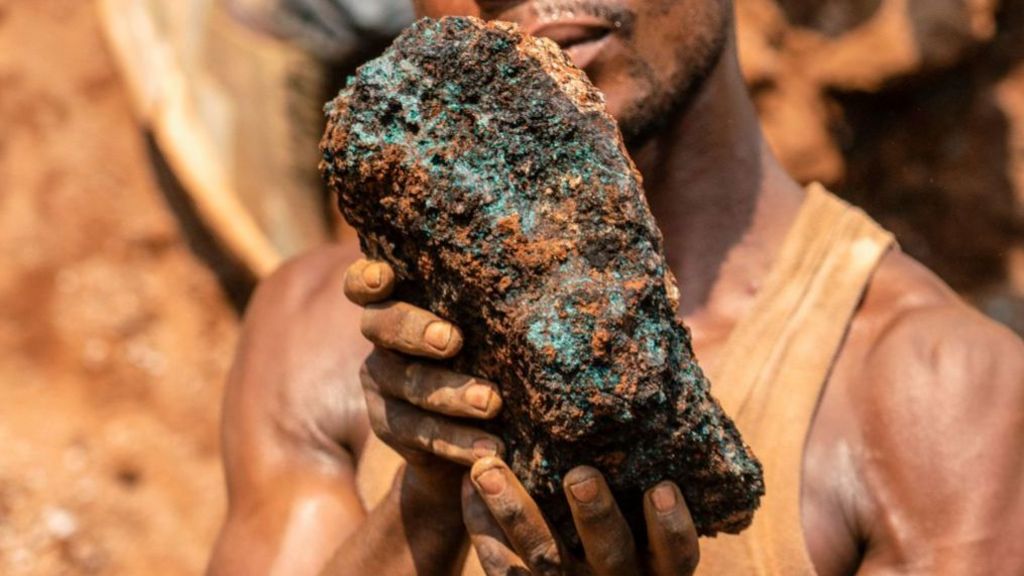
A devastating bridge collapse at a cobalt mine in the Democratic Republic of Congo (DR Congo) has resulted in the deaths of at least 32 people, with rescuers still searching for survivors. The incident occurred at the Kalando mine in the southern Lualaba province on Saturday, where unauthorized miners had forcibly entered the site despite a ban. According to local official Roy Kaumba Mayonde, military personnel guarding the mine reportedly fired shots, causing panic among the miners. In their haste to flee, the miners overloaded a makeshift bridge, leading to its collapse. The military has yet to comment on these allegations. DR Congo, the world’s largest supplier of cobalt—a critical component for electric vehicle batteries—has long struggled with safety and regulation in its artisanal mining sector. Approximately 1.5 to 2 million people work in this unregulated industry, which supplies copper, cobalt, and other minerals to global markets. Mayonde described the incident as “tragic” and highlighted the recurring issue of illegal miners invading mining concessions. The miners had constructed the unstable bridge themselves, which could not withstand the sudden rush of people. Unverified images on social media show the aftermath, with locals witnessing the grim scene. Congolese authorities have urged artisanal miners to consider government-sponsored training in agribusiness to prevent such tragedies. The cobalt extraction process in DR Congo has been marred by allegations of child labor, human rights abuses, and corruption, further complicating the industry’s challenges.
博客
-
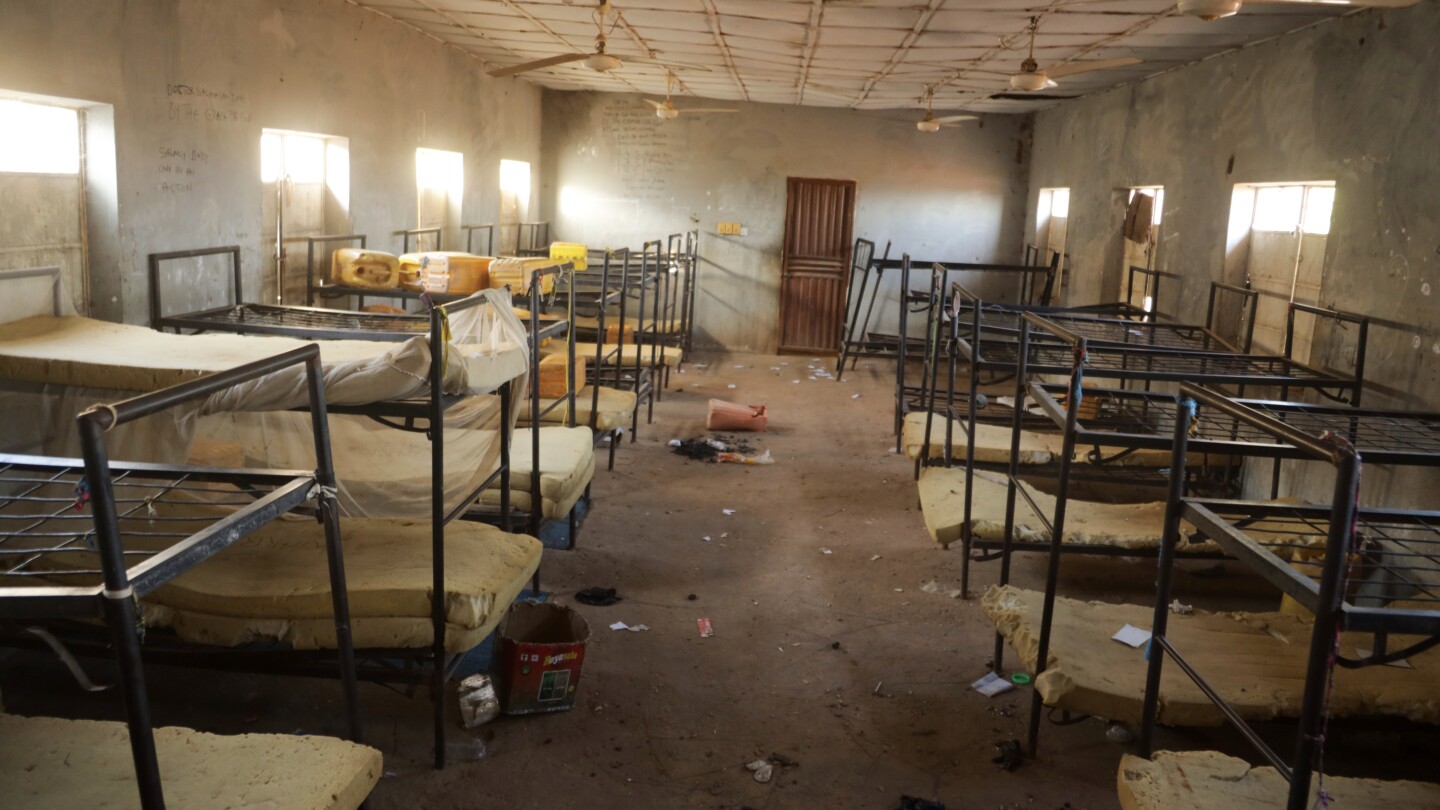
Gunmen abduct 25 girls from a high school in northwestern Nigeria
In a brazen pre-dawn attack on Monday, armed assailants stormed a boarding school in Nigeria’s northwestern Kebbi state, abducting 25 schoolgirls and killing at least one staff member. The incident, which occurred in the Maga area of Danko-Wasagu, underscores the persistent security challenges plaguing the region. Police spokesperson Nafi’u Abubakar Kotarkoshi confirmed the attackers, armed with sophisticated weapons, engaged in a firefight with guards before seizing the students from their dormitories at 4 a.m. No group has yet claimed responsibility for the abduction, and the motives remain unclear. A coordinated search and rescue operation is underway, with security forces combing suspected escape routes and surrounding forests. One fatality and one injury were officially reported, though a local resident claimed two deaths occurred during the raid. Nigeria has faced escalating violence from armed bandits, who frequently kidnap for ransom, particularly in the mineral-rich but poorly policed northern regions. While not linked to militant groups like Boko Haram, these bandits have terrorized communities, targeting schools since the infamous 2014 Chibok abduction, which saw 276 students taken. Despite some progress in reducing school raids through enhanced security measures, the latest incident highlights the ongoing vulnerability of educational institutions in the region.
-
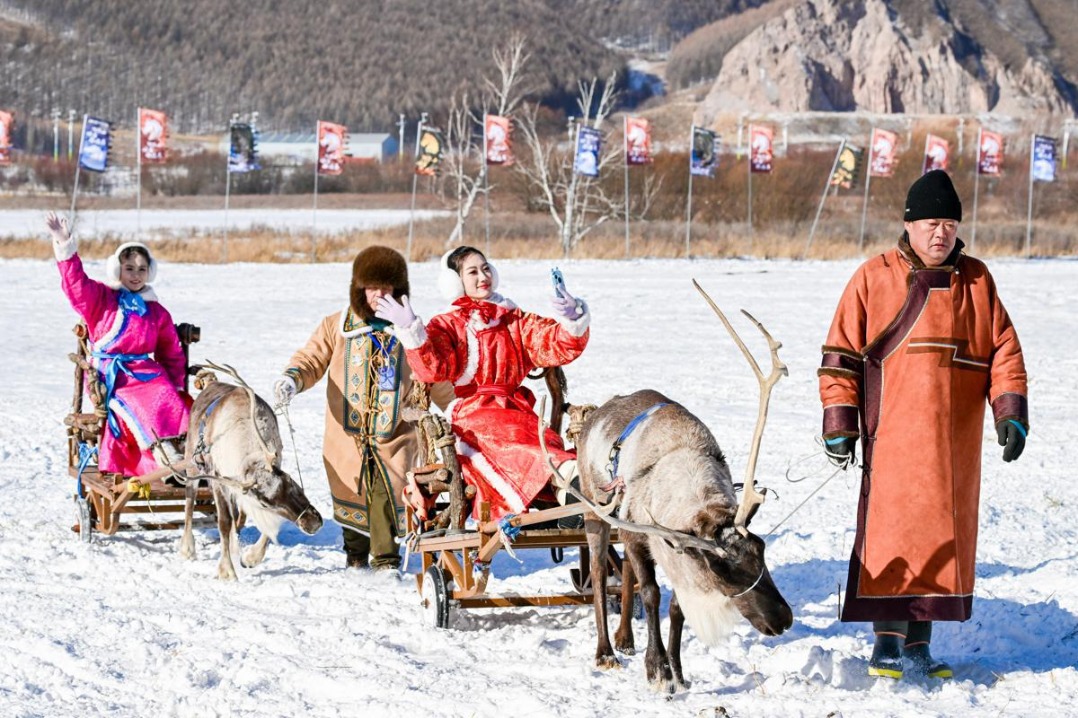
Arxan’s six-month winter tourism season kicks off in Inner Mongolia
The 2025-2026 winter tourism season officially commenced on Saturday in Arxan, located in the Hinggan League of Inner Mongolia Autonomous Region. This event marks the beginning of a six-month celebration, highlighted by the 20th Arxan Ice and Snow Festival. The festival’s launch followed a winter tourism news conference held in the city on Friday, where five key winter activities were unveiled. The centerpiece of these activities is a ‘1+6’ model of winter routes, which combines snow-based activities with the city’s renowned hot springs. Despite its small population of just 30,000 residents, Arxan has emerged as a remarkable tourism success. Official statistics reveal that from January to October, the city welcomed over 6.14 million tourists, generating a revenue of 7.68 billion yuan ($1 billion). This figure equates to hosting more than 200 times its population, underscoring the city’s growing appeal as a winter destination.
-
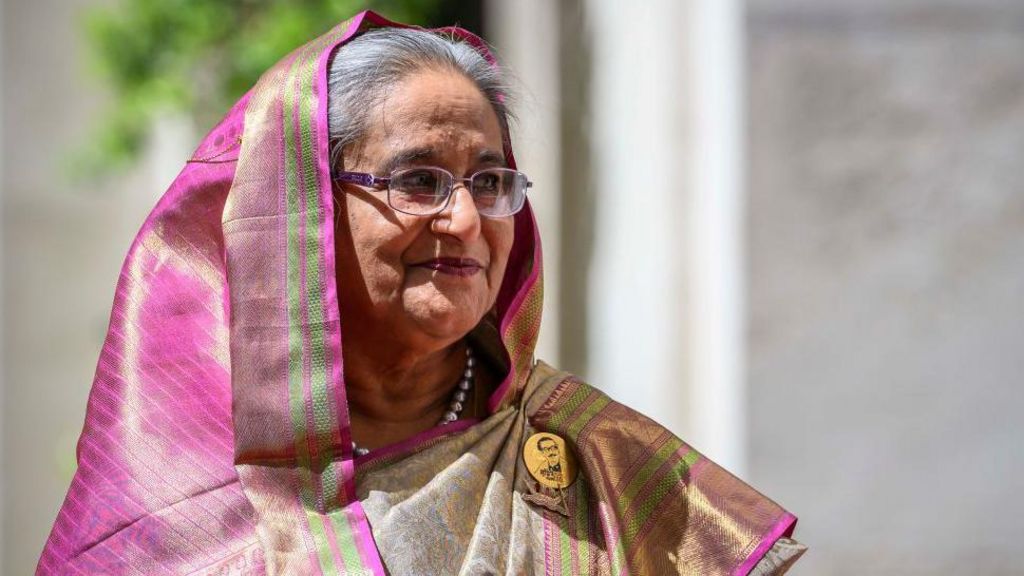
Bangladesh’s ousted leader Sheikh Hasina sentenced to death
In a landmark ruling, Bangladesh’s former Prime Minister Sheikh Hasina has been sentenced to death by the International Crimes Tribunal (ICT) for her role in the violent crackdown on student-led protests in 2024, which resulted in the deaths of 1,400 individuals. The verdict, delivered in absentia, marks a significant moment in Bangladesh’s political landscape, as Hasina has been in exile in India since her ousting in July 2024. The tribunal found her guilty of authorizing the use of lethal force against protesters, a charge she vehemently denies, labeling the trial as “biased and politically motivated.”
The protests, initially sparked by demands to abolish government job quotas, quickly escalated into a broader anti-government movement. A UN report in February highlighted the severity of the crackdown, describing the killings as potential “crimes against humanity.” Leaked audio verified by the BBC suggested Hasina had authorized the use of “lethal weapons” during the unrest, which was presented as evidence during the trial.
Families of the victims have welcomed the verdict, with many calling for severe punishment. Ramjan Ali, whose brother was killed during the protests, expressed a desire for “exemplary punishment” for Hasina and others involved. Lucky Akther, who lost her husband, emphasized the need for the sentence to be carried out before the next election to bring closure to the bereaved families.
The verdict has intensified political tensions in Bangladesh, with the interim government banning Hasina’s Awami League party in May. Hasina has warned that millions might boycott the upcoming 2026 election if her party’s candidates are barred from participating. The ruling also poses a diplomatic challenge for India and Bangladesh, as Dhaka has requested her extradition, a move India has yet to comply with.
While the sentence offers some closure to the victims’ families, it is unlikely to heal the deep political divisions in the country. Rights activists and observers have noted that without an apology or remorse from Hasina and her party, the Awami League’s path to political rehabilitation remains uncertain.
-
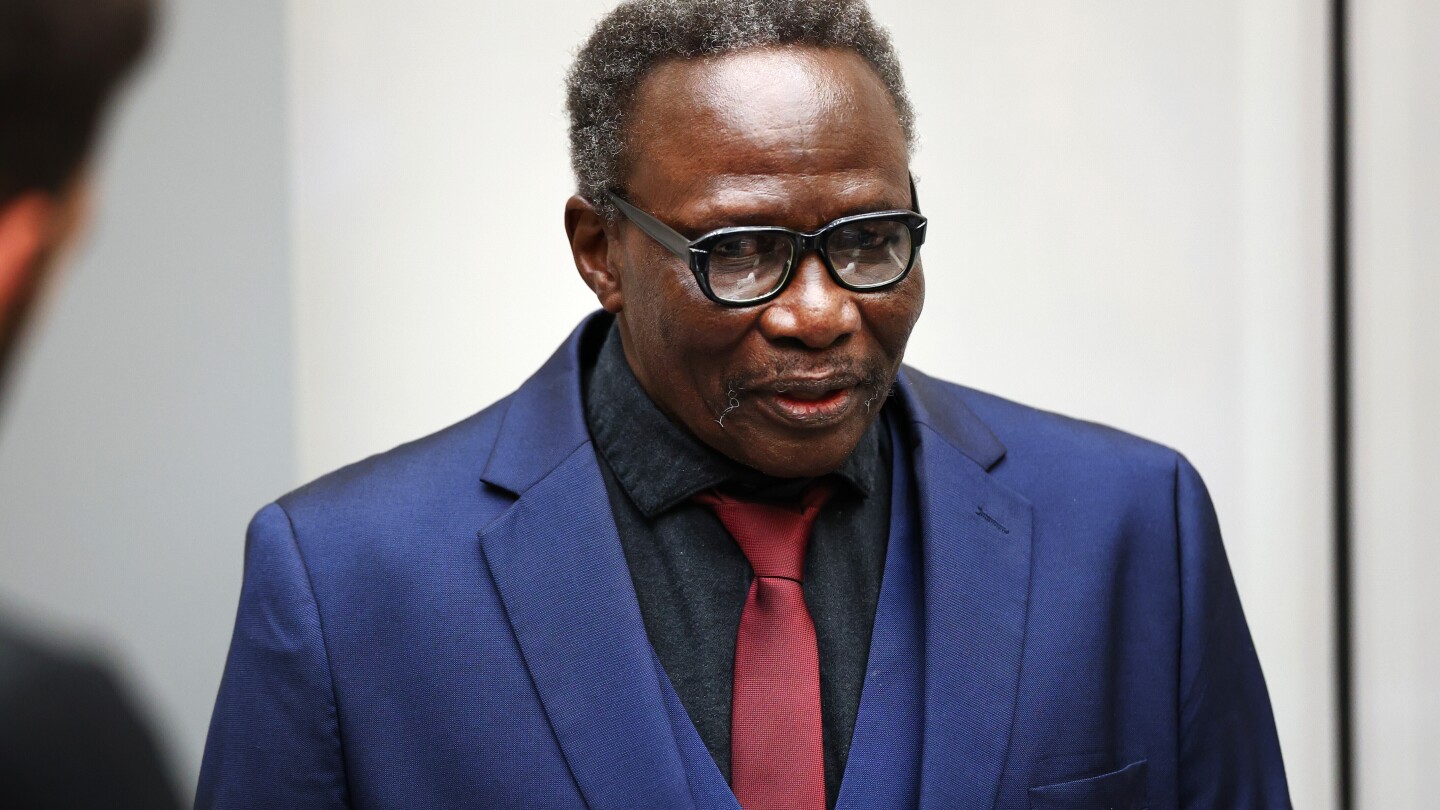
ICC prosecutors seek life sentence for Janjaweed leader convicted of Darfur crimes
In a landmark case at the International Criminal Court (ICC) in The Hague, prosecutors have demanded a life sentence for Ali Muhammad Ali Abd-Al-Rahman, a senior leader of the notorious Janjaweed militia. Abd-Al-Rahman, also known as Ali Kushayb, was convicted last month on 27 counts of war crimes and crimes against humanity, including mass executions, rapes, and the brutal ax murders of two prisoners during the Darfur conflict in 2003-2004. This marks the first ICC conviction related to the Darfur atrocities. Prosecutor Julian Nicholls emphasized the defendant’s active and enthusiastic participation in these crimes, stating, “You literally have an axe murderer before you.” Abd-Al-Rahman, who surrendered in 2020, initially pleaded innocent, claiming mistaken identity, but judges dismissed his defense, citing evidence of his self-identification in a video. His defense team has requested a seven-year sentence, which could see the 76-year-old released within 18 months due to time served. The Darfur conflict, sparked by an insurgency against the Arab-dominated Sudanese government, led to widespread violence, with up to 300,000 deaths and 2.7 million displaced. Former President Omar al-Bashir, also charged by the ICC, remains unextradited. The sentencing hearing coincides with renewed violence in Sudan, where clashes between the military and paramilitary Rapid Support Forces have claimed over 40,000 lives and displaced 12 million people since 2023.
-
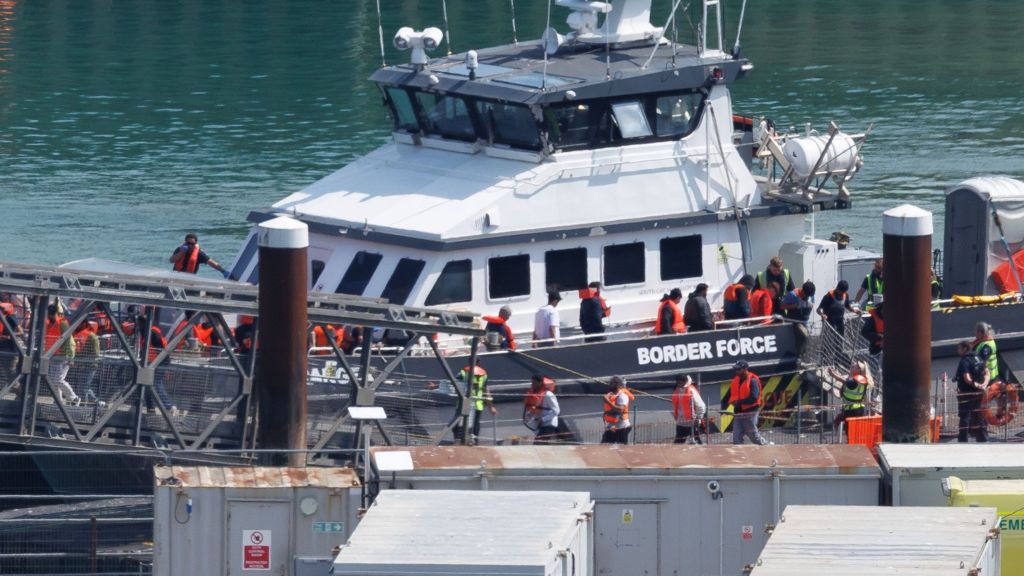
Fast-track deportations to be announced as part of asylum reforms
The UK government has announced a series of bold reforms to its asylum and immigration policies, spearheaded by Home Secretary Shabana Mahmood. The plans include fast-tracking the deportation of illegal migrants and overhauling human rights laws to address the record-high number of asylum claims. Under the new measures, individuals granted asylum will be returned to their home countries if those nations are deemed safe at any point, and they must wait 20 years to apply for permanent residency—a significant increase from the current five-year requirement. Additionally, the UK will suspend visa issuance for citizens of three African countries—Angola, Namibia, and the Democratic Republic of Congo—if their governments fail to improve cooperation on deportation processes. The reforms also aim to streamline the appeals system, which currently faces a backlog of over 50,000 cases, by limiting appeals to a single attempt and expediting the removal of foreign criminals. Successful asylum seekers will face stricter conditions, including biennial reviews of their status and the potential loss of housing and financial allowances. The government plans to adopt a Danish-inspired model, seizing assets like cars and e-bikes to cover accommodation costs, though sentimental items such as wedding rings will be exempt. Critics, including some Labour MPs and refugee advocacy groups, argue that the reforms risk creating prolonged uncertainty and alienation for asylum seekers. However, the government maintains that these measures are necessary to restore public trust and control over immigration. The Home Office has also signaled intentions to reform Article 3 and Article 8 of the European Convention on Human Rights, which have been used to block deportations in certain cases. While the reforms have drawn mixed reactions, they underscore the government’s commitment to addressing the challenges posed by illegal migration and asylum claims.
-
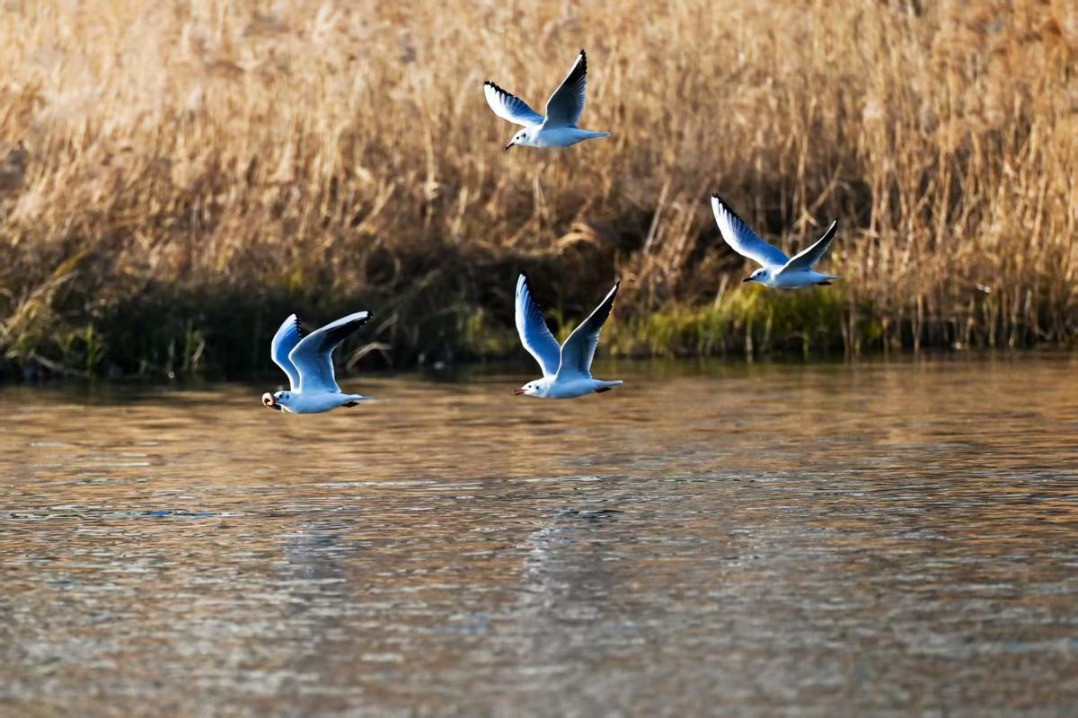
Red-billed gulls gather at Yitong River in Changchun
In the crisp early winter days of Changchun, Jilin province, the Yitong River has become a temporary haven for a flock of red-billed gulls. These migratory birds, en route to warmer southern regions, have gathered near the river, creating a stunning natural spectacle. Their presence has drawn a diverse crowd of tourists, avid photographers, and birdwatching enthusiasts, all eager to witness this seasonal phenomenon. The sight of the gulls, with their distinctive red bills and graceful flight, has added a vibrant touch to the serene winter landscape. This event not only highlights the ecological significance of the Yitong River as a stopover for migratory birds but also underscores the growing interest in wildlife conservation and eco-tourism in the region.
-
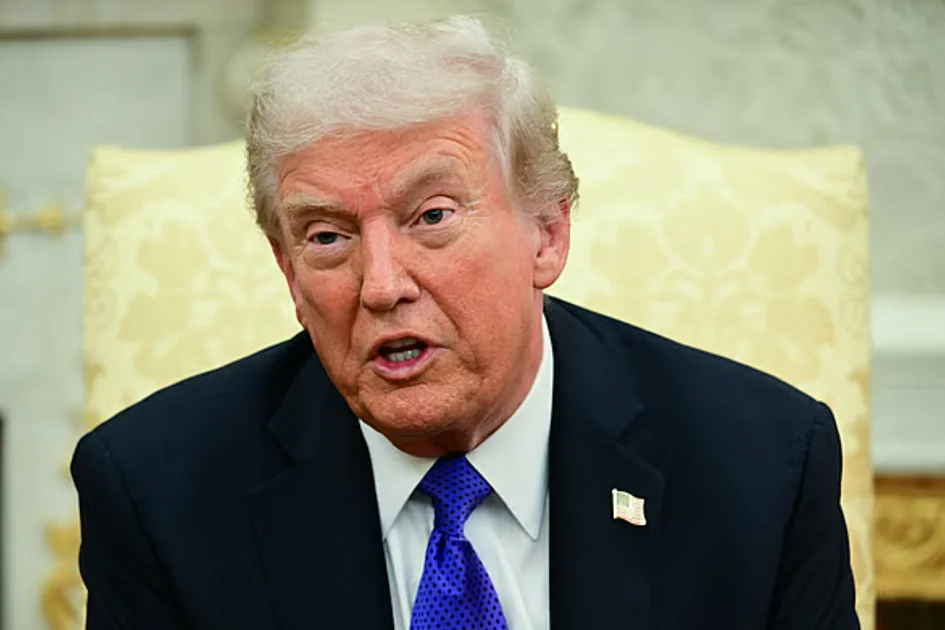
Trump says House Republicans ‘should vote’ to release Epstein files
In a surprising shift, former US President Donald Trump has called on House Republicans to vote for the release of documents related to the late convicted sex offender Jeffrey Epstein. This move marks a reversal from his previous stance, as Trump had initially resisted such actions. The announcement came via a post on his Truth Social platform, where he emphasized the need for transparency, stating, ‘House Republicans should vote to release the Epstein files, because we have nothing to hide.’ Trump framed the issue as a Democratic ‘hoax’ aimed at undermining Republican successes, including their recent victory in averting a government shutdown.
-
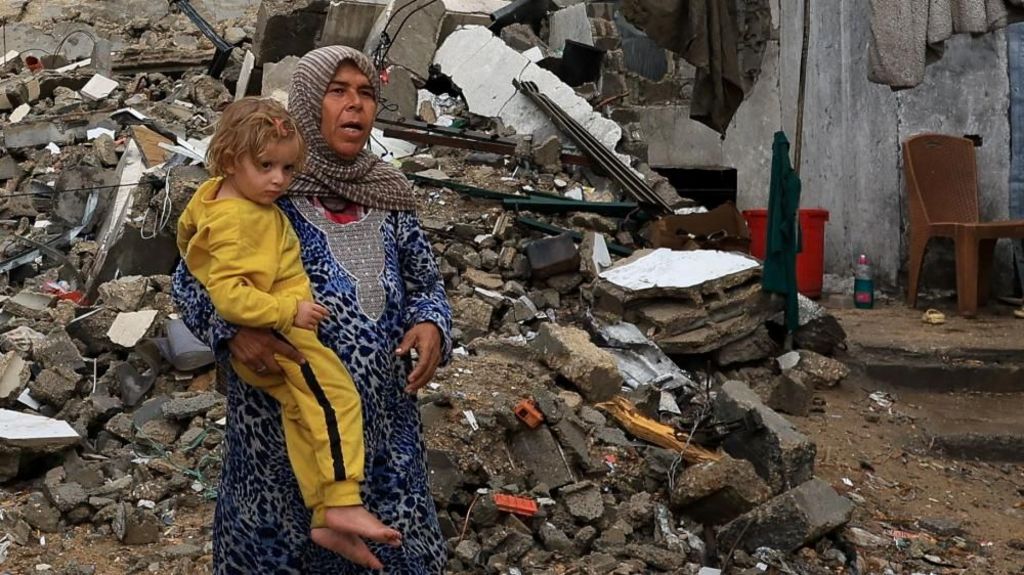
UN Security Council to vote on Trump peace plan for Gaza
The United Nations Security Council is poised to vote on a draft resolution supporting former U.S. President Donald Trump’s comprehensive peace plan for Gaza. The proposal, submitted by the United States, outlines the deployment of an International Stabilization Force (ISF) and the establishment of a transitional administration in the region. While the U.S. claims several unnamed nations have pledged contributions to the ISF, its precise mandate—whether to enforce Hamas’s disarmament or serve as a peacekeeping entity—remains ambiguous. This initiative is a cornerstone of Trump’s 20-point strategy, which recently facilitated a ceasefire in the two-year conflict between Israel and Hamas. The draft resolution also cautiously introduces the concept of a Palestinian state, a notion vehemently opposed by Israel. Intense negotiations have surrounded the text, with Washington cautioning that rejection could reignite hostilities. Beyond authorizing the ISF, which would collaborate with Israel and Egypt, the draft advocates for the creation of a newly trained Palestinian police force in Gaza, replacing the current Hamas-controlled authority. Reports suggest the ISF would focus on disarming non-state armed groups, including Hamas, while safeguarding civilians and humanitarian corridors. Hamas, however, has denounced the resolution as ‘dangerous,’ rejecting any foreign military presence and disarmament clauses, which it views as an infringement on Palestinian sovereignty. The draft also proposes a Board of Peace, likely led by Trump, to oversee a temporary technocratic administration tasked with Gaza’s reconstruction. Amid pressure from key Arab states, the text hints at a potential future Palestinian state, though it stops short of explicitly endorsing one. This inclusion has drawn sharp criticism from Israeli Prime Minister Benjamin Netanyahu, who reiterated Israel’s unwavering opposition to a Palestinian state west of the Jordan River. Trump’s plan has temporarily halted the Israel-Gaza conflict, which erupted after Hamas’s October 7, 2023, attack on Israel, resulting in significant casualties and hostages. The Hamas-run health ministry reports over 69,483 Palestinian deaths since the conflict began.
-
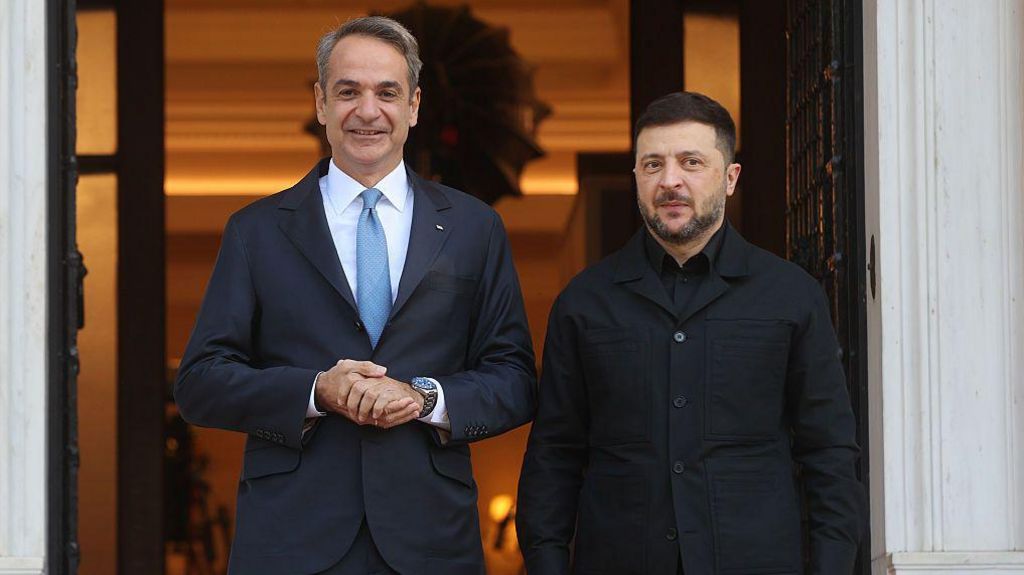
Ukraine to import US liquefied natural gas via Greece
In a significant move to enhance Ukraine’s energy resilience during the ongoing conflict, vital supplies of US liquefied natural gas (LNG) are set to flow into the war-torn nation this winter via a pipeline traversing the Balkans. This development follows a high-profile meeting between Ukrainian President Volodymyr Zelensky and Greek Prime Minister Kyriakos Mitsotakis in Athens on Sunday. Mitsotakis emphasized Greece’s role in increasing the influx of American LNG to its terminals, aiming to ‘replace Russian gas in the region.’
The European Commission has outlined plans to completely halt Russian gas imports to EU member states by the end of 2027, citing concerns that such revenues fund Russia’s military operations in Ukraine. Meanwhile, Zelensky has shifted his focus to France, engaging in discussions with President Emmanuel Macron regarding a major air defense hardware deal.
Amid these diplomatic efforts, the conflict on the ground remains intense. Overnight, Russian attacks in the Kharkiv, Kherson, and Donetsk regions reportedly claimed six lives, while Russia’s military announced the capture of three additional Ukrainian villages. These reports, however, remain unverified.
Speaking in Athens, Zelensky revealed that American LNG deliveries are scheduled to commence in January. ‘We rebuild each time the Russians destroy, but this requires significant time, effort, and resources,’ he stated. Mitsotakis affirmed Greece’s commitment, declaring, ‘Greece is becoming an energy security provider for your homeland.’
According to Reuters, Ukraine has allocated nearly €2 billion to cover gas imports through March, leveraging funds from European partners, banks under European Commission guarantees, and Ukrainian financial institutions. Since 2015, Ukraine has relied on EU states for gas supplies, bypassing direct purchases from Russia. The Soviet-era Trans-Balkan pipeline, linking Ukraine to Greek LNG terminals via Moldova, Romania, and Bulgaria, plays a pivotal role in this arrangement.
On Monday, Zelensky’s visit to France included an inspection of Rafale fighter jets, the SAMP-T air defense system, and several drone systems at Villacoublay airbase near Paris. He also reviewed the nascent headquarters of a planned multinational force, which may eventually oversee a Ukraine-Russia ceasefire.
The conflict, which began with Russia’s full-scale invasion in February 2022, has resulted in tens of thousands of casualties, predominantly soldiers, and displaced millions of civilians. As Ukraine continues to navigate the dual challenges of war and energy security, international support remains crucial.