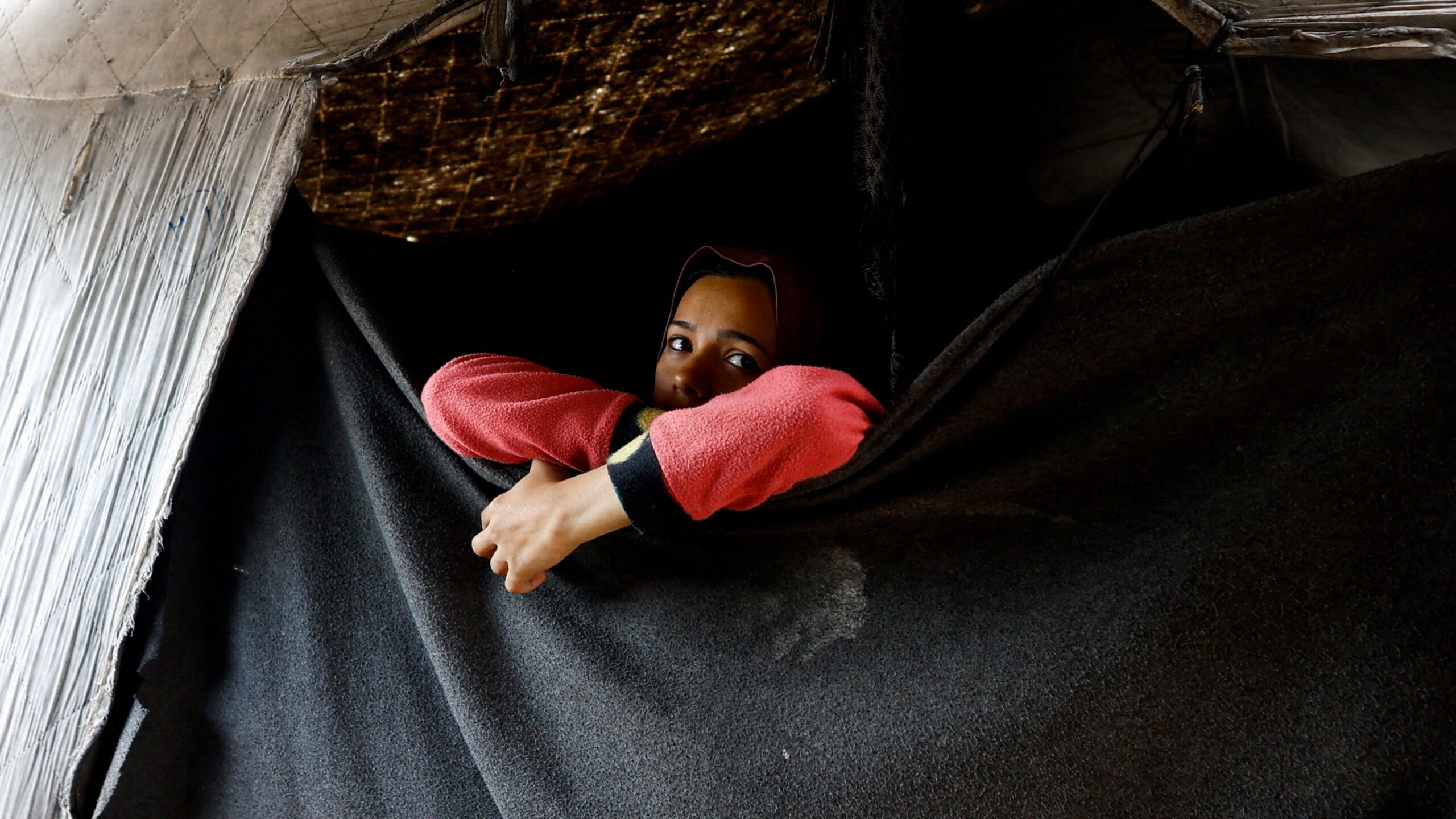
Israeli authorities have reportedly expelled dozens of Palestinian patients from hospitals in Jerusalem, sending them back to the Gaza Strip on Monday. These patients, along with their families, had initially traveled to Jerusalem for medical treatment before the outbreak of the October 2023 conflict and had remained in the city since. While some had completed their treatment and expressed a desire to return home, concerns have been raised that others were forcibly deported. According to local media, two buses carrying patients and their families arrived at the Kerem Abu Salem crossing between Gaza and Israel on Monday morning. At least 89 individuals, including children born in Jerusalem, were set to be deported. Unnamed sources cited by Arab48 expressed serious concerns about the safety and conditions of the transfer, particularly given the dire state of Gaza’s healthcare system. Many of the patients fear returning to Gaza, where the health infrastructure has been devastated by Israel’s ongoing military campaign. Since the war began, over 94 percent of medical facilities in Gaza have been damaged or destroyed, leaving only a handful of health centers partially operational. Hospitals have been bombed, raided, and stripped of essential supplies, while thousands of medical workers have been killed or detained. The relentless bombardment has overwhelmed the remaining healthcare services, resulting in the deaths of over 9,300 wounded and sick Palestinians since October 2023 due to the collapse of medical care and Israel’s ban on medical evacuations. With the Rafah crossing sealed since Israel’s invasion in May 2024, approximately 20,000 injured and ill individuals are now stranded, awaiting an opportunity to seek treatment abroad.
博客
-

Was Gattuso right – is World Cup qualifying unfair on Europe?
Italy’s national football team is facing the possibility of missing the World Cup for the third consecutive time after a crushing 4-1 defeat to Norway on Sunday. This loss has forced Italy into the play-offs for the 2026 World Cup, which will be hosted across Canada, Mexico, and the United States. Head coach Gennaro Gattuso has voiced his frustration with FIFA’s qualification process, arguing that it unfairly disadvantages European teams like Italy. Despite winning six of their eight qualifying matches, Italy finished second in their group, leaving them to navigate a challenging play-off route. Gattuso highlighted the disparity in direct qualification slots, noting that South America and Africa receive more automatic berths relative to their number of participating nations. He also pointed out that the current system, which includes smaller qualifying groups, increases the intensity of the competition. However, some of Gattuso’s claims contain inaccuracies, such as his assertion about African teams in the 1990s. Critics argue that Italy’s struggles are more a reflection of their performance than the system itself. The debate raises broader questions about the fairness of FIFA’s allocation of World Cup slots across different confederations. With 54 UEFA nations competing for just 16 spots, Europe’s share has decreased significantly over the years, despite its strong representation in global rankings. As Italy prepares for the play-offs, Gattuso’s call for reform may spark further discussion about the future of World Cup qualification.
-

Appinventiv expands Middle East presence with new Dubai office to support GCC clients
Appinventiv, a leading technology solutions provider, has unveiled its new regional office in Dubai, solidifying its commitment to the Gulf Cooperation Council (GCC) market. Situated on the 6th floor of Meydan Grand Stand in Nad Al Sheba, the office will serve as a hub for delivering cutting-edge mobile development, digital transformation, and emerging technology services to public and private sector clients across the Middle East and North Africa (MENA).
The expansion comes in response to growing demand for localized technology expertise in the GCC, where businesses face unique challenges such as Arabic-first design, right-to-left interfaces, and cultural nuances often overlooked by Western providers. Saurabh Singh, CEO and Director of Appinventiv, emphasized the importance of establishing a physical presence to better understand and address client needs. ‘Being on the ground allows us to respond with greater speed and precision,’ he stated.
Singh also highlighted the necessity of integrating local payment systems like Telr and Network International, as well as adhering to region-specific compliance standards such as the UAE’s NESA requirements, Saudi Arabia’s SAMA cybersecurity guidelines, and Qatar’s data sovereignty regulations. These factors underscore the complexity of digital transformation in the GCC.
Prior to the launch, Appinventiv conducted extensive research across GCC industries, identifying three critical areas of focus: accurate bilingual experiences, local collaboration, and data governance. Companies in the region demand culturally relevant user interfaces, in-region partnerships, and expert guidance to navigate evolving data protection laws.
The Dubai office will function as both a delivery and innovation center, aligning with the region’s digital acceleration initiatives, including Saudi Vision 2030 and the UAE’s innovation agenda. ‘Our goal is to ensure that digital platforms not only meet global standards but also reflect local requirements,’ Singh added.
With a proven track record in global projects, Appinventiv aims to empower GCC businesses to scale their digital capabilities effectively.
-

New international student enrollment drops 17% at US universities
A recent study published on Monday reveals a significant 17% decline in new international student enrollment at US universities this autumn compared to previous years. The research attributes this downturn primarily to stricter visa policies under the Trump administration, with delays and denials in visa applications cited as major contributing factors. While the overall number of international students in the US saw a modest 1% decrease, the sharp drop in first-time enrollments has raised concerns about the future of international education in the country. Foreign students, who constitute approximately 6% of total US enrollment, contributed $55 billion to the economy in 2024, according to the US Department of Commerce. The Institute of International Education conducted the survey, analyzing data from 828 higher education institutions. Clay Harmon, executive director of AIRC: The Association of International Enrollment Management, expressed concern about the implications for future years, stating, ‘There are warning signs for future years, and I’m really concerned about what this portends for fall ’26 and ’27.’ The 17% decline in first-time students is less severe than the 30%-40% drop predicted by NAFSA, a non-profit international educators group, earlier this summer. Despite the challenges, 84% of universities consider foreign student recruitment a priority, with many institutions offering flexibility to students facing obstacles, such as deferrals, which increased by 39% compared to the 2024 survey. Researchers identified several factors driving the decline, including visa issues, travel restrictions affecting about 2% of foreign students, and concerns about feeling unwelcome in the US. The Trump administration has implemented policies limiting the number of foreign students, including pausing visa appointments earlier this year and introducing stricter screening measures, such as social media checks, in June. These measures followed widespread pro-Palestine protests on college campuses and the revocation of over 6,000 student visas due to legal violations. President Trump has acknowledged the economic importance of foreign students, stating his intention to issue 600,000 Chinese student visas, despite national security concerns among some supporters. ‘The students pay more than double when they come in from most foreign countries,’ Trump remarked on Fox News, emphasizing the financial benefits to US universities.
-

Haaland over the moon as Norway end 27-year wait for World Cup berth
In a historic moment for Norwegian football, Erling Haaland led his team to a 4-1 victory over Italy, securing Norway’s first World Cup berth since 1998. Haaland’s brace, along with goals from Antonio Nusa and Jorgen Strand Larsen, sealed the win in Milan, marking an end to a 27-year wait for the global tournament. Meanwhile, Portugal dominated Armenia with a 9-1 triumph, booking their place in the 2026 World Cup, though Cristiano Ronaldo’s participation remains uncertain due to a potential suspension extension. Bruno Fernandes and Joao Neves starred with hat-tricks, while Renato Veiga, Goncalo Ramos, and Francisco Conceicao also contributed to the emphatic victory. Ireland secured a playoff spot with a dramatic 3-2 win over Hungary, thanks to Troy Parrott’s late heroics. France, England, and Ukraine also confirmed their World Cup qualifications, with England completing a flawless qualifying campaign. The 2026 World Cup, co-hosted by the US, Canada, and Mexico, promises to be a thrilling spectacle as teams prepare for the global stage.
-

BBC in Dhaka: ‘The trial may be over… anger very much remains’
In a landmark ruling that has sent shockwaves across Bangladesh, former Prime Minister Sheikh Hasina has been sentenced to death for crimes against humanity. The verdict, delivered in Dhaka, marks a dramatic turn in the nation’s political landscape. While the trial has concluded, the emotional aftermath continues to reverberate, with widespread anger and unrest among her supporters. The case, which has been a focal point of national and international attention, underscores the deep-seated divisions within Bangladeshi society. Critics argue that the trial was politically motivated, while proponents assert that justice has been served. The sentencing has ignited debates about the rule of law, political accountability, and the future of democracy in Bangladesh. As tensions escalate, the international community watches closely, concerned about the potential for further instability in the region.
-
Germany to resume arms exports to Israel after ceasefire
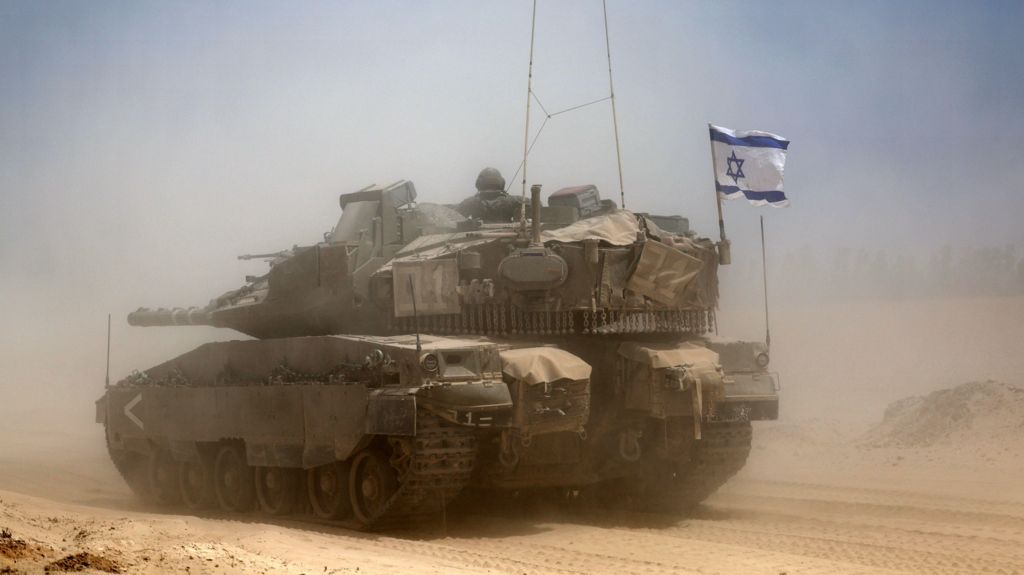
Germany has decided to recommence its arms exports to Israel, marking a significant shift in its policy following a ceasefire in Gaza that has held for over a month. The German government announced that the resumption of military equipment sales will begin on November 24, reversing its earlier suspension imposed in August due to concerns over the use of such equipment in the Gaza Strip. Germany, which ranks as the second-largest arms supplier to Israel after the United States, had halted shipments in response to Israel’s approval of a ground offensive aimed at capturing Gaza City. The ceasefire, which took effect on October 10, has been deemed ‘stabilized’ by German authorities, providing the basis for lifting the suspension. A German government spokesperson emphasized the importance of adhering to the ceasefire agreements, ensuring humanitarian aid delivery, and maintaining an orderly process. The initial suspension was prompted by Israel’s plan to occupy Gaza City, which drew widespread condemnation, including from Germany, a long-standing ally of Israel. Chancellor Friedrich Merz had expressed deep concern over the suffering in Gaza while affirming Israel’s right to self-defense. Between 2020 and 2024, Germany accounted for 33% of Israel’s military arms imports, primarily warships and torpedoes, including components for Merkava tank engines. Moving forward, decisions on arms exports will be made on a case-by-case basis. The conflict, which began with a Hamas-led attack on October 7, 2023, has resulted in significant casualties, with over 69,000 Palestinians killed according to Hamas-run health authorities. Since the ceasefire, Hamas has returned 20 living hostages in exchange for Palestinian prisoners and detainees, along with the remains of 25 deceased hostages.
-

Polish PM says railway explosion was ‘unprecedented act of sabotage’
Polish Prime Minister Donald Tusk has labeled an explosion on a railway line near Warsaw as an ‘unprecedented act of sabotage,’ vowing to bring the perpetrators to justice regardless of their affiliations. The incident, which occurred on Sunday, targeted a critical supply route to Ukraine, raising concerns over the security of Poland’s railway infrastructure. Tusk, who visited the site, confirmed the damage was deliberate and likely intended to derail a train, though no casualties were reported. Poland’s Special Services Minister, Tomasz Siemoniak, suggested a ‘very high chance’ that foreign intelligence services orchestrated the attack, hinting at Russia’s involvement without explicit naming. This incident follows a series of suspected hybrid warfare tactics attributed to Moscow, including parcel bombings and arson attacks. Investigators are also probing a second suspicious event on the same railway line, where a packed train was forced to halt abruptly, believed to be another act of sabotage. The explosion near Mika, approximately 100km southeast of Warsaw, was detected early Sunday morning, with photographs revealing a missing section of track. Despite the damage, no injuries were reported among the few passengers and staff on board. Poland’s Interior Minister confirmed the use of explosives, though details remain undisclosed due to the ongoing investigation. Local residents reported hearing a significant blast the previous evening, initially mistaking it for a gas explosion or falling drone. Authorities have collected substantial evidence, including security camera footage, to identify those responsible. This attack marks the first direct assault on Poland’s railway network, which serves as a vital military supply line to Ukraine. Experts speculate the sabotage aimed to psychologically intimidate Poland into reducing its support for Ukraine. Polish officials have pledged to prosecute those involved ‘ruthlessly,’ emphasizing that there is ‘no place on earth they can hide.’ However, the government faced criticism over the delayed detection of the damage and the possibility of such sabotage occurring. Officials defended their response as swift and effective, dismissing criticism as ‘untrue and insulting.’ This incident underscores the escalating tensions in the region and the vulnerabilities of critical infrastructure in the face of hybrid warfare tactics.
-
Ukraine to get up to 100 French-made Rafale fighter jets
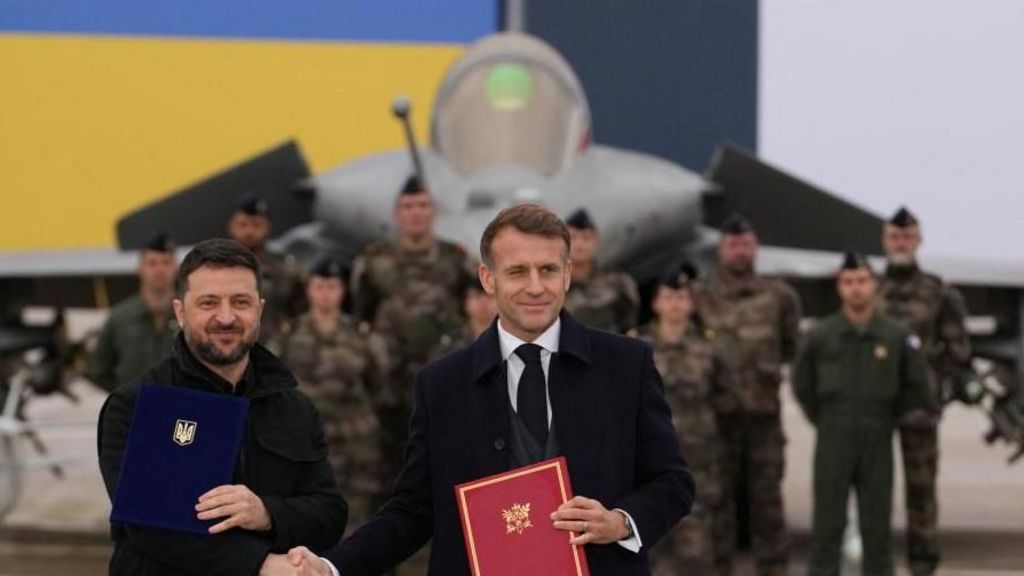
In a landmark agreement aimed at bolstering Ukraine’s defense capabilities, France has committed to supplying up to 100 Rafale F4 fighter jets and advanced air defense systems to Kyiv. The deal, signed by Ukrainian President Volodymyr Zelensky and French President Emmanuel Macron at a Paris air base, marks a significant step in Ukraine’s efforts to counter relentless Russian aggression. Zelensky described the pact as ‘historic,’ emphasizing its critical role in safeguarding Ukrainian lives. Deliveries of the Rafale F4 jets are slated for completion by 2035, with joint production of interceptor drones commencing this year. Financial specifics remain under negotiation, with France reportedly seeking EU funding and access to frozen Russian assets—a contentious proposal that has divided the 27-member bloc. The agreement also includes the provision of ‘very strong French radars,’ eight air defense systems, and other cutting-edge weaponry. This comes as Russia intensifies its drone and missile strikes on Ukraine, targeting energy and rail infrastructure and causing widespread blackouts. Recent attacks in Balakliya claimed three lives and injured 15 others, underscoring the urgency of bolstering Ukraine’s defenses. Macron highlighted the strategic importance of the Rafale jets, stating, ‘That’s what’s needed for the regeneration of the Ukrainian military.’ The French president also expressed his commitment to helping Ukraine prepare for future challenges. Ukraine’s air force already operates French Mirage warplanes and US-made F-16s, with plans to acquire Sweden’s Gripen fighter jets. Following his visit to France, Zelensky will travel to Spain to seek additional military and economic support. Meanwhile, Ukraine has secured a gas deal with Greece, ensuring vital supplies of US liquefied natural gas will flow into the country this winter via a Balkan pipeline. Since Russia’s full-scale invasion in February 2022, Moscow has occupied approximately 20% of Ukrainian territory, with slow but persistent advances along the front lines despite heavy casualties. The France-Ukraine defense pact represents a significant escalation in Western support for Kyiv as the conflict enters its third year.
-

Lanka probes claims of cruelty to elephants gifted by Thailand
Sri Lanka has launched an official investigation into allegations of mistreatment involving two elephants gifted by Thailand decades ago. The elephants, presented as symbols of diplomatic friendship in 1980 and 2001, are reportedly suffering under the care of Buddhist temples. Environment Minister Dammika Patabendi confirmed that a panel of veterinarians has been appointed to assess the animals’ health and living conditions. The probe follows concerns raised by Thailand, which has reportedly expressed interest in repatriating the elephants. Animal rights activists in Sri Lanka have also been contacted by Thai authorities seeking updates on the elephants’ welfare. Elephants hold a sacred status in Sri Lanka, revered as national treasures and Buddhist symbols. However, reports of cruelty by private owners and monks have tarnished this reputation. In 2023, Sri Lanka repatriated a Thai elephant named Muthu Raja, also known as Sak Surin, after allegations of neglect and abuse surfaced. The illegal trade of elephant calves has further exacerbated conservation challenges, with mothers often killed to capture their young. Human-elephant conflicts have also escalated, resulting in significant losses for both species. Sri Lanka is home to an estimated 7,000 wild elephants, but their survival remains under threat.