
China has emerged as a global leader in addressing nitrous oxide (N2O) emissions, showcasing a successful blend of pollution control and climate action. Since 2013, the country has managed to stabilize and subsequently reduce the growth rate of anthropogenic N2O emissions, a greenhouse gas significantly more potent than carbon dioxide. This achievement underscores that economic growth does not inevitably lead to increased emissions of heat-trapping gases. Han Yinghui, an associate professor at the University of Chinese Academy of Sciences, emphasized the critical role of N2O in achieving global temperature goals during a recent event at the Chinese pavilion at COP30 in Belem, Brazil. N2O, with a global warming potential nearly 300 times that of CO2, remains in the atmosphere for over a century, making its control essential for mitigating severe climate impacts. While agriculture is the largest source of N2O emissions globally, industrial sources present the greatest potential for reduction. Han highlighted that while developed countries have historically contributed the most to cumulative N2O emissions, recent increases have been driven by emerging economies in Asia, necessitating global cooperation. China’s progress in N2O control is attributed to ‘synergistic governance,’ integrating climate goals into environmental management. The country has widely adopted selective catalytic reduction (SCR) technology in coal-fired power plants, achieving a 70 to 90 percent reduction in N2O emissions. Additionally, China has introduced an action plan targeting industrial N2O emissions and is incorporating N2O data into its national carbon trading system. Proven technologies, such as exhaust gas purification in adipic acid production, are already in use, removing over 95 percent of N2O emissions while recovering the gas as a useful industrial product. China’s validated industrial technologies are scalable and ready for global sharing, helping other nations avoid carbon-intensive development pathways.
博客
-
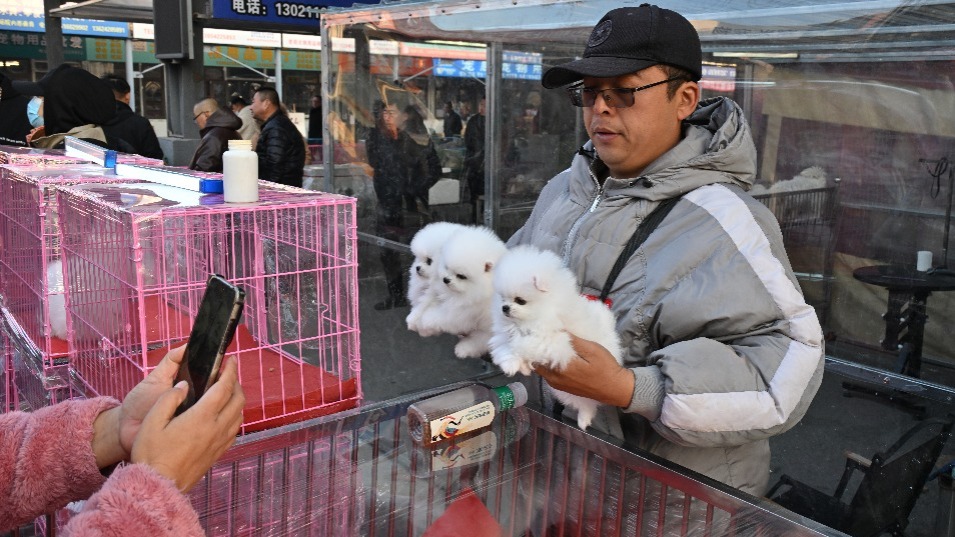
Former steel town purrs ahead on tail of ‘pet economy’
Once synonymous with the steel industry, Anshan, a city in Northeast China’s Liaoning province, is now forging a new identity as the nation’s pet breeding capital. This transformation is driven by the booming ‘pet economy,’ which has reshaped the city’s economic landscape and provided new opportunities for its residents. As China prepares for the 15th Five-Year Plan (2026-30), Anshan is positioning itself as a leader in the pet industry, leaving behind its industrial past. The city’s shift began in the 1980s when the steel industry faced overcapacity, declining demand, and fierce competition, leading to widespread layoffs. Many displaced workers, like Han Zongli, turned to alternative livelihoods. Han, a former steelworker, ventured into pet breeding after a chance encounter with a customer’s dog. His success inspired others, and soon, a thriving pet-related industry emerged, offering a lifeline to thousands of unemployed workers. Today, Anshan’s pet breeding sector is a major economic force, with over 30,000 residents involved in breeding, trade, and services for purebred dogs and cats. The city supplies approximately 70% of China’s pet dogs, with an annual output of 1.5 million animals in 2024, expected to rise to 2 million this year. The industry has also expanded to other cities in Liaoning, creating a comprehensive ecosystem that includes breeding, pet products, healthcare, and cultural activities. Employing over 150,000 people and generating more than 30 billion yuan annually, Anshan’s pet industry is a testament to the city’s resilience and adaptability.
-

Confucius Institutes gain ground internationally
The Confucius Institute network has achieved remarkable growth this year, with the establishment of 15 new institutes and one Confucius Classroom across 14 countries, including Algeria and Guinea-Bissau. This expansion marks the first presence of Confucius Institutes in these two African nations, bringing the total number of institutes to 510 across 164 countries and regions as of October 31. The ceremonial awarding of plaques to 10 of these new institutions took place in Beijing during a sub-forum of the World Chinese Language Conference, celebrating the 21-year legacy of Confucius Institutes as a cornerstone of international Chinese education and cultural exchange. Assia Kaced, vice-rector of the University of Algiers 2, highlighted the growing demand for Chinese language learning in Algeria, driven by strengthened economic ties with China and the presence of major Chinese companies. She emphasized that the institute will not only enhance language skills but also foster mutual understanding and trust between Algerian and Chinese youth. In Kenya, the Confucius Institute at Egerton University has adopted an innovative model, integrating Chinese language education with agricultural technology transfer. The institute has established eight teaching points, enrolling nearly 3,000 students annually, and has conducted 45 training sessions for farmers, benefiting 2,413 individuals. Ren Youqun, China’s vice-minister of education, underscored the importance of improving teaching systems and exploring the use of artificial intelligence to enhance Chinese language education. He also stressed the need to align with the career development needs of trainees and the requirements of overseas Chinese enterprises. Duan Peng, president of Beijing Language and Culture University, highlighted the institute’s role in providing resources and support for young people passionate about Chinese language and culture, embodying the spirit of mutual learning and win-win cooperation.
-
Japan bears blame for worsening China ties
Tensions between China and Japan have escalated following Japanese Prime Minister Sanae Takaichi’s controversial comments on Taiwan, leading to a significant diplomatic rift. China’s Foreign Ministry confirmed that Premier Li Qiang will not hold a one-on-one meeting with Takaichi during the upcoming G20 Summit in South Africa. This decision underscores Beijing’s disapproval of Takaichi’s remarks, which suggested Japan’s potential military intervention in Taiwan Strait affairs—a statement that has been widely condemned as provocative and destabilizing. Foreign Ministry spokeswoman Mao Ning emphasized that Takaichi’s comments ‘seriously contradict the spirit of the four political documents between China and Japan,’ which form the foundation of bilateral relations. Mao reiterated that Japan must adhere to its commitments on the Taiwan issue and urged Tokyo to act responsibly. Meanwhile, Japanese officials have defended Takaichi’s stance, claiming that her remarks align with the 1972 China-Japan Joint Statement. However, Chinese experts argue that Tokyo is downplaying the gravity of the situation and failing to address the damage caused to bilateral ties. The postponement of a joint opinion poll and the Beijing-Tokyo Forum further highlights the strained relations. As Masaaki Kanai, head of Japan’s Asian and Oceanian Affairs Bureau, visits Beijing for talks, analysts remain skeptical about the prospects of resolving the impasse. The incident underscores the fragility of China-Japan relations and the broader implications for regional stability.
-
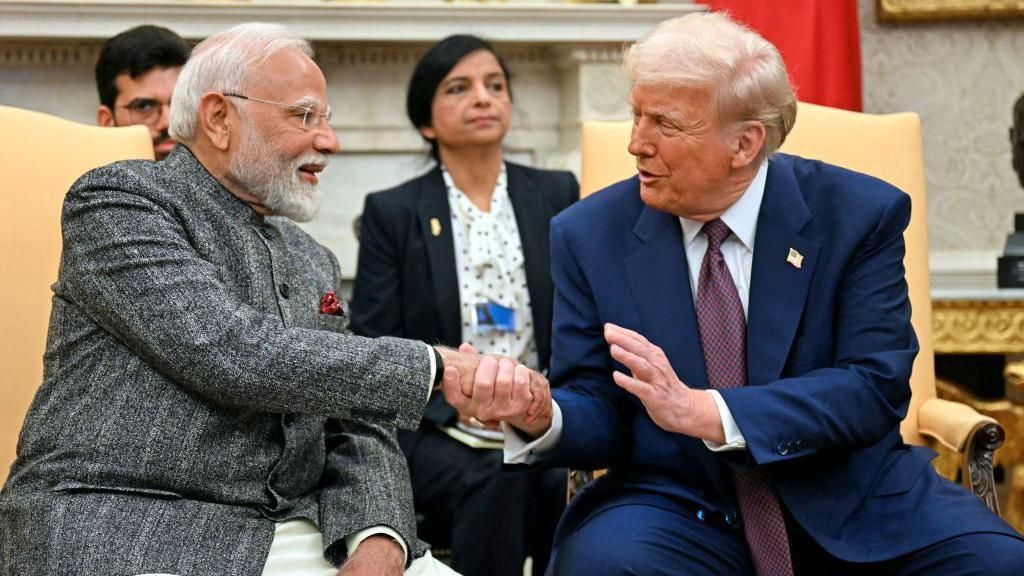
India’s US exports jump despite 50% tariffs as trade tensions ease
India’s exports to the United States experienced a significant rebound in October, rising to $6.3 billion, a 14.5% increase from September’s $5.5 billion. This marks the first uptick in five months, despite the continued imposition of steep tariffs by the Trump administration, including a 25% penalty on Indian purchases of Russian oil. The resurgence in trade comes as Indian state-run oil companies agreed to import more liquefied petroleum gas (LPG) from the US, and the Trump administration exempted several agricultural products from reciprocal tariffs, benefiting Indian exporters. Trade negotiations between the two nations are progressing, with key aspects of the deal nearing closure, according to an Indian official. However, India’s overall goods exports fell by 11.8% year-on-year in October, with 15 of its top 20 markets witnessing declines. Analysts suggest that tariff-exempt sectors like smartphones and pharmaceuticals may have contributed to the improved performance. Despite the October rebound, India’s exports to the US have dropped by 28.4% between May and October, erasing over $2.5 billion in monthly export value. Trade tensions appear to be easing, with India finalizing a major deal to source 10% of its annual LPG needs from the US. The Trump administration has been pushing India to reduce its reliance on Russian oil, which has become a significant market for India amid Western sanctions. While India has not officially confirmed plans to cut Russian oil imports, trade talks are advancing rapidly. Additionally, the US’s decision to roll back reciprocal tariffs on certain agricultural products is expected to benefit India’s exports by exempting approximately $1 billion worth of goods from duties.
-
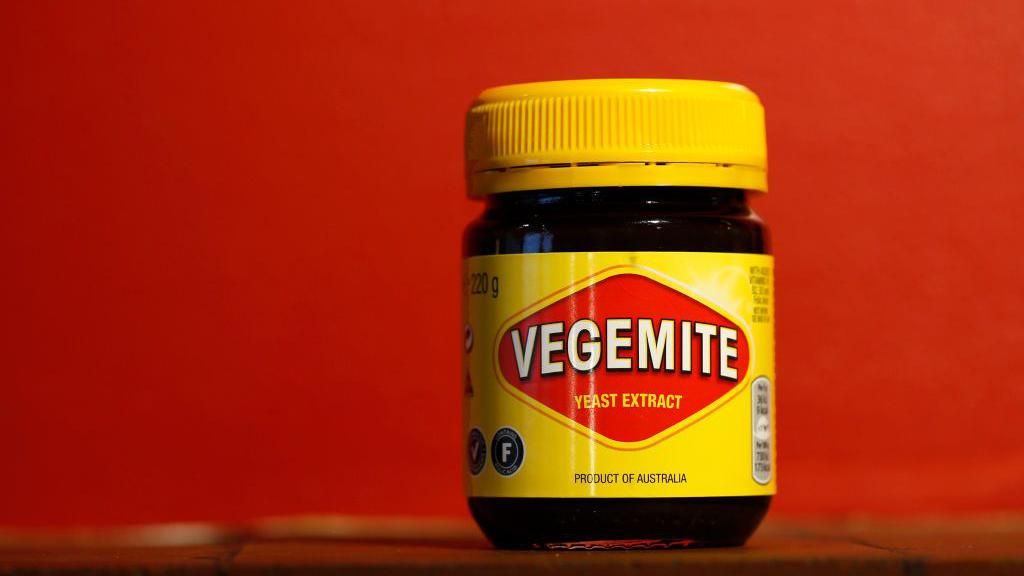
Australian murderer sues for right to eat Vegemite behind bars
A convicted murderer serving a life sentence in Australia is taking legal action against a ban on Vegemite consumption in Victoria’s prisons, arguing it infringes on his cultural rights as an Australian. Andre McKechnie, 54, claims the prohibition, enforced since 2006, denies him the ability to ‘enjoy his culture.’ State authorities justify the ban by citing concerns that inmates might use the strong-smelling spread to mask contraband or brew alcohol. McKechnie, who was convicted for the 1990s murder of a Queensland property developer, is suing Victoria’s Department of Justice and Corrections Victoria, seeking to overturn the ban and alleging inadequate food provisions for his well-being. The case is set for trial next year. Vegemite, a yeast extract-based spread invented in Melbourne in 1923, is a cultural icon in Australia, despite its polarizing taste. In 2022, Melbourne recognized the aroma from a local Vegemite factory as part of the city’s cultural heritage. However, its divisive flavor has also earned it a spot in Sweden’s Disgusting Food Museum. Earlier this year, Vegemite sparked an international dispute when a Canadian cafe owner was ordered to remove it from shelves due to non-compliance with local health regulations. Australian Prime Minister Anthony Albanese intervened, leading to the reversal of the decision.
-

Which Premier League teams will lose most players to Afcon?
The 2025 Africa Cup of Nations (Afcon) is set to commence earlier than usual, running from December 21 to January 18, and will significantly impact up to 17 Premier League clubs. Hosted in Morocco, the tournament will see numerous players depart mid-season, potentially missing up to six or seven Premier League matches, as well as FA Cup and Carabao Cup fixtures, depending on their teams’ progress in the competition. Clubs like Sunderland and Wolverhampton Wanderers are expected to be the hardest hit, with multiple key players leaving for international duty. In contrast, Arsenal, Chelsea, and Leeds United will remain unaffected as they have no players participating in the tournament. The group stages conclude on December 31, meaning players from eliminated teams may return sooner, missing fewer matches. However, for those advancing to the final, the absence could stretch into mid-January. Among the notable departures are Mohamed Salah (Liverpool), Ismaila Sarr (Crystal Palace), and Bryan Mbeumo (Manchester United). Clubs like Aston Villa and Bournemouth will face minimal disruption, with only fringe players involved. The tournament’s timing during the busy festive period poses a significant challenge for Premier League managers, who must adapt their squads to cope with the loss of key contributors. The exact release dates for players remain uncertain, as they may vary based on individual club agreements with national teams.
-

‘It felt like God’s hand on my brain’ – the day England were humbled by teenager
The Ashes series, cricket’s most storied rivalry, has witnessed countless moments of brilliance and drama. Among these, Ashton Agar’s debut in the 2013 Ashes stands out as a remarkable chapter. At just 19 years old, Agar, an almost unknown spinner, was thrust into the spotlight in a manner that would etch his name into cricketing folklore.
-

Global Anglican ties are under stress. It’s unclear if they’re at the breaking point
The Anglican Communion, one of the world’s largest Protestant church families, faces a historic schism as conservative leaders within the Global Anglican Future Conference (Gafcon) call for a complete break from the traditional structure. This move follows decades of escalating tensions over issues of sexuality, theology, and leadership. The announcement came shortly after the appointment of Bishop Sarah Mullally as the first female Archbishop of Canterbury, a decision hailed as groundbreaking in Western nations but criticized by Gafcon and other conservative bishops. Gafcon’s leaders, including Archbishop Laurent Mbanda of Rwanda, declared the need for a “reordered” Anglican Communion, rejecting the historical authority of the Archbishop of Canterbury and proposing a new council of top bishops to oversee a restructured global body. While some African provinces, such as Nigeria and Uganda, have endorsed the plan, others remain silent, leaving the scale of the potential breakaway uncertain. The schism reflects deep divisions over LGBTQ+ inclusivity, with conservatives opposing same-sex unions and liberal trends in Western churches. The Anglican Communion, which spans 165 countries and 85 million members, now faces a pivotal moment as it navigates these profound theological and structural challenges.
-
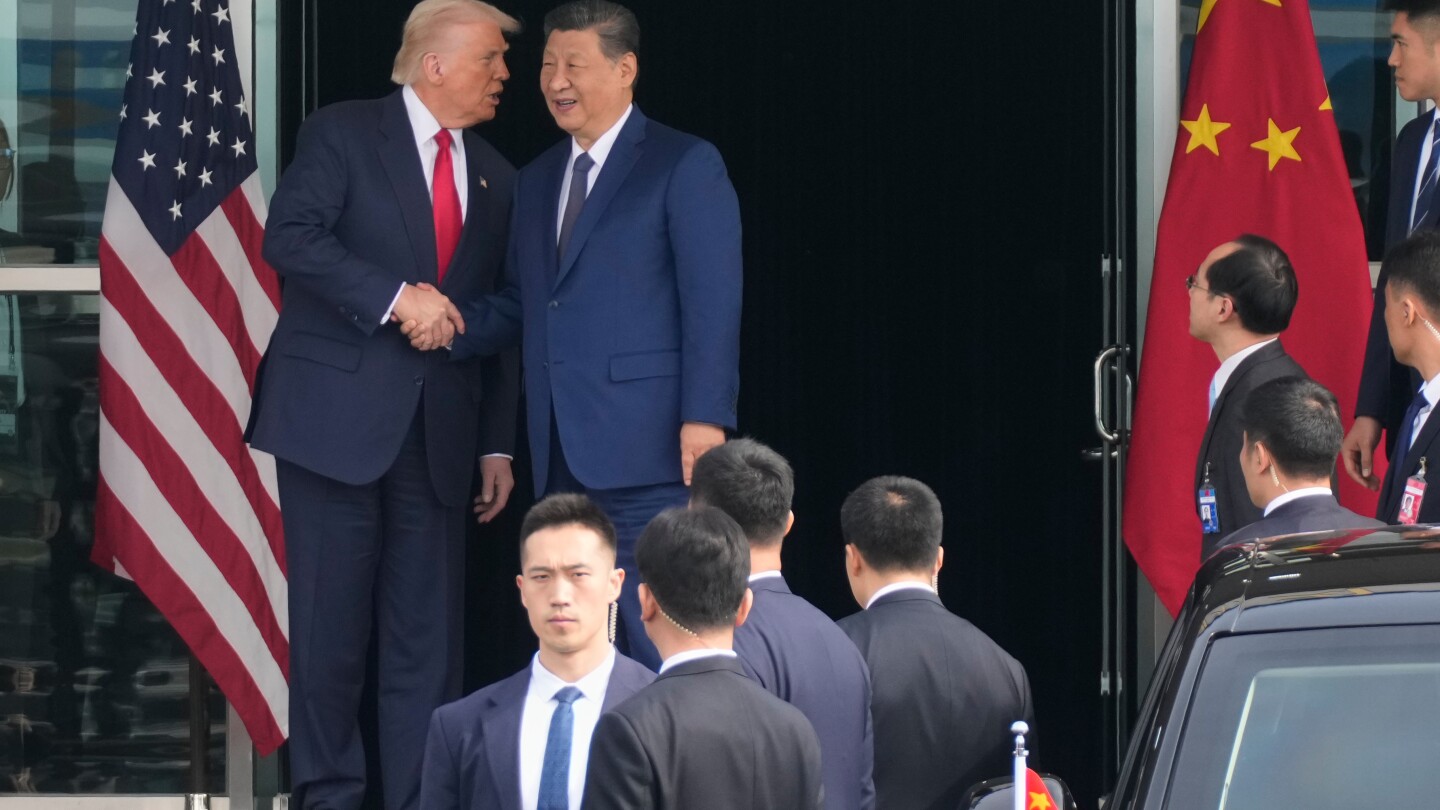
US has warned others to avoid loans from Chinese state banks. But it’s the biggest recipient of all
In a surprising revelation, a new report by AidData, a research lab at the College of William & Mary, has uncovered that the United States is the largest beneficiary of loans from Chinese state banks, despite Washington’s longstanding warnings against such financial ties. Over the past 25 years, China’s state lenders have channeled approximately $200 billion into U.S. businesses, often through opaque routes involving shell companies in jurisdictions like the Cayman Islands, Bermuda, and Delaware. This secrecy has obscured the origins of the funds, raising alarms about the implications for U.S. national security and critical technologies. Much of the lending has facilitated Chinese companies in acquiring stakes in U.S. firms tied to robotics, semiconductors, and biotechnology—sectors vital to both economic and military strength. The report highlights a sophisticated and far-reaching lending network that extends beyond developing nations to wealthy countries, including the U.K., Germany, Australia, and the Netherlands. Former White House investment adviser William Henagan described the situation as a strategic game where China has gained a significant advantage, stating, ‘Wars will be won or lost based on whether you can control products critical to running an economy.’ The U.S. has historically welcomed foreign investment, but Chinese financing has drawn heightened scrutiny due to its alignment with Beijing’s strategic goals. The AidData report found that China has lent over $2 trillion globally since 2000, with a significant portion targeting critical minerals and high-tech assets in advanced economies. The lack of transparency in these transactions, often masked by Western-sounding shell companies and confidentiality agreements, has made it challenging to fully assess the extent of China’s influence. While U.S. screening mechanisms, such as the Committee on Foreign Investment in the U.S., have been strengthened in recent years, China has adapted by establishing over 100 overseas banks and branches to further obscure its financial activities. The report underscores a shift in China’s use of state credit from promoting economic development to securing geo-economic advantages, raising global concerns about its intentions to control critical economic and technological sectors.