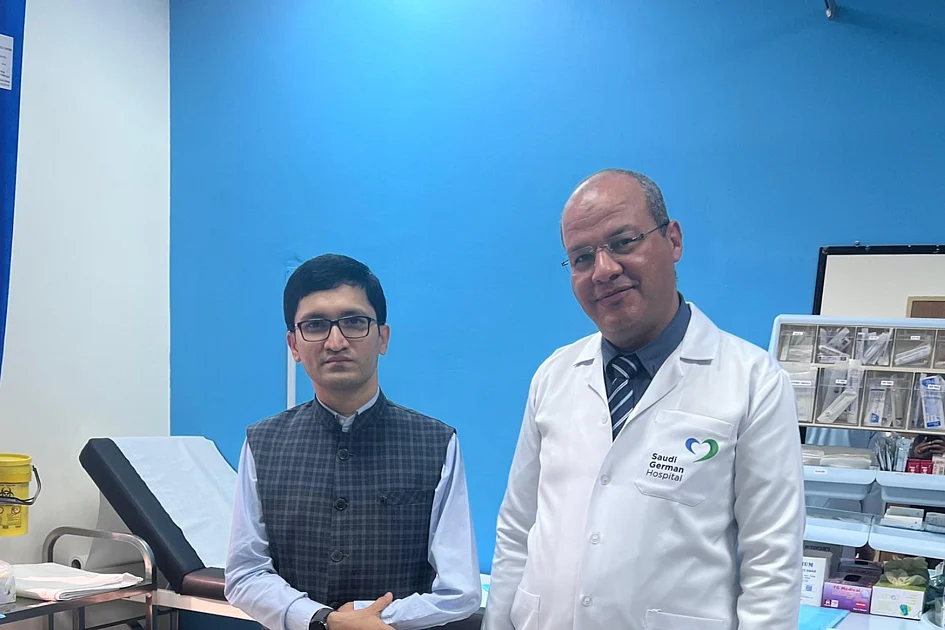
In a devastating bus crash in Saudi Arabia, 45 individuals, predominantly Indian pilgrims, lost their lives. The sole survivor, 24-year-old Mohd Abdul Shoiab from Hyderabad, is currently receiving medical treatment in a Saudi hospital. According to Hyderabad Police Commissioner V C Sajjanar, Shoiab was seated next to the driver when the collision occurred. Reports suggest that he managed to escape by breaking open a window and jumping to safety. Tragically, Shoiab lost both his parents in the accident. The crash also claimed three generations of one family, resulting in 18 deaths, including nine children. In response to the tragedy, helplines were established in Telangana and by the Indian mission in Jeddah to assist the victims’ families. The victims have been identified as 28 females and 17 males. The Saudi traffic authority has initiated an investigation into the collision in Medinah, and legal procedures are underway. The Telangana Chief Minister’s Office, after consulting with the families of the deceased, has decided to conduct the last rites in accordance with religious traditions. Arrangements are being made to transport two members from each affected family to Saudi Arabia for this purpose. Indian authorities are in continuous communication with Saudi officials to manage the aftermath of this tragic event.
博客
-
Education for girls hit hard by India’s drying wells
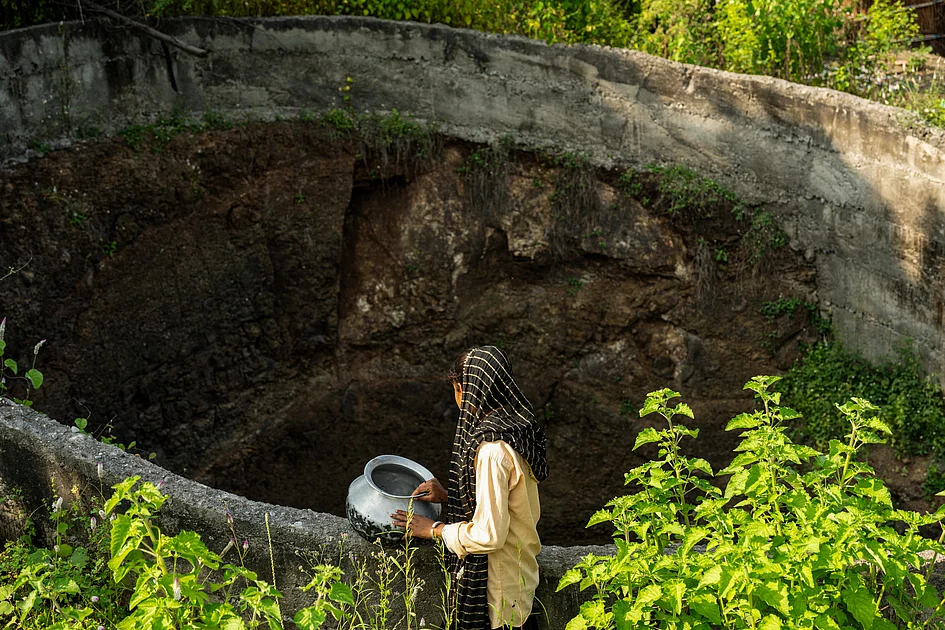
In the drought-stricken regions of Maharashtra, India, the harsh realities of climate change are reshaping the lives of young girls. As wells dry up and rainfall becomes increasingly unpredictable, the burden of water collection falls heavily on their shoulders. Seventeen-year-old Ramati Mangla is one of many girls who must walk several kilometres each morning to fetch water, often missing school in the process. ‘I have kept my books,’ she laments, ‘but what if I never get a chance to go back?’
With men migrating to nearby cities for work, girls like Mangla are left to shoulder the responsibility of water collection, a task that consumes hours each day and leaves little time for education. Local officials estimate that nearly two million people in Nashik and Nandurbar districts face daily water shortages. This crisis is not unique to Maharashtra; it mirrors a broader trend across India’s rural heartlands, where climate-related disruptions are pushing millions of girls out of classrooms.
A 2021 UNESCO report highlighted the global impact of climate change on education, warning that millions of girls worldwide could be forced to leave school. In India, this pattern is already evident, with teachers reporting a sharp decline in girls’ attendance, particularly during dry months. Struggling to survive, many families see no option but to keep their daughters home or marry them early.
The UN children’s fund has noted that children in drought-prone areas, burdened with family responsibilities like water collection, struggle to attend school regularly. For Mangla and countless other girls, climate change has turned the simple act of fetching water into a stark choice between survival and education.
Mangla’s story is part of a photography series by Shefali Rafiq, featured in the 2025 Marai Photo Grant. This award, organised by Agence France-Presse, honours Shah Marai, the former photo chief at AFP’s Kabul bureau, who was killed in a suicide attack in 2018. The 2025 theme, ‘climate change,’ highlights its profound impact on daily life and communities, as seen through the lens of young South Asian photographers.
-
Irish teacher Enoch Burke returns to prison after ‘fanatical campaign’
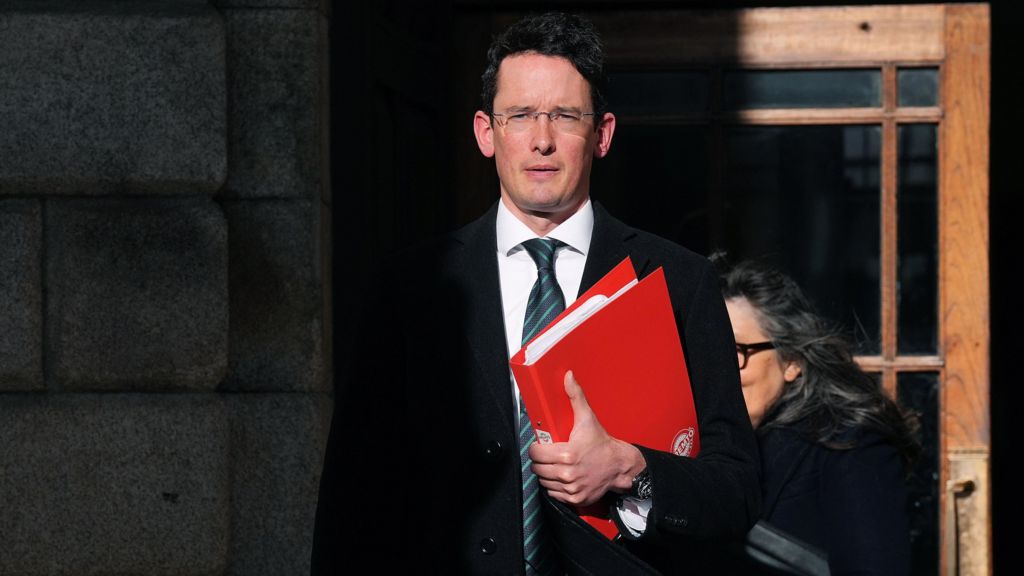
Enoch Burke, an Irish teacher embroiled in a prolonged legal battle over transgender rights, has been sent back to prison by the High Court in Dublin. Justice Cregan, presiding over the case, condemned Burke and his family for orchestrating a “deliberate, sustained, and concerted attack” on the authority of the civil courts and the rule of law. The judge highlighted Burke’s persistent refusal to comply with a court order barring him from trespassing at Wilson’s Hospital School in County Westmeath, labeling his actions as a “fanatical campaign.”
Burke’s legal troubles began in 2022 when he was suspended from the school for refusing to address a transitioning student by their new name and preferred pronouns. The school subsequently obtained an injunction to prevent Burke from entering the premises, which he has repeatedly violated. Despite accumulating fines totaling €225,000, of which only €40,000 has been paid, Burke has continued to defy the court order.
Justice Cregan emphasized that Burke’s imprisonment and fines were not a result of his views on transgender issues, which he is entitled to hold, but rather his blatant disregard for court directives. The judge expressed concern over the disruption Burke’s actions have caused to the school community, stating that his behavior has created a crisis among students, teachers, and the school’s management board.
In a separate incident in August 2025, members of the Burke family confronted Mervyn Storey, chair of the Education Authority, at a church in County Antrim over gender identity issues. Justice Cregan clarified that the case was not about transgenderism but about Burke’s contempt for court orders. The judge ruled that Burke’s deliberate and persistent defiance warranted imprisonment and indicated that further rulings on related issues would be issued next week.
-

UAE bank customers want tech that ‘feels human’; how firms are redesigning services
In a rapidly evolving digital landscape, UAE bank customers are demanding technology that combines speed, convenience, and personalization while retaining a human touch. This sentiment was highlighted by Gilbert Jadallah, Regional Sales Manager at Tungsten Automation, during a fireside chat at the 4th Banking Innovation and Technology Summit 2025, hosted by Khaleej Times on November 18. Jadallah emphasized that banks must overhaul not only their customer-facing applications but also their internal workflows to meet these expectations. By automating processes such as onboarding, KYC, lending, and trade, banks can reduce paperwork and allocate more time to client support. Jadallah noted, ‘Customers in the UAE want fast, simple, and personalized services. They also want digital journeys to feel human. To achieve that, banks have to free their staff from friction in the back office.’ The summit, now in its fifth edition, brought together senior leaders from banks, fintech firms, and regulatory bodies to explore how technology is reshaping financial services in the UAE. Moderated by Priyadarshinee Awatramani, Executive Director and Head of Client Experience at Standard Chartered Bank, the session delved into balancing empathy and efficiency in an increasingly digital banking sector. Awatramani stressed the importance of maintaining trust and the human element in a data-driven industry. Jadallah highlighted the potential of real-time data integration, explaining that many banks operate with disconnected data silos, which hinder their ability to anticipate customer needs. By leveraging automation platforms, banks can gain real-time insights, detect potential fraud, and respond proactively. ‘Real-time insights allow banks to move from reactive to proactive. That is where timely empathy comes in, being there for customers before they ask,’ he said. Awatramani added that scaling empathy across digital touchpoints requires responsible data usage and designing supportive customer journeys. The summit continues to serve as a vital platform for CEOs, CIOs, regulators, and fintech founders to collaborate and drive the UAE’s growth as a global hub for finance and technology.
-
UAE unveils plans for Antarctica research base, mulls acquiring ice-breaker
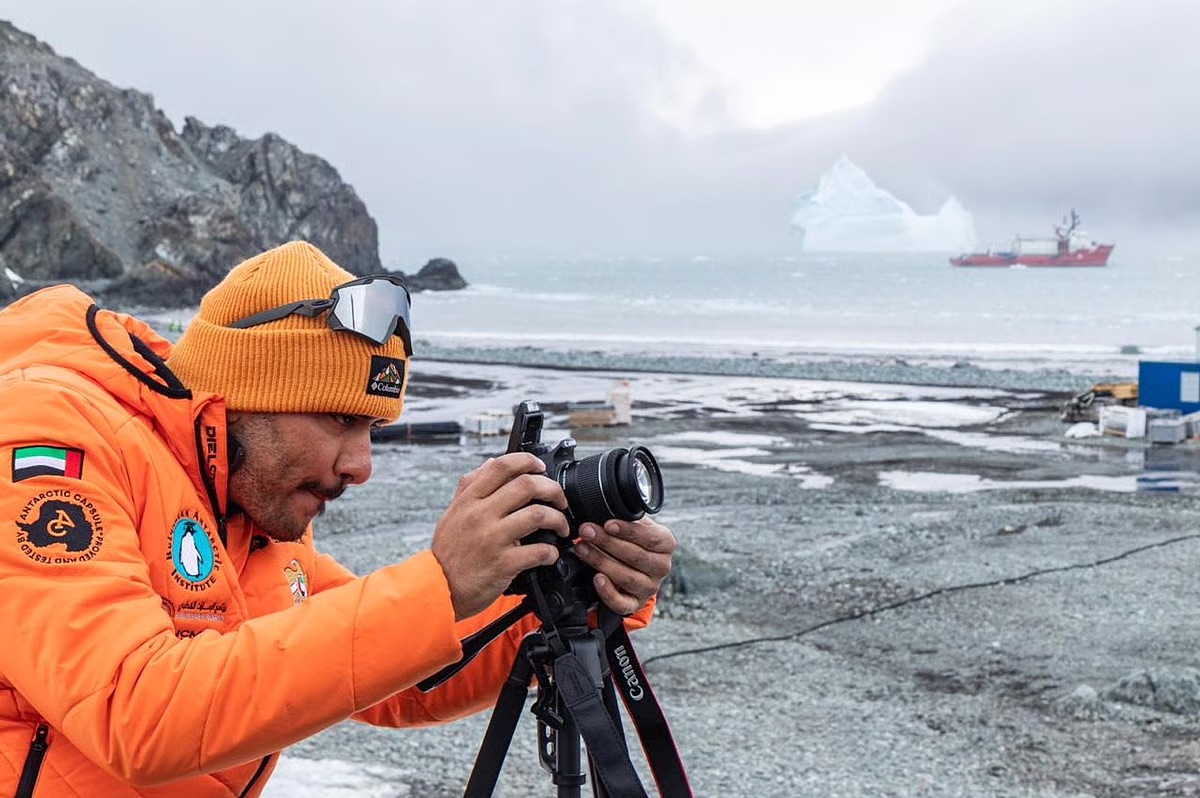
The United Arab Emirates (UAE) has unveiled groundbreaking plans to establish a permanent research base in Antarctica, marking a significant expansion of its scientific endeavors. This announcement was made during the Dubai Future Forum, where Dr. Abdulla Al Mandous, Director General of the National Centre of Meteorology, emphasized the UAE’s commitment to advancing global climate science and fostering international cooperation. The initiative, part of the UAE Polar Programme, aims to inspire a new generation of Emirati researchers and contribute to understanding the polar regions’ impact on global weather patterns. A key component of this project is the construction of a state-of-the-art research facility capable of accommodating over 50 researchers. Additionally, the UAE is considering acquiring an ice-breaker vessel to facilitate the transportation of personnel and equipment to Antarctica. This move follows the UAE’s accession as the 58th member of the Antarctic Treaty in 2024, which allows the nation to conduct research on the continent dedicated to peace and science. The UAE is already collaborating with several countries, including Bulgaria, New Zealand, India, Argentina, and Turkey, to enhance polar research efforts. Furthermore, the programme is focused on building local expertise by partnering with institutions like the National Centre of Meteorology, Khalifa University, and Abu Dhabi Polytechnic to train and send students and researchers to the poles.
-
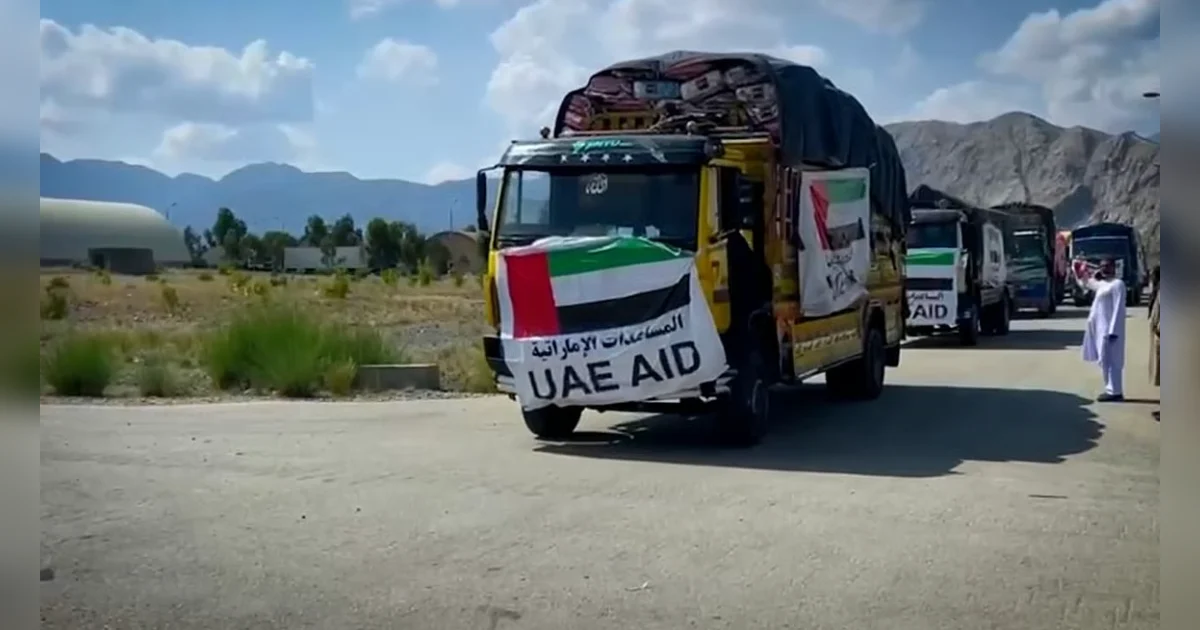
UAE relief team completes humanitarian mission in Afghanistan
The United Arab Emirates (UAE) relief team has successfully concluded its humanitarian mission in Afghanistan, providing critical aid to communities devastated by a severe earthquake in the country’s northern regions in September 2025. The mission underscored the UAE’s commitment to global humanitarian efforts and its leadership in supporting crisis-stricken populations. Families in the affected areas expressed profound gratitude for the UAE’s timely assistance, which included essential supplies such as food parcels, tents, and blankets. These efforts significantly alleviated the suffering of thousands of families grappling with the aftermath of the disaster. The UAE’s air bridge played a pivotal role in the mission, delivering over 394 tonnes of humanitarian aid through eight aircraft to the hardest-hit regions. The initiative not only achieved its immediate objectives of providing rapid and effective relief but also reinforced the UAE’s readiness to continue supporting vulnerable communities worldwide. This mission reflects the enduring humanitarian principles established by the UAE’s Founding Father, the late Sheikh Zayed bin Sultan Al Nahyan, which continue to guide the nation’s relief operations during global crises.
-
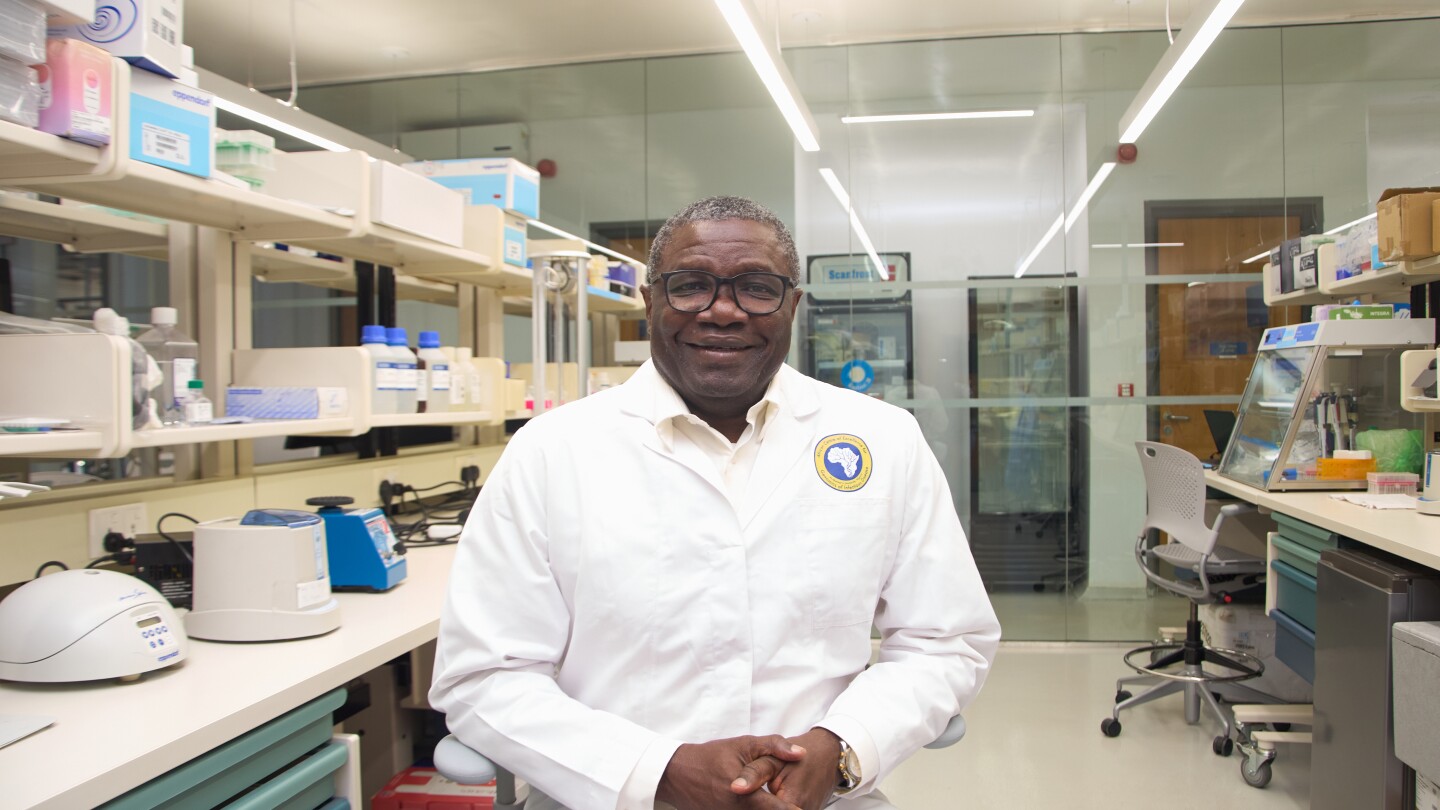
MacArthur Foundation awards $100M to outbreak surveillance network, a boost amid global health cuts
The MacArthur Foundation has announced a $100 million grant to Sentinel, an African-led initiative focused on pandemic prevention and infectious disease surveillance. This significant investment comes at a critical time when global health funding is dwindling, particularly from major donor nations. Sentinel, a project that develops cost-effective pathogen detection tests, employs real-time outbreak tracking tools, and trains local scientists, has already trained over 3,000 public health workers across 53 African countries. The funding will enable Sentinel to expand its reach over the next five years, enhancing its ability to detect and respond to emerging diseases swiftly. Christian Happi, co-director of Sentinel, emphasized that this initiative demonstrates Africa’s leadership in addressing global health challenges through trust, collaboration, and community-driven systems. The MacArthur Foundation’s 100&Change competition, which aims to inspire bold philanthropic endeavors, selected Sentinel for its innovative and impactful approach. Chris Cardona, the foundation’s managing director, highlighted the importance of international funding, especially for projects like Sentinel that build cross-country capacity. However, global health programs face increasing challenges as donor countries reduce multilateral support. For instance, Gavi, a public-private vaccine alliance, faces funding shortfalls due to cuts by the U.S. government. Similarly, the U.S. Centers for Disease Control and Prevention has scaled back collaboration with the World Health Organization, potentially hindering outbreak responses. Sentinel’s work, rooted in community engagement and advanced diagnostics, aims to empower local responders to detect and mitigate disease threats. Dr. Pardis Sabeti, a collaborator on the project, described the grant as transformative, stressing the need for continuous pandemic surveillance. Former USAID official Nidhi Bouri underscored the global responsibility to support diverse funding streams for health initiatives, as disease outbreaks have far-reaching consequences. This grant not only bolsters Sentinel’s efforts but also sets a precedent for philanthropy to address global health challenges collaboratively.
-

Look: Zubeen Garg’s wife remembers late singer on his 53rd birthday
Garima Garg, the widow of renowned Assamese singer Zubeen Garg, commemorated what would have been his 53rd birthday with an emotional tribute on November 18. Taking to Instagram, she shared a heartfelt post featuring cherished moments from their life together since their marriage in 2002. Garima expressed her profound grief and the void left by his absence, reminiscing about the memories they created and the deep bond they shared. Zubeen Garg, a celebrated figure in the Indian music industry, was known for his contributions to Assamese culture and his work in Hindi and Bengali cinema. His untimely demise on September 19 has left a significant impact on his fans and the music community. In a fitting tribute, his last film, *Roi Roi Binale*, was released last month in Guwahati, receiving an overwhelming response from audiences. Director Rajesh Bhuyan described the film as a fulfillment of Zubeen’s dream and a gift to the people of Assam. Meanwhile, the Assam government has formed a Special Investigative Team (SIT) to probe his death, with seven individuals already in judicial custody. Chief Minister Himanta Biswa Sarma assured that the SIT will submit a chargesheet by December 8, seeking justice for the late singer.
-
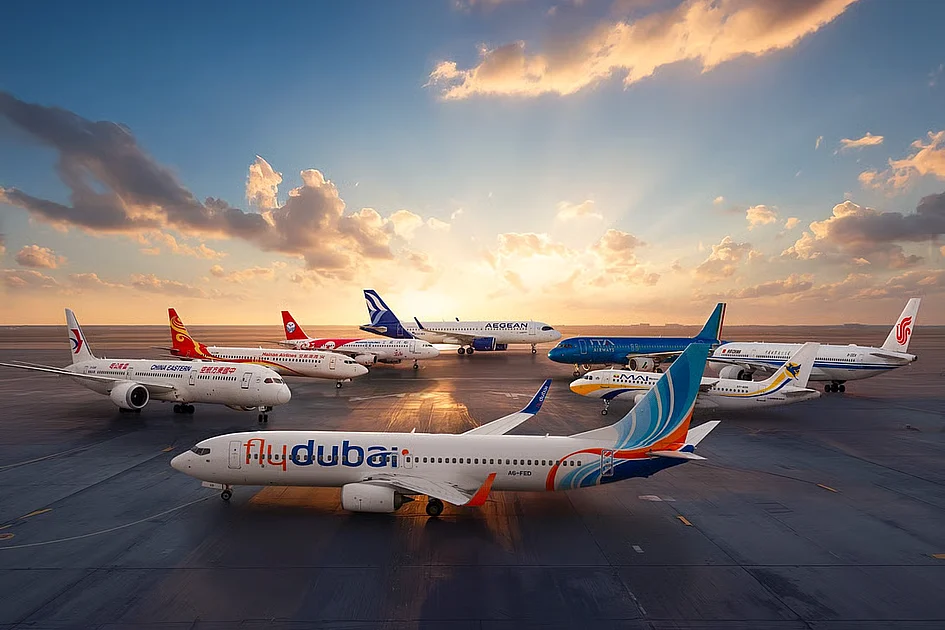
Dubai Airshow 2025: Flydubai orders 150 Airbus aircraft worth Dh88 billion
In a landmark move at the Dubai Airshow 2025, Flydubai, Dubai’s smallest carrier, has inked a monumental agreement with Airbus for the purchase of 150 A321neo aircraft, valued at $24 billion (Dh88 billion). This strategic acquisition marks a significant step in diversifying Flydubai’s narrow-body fleet and bolstering its long-term expansion strategy. The aircraft are slated for delivery starting in 2031, aligning with the airline’s vision for sustained growth and operational efficiency.
The deal was formalized during a signing ceremony attended by Sheikh Ahmed bin Saeed Al Maktoum, Chairman of Flydubai, and Christian Scherer, CEO of Commercial Aircraft at Airbus. Also present was Ghaith Al Ghaith, Chief Executive Officer of Flydubai. Sheikh Ahmed emphasized that this agreement represents a pivotal milestone in the airline’s journey, underscoring its commitment to innovation and excellence in the aviation sector.
Christian Scherer highlighted the A321neo’s advanced features, including its range, fuel efficiency, and passenger comfort, which align with Flydubai’s operational goals. The aircraft, part of the A320neo Family, incorporates cutting-edge technologies such as new-generation engines and Sharklets, delivering over 20% fuel savings and CO₂ reductions compared to older models.
This deal is the second major aircraft order announced at the Dubai Airshow 2025, following Emirates’ $37.8 billion (Dh139 billion) order for 65 Boeing 777-9 aircraft. Flydubai’s expanded fleet will further cement Dubai’s status as a global aviation hub, with the airline currently serving over 135 destinations across 57 countries. The new aircraft will also play a crucial role in supporting the expansion of Dubai World Central, enhancing the city’s connectivity and economic growth.
-

Beijing cafe fosters inclusive space for people with disabilities
Nestled in the heart of Beijing’s Qianmen Hutong, Naga Tree Cafe has emerged as a sanctuary for individuals with disabilities, offering a unique blend of social enterprise and public welfare. Founded by Ren Jiayi, an entrepreneur with disabilities who has undergone double titanium hip replacements due to ankylosing spondylitis, the cafe stands as China’s first inclusive space of its kind. Since its inception a year ago, Naga Tree has become a spiritual refuge, providing a platform for wheelchair users, visually or hearing-impaired individuals, and others to express themselves freely and confidently. The cafe sustains its 756-square-meter space through diverse revenue streams, including venue rentals, brand collaborations, and the sale of coffee-related products. Beyond conventional facilities like ramps and adjustable tables, Naga Tree is equipped with state-of-the-art restrooms featuring automatic doors, transfer boards, and an anti-fainting system that ensures safety by opening the door automatically if no movement is detected within 25 minutes. Ren emphasizes that accessibility is not merely about meeting government standards but about addressing the real needs of people with disabilities. Naga Tree also serves as a social classroom for the disability community, where blind visitors enjoy music and borrow braille books, and wheelchair users mingle freely in a barrier-free setting. A regular visitor described it as ‘more than just a cafe,’ highlighting its role as a transitional space where individuals regain confidence and reintegrate into society. Xu Yanchun, an accessibility supervisor in Beijing, praised Naga Tree for its meticulous attention to detail and its employment of people with disabilities, providing them with opportunities for work and social interaction. Xu added that the success of small businesses like Naga Tree inspires others to follow suit, creating more opportunities and spaces for people with disabilities to work and engage in social activities within society.