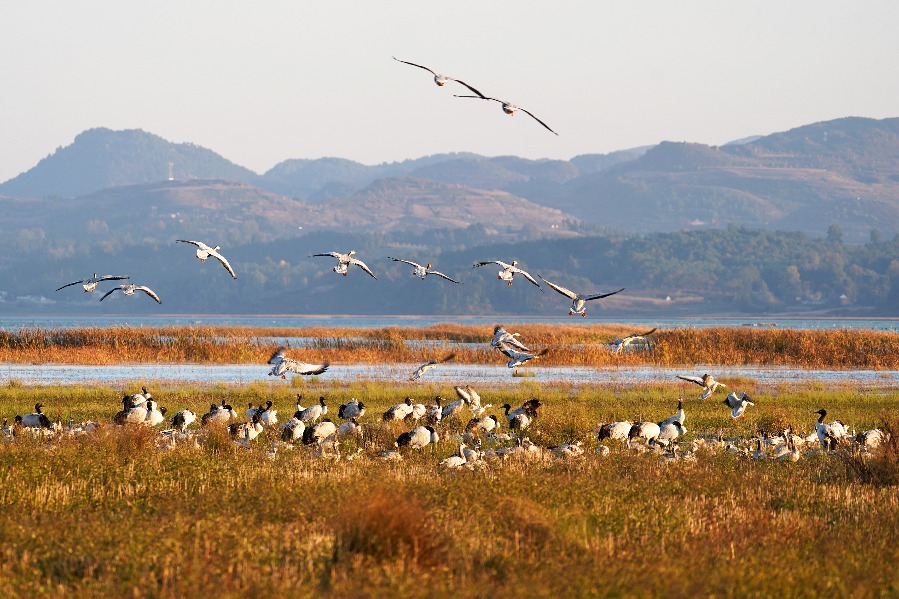
The Caohai National Nature Reserve in Guizhou province has once again become a winter sanctuary for the endangered black-necked cranes. Photographers recently documented these majestic birds foraging along the lakeshore, marking their seasonal return to the region. Since November 11, the reserve has welcomed the first arrivals of this year’s migratory flock. By November 16, the reserve’s management committee reported a total of 114 black-necked cranes in the Caohai area. This annual migration highlights the ecological significance of Caohai as a critical habitat for these rare birds. The reserve’s efforts in conservation and habitat preservation continue to play a vital role in supporting the survival of this species, which is classified as vulnerable due to habitat loss and environmental changes.
博客
-
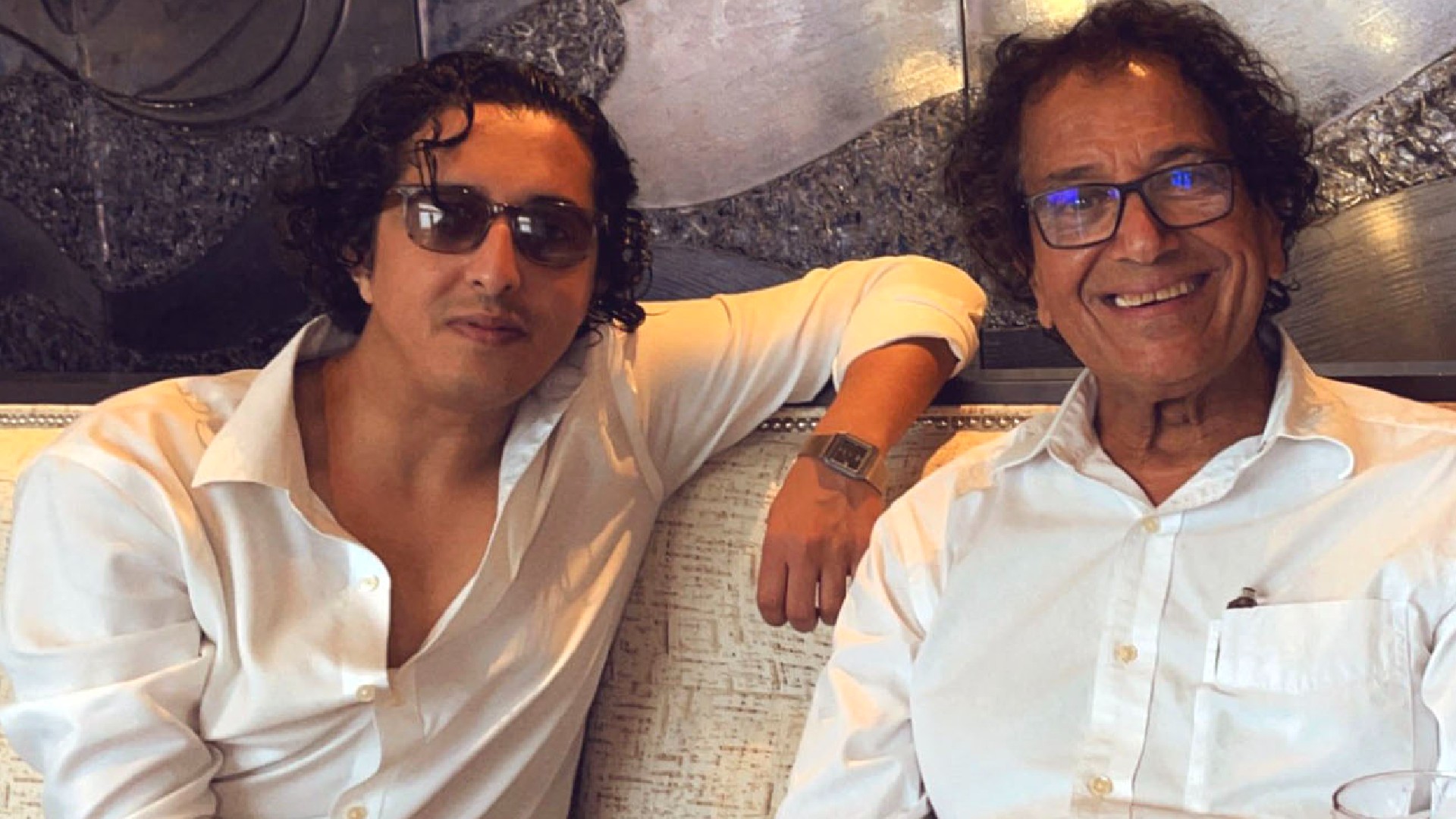
Saudi Arabia allows US citizen Saad Almadi to return home
In a significant diplomatic development, Saudi Arabia has permitted Saad Almadi, a 75-year-old Saudi-US citizen, to return to the United States after a high-profile meeting between Crown Prince Mohammed Bin Salman and former US President Donald Trump at the White House. Almadi, a retired engineer, had been subjected to a travel ban following his arrest in 2021 for allegedly posting social media content critical of the Saudi government. Despite being released in 2023 and having charges dropped, he remained under a 30-year travel ban, unable to leave the kingdom for four years. His family expressed immense relief, stating, ‘Our family is overjoyed that, after four long years, our father, Saad Almadi, is finally on his way home to the United States!’ Almadi’s son, Ibrahim, credited the Trump administration’s ‘tireless efforts’ for securing his father’s return. The case has drawn international attention, particularly due to Almadi’s posts criticizing urban demolitions, poverty, and referencing the murder of journalist Jamal Khashoggi. The Crown Prince’s visit marked the first since Khashoggi’s 2018 killing, with Trump defending the Saudi leader and dismissing questions about the incident. This resolution highlights the complex interplay between diplomacy, human rights, and international relations.
-
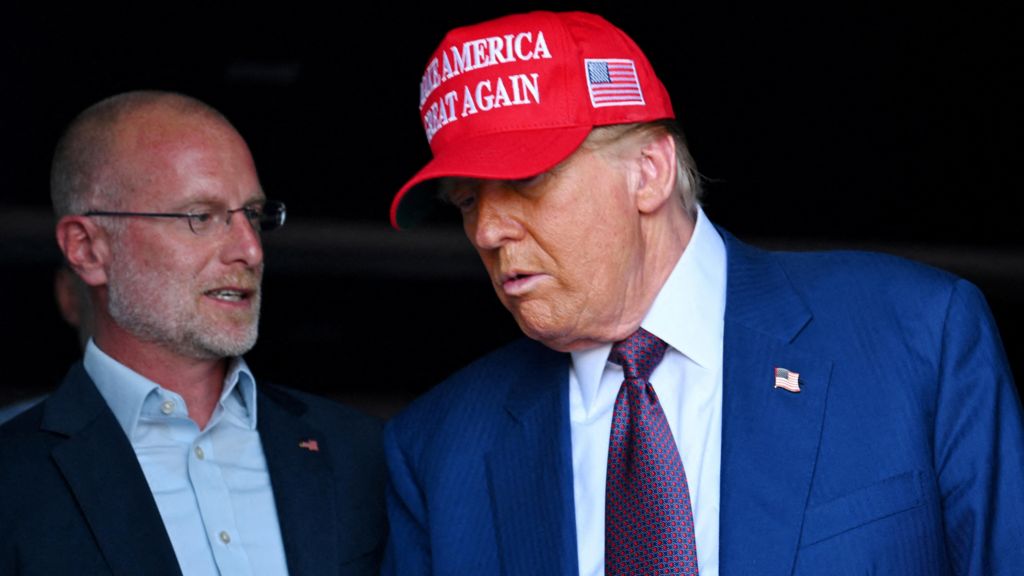
US broadcast regulator writes to BBC over Panorama edit of Trump speech
The Federal Communications Commission (FCC) has initiated an inquiry into the BBC following a controversial episode of its Panorama program that spliced parts of a 2021 speech by former US President Donald Trump. FCC Chairman Brendan Carr sent letters to the BBC’s outgoing Director General Tim Davie, as well as executives at US public service broadcasters NPR and PBS, which occasionally air BBC content. Carr’s letter seeks to determine whether the BBC provided the edited material to any FCC-regulated broadcaster for airing in the US. The Panorama episode, titled ‘Trump: A Second Chance?’, allegedly misrepresented Trump’s speech by editing together separate segments, creating the impression that he directly incited violence during the January 6, 2021, Capitol riot. Trump has threatened legal action, accusing the BBC of defamation and demanding financial compensation. The BBC has apologized for the misleading edit but maintains it did not distribute the episode in the US and restricted its availability to UK viewers on BBC iPlayer. The broadcaster also argued that the documentary did not harm Trump, as he was re-elected shortly after its release. The FCC’s investigation hinges on whether the edited clip was broadcast in the US, which could establish jurisdiction. Media experts suggest the FCC is unlikely to find evidence supporting Trump’s claims if the program was not aired in the US. The controversy has led to the resignation of BBC Director General Tim Davie and BBC News chief Deborah Turness. The BBC is regulated by the UK’s Ofcom, while US broadcasters fall under the FCC’s jurisdiction. The FCC has yet to comment further on the matter.
-

UAE: How to build strong GRC programme amid new risks; experts weigh in
In an era marked by geopolitical tensions, rapid technological advancements, and evolving regulatory landscapes, the importance of Governance, Risk, and Compliance (GRC) programmes has never been more critical. Experts emphasize that GRC is no longer a back-office function but a strategic capability essential for organizational resilience and integrity. As the Gulf Cooperation Council (GCC) undergoes significant transformation—driven by diversification, digitalization, and emerging industries—GRC must evolve to address new risks and opportunities.
According to Besfort Kuqi, CEO of Swiss GRC, the GCC’s rapid pace of change demands a proactive approach to GRC. He highlights that successful GRC programmes are rooted in organizational culture, requiring leadership commitment and a clear vision from the top. Kuqi stresses that GRC must be simple, effective, and accessible, enabling organizations to manage risks in a structured and reliable manner.
The complexity of today’s business environment, characterized by fragmented supply chains, local content regulations, and cybersecurity threats, necessitates a 360-degree view of risk. Dallal Slimani of Schneider Electric underscores the importance of end-to-end visibility, enabled by technology, to make informed decisions. Rajeev Dutt of Swiss GRC adds that modern GRC programmes must leverage automation to streamline workflows, eliminate redundancies, and create a single source of truth.
AI governance is emerging as a critical frontier in GRC, requiring a sociotechnical approach that integrates people, culture, and technology. Akshay Dalal of Google emphasizes that responsible AI is fundamentally a human challenge, not just a technological one. Organizations must adopt adaptable frameworks and embed responsible-AI thinking into their GRC practices to navigate the complexities of AI-driven change.
Ultimately, GRC is transforming from a compliance function into a strategic enabler, empowering organizations to innovate responsibly, build resilience, and achieve sustainable growth. As Dalal aptly notes, there is no one-size-fits-all solution—each organization must tailor its GRC approach to its unique challenges and risks.
-
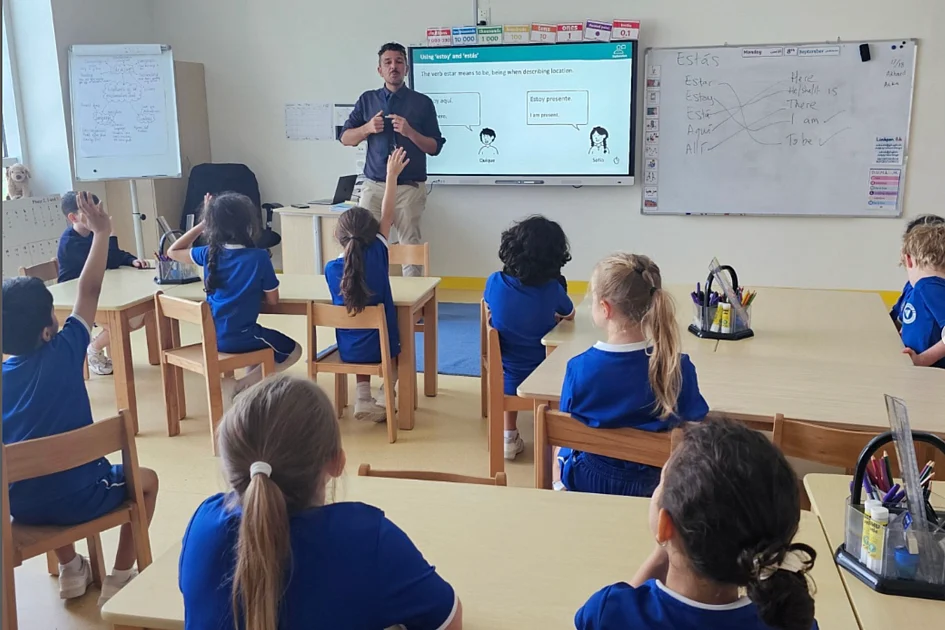
Dubai schools’ new KHDA ratings: What parents need to know
Dubai’s Knowledge and Human Development Authority (KHDA) has unveiled the first inspection ratings for four of the city’s newest private schools, offering parents a critical evaluation of these institutions’ performance. This comes as full school inspections remain suspended for most schools until 2026, with only schools that opened in 2022 eligible for reviews this academic year. The KHDA’s decision to extend the inspection pause aims to provide schools with more time to innovate and refine their internal practices. Notably, these ratings directly influence the tuition fee increases schools can implement, with higher-rated institutions permitted to request larger hikes. Among the four schools reviewed, Bloom World Academy and Citizens School both secured ‘Good’ ratings, while Dubai Schools Nad Al Sheba and Durham School Dubai received ‘Acceptable’ ratings. Bloom World Academy was particularly praised for its personalised learning model and strong environmental responsibility, while Citizens School excelled in student development and community engagement. Both schools, however, were advised to enhance academic attainment and literacy provision. The other two schools, despite their ‘Acceptable’ ratings, were commended for their supportive environments and health and safety standards. With full inspections paused, schools can only adjust fees based on the Education Cost Index (ECI) of 2.35% for the 2025–26 academic year, limiting fee hikes regardless of performance. Dubai’s education sector continues to thrive, with 81% of students attending schools rated ‘Good’ or better, reflecting the emirate’s commitment to maintaining high educational standards.
-

What makes ‘The Summit of Tianjin’ special?
The Summit of Tianjin, a groundbreaking architectural marvel, opened its doors to the public in June 2025. This iconic structure, located in Tianjin, China, boasts a unique ‘steel tubular column and steel plate shear wall’ design, earning it the distinction of being the tallest building in the world to utilize this innovative structural system. The Summit of Tianjin is not just a testament to modern engineering but also a symbol of the city’s rapid development and ambition. Visitors to the sightseeing hall can experience panoramic views of the city, offering a blend of architectural brilliance and urban beauty. The building’s design emphasizes both aesthetic appeal and structural resilience, making it a must-visit destination for architecture enthusiasts and tourists alike. The Summit of Tianjin stands as a beacon of innovation, showcasing China’s prowess in pushing the boundaries of architectural design and urban planning.
-
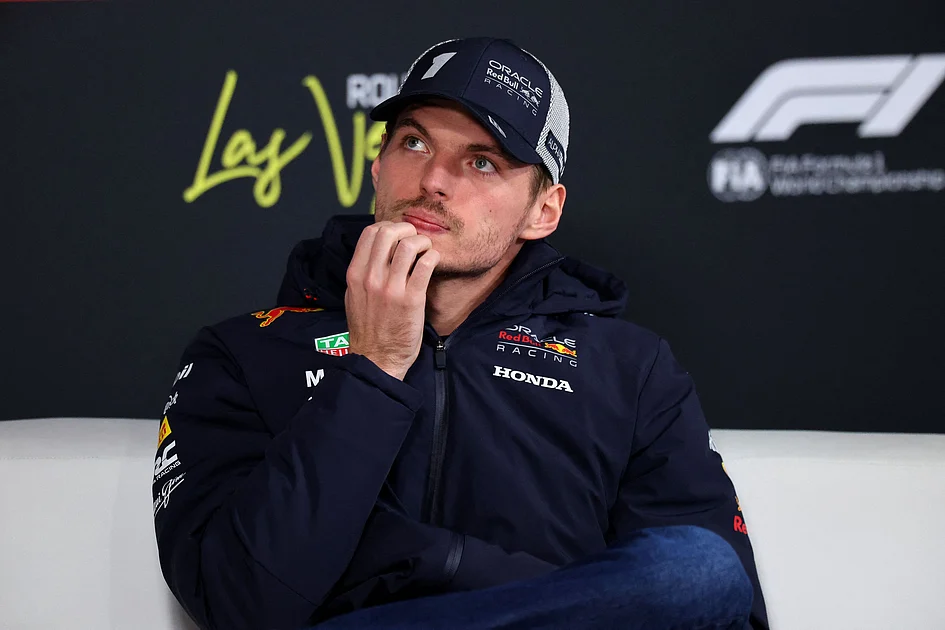
Despite hot streak, Max Verstappen knows another F1 title is unlikely
The 2025 Formula 1 season has been a tale of two teams: McLaren’s resurgence and Red Bull’s struggle to maintain its historic dominance. While McLaren’s Lando Norris and Oscar Piastri have emerged as the frontrunners, Max Verstappen, the reigning four-time champion, has been fighting an uphill battle to keep his title hopes alive. Despite a late-season surge, Verstappen acknowledges that a fifth consecutive championship is highly improbable. The season began with Red Bull’s lackluster performance in Australia, a stark contrast to the team’s previous dominance. Verstappen, however, has managed to stay competitive, securing seven consecutive podiums and three wins in the last six races. Yet, with three races remaining, he trails Norris by 49 points and Piastri by 25. Verstappen remains pragmatic, stating that a title win would require significant luck and a dramatic turnaround. His focus now is on maximizing his car’s potential and finishing the season strong. Meanwhile, Norris’s consistent performance suggests that Verstappen’s prediction last year—that Norris’s time would come—might soon be fulfilled. As the season nears its end, Verstappen’s legacy as one of F1’s greats remains intact, even if his reign as champion appears to be winding down.
-
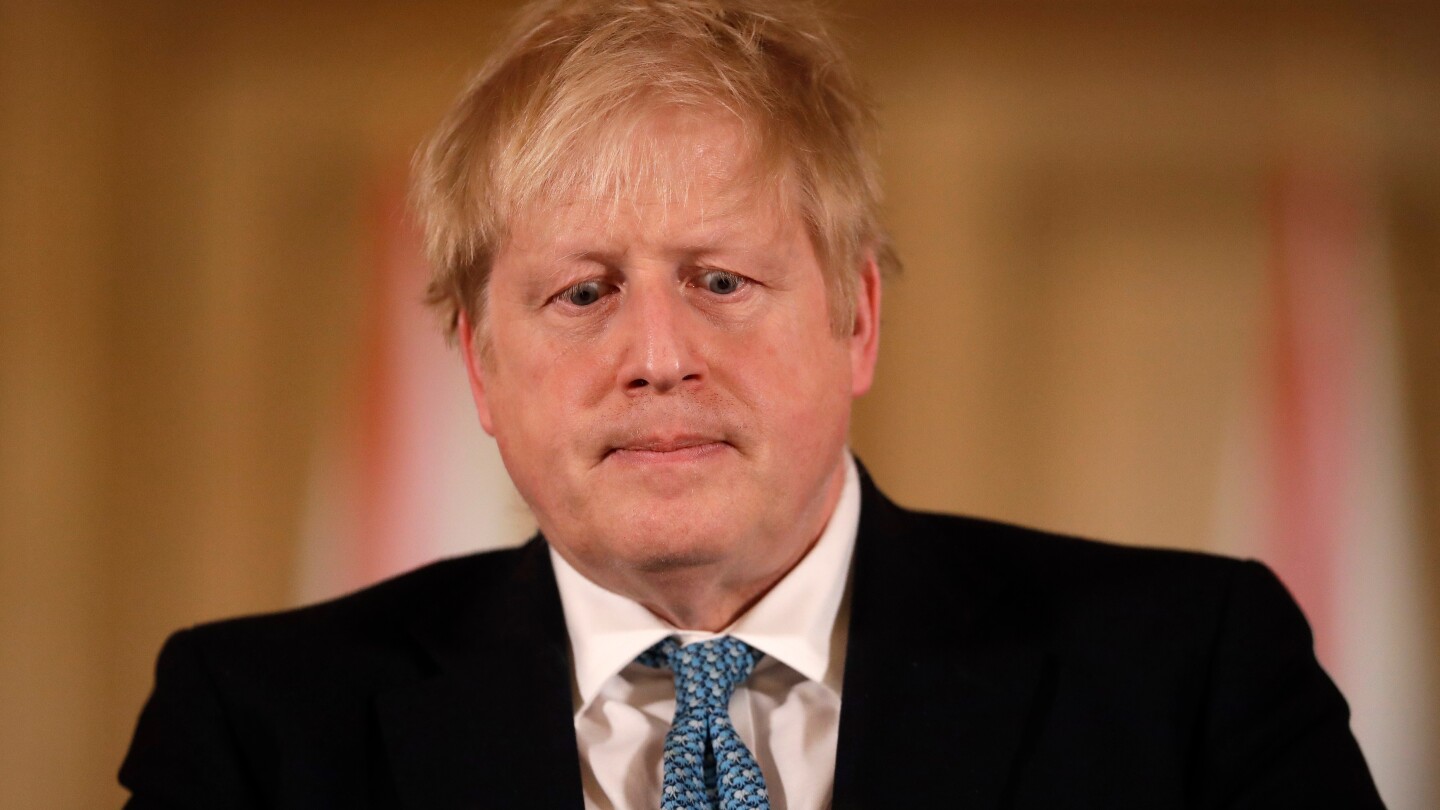
‘Too little, too late:’ Former UK government slammed for its initial COVID-19 response
A damning public inquiry report released on Thursday has sharply criticized the UK’s initial response to the COVID-19 pandemic, labeling it as ‘too little, too late.’ The inquiry, led by former judge Heather Hallett, revealed that the delayed implementation of lockdown measures in early 2020 resulted in an ‘unacceptable loss of life,’ potentially costing 23,000 lives in England alone during the first wave of the pandemic. The report highlighted chaos within the Conservative government at the time, with Prime Minister Boris Johnson accused of fostering a ‘toxic’ culture in Downing Street and frequently changing his stance on critical decisions. Key cabinet members and scientists also failed to act with the necessary urgency to combat the virus. The UK-wide lockdown, announced on March 23, 2020, came weeks after most European nations had already imposed restrictions. Hallett emphasized that an earlier lockdown could have reduced deaths by 48%, saving thousands of lives. The report also criticized Johnson’s overly optimistic outlook and the behavior of his special adviser, Dominic Cummings, who was accused of using ‘offensive, sexualized, and misogynistic’ language, further exacerbating the government’s dysfunction. The COVID-19 Bereaved Families for Justice group welcomed the findings, placing much of the blame on Johnson for prioritizing his political reputation over public safety. Hallett’s inquiry, which began two years ago and is expected to continue until 2027, is now focusing on the impact of the pandemic on children.
-
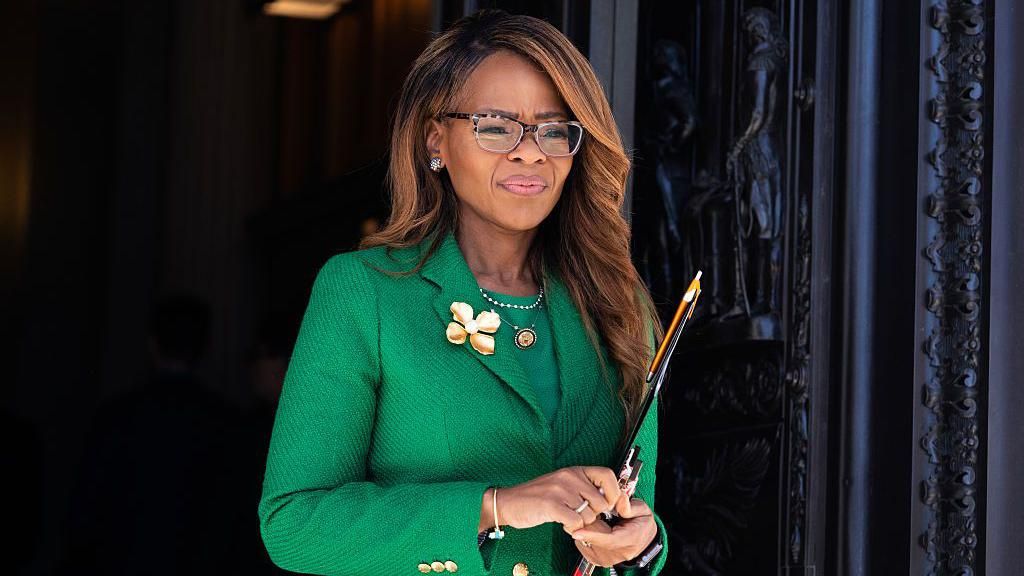
US congresswoman charged with stealing $5m in federal disaster funds
A Florida congresswoman, Sheila Cherfilus-McCormick, has been indicted on charges of embezzling $5 million in federal disaster funds. The 46-year-old Democrat, elected to Congress in 2022, is accused of laundering a portion of the misappropriated Federal Emergency Management Agency (FEMA) funds into her 2021 election campaign. The alleged fraud was orchestrated through Trinity Healthcare Services, a company she co-owned with her brother, Edwin Chefilus, who is also implicated in the scheme. The company had secured a FEMA contract to register individuals for COVID-19 vaccines but reportedly received an overpayment of $5 million in July 2021. Prosecutors claim the siblings attempted to conceal the money’s origin by funneling it through multiple accounts, with a significant portion allegedly used to finance her congressional bid. Additionally, funds were reportedly diverted to friends and relatives, who then contributed to her campaign as personal donations. Attorney General Pam Bondi condemned the act as a ‘particularly selfish, cynical crime,’ emphasizing that no one is above the law. If convicted, Cherfilus-McCormick faces up to 53 years in prison. She has vehemently denied the charges, calling the indictment ‘unjust and baseless,’ and vowed to clear her name. The House Ethics Committee is also investigating her conduct, and Florida Republican Congressman Greg Steube has proposed a resolution to expel her from Congress, citing the severity of the allegations.
-
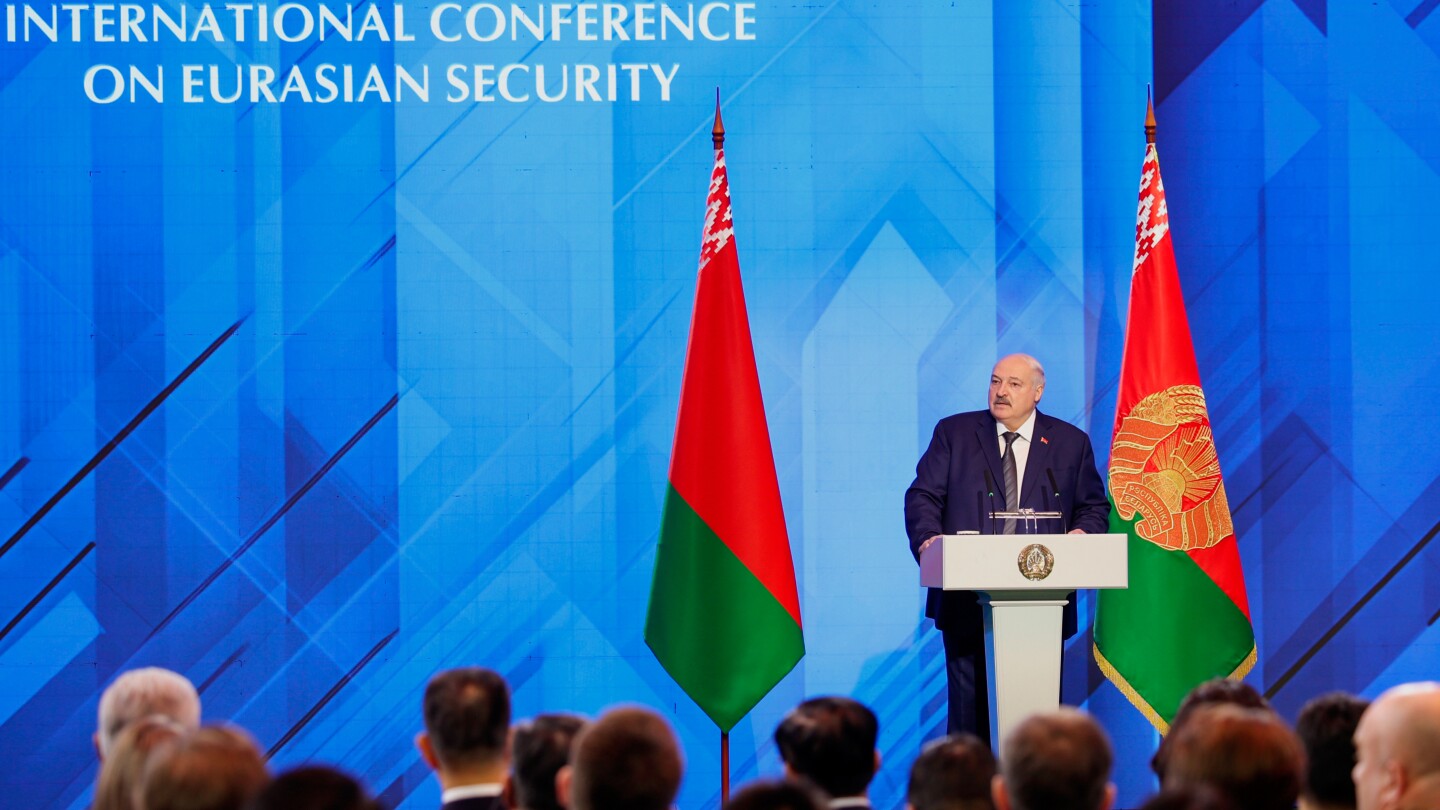
Belarus frees 2 imprisoned Catholic priests after talks with Vatican
In a significant development, two Roman Catholic priests imprisoned in Belarus on charges widely regarded as politically motivated were released on Thursday. The release followed diplomatic discussions involving the Vatican, as confirmed by the Conference of Catholic Bishops in Belarus. This move has sparked speculation about a potential thaw in relations between Belarus and Western nations, particularly after a recent phone conversation between Belarusian President Alexander Lukashenko and former U.S. President Donald Trump led to the release of several political prisoners earlier this year. Among the freed clergymen was Rev. Henrykh Akalatovich, a 65-year-old priest sentenced to 11 years in prison in 2023 on treason charges. Akalatovich, who had criticized the government in his sermons, denied accusations of espionage for Poland and the Vatican, calling them baseless. His arrest marked the first politically driven case against Catholic clergy in Belarus since the country’s independence in 1991. Also released was Rev. Andrzej Yukhnevich, who was serving a 13-year sentence for child molestation charges that he and human rights activists claimed were politically motivated. Yukhnevich had previously been detained multiple times, including for displaying a Ukrainian flag on social media. The releases followed a visit to Belarus by Cardinal Claudio Gugerotti, a papal envoy and former Vatican ambassador to Belarus, in October. The Conference of Catholic Bishops expressed optimism about renewed dialogue between Belarus, the U.S., and the Vatican. However, the whereabouts of the released priests remain unknown, with many political prisoners previously relocated to Lithuania without proper documentation. Opposition leader Sviatlana Tsikhanouskaya praised the Vatican’s intervention, emphasizing the need to end repression against believers. The case highlights the ongoing crackdown on dissent in Belarus, where over 1,200 political prisoners, including 29 clergy members, remain incarcerated. Despite Orthodox Christianity dominating Belarus’ religious landscape, Catholics and Protestants continue to face persecution for their opposition to Lukashenko’s regime.