博客

  • Border post inspection faster, friendlier

    Border post inspection faster, friendlier

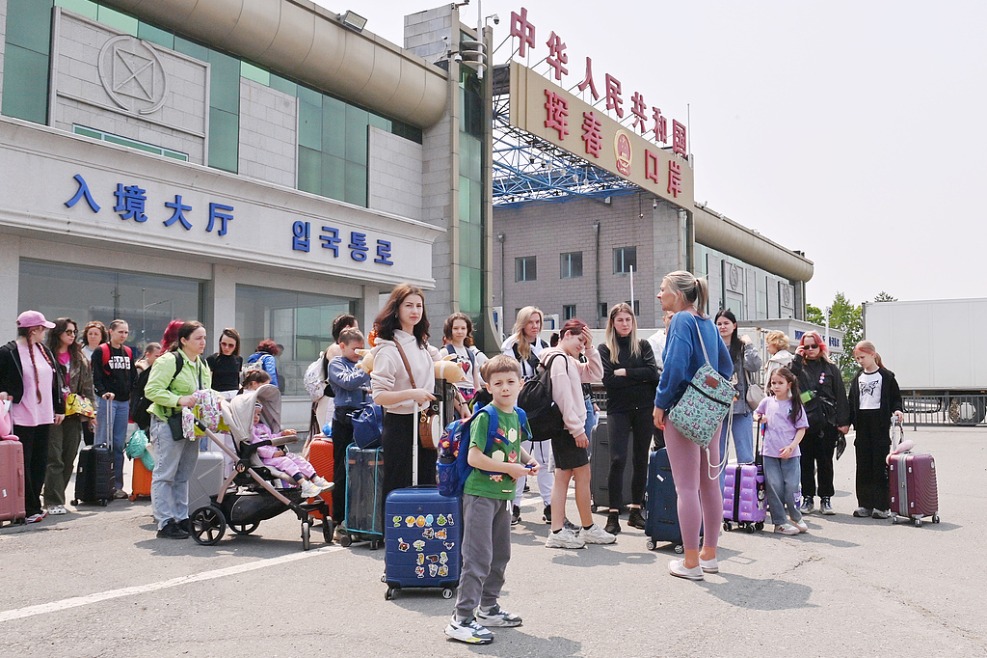
    The Hunchun highway port in Jilin province has emerged as a model of cross-border efficiency and hospitality following the implementation of the China-Russia mutual visa-free policy. During the 2026 Spring Festival period, border authorities implemented comprehensive service enhancements that transformed the travel experience for thousands of passengers.

    Russian tourist Oksana Kachanovskaia from Vladivostok expressed delight at receiving festive horse-themed decorative items from border officers, noting: “The visa-free policy is incredibly convenient. We’ve found China’s cities beautifully maintained with exceptional cuisine, making our holiday in Yanji and Shanghai particularly memorable.”

    The border inspection station introduced multilingual officers, dedicated channels for vulnerable travelers, and family care zones to streamline processing. A specialized convenience service desk provided crucial information on visa-free stay durations and customs procedures, creating an welcoming atmosphere for international visitors.

    Zhang Tingcai, returning from work in Russia, remarked on the immediate sense of festive atmosphere upon crossing the border. “The moment I returned to my country, I felt the strong new year spirit,” he observed.

    To manage increased passenger volume during the holiday period, the station implemented an advanced reservation system for large tour groups and established a classified channel inspection mechanism with line-buffering zones. The deepened collaboration with customs authorities through data sharing and single declarations at unified service counters significantly reduced processing times.

    Deputy Director Zheng Mingya of the station’s first duty team emphasized the commitment of border personnel: “While Spring Festival represents family reunion time, we stand as guardians of the national border. Seeing travelers pass through safely and smoothly makes our service particularly meaningful.”

    The human element remained central to operations, with probationary officer Li Jiaxin noting: “Though I missed my family in Songyuan, protecting the national border means safeguarding the reunions of millions of families.” The station supported staff with organized duty shifts, necessary supplies, and cultural activities.

    These improvements build on record-breaking 2025 figures that saw the port process over 700,000 travelers and inspect more than 70,000 vehicles. According to Instructor Li Bingchi of the first duty team, the 2026 Spring Festival period demonstrated the station’s continued commitment to “optimizing service measures to ensure convenient, safe, and smooth entry and exit for all travelers.”

  • Mideast war exposes fragile oil, gas dependency

    Mideast war exposes fragile oil, gas dependency

    The escalating conflict in the Middle East has starkly revealed the continued fragility of global energy supply chains, particularly Europe’s persistent dependence on imported fossil fuels despite previous energy shocks. Specialists note that the current warfare echoes the 2022 energy crisis triggered by Russia’s invasion of Ukraine, demonstrating how little progress has been made in securing energy independence through renewable alternatives.

    Approximately 10-15% of Europe’s gas imports originate from Qatar, one of several nations entangled in Iran’s retaliatory measures against U.S. and Israeli operations. This dependency became alarmingly evident when QatarEnergy suspended LNG production following Iranian drone attacks, causing European gas prices to surge by over 30% and oil prices to climb approximately 7% in a single day.

    Energy analysts describe the situation as Europe’s most significant wake-up call since the Ukraine invasion. Ana Maria Jaller-Makarewicz of the Institute for Energy Economics and Financial Analysis (IEEFA) emphasized the continued vulnerability, while Oxford University’s Professor Jan Rosenow noted a troubling sense of “déjà vu” regarding Europe’s unaddressed dependency issues.

    Despite climate commitments under the Paris Agreement, fossil fuels still account for more than two-thirds of Europe’s energy consumption—primarily for transportation, heating, and industrial processes. Although electricity generation has notably decarbonized (with fossil fuels producing just 29% of EU electricity last year according to Ember), political momentum for broader renewable investment has waned across the continent.

    Simone Tagliapietra of Bruegel think tank observed that shifting dependency from Russia to suppliers like the United States doesn’t resolve the fundamental problem: Europe’s continued reliance on imported fossil fuels traded on volatile global markets. Experts unanimously argue that accelerating the deployment of domestically produced clean energy represents the only viable path toward genuine energy security and economic resilience against external shocks.

    UN climate chief Simon Stiell reinforced this perspective, noting that renewables now constitute “the obvious pathway to energy security and sovereignty” amid a global transition that remains dangerously slow. The conflict serves as a potent reminder that fossil fuels have failed to deliver on promises of security and stability, instead creating perpetual vulnerability to geopolitical turbulence.

  • Cyborg cockroaches to the rescue

    Cyborg cockroaches to the rescue

    In a groundbreaking development at Shandong University of Science and Technology, researchers have successfully engineered cyborg cockroaches capable of navigating complex disaster scenarios. These biohybrid insects, equipped with miniature cameras and neural stimulation devices, represent a significant leap in search-and-rescue technology.

    The innovation centers on a sophisticated bioneural regulation system that directs cockroach movements through precisely calibrated electrical pulses applied to their antennae. This approach leverages the insect’s natural agility while maintaining human control, creating an efficient reconnaissance platform for environments inaccessible to humans or traditional robotics.

    Professor Huai Ruituo, leading the research initiative, emphasizes the transformative potential: “Following catastrophic events like earthquakes or structural collapses, these enhanced insects can rapidly survey hazardous areas while transmitting real-time visual data to rescue teams.”

    The technological breakthrough extends beyond emergency response applications. The research team identifies additional implementations including agricultural pest monitoring, industrial facility inspections, and pipeline maintenance operations where conventional robotics face limitations.

    A key achievement involves the development of an automated surgical platform that streamlines device implantation, increasing procedure efficiency sixfold while maintaining a remarkable 99% success rate. Each unit requires approximately 20 minutes to prepare at a minimal cost equivalent to $6.50, operating continuously for 50 minutes with a total lifespan extending to three months.

    This research continues SDUST’s pioneering work in bionic animal systems dating to the late 1990s, when Professor Su Xuecheng first proposed overcoming traditional robotics limitations by integrating living organisms with electronic control systems. The university previously developed China’s first cyborg rat in 2005 and subsequently advanced avian guidance systems using pigeons.

    Looking forward, Vice-President Chen Shaojie outlines the institution’s roadmap: “We’re integrating artificial intelligence with our biohybrid robotics expertise to evolve beyond remote control toward autonomous perception and decision-making capabilities in dynamic environments.”

  • NPC deputy conveys industrial voices from grassroots

    NPC deputy conveys industrial voices from grassroots

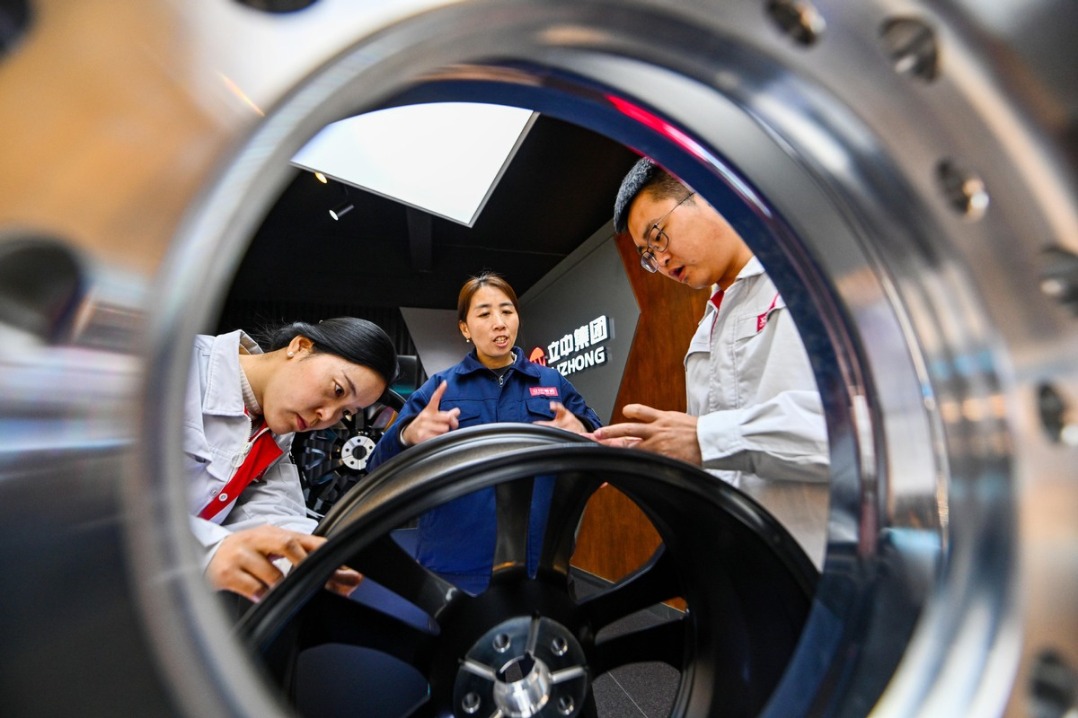
    Guo Hongjing, a warehouse team leader at Tianjin Lizhong Wheel Co., Ltd., has transformed her routine industrial duties into a platform for national representation. Her meticulous work managing hardware components—from precise screw inventories to motor dispatches—has prepared her for an equally detailed role: serving as a deputy to China’s National People’s Congress (NPC).

    Since her initial appointment in 2018, Guo has dedicated her congressional tenure to channeling grassroots industrial perspectives into national policy discussions. Rather than focusing on high-profile political matters, she has consistently prioritized the concerns of frontline workers throughout her two consecutive terms.

    “My fundamental mission is to bridge the gap between ordinary workers and legislative processes,” Guo explained during a recent gathering at her company’s dormitory facility. Through informal consultations and structured listening sessions, she systematically collects workforce suggestions regarding working conditions, industrial policies, and manufacturing challenges.

    Her approach exemplifies the NPC’s structural emphasis on incorporating diverse societal perspectives. By maintaining her position as an active industrial employee while serving in the legislature, Guo embodies the concept of representative governance that remains connected to practical workplace realities.

    The manufacturing sector’s evolving needs—particularly regarding workforce development, technological modernization, and industrial optimization—form the core of her legislative agenda. Colleagues describe her dual role as both warehouse specialist and political representative as instrumental in ensuring authentic worker representation at China’s highest legislative level.

  • Iran threat to ‘enemy oil lines’ raises fears over BTC pipeline

    Iran threat to ‘enemy oil lines’ raises fears over BTC pipeline

    A senior advisor to Iran’s Islamic Revolutionary Guard Corps (IRGC) commander has issued a stark warning that Tehran intends to target international oil supply lines, specifically threatening operations it deems supportive of its enemies. This declaration significantly escalates regional tensions already heightened by recent U.S. and Israeli military actions against Iran.

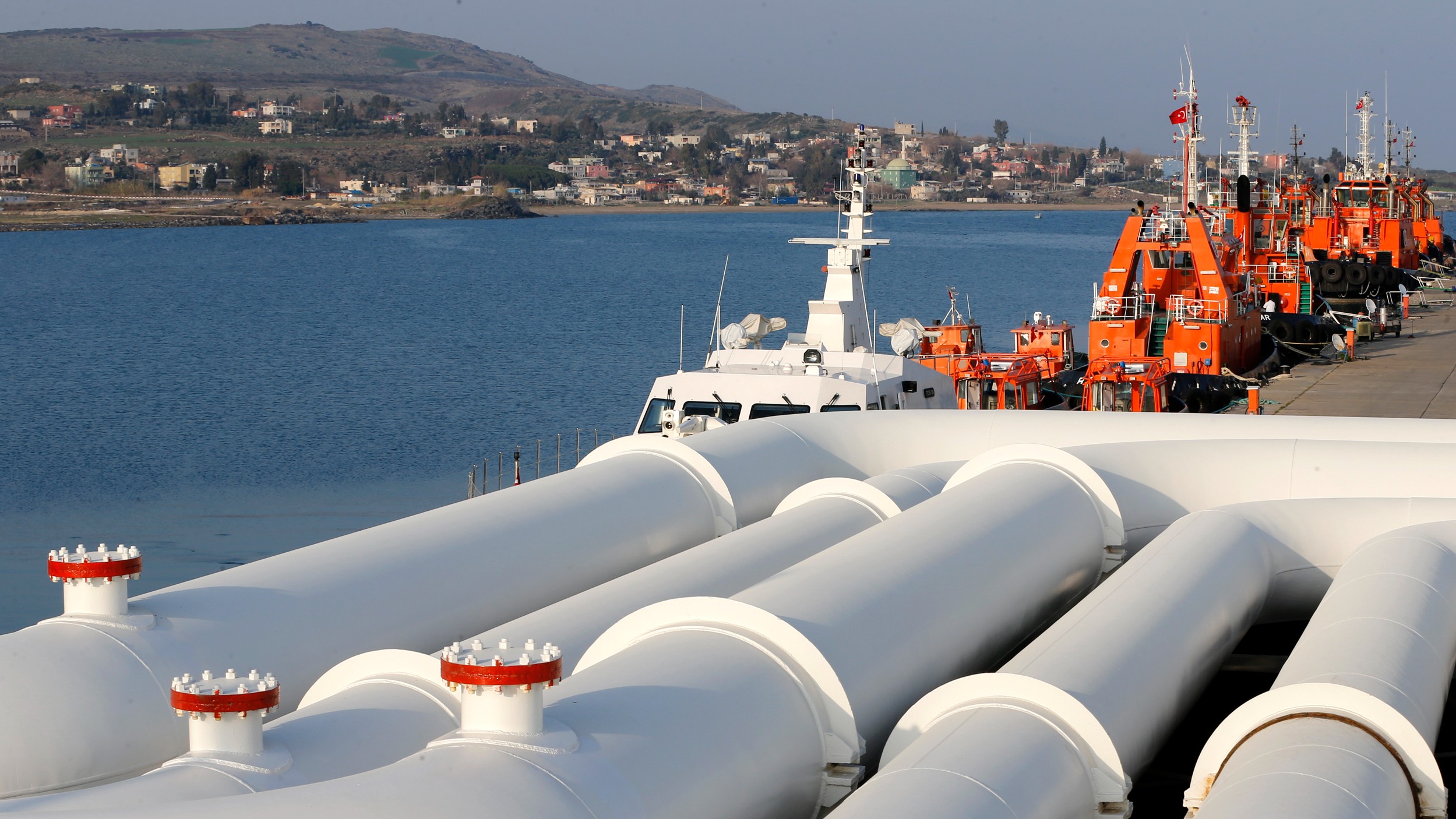
    According to senior Arab sources speaking with Middle East Eye, these threats raise substantial concerns about the security of the BP-operated Baku-Tbilisi-Ceyhan (BTC) pipeline. This critical infrastructure transports Azerbaijani crude oil—approximately 30% of Israel’s supply—through Georgia to the Mediterranean coast of Turkey. Analysts indicate that Azerbaijan’s geographical proximity makes this pipeline particularly vulnerable to Iranian intervention.

    The situation intensified on Monday when IRGC advisor Ebrahim Jabbari declared the strategic Strait of Hormuz effectively closed to navigation, threatening to “set ablaze” any vessels attempting transit. This narrow waterway, only 21 miles wide at its narrowest point, facilitates the passage of roughly 20% of global daily oil consumption and substantial natural gas shipments.

    Regional experts note that Iran perceives Azerbaijan as a conduit for Israeli operations against its interests, a concern that has grown in recent years. Investigations by the Stop Fuelling Genocide campaign and research groups including the Palestinian Youth Movement have documented continued oil shipments from Turkey’s Ceyhan port—the terminal endpoint of the BTC pipeline—to Israeli facilities near Ashkelon, despite Turkey’s official embargo announcement in May 2024.

    Further complicating energy security, an Iranian drone attack reportedly caused a limited fire at Saudi Arabia’s crucial Aramco oil refinery in Ras Tanura on Monday. This incident triggered immediate market reactions, with European gas prices surging nearly 50% following Saudi Arabia’s precautionary closure of its largest refinery and Qatar’s temporary halt of liquefied natural gas production.

    The escalating conflict has already practical consequences for global shipping, with insurance providers withdrawing war-risk coverage for vessels operating in the Persian Gulf. Meanwhile, the IRGC claims to have targeted over 500 U.S. and Israeli sites using hundreds of drones and missiles, as U.S. President Donald Trump warns of an impending “big wave” of military action.

  • Unlike US, Iran ‘prepared itself for a long war’: security chief

    Unlike US, Iran ‘prepared itself for a long war’: security chief

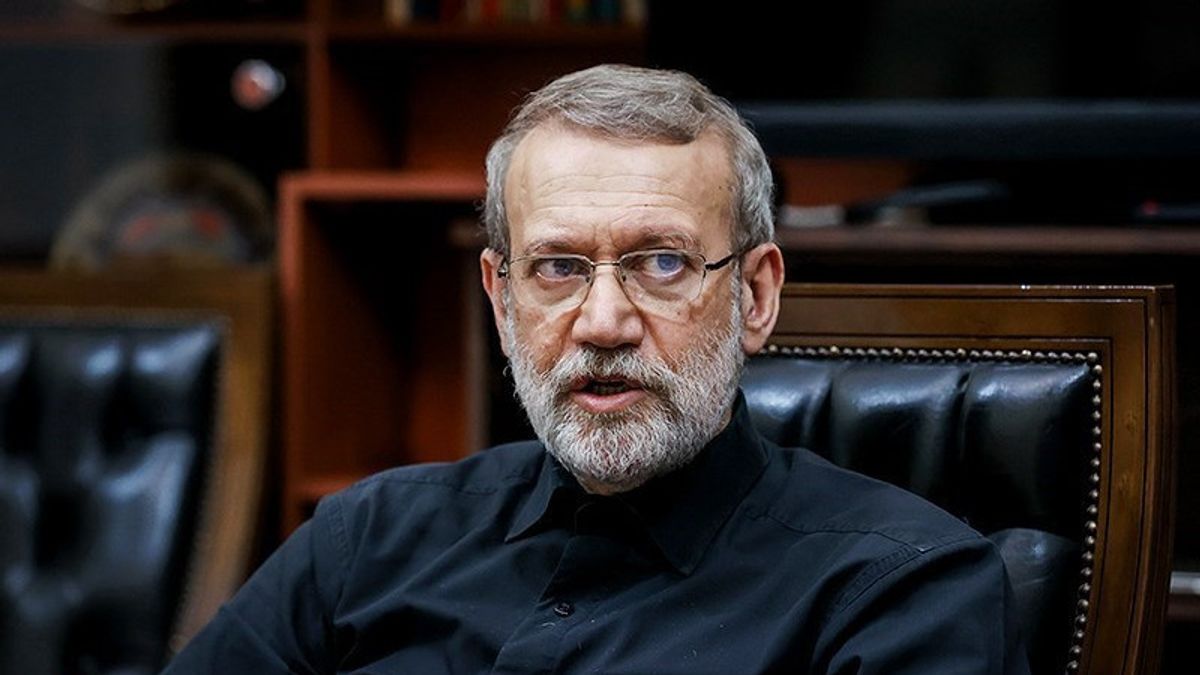
    Amid escalating military actions initiated by the United States, Iranian security chief Ali Larijani has declared Tehran’s preparedness for an extended military confrontation while questioning Washington’s readiness for sustained warfare. The statement came following coordinated U.S.-Israeli airstrikes that targeted senior Iranian officials, including Supreme Leader Ayatollah Ali Khamenei, in operations described by observers as ‘carpet bombing’ of civilian areas.

    Larijani, Secretary of Iran’s Supreme National Security Council, utilized social media platforms to accuse former President Donald Trump of plunging the region into chaos through ‘delusional fantasies’ and prioritizing Israeli interests over American security. ‘With his delusional actions, he turned his self-made ‘America First’ slogan into ‘Israel First’ and sacrificed American soldiers for Israel’s power-hungry ambitions,’ Larijani stated.

    The current escalation follows a reportedly conciliatory pre-strike proposal from Iran that offered complete abandonment of enriched uranium stocks and full cooperation with international nuclear inspectors—terms exceeding those in the original nuclear agreement that Trump abandoned during his presidency. However, with diplomatic channels now severed, Iran has shifted toward maximizing military costs for the U.S. and Israel while deterring regional allies from joining the coalition.

    The conflict has already produced significant casualties, with four U.S. military personnel killed and four others seriously wounded in attacks at Kuwait bases. Iranian missile and drone strikes have affected all six Gulf nations hosting U.S. military installations, including Saudi Arabia, UAE, Qatar, Oman, and Bahrain, with some attacks extending into civilian infrastructure including international airports and residential areas.

    Regional analysts suggest Iran is employing a strategy of attrition, utilizing cheaper drone technology to deplete expensive U.S. and Israeli air defense systems. Security experts Amos C. Fox and Franz-Stefan Gady note that Iran’s strategy deliberately avoids the quick-strike timeline preferred by U.S. and Israeli forces, instead opting for prolonged engagement that could exhaust advanced interceptor stocks.

    Further escalating tensions, Iran has declared the Strait of Hormuz closed to all maritime traffic, potentially affecting 20% of global oil shipments and triggering significant price increases. Financial analysts predict potential doubling of oil prices should the closure persist, with possible global economic consequences.

    Despite Trump’s prediction of a four-to-five week conflict duration, defense officials have provided limited clarity on military objectives. The administration’s initial justifications—including claims of imminent Iranian attacks on U.S. troops and nuclear weapons development—have proven inaccurate according to verified reports.

    Regional experts warn that the removal of Iran’s leadership could empower more authoritarian elements or trigger violent power struggles. Daniel Brumberg of the Arab Center in Washington DC suggests possible outcomes include ‘an even more ruthless regime controlled by the security apparatus’ or national fragmentation, while scholar Shireen Hunter notes that permanent destabilization might align with Israeli regional objectives.

  • Some key figures about Nepal’s parliamentary election

    Some key figures about Nepal’s parliamentary election

    KATHMANDU, Nepal — Nepal commenced pivotal parliamentary elections on Thursday, marking a significant political transformation triggered by a youth-led uprising that toppled the previous administration. This electoral event occurs merely three years after the nation’s last national vote, following substantial political turmoil that culminated in governmental collapse in 2025, subsequently establishing an interim government that mandated fresh elections.

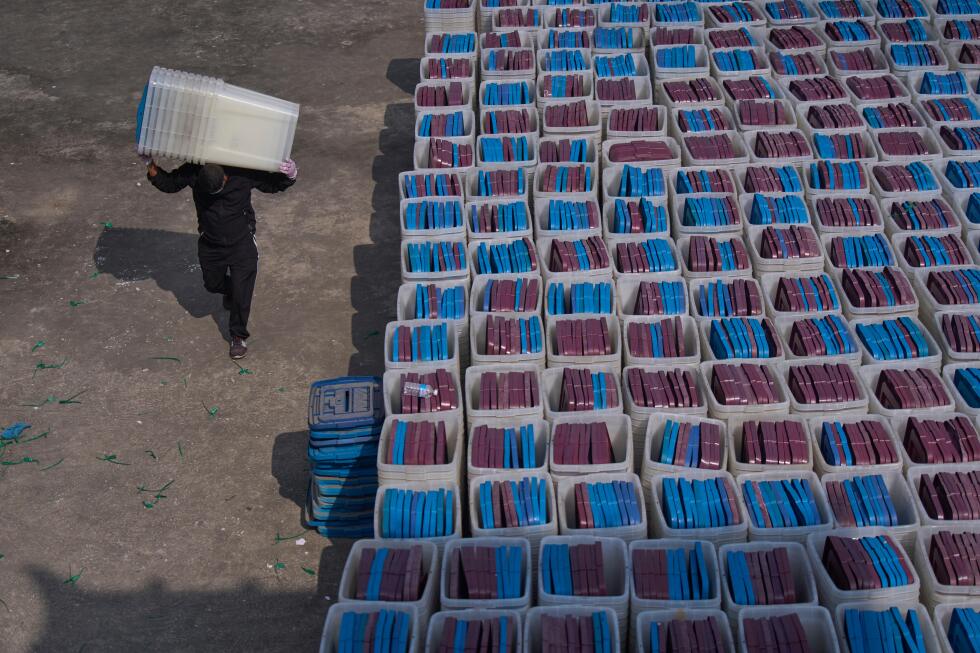
    The Election Commission reports approximately 18.9 million registered voters participating in this democratic process, demonstrating a notable increase of nearly one million voters compared to the November 2022 elections. Gender distribution reveals 966,000 male voters and 924,000 female voters, with an additional 200 individuals registered under the ‘others’ category, encompassing gender-diverse and LGBTQ+ community members.

    The substantial voter registration surge reflects heightened political engagement among youth, particularly those who spearheaded the September 2025 uprising that precipitated early elections. This movement has emerged as a central campaign issue, with political parties actively courting younger demographics through anti-corruption platforms and governance reform promises.

    Voters will directly elect 165 representatives to the House of Representatives, Parliament’s powerful lower chamber. The remaining 110 seats in the 275-member legislature will be allocated through proportional representation, where political parties appoint lawmakers based on their electoral vote share. Nepal’s political history demonstrates a pattern of coalition governments, with multiple parties typically combining forces to secure parliamentary majorities amid considerable instability—the nation has witnessed 15 different governments over the past two decades.

    This election presents a critical challenge to Nepal’s traditionally dominant parties—the Nepali Congress and the Communist Party of Nepal (Unified Marxist–Leninist)—both of which faced public discontent after participating in the ousted government. The National Independent Party, established in 2022, has gained substantial traction during campaigning, featuring former Kathmandu Mayor and ex-rapper Balendra Shah as its prime ministerial candidate.

  • China removes three retired generals from national advisory body

    China removes three retired generals from national advisory body

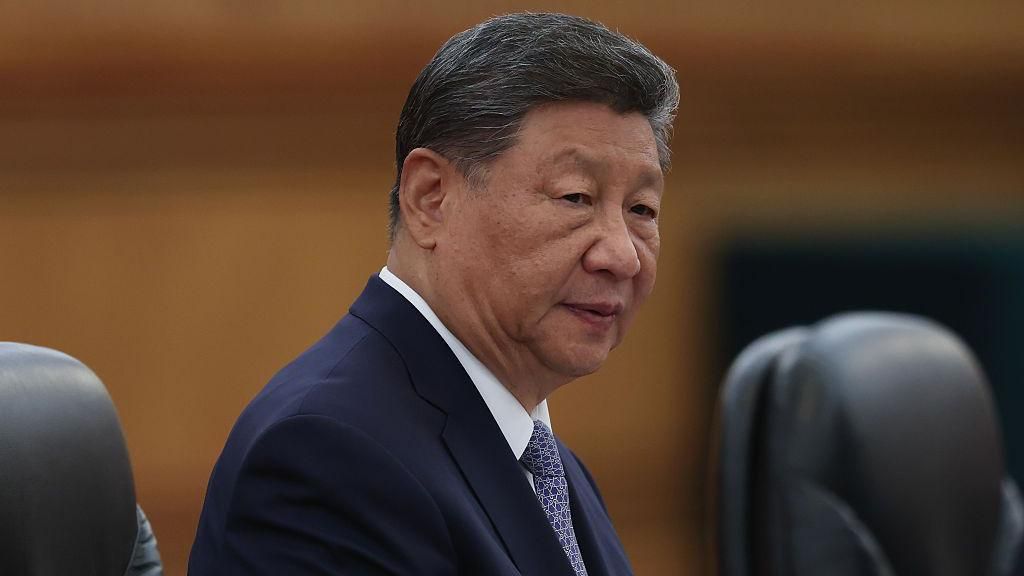
    In a significant political development preceding China’s annual Two Sessions meetings, the Chinese People’s Political Consultative Conference (CPPCC) has formally removed three high-ranking retired military officials from its ranks. The dismissed generals include Han Weiguo, former commander of the People’s Liberation Army Ground Force; Gao Jin, inaugural commander of the now-dissolved Strategic Support Force; and Liu Lei, former political commissar of the army.

    The CPPCC, China’s top political advisory body, conducted the removals through a formal vote on Monday, though authorities provided no specific explanation for the decisions. These actions represent unusual mid-term dismissals, as CPPCC delegates typically serve fixed five-year terms set to conclude in March 2028.

    This development marks the latest escalation in President Xi Jinping’s ongoing anti-corruption campaign within military ranks, which has intensified considerably in recent weeks. The removals follow a pattern of high-profile dismissals that have reshaped China’s military leadership structure, including last Thursday’s announcement of 19 officials being sacked, nine of whom were military figures.

    Han Weiguo, 70, commanded the PLA ground forces from 2017 until his retirement in 2021. Notably, both his successors have similarly been removed from their positions within the past two weeks. Liu Lei, also 70, served as political commissar during Han’s command tenure, while Gao Jin, 67, previously led the Central Military Commission’s Logistic Support Department before retiring in 2022.

    The timing of these dismissals, immediately before China’s most prominent annual political gathering where approximately 3,000 delegates convene, signals continued consolidation of military oversight and political alignment under President Xi’s administration.

  • Pakistanis at remote border describe scramble to leave Iran

    Pakistanis at remote border describe scramble to leave Iran

    Amid escalating regional hostilities, Pakistani nationals are undertaking a mass exodus from Iran through the remote Taftan border crossing, creating scenes of travel chaos and logistical challenges. The evacuation follows a series of powerful explosions that rocked Tehran over the weekend, prompting global embassies to issue advisories for their citizens to depart immediately.

    Eyewitness accounts from returning Pakistanis describe a tense atmosphere with visible missile launches near populated areas. Ameer Muhammad, a 38-year-old trader, reported to AFP on Monday that substantial crowd pressures and major transport problems emerged as Pakistani communities in Tehran and other Iranian cities began simultaneous evacuations.

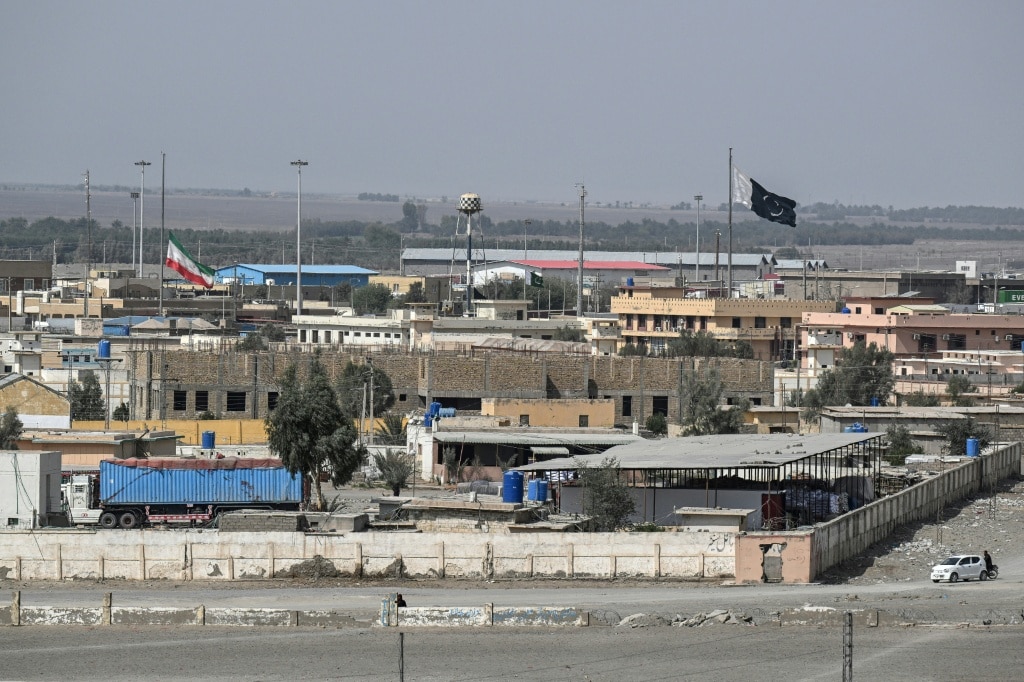
    The geographical isolation of the Taftan border crossing—approximately 500 kilometers from Balochistan’s capital Quetta—has compounded evacuation difficulties. AFP journalists documented a continuous stream of individuals navigating large metal gates while hauling bulky luggage, with freight lorries forming extensive queues. The Iranian flag was observed flying at half-mast as military personnel maintained vigilant guard.

    Irshad Ahmed, a 49-year-old pilgrim, provided a firsthand account of witnessing missile launches from an army base adjacent to his Tehran hostel. His subsequent evacuation was facilitated by the Pakistani embassy, which organized safe passage to the border. This coordinated effort reflects the diplomatic response to the crisis, though evacuees reported varying perceptions of the immediate danger.

    Prime Minister Shehbaz Sharif has characterized the killing of Ayatollah Ali Khamenei as a violation of international law, emphasizing the longstanding convention that heads of state should not be targeted. In a statement on social media platform X, Sharif extended Pakistan’s sincere condolences to the people of Iran, acknowledging their ‘hour of grief and sorrow.’

    Contrasting perspectives emerged among evacuees regarding the severity of the situation. Saqib, a 38-year-old teacher at Tehran’s Pakistani embassy, noted that conditions were relatively normal before Saturday’s strikes, which ultimately precipitated their decision to depart. He described how the nighttime attacks resulted in precious lives lost, fundamentally altering the security calculus for Pakistani nationals in Iran.

  • The French village where Ayatollah Khomeini fomented Iran’s revolution

    The French village where Ayatollah Khomeini fomented Iran’s revolution

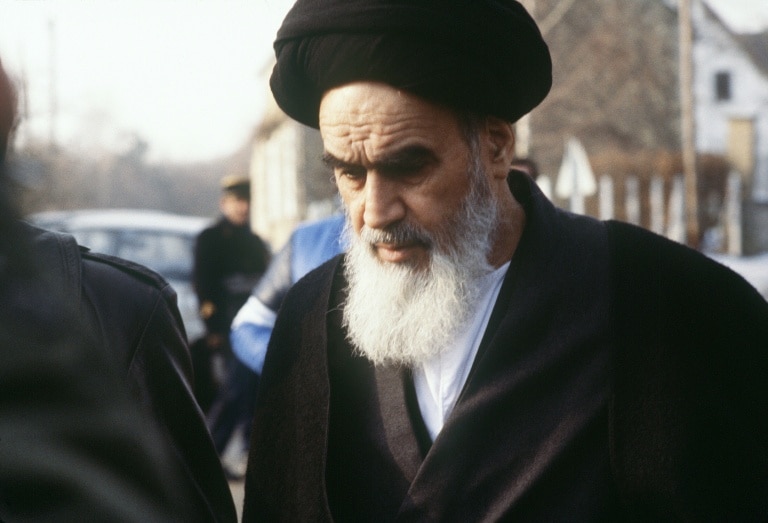
    Nearly five decades after Ayatollah Ruhollah Khomeini orchestrated Iran’s Islamic revolution from a quiet French village, Neauphle-le-Château continues grappling with its unexpected place in global history. Located just 40 kilometers west of Paris, this affluent community became the unlikely command center where the exiled cleric spent 120 days plotting the overthrow of Iran’s Shah Mohammad Reza Pahlavi in late 1978 and early 1979.

    The ayatollah’s arrival transformed this sleepy village into an international media spectacle. André, an 86-year-old resident who witnessed the events, recalls the sudden invasion of journalists and young Iranian students who flocked to the village. According to Iran specialist Bernard Hourcade of France’s CNRS research institute, France provided the ideal exile location precisely because Iranians could enter without visas.

    The revolutionary leader’s activities primarily involved recording incendiary speeches on cassette tapes that were smuggled into Iran, galvanizing opposition against the Shah’s regime. His presence brought heightened security measures, with police checkpoints and blocked roads disrupting village life. While some longtime residents like 87-year-old Michel acknowledge the inconvenience caused to direct neighbors, others minimize the historical significance, noting it was but a brief chapter in the village’s long history.

    The physical legacy remains contentious. The house where Khomeini stayed was destroyed in a mysterious explosion in February 1980, just months after his return to Iran. Though a commemorative signboard was installed years later, it was vandalized in 2023. Despite this, the village maintains an enduring connection to Iran—annual pilgrimages continue with 150-200 participants, including Iran’s ambassador, marking the anniversary of Khomeini’s return. In reciprocal recognition, Tehran has named a street after Neauphle-le-Château, where the French embassy now stands.

    Current residents like Lydie Kadiri, who arrived in 1999, note that the association remains inescapable. The village’s identity remains intertwined with those four months that changed Middle Eastern history forever, particularly as contemporary tensions between Iran and Western powers bring renewed attention to Khomeini’s legacy.