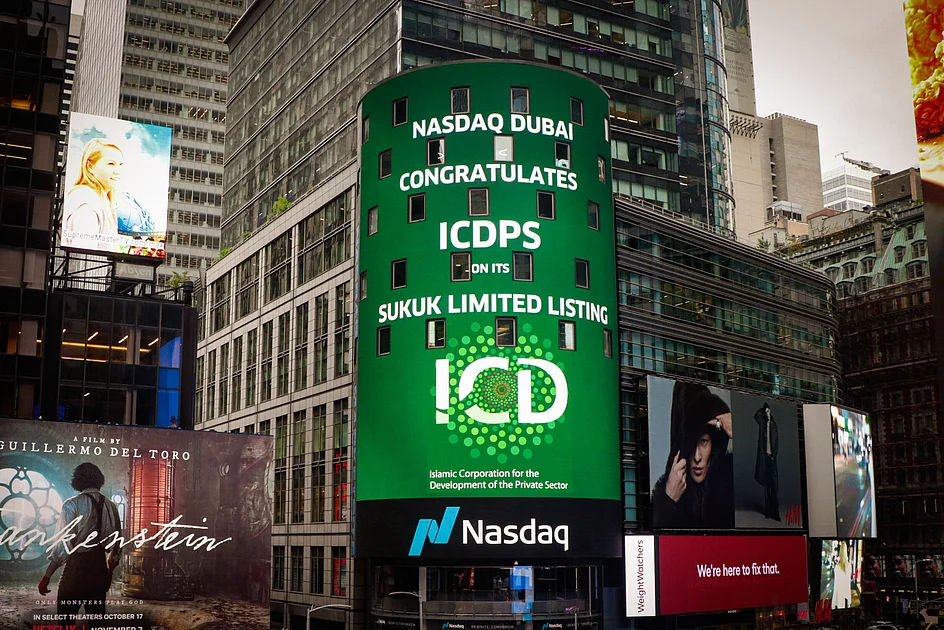
Nasdaq Dubai has announced the successful listing of $500 million Trust Certificates (Sukuk) issued by ICDPS Sukuk Limited, guaranteed by the Islamic Corporation for the Development of the Private Sector (ICD). The ICD, a prominent multilateral financial institution and member of the Islamic Development Bank (IsDB) Group, priced the five-year Reg S senior unsecured Sukuk at 65 basis points over US Treasuries, offering a profit rate of 4.391% paid semi-annually. The issuance witnessed overwhelming investor demand, with order books surpassing $2 billion, reflecting robust market confidence in ICD’s financial stability and developmental objectives. The Sukuk, set to mature in 2030, was issued under the ICDPS Sukuk Limited Trust Certificate Issuance Programme. Leading financial institutions, including Al Rayan Investment, Bank ABC, Dubai Islamic Bank, and HSBC Bank plc, served as Joint Lead Managers and Bookrunners. This marks ICD’s fourth Sukuk listing on Nasdaq Dubai, following previous issuances in 2016, 2020, and 2024. Dr. Khalid Khalafalla, Acting CEO of ICD, emphasized the significance of the oversubscribed issuance, stating that the proceeds will drive private sector growth in member countries while expanding Shariah-compliant financial solutions. Hamed Ali, CEO of Nasdaq Dubai and Dubai Financial Market (DFM), highlighted the transaction as a testament to Dubai’s leadership in Islamic capital markets and its ability to attract diverse investors. With this listing, the total value of Sukuk on Nasdaq Dubai has reached $102 billion, reinforcing its status as a global hub for Islamic finance.
博客
-
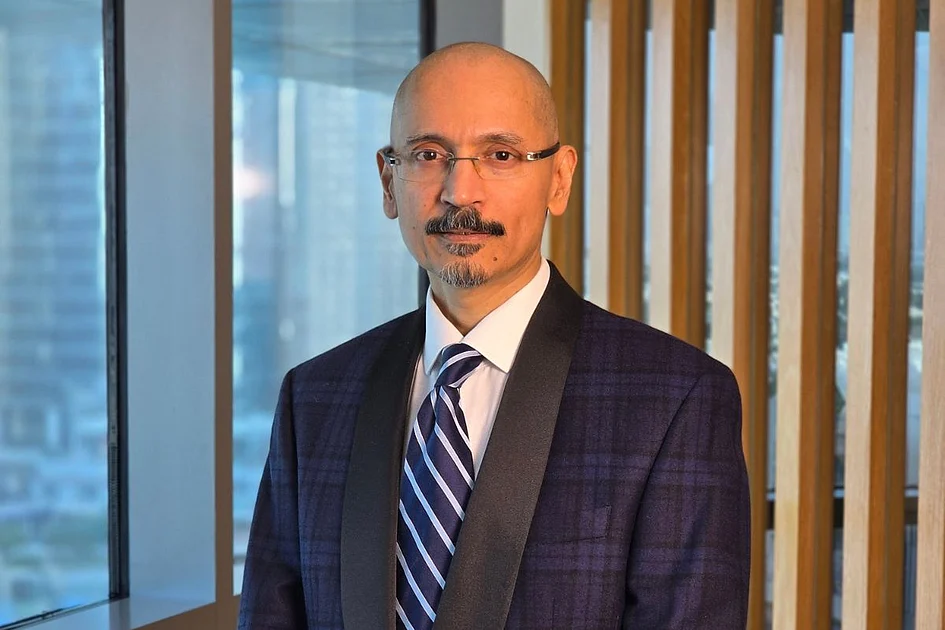
Continental reports 77% premium growth, makes executive appointments to lead next phase of expansion
Continental, a DIFC-licensed financial advisory firm, has announced a remarkable 77% growth in premiums, marking a significant milestone in its 30-year legacy in the Middle East. The firm is now poised for its next phase of expansion, driven by a focus on technology, transparency, and trust. To spearhead this growth, Continental has appointed Lyndon D’Silva as Senior Executive Officer (SEO) and Member of the Board. With over 35 years of leadership experience at global institutions such as IBM, Standard Chartered, AIG, Morgan Stanley, and Concentrix, D’Silva brings a unique combination of financial expertise and technological insight to the role. His appointment underscores Continental’s commitment to innovation and long-term growth within the DIFC platform. Akshay Sardana, Managing Director of CFS DIFC Ltd., emphasized the alignment of values and vision with D’Silva, stating that his leadership will drive awareness, inclusion, and innovation across the wealth and insurance sectors. In his new role, D’Silva will oversee strategic direction, client and advisor relationships, and operational excellence, while advancing Continental’s legacy of trust and transparency. D’Silva expressed his enthusiasm for the opportunity, highlighting his goal to build on Continental’s strong foundation and position the firm as a catalyst for regional and global progress. Looking ahead, Continental plans to enhance its digital transformation agenda, modernize internal systems, and streamline client onboarding processes. The firm is also expanding its advisory network and insurer partnerships, ensuring faster and more responsive services for its clients. With these initiatives, Continental aims to consolidate its growth and expand its impact across the region.
-
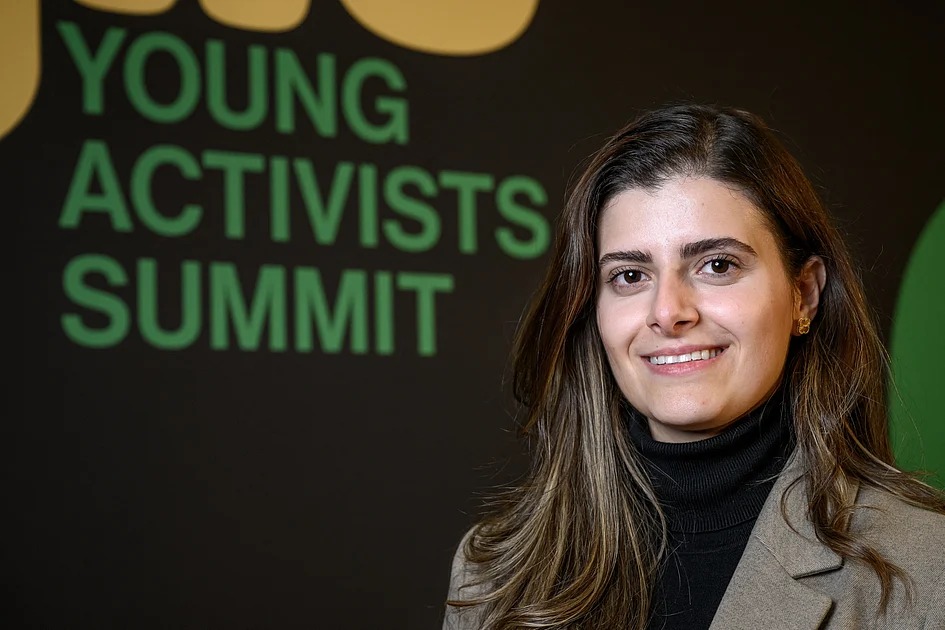
Youth activist turning trauma into treatment in Lebanon
Marina El Khawand, a 24-year-old Lebanese activist, has turned personal tragedy into a global mission to provide healthcare access for vulnerable communities. Her journey began in 2020 when she witnessed the devastating Beirut port explosion, which claimed over 220 lives and left her hometown in ruins. Despite the trauma, Khawand chose to stay and help, volunteering at the blast site before eventually founding Medonations, a non-profit organization dedicated to providing free medical assistance.
-

Tears, walkouts and drama: New Miss Universe to be crowned as chaotic season ends
The 74th edition of Miss Universe, held in Bangkok, Thailand, concluded amidst a whirlwind of controversies and organizational turmoil. The event, which has been a global staple since its inception in 1952, faced unprecedented challenges this year, including contestant walkouts, judge resignations, and allegations of rigging. These issues have highlighted the cultural and strategic differences between the pageant’s Thai and Mexican owners, raising questions about its future direction. The pageant, traditionally a platform for women to advocate for global causes like HIV/AIDS awareness and children’s education, has also been a launchpad for international celebrity status. This year, Thailand’s Praveenar Singh emerged as a fan favorite, with hopes of becoming the country’s third Miss Universe. However, the event was overshadowed by a series of incidents that began with Thai media mogul Nawat Itsaragrasil’s public reprimand of Miss Mexico, Fatima Bosch, leading to a walkout by several contestants. The Miss Universe Organisation condemned Nawat’s actions as ‘malicious,’ and international executives were brought in to oversee the competition. Further complicating matters, two judges resigned, with one accusing organizers of pre-selecting finalists. Despite these challenges, the pageant continues to evolve, transitioning from a once-a-year television spectacle to a media brand embracing social media platforms like TikTok. The leadership transition has been rocky, with former CEO Anne Jakrajutatip’s resignation and the subsequent appointment of Guatemalan diplomat Mario Bucaro. Jakrajutatip, who acquired the pageant in 2022, had made significant strides towards inclusivity, allowing transgender women, married women, and women with children to participate. However, her entertainment company JKN filed for bankruptcy in 2023, adding to the pageant’s financial woes. As the Miss Universe brand navigates these turbulent waters, former queens like Catriona Gray continue to use their platforms to promote charitable causes, underscoring the pageant’s potential for positive impact. Despite the controversies, the event remains a significant cultural phenomenon, though its future will depend on its ability to reconcile its diverse leadership and maintain its core values of empowering women.
-

UAE offers condolences to Peru over victims of deadly bus crash
The United Arab Emirates has conveyed its heartfelt condolences to Peru in the wake of a tragic bus accident in the Arequipa region, located in the southern part of the country. The incident, which claimed numerous lives and left many injured, has prompted an outpouring of international sympathy. The UAE Ministry of Foreign Affairs (MoFA) issued an official statement expressing profound sorrow and solidarity with the families of the victims, as well as with the Peruvian government and its citizens. Additionally, the ministry extended its wishes for a swift and full recovery to all those who were injured in the crash. This gesture underscores the UAE’s commitment to fostering international solidarity during times of crisis.
-
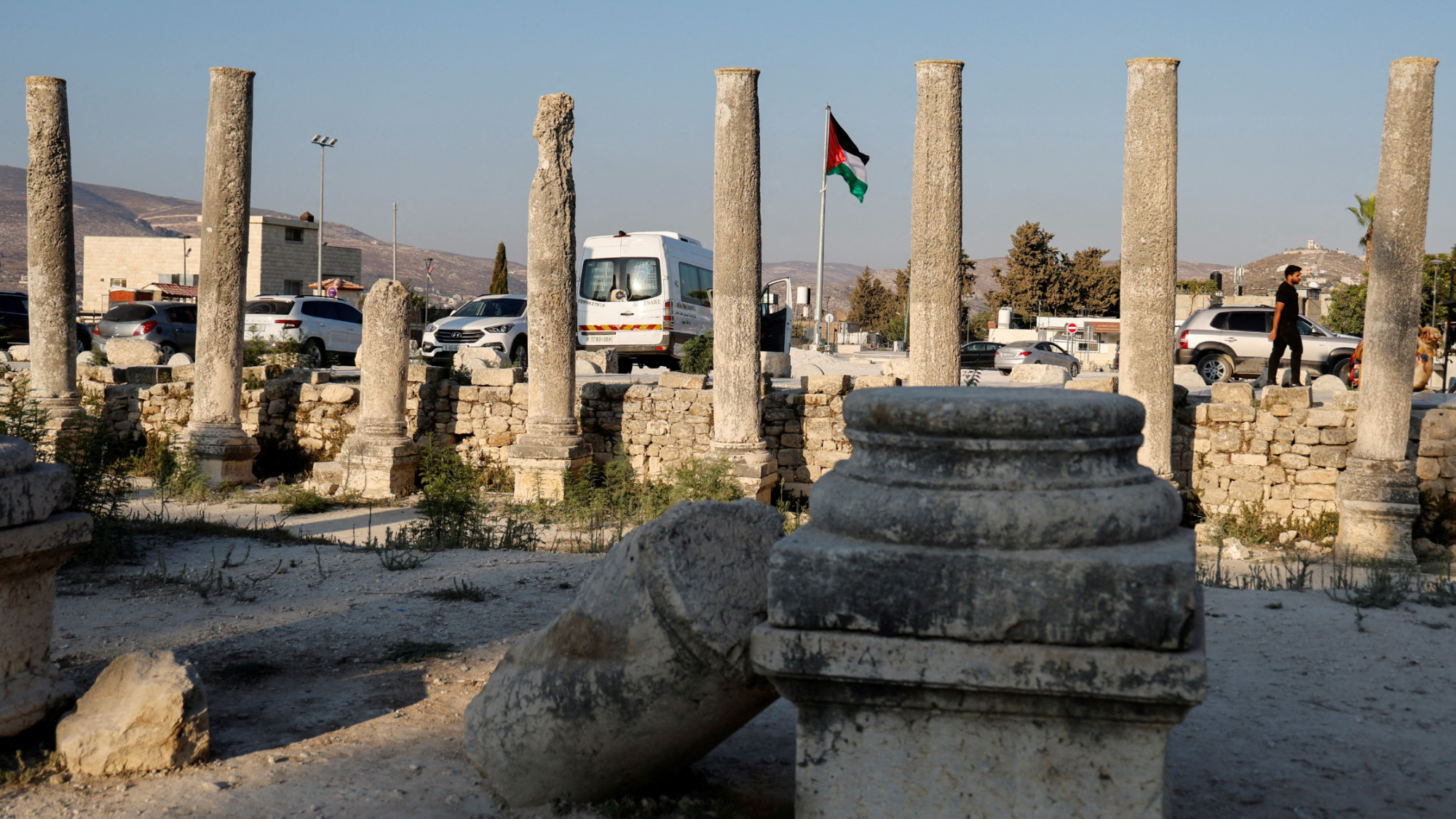
Israel to seize 180 hectares near Bronze Age heritage site in West Bank
Israel has announced plans to confiscate 180 hectares of privately owned land in the occupied West Bank, citing the development of an archaeological site as the primary reason. The targeted area, located near the town of Sebastia north of Nablus, is home to tens of thousands of olive trees and spans across Sebastia and the neighboring village of Burqa. Local officials have labeled this as the largest land seizure for archaeological purposes since 1967. The site in Sebastia dates back to the Bronze Age, approximately 3200 BCE, and Israel claims it is linked to the biblical city of Samaria, associated with the ancient Kingdom of Israel. However, Palestinians argue that this move is part of a broader strategy to ‘Judaise’ Palestinian heritage and legitimize land annexation. Sebastia’s mayor, Muhammad Azem, stated that Israel aims to connect the archaeological site to the nearby Shavei Shomron settlement, built on land belonging to several Palestinian towns. Additionally, Israel plans to confiscate more land from Burqa to construct a settler road leading to the settlement. Azem warned that this decision seeks to take control of one of Palestine’s largest archaeological sites, effectively blocking Palestinians from accessing their own land. The economic and security impacts are expected to be severe, with local tourism suffering as Palestinians lose access to the site, and foreign visitors are only permitted entry through Israel. Sebastia, which relies heavily on the site for tourism revenue, could face economic paralysis. Azem also revealed that Israel conducted a year-long excavation, reaching deep archaeological layers, and moved a mobile archaeological unit from Sebastia to the Shavei Shomron settlement, further confirming suspicions of land confiscation. In May 2023, the Israeli government allocated 30 million shekels (approximately $9 million) for excavations and development in Sebastia, including the restoration of the town’s old train station, where settlement activity began in 1974. The plans also include a new road bypassing the Palestinian village entirely. Palestinian expert Dirgham Fares accused Israel of using antiquities as a pretext to annex and Judaise more land, calling it a systematic policy. Peace Now, an Israeli NGO, condemned the move as a violation of Palestinian rights and international law, emphasizing that Sebastia is a heritage site within a Palestinian village and part of a future Palestinian state. Fares also highlighted ongoing Israeli restrictions on Palestinian tourism and antiquities ministry staff, including detentions and disruptions of restoration work, further exacerbating tensions in the region.
-
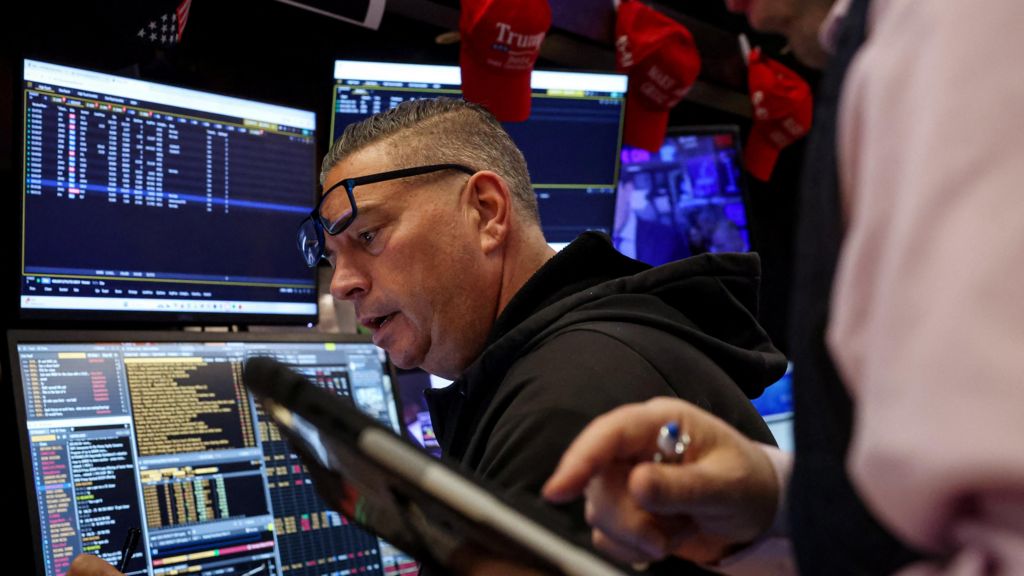
US stocks slide as Wall Street’s AI jitters persist
The US stock market experienced a significant downturn on Thursday, with major indexes reversing gains from an early morning rally. Despite positive business news, including strong sales from AI leader Nvidia and retail giant Walmart, better-than-expected hiring data, and a rise in home sales, investor anxiety remained high. The S&P 500 fell by 1.6%, the Dow Jones Industrial Average dropped 0.8%, and the Nasdaq closed down over 2%. Nvidia, which had initially surged, saw its shares decline by more than 3%. James Stanley, a senior analyst at StoneX, noted the unusual market reaction, stating, ‘The reaction is noteworthy because what should have happened, didn’t happen.’ Bitcoin also fell below $90,000, its lowest since April, partly due to concerns over AI valuations. Despite Nvidia’s robust earnings and CEO Jensen Huang’s dismissal of overvaluation fears, Wall Street remains wary of an AI bubble. Alphabet CEO Sundar Pichai recently warned of ‘irrationality’ in the AI boom, while Oxford Economics analysts described the tech sector’s decline as a ‘healthy correction.’ Investors are also uneasy about the Federal Reserve’s interest rate decisions, awaiting delayed inflation data that could influence future rate cuts. The S&P 500 is on track for its worst month since March, with investors grappling with economic uncertainty and potential inflation risks. Eric Teal, CIO at Comerica Bank, highlighted the mixed September jobs report, which added 119,000 jobs but saw unemployment rise to 4.4%, leaving questions about the Fed’s next moves. Teal emphasized that continued AI adoption and lower interest rates are crucial for sustaining market growth, but growing fears of an AI bubble and inflation could increase market volatility.
-
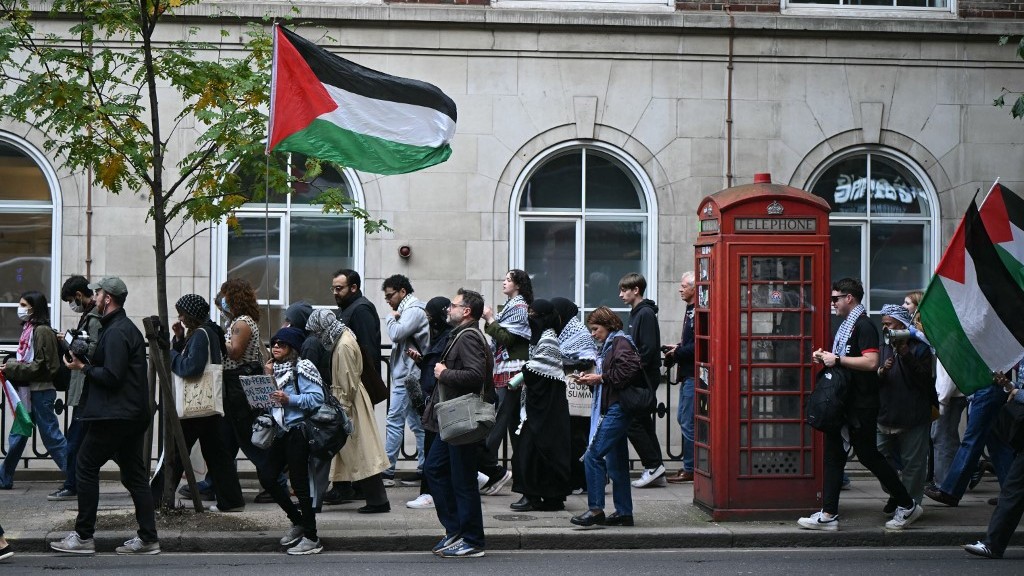
Almost half of UK would consider ending a friendship over Israel-Palestine, poll finds
A recent survey conducted by More In Common UK has uncovered a startling trend: nearly half of the UK population would consider ending a friendship over differing views on the Israel-Palestine conflict. The poll, which involved 2,000 participants, revealed that 43% of pro-Palestine respondents and 46% of pro-Israel respondents would sever ties with friends who held opposing stances. Additionally, 75% of respondents expressed discomfort discussing the issue on social media, while approximately 30% felt uneasy discussing it with friends. The ongoing war in Gaza has exacerbated tensions across the UK, sparking widespread pro-Palestine demonstrations and counter-calls from Israel supporters for bans on such protests. The government’s proscription of the pro-Palestine group Palestine Action, following their vandalism of British planes at RAF Brize Norton in June, has led to the arrest of at least 2,094 individuals opposing the ban. Luke Tryl, director of More In Common UK, highlighted the ‘divisive’ impact of the conflict, noting that individuals with strong views often retreat to their own information sources online, making it difficult to have conversations based on shared facts. He also pointed out the tendency to attribute bad faith to those on the opposing side, such as assuming pro-Israel supporters are anti-Muslim or pro-Palestine supporters are antisemitic. Middle East Eye continues to provide independent coverage and analysis of the Middle East, North Africa, and beyond, offering insights into the complexities of this contentious issue.
-
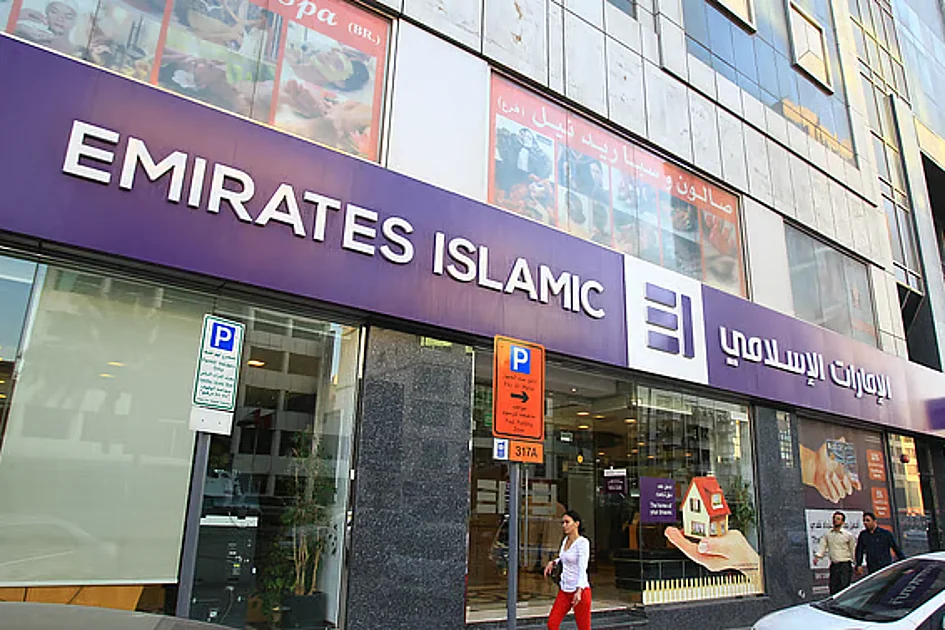
Dubai: Emirates Islamic Bank to close 5 branches amid rationalising network
Emirates Islamic Bank, a subsidiary of Emirates NBD, has announced the closure of five branches as part of its strategy to optimize its network in response to the growing trend of online banking in the UAE. Mohammed Kamran Wajid, Deputy CEO of Emirates Islamic, emphasized that the move is driven by technological advancements but assured that the bank remains committed to maintaining a physical presence. He stated, ‘We are rationalizing our branches as technology takes over, but we are not eliminating physical locations. We may reinvest the savings into further technological development to enhance customer service.’ The bank, which previously operated 45 branches, plans to complete the closures by the end of the year. Wajid also confirmed that the closures would not result in job losses, highlighting the bank’s focus on talent retention. Emirates Islamic employs over 30,000 people and is the largest financial services employer in the region. The bank reported a record Dh3.2 billion profit before tax for the first nine months of 2025, with total income rising 9% year-on-year to Dh4.5 billion. The UAE’s Islamic banking market, valued at $221 billion in 2024, is projected to grow to $352 billion by 2029, driven by the country’s role as a global financial hub. Wajid noted that the closures involve legacy branches located near Emirates NBD branches, allowing for better resource allocation and customer acquisition. The bank, which boasts a capital adequacy ratio of 18.8%, remains highly liquid and plans to focus on digitization and AI integration to strengthen its competitive edge in the corporate banking sector.
-
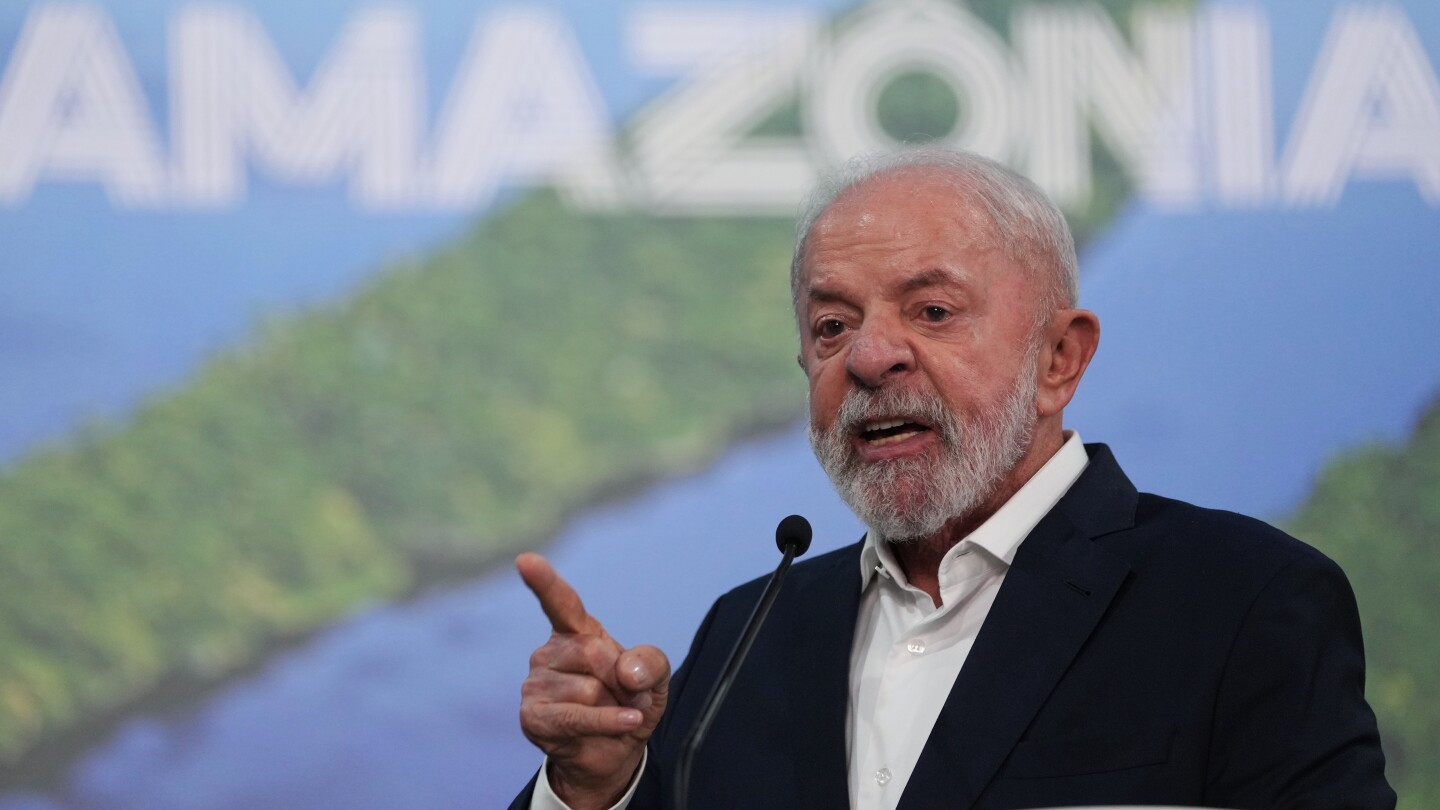
Trump expands tariff relief on coffee, fruit and beef from Brazil
In a strategic move to alleviate consumer expenses for Americans, President Donald Trump has announced a further reduction in tariffs on Brazilian imports, including key products such as coffee, fruit, and beef. The decision, unveiled on Thursday, aligns with Trump’s broader initiative to roll back certain global tariffs initially imposed in April. Notably, this adjustment ensures that neither the April tariffs nor the punitive levies enacted in July—targeted at Brazil for its prosecution of Trump’s political ally, former President Jair Bolsonaro—will apply to these specific goods. The White House confirmed the move as part of ongoing trade negotiations between Trump and Brazilian President Luiz Inácio Lula da Silva, signaling potential for further tariff reductions in the future. This development marks a significant step in harmonizing U.S.-Brazil trade relations while addressing domestic economic concerns.