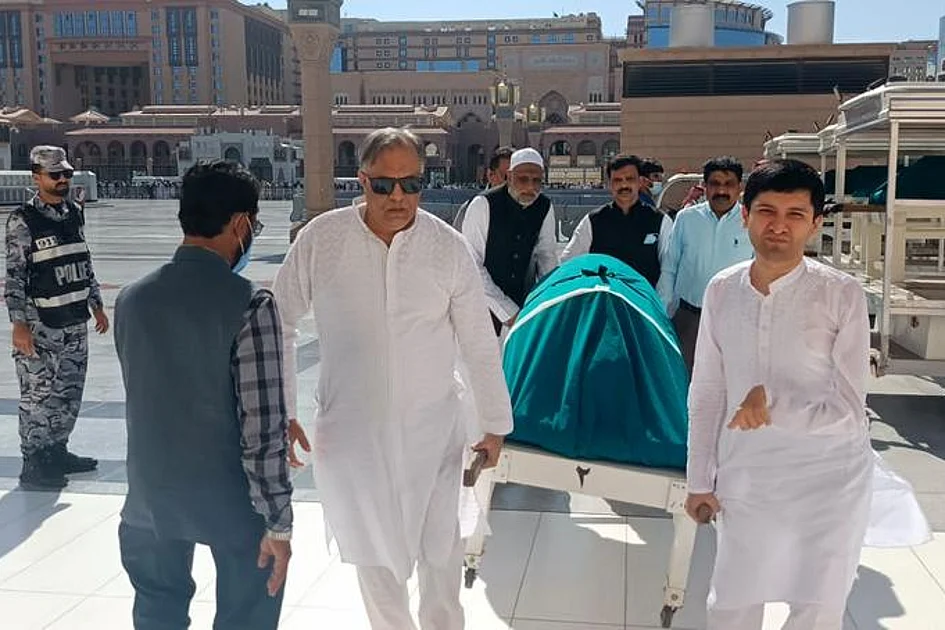
In a solemn ceremony held on November 22, 2025, funeral prayers were conducted in Madinah, Saudi Arabia, for the victims of a devastating bus accident that occurred earlier in the week. The tragic incident, which took place on Monday, claimed the lives of 45 out of 46 Indian pilgrims traveling for Umrah. The bus collided with a diesel tanker, resulting in one of the deadliest road accidents in recent years. The funeral prayers were led by Justice S. Abdul Nazeer, Governor of Andhra Pradesh, at the Prophet’s Mosque, followed by the burial at Jannat ul Baqi, a revered cemetery in Madinah. Ambassador Dr. Suhel Khan and Consul General Fahad Suri were also present, offering their condolences and support to the grieving families. The Indian Embassy in Saudi Arabia reiterated its deep sorrow over the incident, emphasizing the need for enhanced safety measures for pilgrims. This tragedy has not only left a profound impact on the families of the victims but has also highlighted the risks faced by international travelers in the region.
博客
-

Rassat claims ‘insane’ Gurgl slalom for first World Cup victory
French skier Paco Rassat achieved a monumental milestone in his career by clinching his first-ever World Cup victory in the men’s slalom event held in Gurgl on Saturday. The 27-year-old, who had previously never stood on a World Cup podium, delivered a stunning performance in the second run, finishing just 0.07 seconds ahead of Belgium’s Armand Marchant. Norway’s Atle Lie McGrath trailed closely, securing third place with a mere 0.02-second gap. Rassat, who was only 14th after the first run, capitalized on favorable conditions and a series of misfortunes among the favorites to stage a remarkable comeback. Reflecting on his victory, Rassat expressed overwhelming joy, stating, ‘This is insane. My dream just came true, so this is amazing.’ With this win, Rassat now leads the overall World Cup standings, holding a 14-point advantage over Brazil’s Lucas Pinheiro Braathen, who finished 10th in Gurgl. The event continues on Sunday with the women’s slalom, promising more excitement for ski enthusiasts.
-
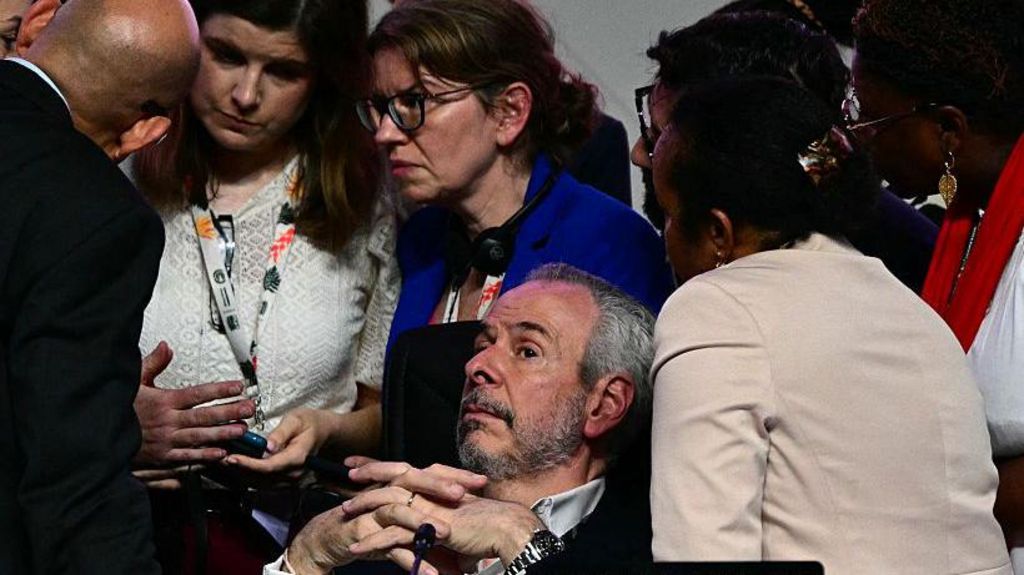
COP30: Five key takeaways from a deeply divisive climate summit
The 30th Conference of the Parties (COP30) in Belém, Brazil, concluded on Saturday, marking one of the most contentious climate summits in three decades. The absence of any mention of fossil fuels in the final agreement left many nations furious, while others, particularly those reliant on fossil fuel production, felt vindicated. The summit underscored the deep divisions in global consensus on addressing climate change, with five key takeaways emerging from what some have termed the ‘COP of truth.’
Despite the climate ‘ship’ remaining afloat, many participants expressed dissatisfaction with the outcomes. Brazilian President Luiz Inácio Lula da Silva’s vision for the summit clashed with COP President André Corrêa do Lago’s focus on consensus. Lula advocated for a roadmap away from fossil fuels, a proposal supported by the UK and other nations. However, do Lago resisted, fearing it would fracture the fragile agreement. Initial references to such a roadmap in the draft text were removed, leaving no trace in the final document.
Efforts by Colombia, the European Union (EU), and around 80 countries to push for stronger language on reducing coal, oil, and gas usage faltered. Do Lago’s attempt to foster consensus through a Brazilian-style group discussion, or ‘mutirão,’ backfired, as Arab nations refused to engage with those advocating for a fossil fuel phase-out. The Saudi delegate’s blunt remark, ‘We make energy policy in our capital, not in yours,’ epitomized the impasse.
Brazil proposed a face-saving solution: external roadmaps on deforestation and fossil fuels, which were applauded but lacked legal certainty. The EU, despite its grandstanding on fossil fuels, found itself cornered by the inclusion of a vague but binding commitment to triple climate adaptation funding. This left the EU with little leverage to negotiate with developing nations.
The summit also raised questions about the relevance of the COP process itself. Critics questioned the efficacy of flying thousands of delegates worldwide to argue over semantics in air-conditioned tents. Harjeet Singh of the Fossil Fuel Treaty Initiative suggested that while the COP process shouldn’t be discarded, it needs significant retrofitting to remain relevant.
Global trade emerged as a key issue, with the EU’s proposed border tax on high-carbon products sparking controversy. China, India, and Saudi Arabia opposed the measure, arguing it was unilateral and unfair. The EU defended it as a climate action tool, but the issue was deferred to future talks.
China and the US, the world’s top carbon emitters, influenced the summit in contrasting ways. While the US stayed absent, China focused on business deals, particularly in the solar energy sector, further solidifying its dominance in renewable energy. Experts predict China’s economic strategies will outpace US efforts in fossil fuel sales.
COP30 highlighted the urgent need for a new approach to global climate negotiations, as the current system struggles to address the pressing realities of climate change and energy transition.
-
‘We worry more about food’ say Venezuelans living under threat of US military action
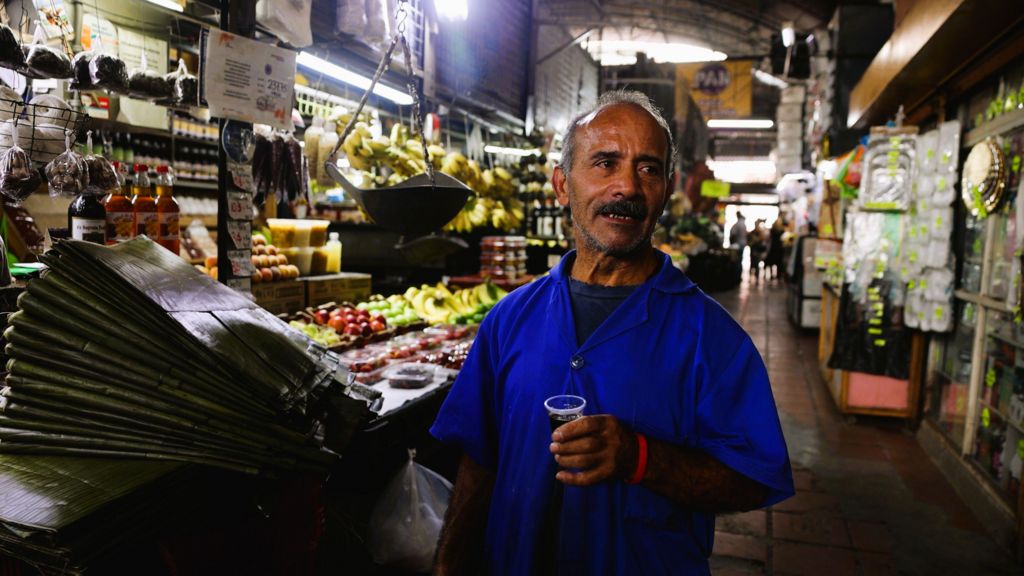
Amid escalating tensions between the United States and Venezuela, ordinary citizens in Caracas are more preoccupied with their daily financial struggles than the specter of a potential US invasion. While President Nicolás Maduro’s government remains on high alert due to military threats from US President Donald Trump, Venezuelans are focused on securing enough money to feed their families. At Quinta Crespo, a bustling market in downtown Caracas, the primary concern is not the geopolitical conflict but the rapid depreciation of the bolívar and soaring food prices. Alejandro Orellano, a vegetable vendor, dismisses the possibility of US intervention, stating, ‘What’s really troubling us is the rise of the dollar.’ The economic crisis has left many unable to afford basic necessities, with a kilo of chicken costing four times the official monthly minimum wage. The International Monetary Fund (IMF) predicts inflation will reach 548% this year, worsening to 629% in 2026. Despite government bonuses, retirees and public workers struggle to cover essential expenses. Consuelo, a 74-year-old retired professor, expresses skepticism about an armed conflict, emphasizing that panic buying is unaffordable for most. The political climate remains tense following the disputed 2024 presidential elections, which led to widespread arrests and international condemnation. Many Venezuelans, like pastry chef Barbara Marrero, live in fear of reprisals for speaking out. While some see a potential US intervention as an opportunity for regime change, others, like Javier Jaramillo, remain focused on the immediate economic crisis. ‘We’re more worried about food,’ he says. ‘Inflation is eating us alive.’ Despite the uncertainty, daily life continues in Caracas, with street vendors and pedestrians navigating the challenges of a nation in turmoil.
-

Who killed young Chechen woman who fled Russia for a life of freedom?
Aishat Baimuradova, a 23-year-old woman from Chechnya, sought freedom from the oppressive constraints of her conservative Muslim family and the societal norms of her homeland. Fleeing to Armenia in late 2024, she embraced a new life, cutting her hair short, shaving part of her eyebrow, and sharing her journey on Instagram. However, her newfound freedom was tragically cut short when she was found murdered in her rented flat in October. Police are investigating two individuals seen leaving the building, one of whom was a woman Aishat had recently befriended. Both reportedly returned to Russia shortly after the incident. Chechnya, a republic in Russia’s North Caucasus, is known for its authoritarian rule under Ramzan Kadyrov, where dissent is met with severe repercussions. Human rights organizations have documented enforced disappearances, torture, and extrajudicial killings in the region. Aishat’s death underscores the perilous journey many Chechen women face when seeking autonomy. Her family, who had disowned her, denies any involvement in her death. This case has reignited fear among Chechen women who have fled, many of whom now live in constant dread of retribution. The South Caucasus, particularly Armenia and Georgia, has become a common escape route due to visa-free travel for Russians, but it remains fraught with danger. Aishat’s story is a stark reminder of the ongoing struggle for women’s rights in Chechnya and the risks associated with seeking freedom.
-

‘Truly sorry’: Sephora apologises after event visitors complain of long queues, delays
Sephora’s highly anticipated beauty extravaganza, Sephoria, held in Dubai from November 20–22, 2025, turned into a mixed experience for attendees. The event, hosted at Al Wasl Plaza in Expo City, promised an immersive experience with over 70 brand activations, masterclasses, exclusive product launches, and photo opportunities. However, Day 1, reserved for VIP ticket holders, was marred by long queues, delayed entry, and mismanagement. Attendees reported waiting over an hour to enter, with gates opening late and swag bags arriving after significant delays. Some VIPs even missed out on the promised Dh5,000 worth of goodies. Sephora issued a public apology on social media, vowing to improve the experience for subsequent days. Day 2 saw better organization, with structured queues and timely entry, leading to positive feedback from attendees. Despite the initial setbacks, many guests praised the event’s overall value, leaving with bags full of premium beauty products.
-
Dubai Airshow crash: IAF pilot’s mortal remains repatriated to India
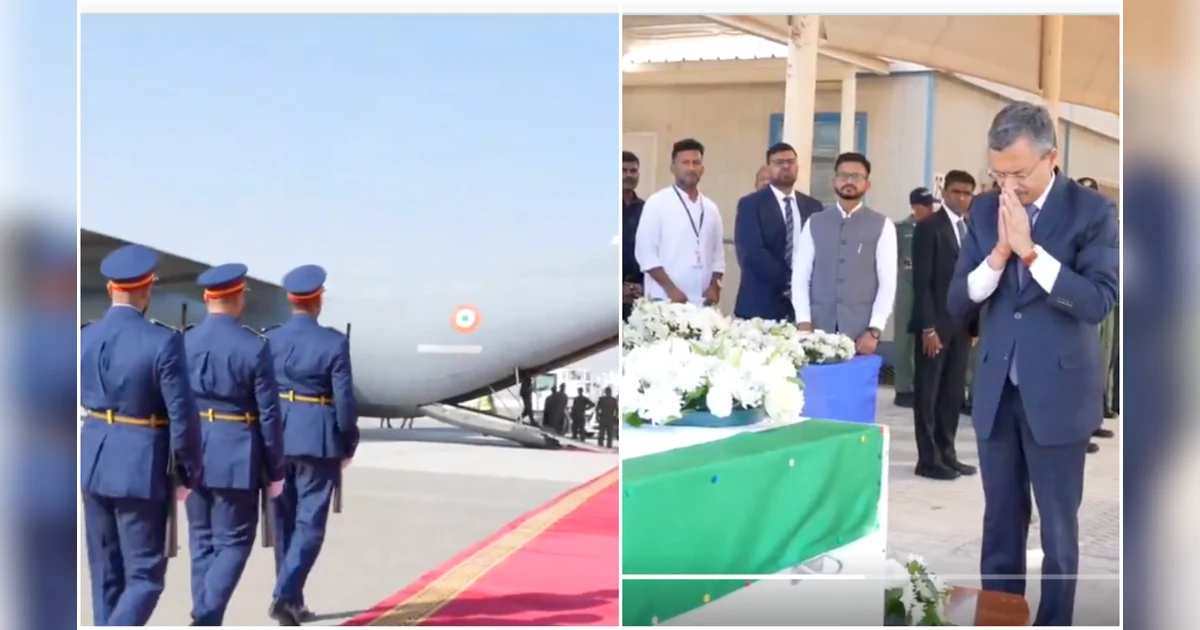
The Indian Air Force (IAF) pilot, Wing Commander Namansh Syal, who tragically lost his life during the Dubai Airshow crash, was honored by the Emirati Defence Forces with a ceremonial guard of honour. His mortal remains were repatriated to India on November 22, 2025, aboard a special IAF aircraft. The Indian Embassy in the UAE confirmed the solemn event, with Ambassador Deepak Mittal and Consulate General Satish Sivan paying their respects to the late officer. The incident occurred on Friday when the Tejas fighter jet, piloted by Syal, crashed during the airshow. The UAE’s gesture of respect highlights the strong bilateral ties between the two nations. The Indian Embassy shared the news on social media platform X, accompanied by a poignant image of the ceremony.
-

Australia beaten by France to complete winless tour
In a stunning display of rugby prowess, France triumphed over Australia with a commanding 48-33 victory at the Stade de France, marking a historic low for the Wallabies. This defeat concludes Australia’s European tour without a single win for the first time in 67 years, adding to their string of losses against Italy, England, and Ireland earlier in the autumn. The Wallabies have now suffered their 10th defeat of the year, a record-breaking low for the team.
-

Dubai unveils private terminal for helicopters, flying taxis, eVTOLs
Dubai has unveiled a groundbreaking private terminal designed to accommodate helicopters, flying taxis, and electric vertical take-off and landing (eVTOL) aircraft. Developed by Falcon Executive Aviation, a UAE-based aviation company, the terminal was announced at the recently concluded Dubai Airshow 2025. Spanning a 6,380 square meter plot, the facility is engineered as an ultra-private hub with direct helipad and vertiport access, enabling seamless arrivals, departures, and inter-emirate transfers. The terminal is part of a broader vision to revolutionize air mobility in the region. It will offer a streamlined travel experience, allowing passengers to land via private jet, clear customs privately, and transition to helicopters or eVTOLs for rapid point-to-point travel across Dubai. In addition to its advanced aviation capabilities, the terminal will feature luxury amenities such as high-end retail, private banking, commercial spaces, and dedicated VIP lounges, all designed to support a premium vertical-mobility ecosystem. Sultan Rashit Abdulla Rashit Al Shene, founder and chairman of Alex Group Investment, emphasized that this project marks the beginning of a new chapter for aviation in Dubai, positioning the UAE as a leader in future air mobility. The initiative is bolstered by the UAE’s General Civil Aviation Authority (GCAA), which has issued a regulatory framework allowing eVTOLs and conventional helicopters to operate interchangeably on the same infrastructure. This dual-use approach is expected to accelerate implementation timelines and optimize infrastructure utilization. Visitors to the Dubai Airshow 2025 were given a preview of the flying taxi set to be deployed by the first quarter of next year, further highlighting Dubai’s commitment to pioneering innovative transportation solutions.
-
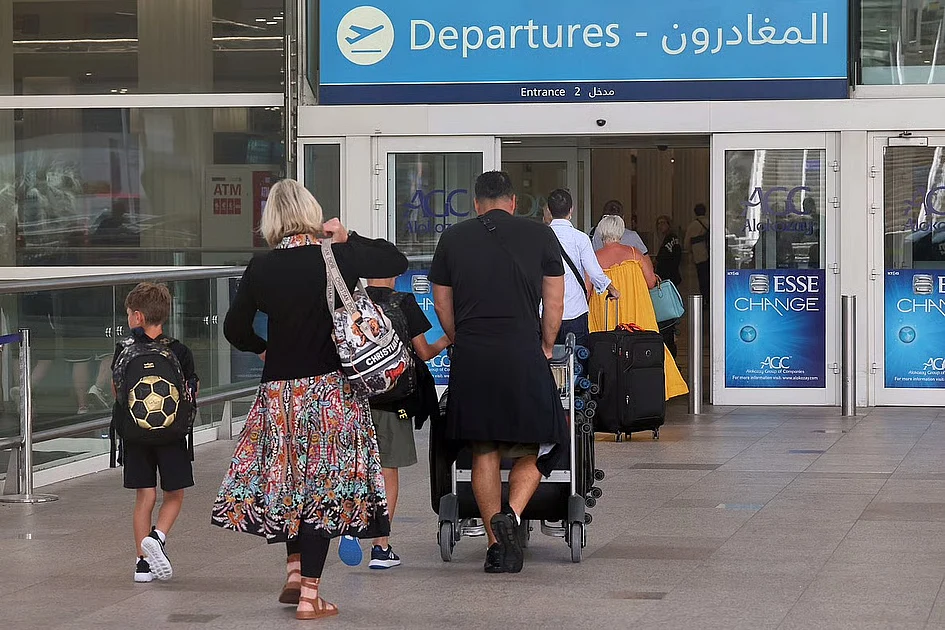
How UAE residents avail half price on flights, hotels with this date-shift hack
UAE residents are discovering a clever way to slash their travel expenses by simply adjusting their holiday dates. Shekhar Kumar, an Indian expat and digital marketer, initially planned a trip during the UAE National Day break but was deterred by the steep costs. After consulting three travel agents, he found that booking packages independently would still cost him between Dh2,700 and Dh3,000. However, by shifting his trip by just six days, he managed to secure flights and hotels at nearly half the price. This strategy is not unique to Shekhar; two of his colleagues have also joined him on this cost-effective journey. According to Khaleej Times’ analysis, airfare and hotel rates can drop by up to 100% when traveling immediately after the National Day holiday. For instance, round-trip airfare to Caucasus destinations during the holiday window ranged between Dh2,700 and Dh3,000, but dropped to Dh1,300 to Dh1,500 for departures a week later. Similarly, mid-range hotel stays that cost Dh480 to Dh800 per night during the holiday period fell to Dh230 to Dh380 post-holiday. This trend is consistent across major online travel platforms like Skyscanner, Cleartrip, and Wego. Residents with flexible work arrangements are increasingly adopting this ‘post-holiday’ travel strategy to maximize savings. Rashed Mohammed, another Dubai resident, saved over half the cost of his Baku trip by moving his travel dates from November 29 to December 7. This approach has become a routine for many, offering the same destination and experience at a fraction of the cost.