博客

  • Explainer: Why Joby filed case against air taxi rival Archer in US

    Explainer: Why Joby filed case against air taxi rival Archer in US

    In a high-stakes legal battle, Joby Aviation has filed a lawsuit against its competitor, Archer Aviation, accusing the latter of corporate espionage and the theft of trade secrets. The case, lodged in a Santa Cruz, California court, revolves around allegations that Archer utilized confidential information obtained from a former Joby employee to secure a partnership with a U.S. real estate developer. Both companies are in the advanced stages of testing their electric vertical take-off and landing (eVTOL) aircraft, with plans to launch commercial aerial taxi services in Dubai and Abu Dhabi next year.

    Joby Aviation claims that George Kivork, its former U.S. state and local policy lead, unlawfully transferred sensitive company files to a personal email account and altered security permissions to access hundreds of documents after leaving the company. Joby alleges that Archer used this stolen information to undercut a contract bid in August 2025. According to the complaint, the developer informed Joby that Archer had knowledge of confidential details from their agreement, implicating Kivork in the alleged espionage.

    Archer Aviation has vehemently denied the accusations. Eric Lentell, Archer’s chief legal and strategy officer, dismissed the lawsuit as ‘bad faith litigation,’ asserting that Archer has no deal with the developer in question and that Kivork did not bring any Joby confidential information to the company. Lentell emphasized Archer’s commitment to advancing aviation technology and accused Joby of resorting to litigation to stifle competition.

    The case, scheduled for a hearing on March 20, 2026, highlights the intense rivalry in the emerging eVTOL market. Joby is seeking unspecified monetary damages and a court order to prevent Archer from using its trade secrets. This legal dispute underscores the challenges of protecting intellectual property in a rapidly evolving industry, where innovation and competition are fiercely contested.

  • Bosnian Serbs vote to choose president after separatist leader Dodik was removed from office

    Bosnian Serbs vote to choose president after separatist leader Dodik was removed from office

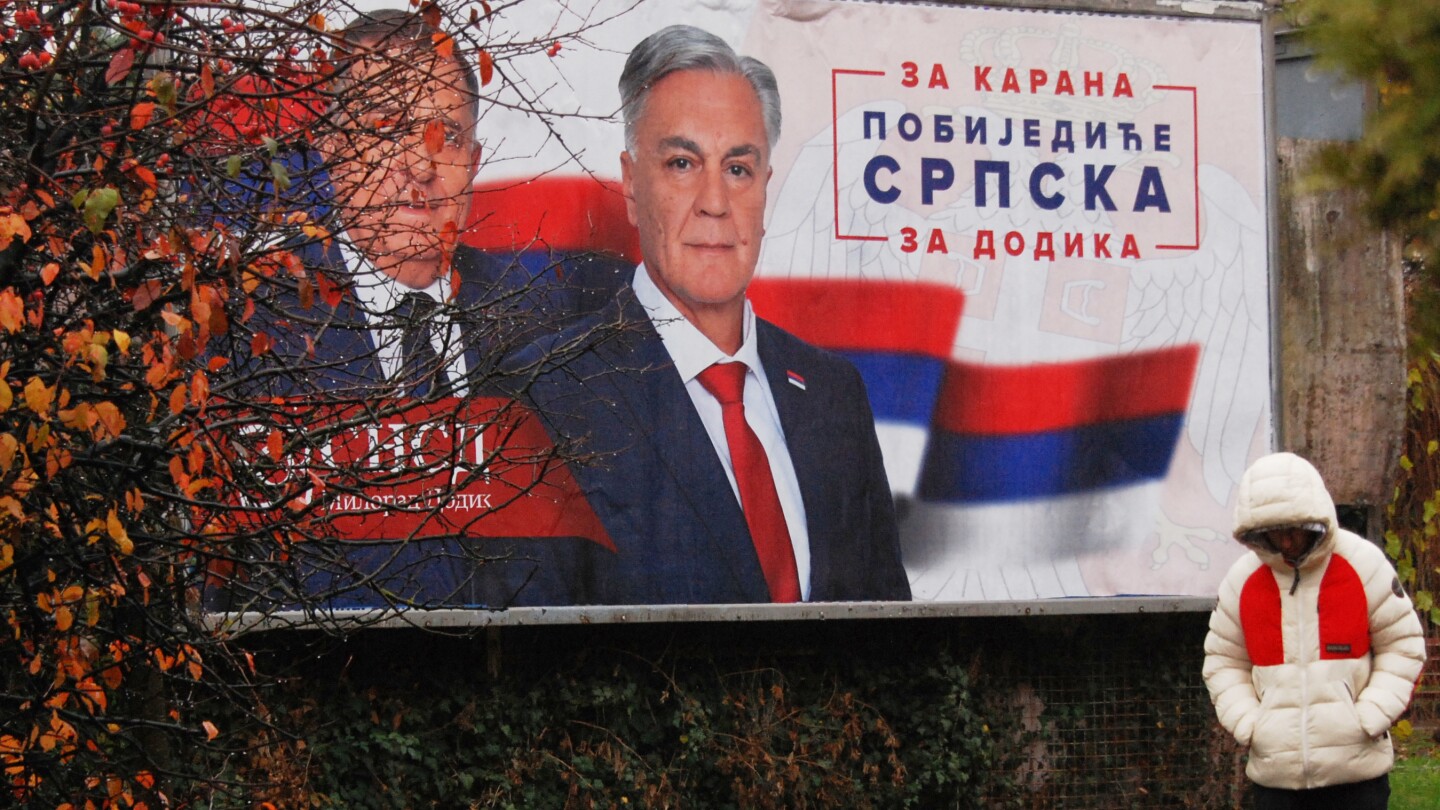
    In a pivotal moment for Bosnia-Herzegovina, voters in the Serb-dominated region of Republika Srpska headed to the polls on Sunday to elect a new president. This snap election follows the removal of Milorad Dodik, the former pro-Russian leader, who was ousted in August after a Bosnian court convicted him of defying the international High Representative for Bosnia. Dodik, who was sentenced to a year in prison and barred from public office, paid a fine to avoid incarceration and remains the leader of his Party of Independent Social Democrats. The election pits Sinisa Karan, Dodik’s chosen successor, against Branko Blanusa, a university professor representing the opposition Serb Democratic Party. Four other candidates are also in the race, though they are considered less competitive. Blanusa, after casting his vote in Banja Luka, emphasized the campaign’s fairness and urged a high voter turnout among the 1.2 million Bosnian Serb electorate. The election unfolds against a backdrop of deep ethnic divisions and political instability. Bosnia’s complex governance structure, established by the 1995 U.S.-brokered Dayton Agreement, divides the country into two entities: Republika Srpska, controlled by Serbs, and a federation shared by Bosniaks and Croats. Dodik, a long-time advocate for Republika Srpska’s secession from Bosnia, has faced international sanctions for his separatist policies. Although the U.S. recently lifted sanctions after Dodik agreed to step down, tensions persist with the international community, particularly with Christian Schmidt, the peace envoy overseeing Bosnia’s post-war stability. Dodik has actively campaigned for Karan, framing the election as a continuation of his political agenda. The outcome of this election could significantly impact Bosnia’s fragile political landscape and its relations with the international community.

  • Man who grabbed Ariana Grande at premiere banned from Singapore

    Man who grabbed Ariana Grande at premiere banned from Singapore

    An Australian man, Johnson Wen, 26, has been deported and permanently banned from Singapore after he breached security and grabbed Hollywood star Ariana Grande during the Asian premiere of *Wicked: For Good* in Singapore on November 13. The incident occurred when Wen pushed past photographers and charged at Grande, who was attending the event. Co-star Cynthia Erivo intervened, wrestling Wen away from Grande to ensure her safety. Wen was subsequently sentenced to nine days in prison for public nuisance and barred from re-entering Singapore, as confirmed by the Immigration and Checkpoints Authority (ICA).

    Wen has a history of disrupting celebrity events, including jumping on stage at a Katy Perry concert in Sydney earlier this year. His actions during the Singapore premiere sparked widespread outrage, with many expressing concern for Grande, who has previously spoken about her struggles with post-traumatic stress disorder following the 2017 Manchester Arena bombing.

    During the trial, it was revealed that Wen had attempted to intrude on the premiere twice. After his first attempt was thwarted by security, he made a second effort to jump the barricades but was detained. Wen later posted videos online, thanking Grande for ‘letting him on the carpet’ and claiming he was ‘free.’ However, he was arrested the following day and pleaded guilty to charges of public nuisance.

    District Judge Christopher Goh described Wen as ‘attention-seeking’ and emphasized that his actions were not without consequences. Grande has not publicly commented on the incident, but Erivo spoke to NBC, stating that her primary concern was ensuring Grande’s safety. ‘I’m sure he didn’t mean us harm, but you never know with those things, and I wanted to make sure that she was OK. That was my first instinct,’ Erivo said.

  • Escalating war of words between Ethiopia and Eritrea triggers fears of conflict

    Escalating war of words between Ethiopia and Eritrea triggers fears of conflict

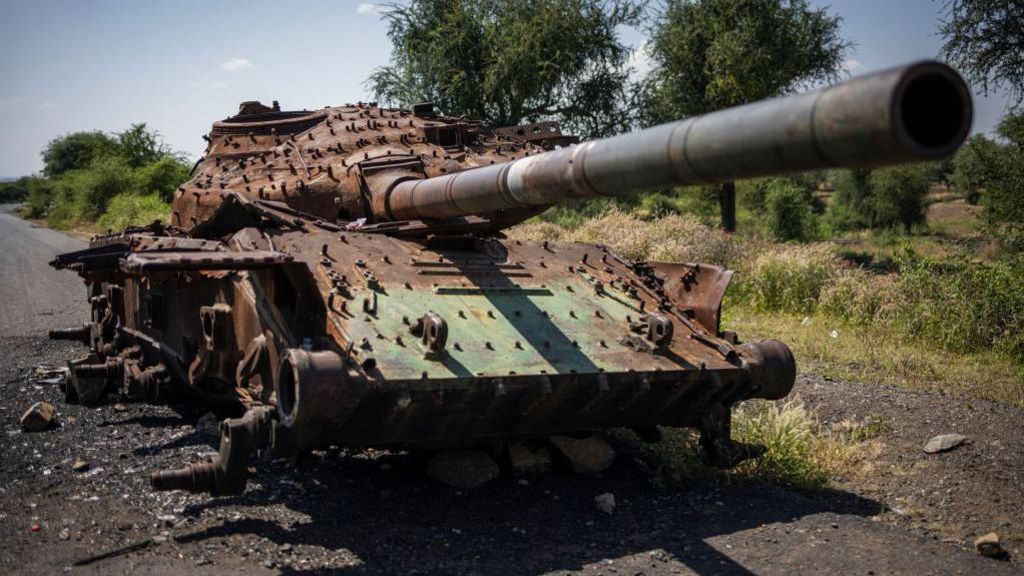
    Mounting tensions between Ethiopia and Eritrea have sparked fears of a potential armed conflict in the Horn of Africa. The dispute centers on Ethiopia’s demand for access to the Red Sea through Eritrea, a contentious issue that has reignited historical animosities. Ethiopian Prime Minister Abiy Ahmed has repeatedly emphasized the strategic importance of sea access, calling it an existential necessity for his landlocked nation. However, Eritrea has dismissed these claims, labeling them as a “toxic agenda” of irredentism. The two nations share a complex history, marked by Eritrea’s secession from Ethiopia in 1993 after a decades-long independence struggle, leaving Ethiopia without a coastline. A brutal border war in 1998 further strained relations, resulting in over 100,000 deaths. Recent months have seen a sharp escalation in rhetoric, with Ethiopian officials openly asserting ownership of Eritrea’s southern port of Assab and hinting at the possibility of reclaiming it by force. Ethiopian leaders, including army chief Field Marshal Birhanu Jula, have framed the issue as a matter of national survival, citing Ethiopia’s growing population and economic needs. In response, Eritrea has issued stern warnings, with Information Minister Yemane Gebremeskel describing Ethiopia’s stance as “dangerous” and a violation of international norms. The Eritrean army has also cautioned against crossing “red lines,” warning of severe consequences. While there have been no reports of major military movements, Ethiopia has been bolstering its defense capabilities, showcasing new weaponry and conducting large-scale military training exercises. State media in Ethiopia has amplified the government’s narrative, portraying the loss of Red Sea access as an injustice that must be rectified. Conversely, Eritrean media has accused Ethiopia of attempting to reignite settled disputes. The situation has drawn attention from international observers, with concerns over the potential for conflict in an already volatile region. The historical context of the dispute, coupled with recent developments, underscores the fragility of relations between the two nations and the high stakes involved.

  • Vietnam floods leave at least 90 dead and 12 missing

    Vietnam floods leave at least 90 dead and 12 missing

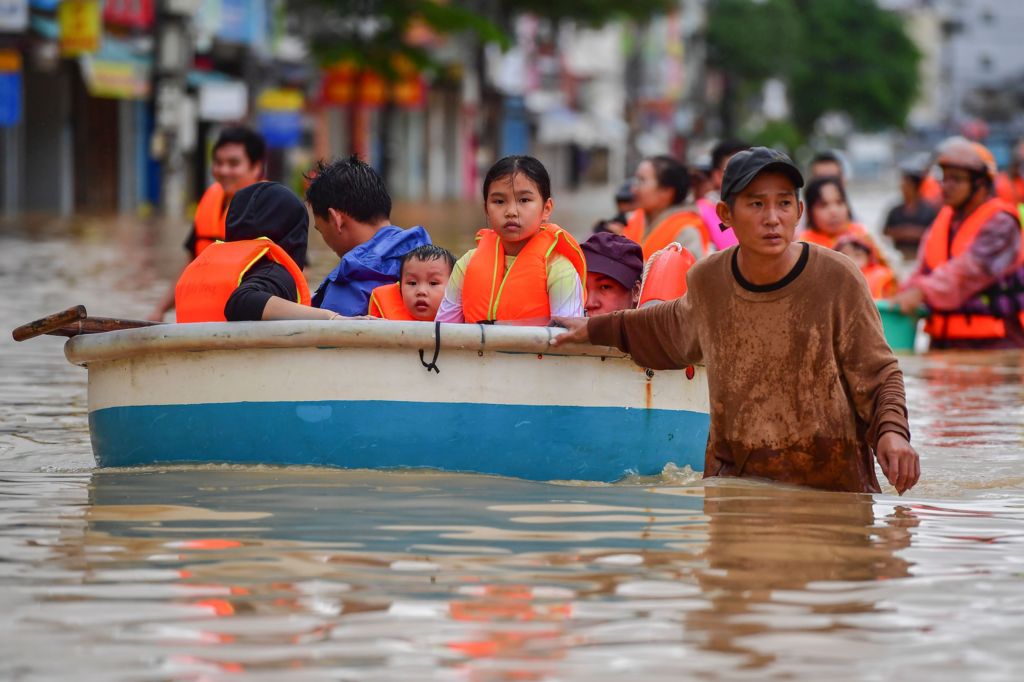
    Vietnam is reeling from catastrophic floods triggered by relentless heavy rainfall, resulting in at least 90 fatalities and 12 individuals reported missing. The deluge has caused widespread destruction, damaging 186,000 homes and sweeping away over three million livestock. Preliminary estimates suggest the economic toll runs into hundreds of millions of pounds. The mountainous province of Dak Lak has borne the brunt of the disaster, with over 60 deaths recorded since November 16, according to AFP. This calamity follows closely on the heels of typhoons Kalmaegi and Bualoi, which struck Vietnam in rapid succession in recent months. As of Sunday morning, approximately 258,000 people were left without electricity, and critical transportation routes, including major highways and railway lines, were rendered impassable. In response, the Vietnamese government has deployed military and police forces to aid the hardest-hit regions, particularly in the provinces of Quang Ngai, Gia Lai, Dak Lak, Khanh Hoa, and Lam Dong. Prime Minister Phạm Minh Chính, attending the G20 summit in South Africa, convened an emergency virtual meeting to coordinate relief efforts. Rainfall in some areas exceeded 1.5 meters (5 feet), with certain locations surpassing a staggering 5.2 meters, a record not seen since 1993. While forecasts predict a respite from the rain in the coming days, scientists warn that Vietnam’s vulnerability to extreme weather events has been exacerbated by human-induced climate change, intensifying the frequency and strength of typhoons.

  • More and more Ugandan men seek DNA paternity tests, often with heartbreaking results

    More and more Ugandan men seek DNA paternity tests, often with heartbreaking results

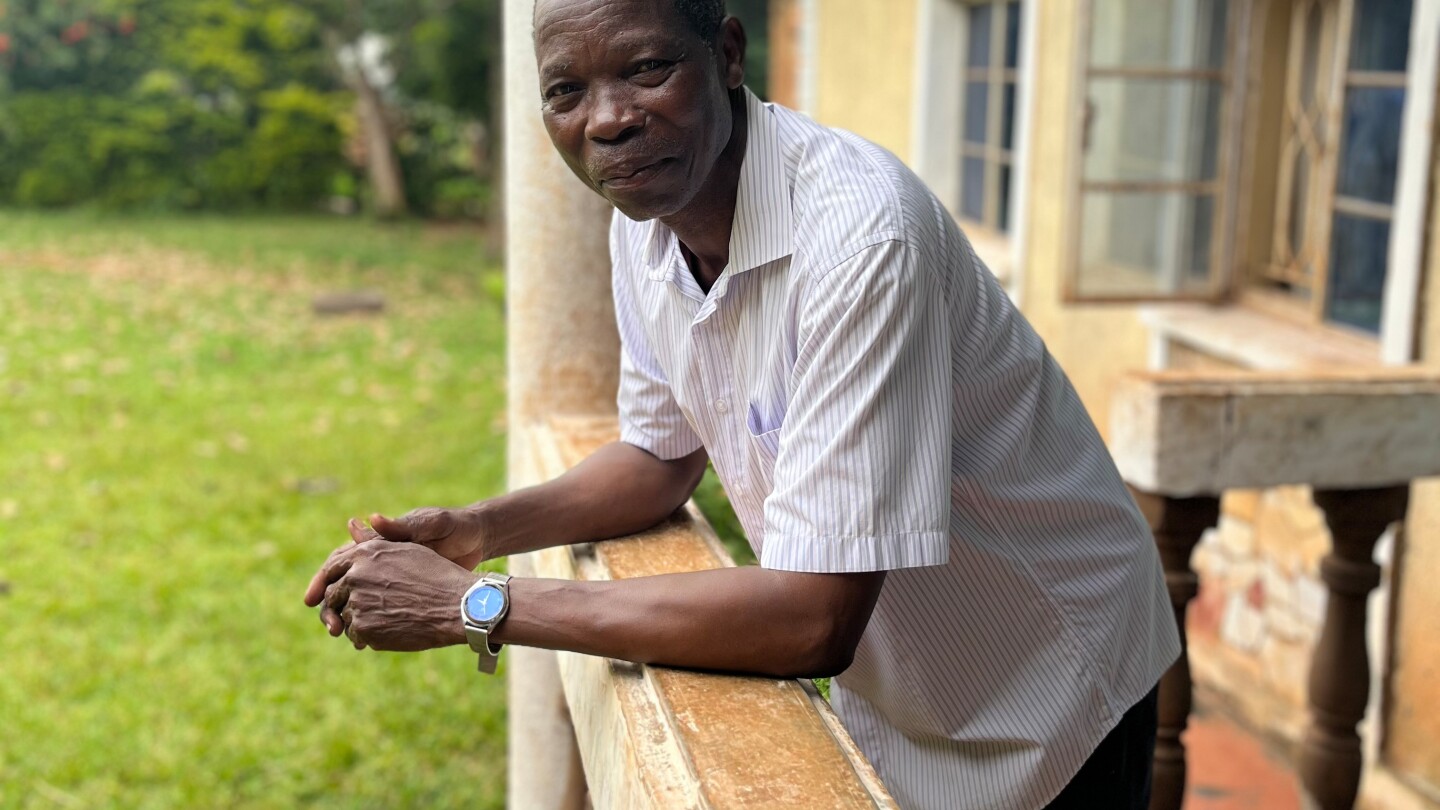
    In Uganda, the increasing availability of DNA testing has sparked a surge in paternity disputes, challenging traditional norms and straining family relationships. Moses Kutoi, a clan leader and mayor of Nabumali, finds himself at the forefront of mediating these sensitive conflicts. Often, men question why their children do not resemble them, leading to marital discord and, in some cases, violence. Kutoi, who himself does not resemble his father, uses his personal experience to counsel families, urging them to focus on unity rather than biological ties. The issue has become so pervasive that religious and traditional leaders are calling for tolerance and a return to African teachings that emphasize communal responsibility over individual grievances. The Anglican Archbishop of Uganda, Stephen Kaziimba, has even invoked the story of Jesus’ virgin birth to discourage DNA testing among the faithful. Meanwhile, the Ministry of Internal Affairs reports a sharp rise in men seeking voluntary DNA tests, with over 98% of results revealing they are not the biological fathers. This has led to heartbreak and legal battles, particularly in cases involving inheritance and divorce. Despite the challenges, faith leaders like Pastor Andrew Mutengu are organizing counseling sessions to help families navigate these disputes. However, the affordability of DNA testing remains a barrier for many, with costs exceeding $200 in some areas. As Uganda grapples with this modern dilemma, the tension between tradition and technology continues to shape the nation’s social fabric.

  • AP mapping shows France’s poorest regions backing Le Pen’s party as support for Macron wanes

    AP mapping shows France’s poorest regions backing Le Pen’s party as support for Macron wanes

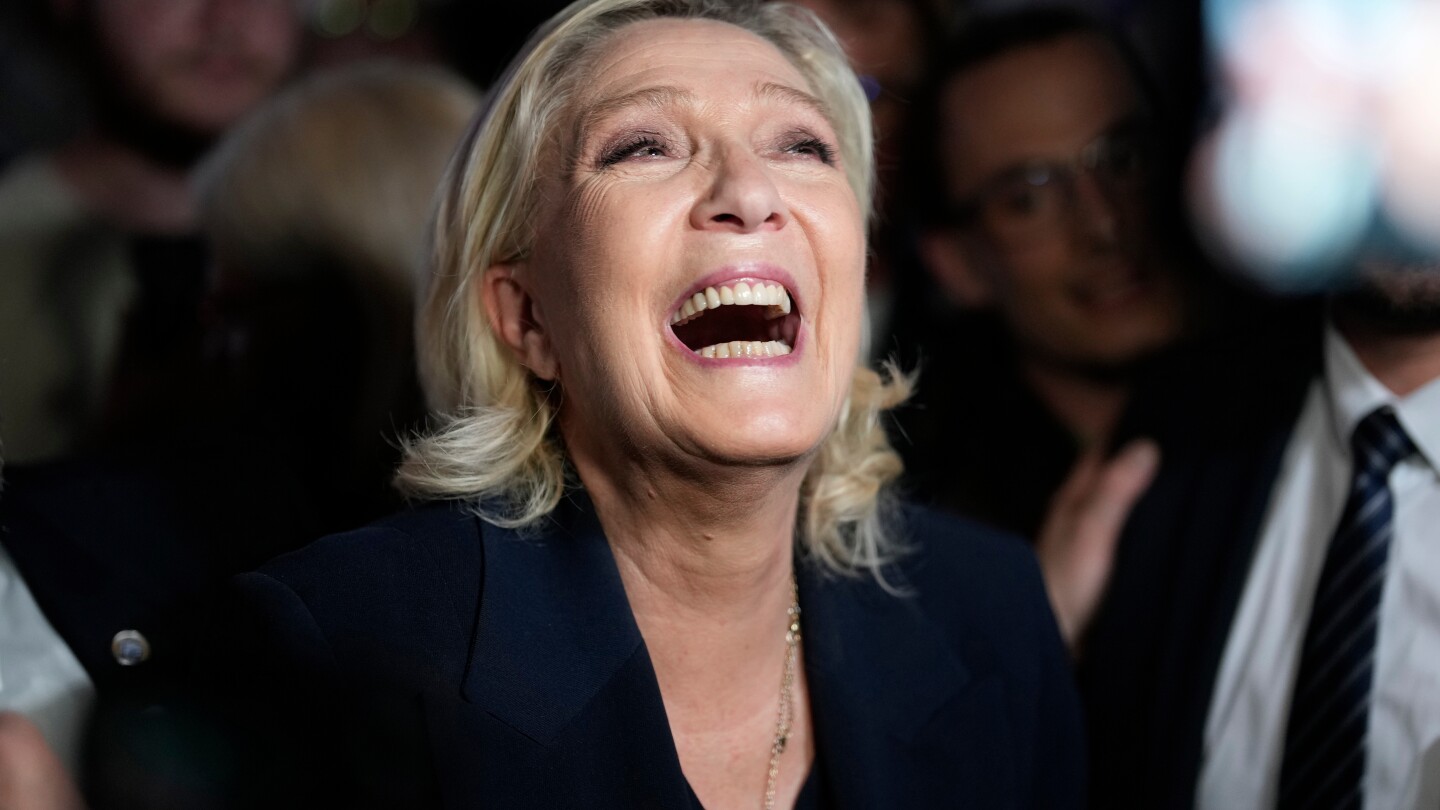
    In May 2017, Emmanuel Macron, freshly elected as France’s president, addressed his supporters with a promise to bridge the nation’s divides and win over voters who had backed his far-right rival, Marine Le Pen. Le Pen, leader of the National Front (now rebranded as National Rally), had secured over 10.6 million votes—a historic high for her party. Macron vowed to address the “anger” and “distress” driving these voters, pledging to eliminate their reasons for supporting extremist parties. However, as Macron’s presidency nears its end, this promise lies in ruins. Le Pen’s nativist rhetoric, targeting immigrants, Muslims, and the European Union, has gained millions of converts. National Rally, shedding its controversial past under Le Pen’s father, Jean-Marie Le Pen, has become the largest party in parliament and is poised for a potential victory in the 2027 elections.

  • In Ukraine’s ‘kill-zone’, robots are a lifeline to troops trapped on perilous eastern front

    In Ukraine’s ‘kill-zone’, robots are a lifeline to troops trapped on perilous eastern front

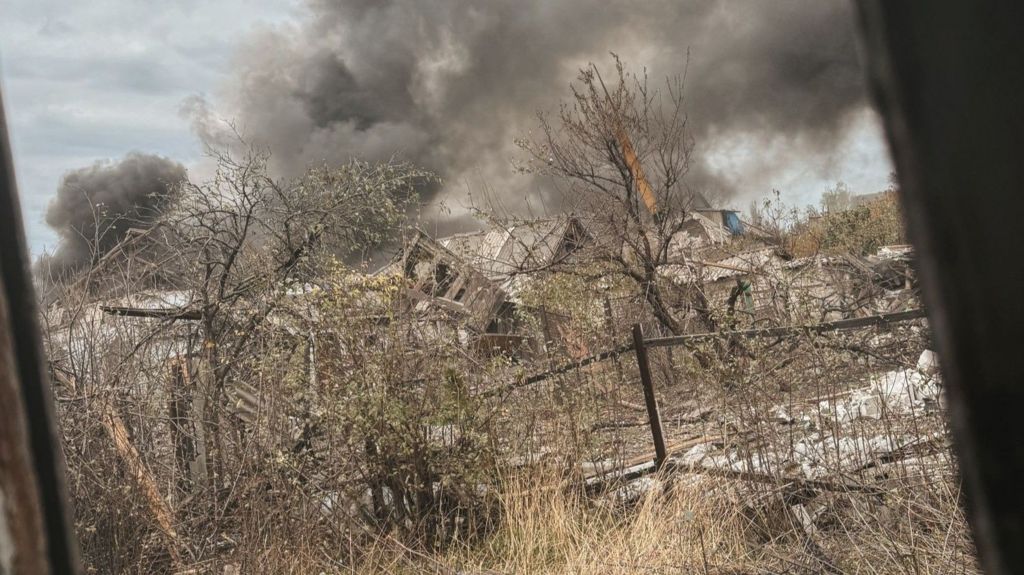
    In the ongoing conflict in eastern Ukraine, the Fifth Brigade of the Ukrainian army has deployed unmanned ground vehicles (UGVs) to deliver critical supplies to troops on the frontline in Pokrovsk and Myrnograd. These robotic devices, often referred to as ‘land drones,’ have become indispensable in a region where Russian forces are aggressively targeting supply routes. The UGVs, resembling mini tanks without turrets, are small, agile, and capable of navigating narrow paths, making them ideal for transporting food, ammunition, and fuel to soldiers in perilous conditions.

  • Muthusamy and Verreynne’s unbroken stand frustrates India on day two of second test

    Muthusamy and Verreynne’s unbroken stand frustrates India on day two of second test

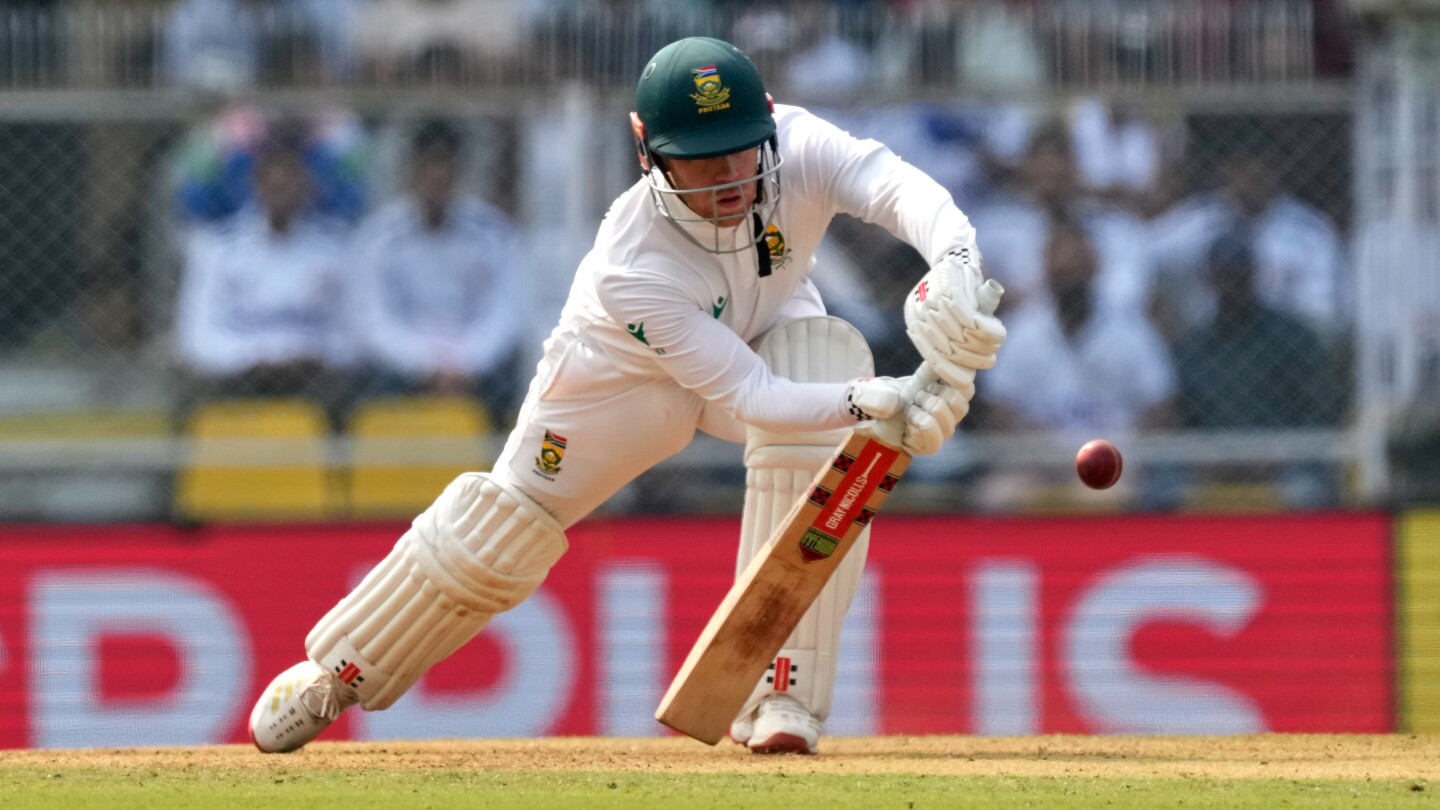
    GUWAHATI, India — South Africa’s Senuran Muthusamy and Kyle Verreynne showcased remarkable resilience on the second day of the second cricket test against India, forging an unbroken 70-run partnership for the seventh wicket. The duo’s steadfast performance propelled South Africa to 316-6 by the tea interval at the Barsapara Stadium in Guwahati. Resuming from an overnight score of 247-6, Muthusamy and Verreynne batted through the morning session on a placid pitch, thwarting India’s attempts to dismantle the Proteas’ lower order. Muthusamy remained unbeaten on 56, his third test half-century, while Verreynne contributed 38 not out. Their partnership was pivotal in stabilizing South Africa’s innings after a challenging first day. India’s hopes for a breakthrough were dashed when Ravindra Jadeja’s appeal for leg before wicket against Muthusamy was overturned upon review, revealing the ball had grazed the batter’s glove. On the opening day, wrist spinner Kuldeep Yadav had claimed 3-48, restricting South Africa to 247-6. Tristan Stubbs top-scored with 49, but the Proteas lost four wickets in the final session, relinquishing their earlier advantage. Play was halted late in the afternoon due to poor light. South Africa, having won the first test in Kolkata by 30 runs, are now vying for their first series victory on Indian soil since 2000-01.

  • Bolsonaro’s conviction brings vindication for some Brazilians who lost loved ones to COVID-19

    Bolsonaro’s conviction brings vindication for some Brazilians who lost loved ones to COVID-19

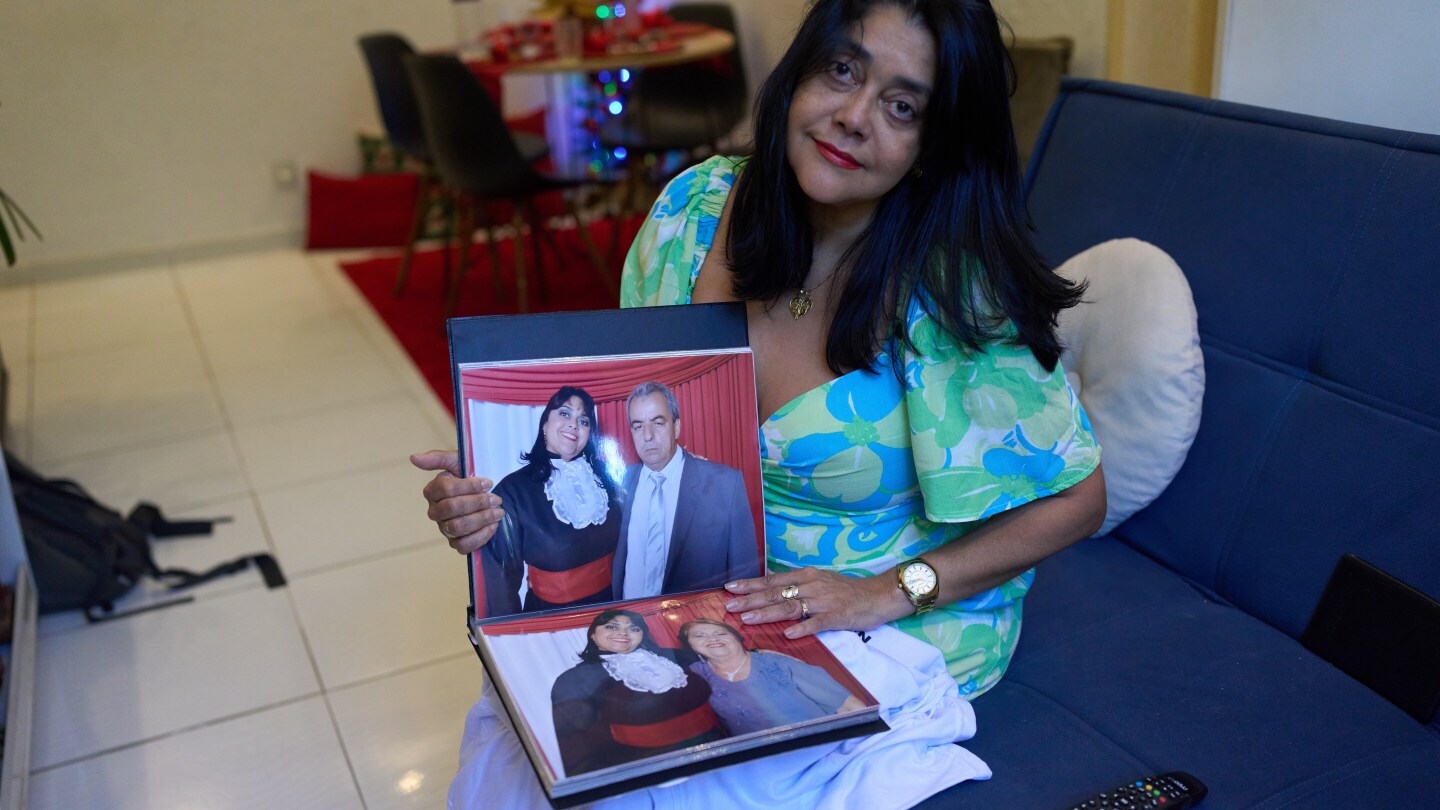
    In a dramatic turn of events, Brazil’s Supreme Court has ordered the preemptive arrest of former President Jair Bolsonaro, who faces a 27-year prison sentence for attempting a coup following his 2022 election loss to Luiz Inácio Lula da Silva. The arrest has sparked mixed reactions across the nation, particularly among families who lost loved ones to COVID-19, a crisis many blame on Bolsonaro’s handling of the pandemic. Simone Guimarães, a retired teacher from Rio de Janeiro, lost five relatives to the virus, including her husband and sister. She views Bolsonaro’s arrest as a small step toward justice, though it does little to address the grief of those who suffered under his administration. Social media was flooded with tributes to COVID-19 victims, echoing similar sentiments expressed when Bolsonaro was convicted in September. Critics argue that while his conviction for coup-related crimes offers some vindication, it fails to hold him accountable for the pandemic’s devastating toll. Diego Orsi, a translator from São Paulo, likened the situation to the Nuremberg trials, where Nazis were convicted for invasion rather than genocide. Bolsonaro’s denialist stance during the pandemic, including mocking patients and delaying vaccine rollouts, alienated many Brazilians and contributed to his electoral defeat. Epidemiologists estimate that 80% of Brazil’s 700,000 COVID-19 deaths could have been prevented with better leadership. As Bolsonaro’s legal battles continue, the nation remains deeply divided, with his arrest marking a pivotal moment in Brazil’s political landscape.