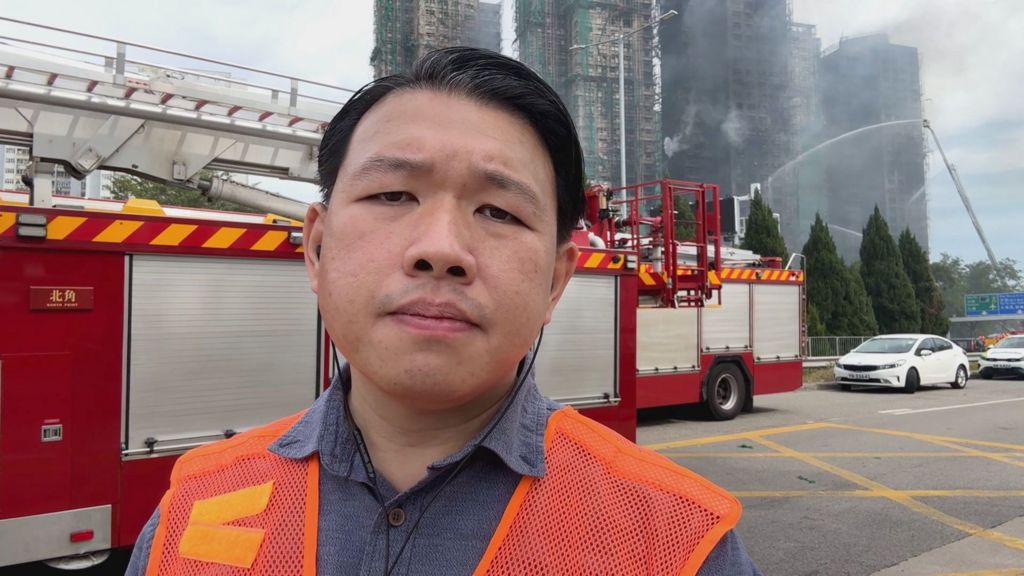
A devastating fire engulfed a residential building in Hong Kong, resulting in the tragic loss of at least 44 lives. The blaze, which broke out unexpectedly, required an arduous 18-hour effort by local firefighting teams to fully extinguish. Emergency responders faced significant challenges in controlling the inferno, highlighting the intensity and complexity of the situation. The incident has sent shockwaves through the community, raising concerns about fire safety measures in densely populated urban areas. Authorities have launched an investigation to determine the cause of the fire and to assess whether existing safety protocols were adequately followed. This tragedy underscores the urgent need for enhanced fire prevention strategies and improved emergency response systems in Hong Kong’s residential infrastructure.
博客
-
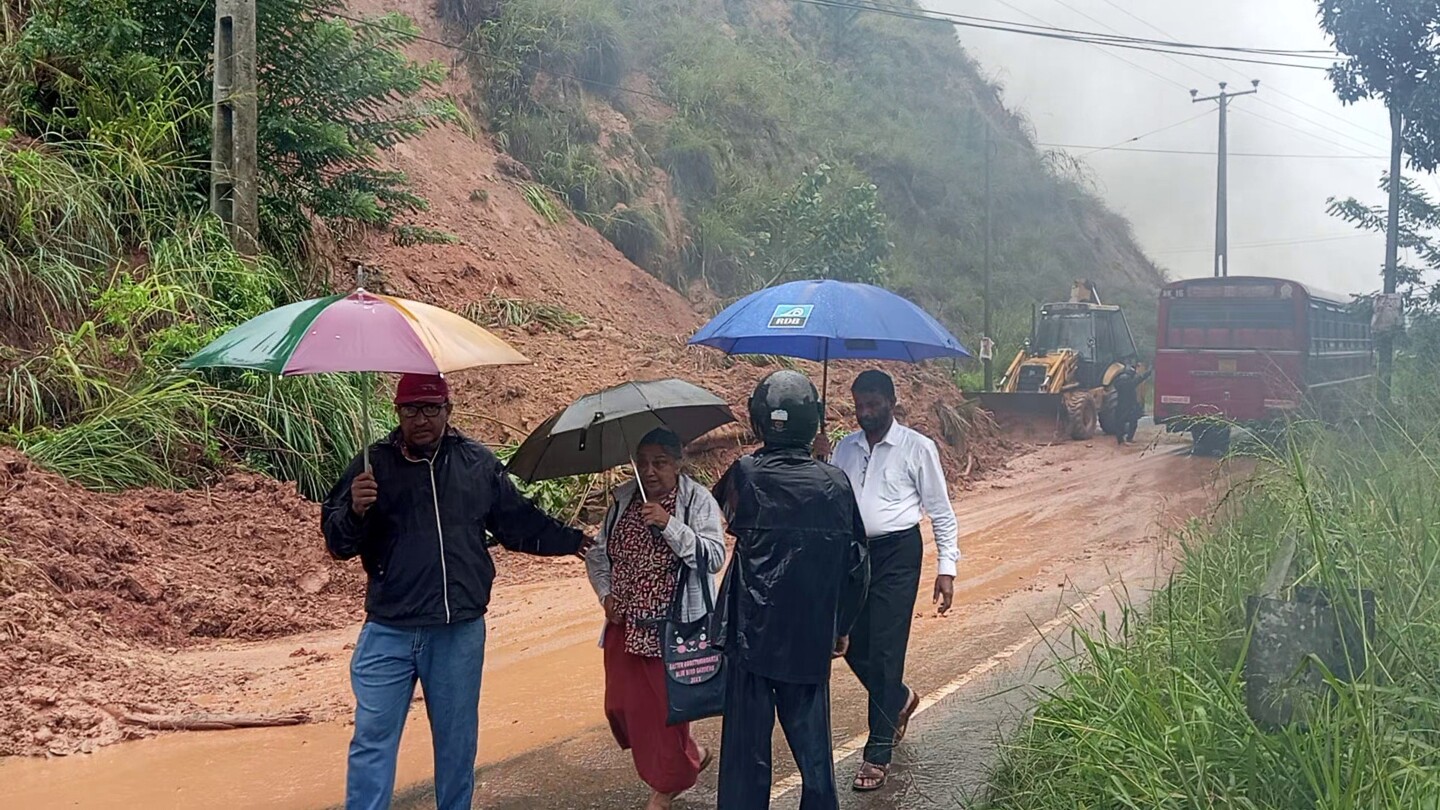
More than 30 dead and 14 missing as heavy rains trigger landslides and floods in Sri Lanka
COLOMBO, Sri Lanka — Sri Lanka has been plunged into chaos as relentless heavy rains triggered catastrophic landslides and widespread flooding, claiming the lives of over 30 people and leaving 14 others missing, officials reported on Thursday. The disaster has particularly ravaged the central provinces of Badulla and Nuwara Eliya, renowned for their tea-growing mountainous terrain, located approximately 300 kilometers east of the capital, Colombo.
-
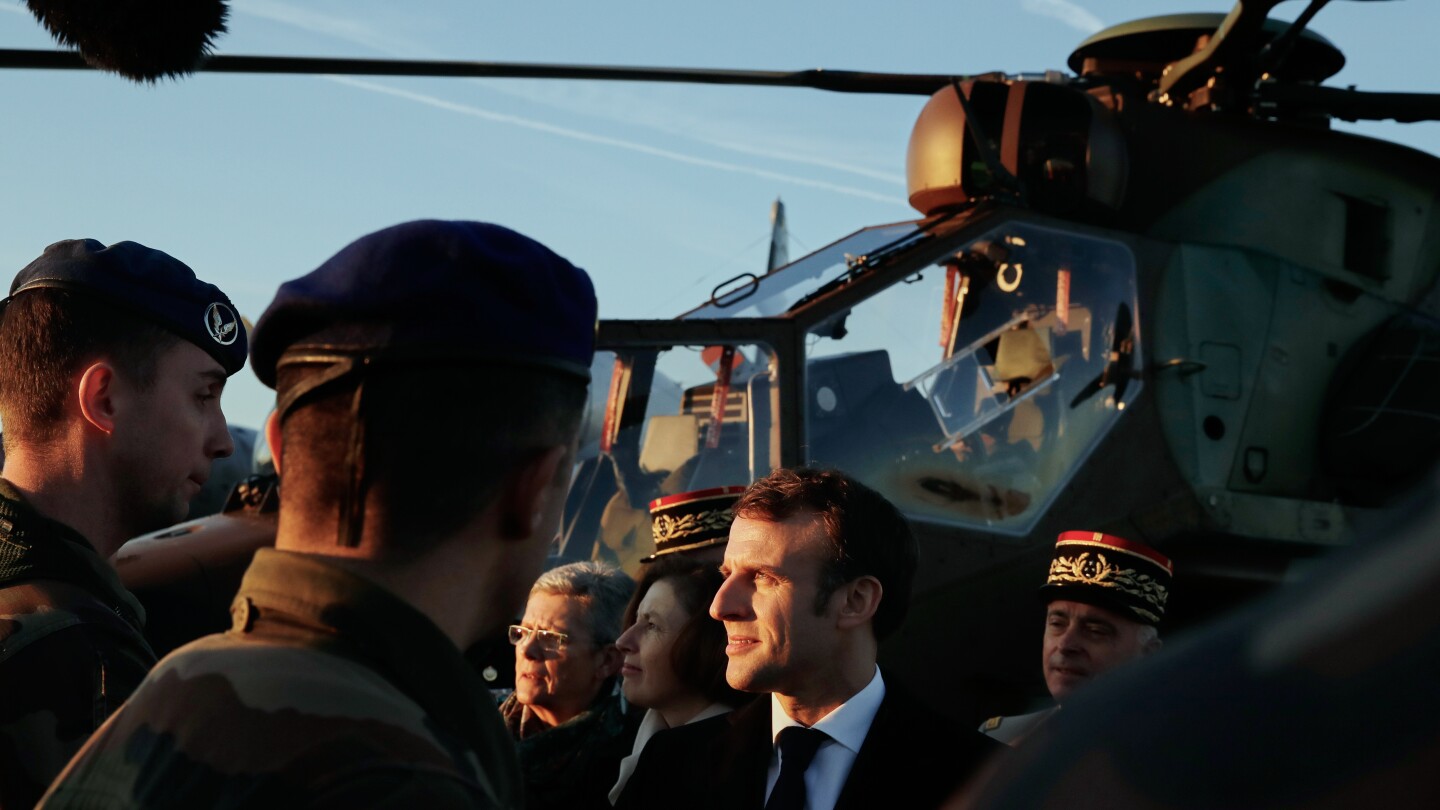
Macron to unveil French voluntary military service
In response to escalating concerns over Russia’s growing influence and military aggression in Europe, French President Emmanuel Macron is set to announce a new national military service initiative on Thursday. The plan, which emphasizes voluntary participation, aims to strengthen France’s defense capabilities without reinstating conscription, which was abolished in 1996. Macron’s visit to the Varces military base in the French Alps will underscore the urgency of preparing the nation for emerging threats.
-
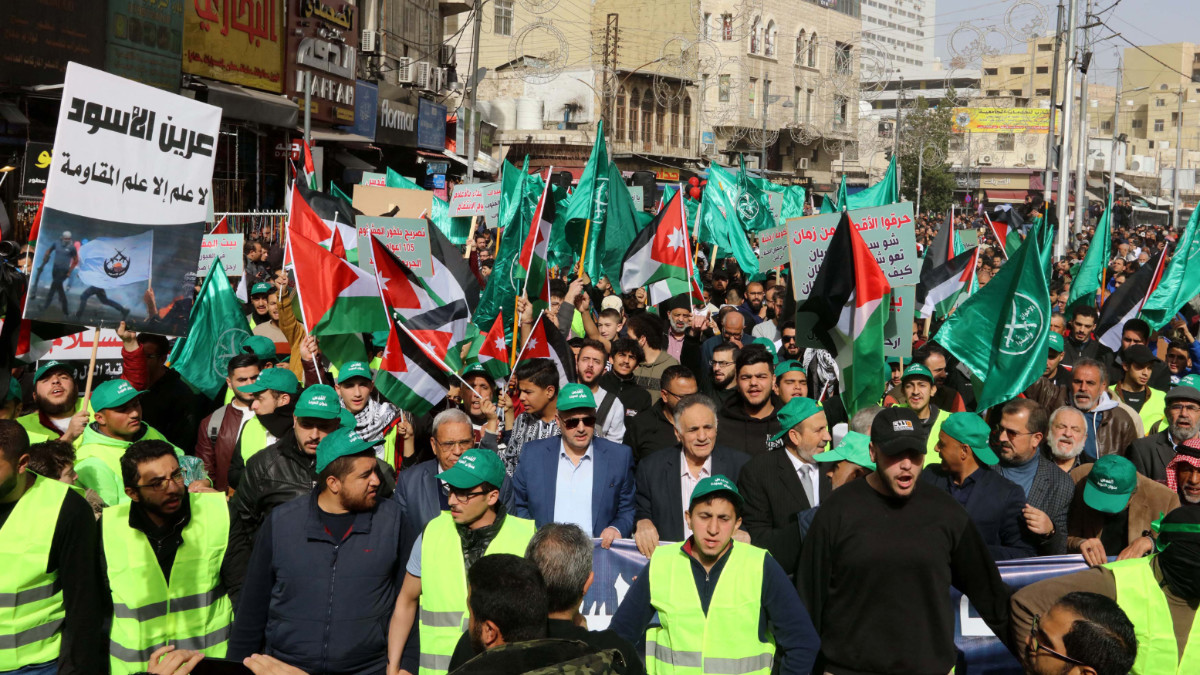
Muslim Brotherhood says Trump’s terror designation is ‘detached from reality’
The Muslim Brotherhood has strongly criticized U.S. President Donald Trump’s executive order to designate certain chapters of the group as Foreign Terrorist Organizations (FTOs), labeling it as ‘detached from reality’ and politically motivated. In a statement released via their official X account on Wednesday, the group asserted that Trump’s claims of their involvement in terrorist activities were ‘unsupported by evidence.’ They argued that the order lacked credible legal or security foundations and warned that it sets a dangerous precedent. The statement further accused Trump of succumbing to pressure from Israel and the UAE, two nations historically hostile to the Brotherhood, and claimed the order undermines U.S. national security and regional stability. The Muslim Brotherhood emphasized that independent organizations in Muslim countries, while sharing a common Islamic ideology, operate autonomously and lawfully within their respective nations. They highlighted their long history of peaceful social, religious, and political engagement. The Brotherhood, founded in Egypt in the late 1920s, gained prominence during the 2011 Arab protests but has faced significant opposition from regional powers like Egypt, Saudi Arabia, and the UAE. The group’s brief political ascendancy in Egypt ended with the 2013 coup that ousted President Mohamed Morsi. The Brotherhood remains a contentious issue in the region, with many monarchies viewing it as a threat to their rule.
-
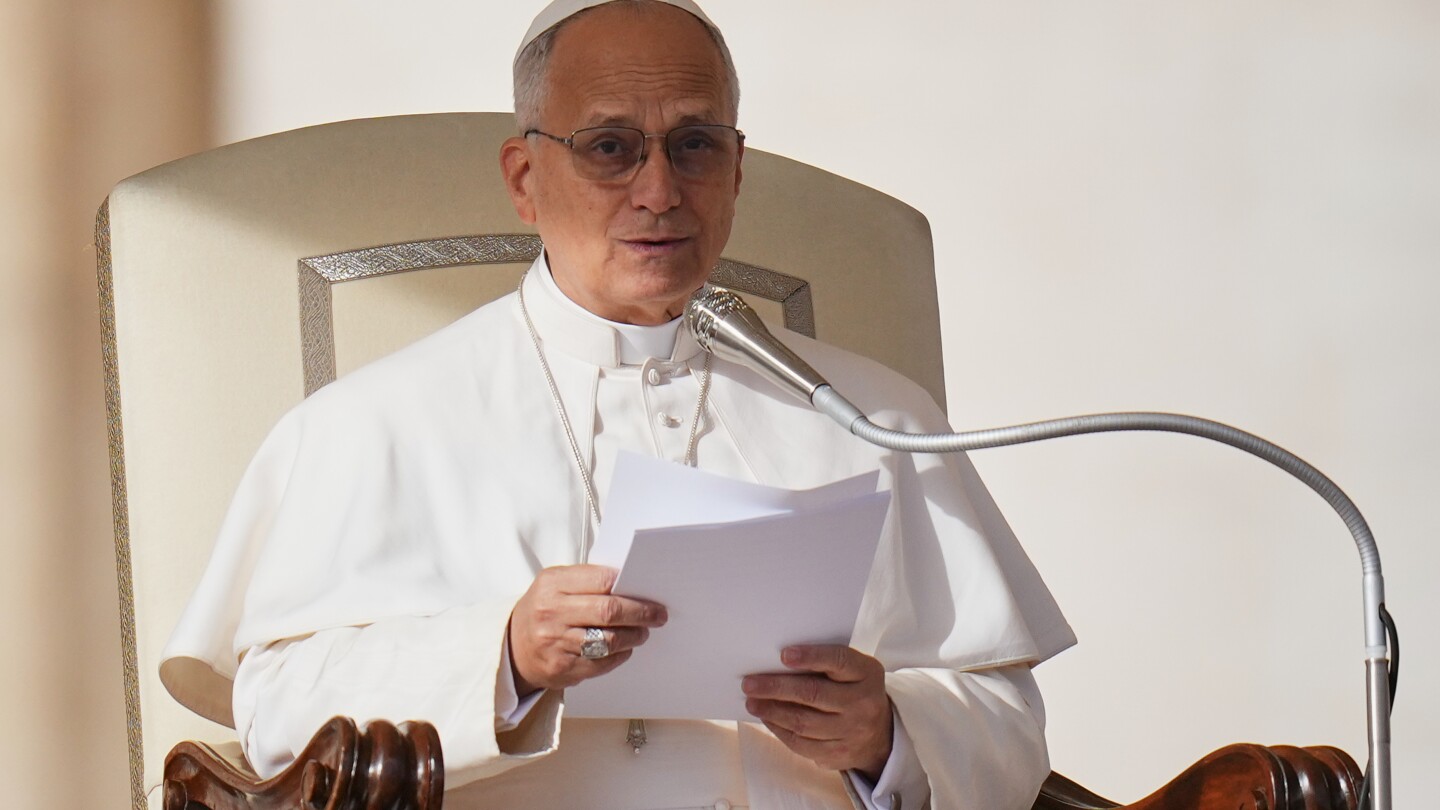
What to know about Pope Leo XIV’s trip to Turkey and Lebanon, the first of his pontificate
Pope Leo XIV, the first American pontiff in history, embarks on his inaugural foreign journey to Turkey and Lebanon from November 27 to December 2. This visit underscores the Vatican’s commitment to fostering interfaith dialogue and strengthening ties with Orthodox Christians and Muslims, two of the Catholic Church’s key priorities. The trip also provides a global platform for the Pope to advocate for peace in the Middle East, a region marred by prolonged conflict. Notably, Pope Leo will deliver his messages in English and French, diverging from the Vatican’s traditional use of Italian, to ensure broader global understanding. Security measures are heightened following recent tensions, including an Israeli airstrike in Beirut targeting Hezbollah just days before the Pope’s arrival. The journey fulfills the unfulfilled plans of his predecessor, Pope Francis, whose health had prevented him from visiting these nations. Turkey, a frequent papal destination, holds historical significance as the home of the Ecumenical Patriarch of the Orthodox Church. Lebanon, known for its religious tolerance, remains a bastion for Christians in the region despite years of turmoil. Pope Leo’s itinerary includes commemorating the 1,700th anniversary of the Council of Nicaea in Turkey, praying at the site of the 325 AD gathering, and signing a joint declaration with Ecumenical Patriarch Bartholomew to symbolize Christian unity. In Lebanon, the Pope will preside over interfaith meetings, visit the site of the devastating 2020 Beirut port blast, and engage with young Lebanese, offering encouragement amidst the country’s ongoing challenges. The trip highlights the Vatican’s unwavering support for Palestinians and its dedication to promoting peace and dialogue in a fractured region.
-
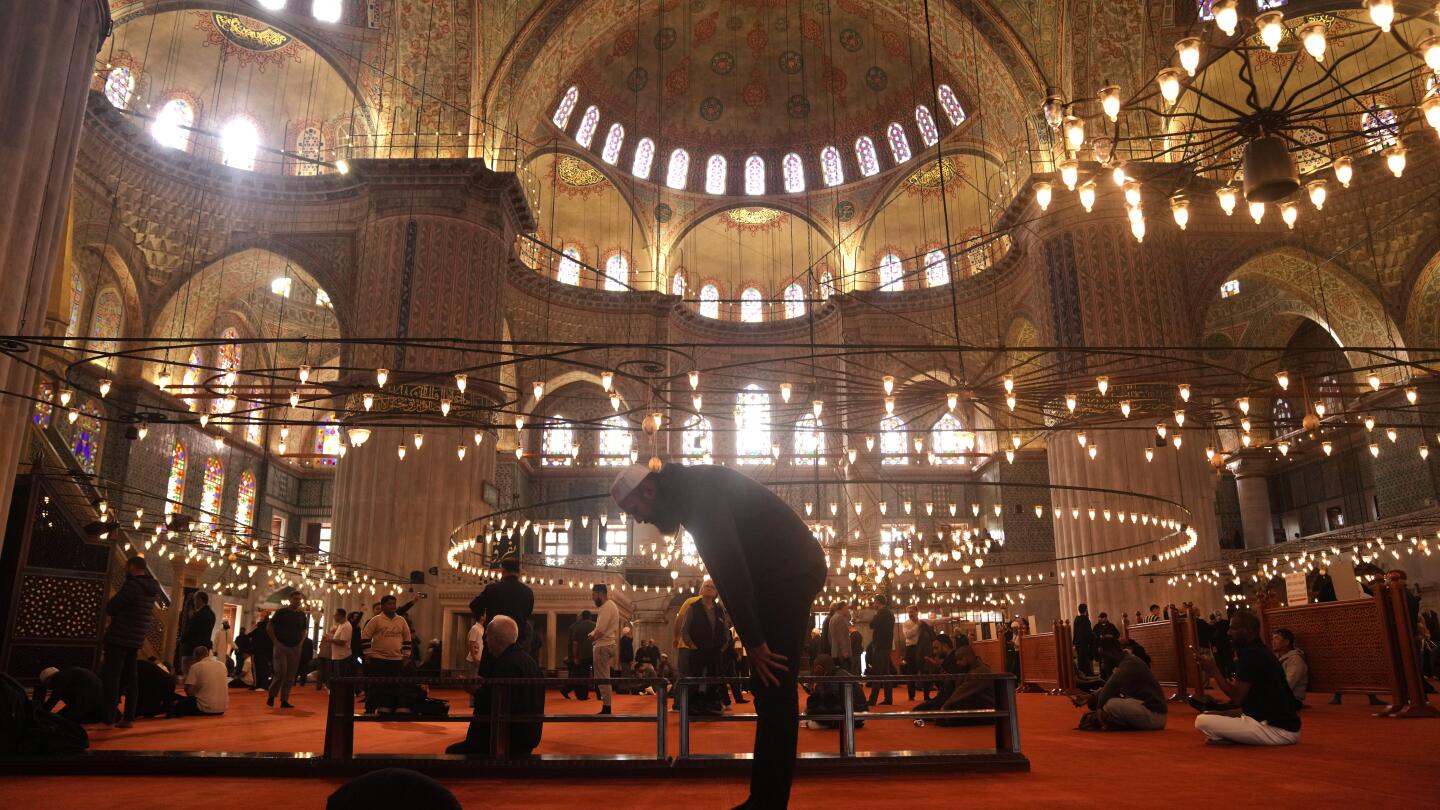
Pope Leo XIV opens first foreign trip with visit to Turkey that highlights religious, political ties
Pope Leo XIV embarks on his inaugural foreign journey to Turkey, fulfilling the late Pope Francis’ vision to commemorate a significant Orthodox milestone and promote peace in a region grappling with the Ukraine war and Middle East tensions. The pontiff’s itinerary begins in Ankara, where he will meet President Recep Tayyip Erdogan and address the diplomatic corps, followed by a three-day ecumenical and interfaith engagement in Istanbul before proceeding to Lebanon. Turkey, a predominantly Sunni Muslim nation of over 85 million, has positioned itself as a pivotal mediator in peace negotiations for Ukraine and Gaza, hosting talks between Russia and Ukraine and proposing a stabilization force in Gaza. Pope Leo’s visit coincides with these efforts, and his arrival speech is expected to acknowledge Turkey’s role. Despite Turkey’s growing military influence as NATO’s second-largest army, domestic challenges such as a cost-of-living crisis have overshadowed international politics for many citizens. While the visit has garnered limited attention among Turks outside the Christian community, some view it as a potential U.S.-driven initiative, possibly linked to reopening the Greek Orthodox seminary in Turkey. The primary purpose of Leo’s trip is to mark the 1,700th anniversary of the Council of Nicaea, Christianity’s first ecumenical council. He will pray with Ecumenical Patriarch Bartholomew at the historic site in Iznik and sign a joint declaration symbolizing Christian unity. The visit also aims to strengthen Catholic-Muslim relations, with Leo scheduled to visit Istanbul’s Blue Mosque and lead an interfaith meeting. Imam Asgın Tunca emphasized the visit’s potential to foster mutual understanding and dispel misconceptions about Islam. While Turkey has made strides in religious freedoms under Erdogan’s government, challenges persist for Christian groups, including the Catholic Church, which lacks formal legal recognition. Rev. Paolo Pugliese highlighted the Church’s international profile and the pope’s support as crucial assets. A delicate moment awaits Leo during his visit to the Armenian Apostolic Cathedral in Istanbul, given the historical tensions over the Armenian genocide. Unlike Pope Francis, who labeled the event as genocide in 2015, Leo is expected to tread cautiously to avoid diplomatic fallout. The Vatican also faces scrutiny over its relations with Armenia amid its outreach to Azerbaijan.
-
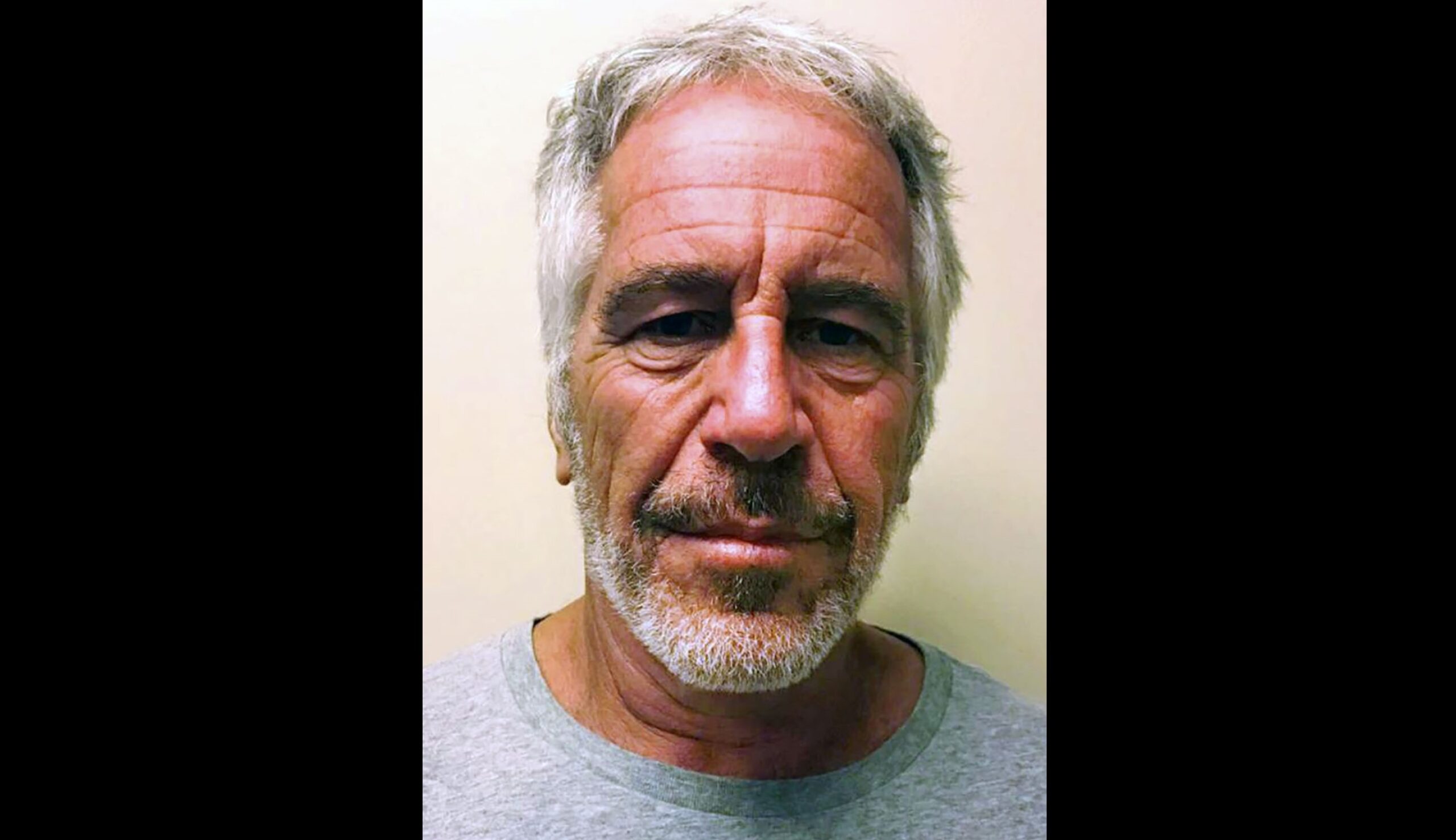
Epstein and Alan Dershowitz colluded to attack John Mearsheimer over ‘Israeli lobby’ paper: Report
Newly uncovered emails reveal that convicted sex offender Jeffrey Epstein and prominent lawyer Alan Dershowitz collaborated to discredit political scientists John Mearsheimer and Stephen Walt following their controversial 2006 paper on the influence of the Israeli Lobby in the US. The emails, reported by Drop Site News, show Epstein praising Dershowitz’s rebuttal titled “Debunking the Newest – and Oldest – Jewish Conspiracy” and promising to circulate it among his contacts. Epstein, who was later convicted of sexual offenses, described Dershowitz’s attack on the academics as “terrific.” Dershowitz, a Harvard law professor and frequent media commentator, has long defended Israeli policies, including illegal settlements and actions in the occupied West Bank and Gaza. At the time of their collaboration, Dershowitz was also representing Epstein in a legal case that resulted in Epstein’s 2008 guilty plea for a sexual offense. Mearsheimer and Walt’s work, which later became the book *The Israeli Lobby and US Foreign Policy*, faced intense backlash from pro-Israel groups and was criticized by prominent figures like Strobe Talbott of the Brookings Institution. The authors argued that powerful supporters of Israel, including think tanks and philanthropic organizations, exerted undue influence on US foreign policy. Despite their academic credentials, Mearsheimer and Walt faced significant pushback, including the cancellation of a scheduled talk by the Chicago Council on Global Affairs. Mearsheimer, a leading realist theorist, has gained recent recognition for his accurate prediction of Russia’s invasion of Ukraine, though his views on NATO’s role in the conflict have sparked controversy in Washington.
-
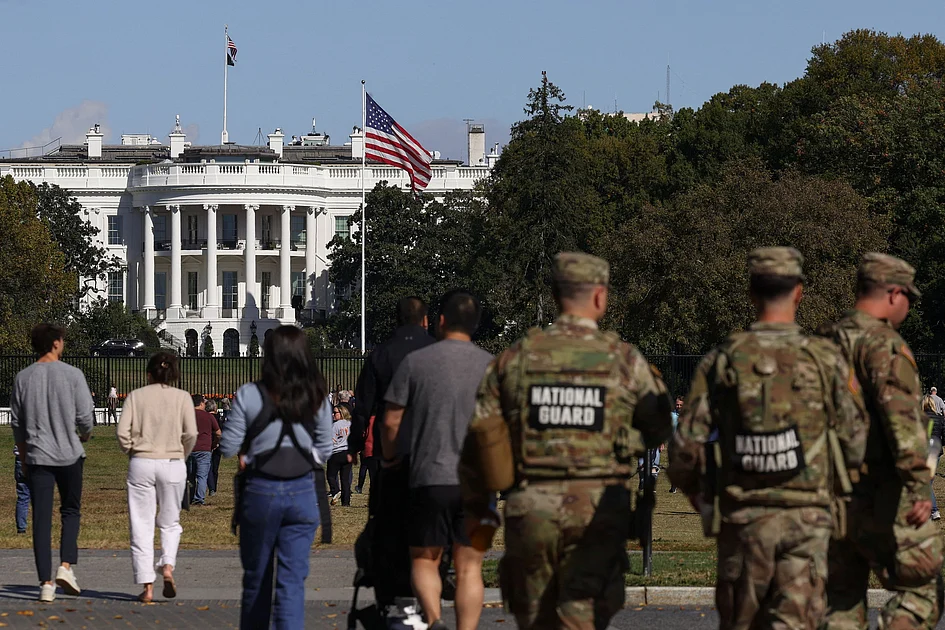
Two National Guard members shot in Washington; White House on lockdown while Trump away
In a concerning incident on Wednesday, two members of the U.S. National Guard were shot near the White House in Washington, D.C., prompting heightened security measures and a lockdown of the presidential residence. U.S. Homeland Security Secretary Kristi Noem confirmed the shooting in a post on X (formerly Twitter), while local police reported that the incident occurred just one block from the White House. Authorities have apprehended one suspect and secured the area. President Donald Trump, currently at his Palm Beach resort in Florida ahead of the Thanksgiving holiday, has been briefed on the situation, according to White House spokeswoman Karoline Leavitt. Vice President JD Vance is in Kentucky, and the U.S. Secret Service has yet to comment on the incident. The shooting has raised concerns about security in the nation’s capital, particularly in proximity to key government institutions.
-
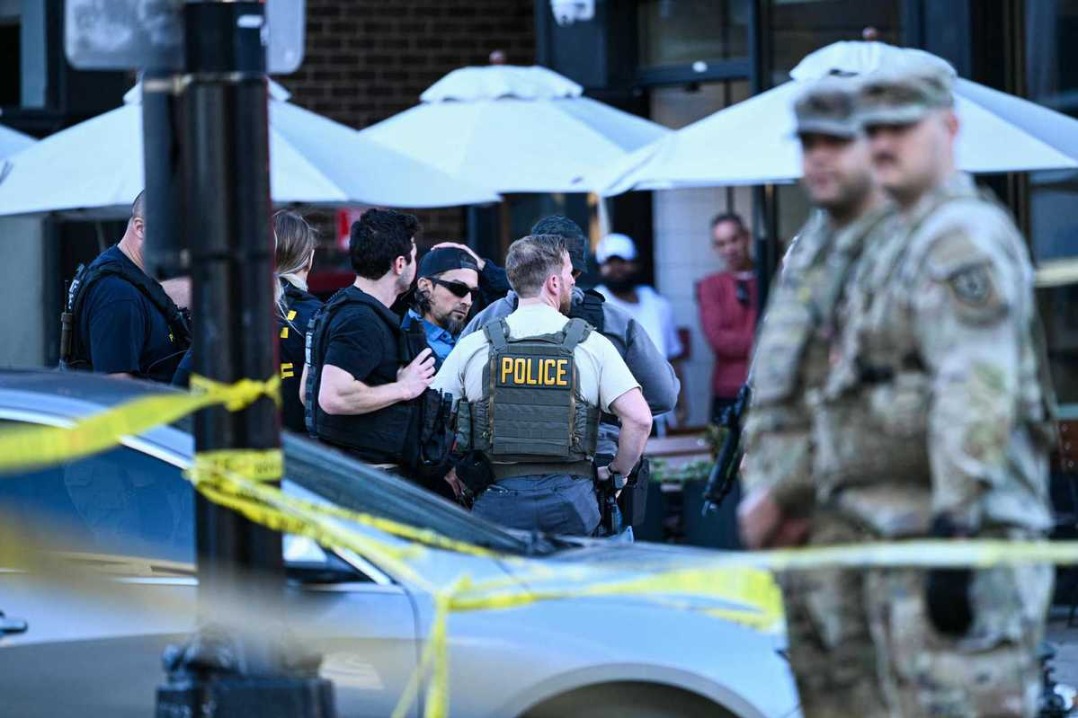
2 US National Guard members die after being shot near White House
In a shocking incident near the White House, two members of the US National Guard lost their lives after being shot on Wednesday, November 26, 2025. The tragic event unfolded just blocks away from the presidential residence, prompting an immediate response from law enforcement. Authorities confirmed that a suspect has been apprehended and is currently in custody. The DC Police announced on social media platform X that the scene has been secured, ensuring no further threat to the public. West Virginia Governor Patrick Morrisey expressed deep sorrow over the loss, identifying the victims as members of the West Virginia National Guard. He emphasized the state’s commitment to honoring their service and sacrifice, vowing to pursue full accountability for the heinous act. The investigation, conducted in collaboration with federal officials, is ongoing to uncover the motives and circumstances surrounding the shooting. This incident has raised concerns about security in the vicinity of critical government buildings, sparking discussions on potential measures to prevent such tragedies in the future.
-
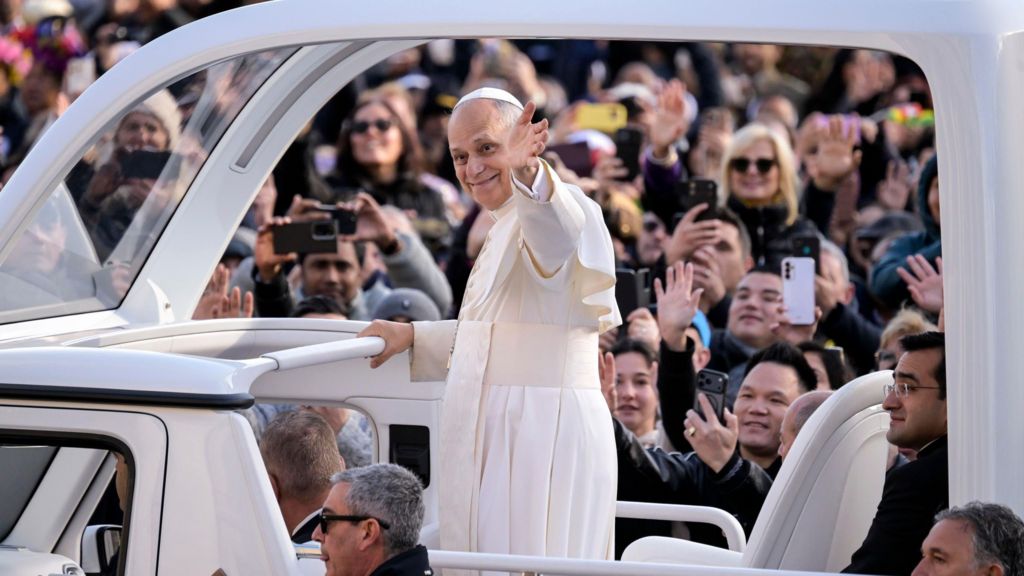
Pope Leo XIV to visit Turkey and Lebanon in first foreign trip of his papacy
Pope Leo XIV has commenced his inaugural international journey as pontiff, marking a significant milestone in his papacy. Over the next six days, he will visit Turkey and Lebanon, two nations with deep historical and religious significance. The trip, originally planned by his predecessor, the late Pope Francis, carries the overarching theme of ‘building bridges,’ a mission Pope Leo has embraced since his election in May. His measured and cautious approach in the first six months of his papacy will now face the test of diplomacy as he navigates complex geopolitical landscapes. The journey begins in Turkey, where Pope Leo will join leaders of various Christian traditions in Iznik, the ancient city of Nicaea, to commemorate the 1,700th anniversary of the First Council of Nicaea. This historic gathering in 325 AD affirmed the belief in Jesus as the Son of God, laying the foundation for the Nicene Creed. The visit will also include a stop at Istanbul’s Blue Mosque, continuing the interfaith dialogue initiated by his predecessors, Pope Francis and Pope Benedict XVI. From Turkey, Pope Leo will travel to Lebanon, a nation still reeling from recent Israeli airstrikes on its capital, Beirut. Despite the turmoil, the Vatican has confirmed that the visit will proceed as planned. In Lebanon, the Pope will meet with faith leaders and engage with the youth, offering support to the country’s Christian community, which constitutes approximately one-third of the population. The trip will culminate with a Mass at the Beirut waterfront, the site of the devastating 2020 port explosion, where he will pray for the victims and their families. Throughout his papacy, Pope Leo has struck a delicate balance between progressive ideals and traditionalist values, earning support from diverse factions within the Catholic Church. His diplomatic finesse will be put to the test as he addresses regional conflicts and fosters unity. Notably, the Pope will deliver public addresses in English during his time in Turkey and incorporate French in Lebanon, reflecting his multilingual fluency and commitment to global outreach. The trip concludes with a customary press conference on the return flight to Rome, where Pope Leo will share his reflections on this historic journey.