博客

  • Shakira to follow Madonna and Lady Gaga in giving a huge free concert on Copacabana Beach

    Shakira to follow Madonna and Lady Gaga in giving a huge free concert on Copacabana Beach

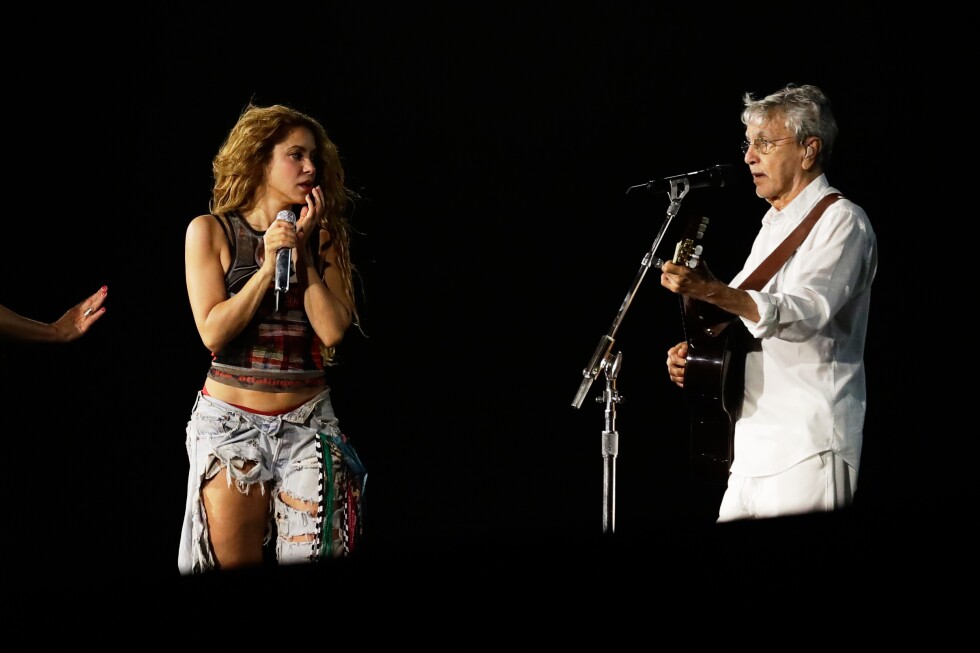
    One of the most anticipated live music events in recent Brazilian history is set to unfold this Saturday night, as global Latin pop icon Shakira takes the stage for a free open-air concert on Rio de Janeiro’s world-famous Copacabana Beach, with city officials projecting an attendance of roughly 2 million fans.

    This landmark performance marks the latest in a string of massive free beach shows hosted in Rio following record-breaking gatherings for Madonna in 2024 and Lady Gaga in 2023, where hundreds of thousands of fans packed the sprawling waterfront sands to dance and sing along to their favorite artists. The Copacabana stop is part of Shakira’s ongoing *Las Mujeres Ya No Lloran* World Tour, launched in support of her 2024 studio album of the same name.

    In an interview with Brazil’s leading broadcaster TV Globo, the Colombian superstar called the opportunity to perform at Copacabana a lifelong dream, noting she has long viewed the iconic beach as a one-of-a-kind magical venue. Speaking in Portuguese — a language she learned before mastering English — Shakira added that she expects Saturday’s show to be the largest single performance of her decades-long career.

    Scholars of popular music note that Shakira’s deep connection to Brazilian audiences dates back nearly 30 years, when she first rose to global fame in the 1990s. Felipe Maia, an ethnomusicologist completing his doctorate in popular music and digital technology at Paris Nanterre University, explained that Brazil was one of the first countries to embrace Shakira’s artistry, a bond rooted in cultural similarities between Brazil and neighboring Colombia. “This concert crowns the longstanding close relationship she has built with Brazilian fans over decades,” Maia explained.

    By Saturday morning, thousands of eager concertgoers had already begun arriving on the beach to claim prime viewing spots close to the stage, which is positioned directly opposite the historic Copacabana Palace Hotel. Local street vendors have capitalized on the massive crowds, selling not just refreshments and snacks, but practical items including toilet paper, deodorant, and even elevated bags of sand that fans can stand on to get a clearer view of the performance.

    The full event schedule kicks off in the late afternoon with opening sets from local DJs, with Shakira scheduled to begin her 2-hour performance at 9:45 p.m. local time. In a new logistical adjustment first implemented for this event, a closing DJ will take over the stage immediately after Shakira’s set to keep crowds entertained while facilitating a slower, more orderly exit from the beach, city officials confirmed.

    Beyond the entertainment value, the free concert is a core part of Rio de Janeiro City Hall’s economic strategy to extend tourism and commercial activity beyond major annual events like Carnival and New Year’s Eve, ahead of the month-long Saint John’s Day celebrations kicking off in June.

    “For us, large public events are serious economic business,” Rio Mayor Eduardo Cavaliere explained Wednesday when unveiling the city’s operational plan for the concert. “These events create jobs, generate income, drive development, and strengthen Rio’s global identity. Our investment in this show will deliver a 40-fold financial return for the city.”

    A joint study from City Hall and Riotur, Rio’s municipal tourism board, projects that Shakira’s concert will generate approximately 777 million reais, equal to around $155 million, in total economic activity, fueled by tourist spending on hotels, restaurants, retail, and local services.

    City data already confirms a sharp uptick in tourist arrivals for May in years when large beach concerts are hosted: compared to 2023 (a year without these events), May 1 tourist arrivals grew 34.2% in 2024 and 90.5% in 2025 ahead of planned concerts. Short-term rental platform Airbnb reported in an April 22 statement that it has already seen a major surge in bookings for the event, with guests traveling to Rio from across Brazil, other Latin American countries, and as far as European capitals including Paris and London.
  • London police refuse to investigate British nationals accused of war crimes in Gaza

    London police refuse to investigate British nationals accused of war crimes in Gaza

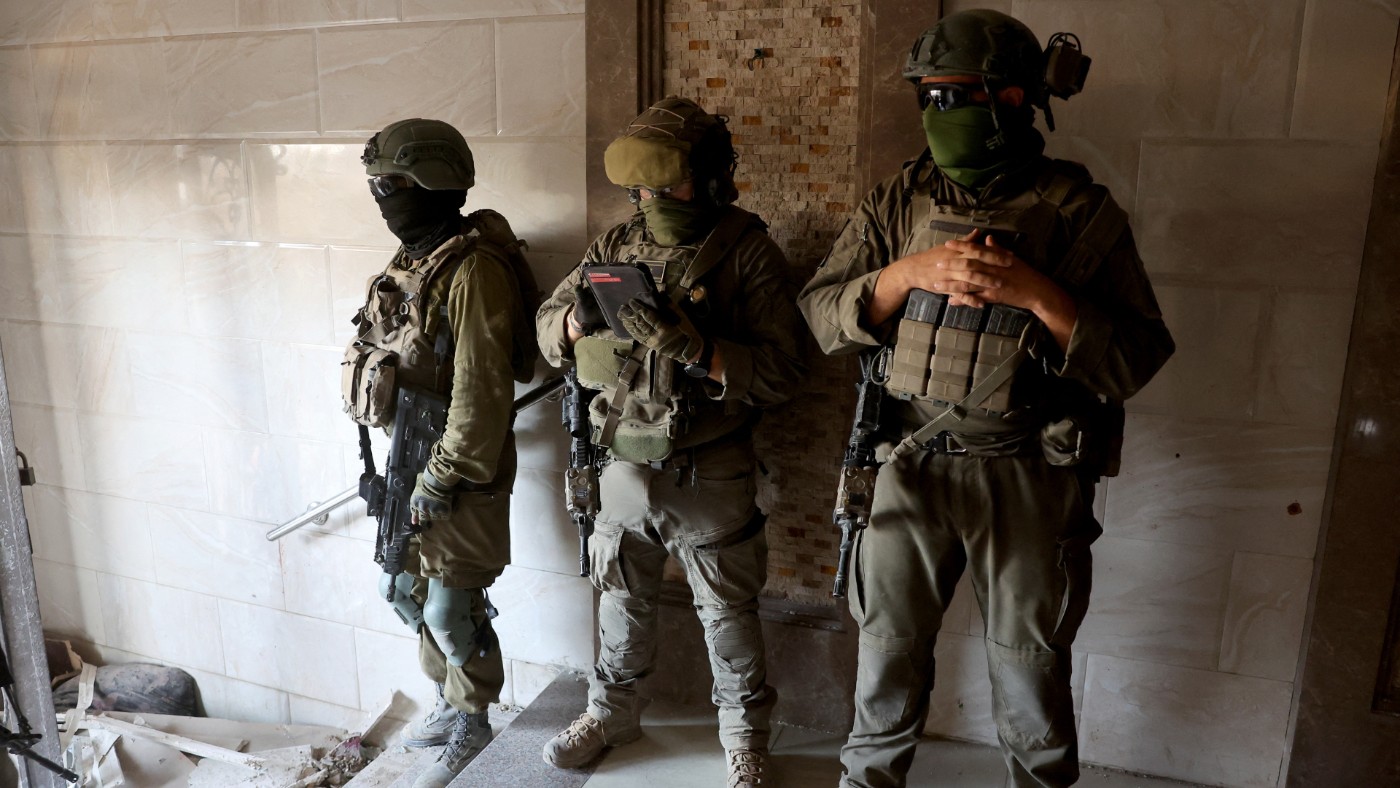
    London’s Metropolitan Police has confirmed it will not open any formal investigation into 10 British nationals and dual citizens accused of committing war crimes and crimes against humanity while serving with the Israeli military in Gaza, a decision that human rights groups say threatens to leave serious alleged abuses unaccountable.

    The controversial ruling comes more than a year after two human rights legal organizations—the Palestinian Centre for Human Rights (PCHR) and the Public Interest Law Centre (PILC)—submitted a 240-page evidence dossier to the Met’s specialized War Crimes Team in April 2023. The dossier laid out detailed allegations linking the 10 individuals to a string of serious violations, including targeted assassinations of Palestinian civilians and humanitarian aid workers, indiscriminate strikes on residential civilian zones, deliberate attacks on hospitals and other internationally protected sites, and the forced displacement of Palestinian civilians from their homes. The submission was backed by an open letter signed by more than 70 international legal and human rights experts, which called on the War Crimes Team to launch a full inquiry into every allegation of involvement in war crimes and crimes against humanity.

    In a formal decision notice released on April 27, 2024, police said they would not move forward with the probe, arguing there is no realistic prospect of securing a conviction and that a thorough, effective investigation could not be carried out. Notably, this decision stands even after the Metropolitan Police acknowledged that global international bodies have repeatedly assessed that Israeli military actions in Gaza could constitute war crimes, and the force initially identified at least four of the 10 named individuals as being of “particular interest” for investigation.

    Both PCHR and PILC have publicly voiced deep disappointment with the outcome, arguing that the dossier contained credible, verifiable evidence that merited a full formal investigation. The groups warn the ruling risks creating a dangerous accountability gap that allows British nationals and residents accused of severe international crimes committed abroad to avoid legal consequence.

    Paul Heron, a senior solicitor with PILC, said the organizations outright reject the Met’s conclusions, insisting the refusal to investigate was premature and that police applied an incorrect legal standard to the case. “This was not a charging decision made by prosecutors at the end of a full investigation—it was a decision about whether serious allegations of the most severe core international crimes should even be investigated at all,” Heron explained. He added that the police’s approach sets an unreasonably high barrier for any future war crime probes, noting “the entire purpose of an investigation is to gather and test evidence, including evidence that is not accessible to victims, their legal representatives or civil society groups.” Heron confirmed that the coalition of groups is currently reviewing all potential legal options and is highly likely to launch a judicial challenge against the Metropolitan Police over the decision.

    The police ruling also follows a string of related controversial developments in the UK’s approach to alleged Israeli war crimes. Last month, The Guardian revealed that the UK Foreign Office had closed a specialized unit tasked with tracking potential violations of international law by Israeli forces in Gaza and Lebanon, a move implemented due to government funding cuts. Reports at the time confirmed that the head of the Met’s War Crimes Team had previously warned the Foreign Office that data from the unit was critical to supporting the police’s assessment of war crime allegations against British nationals.

    Freedom of Information requests published last month by independent outlet Declassified UK also exposed that more than 2,000 British citizens have served in the Israeli military during Israel’s ongoing military campaign in Gaza.

    The decision comes amid a growing UK government crackdown on pro-Palestinian protest action. Just days after the Met’s war crime probe ruling, the force confirmed it is reviewing a potential ban on upcoming pro-Palestinian marches across London, following a stabbing attack that injured two Jewish men, aged 34 and 76, in Golders Green, a northwest London neighbourhood with a large Jewish community. UK Prime Minister Keir Starmer publicly backed potential bans over the weekend, stating that the chant “globalise the intifada” should be completely off-limits for public protest. On Friday, Starmer called the chant an example of “extreme racism” and called for criminal prosecution of anyone who uses it. It should be noted that there have been no recorded instances of antisemitic attacks in the UK linked to the use of this phrase, despite police forces in London and Greater Manchester announcing in December 2023 that they would arrest anyone chanting the phrase or displaying it on protest placards.

    Since the start of Israel’s military campaign in Gaza in October 2023, official Palestinian health data records more than 72,000 Palestinians have been killed in Israeli attacks, including roughly 20,000 children. In April 2024, an Israeli drone strike on a vehicle operated by the humanitarian group World Central Kitchen in Gaza City killed seven aid workers, three of whom were former British service members. The family of James Kirby, one of the killed British aid workers, has repeatedly called for a full, independent public inquiry into his death. Two years after the strike, Kirby’s family says they have received only limited communication from the UK government and remain uncertain whether any full formal investigation is progressing. At the time of the attack, reporting from Middle East Eye noted that arms experts and human rights campaigners found the Elbit Hermes 450 drone used in the strike was powered by a British-manufactured engine.

    Last November, the UK government officially confirmed that British soldiers had continued to train in Israel throughout the military campaign in Gaza, marking the first official admission of UK military personnel presence at Israeli military academies since the start of the war in October 2023. It is also well-documented that Royal Air Force aircraft have conducted regular surveillance flights over Gaza since the war began, despite widespread allegations of war crimes against Israeli forces.

  • Oil tanker hijacked off coast of Yemen and taken towards Somalia

    Oil tanker hijacked off coast of Yemen and taken towards Somalia

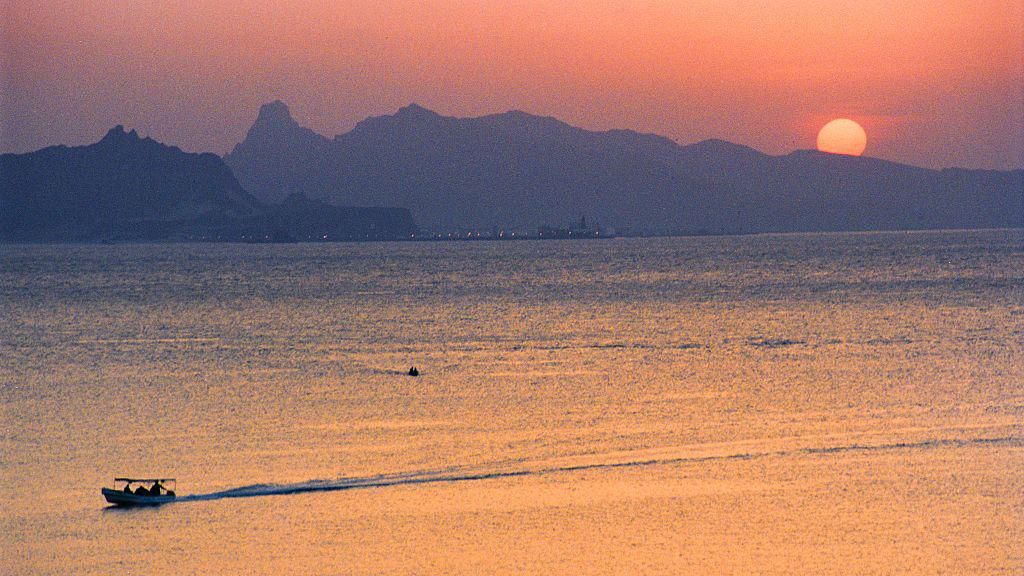
    A new act of maritime piracy has roiled the strategically critical Gulf of Aden, with multiple Somali security sources confirming to the BBC that armed Somali pirates have seized control of a foreign-flagged oil tanker off Yemen’s coastline. This incident marks the fourth successful large vessel hijacking in just a 14-day window, marking a sharp resurgence of pirate activity that had been largely suppressed for more than a decade.

    The targeted vessel, identified as the MT Eureka, was sailing under the flag of West African nation Togo when pirates overran the ship at approximately 5:00 a.m. local time, which corresponds to 03:00 British Summer Time. The hijacking unfolded in international waters close to Yemen’s port of Qana, before the hijackers steered the captured tanker toward Somali territorial waters. Three independent security officials from Somalia’s semi-autonomous Puntland region confirmed the pirate group departed from a remote, unpatrolled stretch of coastline near the coastal town of Qandala, which sits on the Gulf of Aden shoreline. Regional maritime observers expect the MT Eureka to anchor in Somali waters within hours of the hijacking.

    This hijacking comes only 10 days after the same group of pirate operatives seized another oil tanker, the Honor 25, in the same general area. The Honor 25 was carrying 18,500 barrels of crude oil en route to Somalia’s capital Mogadishu when it was overtaken.

    In a separate, related incident just days prior, the United Kingdom Maritime Transportation Operation (UKMTO) issued a public warning on Friday about an attempted hijacking of a bulk carrier near Yemen’s Al-Mukala port. According to three senior security sources, the armed actors behind that attempted attack launched from a remote coastal zone near the fishing town of Caluula, located just 209 kilometers (130 miles) north of the departure point for the MT Eureka hijacking.

    The spread of coordinated pirate attacks across two distinct coastal zones 200 kilometers apart confirms a worrying trend: piracy is expanding rapidly across Somalia’s 3,333-kilometer coastline, the longest continuous shoreline on the African mainland. As of Monday morning, neither Somali national nor regional authorities, nor the European Union Naval Force (EUNAVFOR) which leads official anti-piracy operations in the region, have released an official statement addressing the latest hijacking incident.

    Regional security analysts trace this dramatic resurgence back to late 2023, when Houthi rebel attacks on commercial shipping in the Red Sea and Gulf of Aden shifted international naval priorities. Once focused heavily on countering Somali piracy — a threat that had fallen to near-zero levels after a decade of coordinated patrols starting in 2011 — global maritime forces have redirected their assets to counter Houthi attacks on commercial shipping. This security gap along Somalia’s coastline has allowed armed pirate groups to reorganize, rearm, and resume large-scale hijackings for ransom.

    One senior Puntland security official, speaking anonymously to the BBC, warned that the scale of the crisis is far greater than most international observers acknowledge. “The on-going crisis with the pirates is much worse than many realize. There are increasing movements of armed groups all over the coast,” the official said.

  • UK PM says some pro-Palestinian marches could be banned

    UK PM says some pro-Palestinian marches could be banned

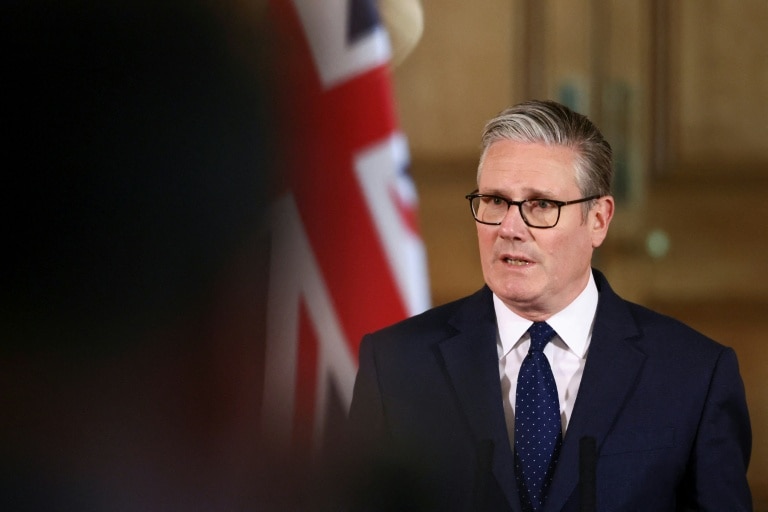
    Against a backdrop of surging antisemitic incidents across the United Kingdom and growing political pressure to respond, Prime Minister Keir Starmer has publicly backed justified bans on specific pro-Palestinian demonstrations, singling out events that incite violence with chants calling for a global intifada. Starmer, who leads the Labour Party, has found himself in a precarious position after a recent stabbing attack in a major London Jewish neighborhood left two people injured. The incident, which took place in Golders Green – an area well-known for its large, longstanding Jewish community – has amplified calls for the new prime minister to take stronger action to protect Jewish residents.

    On Friday, the 45-year-old suspect, a British national born in Somalia, made his first court appearance on attempted murder charges and was remanded into custody ahead of further proceedings. The attack came amid months of ongoing pro-Palestinian protests across UK cities that began in the wake of Hamas’ October 7, 2023, attack on Israel, which triggered the ongoing Israel-Gaza war. During a visit to the attack scene and a local Jewish volunteer ambulance service on Thursday, Starmer faced public backlash from local residents, who booed him and accused his administration of failing to take adequate steps to keep the community safe. Many of those critics also blamed ongoing pro-Palestinian marches for creating a climate of fear.

    In a broadcast interview with the BBC on Saturday, Starmer, a former human rights lawyer and ex-chief public prosecutor who is married to a woman of Jewish descent, said repeated protests had left a profound negative impact on many British Jewish people. “I’m a big defender of freedom of expression, peaceful protests,” he told the outlet. “But when there are chants like ‘globalise the intifada’, that’s completely off limits. Clearly, there should be tougher action in relation to that.”

    The term intifada refers to two historical Palestinian uprisings against Israeli occupation, the first running from 1987 to 1993 and a second occurring in the early 2000s. Starmer emphasized that the chant is viewed as deeply threatening by the UK Jewish community, and argued for much stricter enforcement of acceptable language at demonstrations. He confirmed that there are scenarios where entire protests should be prohibited, and that senior government officials have been holding ongoing discussions with policing leadership for weeks about what additional regulatory and enforcement action can be implemented.

    This stance aligns with a position police in London and Manchester first took last December, when officers announced they would arrest any person chanting “globalise the intifada” at public demonstrations. In a related development Thursday, UK security officials upgraded the national terror alert level to “severe” – the second-highest tier on the country’s threat scale. Officials cited the Golders Green attack, alongside persistent threats from both Islamist extremism and far-right extremism, as core factors driving the upgrade. UK police have confirmed that they will conduct enhanced, thorough reviews of all notifications for upcoming protests to assess potential risks to public safety.

  • US-Germany spat over Iran intensifies as Hegseth orders troop removal

    US-Germany spat over Iran intensifies as Hegseth orders troop removal

    Diplomatic tensions between the United States and Germany have escalated sharply in recent days, driven by stark public disagreements over Washington’s war on Iran that culminated in the Trump administration’s formal announcement of a 5,000-troop withdrawal from U.S. military bases across Germany.

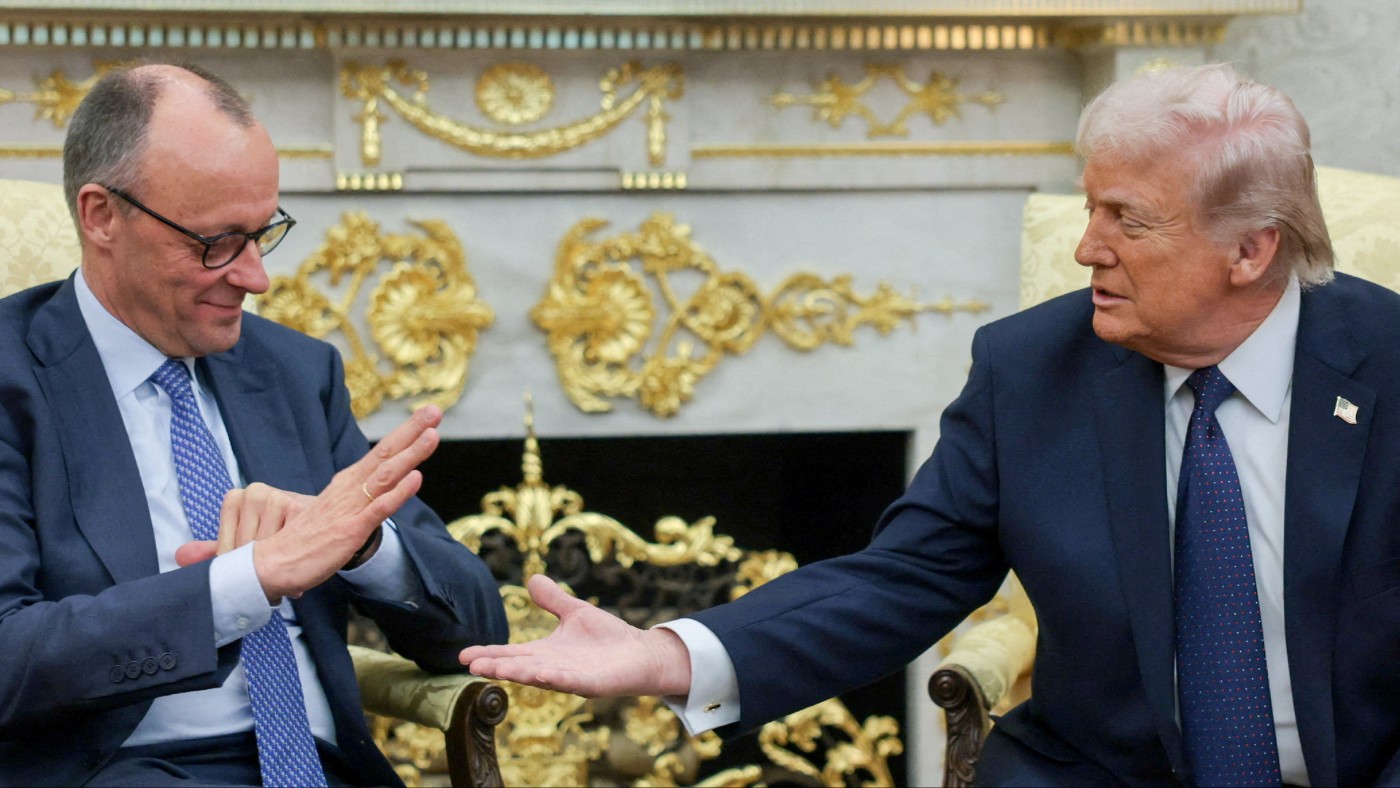
    The public clash between the two NATO allies began earlier this month when German Chancellor Friedrich Merz launched a series of sharp critiques of U.S. strategy in Iran. Merz argued that the United States has been outmaneuvered by Tehran’s leadership at negotiating tables, going so far as to say that Washington is facing humiliation on the global stage over its handling of the conflict. The chancellor doubled down on his criticism, faulting the U.S. for entering the war without a clear exit strategy – a mistake, he noted, that echoed disastrous past interventions in Afghanistan and Iraq that dragged on for decades.

    “The problem with conflicts like these is always the same: it’s not just about getting in; you also have to get out. We saw that all too painfully in Afghanistan, for 20 years. We saw it in Iraq,” Merz stated publicly last week.

    Merz’s unvarnished criticism drew an immediate furious response from U.S. President Donald Trump, who took to social media to lash out at the German leader earlier this week. “The Chancellor of Germany, Friedrich Merz, thinks it’s OK for Iran to have a Nuclear Weapon. He doesn’t know what he’s talking about!” Trump wrote. Following the verbal rebuke, the president followed through on a previous threat to pull American forces from German territory in retaliation.

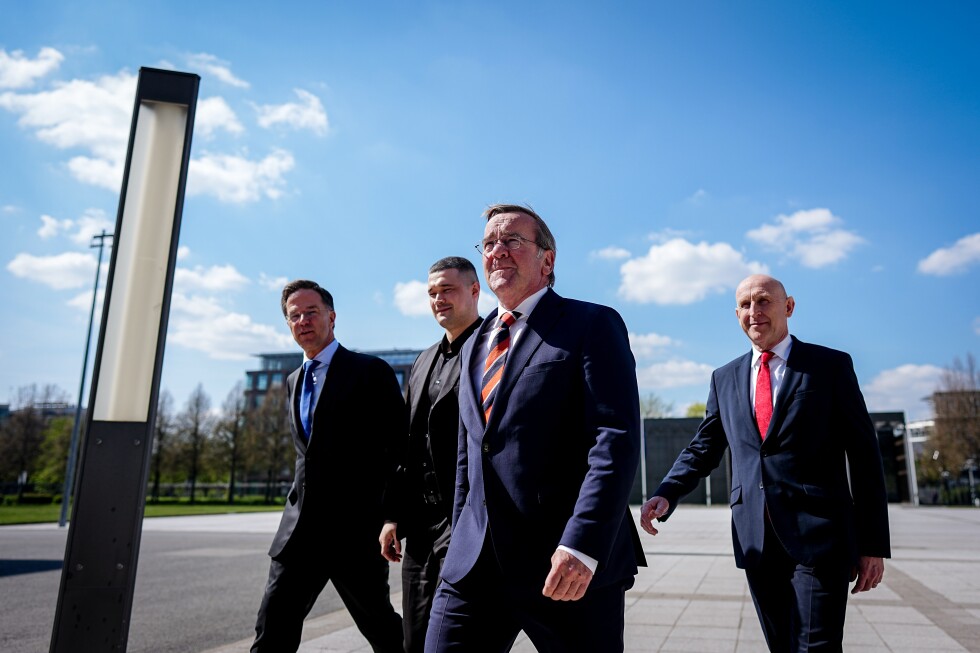
    In response to the order issued Friday by U.S. Defense Secretary Pete Hegseth, German Defense Minister Boris Pistorius struck a measured but firm tone Saturday, emphasizing that European nations must now step up to own full responsibility for their own security. Pistorius added that the partial drawdown had long been anticipated by Berlin, noting that Germany already has a roadmap in place to strengthen its own military capabilities.

    For decades, Germany has hosted the largest contingent of U.S. troops deployed in Europe, with current estimates placing the total active-duty force between 35,000 and 40,000. The New York Times, citing unnamed senior U.S. defense officials, underscored the outsize strategic importance of these German bases to U.S. military operations spanning three continents. Key installations including the massive Ramstein Air Base and the Landstuhl Regional Medical Center have played a central logistical and support role for the current war on Iran, as well as previous conflicts in Iraq and Afghanistan. This means the drawdown could impact Washington’s ability to project power across the Middle East in the coming months.

    Pistorius pushed back against any suggestion that the withdrawal leaves Germany vulnerable, arguing that Berlin is already on the right path to bolster its own defense. Germany currently has plans to expand its active-duty army from 185,000 to 260,000 personnel, accelerate military procurement processes, and upgrade critical defense infrastructure – though even these targets have drawn criticism from observers who say more drastic action is needed to counter perceived growing security threats from Russia.

    The troop withdrawal announcement aligns with Trump’s longstanding position that U.S. allies have taken advantage of American security guarantees for decades. Long before entering politics, as a real estate developer in 1987, Trump spent nearly $100,000 on full-page newspaper advertisements critiquing U.S. foreign policy. At the time, he argued that wealthy U.S. allies such as Japan were failing to compensate the U.S. for the billions of dollars and American lives spent protecting their strategic interests in the Persian Gulf, a region he framed as only marginally important to U.S. oil supplies at the time.

    While all NATO member states have formally pledged to take on greater responsibility for their own territorial defense in recent years, persistent budget constraints and widespread gaps in military capability mean that European allies will likely require years of investment before they can fully meet their own security needs without heavy U.S. support.

  • Taiwan president visits Eswatini days after blaming China for cancelled trip

    Taiwan president visits Eswatini days after blaming China for cancelled trip

    After days of unpublicized behind-the-scenes planning that overcame repeated diplomatic hurdles, Taiwan’s leader Lai Ching-te has successfully landed in Eswatini, the self-governing island’s sole formal diplomatic ally on the African continent. The last-minute trip comes one week after the Taiwanese government confirmed the original scheduled journey was scrapped, when multiple Indian Ocean island nations — Seychelles, Mauritius, and Madagascar — withdrew overflight clearance for Lai’s official aircraft under explicit pressure from Beijing.

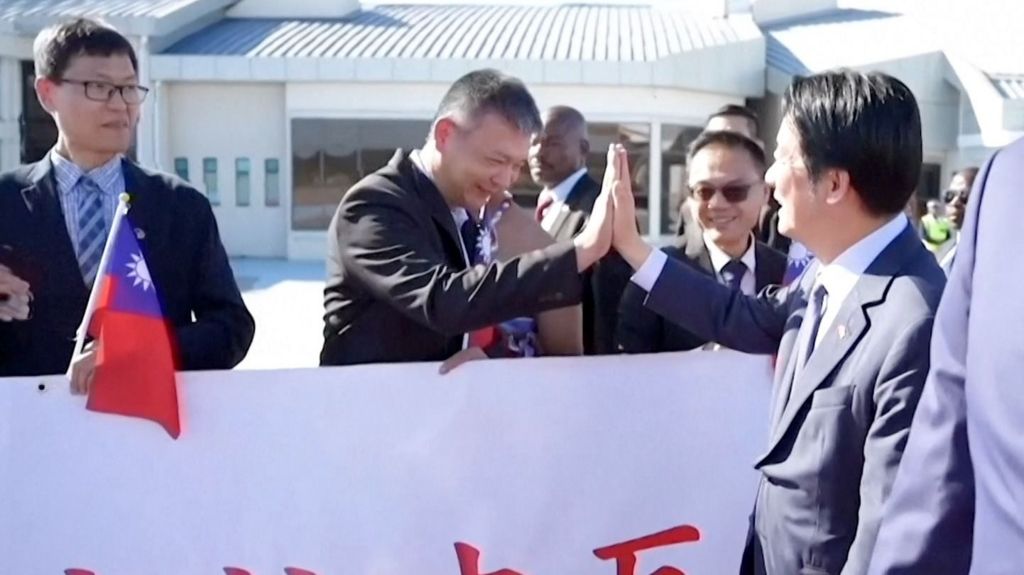
    Lai offered few details on the adjusted travel route that allowed his delegation to reach Eswatini, only noting that the arrival followed “days of careful arrangements by the diplomatic and national security teams”. Photographic records from the visit show Lai exchanging official greetings with Eswatini Prime Minister Russell Dlamini, inspecting a formal guard of honor, and high-fiving local Taiwanese compatriots during a welcoming ceremony. Joining Lai on the delegation are Taiwanese Foreign Minister Lin Chia-lung and National Security Council Adviser Alex Huang, per statements from the Taiwanese presidential office.

    Neither Taipei nor Mbabane pre-announced the surprise visit to avoid further disruptions from external pressure. The trip was initially planned for April 22–26 to mark the 40th anniversary of King Mswati III’s ascension to the Eswatini throne. Writing on his social media channels after landing, Lai reaffirmed the Taiwanese government’s commitment to global engagement, saying “Taiwan will never be deterred by external pressures. Our resolve and commitment are underpinned by the understanding that Taiwan will continue to engage with the world — no matter the challenges faced.”

    He also praised Eswatini for standing firm against Beijing’s diplomatic and economic coercion to cut ties with Taipei, noting the African nation has “spoken out for Taiwan’s international place through concrete actions.” Lai added that he hopes the visit will deepen bilateral cooperation across economic, agricultural, cultural, and educational sectors, while expanding Taiwan’s overall global partnerships. Per the presidential office’s released itinerary, Lai will hold bilateral talks with King Mswati III during his stay and oversee the signing of a joint customs cooperation agreement.

    Eswatini, formerly known as Swaziland, is one of only 12 small UN member states that maintain full formal diplomatic relations with Taiwan, a status that the Taipei government prioritizes heavily amid Beijing’s long-running campaign to isolate the island diplomatically. For decades, China has pressured governments across the globe to sever official ties with Taipei, as Beijing adheres to the One China principle that holds Taiwan is an inalienable part of Chinese territory, with no legal right to conduct state-to-state diplomatic relations.

    Beijing has issued harsh condemnation of Lai’s visit, with Chinese foreign ministry officials labeling the trip a “stowaway-style escape farce” and dismissing Lai as “an international laughing stock.” In an official statement, the ministry said, “No matter how the Democratic Progressive Party authorities collude with external forces or in what form they ‘buy the loyalty of others’, it is all a futile effort that cannot change the fact that Taiwan is part of China.” Beijing also called on Eswatini to “see clearly the general trend of history” and avoid “pulling chestnuts out of the fire for a handful of ‘Taiwan independence’ separatists.”

    In a move widely interpreted as retaliation just days before Lai’s arrival, China announced Friday it would eliminate all import tariffs for products from all African countries — explicitly excluding Eswatini from the preferential trade policy.

  • Germany says US troop withdrawal ‘foreseeable’ as Nato seeks clarification

    Germany says US troop withdrawal ‘foreseeable’ as Nato seeks clarification

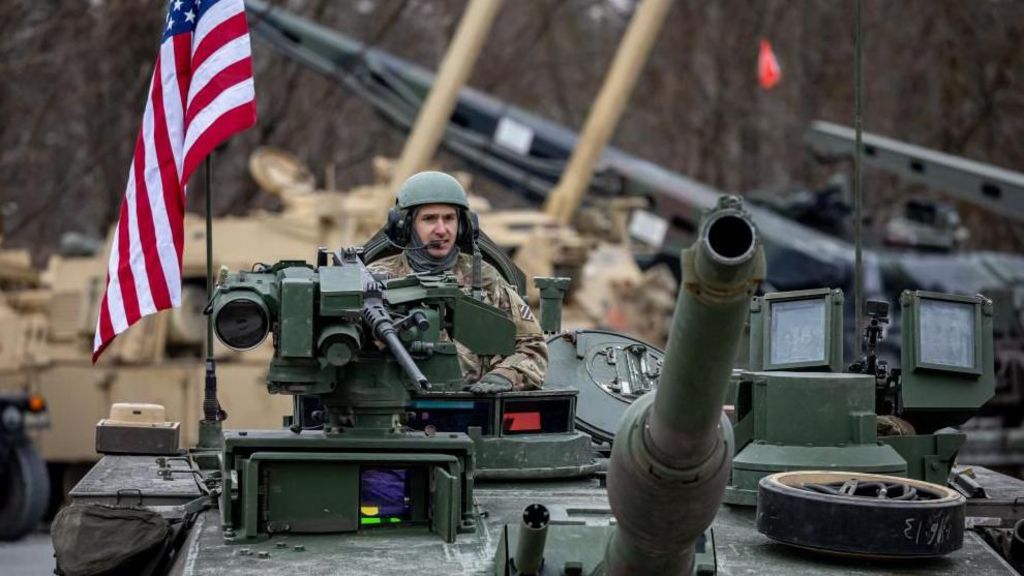
    A deepening rift between the United States and Germany has triggered a major shift in American military posture in Europe, with Washington set to withdraw 5,000 active-duty troops from Germany over the next year, a move that has sent shockwaves through the 32-member NATO alliance and raised urgent questions about the future of transatlantic security.

    The drawdown, the latest in a series of American troop reductions across Europe under the second Trump administration, cuts the US military presence in Germany from the current 36,000 troops — by far the largest American force deployment on the continent, far outstripping roughly 12,000 troops in Italy and 10,000 in the United Kingdom. The decision follows a heated public exchange between US President Donald Trump and German Chancellor Friedrich Merz, sparked by comments Merz made criticizing American diplomatic strategy amid the ongoing conflict with Iran.

    Speaking to Germany’s DPA news agency, German Defence Minister Boris Pistorius struck a measured tone, framing the withdrawal announcement as a development that had long been foreseeable. He reaffirmed that the persistent American military footprint in Europe, anchored in Germany, serves the strategic interests of both Berlin and Washington. Even so, Pistorius emphasized that the geopolitical shift demands that European nations step up to take greater ownership of their own collective security. He noted that Germany has already made substantial progress in this area, having ramped up military spending dramatically in recent years after years of falling short of NATO’s previous 2% of GDP defence spending target — a point of consistent criticism from Trump. Under the current Merz government, Germany is on track to hit a total defence expenditure of 3.1% of GDP by 2027, including a €105.8 billion (£91 billion) annual defence budget and ongoing military aid to Ukraine as it defends against Russian invasion.

    NATO, for its part, has moved quickly to seek full clarity from Washington on the details of the drawdown plan. Alliance spokeswoman Allison Hart noted that the US decision reinforces the need for continued European defence investment and greater burden-sharing for transatlantic security. She added that the alliance is already seeing positive progress after member states agreed to a new target of investing 5% of GDP in defence at last year’s NATO summit in The Hague.

    The diplomatic row that preceded the troop withdrawal announcement erupted earlier this month, when Merz told university students that the US had suffered a public humiliation at the hands of Iranian negotiators. Merz argued that Washington lacked a coherent strategy for the ongoing conflict, accusing Iranian negotiators of skillfully stalling talks that saw American officials travel to Islamabad only to return without any diplomatic breakthrough. Trump hit back fiercely on his Truth Social platform, dismissing Merz as misinformed and falsely claiming that the German chancellor supported Iran acquiring a nuclear weapon. Within days, the troop withdrawal order was issued.

    Pentagon spokesman Sean Parnell confirmed that the drawdown directive came from US Defence Secretary Pete Hegseth, and that the full withdrawal of the 5,000 troops will be completed within a six to 12 month timeline. This move is the latest in Trump’s broader strategy to reorient American military focus away from Europe and toward the Indo-Pacific region, a policy that already saw a troop reduction in Romania last year. Trump has also openly floated the possibility of additional drawdowns from other major American deployments in Europe, including Italy and Spain, and has long been a vocal critic of NATO, arguing that the alliance burdens the US with unfair security costs while European allies underinvest in their own defence.

    The announcement has sparked widespread alarm across NATO and even among senior members of Trump’s own Republican Party. Two top Republican congressional leaders — Senate Armed Services Committee Chair Roger Wicker and House Armed Services Committee Chair Mike Rogers — issued a joint statement saying they are deeply concerned by the decision to withdraw an entire US brigade from German soil. They argued that maintaining a strong deterrent presence in Europe is a core core national interest of the United States, and that full withdrawal of forces from the continent runs counter to that goal.

    Polish Prime Minister Donald Tusk issued one of the starkest warnings from within the alliance Saturday, saying that the greatest threat facing the transatlantic community today is not external adversaries, but the ongoing internal disintegration of the NATO alliance. He called on all member states to take urgent, decisive action to reverse what he described as a dangerous and disastrous trend. Even as anxiety mounts, German officials have signalled they will move forward with deeper defence integration with other European allies, insisting Germany is already on the right path to shoulder a larger share of regional security responsibilities.

  • California to begin ticketing driverless cars that violate traffic laws

    California to begin ticketing driverless cars that violate traffic laws

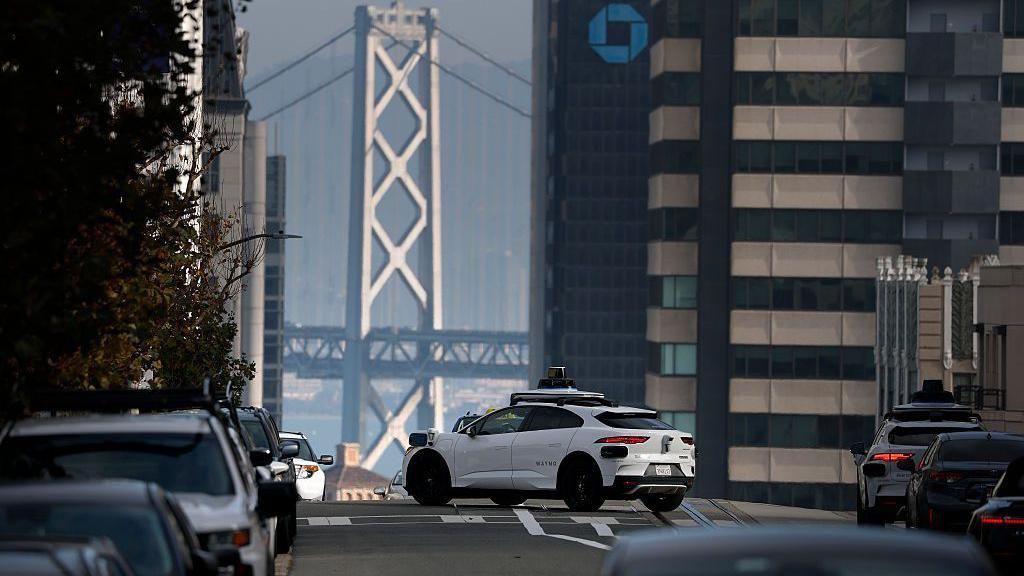
    As autonomous vehicle (AV) technology becomes an increasingly common sight on streets across California, a longstanding regulatory gap has finally been closed: starting this July, law enforcement will for the first time be able to hold driverless car manufacturers accountable when their vehicles break traffic laws.

  • Germany focuses on shared interests after US announces troop drawdown

    Germany focuses on shared interests after US announces troop drawdown

    BERLIN – The Pentagon’s recent announcement that it will withdraw roughly 5,000 U.S. troops from Germany over the next 6 to 12 months has been met with measured calm from German defense leadership, even as the move signals a fresh erosion of trust between Washington and its key European allies amid a series of escalating tensions under the second Trump administration.

    German Defense Minister Boris Pistorius framed the drawdown as a long-expected development, echoing years of warnings from the White House that it would reduce U.S. military commitments in Europe. In comments Saturday to Germany’s national news agency dpa, Pistorius emphasized that the decades-long U.S. military presence on German soil has long served mutual strategic interests for both nations. “The presence of American soldiers in Europe, and especially in Germany, is in our interest and in the interest of the U.S.,” Pistorius said. He added that European NATO members have already acknowledged and acted on the need to take greater ownership of regional collective defense, with Germany ramping up military spending, accelerating weapons procurement, and expanding defense infrastructure in recent years to meet shifting security demands.

    The 5,000-troop pullout accounts for approximately 14% — or one-seventh — of the 36,000 U.S. service members currently stationed in Germany. While the drawdown is sizable enough to shift the trans-Atlantic security dynamic, it is not viewed as a critical cut to U.S. force posture. Pentagon officials have so far released no detailed information about which units, facilities, or operations will be affected by the withdrawal. Across the entire European theater, the U.S. normally maintains between 80,000 and 100,000 military personnel, a number that rose after Russia launched its full-scale invasion of Ukraine in February 2022. European allies have anticipated a post-escalation drawdown of this temporary reinforcement for more than a year.

    Pentagon spokesperson Sean Parnell said in an official statement that the decision came after a comprehensive review of U.S. force positioning across Europe, and was made to align with current theater requirements and on-the-ground security conditions. Germany hosts some of the most critical U.S. military infrastructure outside of North America, including the joint headquarters for U.S. European Command and U.S. Africa Command, Ramstein Air Base — a key logistics and command hub for operations across the Middle East and Africa — the Landstuhl Regional Medical Center that treated thousands of casualties from the Afghanistan and Iraq wars, and deployed U.S. nuclear weapons.

    NATO spokesperson Allison Hart noted Saturday in a post on X that the alliance is collaborating with U.S. officials to work through the details of the force posture adjustment. “This adjustment underscores the need for Europe to continue to invest more in defense and take on a greater share of the responsibility for our shared security,” Hart said, adding that allies have made steady progress toward the alliance’s new target of each member devoting 5% of gross domestic product to defense spending.

    Despite the measured official response from Berlin and NATO, the withdrawal marks a clear new low in U.S.-German relations and ties between Washington and European allies more broadly. For years, Trump has publicly floated the idea of cutting U.S. troop numbers in Germany, and has repeatedly attacked NATO for refusing to back U.S. policy in the conflict with Iran that began with U.S.-Israeli strikes on the country in late February. The president has also openly expressed frustration that NATO allies have declined to join his anti-Iran campaign, and has launched verbal attacks on multiple top European leaders, including German Chancellor Friedrich Merz, Spanish Prime Minister Pedro Sánchez, and British Prime Minister Keir Starmer.

    Just last week, Merz publicly criticized U.S. strategy in Iran, saying Washington is being “humiliated” by the Iranian leadership and has no clear policy for the region. The trans-Atlantic rift has spilled over into trade as well: Trump recently accused the European Union of failing to comply with its existing trade agreement with the U.S., and announced plans next week to raise tariffs on all EU-produced cars and trucks to 25%. The new tariffs would hit Germany particularly hard, as the country’s economy relies heavily on automotive exports to the U.S. At least one senior EU lawmaker has already labeled the planned tariff hike “unacceptable,” accusing Trump of breaking yet another major U.S. trade commitment.

    NATO allies have been preparing for a U.S. troop drawdown in Europe since Trump began his second term, after repeated warnings from Washington that Europe will need to take full responsibility for its own security in the coming years — including security support for Ukraine. The reporting for this article was contributed by Sarah Burrows from London, with additional reporting from Jamey Keaten in Lyon, France.

  • Rights summit in Zambia is canceled after Chinese pressure to exclude Taiwanese activists

    Rights summit in Zambia is canceled after Chinese pressure to exclude Taiwanese activists

    Just days before RightsCon 2026, a major annual international human rights and digital freedom summit, was set to open its doors in Lusaka, Zambia, U.S.-based organizers announced the full cancellation of the event, citing foreign interference and pressure from Beijing that forced Zambian officials to bar Taiwanese civil society delegates from participating.

    Access Now, the New York-headquartered digital rights advocacy group that hosts the yearly summit, confirmed the cancellation late Friday, reversing months of planning that was expected to draw more than 3,700 in-person and online attendees from over 150 countries around the globe. The organization said the cancellation followed a last-minute announcement from the Zambian government that the summit would be postponed, with informal communications later revealing the condition for lifting the postponement: Access Now would have to censor specific discussion topics and bar at-risk communities, including Taiwanese participants, from joining both in-person and virtually.

    “We believe foreign interference is the reason RightsCon 2026 won’t proceed in Zambia,” Access Now said in its official statement. The group added that it repeatedly rejected any demands to exclude delegates based on political pressure, making the summit unable to move forward.

    Initially, the Zambian government framed its move as a routine check to ensure the summit’s themes aligned with the country’s “national values, policy priorities and broader public interest considerations.” But the context of Zambia’s deep political and economic ties to China, rooted in large-scale Chinese investment in the country’s lucrative mining sector, makes the reported pressure consistent with Beijing’s long-standing diplomatic position on Taiwan.

    China adheres to the one-China principle, which claims the self-governing island of Taiwan as an inalienable part of its territory, and requires all countries that maintain formal diplomatic relations with Beijing to cut off official and formal engagements with Taipei. China has built extensive economic and diplomatic influence across the African continent over the past two decades, giving it significant leverage over policy decisions in many African nations.

    The cancellation of RightsCon marks the second high-profile incident involving Chinese diplomatic pressure on Taiwan in southern Africa in less than two weeks. Just one week prior, Taiwanese President Lai Ching-te’s planned official visit to Eswatini — the only African country that maintains formal diplomatic relations with Taipei — was derailed after China pressured Madagascar, Mauritius and Seychelles to withdraw overflight clearance for Lai’s aircraft. After that initial setback, Lai announced a surprise, unannounced arrival in Eswatini on Saturday, posting on social media platform X that “Taiwan will never be deterred by external pressures.”

    Taiwan’s Digital Minister Lin Yi-jing linked the two incidents, saying in a Facebook statement Saturday that the cancellation of RightsCon, which was hosted last year in Taipei, exposes Beijing’s discomfort with the values of freedom, democracy and rule of law that both Taiwan and the summit represent. RightsCon has built a reputation over its years of operation as a leading global forum to discuss pressing digital rights issues including internet censorship, electronic mass surveillance, the global rise of cyberwarfare, and digital exclusion of marginalized communities.

    Human Rights Watch, the leading global non-profit human rights organization, has called on Zambian authorities to issue a full public explanation for their decision to postpone and ultimately scuttle the summit. As of Sunday, the Zambian government has not issued any further comment responding to the allegations of pressure from China.