
A Sydney-based taekwondo instructor, Kwang Kyung Yoo, 51, has pleaded guilty to the brutal murder of a 7-year-old student and his parents in February last year. The New South Wales Supreme Court heard on Thursday that Yoo, consumed by delusions of grandeur, had fabricated stories of Olympic glory, meetings with billionaires, and ownership of luxury cars to bolster his self-image. Forensic psychiatrist Andrew Ellis described these fabrications as “grandiose fantasies” aimed at masking his financial struggles and lack of social status. Yoo, who was behind on rent for his Lion’s Taekwondo and Martial Arts Academy, allegedly plotted the murders after becoming envious of the student’s father’s success and wealth. The court was told that Yoo strangled the mother and son at his academy, then drove to their home in the mother’s BMW, where he fatally stabbed the father. During the struggle, the father also stabbed Yoo, who later claimed he was attacked in a supermarket carpark. Police arrested him at the hospital the following day. Yoo expressed remorse to prison authorities, stating, “I feel shame, guilt, and sorrow.” His lawyer, Richard Wilson, argued against prosecutors’ claims that Yoo was driven by jealousy and hatred, suggesting envy was a factor but not the primary motivator. Yoo faces sentencing on December 16, with the maximum penalty for murder in New South Wales being life imprisonment.
博客
-

Indonesia intensifies search for victims after floods and landslides kill 69 people
Rescue operations intensified across Indonesia’s Sumatra island Thursday as emergency teams battled challenging conditions to locate survivors of catastrophic monsoon-triggered flooding. The disaster has claimed at least 69 lives with 59 individuals still unaccounted for following torrential rains that submerged entire communities and triggered devastating landslides.
According to the National Disaster Management Agency, Tuesday’s extreme weather event caused rivers to overflow throughout North Sumatra province, sweeping away residents and submerging over 2,000 structures. The deluge forced nearly 5,000 inhabitants to evacuate to government-operated shelters as waters rapidly inundated mountainous villages.
Provincial police spokesperson Ferry Walintukan confirmed the rising death toll while highlighting significant operational challenges. ‘Mudslides, power outages, and compromised telecommunications infrastructure are severely hampering our search efforts,’ Walintukan stated, adding that the fatality count would likely increase as teams reach isolated areas.
The devastation extended across multiple regions with South Tapanuli district reporting 17 fatalities and Sibolga city documenting 8 deaths. In Central Tapanuli, landslide incidents claimed the lives of at least four family members, while Padang Sidempuan city reported one flood-related casualty.
Television footage captured rescue personnel employing jackhammers, industrial saws, and manual tools to dig through debris fields characterized by thick mud deposits, rock accumulations, and uprooted vegetation. Inflatable rescue boats navigated swollen rivers to evacuate stranded residents, including children and elderly individuals who had sought refuge on rooftops.
The crisis extended beyond North Sumatra with neighboring provinces reporting significant impacts. Central Aceh district recorded nine fatalities from Wednesday landslides, with district chief Halili Yoga requesting excavator equipment to recover at least two individuals buried under mud. The Aceh Disaster Mitigation Agency reported approximately 47,000 residents displaced by flooding, with 1,500 requiring emergency shelter.
West Sumatra province experienced particularly severe impacts with Padang Pariaman district documenting over 3,300 submerged homes and 12,000 evacuated residents. Rescue teams near Anai Valley Waterfall recovered seven bodies, including one child, from debris fields. In Agam district’s Malalak village, relief coordinator Hendri confirmed 10 fatalities with five residents still missing.
Survivor Lingga Sari described the terrifying moment floodwaters struck her community while she was attempting to soothe her restless infant. ‘A progressively intensifying rumbling sound preceded the sudden torrent that forced us to evacuate toward higher ground,’ she recounted.
Agam district chief Benny Warlis reported approximately 200 residents remain isolated in landslide-affected Jorong Taboh village, with all access routes completely blocked. ‘We face considerable difficulties verifying casualty data due to the complete isolation of this mountainous community,’ Warlis explained.
Indonesia’s geographical vulnerability to seasonal precipitation patterns between October and March regularly produces flooding and landslide incidents across its 17,000 islands, where significant populations reside in flood-prone valleys and mountainous terrain.
-

US suspends immigration requests for Afghans after National Guard shooting
In the wake of a shooting incident near the White House that left two National Guard soldiers critically injured, the United States has halted all immigration requests from Afghan nationals. The suspect, identified as Rahmanullah Lakamal, allegedly arrived in the US from Afghanistan in September 2021 under Operation Allies Welcome, a program designed to assist Afghan refugees following the US withdrawal from the country. President Donald Trump labeled the attack as an ‘act of terror’ and vowed to reassess the immigration status of all Afghan nationals who entered the country under his predecessor, Joe Biden. The Department of Homeland Security confirmed that Lakamal had been granted asylum earlier this year. The incident occurred near the Farragut Square Metro Station, where the suspect reportedly ambushed the soldiers before being subdued by other National Guard members. In response, Trump has imposed a travel ban on Afghan nationals and ended a temporary protected status program for Afghan migrants. The Pentagon has also announced the deployment of an additional 500 National Guard troops to Washington, DC, to bolster security.
-
What to know about the apartment fire in Hong Kong
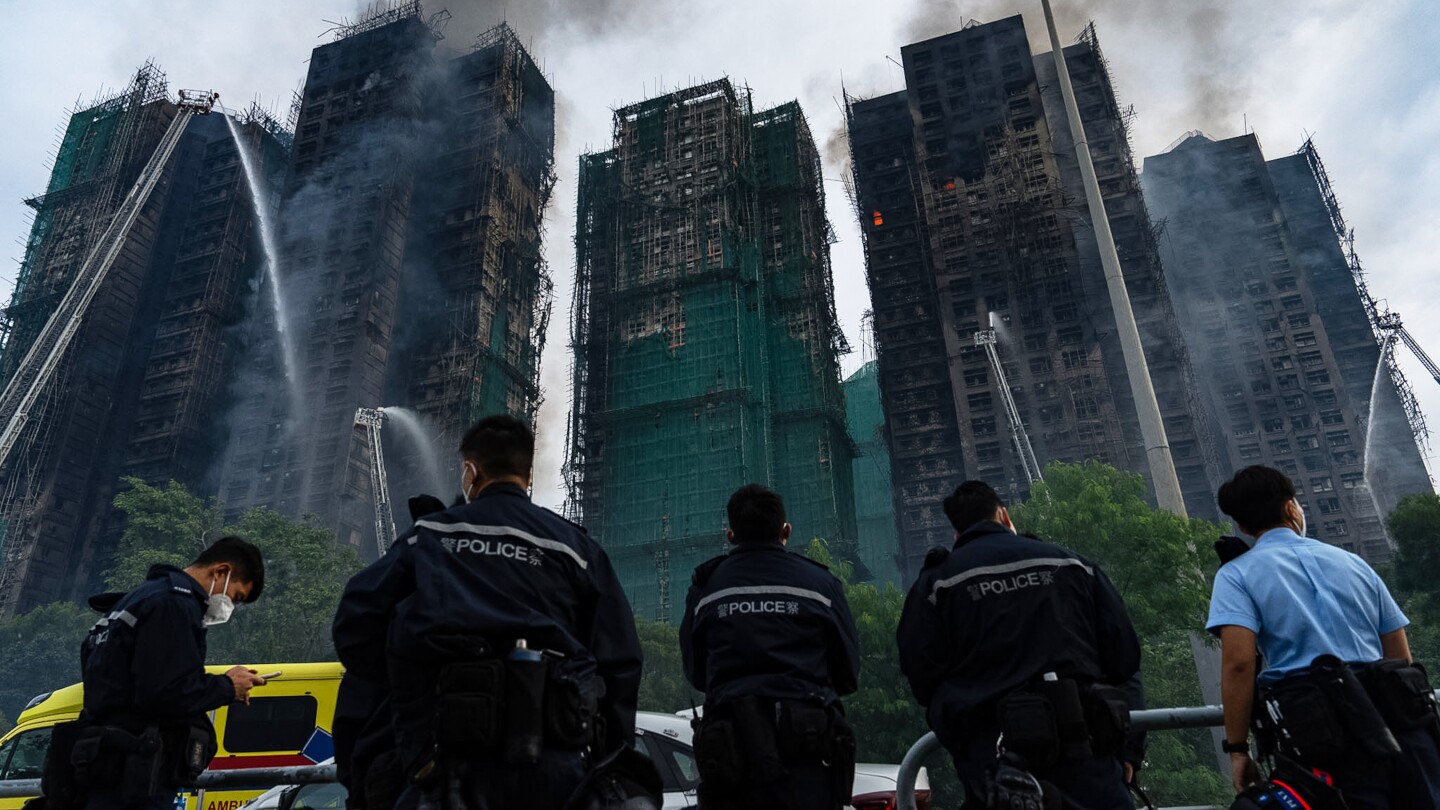
Hong Kong is grappling with its most devastating fire in nearly three decades, as flames continue to smolder in multiple apartment towers at Wang Fuk Court in Taipo. The blaze, which erupted on Wednesday, has claimed at least 55 lives and left dozens injured, with approximately 900 of the 4,800 residents evacuated to temporary shelters. Seven of the eight 32-story towers in the complex were engulfed in flames after construction materials and bamboo scaffolding caught fire. Extreme heat and high winds have severely hampered rescue efforts, making it the deadliest fire since 1996, when 41 people perished in a Kowloon commercial building fire. Authorities have arrested three individuals, including directors and an engineering consultant from Prestige Construction & Engineering Co., on suspicion of manslaughter. Investigations suggest that some materials, such as plastic foam panels, may not have met fire resistance standards. The buildings, constructed in the 1980s, lack modern fire safety features like smoke detectors and sprinkler systems, raising concerns about housing safety standards in Hong Kong. Chief Executive John Lee has announced the formation of a task force to investigate the disaster and inspect all housing estates undergoing major repairs. Survivors are receiving support in temporary shelters, with 17 of the 62 hospitalized victims in critical condition.
-

Party-mass service centers turn into ‘living rooms for all’
In Shanghai, Party-mass service centers have undergone a remarkable transformation, evolving from exclusive venues for Communist Party activities into inclusive community hubs. One such center, located in Xuhui district by the riverside, has become a bustling public space since its opening in 2021. Initially, the center’s signage was modest to avoid deterring non-Party members, but today, its prominent display reflects the public’s growing acceptance and appreciation. With over 2.6 million visits to date, including 1 million in the past year alone, the center has become a beloved destination for residents of all ages.
Xu Xinmin, a 69-year-old resident and veteran Party member, frequents the center daily for activities like calligraphy, singing, and sword dancing. He praises the center for fulfilling nearly all his needs and serving as a vital bridge between the Party and the public. Across Shanghai, similar Party-mass service facilities have emerged, offering a range of services such as community canteens, libraries, health services, senior care, and playrooms for children. These centers, once exclusive, now operate year-round, with some providing 24/7 access to essential amenities like restrooms and shower facilities for joggers.
Xia Rui, head of Party-mass service facilities in Xuhui district, emphasized the ‘people-centered’ design philosophy behind these spaces. The riverside center, spanning 2,000 square meters, operates from 7 am to 9 pm daily, with certain facilities available around the clock. Shanghai now boasts over 10,000 Party-mass service centers strategically located within 15-minute living circles, ensuring residents have easy access to essential services. This evolution aligns with President Xi Jinping’s vision of ‘people’s cities built by the people and for the people,’ fostering a stronger connection between the Party and the community.
-

Tesla looks to reset strategy amid sluggish India sales
Tesla has unveiled its largest sales and service hub in India, located in Gurugram, a northern city. This state-of-the-art facility integrates an experience showroom, charging infrastructure, and after-sales services under one roof. Despite this significant investment, Tesla continues to face challenges in the Indian market, with only around 100 cars sold since its high-profile debut in July this year, according to dealership data. Sources close to the company reveal that Tesla is now focusing on bolstering India’s EV ecosystem to rejuvenate its sales momentum. The company has not directly addressed inquiries regarding its underwhelming sales figures. Since its launch in July, Tesla has struggled to gain traction in India, with media reports indicating that it received bookings for just over 600 cars by mid-September. However, only a fraction of these bookings have translated into actual sales, even as competitors like BMW, BYD, and Mercedes Benz have reported robust sales, driven by festive demand and tax incentives. Tesla’s strategy to enhance its market presence includes a three-pronged approach: increasing EV adoption, expanding the charging station network, and improving customer experience. High taxes and slow adoption rates remain significant barriers to EV growth in India, with Tesla’s steep upfront prices posing an additional challenge. Speaking at the launch event, Tesla India head Sharad Agarwal highlighted the long-term cost benefits of owning a Tesla, estimating that buyers could save up to two million rupees ($22,400) over four years on fuel and maintenance costs. He also emphasized the advantages of remote software updates and the low cost of home charging. Despite the current low sales figures, industry experts like Hormazd Sorabjee, editor of Autocar India, believe that Tesla’s entry into the Indian market is strategic and holds potential for future growth. EVs currently account for less than 3% of passenger vehicle sales in India, and the country’s charging infrastructure remains underdeveloped, with only around 25,000 charging stations. Tesla is expanding its network, including superchargers that can deliver about 170 miles of range in just 15 minutes. Tesla’s struggles in India are part of a broader slowdown in demand across its major markets, including Europe, China, and the US. The company reported a 37% drop in profits for the third quarter of 2023, despite achieving record revenue of $28 billion. In India, Elon Musk has shown little interest in local manufacturing, opting instead for an import-led strategy, despite government incentives aimed at attracting global EV manufacturers.
-
Anti-fraud effort defends public’s property, dignity
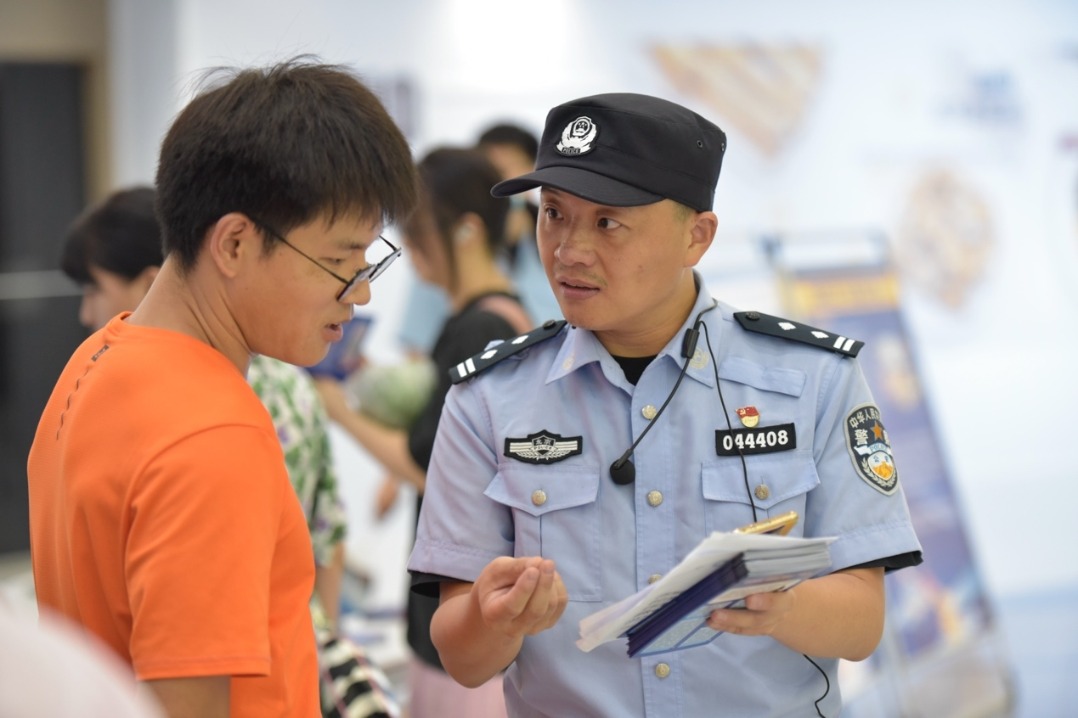
China’s relentless fight against telecom and online fraud has become a cornerstone of its efforts to safeguard public property and dignity. This year marks the fifth anniversary of Xi Jinping Thought on the Rule of Law, which has guided the nation’s intensified crackdown on fraudulent activities. Beijing police officer Xing Yunwei highlights the challenges in convincing victims of scams, emphasizing the importance of protecting not just finances but also the peace of mind of the public. In one notable case, an elderly woman, targeted by online scammers, was persuaded to cooperate after persistent efforts by law enforcement, leading to the recovery of most of her stolen funds. The Anti-Telecom and Online Fraud Law, enacted in December 2022, has been pivotal in clarifying responsibilities across government departments, telecom operators, and financial institutions, ensuring efficient and accountable law enforcement. From 2021 to July 2025, China’s public security organs have solved nearly 1.74 million telecom-fraud cases, arrested 366,000 suspects, and intercepted billions of scam calls and messages. The national anti-fraud center has issued over 20 million fund early-warning alerts, and local police have conducted face-to-face visits to prevent potential victims from transferring money. Joint operations with countries like Myanmar, Thailand, and Cambodia have led to the apprehension of over 80,000 suspects. The campaign reflects China’s commitment to addressing urgent public issues, dismantling criminal organizations, and protecting legitimate rights and interests. Guided by Xi Jinping Thought on the Rule of Law, law enforcement agencies continue to serve the people, ensuring a safer and more secure society.
-

Cairo conference on Gaza reconstruction postponed
The highly anticipated Gaza reconstruction conference, initially scheduled for November in Cairo, has been postponed indefinitely due to escalating violence in Gaza and the West Bank. This delay has cast a shadow of uncertainty over the next phase of the ceasefire agreement between Israel and Hamas. Egyptian Prime Minister Mostafa Madbouly had previously confirmed Egypt’s readiness to host the event during his speech at the G20 summit in Johannesburg, South Africa, but did not specify a date. According to Arabic outlet Asharq Al-Awsat, an Egyptian source revealed that the conference’s postponement stems from the ongoing Israeli escalation and repeated violations, which have left many countries demanding guarantees against future destruction in Gaza. These guarantees remain unsecured, further complicating the situation. Recent weeks have seen both Israel and Hamas accusing each other of breaching the truce, with the United Nations and various media outlets reporting Israeli strikes resulting in civilian casualties, including children. The Israel Defense Forces have justified their actions by claiming that Hamas fighters are emerging from underground tunnels and posing threats to their troops. Meanwhile, the Israeli Prime Minister’s office has emphasized that Hamas must uphold its commitments to mediators and return all hostages, including the remains of two captives still missing in Gaza. UN Secretary-General Antonio Guterres has urged parties to maintain the ceasefire and capitalize on the diplomatic momentum, describing the October agreement as a ‘glimmer of hope.’ However, the postponement of the Cairo conference coincides with a new UN report highlighting the dire economic crisis in the occupied Palestinian Territory, which has erased 69 years of human development. The report estimates that the cost of Gaza’s reconstruction exceeds $70 billion, placing it among the top 10 worst global economic crises since 1960. Omer Behram Ozdemir, a lecturer at Ibn Haldun University in Turkiye, stressed that prolonged negotiations have exacerbated Gaza’s infrastructure damage and eroded its commercial potential. He called for significant funding from Gulf countries and Egypt to restore normalcy in Gaza, emphasizing that mere reconstruction of the city will not suffice.
-
Political prisoners released in Myanmar mass amnesty
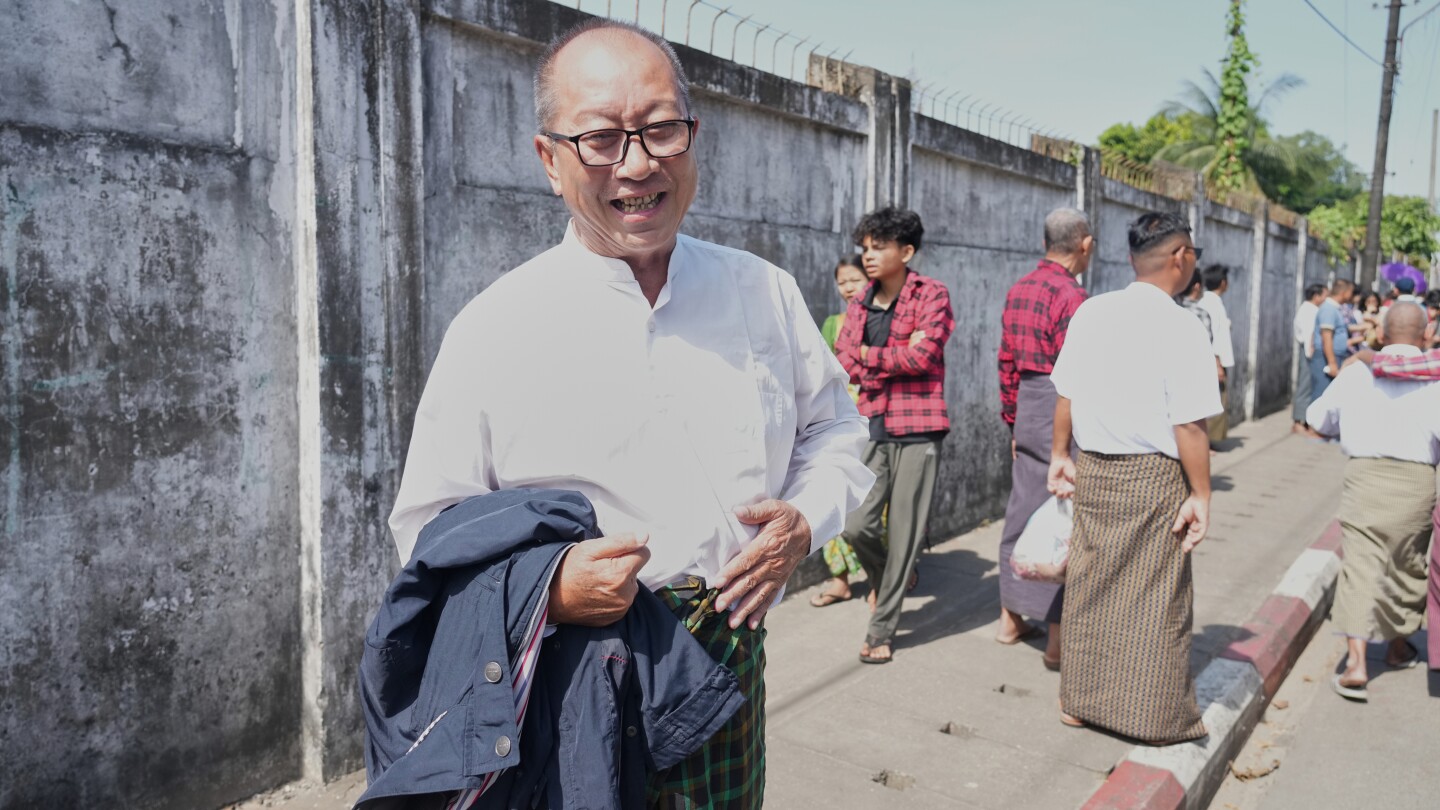
In a significant move ahead of the December 28 elections, Myanmar’s military rulers have granted amnesty to over 3,000 individuals detained for opposing army rule, while dropping charges against more than 5,500 others. The mass release, announced by state-run broadcaster MRTV on Wednesday, aims to ensure eligible voters can participate in the upcoming polls. On Thursday, at least eight buses carrying prisoners departed from Yangon’s Insein Prison, where families and friends eagerly awaited their loved ones since early morning. Among those released were Kyi Toe, a member of the National League for Democracy’s (NLD) central information committee, and freelance journalist Zaw Lin Htut, both arrested in 2021. However, there was no indication that former leader Aung San Suu Kyi, who has been held incommunicado since the 2021 military coup, would be freed. Critics argue that the election will lack fairness, citing the absence of free media and the imprisonment of most NLD leaders. The amnesty includes 3,085 prisoners convicted under the incitement law, which criminalizes spreading comments that create public unrest or fear. Additionally, 724 prisoners received conditional release, while 5,580 individuals facing incitement charges were granted amnesty. According to the Assistance Association for Political Prisoners, 22,708 political detainees, including Suu Kyi, remain in custody. The 80-year-old Suu Kyi is serving a 27-year sentence following what supporters describe as politically motivated prosecutions. The 2021 military takeover sparked widespread nonviolent resistance, which has since evolved into an armed struggle.
-
Former AP photographer’s vintage images of Ireland capture a world before it disappeared
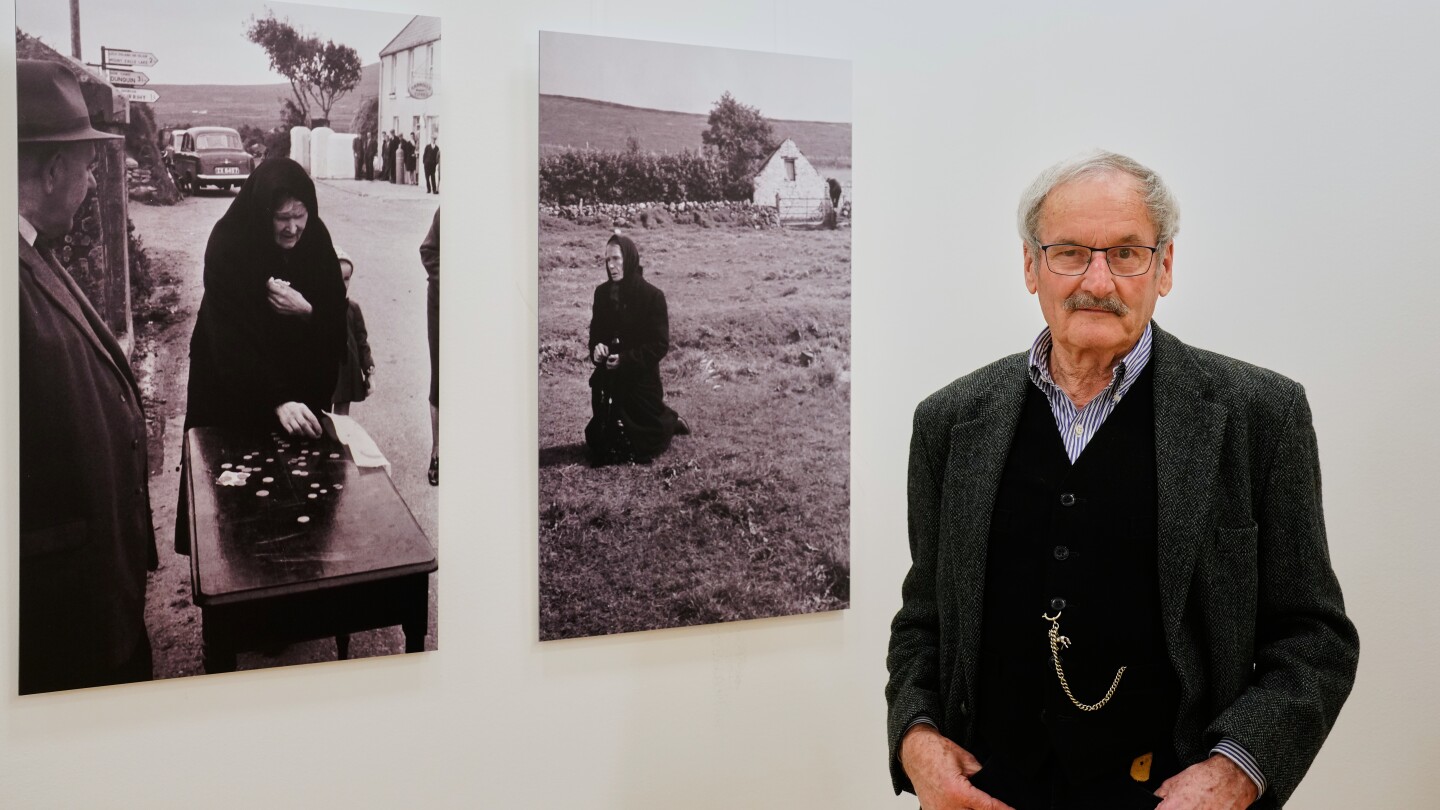
A collection of rare black-and-white photographs from 1963, capturing Ireland on the cusp of modernity, has been unveiled at the Irish embassy in Berlin. The images, taken by German photographer Diether Endlicher, offer a poignant glimpse into a vanishing way of life. Endlicher, now 85, was honored last weekend for his work, which documents the daily lives of Irish people before the advent of modern conveniences. The photos depict boatmen, fishermen, herders, and women transporting milk by donkey cart, alongside dramatic landscapes and ruined abbeys. These images, long forgotten in Endlicher’s attic, were recently rediscovered and digitized, sparking renewed interest in their historical significance. Irish Ambassador Maeve Collins praised the photos for their “beautiful detail” and their vivid portrayal of life on Ireland’s west coast in the early 1960s. Endlicher, who later became a renowned photojournalist for The Associated Press, captured these scenes during a road trip in a tiny Fiat 500. His journey took him to the Aran Islands, where he documented a world untouched by electricity and modernity. The exhibition not only celebrates Endlicher’s artistry but also serves as a testament to Ireland’s cultural and social transformation.