博客

  • Duterte family accepts ICC rejection of interim release with ‘peaceful hearts’

    Duterte family accepts ICC rejection of interim release with ‘peaceful hearts’

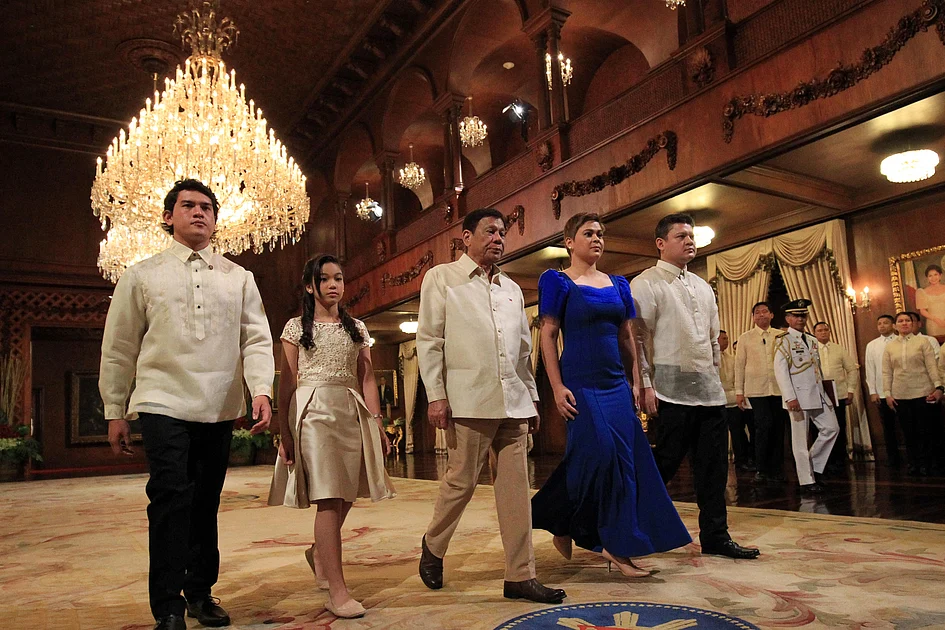
    The International Criminal Court’s Appeals Chamber has definitively rejected former Philippine President Rodrigo Duterte’s petition for interim release, compelling his continued detention in The Hague. This decisive ruling, delivered on November 28, 2025, marks a significant legal setback for Duterte, who faces charges of crimes against humanity linked to his administration’s controversial anti-drug campaign.

    In a formal statement, the Duterte family expressed acceptance of the judicial outcome ‘with peaceful hearts,’ signaling a subdued response to the unfavorable decision. The family affirmed their commitment to maintaining close collaboration with Duterte’s legal defense team and sustaining regular communication with the former leader throughout the ongoing judicial proceedings. They extended gratitude to supporters who had offered prayers during this critical phase.

    Presiding Judge Luz del Carmen Ibañez Carranza articulated the court’s position, emphasizing that the Pre-Trial Chamber’s initial assessment had been conducted with rigorous scrutiny of all available evidence. The Appeals Chamber unanimously dismissed all three legal arguments advanced by Duterte’s defense counsel, thereby validating the earlier determination that his release would pose substantial risks under Article 58(1)(b) of the Rome Statute.

    Duterte’s arrest transpired on March 11, 2025, when Philippine authorities executed an ICC-issued warrant. His transfer to Dutch custody followed shortly thereafter, where he remains confined pending trial for alleged systematic extrajudicial killings during his presidential term from 2016 to 2022.

    The judicial outcome has elicited strong reactions from political allies, including Senator Robin Padilla, who openly expressed profound disappointment. Padilla recounted watching the proceedings with anticipation, only to recognize the inevitable ruling as the judge detailed the legal merits. His statements reflect the emotional toll the case has exacted on Duterte’s supporters within Philippine political circles.

  • Trump says he plans to pardon former Honduran President Hernandez for 2024 drug trafficking sentence

    Trump says he plans to pardon former Honduran President Hernandez for 2024 drug trafficking sentence

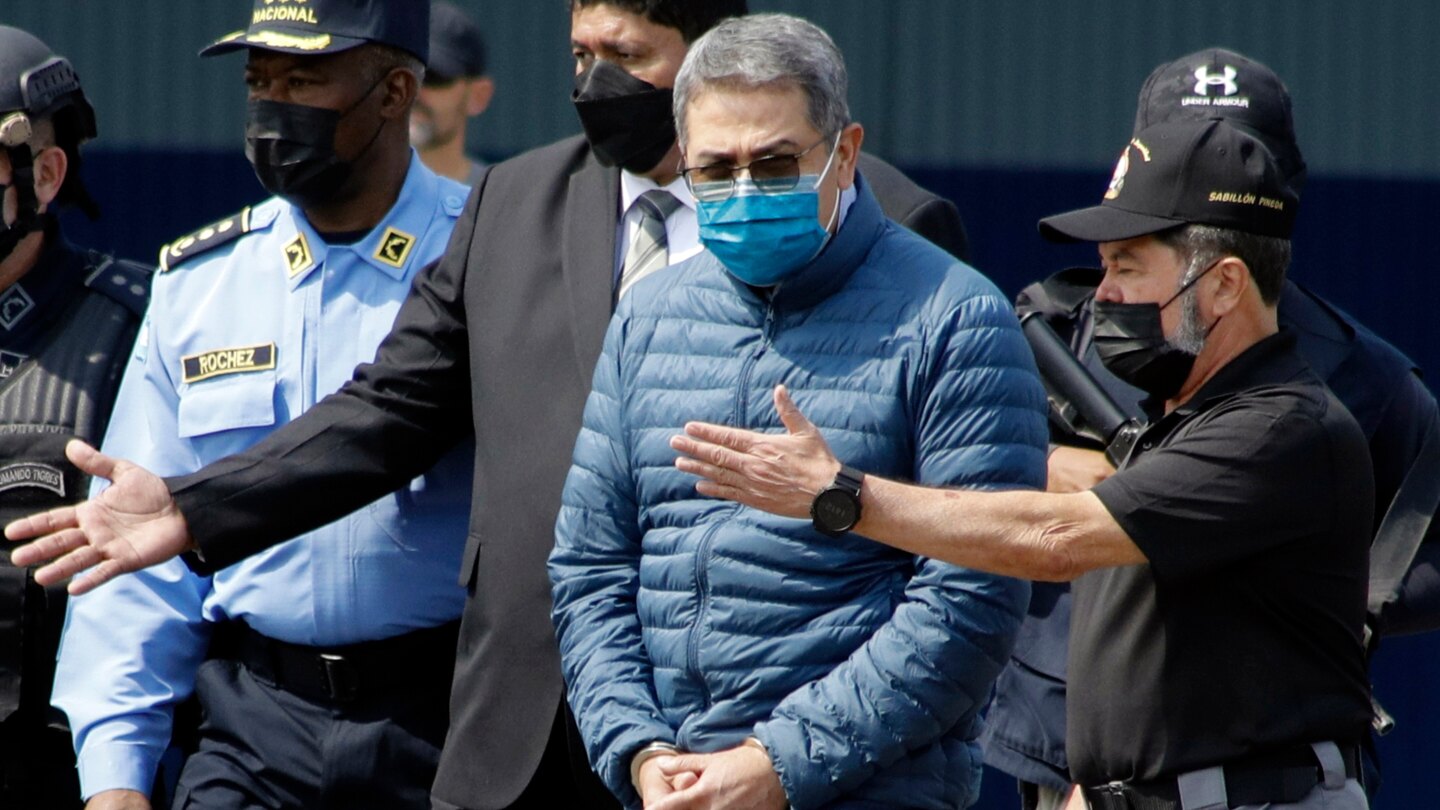
    In a politically charged move from West Palm Beach, Florida, former U.S. President Donald Trump announced on Friday his intention to pardon Juan Orlando Hernandez, the former Honduran leader serving a 45-year sentence for drug trafficking and weapons convictions. Trump justified his decision through social media, claiming respected sources indicated Hernandez had received unduly harsh and unfair treatment.

    The convicted former president, who led Honduras through two terms until 2022, was found guilty in U.S. federal court last March for conspiring to import cocaine into the United States. Hernandez had been incarcerated at the U.S. Penitentiary in Hazelton, West Virginia, while pursuing appeals against his conviction.

    His legal representative, Renato C. Stabile, expressed profound gratitude for Trump’s intervention, characterizing it as the correction of a ‘great injustice’ and anticipating Hernandez’s ‘triumphant return to Honduras.’ Another attorney, Sabrina Shroff, declined to comment.

    Trump’s announcement coincided with his explicit endorsement of Nasry ‘Tito’ Asfura, the conservative National Party candidate in Honduras’ upcoming presidential election. Trump framed the election as a critical test for democracy, warning that U.S. support would be contingent on Asfura’s victory. He threatened to withhold American aid if another candidate wins, suggesting Honduras could otherwise fall under the influence of Venezuelan leader Nicolás Maduro.

    Asfura, former mayor of Tegucigalpa, faces competition from Rixi Moncada of the democratic socialist Libre party and Salvador Nasralla of the Liberal Party. The election occurs against the backdrop of heightened U.S. military presence in the Caribbean, with Trump not ruling out potential military or CIA operations against Venezuela despite expressing openness to dialogue with Maduro.

    Current Honduran President Xiomara Castro has maintained pragmatic relations with the U.S. despite her leftist leanings, continuing cooperation on extradition and security matters. The political landscape gained additional international dimension with Argentine President Javier Milei, a Trump admirer, publicly endorsing Asfura as the opposition candidate against ‘leftist tyrants.’

  • Camels trek through snow in Ningxia’s Helan Mountains

    Camels trek through snow in Ningxia’s Helan Mountains

    In a striking convergence of natural beauty and cultural heritage, camels were documented traversing snow-blanketed slopes within Ningxia Hui Autonomous Region’s Helan Mountains this Wednesday. This majestic scene, featuring the dark silhouettes of camels against pristine white snow, highlights one of Northwest China’s most captivating winter phenomena.

    The Helan Mountains serve as a crucial ecological barrier, protecting the region from desert encroachment and cold air masses while sustaining the agriculturally rich Yinchuan Plain. The camels, historically indispensable to Silk Road trade routes, now symbolize Ningxia’s enduring cultural exchange traditions.

    Contemporary tourism initiatives have transformed these desert-adapted animals into ambassadors of regional heritage. Camel trekking experiences and educational tours centered on Silk Road history have emerged as signature attractions within Ningxia’s cultural economy, drawing visitors nationwide seeking immersive historical encounters.

    This particular seasonal spectacle—known as ‘Helan Mountain in Clear Snow’—ranks among Ningxia’s Eight Famous Sceneries. The phenomenon derives its name from the persistent snow accumulation on western peaks despite clear weather conditions, creating a visually dramatic contrast that has been observed for centuries.

  • Fashion show highlights the diverse ethnic cultures of Yunnan

    Fashion show highlights the diverse ethnic cultures of Yunnan

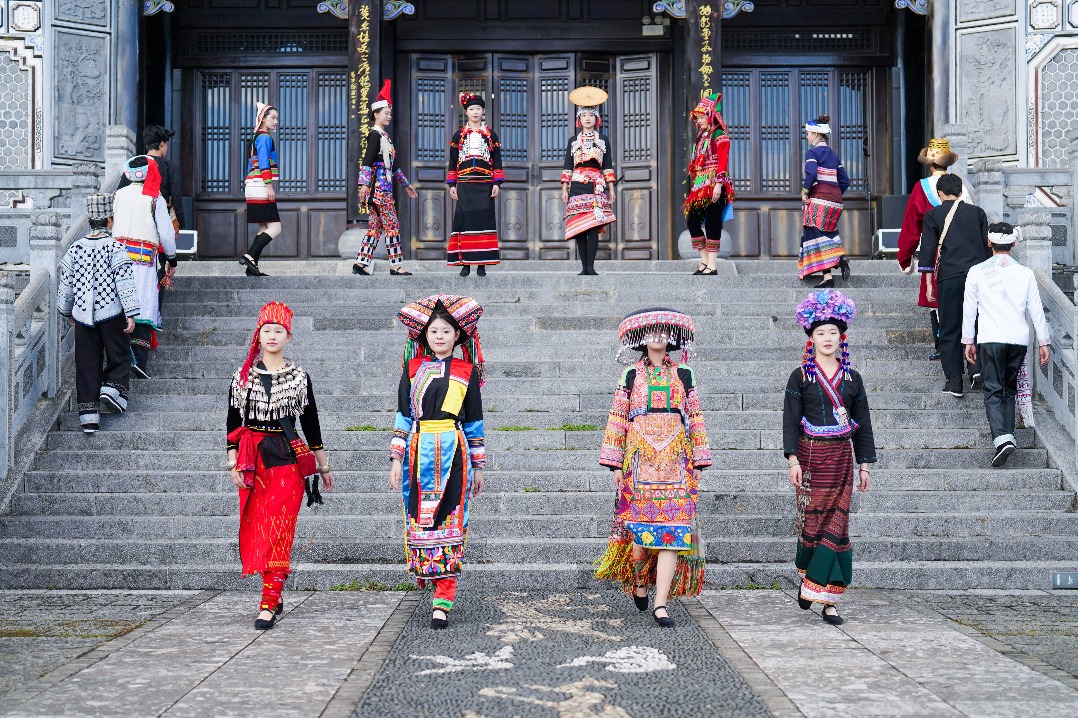
    The ancient city of Dali in Yunnan province transformed into a living museum of cultural heritage on November 23rd as it hosted an extraordinary intangible cultural heritage fashion exhibition. This sartorial celebration brought together the province’s rich ethnic traditions through an immersive display of craftsmanship and contemporary design.

    The event presented a comprehensive visual narrative of Yunnan’s diverse cultural landscape, featuring more than 30 complete sets of traditional ethnic attire alongside over 100 modern interpretations. Representatives from all 16 prefectures and cities across the province contributed to this panoramic showcase, demonstrating the remarkable preservation and evolution of indigenous textile techniques.

    Audiences experienced an unprecedented interactive opportunity, being invited to examine the intricate details of the garments at close range and engage directly with the models. This tactile approach created what organizers termed as ‘wearable history’ – allowing participants to physically connect with centuries-old cultural expressions through contemporary fashion medium.

    The exhibition particularly highlighted the Bai autonomous prefecture’s distinctive heritage while embracing the collective cultural wealth of Yunnan’s 25 recognized ethnic groups. Each ensemble told a story of ancestral craftsmanship, from the elaborate silversmith work of the Miao people to the sophisticated batik techniques of the Dai community and the exquisite embroidery traditions preserved by the Yi people.

    This fashion presentation transcended conventional runway shows by creating an educational platform that bridges generational and cultural divides. It demonstrated how traditional motifs and techniques continue to inspire modern design while maintaining their cultural authenticity and significance in contemporary society.

  • Israel-Lebanon ceasefire on the edge of a breakdown

    Israel-Lebanon ceasefire on the edge of a breakdown

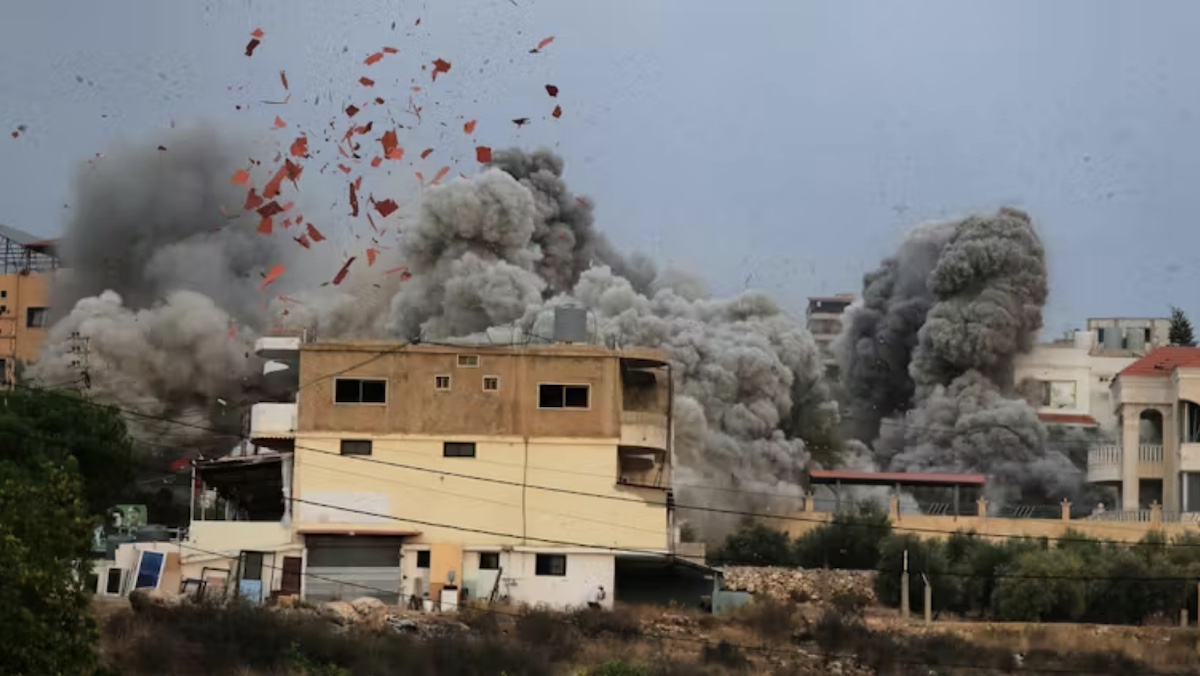
    The November 2024 ceasefire agreement between Israel and Lebanon stands on increasingly precarious ground as violations mount and diplomatic efforts stall. According to UNIFIL’s latest report, Israeli forces have conducted over 10,000 air and ground incursions into Lebanese territory since the truce took effect, significantly undermining the agreement’s stability.

    The situation deteriorated further with recent Israeli strikes across the northern border, resulting in the assassination of Hezbollah’s top military commander and deadly attacks on Palestinian refugee camps. Israel maintains these operations target Hezbollah’s rearmament efforts, with Israeli military sources indicating preparations to ‘finish the job’ against the militant group.

    From a historical perspective specializing in Israeli-Lebanese relations, Israel’s emergence as regional military hegemon has failed to translate into Middle Eastern stability or constructive change. The deteriorating ceasefire demonstrates that military power alone cannot substitute for diplomatic engagement and long-term stabilizing agreements.

    The ceasefire originally aimed to conclude the latest Israel-Hezbollah conflict that escalated following Hamas’ October 7, 2023 attack on Israel. The agreement stipulated Lebanon’s disarmament of nonstate military forces south of the Litani River, with the Lebanese army remaining the sole armed authority. In exchange, Israel committed to withdrawing from occupied southern territories within 60 days and participating in US-brokered border delineation negotiations.

    One year later, none of these objectives have materialized. Israel continues occupying five border posts inside Lebanon while conducting daily raids, some of which have endangered UNIFIL peacekeeping forces. The February 2025 formation of a new Lebanese government—the first since 2008 without Hezbollah veto power—initially presented opportunity for state sovereignty reclamation and economic recovery following Lebanon’s 2019 financial collapse.

    However, disarming Hezbollah remains profoundly challenging given the group’s military dominance and political entrenchment. The Lebanese army lacks sufficient capacity, political influence, or will to coercively disarm Hezbollah without risking civil conflict. Complicating matters, U.S. pressure on Lebanon to disarm Hezbollah has created diplomatic friction, including the canceled November 25 trip of Lebanon’s army chief to the United States.

    Meanwhile, reports indicate Iran channeled approximately $1 billion to Hezbollah despite its weakened regional position, providing critical support while Lebanon struggles to secure foreign aid. These dynamics create continued friction between Israel and Hezbollah, with Israel adopting a zero-tolerance security doctrine post-October 7.

    Domestic Israeli politics further complicate matters, as Prime Minister Benjamin Netanyahu faces accusations of prolonging conflicts to deflect from legal troubles and governmental deficiencies. Border disputes remain unresolved due to deep mistrust and active conflict, despite being a constant source of tension since 2000.

    The current trajectory suggests a return to the vicious cycle characterizing Israel-Lebanon relations since the 1960s: nonstate actors respond to Israeli incursions, triggering further retaliation that weakens the Lebanese state. Breaking this cycle requires strengthened Lebanese state capacity as sole arms holder and foreign policy authority. Ultimately, sustainable resolution depends primarily on internal Lebanese political processes rather than Israeli military pressure, potentially facilitated by US diplomacy that applies balanced pressure to all parties.

  • AU condemns coup in Guinea-Bissau, calls for return to constitutional order

    AU condemns coup in Guinea-Bissau, calls for return to constitutional order

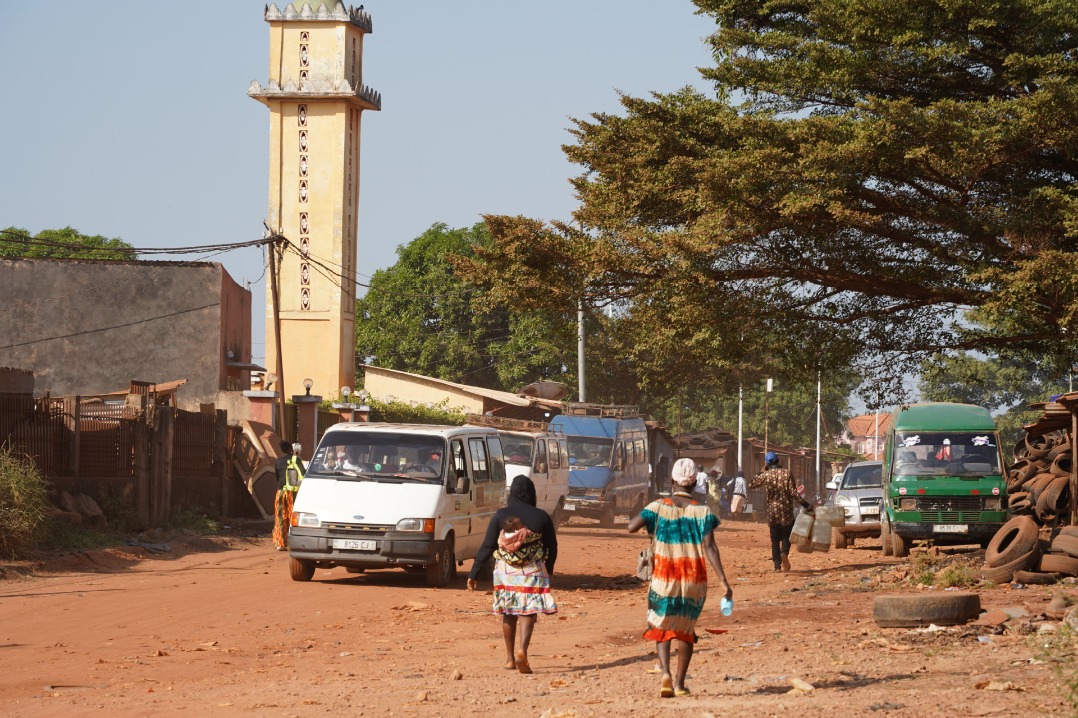
    The African Union has issued a forceful condemnation of Wednesday’s military coup in Guinea-Bissau, demanding the immediate restoration of constitutional order after armed forces seized power and detained President Umaro Sissoco Embalo along with several senior government officials.

    In a strongly worded statement released Thursday, AU Commission Chairperson Mahmoud Ali Youssouf declared the military takeover a clear violation of the bloc’s fundamental principles. The coup occurred at a particularly sensitive moment as the nation awaited the official announcement of national election results.

    Youssouf reiterated the continental body’s absolute zero-tolerance policy toward unconstitutional government changes. He referenced a joint statement issued November 26 by AU election observers and other stakeholders that had emphasized the critical importance of protecting electoral integrity.

    The AU chair specifically emphasized that Guinea-Bissau’s National Electoral Commission maintains exclusive legal authority to announce official results, urging all parties to respect its constitutional role. He demanded the immediate and unconditional release of President Embalo and all detained officials while calling for maximum restraint to prevent further escalation.

    The African Union expressed its readiness to collaborate closely with the Economic Community of West African States (ECOWAS) and international partners to facilitate dialogue, ensure stability, and achieve a lawful resolution to the escalating crisis. Youssouf reaffirmed the Union’s solidarity with the people of Guinea-Bissau during this critical period, emphasizing the AU’s continued commitment to supporting their pursuit of peace, stability, and democratic consolidation.

  • UAE: Sheikh Mohammed approves 3,567 housing decisions worth Dh2.5 billion in 2025

    UAE: Sheikh Mohammed approves 3,567 housing decisions worth Dh2.5 billion in 2025

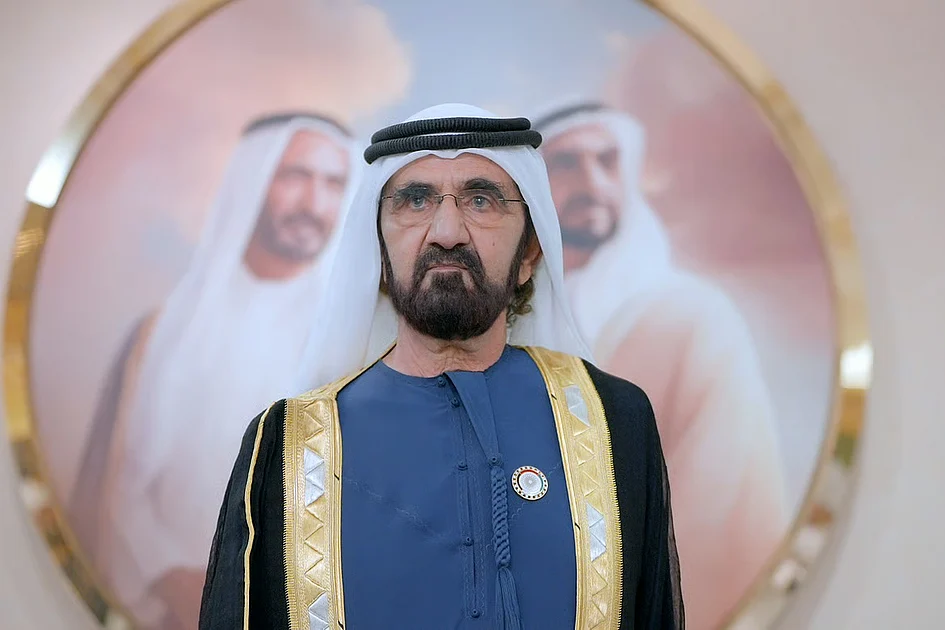
    In a significant move to address citizen welfare, UAE Prime Minister Sheikh Mohammed bin Rashid Al Maktoum has authorized 3,567 housing decisions valued at Dh2.5 billion for implementation throughout 2025. This substantial allocation demonstrates the government’s continued commitment to providing housing solutions for Emirati citizens across various economic segments.

    The comprehensive housing package encompasses multiple assistance formats designed to cater to different needs. The initiative includes direct housing grants for low-income individuals, government-subsidized housing units, and collaborative housing finance programs operated in partnership with national banking institutions.

    Detailed breakdown reveals that 524 housing decisions originated from a special presidential grant program totaling Dh356.3 million. Additionally, 623 government housing loans worth over Dh270 million were approved alongside 32 government housing grants valued at Dh25.4 million. The largest portion comprised 2,388 housing finance decisions amounting to Dh1.894 billion facilitated through banking partnerships.

    During the final quarter of the current year, the Zayed Housing Programme has already processed 599 housing decisions worth Dh478 million. This quarterly distribution included two presidential grants valued at Dh1.3 million, 31 government housing loans worth Dh25.2 million, eight government housing grants totaling Dh6.4 million, and 558 housing finance decisions amounting to Dh445.1 million.

    The strategic distribution mechanism ensures comprehensive coverage across different socioeconomic groups while maintaining fiscal responsibility. This housing initiative represents a cornerstone of the UAE’s social development strategy, providing tangible support for citizens’ housing needs through multiple channels of assistance.

  • How were Afghan evacuees vetted under Biden?

    How were Afghan evacuees vetted under Biden?

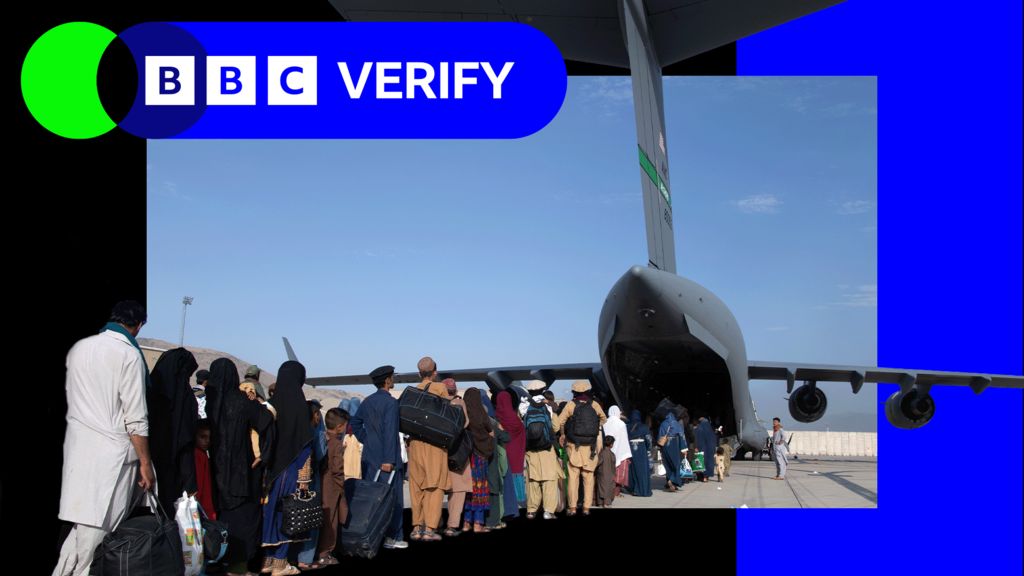
    A deadly shooting targeting National Guard members in Washington DC has triggered immediate immigration policy changes by the Trump administration. The Department of Homeland Security (DHS) has suspended all Afghan immigration applications pending comprehensive review of security protocols after identifying the suspect as Rahmanullah Lakanwal, a 29-year-old Afghan national who entered through the Biden-era Operation Allies Welcome (OAW) program.

    Republican officials assert the suspect entered without proper vetting, though documentation indicates he underwent the Special Immigrant Visa process and was granted asylum under the current administration. The political response has been sharply divided: Trump administration officials characterize OAW as permitting ‘unvetted criminals’ while immigration advocates note the program resettled over 190,000 Afghans with this being the first major security incident.

    Government audits reveal mixed results regarding OAW’s vetting effectiveness. A 2022 Office of Inspector General report found incomplete documentation and admitted some evacuees without full vetting, while a more recent review commended the FBI’s handling of security risks. The suspect had previously worked with CIA operations in Afghanistan and underwent military vetting procedures before his U.S. entry.

    The tragedy has intensified debate about humanitarian protection versus national security, with the administration implementing immediate restrictions while critics argue the response unfairly penalizes thousands of successfully resettled Afghan allies.

  • One Filipina worker still missing after deadly Hong Kong high-rise fire

    One Filipina worker still missing after deadly Hong Kong high-rise fire

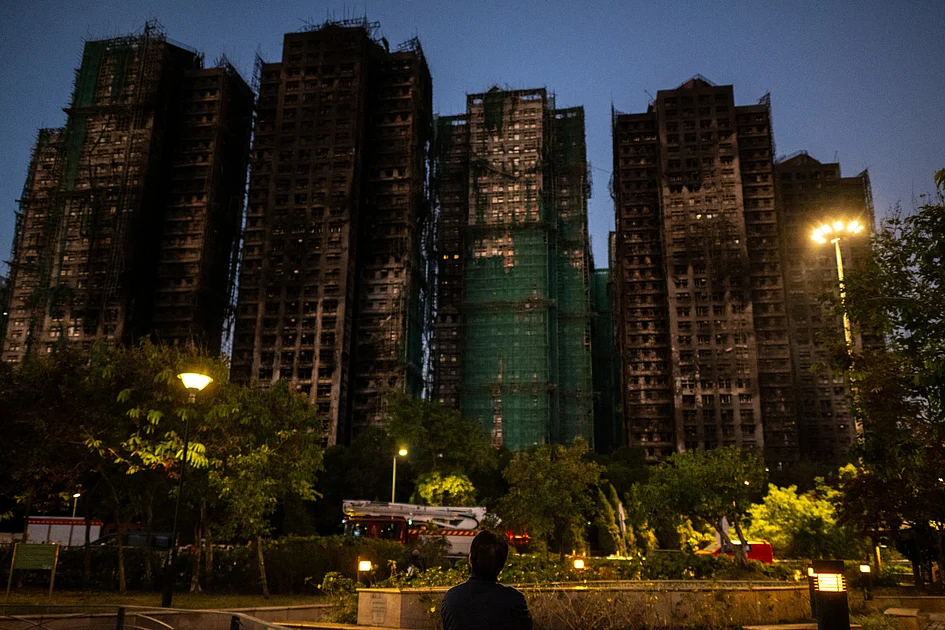
    Authorities in Hong Kong and the Philippines are continuing search operations for one overseas Filipino worker (OFW) who remains unaccounted for following a devastating high-rise fire that engulfed multiple buildings on November 26. The Department of Migrant Workers (DMW) confirmed the ongoing efforts to locate the missing individual, whose precise whereabouts at the time of the incident remain undetermined.

    DMW Secretary Hans Leo Cacdac stated that investigators are working to establish whether the Filipina national was present within any of the eight affected structures when the massive blaze erupted. “That is the report. But we don’t know for sure about her exact whereabouts. So the search continues. I don’t want to speculate as to where she is exactly,” Cacdac told ABS-CBN News. The DMW has established communication with the missing worker’s family in the Philippines to provide support and updates.

    Official reports from the Overseas Workers Welfare Administration (OWWA) and the Department of Foreign Affairs (DFA) indicate that at least 23 overseas Filipino workers were affected by the catastrophic incident, which resulted in numerous fatalities. One hospitalized OFW is reported to be in stable condition after being rescued alongside her employer and an infant.

    Beyond the immediate physical dangers, the fire has created significant administrative challenges for survivors. OWWA Administrator Patricia Caunan revealed that many affected workers lost crucial documentation, including passports and employment contracts, in the blaze. In response, DMW officials have committed to providing replacement contract copies and coordinating with Hong Kong authorities to resolve documentation issues. The Department of Foreign Affairs and Philippine Consulate General in Hong Kong will facilitate the restoration of travel documents.

    Secretary Cacdac assured that there would be no employment barriers for affected workers wishing to continue their positions in Hong Kong once their documentation is restored. Emergency assistance, including food packs and support services, has been distributed to victims, while dedicated teams are contacting families in the Philippines who have lost communication with relatives in Hong Kong.

  • Venezuelans worried about economic turmoil shun Black Friday deals

    Venezuelans worried about economic turmoil shun Black Friday deals

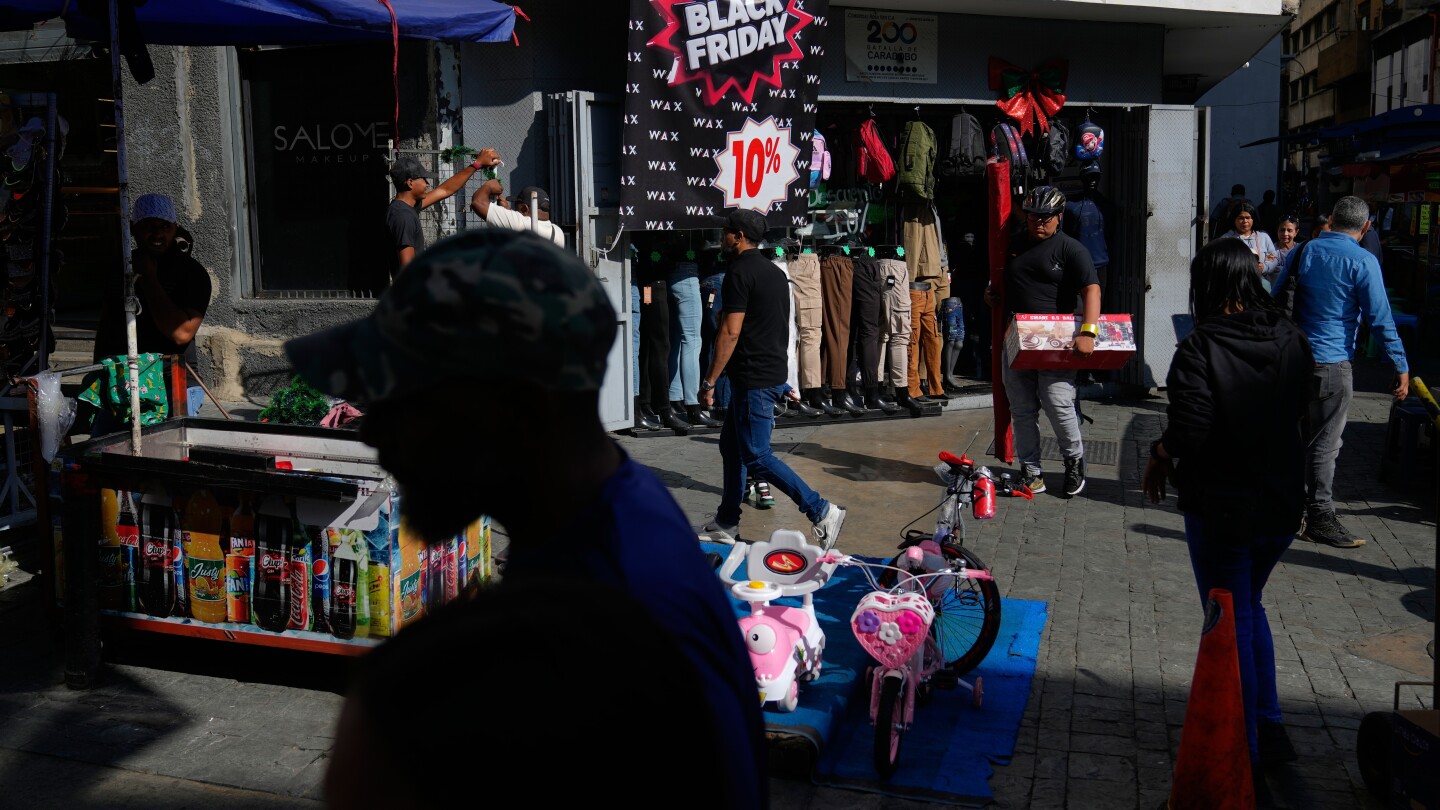
    CARACAS, Venezuela — While U.S. President Donald Trump’s threats of military intervention against alleged drug trafficking targets in Venezuela dominated international headlines, the palpable reality on the streets of Caracas told a different story. At a popular shopping mall, unprecedented Black Friday discounts failed to attract crowds, revealing a nation gripped by economic catastrophe rather than geopolitical fears.

    Window displays promoting 30% discounts and shoes priced at $20 stood largely ignored. Even the newly opened H&M store remained virtually empty throughout the morning. Venezuelans interviewed consistently pointed to the country’s suffocating economic collapse as the primary reason for the subdued shopping activity, contrasting sharply with post-pandemic years when enthusiastic shoppers formed lines outside stores.

    Physician Luisa Torrealba articulated the national sentiment outside an appliance store: “The country’s economy is based on day-to-day survival. What do I do to survive today and live tomorrow? We don’t have the luxury of stopping because there’s going to be a war, because there’s a psychological war going on.”

    The economic numbers paint a devastating picture. The International Monetary Fund reported Venezuela’s annual inflation rate reached 270% last month. Families require more than $500 monthly for basic necessities, while the minimum wage remains frozen at 130 bolivars ($0.52) since 2022—well below the UN’s extreme poverty threshold of $2.15 per day. Most public sector workers survive on approximately $160 monthly, with private sector employees averaging $237 according to the independent Venezuelan Observatory of Finances.

    This economic reality has reshaped consumer behavior. Marian García, 26, arrived expecting crowds at a shoe store offering $20 boots normally priced at $60-80. Instead, she found herself first in line. “It’s difficult to indulge in luxuries,” she noted. “Due to the current economic situation, people are cutting back and only spending on essentials.”

    Yarbelis Revilla, working three jobs and self-identifying as a master bargain hunter, surveyed multiple stores but found few truly compelling deals. She explained that shoe shopping might seem like “vanity” amid crisis, but emphasized her focus on present needs rather than an uncertain future, referencing biblical teachings against worrying about tomorrow.

    Meanwhile, the U.S. has intensified pressure on President Nicolás Maduro’s government, doubling rewards for information leading to his arrest on narcoterrorism charges to $50 million. The ongoing U.S. military operation has already resulted in 80 fatalities from strikes against vessels in international waters, some allegedly departing from Venezuelan territory.

    Maduro and his allies maintain that the military operation aims to force regime change, but for most Venezuelans, immediate economic survival takes precedence over geopolitical tensions that have become background noise to daily struggles.