博客

  • Takeaways from a UK special election won by the Green Party over Starmer’s Labour

    Takeaways from a UK special election won by the Green Party over Starmer’s Labour

    LONDON — Britain’s political establishment has been rocked by a seismic shift as the environmentalist Green Party secured a stunning victory in the Greater Manchester constituency of Gorton and Denton. The outcome represents a devastating blow to Prime Minister Keir Starmer’s leadership and signals a fundamental realignment of the UK’s traditionally two-party political system.

    In what political analysts are calling a watershed moment, the centre-left Labour Party not only lost its longtime stronghold but finished third behind both the left-leaning Greens and the hard-right Reform UK party. This humiliation comes less than two years after Starmer’s landslide victory in July 2024, raising serious questions about his political survival.

    The Prime Minister’s administration has been plagued by multiple crises, including failure to deliver promised economic growth, deteriorating public services, and controversial policy U-turns. The recent Epstein-related scandal involving former ambassador Peter Mandelson further weakened Starmer’s position, triggering internal party rebellion and high-level resignations.

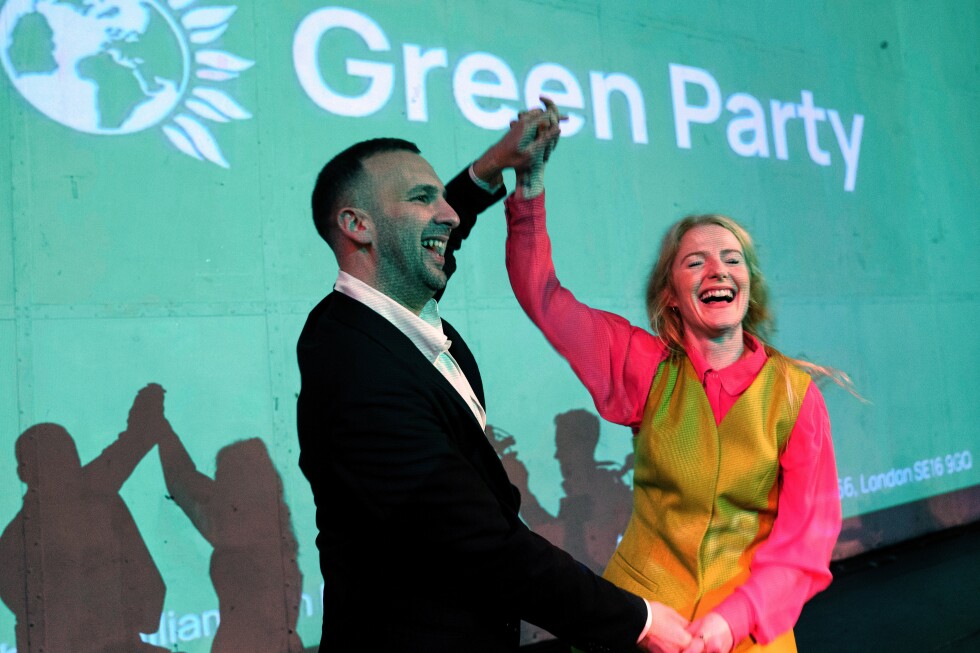
    Green Party leader Zack Polanski declared that “Labour’s electoral stranglehold is over” as his party expands beyond environmental issues to address cost-of-living concerns, drug legalization, and Palestinian support. Newly elected Green MP Hannah Spencer, a 34-year-old plumber, embodies this populist shift, promising to represent those “left behind and isolated.”

    Meanwhile, Reform UK continues to lead national opinion polls, creating a perfect storm for Labour as it faces challenges from both left and right. Political scientist Rob Ford describes Labour’s predicament as falling into the “electoral Valley of Death”—rejected across the political spectrum.

    With the next general election not required until 2029, Starmer faces mounting internal pressure to resign or change direction. Despite acknowledging voter frustration, the Prime Minister has vowed to “keep on fighting” amid growing speculation about his leadership’s longevity.
  • At least 55 Ghanaians killed in Russia-Ukraine war, minister says

    At least 55 Ghanaians killed in Russia-Ukraine war, minister says

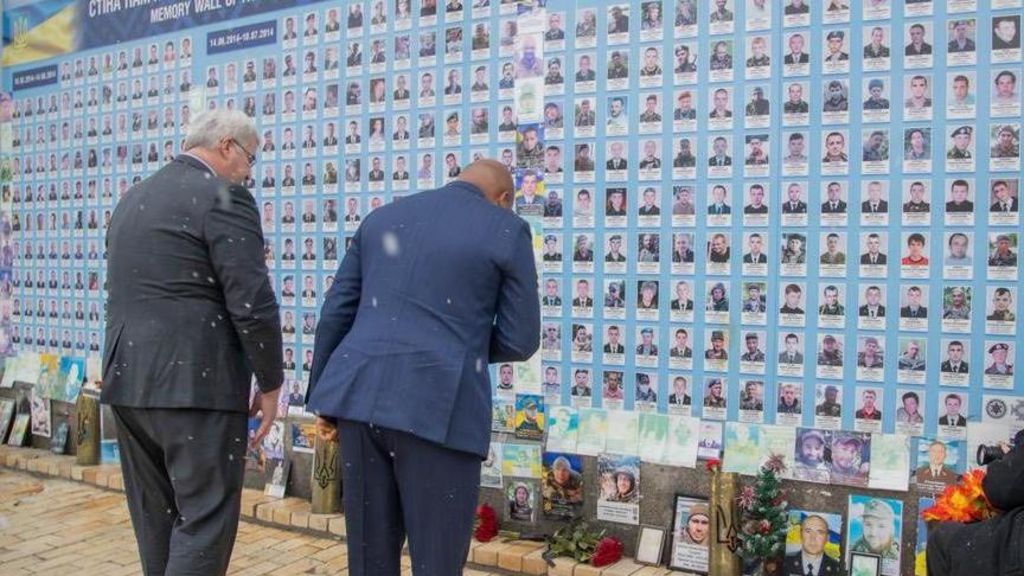
    Ghana’s Foreign Minister Samuel Okudzeto Ablakwa has officially confirmed the deaths of 55 Ghanaian nationals in the Ukraine conflict during a diplomatic visit to Kyiv, marking the highest officially verified casualty count from any African nation. The minister additionally disclosed that two Ghanaians are currently being held as prisoners of war.

    Minister Ablakwa, characterizing the statistics as profoundly ‘depressing and frightening,’ revealed that approximately 272 citizens have been successfully recruited into the conflict since 2022 according to Ukrainian intelligence sources. He emphasized that these figures represent more than mere numbers, stating they ‘represent human lives, the hope of many Ghanaian families and our nation.’

    The Ghanaian government has initiated a comprehensive response strategy targeting what it describes as ‘dark web illegal recruitment schemes.’ This includes intensified public awareness campaigns designed to protect vulnerable youth from being drawn into foreign conflicts. ‘This is not our war and we cannot allow our youth to become human shields for others,’ Ablakwa asserted during diplomatic engagements.

    The recruitment phenomenon extends beyond Ghana’s borders. A recent Kenyan intelligence report indicates approximately 1,000 nationals have been recruited to fight for Russia, while Cameroonian media reports suggest 94 fatalities though these remain unconfirmed by authorities. South Africa has acknowledged two citizen deaths with fifteen recently repatriated and two receiving medical treatment in Russia for severe injuries.

    During meetings with Ukrainian counterpart Andrii Sybiha, Minister Ablakwa appealed for the release of two Ghanaian POWs captured while fighting for Russian forces, framing them as ‘victims of manipulation, of disinformation, misinformation, of criminal trafficking networks.’ Ukrainian officials confirmed the prisoners are in good health and have received humane treatment in accordance with international law, with both parties engaging in frank discussions regarding potential repatriation.

    The Russian embassy in Kenya has denied direct involvement in recruitment activities while acknowledging that Russian law permits legally present foreign nationals to voluntarily enlist. This stands in contrast to recent legal proceedings in Kenya where Festus Arasa Omwamba faces charges for allegedly luring young men to Russia under false pretenses of employment opportunities.

    Ukrainian authorities maintain their consistent position that individuals fighting for Russia will be treated as enemy combatants, with surrender representing the only guaranteed path to POW status and protection under international humanitarian law.

  • The EU will ‘provisionally implement’ a trade deal with South American bloc Mercosur

    The EU will ‘provisionally implement’ a trade deal with South American bloc Mercosur

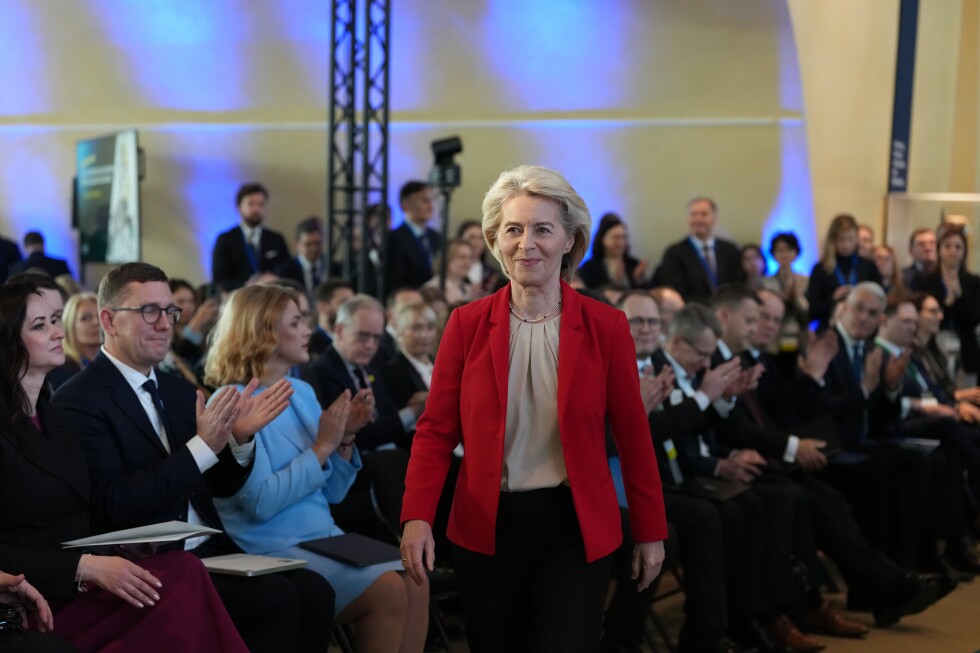
    BRUSSELS — European Commission President Ursula von der Leyen announced on Friday the provisional implementation of the landmark EU-Mercosur trade agreement, circumventing pending approval from the European Parliament. This decisive move follows Uruguay and Argentina’s ratification of the pact on Thursday, triggering the Commission’s unprecedented activation procedure.

    The monumental trade deal represents the culmination of 25 years of complex negotiations between economic blocs encompassing over 700 million people and accounting for approximately 25% of global GDP. The agreement establishes one of the planet’s most extensive free trade zones, strategically positioning both regions against contemporary trade challenges including U.S. tariff policies and China’s critical mineral supply restrictions.

    Von der Leyen emphasized the agreement’s strategic importance at a press conference, stating: “Mercosur embodies the spirit in which Europe is acting on the global scene. Our businesses, our workers, and our citizens will reap the benefits, and they should reap them as soon as possible. This is about resilience, this is about growth, and Europe shaping its own future.”

    The Commission’s approach has generated significant controversy due to its unusual circumvention of parliamentary procedures. The agreement faces substantial opposition from European agricultural sectors concerned about competitive pressures from South American producers. Von der Leyen acknowledged that full ratification remains contingent upon future parliamentary consent, committing to “continue working closely with all EU institutions, member states, and stakeholders to ensure a smooth and transparent process.”

  • India court clears former Delhi chief minister of corruption charges

    India court clears former Delhi chief minister of corruption charges

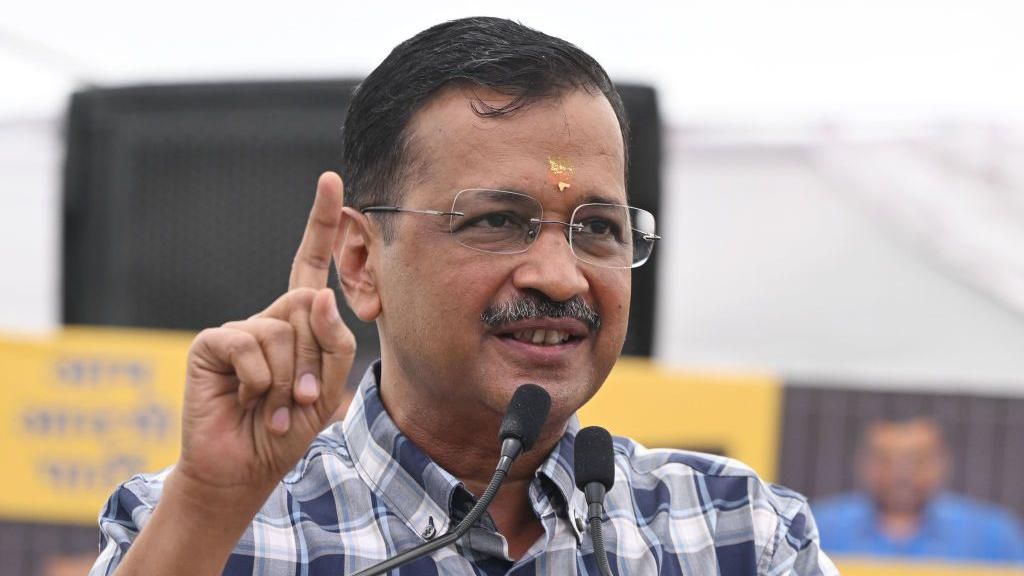
    In a significant judicial development, an Indian court has dismissed a high-profile corruption case against Arvind Kejriwal, the former Chief Minister of Delhi and prominent opposition leader. The ruling comes nearly two years after his controversial arrest in March 2024, which occurred just weeks before India’s general elections.

    The Rouse Avenue Court in Delhi exonerated Kejriwal and 23 co-accused individuals on Friday, delivering a stern rebuke to the Central Bureau of Investigation (CBI). The court found no evidence of “overarching conspiracy or criminal intent” in the excise policy that formed the basis of the corruption allegations. The judge specifically criticized the CBI for attempting to “construct a narrative of conspiracy on the basis of mere conjecture” and for relying excessively on statements from approvers—accomplices who become state witnesses in exchange for leniency.

    The court announced it would recommend a departmental inquiry against CBI officials for what it deemed a “shoddy probe,” emphasizing that “a fair investigation is essential for a fair trial.” The CBI has indicated it will appeal the verdict.

    The case centered on a liquor policy introduced by Kejriwal’s Aam Aadmi Party (AAP) government in 2021, which aimed to curb black market sales, increase state revenues, and ensure equitable distribution of liquor licenses. The policy was withdrawn months later after Delhi’s Lieutenant-Governor Vinai Kumar Saxena accused AAP of manipulating rules to benefit private retailers, leading to a CBI investigation in July 2022.

    Following the court’s decision, an emotional Kejriwal addressed journalists outside the courtroom, stating, “In the end, unrighteousness and injustice are defeated and truth alone prevails.” He was embraced by former deputy chief minister Manish Sisodia, who was also cleared in the case along with AAP spokesperson Sanjay Singh. All three leaders had spent substantial time in jail after being repeatedly denied bail by lower courts before eventually receiving relief from the Supreme Court.

    Kejriwal had consistently alleged political persecution by the ruling Bharatiya Janata Party (BJP), which controls Delhi’s police and investigation agencies—claims that the BJP has denied. The case had drawn significant attention as a test of India’s judicial independence and the treatment of opposition figures.

  • Canadian Prime Minister Mark Carney arrives in India to repair a strained relationship

    Canadian Prime Minister Mark Carney arrives in India to repair a strained relationship

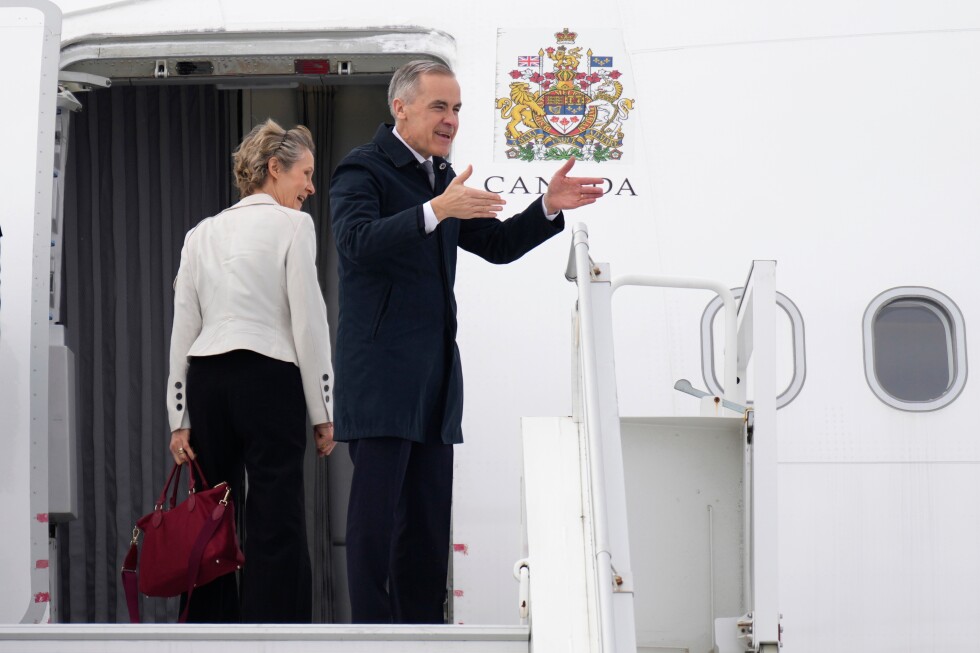
    Canadian Prime Minister Mark Carney commenced his inaugural official visit to India on Friday, landing in Mumbai with ambitions to revitalize bilateral relations and expand trade partnerships. This four-day diplomatic mission represents a strategic effort to mend ties that deteriorated significantly during his predecessor’s administration.

    The cornerstone of Carney’s itinerary includes high-level discussions with Indian business leaders and a pivotal meeting with Prime Minister Narendra Modi scheduled for Monday in New Delhi. India’s Foreign Ministry characterized the upcoming dialogue as an opportunity to reinforce “the positive momentum and shared vision” for a progressive bilateral partnership.

    Both governments are poised to explore enhanced cooperation across multiple sectors including trade and investment, energy security, critical minerals, and technological innovation. This diplomatic re-engagement follows two years of strained relations between the Commonwealth nations.

    The visit forms part of Carney’s broader strategy to diversify Canada’s trade relationships beyond the United States. Subsequent to his Indian engagement, the Canadian leader will proceed to Australia and Japan, implementing his declared objective of doubling non-U.S. exports within the next decade in response to American tariff policies that have dampened investment enthusiasm.

    This diplomatic thaw follows a period of heightened tensions sparked by Canadian allegations of Indian involvement in the June 2023 killing of a Sikh activist near Vancouver. New Delhi had vigorously denied the accusations while countering that previous Canadian administration provided sanctuary to Sikh extremists advocating for Khalistan—a separatist movement prohibited in India.

    The reconciliation process initiated last June when Carney extended an invitation to Modi during the G7 summit in Alberta. Notably, Canada isn’t alone in alleging Indian officials’ involvement in overseas plots, as U.S. prosecutors similarly accused an Indian official of orchestrating a foiled assassination attempt against a Sikh separatist in New York during 2023.

  • A clinical century from Georgia Voll has handed Australia a series advantage over India

    A clinical century from Georgia Voll has handed Australia a series advantage over India

    Australian cricket witnessed the emergence of a formidable new talent as Georgia Voll’s spectacular century secured a decisive victory for the hosts against India in the second One Day International at Hobart. The 82-ball masterclass of 101 runs, featuring 13 boundaries and one massive six, positioned Australia favorably in the multi-format series.

    The match showcased Australia’s batting prowess through two dominant partnerships. Voll combined with Phoebe Litchfield in a devastating 119-run stand from just 94 deliveries, with Litchfield contributing a flashy 80 from 62 balls before an ambitious ramp shot ended her innings. Beth Mooney provided additional stability with 31 runs, ensuring Australia comfortably chased down India’s target of 252 with five wickets remaining.

    India’s innings had shown promise through openers Smriti Mandhana and Pratika Rawal, who capitalized on early opportunities before Australia’s bowling attack found its rhythm. Harmanpreet Kaur battled through 70 deliveries for her 54, but India’s momentum was consistently disrupted by Australia’s strategic bowling changes.

    The absence of newly-appointed captain Sophie Molineux, sidelined with a back injury, created an opportunity for Ash Gardner to demonstrate her all-round capabilities. Gardner not only contributed the winning runs but also delivered a crucial bowling performance of 2-39 from her 10 overs, applying consistent pressure alongside Alana King (2-41).

    Australia’s victory establishes their series lead ahead of Sunday’s third ODI, with the teams set to conclude the competition with a one-off Test match in Perth next week.

  • Drone jammed near French aircraft carrier was probably Russian, says Sweden

    Drone jammed near French aircraft carrier was probably Russian, says Sweden

    In an unprecedented security incident, Swedish defense forces intercepted and jammed a suspected Russian drone operating near the French nuclear-powered aircraft carrier Charles de Gaulle during its historic first docking in Malmö, Sweden. Defense Minister Pål Jonson confirmed the Thursday incident, stating the unmanned aerial vehicle displayed “probable” Russian origins and likely connections to a Russian naval vessel transiting through the Öresund Strait.

    The French military detected the drone approximately seven nautical miles from their flagship carrier, which arrived to participate in NATO exercises throughout the Baltic region. While the drone’s ultimate fate remains undisclosed, Jonson noted the accompanying Russian ship continued its voyage into the Baltic Sea unimpeded.

    Kremlin spokesman Dmitry Peskov promptly dismissed allegations of Russian involvement as “absurd,” despite NATO members reporting increased drone activity near critical military infrastructure across Denmark and Baltic states in recent months. This incident follows December’s investigation into drone overflights at France’s Île Longue nuclear submarine base near Brest.

    Both French and Swedish military officials minimized the operational impact of the encounter. French General Staff spokesman Colonel Guillaume Vernet praised the “robustness” of Sweden’s defensive response, confirming no mission compromise occurred. The Charles de Gaulle, accompanied by its naval escort and carrying Rafale fighter jets and reconnaissance aircraft, depends on host nation defense support while in territorial waters.

    Analysts interpret the carrier strike group’s deployment as signaling France’s strategic pivot toward NATO commitments in Northern Europe. Designated Operation La Fayette 26, the planned exercises in the Baltic and off Norway’s coast represent a calibrated response to prolonged Russian hybrid warfare tactics.

    Concurrently, Swedish authorities launched an investigation into an unrelated fuel spill detected in Malmö’s port, confirming no connection to the French naval presence. The incident occurs amid high-level diplomatic exchanges, with France’s foreign and armed forces ministers scheduled to visit Sweden and board the carrier during its port call.

  • NPC deputy’s 16 years of dedication to education

    NPC deputy’s 16 years of dedication to education

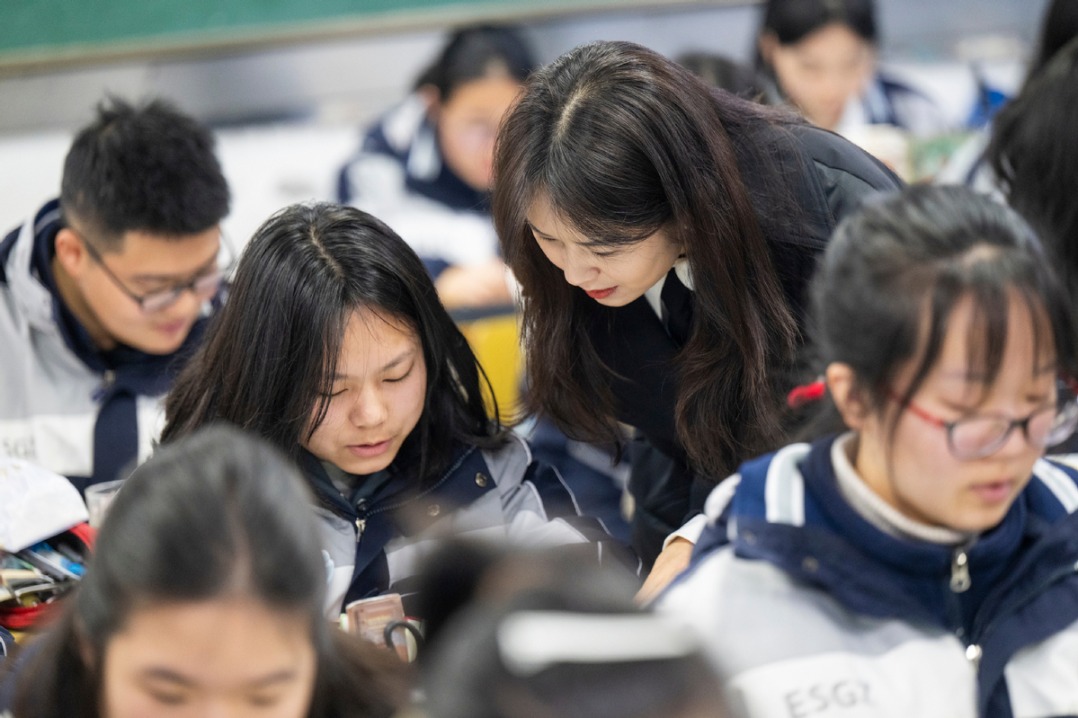
    For sixteen consecutive years, Zhang Qiongli has seamlessly blended her dual roles as an NPC deputy and a frontline political educator at Enshi Tujia and Miao Autonomous Prefecture Senior High School in Hubei province. Her legislative career has been characterized by a consistent focus on practical educational reforms directly informed by her classroom experiences.

    Zhang’s legislative portfolio demonstrates remarkable attention to student welfare and educational quality. In 2023, she successfully advocated for ergonomic classroom furniture designed to support proper rest periods for primary and secondary students, a initiative now being implemented across multiple regions. The following year, she turned her attention to rural educational infrastructure, proposing the establishment of village libraries alongside reforms to optimize academic proficiency assessments in senior high schools.

    Her 2025 proposals targeted ideological education, calling for standardized curriculum development in revolutionary education, digital modernization of teaching resources, and enhanced utilization of historical educational sites. For the current 2026 NPC session, Zhang is championing the integration of scientific literacy education with ideological training to strengthen value guidance for youth while simultaneously addressing digital citizenship through improved online environment protections.

    As an ethnic Tujia representative, Zhang additionally focuses on national unity initiatives tailored to Enshi’s regional characteristics. Her philosophical approach to representation emphasizes grassroots connection: ‘The essence of effective representation lies not in monumental achievements but in treating people’s daily concerns as priority matters. Only through deep community engagement can we hear authentic voices and respond appropriately.’

  • China’s air quality continues to improve in 2025

    China’s air quality continues to improve in 2025

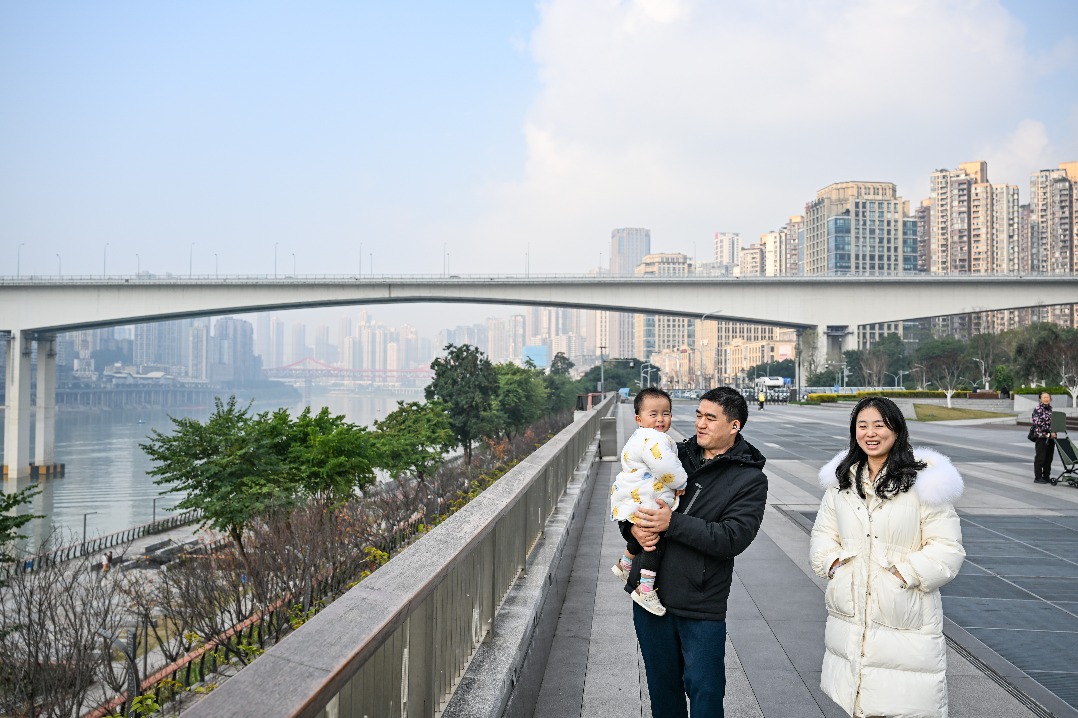
    China has reached a groundbreaking environmental achievement with air quality parameters reaching their most favorable levels in recorded history during 2025. According to the Ministry of Ecology and Environment, the nation’s comprehensive pollution control measures have yielded unprecedented results in atmospheric conditions.

    The remarkable improvement represents the culmination of China’s multi-year, systematic approach to environmental management that began with the implementation of its National Air Pollution Action Plan. The ministry’s data reveals significant reductions across all major pollutant indicators, with particulate matter (PM2.5 and PM10), sulfur dioxide (SO2), nitrogen dioxide (NO2), and ozone (O3) concentrations showing substantial decreases compared to previous years.

    This environmental turnaround stems from China’s strategic integration of policy enforcement, technological innovation, and industrial restructuring. The government’s intensified focus on transitioning to renewable energy sources, enhancing emission standards for industrial facilities, and promoting electric transportation has created synergistic effects on air quality improvement.

    Regional analyses demonstrate particularly notable progress in previously heavily polluted areas, including the Beijing-Tianjin-Hebei cluster, the Yangtze River Delta, and the Pearl River Delta regions. These improvements coincide with China’s accelerated push toward carbon neutrality commitments and green development initiatives outlined in its latest Five-Year Plan.

    Environmental experts worldwide are recognizing China’s achievement as a significant case study in large-scale environmental recovery, demonstrating that concerted policy measures can produce tangible atmospheric improvements within relatively short timeframes despite industrial growth.

  • IMF urges Washington to work with partners to ease trade restrictions

    IMF urges Washington to work with partners to ease trade restrictions

    The International Monetary Fund has issued a compelling appeal to Washington, urging collaborative engagement with global trading partners to mutually reduce restrictive trade measures. This recommendation comes as part of the IMF’s comprehensive review of the world’s largest economy during the first year of President Donald Trump’s second term.

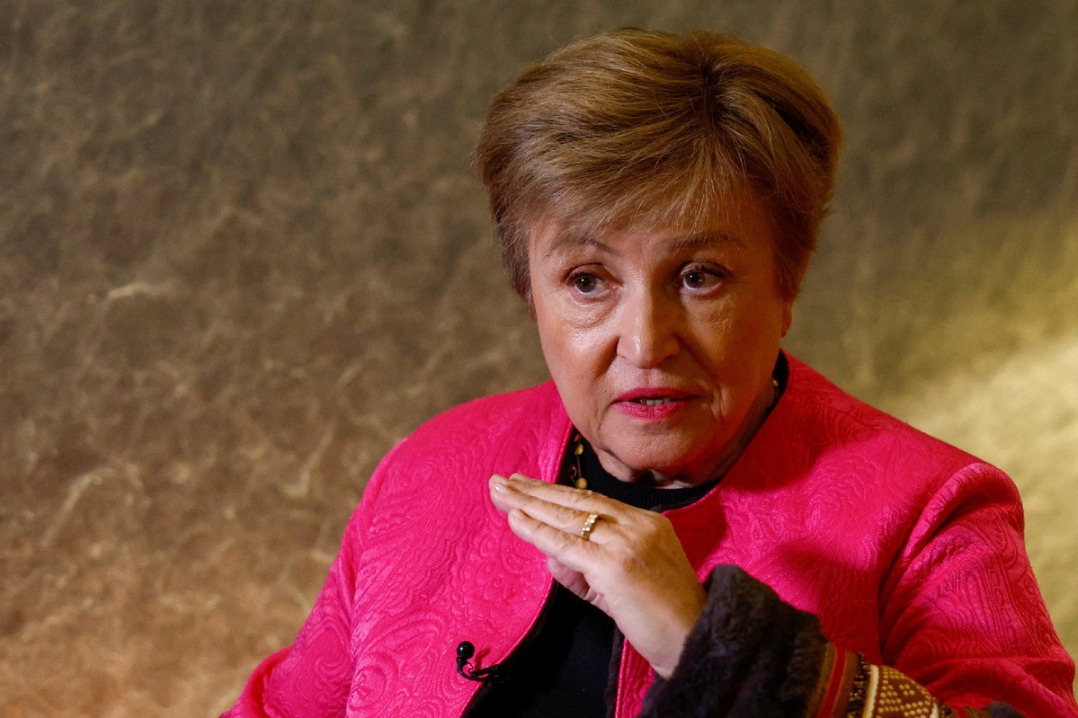
    IMF Managing Director Kristalina Georgieva presented the findings, which highlight concerns about the administration’s widespread tariff implementations targeting both allies and competitors. These measures, intended to shrink the U.S. trade deficit and stimulate domestic manufacturing, have instead created significant market volatility and supply chain disruptions throughout 2025.

    The report specifically recommends that U.S. authorities work constructively with international counterparts to address unfair trade practices through coordinated reduction of trade restrictions and industrial policy distortions. The IMF emphasized that national security-related trade measures should be applied with precision and narrow scope to minimize cross-border economic impacts.

    Notably, the assessment was finalized before the recent Supreme Court decision that struck down numerous Trump administration tariffs last Friday. In response to this judicial setback, the administration has utilized alternative legal mechanisms to implement a new 10% global tariff, with threats of escalation to 15%.

    The IMF simultaneously expressed concern about America’s substantial trade and current account deficits, which Georgieva characterized as ‘too big.’ Additionally, the continuing ascent of public debt presents a growing stability risk to both the U.S. and global economy, despite current low sovereign stress levels.

    While projecting U.S. GDP growth acceleration from 2.2% in 2025 to 2.6% in 2026, the IMF warned that ongoing trade policy uncertainties could exert greater-than-expected drag on economic activity. The fund noted that productivity growth remained robust despite government shutdown impacts in the fourth quarter.

    The unpredictable tariff environment has particularly strained relations with key allies including the United Kingdom and Australia, creating uneven economic consequences across global markets. British business representatives estimate approximately 40,000 UK exporting firms face significant impacts, while analysts note that modern multinational production networks amplify the ripple effects of tariff changes throughout international supply chains.