博客

  • Italian town freezes Pavarotti statue knee-deep in Christmas ice rink, angering widow

    Italian town freezes Pavarotti statue knee-deep in Christmas ice rink, angering widow

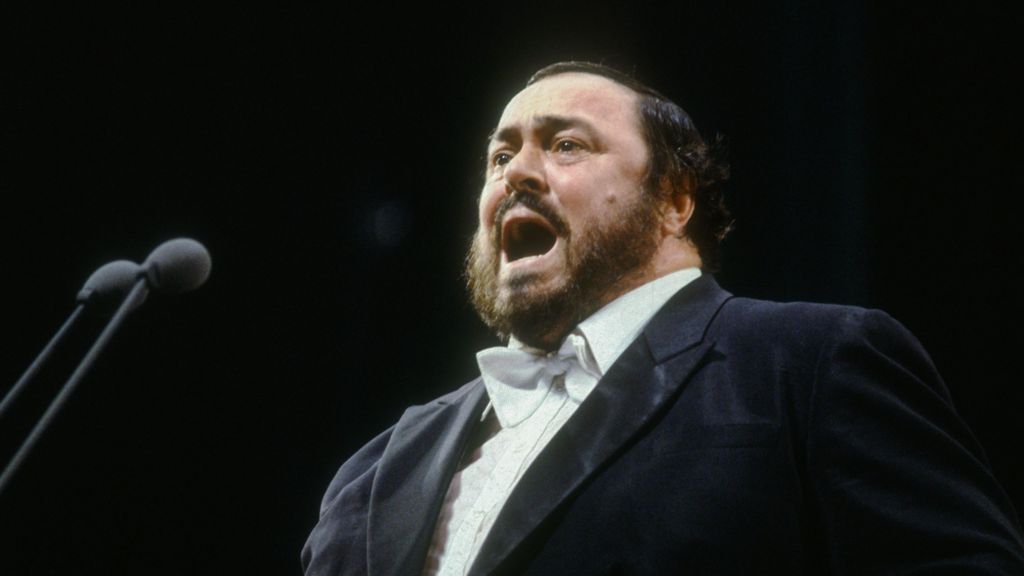
    The mayor of Pesaro has issued a formal apology following public outcry over the controversial placement of a Christmas ice rink that completely encased a statue honoring legendary opera tenor Luciano Pavarotti. The temporary installation, constructed in the town’s central piazza, left the life-sized bronze monument knee-deep in ice and surrounded by perspex barriers, creating what many considered an undignified setting for the memorial.

    Nicoletta Mantovani, Pavarotti’s widow, expressed profound disappointment with the municipal decision, telling Italian media outlet Il Resto del Carlino that she felt ‘angry and upset’ about what she perceived as ridicule toward her late husband’s legacy. ‘I didn’t expect a town would allow this treatment of the memory and the image of a person who made Italy great around the world,’ she stated, characterizing the action as a ‘poorly executed, absurd decision.’

    Mayor Andrea Biancani acknowledged the misstep, admitting his administration had ‘made a mistake’ and emphasizing that there was no intentional disrespect toward the opera icon. The controversy intensified when Biancani previously shared a digitally altered image on social media depicting the statue playing ice hockey with the hashtag #DaiUnCinqueAPavarotti (Give a high-five to Pavarotti).

    The mayor explained that initial plans presented to him assured that the statue would remain untouched, and he only discovered the compromised design after construction began. While acknowledging the unfortunate situation, Biancani noted that dismantling the rink or relocating the monument at this stage would be impractical, though he guaranteed similar incidents would not recur.

    The statue was officially unveiled in April 2024 with Mantovani and her daughter Alice in attendance, commemorating Pavarotti’s deep connections to Pesaro where he maintained a vacation villa and held honorary citizenship. The opera legend, who passed away in 2007 at age 71 from pancreatic cancer, remains one of Italy’s most celebrated cultural figures, renowned for his performances with The Three Tenors and his iconic rendition of Nessun Dorma at the 1990 World Cup.
  • Endangered species convention proposes new rules for growing exotic pet trade

    Endangered species convention proposes new rules for growing exotic pet trade

    SAMARKAND, UZBEKISTAN – International conservation authorities are convening urgent talks this week to address the alarming expansion of digital wildlife trafficking, as exotic pet markets migrate from physical stores to unregulated online platforms and social media networks.

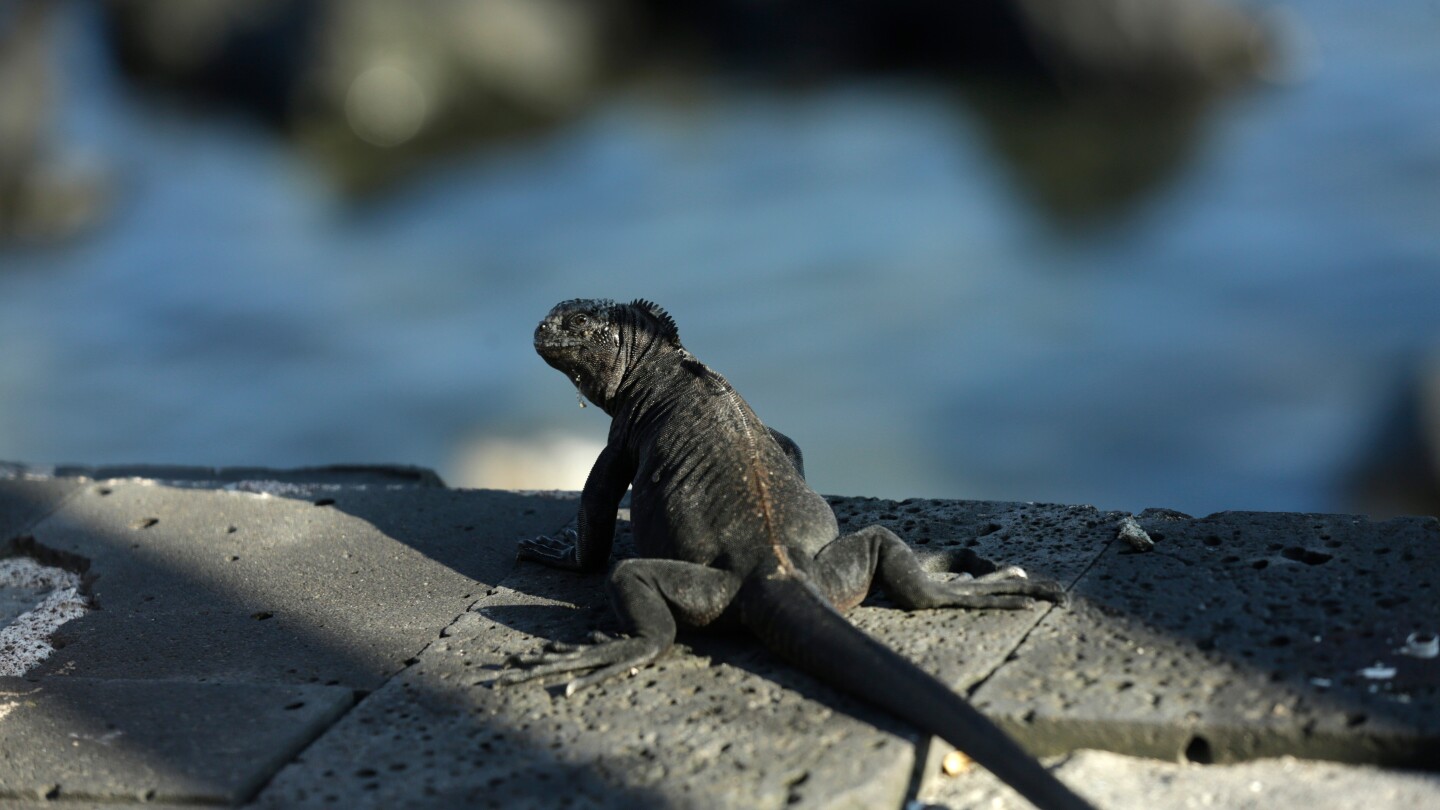
    The ongoing Convention on International Trade in Endangered Species of Wild Fauna and Flora (CITES), meeting through Friday in Uzbekistan’s historic city, is considering sweeping trade restrictions for multiple vulnerable species. Proposed protections include complete bans on commerce involving Galapagos Islands iguanas, numerous Latin American tarantula species, and Africa’s distinctive Home’s Hinged-back Tortoise.

    Susan Lieberman, Vice President for International Policy at the Wildlife Conservation Society, highlighted the paradigm shift: “The trade dynamics have fundamentally transformed. Consumers now pursue rare reptiles and amphibians through digital marketplaces rather than physical pet shops. Thousands of endangered and illegally obtained animals become available through simple online searches.”

    Matt Collis, Senior Director at the International Fund for Animal Welfare, detailed how technological advances have revolutionized trafficking operations: “Explosive growth in online platforms directly connects consumers with global wildlife criminals. In an era where any commodity can be purchased with a click and shipped worldwide within days, no species remains secure from exploitation.”

    Recent data reveals particularly concerning trends in Latin America, where an IFAW investigation documented over 100,000 animal seizures and poaching incidents between 2017-2022. Reptiles constitute approximately 60% of trafficked specimens, with birds representing 30% and amphibians exceeding 10%. While regional trade dominates, evidence confirms shipments reaching collectors in Europe, Asia, and the United States.

    The United States has emerged as a primary market, importing approximately 90 million live animals annually according to an upcoming Center for Biological Diversity report. This extensive trade occurs despite systematic abuse of CITES permitting processes, where traffickers falsely label wild-caught specimens as captive-bred to circumvent regulations.

    Collis emphasized systemic failures: “Countries issue export permits without verifying animal origins, enabling traffickers to launder illegally sourced wildlife. This undermines the entire protective framework established by CITES.”

    While conservation organizations advocate for strengthened protections, industry representatives including the United States Association of Reptile Keepers oppose expanded regulations, arguing current measures sufficiently protect wild populations and that captive breeding reduces pressure on natural habitats.

    The conference outcomes could establish critical safeguards for numerous species facing extinction risks from combined pressures of illegal trade, habitat destruction, and climate change.

  • Ukrainian troops near the front doubt the proposed pact with Russia will bring lasting peace

    Ukrainian troops near the front doubt the proposed pact with Russia will bring lasting peace

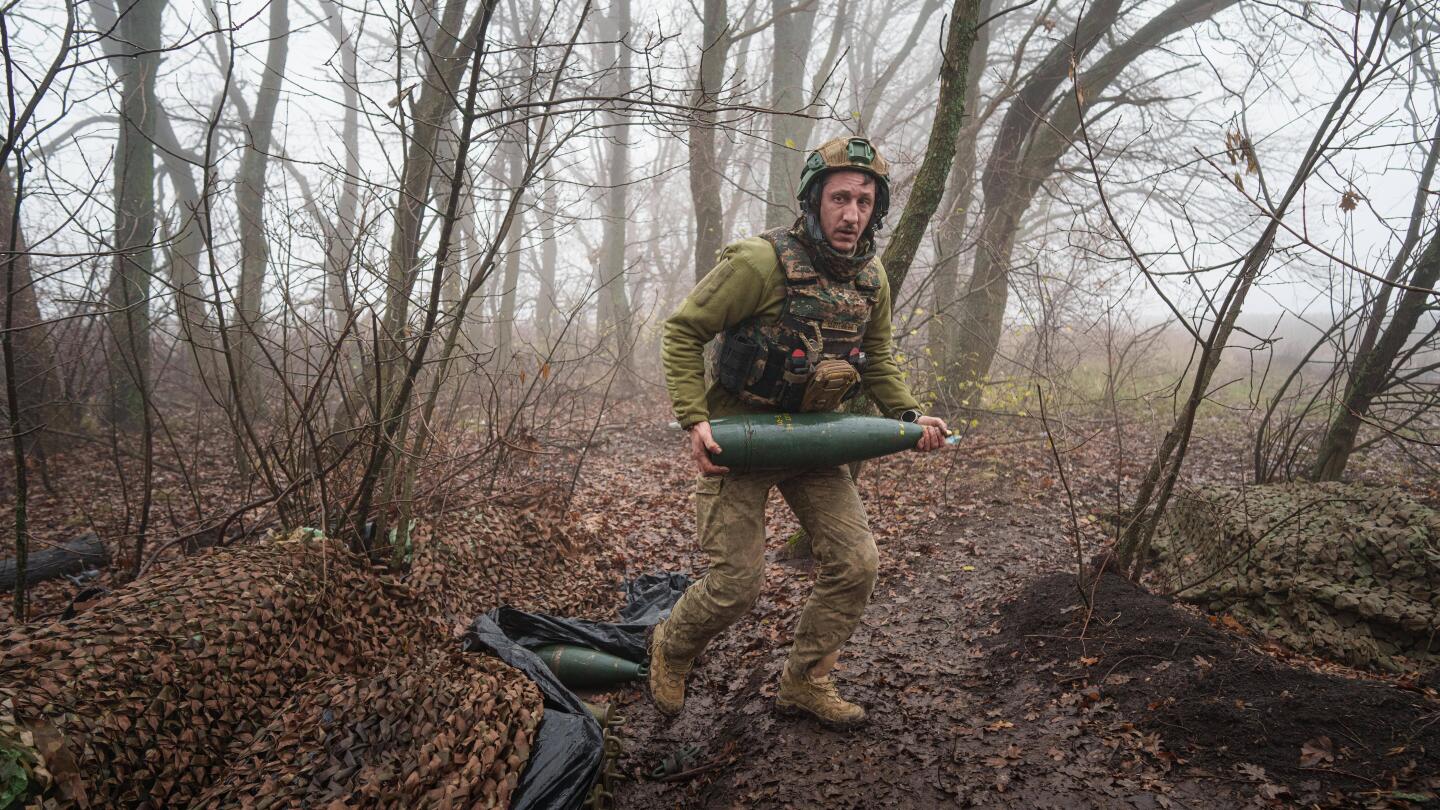
    On the sprawling eastern frontlines of Ukraine, a profound skepticism permeates the ranks of battle-weary soldiers. Embedded in damp basements and muddy trenches, these troops express unwavering resolve in defending their homeland against Russian aggression, yet hold deep-seated doubts about the prospects for a durable peace. Military personnel, operating under call signs like ‘Kelt’, articulate a widespread belief that any negotiated settlement would merely provide Moscow with a strategic pause to reconstitute its forces for future offensive operations.

    The prevailing sentiment among frontline units indicates that Russia’s ultimate objective remains the full conquest of Ukraine, regardless of diplomatic agreements. This perspective is reinforced by military analysts who warn that without substantial security guarantees—potentially including NATO membership—Ukraine faces inevitable renewed aggression. The situation is further complicated by severe manpower challenges, with reports indicating some battalions operating at critically reduced strength of merely 20 fighters instead of standard complements of 400-800 personnel.

    Despite these constraints, Ukrainian forces continue demonstrating remarkable resilience in key defensive positions including Pokrovsk, Kupiansk, and Vovchansk. These holding actions occur against a backdrop of complex geopolitical negotiations, including a U.S.-Russia draft peace plan that proposes limiting Ukraine’s military capabilities—a notion frontline troops vehemently oppose as strategically dangerous.

    The financial dimensions of sustaining Ukraine’s defense efforts present additional challenges. With nearly all domestic tax revenue allocated to military expenditures, the nation remains heavily dependent on Western support for essential civilian functions including healthcare, education, and social programs. Economic projections indicate significant funding gaps loom for 2026-2027, highlighting how Ukraine’s future security posture is inextricably linked to continued international assistance and the management of frozen Russian assets.

  • Pope prays at site of 2020 port explosion, consoles relatives of victims on last day of trip

    Pope prays at site of 2020 port explosion, consoles relatives of victims on last day of trip

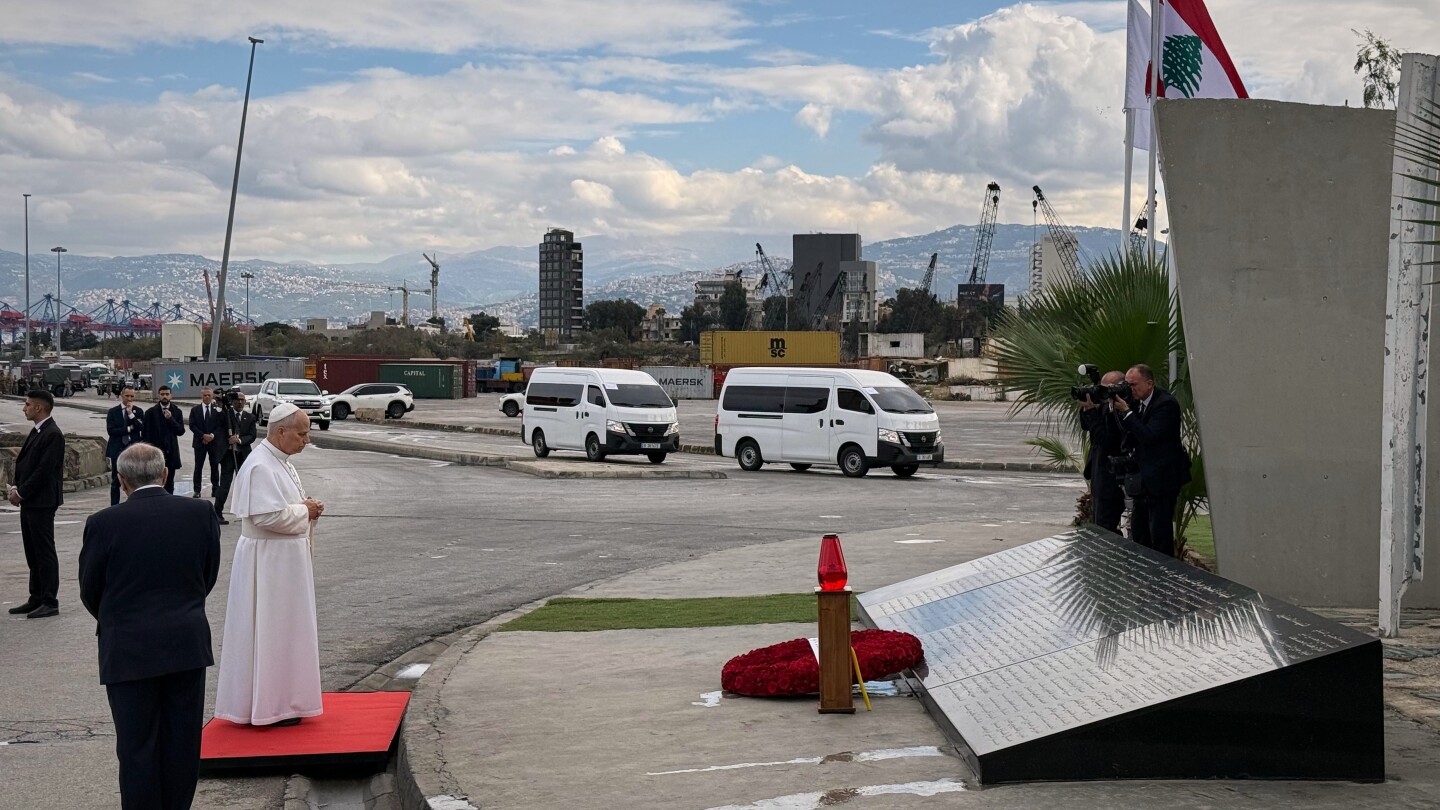
    BEIRUT — Pope Leo XIV concluded his inaugural international journey with a profoundly symbolic visit to the devastated Beirut port, the epicenter of the catastrophic 2020 explosion that claimed 218 lives and became an enduring emblem of Lebanon’s systemic governance failures.

    On Tuesday, the pontiff offered prayers and personal consolation to grieving families at the blast site, where relatives stood holding photographs of their lost loved ones. The emotional gathering occurred beside the skeletal remains of the last standing grain silo and mountains of incinerated vehicles—tangible remnants of the August 4 disaster that detonated hundreds of tons of improperly stored ammonium nitrate, causing billions in damages.

    Five years after the tragedy, no officials have been held accountable in an investigation repeatedly obstructed by political interference. “The visit clearly sends the message that the explosion was a crime,” stated Cecile Roukoz, who lost her brother Joseph in the blast. “The country should end impunity and ensure justice is served.”

    The papal visit included an earlier stop at De La Croix psychiatric hospital, where Leo emphasized societal responsibility toward vulnerable populations. “We cannot forget those who are most fragile,” he declared, criticizing societies that “race ahead at full speed clinging to false myths of wellbeing” while ignoring poverty and vulnerability.

    Mireille Khoury, whose 15-year-old son Elias perished in the explosion, articulated the families’ unwavering demand for accountability. “Justice is the foundation of building any country,” she told The Associated Press. “Our children were killed in their homes because someone kept ammonium nitrate near a residential area.”

    While acknowledging the symbolic comfort of the papal visit, Khoury emphasized that only concrete justice could partially soothe the enduring anger: “I will not say this anger will fully disappear until justice is served.”

    The damaged grain silos—whose preservation families successfully advocated for as both memorial and potential evidence—stand as physical testament to the unresolved tragedy. Although the port has regained partial functionality, reconstruction remains incomplete, mirroring Lebanon’s broader struggle with economic collapse, political paralysis, and the aftermath of regional conflicts.

  • Colombia expels members of ultra-Orthodox Jewish sect Lev Tahor

    Colombia expels members of ultra-Orthodox Jewish sect Lev Tahor

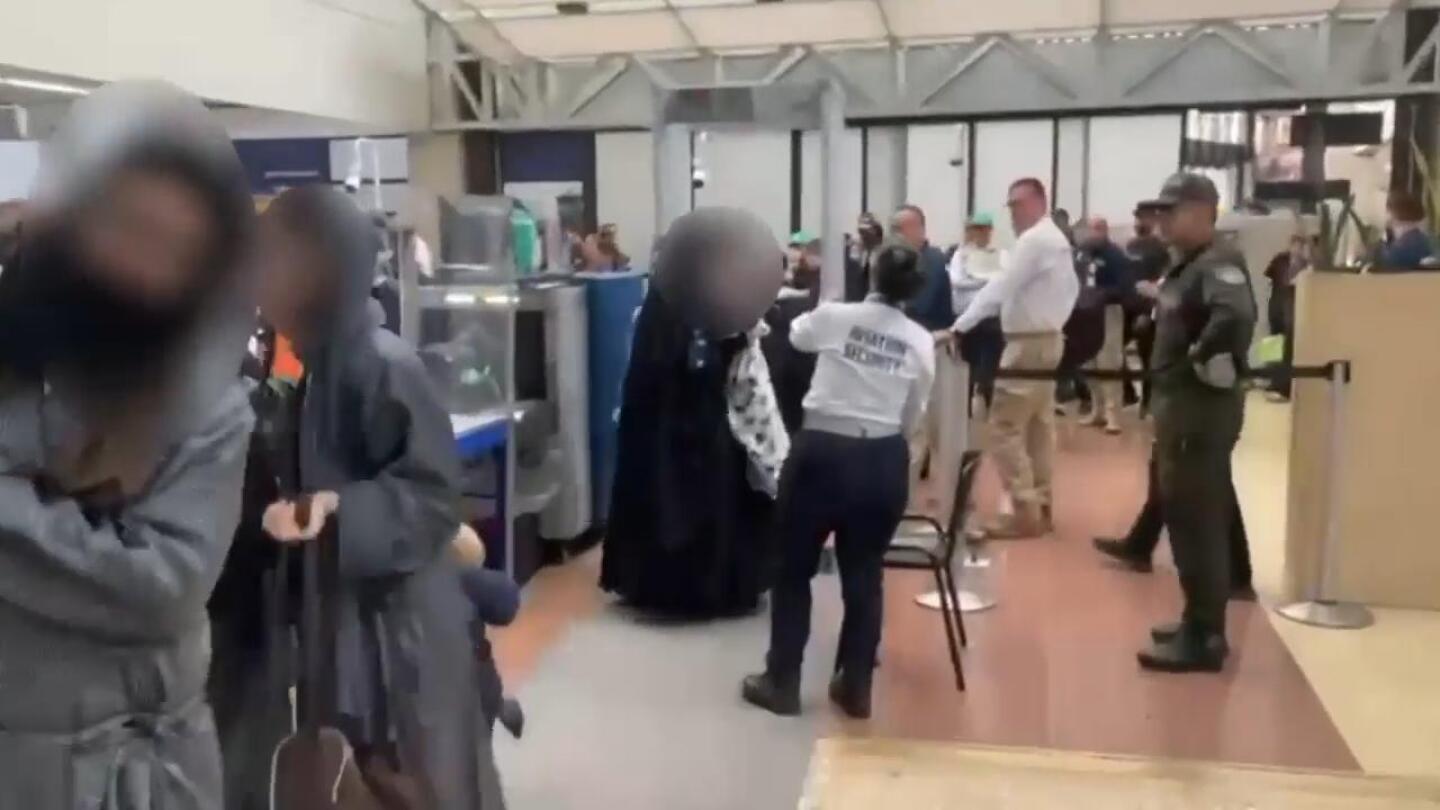
    Colombian authorities have intervened to protect minors belonging to the controversial Lev Tahor ultra-Orthodox Jewish sect, deporting 26 members to the United States following child welfare concerns. The group, comprising 17 children and 9 adults, was apprehended during a November 22nd hotel raid in Yarumal, northwestern Colombia, after local residents alerted officials to their presence.

    Immigration officials discovered five children with American and Guatemalan passports subject to Interpol yellow notices, indicating they had been reported missing or as potential victims of parental or criminal abduction. While all children were accompanied by at least one parent, the alerts prompted immediate protective action.

    The detained individuals spent a week at immigration facilities in Medellín, where Colombia’s National Institute for Family Welfare provided specialized support for the minors before their coordinated transfer to New York. US officials received the group at their destination, where Child Protective Services assumed responsibility for the children while authorities examine potential investigations against adult members.

    This incident represents the latest international chapter in Lev Tahor’s troubled history. The sect has faced legal scrutiny across multiple jurisdictions, with previous interventions occurring in Guatemala (2023), Mexico (2022), and the United States (2021). Previous allegations include child kidnapping, forced adult-minor marriages, and sexual exploitation crimes resulting in convictions of group leaders.

    Gloria Eperanza Arriero, director of Colombia’s immigration agency, emphasized the preventative nature of the operation, noting the group had arrived in October seeking rural property to establish a compound. ‘The positive outcome is that we reached the children before they established a compound,’ Arriero stated, ‘which would have necessitated judicial authorization for intervention.’

    The sect, established in the 1980s, maintains presence across North America and Israel, consistently drawing international law enforcement attention due to its practices regarding minor protection and welfare.

  • Trump warns Israel not to prevent Syria’s ‘evolution’

    Trump warns Israel not to prevent Syria’s ‘evolution’

    In a significant diplomatic development, former U.S. President Donald Trump delivered a subtle caution to Israel regarding its military actions in Syria, emphasizing the importance of preserving Syria’s path toward stability. Through a post on his TruthSocial platform, Trump expressed satisfaction with current developments in Syria while urging Israel to maintain constructive dialogue with its neighbor.

    The comments followed a recent Israeli military operation in southern Syria that resulted in substantial casualties. Syrian media reported that Israeli forces conducted a raid on the village of Beit Jinn, located approximately 50 kilometers from Damascus, killing at least 13 people. The operation triggered defensive actions from local villagers and required Israeli air support to extract ground troops, according to reports. The Israeli military confirmed six soldiers were wounded during the engagement.

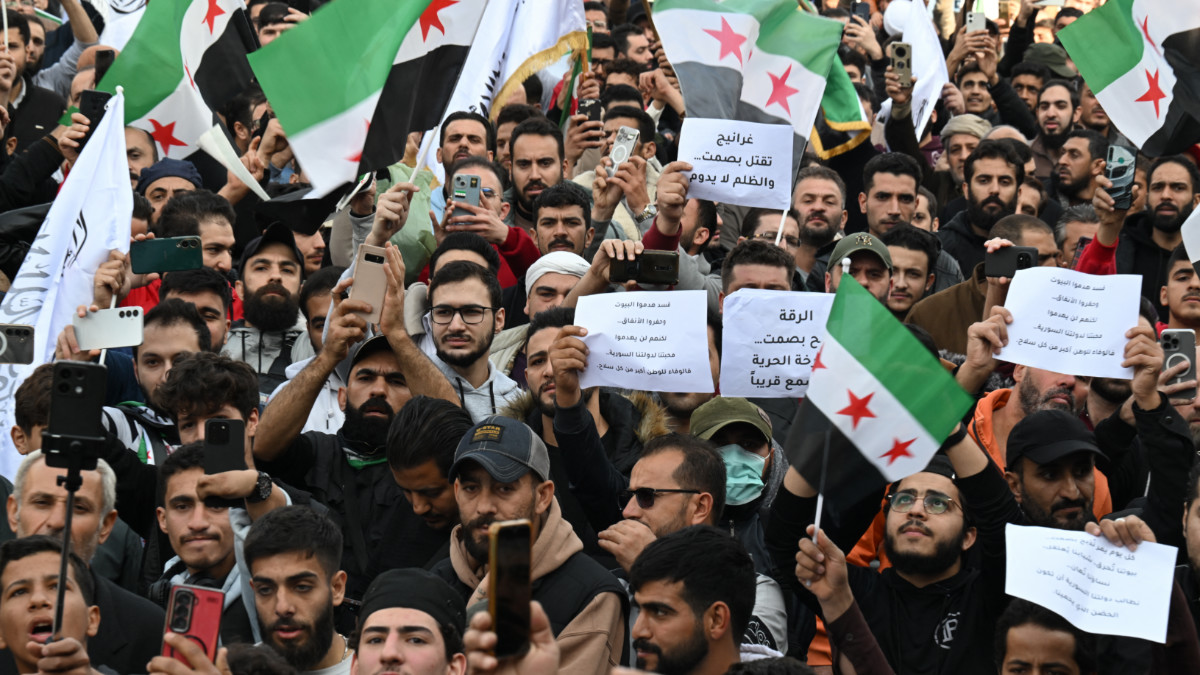
    This incident interrupted a period of relative calm in Israeli-Syrian relations that had persisted since the collapse of Bashar al-Assad’s government late last year. Israel has subsequently expanded its military presence, occupying a United Nations buffer zone and establishing positions on strategic high ground including Mount Hermon. Regional experts note Israel has simultaneously attempted to position itself as a protector of Syria’s Druze minority by providing arms to local leaders.

    The geopolitical landscape has grown increasingly complex with the Trump administration hosting Syrian President Ahmed al-Sharaa at the White House in November—a remarkable diplomatic gesture given Sharaa’s former leadership of a U.S.-designated terrorist organization. Sharaa’s participation in counter-Islamic State coalition talks during his visit potentially strengthens his position against the Syrian Democratic Forces (SDF), which continue to guard IS prisoners with U.S. support.

    Regional dynamics further complicate the situation, with Sharaa enjoying support from Turkey, Saudi Arabia, and Qatar. The Gulf states provide financial assistance to Syria’s government while Turkey engages in military training and contemplates a defense agreement with Damascus. The United States has attempted to mediate between Turkey and Israel to prevent clashes in Syrian territory.

    Despite U.S.-mediated talks between Israel and Syria regarding border security arrangements, former U.S. Ambassador to Syria Robert Ford indicated negotiations have stalled due to Israel’s reluctance to withdraw from occupied territories. The fundamental question remains what incentives Syria would have for agreeing to a security arrangement that doesn’t address Israeli occupation concerns.

  • Hong Kong to set up inquiry into deadly fire

    Hong Kong to set up inquiry into deadly fire

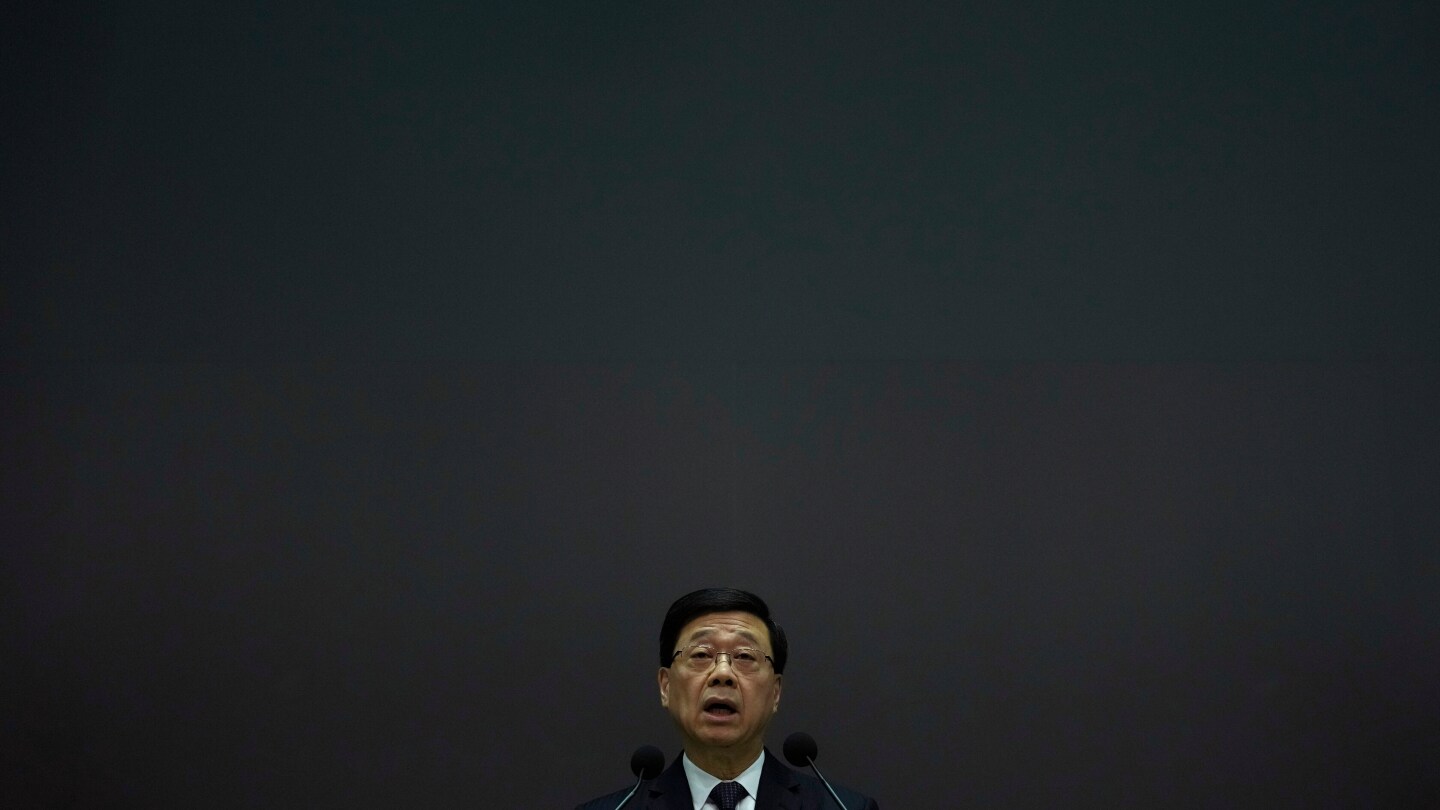
    HONG KONG — In response to one of the city’s most devastating fire disasters in decades, Hong Kong’s Chief Executive John Lee announced Tuesday the establishment of an independent judicial commission to investigate the catastrophic apartment blaze that claimed at least 151 lives. The comprehensive inquiry will be chaired by a sitting judge and aims to determine the root causes of the tragedy while formulating preventive measures to avoid future occurrences.

    The inferno erupted at the Wang Fuk Court residential complex during ongoing maintenance operations, rapidly consuming scaffolding encasement and spreading across seven of the eight towers in the housing estate. The disaster has left thousands of the complex’s 4,600 residents displaced and homeless, creating a severe humanitarian crisis in the densely populated urban center.

    Preliminary investigations indicate multiple contributing factors, including adverse weather conditions with high winds and the use of highly flammable construction materials. Authorities have identified substandard foam panels and non-compliant flame-retardant netting as primary accelerants that enabled the fire’s rapid escalation, overwhelming emergency response efforts.

    Chief Executive Lee delivered strong statements during his weekly media briefing, which was entirely dedicated to addressing the tragedy. He vowed to confront entrenched interests and ensure full accountability, stating, ‘We must uncover the truth, ensure that justice is served, let the deceased rest in peace and provide comfort to the living.’

    Law enforcement agencies have already taken decisive action, with police and anti-corruption authorities detaining 14 individuals connected to the construction project. Those arrested include company directors and engineering consultants, with thirteen facing potential manslaughter charges for allegedly mixing certified and substandard safety materials to deceive inspection protocols.

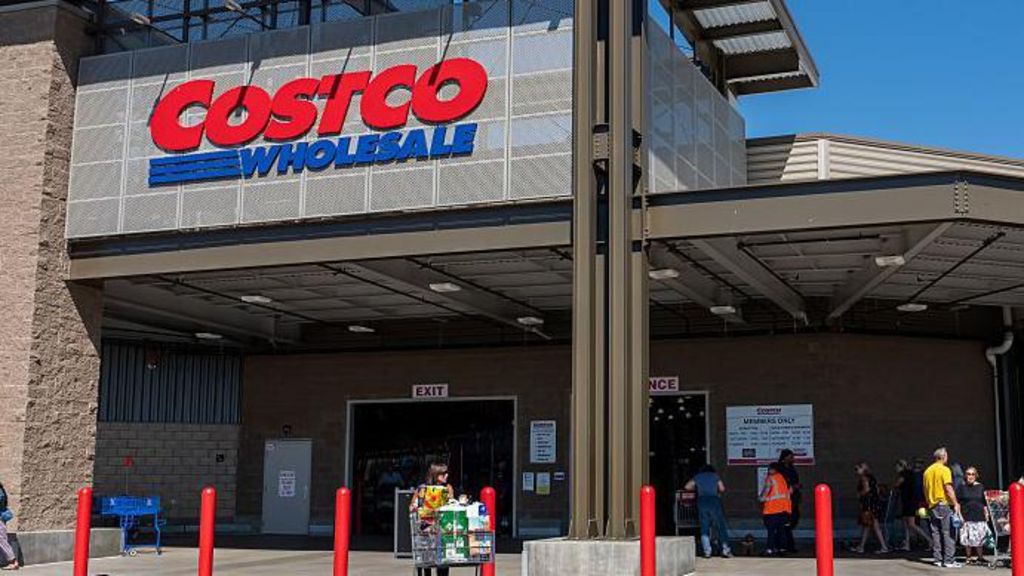
  • Costco sues Trump administration for ‘full refund’ of tariffs

    Costco sues Trump administration for ‘full refund’ of tariffs

    In a significant legal confrontation with far-reaching implications for U.S. trade policy, multinational retail giant Costco has initiated litigation against the federal government to secure comprehensive refunds of import duties paid under President Donald Trump’s controversial tariff regime. The lawsuit, filed during the Thanksgiving holiday period, represents a critical challenge to presidential authority in international trade matters.

    The legal action centers on whether President Trump overstepped his executive powers by imposing emergency tariffs without congressional approval under the International Emergency Economic Powers Act (IEEPA). Costco’s filing with the U.S. Court of International Trade argues that these tariffs were unlawfully implemented and seeks judicial declaration of their illegality.

    This development comes as the Supreme Court prepares to rule on the fundamental constitutional question of presidential tariff authority. Two lower courts have already determined that Trump exceeded his authority, with the U.S. Court of International Trade first ruling the tariffs unlawful in May, a decision subsequently affirmed by the U.S. Court of Appeals.

    Costco’s legal team contends that separate judicial action is necessary because refunds are not automatically guaranteed even if the Supreme Court upholds previous rulings against the tariffs. The company expressed concern that without specific court-ordered relief, it might not recover substantial funds already paid to the government.

    According to U.S. customs data, importers have paid approximately $90 billion in IEEPA-related tariffs as of late September 2025. While Costco hasn’t specified the exact amount it seeks to recover, the company filed before a critical December 15, 2025 deadline after which recouping funds would become significantly more difficult.

    The White House has vigorously defended the tariffs, with spokesperson Kush Desai warning that an unfavorable ruling would hamper negotiation capabilities and cost the treasury billions already collected. ‘The economic consequences of the failure to uphold President Trump’s lawful tariffs are enormous,’ Desai stated, emphasizing the administration’s expectation of a ‘speedy and proper resolution’ from the Supreme Court.

    The case represents a pivotal moment in the ongoing debate over executive power versus congressional authority in trade policy, with numerous businesses awaiting the outcome to determine their own refund eligibility.

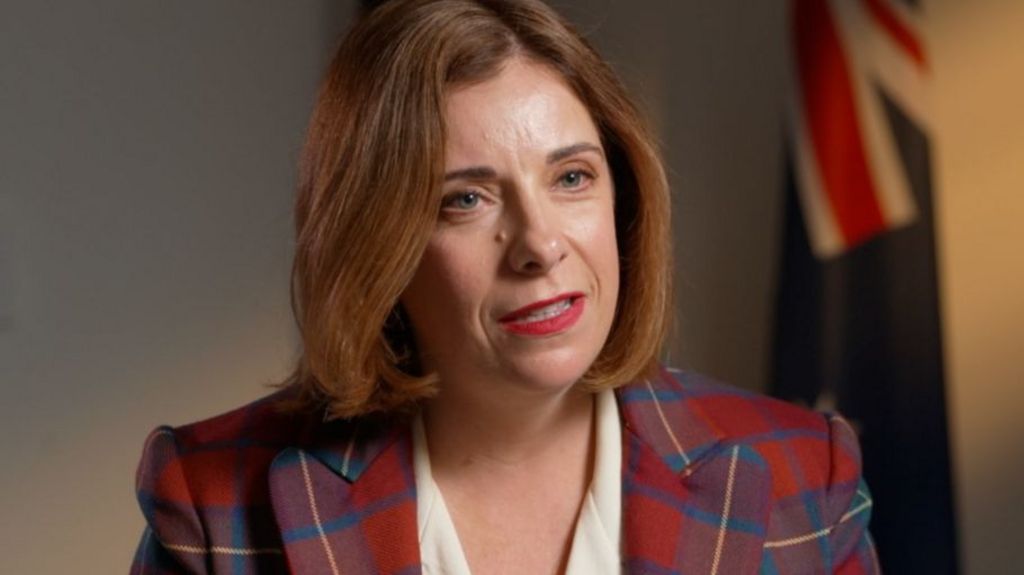
  • Australia won’t be intimidated by firms over social media ban, minister tells BBC

    Australia won’t be intimidated by firms over social media ban, minister tells BBC

    In a bold move that has drawn global attention, Australia’s Communications Minister Annika Wells has declared her government will not be intimidated by major technology corporations opposing the nation’s groundbreaking social media ban for users under 16. The policy, set to take effect December 10, requires platforms including Meta, TikTok, YouTube, and Snapchat to implement “reasonable steps” preventing underage access to accounts.

    Minister Wells articulated the government’s firm stance in an interview with the BBC, emphasizing that Australia stands “on the side of parents, not the platforms.” She dismissed concerns from tech companies that have criticized the ban as an ineffective solution, noting they’ve had “15 to 20 years” to address documented harms caused by their platforms without sufficient action.

    The Australian official revealed that multiple international leaders have contacted her government seeking guidance on implementing similar measures, positioning Australia as a pioneer in digital child protection. “We’re pleased to be the first, we’re proud to be the first,” Wells stated, adding that her administration stands ready to assist other jurisdictions pursuing comparable legislation.

    The policy faces potential international headwinds, particularly from the United States where former President Donald Trump has pledged to defend tech companies against foreign regulations. Australia’s e-Safety Commissioner has already been summoned to testify before US Congress regarding the controversial measures.

    Despite acknowledging potential implementation challenges, Wells characterized the policy as an evolving “treatment plan rather than a cure” that will be reviewed over the next two years. The minister drew parallels to Australia’s alcohol restrictions for minors, noting that while some underage drinking still occurs, the public health justification for protective legislation remains valid.

    The ban has not been without criticism. Some digital safety experts argue alternative measures like enhanced parental controls and improved digital education might prove more effective. Legal challenges have emerged, including a High Court case brought by two teenagers arguing the policy violates children’s rights. Additionally, concerns have been raised about the exclusion of online gaming platforms like Roblox, which Wells acknowledged as an area of ongoing scrutiny.

    Personalizing the policy’s implications, Wells shared that managing screen time presents challenges in her own household with three young children, a responsibility that primarily falls to her husband due to her demanding travel schedule. She framed the legislation as her contribution to supporting parents nationwide in their digital parenting struggles, noting that “you can’t parent an algorithm.”

  • Leaked wedding video reveals hypocrisy in Islamist Iran’s elite

    Leaked wedding video reveals hypocrisy in Islamist Iran’s elite

    A private wedding ceremony for Fatemeh Shamkhani, daughter of influential Iranian leader Ali Shamkhani, has ignited widespread controversy after video footage circulated widely across Iran in mid-2024. The event, held at Tehran’s luxurious Espinas Palace Hotel, showcased attendees wearing modern Western attire with many women conspicuously absent of the mandatory head coverings required by Iranian law.

    The visual documentation revealed stark contradictions within the Islamic Republic’s power structure. Fatemeh Shamkhani herself wore a strapless, low-cut wedding gown with a Western-style veil, directly contravening the conservative dress codes that her father, as a key adviser to Supreme Leader Ali Khamenei and former Revolutionary Guards commander, has helped enforce through brutal crackdowns on public protests.

    This incident transcends mere scandal, emerging as a potent symbol of systemic crisis within Iran. It highlights three critical ailments: elite privilege, selective morality enforcement, and the rapid erosion of the social contract between rulers and citizens. The Shamkhani family represents a wealthy power circle that maintains prosperity through oil revenues, state contracts, and shadow economic activities that evade international sanctions—contrasting sharply with ordinary Iranians suffering hyperinflation, stagnant wages, and currency devaluation.

    The viral spread of the wedding footage demonstrates the regime’s diminishing control over information in the smartphone era. Public outrage has been particularly acute among the 36% of Iranians living below the poverty line, who perceive the extravagance as offensive disregard for their economic struggles.

    This event gains significance against the backdrop of the ‘Woman, Life, Freedom’ protests sparked by Mahsa Amini’s death in custody. The visible defiance of hijab laws by powerful families undermines the moral authority used to regulate female bodies and enforce religious compliance. Meanwhile, speculation suggests the video’s leakage may reflect internal power struggles, potentially involving former president Hassan Rouhani’s faction targeting Shamkhani amid reported infighting following recent military confrontations with Israel and the United States.

    Ultimately, the wedding scandal exposes fundamental contradictions that threaten the regime’s legitimacy, revealing how elite disregard for officially mandated rules gradually erodes the very foundations of governmental authority.