博客

  • US Navy admiral briefs lawmakers over controversial ‘double-tap’ strike

    US Navy admiral briefs lawmakers over controversial ‘double-tap’ strike

    US Navy Admiral Frank Bradley has commenced classified briefings with senior congressional leaders regarding a controversial September 2nd incident involving consecutive strikes on a suspected drug trafficking vessel in Caribbean waters. The operation, which resulted in multiple fatalities, has sparked intense legal and ethical debates within Washington’s political circles.

    Defense Secretary Pete Hegseth and Trump administration officials face mounting scrutiny over the tactical decision-making process. Congressional representatives who viewed classified footage during Thursday’s briefing expressed profound concern, with House Intelligence Committee member Jim Himes characterizing the recording as ‘among the most troubling material’ he had ever witnessed.

    The emergence of details surrounding the second strike has raised fundamental questions about compliance with international conflict regulations, particularly regarding the treatment of combatants rendered hors de combat. Media reports indicate two survivors attempted to reboard the damaged vessel before the secondary engagement, with officials claiming they appeared to be retrieving narcotics.

    According to administration sources, Admiral Bradley maintains the targeted individuals remained legitimate threats due to suspected drugs still aboard the vessel. The White House has publicly endorsed Bradley’s actions as legally justified, with Press Secretary Karoline Leavitt emphasizing the Admiral operated ‘well within his authority and the law.’

    This incident represents the initial engagement in an expanded maritime interdiction campaign that has reportedly claimed over 80 lives across Caribbean and Eastern Pacific regions. While President Trump asserts these operations have significantly disrupted drug trafficking networks, no concrete evidence supporting these claims has been publicly disclosed.

    International law experts consulted by the BBC have expressed serious reservations about the second strike’s legality, noting potential violations of Geneva Convention protocols protecting shipwrecked personnel and combatants unable to continue fighting. The administration has framed these operations as part of a non-international armed conflict against narcotics traffickers.

    The human toll continues to emerge through cases like Colombian national Alejandro Carranza, presumed killed in subsequent operations, whose family has petitioned the Inter-American Court of Human Rights for investigation. Venezuela has repeatedly condemned the strikes as provocations aimed at regional destabilization.

    Admiral Bradley and Joint Chiefs Chairman General Dan Caine are scheduled to provide further congressional testimony as lawmakers from both parties demand greater transparency regarding the legal frameworks and operational decisions governing these maritime engagements.
  • Bangladesh’s Gen-Z battles to gain political ground after ousting Hasina

    Bangladesh’s Gen-Z battles to gain political ground after ousting Hasina

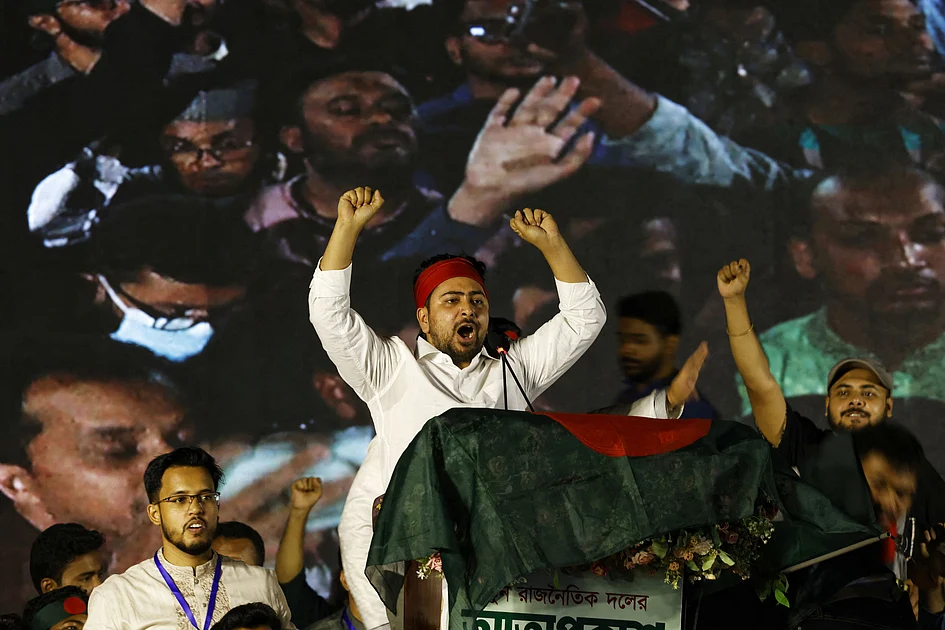
    Bangladesh’s nascent National Citizen Party (NCP), born from a massive student-led uprising that toppled long-serving Prime Minister Sheikh Hasina, now confronts the formidable challenge of transforming street activism into parliamentary representation. With February elections approaching, the party finds itself trailing established political forces despite initial widespread enthusiasm.

    Recent polling data from the U.S.-based International Republican Institute reveals the NCP securing merely 6% support, placing it behind both the Bangladesh Nationalist Party (BNP) at 30% and the hardline Jamaat-e-Islami at 26%. This disappointing standing highlights the difficulties faced by a movement attempting to break decades of two-party dominance despite its revolutionary origins.

    The party’s 27-year-old leader, Nahid Islam, acknowledges organizational deficiencies: ‘Our structure remains underdeveloped due to insufficient time for establishment.’ Operating from a graffiti-adorned office in Dhaka’s high-rise district, the NCP confronts well-entrenched rivals with extensive networks reaching deep into rural constituencies.

    Multiple challenges hamper the party’s progress: ambiguous positioning on critical issues including women’s and minority rights, limited financial resources dependent on crowdfunding and small donations, and allegations of corruption that contradict its proclaimed zero-tolerance policy. The party’s poor showing in September’s Dhaka University student elections—failing to secure any seats—further demonstrates waning support at the institution that originally fueled the anti-Hasina movement.

    In response to these obstacles, the NCP has initiated discussions with established parties including BNP and Jamaat-e-Islami regarding potential alliances. While such partnerships might improve electoral prospects, analysts warn they could undermine the party’s distinctive identity as an alternative to traditional politics.

    Despite these challenges, the party maintains innovative approaches to political engagement. Its unconventional candidate selection process interviewed over 1,000 ordinary citizens nationwide, including a rickshaw puller who took unpaid leave to participate and a student partially blinded by police during earlier protests.

    The movement continues to attract idealistic supporters like Dr. Tasnim Jara, who abandoned a promising medical career in Cambridge to contribute to building a more inclusive political system. As BNP leader Mirza Fakhrul Islam Alamgir noted: ‘Young people will dominate future politics, making their parliamentary inclusion beneficial.’

    The NCP’s journey represents a fundamental test of whether youth-driven movements can successfully transition from protest politics to sustainable governance in Bangladesh’s complex political landscape.

  • UAE aviation growth: Dubai Airshow spurs record passenger milestones and airport investments

    UAE aviation growth: Dubai Airshow spurs record passenger milestones and airport investments

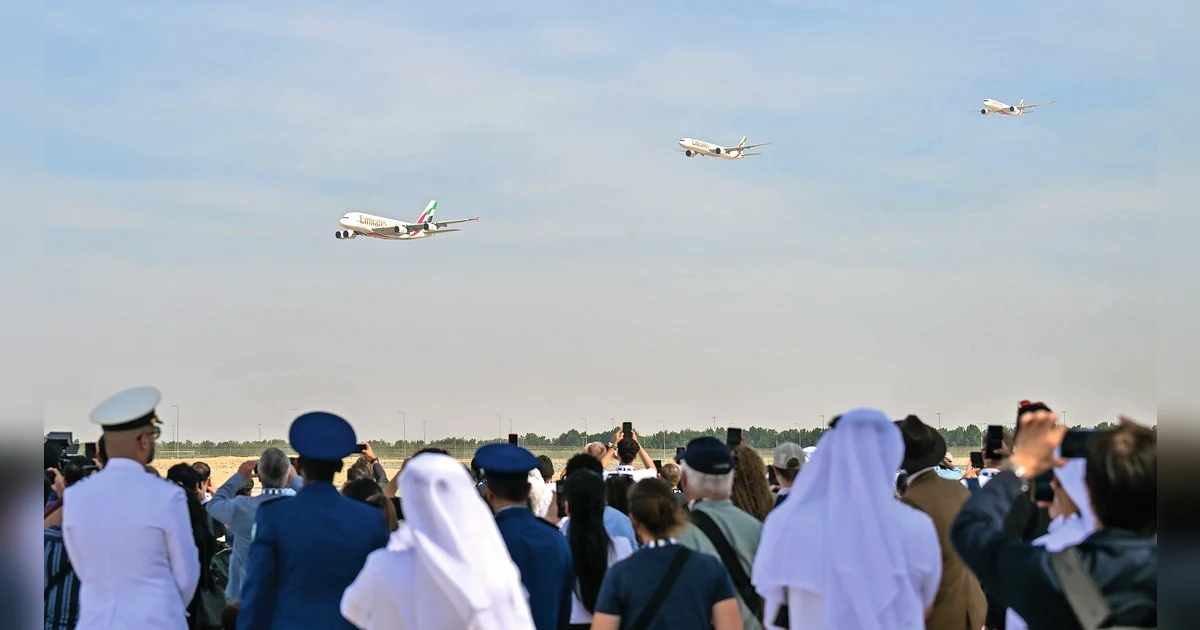
    The recently concluded 19th Dubai Airshow has positioned the United Arab Emirates for unprecedented aviation growth, with record-breaking aircraft orders and massive infrastructure investments setting the stage for global industry leadership. Aviation experts confirm the event has established new benchmarks for the industry, with implications stretching far beyond the November 2027 edition.

    Dubai International Airport (DXB) is poised to achieve a historic milestone in 2026 by becoming only the second airport globally, after Atlanta International, to handle 100 million passengers. This achievement contributes to projected UAE-wide passenger traffic of approximately 160 million next year. Current statistics reveal robust growth, with UAE airports collectively handling 147.8 million travelers in 2024, representing a 10.7% year-on-year increase from the previous year.

    The aviation expansion is underpinned by massive fleet investments unveiled at the Airshow. Emirates’ landmark $40 billion Boeing 777X order and flydubai’s acquisition of over 300 Airbus A321neo and Boeing 737 MAX aircraft demonstrate the region’s aggressive growth strategy. These developments are complemented by multi-billion dollar airport expansion projects designed to ultimately handle more than 300 million passengers annually.

    Critical to this growth is the development of Dubai World Central (DWC), which will eventually provide capacity for up to 260 million passengers with five runways. Industry expert John Strickland of JLS Consulting emphasized Dubai’s strategic geographic advantage, noting its ability to service global traffic flows while maintaining a strong point-to-point market that reduces reliance on transfer traffic compared to competitors.

    Aviation analysts highlight several factors driving UAE aviation’s resilience and competitive edge. Saj Ahmad, Chief Analyst at StrategicAero Research, identified Emirates’ hub connectivity capabilities, superior product offerings across UAE carriers, and streamlined airport operations free from excessive bureaucracy as key differentiators from US and European competitors.

    The UAE’s aviation success story extends beyond infrastructure and equipment. Andrew Charlton of Aviation Advocacy cited location advantages, progressive competition attitudes, and embrace of future technologies as fundamental to market resilience. The upcoming Dubai World Airport project represents a blank canvas for reimagining the entire passenger experience from start to finish.

    As the UAE aims to host 40 million visitors by 2031, the aviation sector’s growth appears inextricably linked to broader economic development. The country’s remarkable post-pandemic recovery across real estate, financial markets, employment, and transport sectors creates a virtuous cycle that continues to attract global travelers and businesses alike.

    The Dubai Airshow’s emergence as the premier venue for aviation deals signals a broader shift in industry dynamics, with manufacturers and airlines increasingly choosing Dubai over traditional European venues for major announcements. This transition reflects the region’s growing influence in shaping the future of global aviation.

  • Shanghai Anti-Doping Lab earns WADA accreditation

    Shanghai Anti-Doping Lab earns WADA accreditation

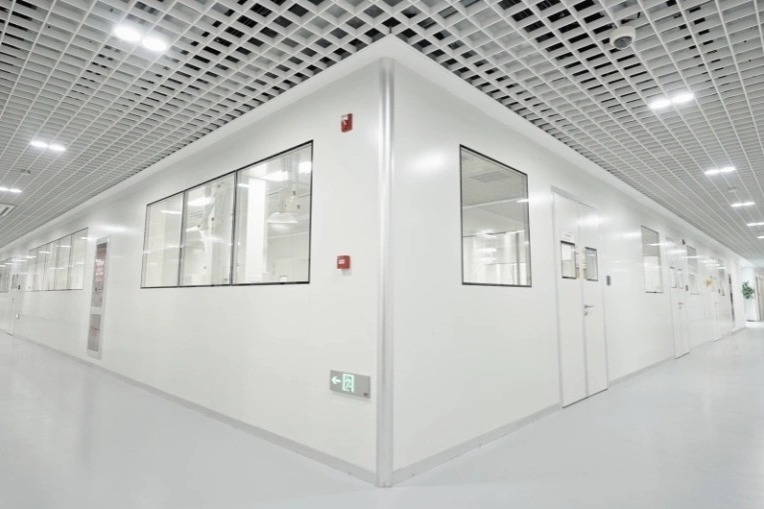
    Shanghai has achieved a significant milestone in global sports integrity as the Shanghai Anti-Doping Laboratory (SAL) received formal accreditation from the World Anti-Doping Agency on December 2, 2025. The announcement emerged from WADA’s executive committee gathering in Busan, South Korea, elevating China to an elite group of nations hosting multiple certified anti-doping facilities.

    The Shanghai University of Sport-based facility now stands as China’s second WADA-accredited laboratory, joining the established Beijing Anti-Doping Laboratory. This development positions China alongside only the United States, Germany, and Spain as nations operating two WADA-recognized testing centers.

    The laboratory’s path to accreditation followed a rigorous multi-year process. SAL entered WADA’s candidate laboratory program in September 2021, achieved Athlete Biological Passport candidate status in September 2023, and advanced to probationary laboratory standing by September 2024.

    Moving forward, SAL leadership has committed to maintaining strict adherence to WADA’s International Standard for Laboratories while pursuing scientific innovation. The laboratory plans to enhance its analytical capabilities and research initiatives, contributing to worldwide efforts against performance-enhancing substances in sports. These developments aim to protect athlete welfare and preserve competitive fairness across international sporting events.

  • UAE renewable energy breakthrough: Hatta hydropower project transforms desert power

    UAE renewable energy breakthrough: Hatta hydropower project transforms desert power

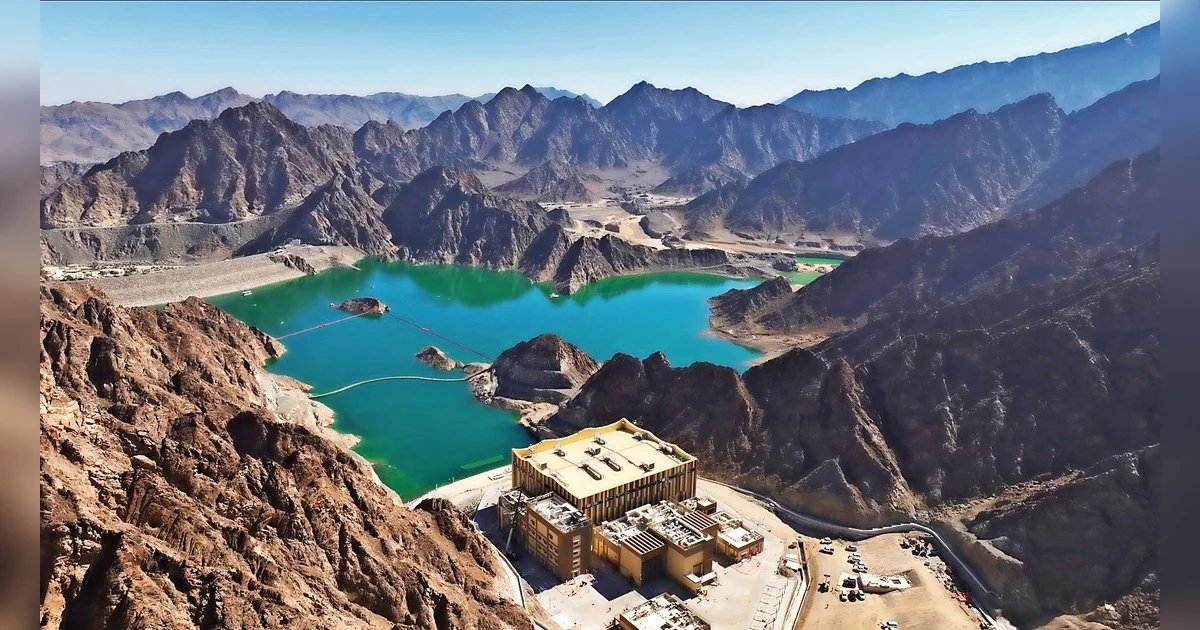
    In an extraordinary engineering achievement that defies conventional wisdom about renewable energy in arid regions, Dubai has successfully implemented a groundbreaking hydropower facility in the Hatta region. The $387 million pumped-storage hydroelectric plant represents the first such installation on the Arabian Peninsula, demonstrating innovative solutions for sustainable power generation in water-scarce environments.

    The facility utilizes advanced pumped-storage technology that recirculates water between the existing Hatta Dam and a newly constructed upper reservoir situated in mountainous terrain. During periods of low energy demand, surplus solar power drives turbines that pump water to the elevated reservoir. When electricity demand peaks, water released through a 1.2-kilometer underground canal generates power with remarkable 79% efficiency and a rapid 90-second response capability.

    With a production capacity of 250 megawatts and storage capacity of 1,500 megawatt-hours, the project has already generated over 17,900 megawatt-hours during trial operations. The system’s 80-year lifespan and minimal water consumption make it particularly suitable for desert environments where traditional hydropower would be impractical.

    This pioneering initiative forms part of Dubai’s comprehensive Clean Energy Strategy and Net Zero Carbon Emissions Strategy 2050. The emirate has already achieved 2,027 megawatts of clean energy production through photovoltaic and concentrated solar power technologies, representing approximately 14% of its total energy capacity. The adjacent Mohammed bin Rashid Al Maktoum Solar Park, the world’s largest single-site solar facility using the Independent Power Producer model, will expand to 5,000MW by 2030.

    Energy experts highlight that the project establishes a new paradigm for renewable integration in water-stressed regions worldwide. The combination of hydropower storage with solar generation addresses the critical challenge of energy intermittency while providing grid stability. Environmental considerations have been paramount in the project’s design, with innovative approaches such as potential floating solar panels on reservoirs to simultaneously reduce evaporation and generate additional clean energy.

    The Hatta facility transcends mere engineering accomplishment to become a symbol of sustainable innovation, offering a replicable model for other arid nations pursuing climate goals while addressing growing energy demands.

  • Israeli strikes kill five Palestinians sheltering in Gaza makeshift camp

    Israeli strikes kill five Palestinians sheltering in Gaza makeshift camp

    Israeli military forces conducted a series of drone strikes late Wednesday targeting a displaced persons camp west of Khan Younis in southern Gaza, resulting in five Palestinian fatalities including two children. The attack occurred within an area previously designated as a humanitarian safe zone, marking another significant breach of the ongoing ceasefire agreement.

    The Israeli Defense Forces (IDF) justified the operation as a response to earlier exchanges of fire between its troops and Hamas fighters allegedly trapped in tunnels within Rafah. Military officials claimed the strikes targeted a ‘Hamas operative’ and resulted in five soldier casualties, though no evidence was provided to substantiate these claims.

    Gaza Civil Defence spokesperson Mahmoud Basal vehemently contradicted Israel’s account, stating the victims were sheltering in a camp considered secure and were not in a combat zone. ‘How many more massacres must be committed before everyone understands that what is happening in Gaza is not a response to an incident but systematic targeting of civilians?’ Basal questioned.

    The incident sparked diplomatic repercussions as Hamas condemned the attack as a ‘blatant war crime’ and accused Israel of demonstrating ‘flagrant disregard’ for the ceasefire agreement. The group urged international mediators to pressure Israel to halt civilian attacks and honor its obligations.

    Meanwhile, the body of Thai national Sudthisak Rinthalak was returned to Israel through the Red Cross, with ongoing efforts to locate police officer Ran Gvili, the remaining captive buried in Gaza. This development increases pressure on both parties to advance to the next phase of the ceasefire agreement.

    US President Donald Trump indicated the next phase would ‘happen pretty soon,’ though negotiations face challenges. Middle East Eye reported the US is struggling to establish an international stabilization force for Gaza due to disagreements over Turkey’s participation, despite UN Security Council approval and support from multiple nations.

    The Wednesday strikes represent the latest in approximately 600 reported ceasefire violations since October, resulting in over 360 fatalities and 900 injuries. Israel continues to restrict movement through the Rafah crossing and limit aid deliveries to approximately 200 trucks daily, significantly below the agreed 600-truck threshold.

  • Magnitude 6 earthquake strikes China’s Xinjiang region

    Magnitude 6 earthquake strikes China’s Xinjiang region

    A substantial earthquake measuring 6.0 on the Richter scale struck northwestern China’s Xinjiang region on Thursday afternoon, according to official reports from the China Earthquake Networks Center (CENC). The seismic event occurred at precisely 3:44 PM local time near Akqi county, an area adjacent to the mountainous border between China and Kyrgyzstan.

    Seismological data indicates the tremor originated at a relatively shallow depth of approximately 10 kilometers (6.2 miles), potentially amplifying ground shaking and surface impact across the affected region. The epicenter’s proximity to international borders suggests possible felt effects in neighboring Central Asian territories.

    The timing of the quake during daylight hours likely facilitated immediate emergency response coordination, though the remote, mountainous terrain presents significant challenges for damage assessment and potential rescue operations. Earthquake preparedness in this seismically active region has been a priority for Chinese authorities, who maintain extensive monitoring systems across Xinjiang’s vast territory.

    Historical seismic activity in this border region between the Tien Shan and Pamir mountain ranges indicates moderate to strong earthquakes occur with some frequency, though events exceeding magnitude 6 remain relatively uncommon. The area’s sparse population density may help mitigate potential casualties and structural damage.

    Chinese seismic authorities continue to monitor aftershock potential while coordinating with local emergency management teams to assess possible impacts on infrastructure and communities throughout the affected area.

  • Sri Lanka extreme weather death toll rises to 479

    Sri Lanka extreme weather death toll rises to 479

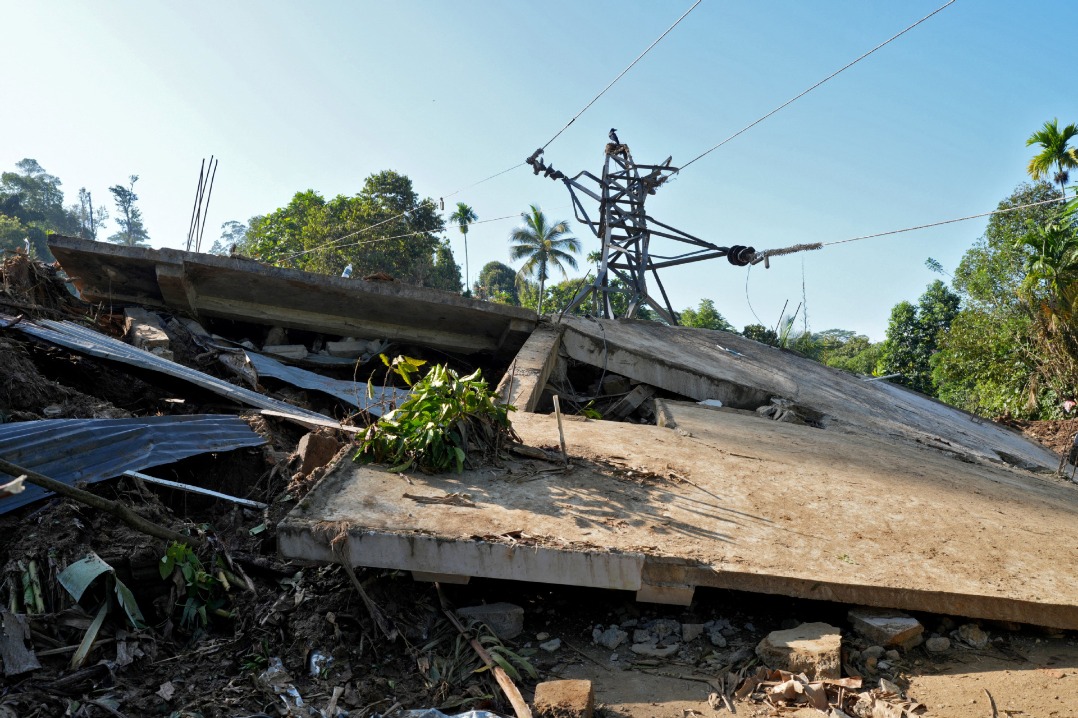
    Sri Lanka confronts a mounting humanitarian crisis as official figures released Thursday confirm the death toll from Cyclone Ditwah has reached 479 individuals. The nation’s Disaster Management Center (DMC) reported an additional 350 persons remain unaccounted for as search and rescue operations persist.

    The catastrophic weather system has inflicted damage on a staggering scale, directly impacting over 1.6 million citizens across 455,405 households. Structural assessments reveal complete destruction of 1,289 residential buildings, with more than 44,500 dwellings sustaining partial damage. The agricultural infrastructure has suffered particularly severe blows, with damage reported to 1,777 water tanks, 483 dams, 1,936 irrigation canals, and 328 farm access roads according to the commissioner-general of essential services.

    The international community has initiated response measures to support relief efforts. Chinese leadership has formally expressed condolences to the island nation while activating emergency humanitarian assistance protocols. The aid package includes financial support alongside essential supplies such as life preservation equipment, temporary shelters, and bedding materials.

    Simultaneously, the Asian Development Bank has authorized an immediate $3 million disaster relief grant to facilitate emergency operations throughout affected regions. This financial injection aims to bolster ongoing rescue initiatives and provide critical support to displaced populations struggling with the aftermath of one of Sri Lanka’s most devastating natural disasters in recent history.

  • UAE national themes: A decade of innovation, sustainability, and community building

    UAE national themes: A decade of innovation, sustainability, and community building

    Over the past ten years, the United Arab Emirates has pioneered a distinctive approach to national development through its annual thematic framework. Initiated in 2015 under the leadership of Sheikh Mohammed bin Rashid Al Maktoum, Vice-President and Prime Minister of the UAE and Ruler of Dubai, this strategy has transformed from the inaugural ‘Year of Innovation’ into an integrated system guiding governmental priorities and civic engagement.

    The program’s evolution demonstrates strategic progression from foundational capacity-building to sophisticated social development. Initial themes concentrated on establishing future-ready infrastructures, with innovation (2015), reading (2016), and giving (2017) creating platforms for technological advancement, cultural enrichment, and philanthropic initiatives. The 2018 ‘Year of Zayed’ provided historical grounding by reemphasizing the foundational principles of the nation’s establishment.

    Subsequent years witnessed a deliberate shift toward social cohesion and global positioning. The 2019 ‘Year of Tolerance’ established the UAE as an international exemplar of multicultural coexistence, while the ‘Year of Preparation for the Next 50 Years’ (2020-2021) engaged citizens in envisioning the nation’s future trajectory.

    Environmental sustainability emerged as a paramount concern through consecutive thematic years in 2023 and 2024, signaling profound commitment beyond symbolic gestures. This extended focus facilitated comprehensive policy implementation ranging from renewable energy infrastructure to circular economy models, culminating in the UAE’s prominent hosting of COP28.

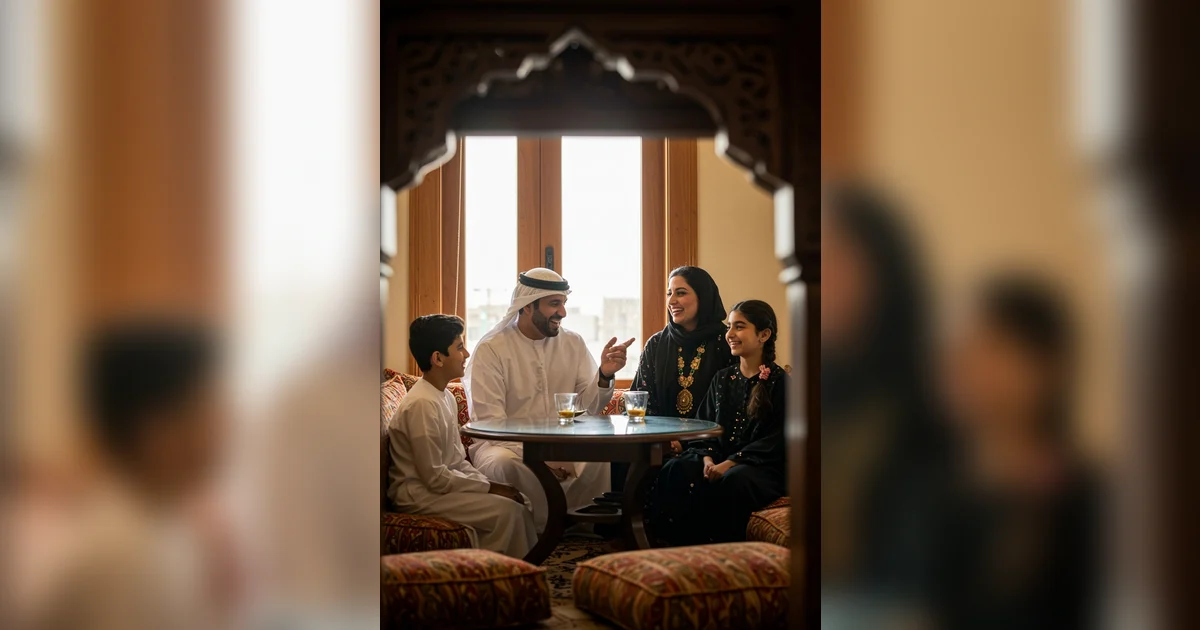
    The current ‘Year of Community’ (2025) emphasizes social interconnectedness and collective wellbeing through collaborative initiatives across public and private sectors. Looking forward, 2026 has been designated the ‘Year of the Family’ by President Sheikh Mohamed bin Zayed Al Nahyan, aligning with the National Family Growth Agenda 2031. This forthcoming theme will prioritize intergenerational bonds, work-life balance, and family-centric policies as fundamental to national resilience.

    This decade-long thematic approach represents a sophisticated governance model that synchronizes long-term strategic vision with actionable annual priorities, creating both institutional alignment and civic participation in national development.

  • Suspect arrested in pipe bomb incident on eve of Jan 6, ending years-long manhunt

    Suspect arrested in pipe bomb incident on eve of Jan 6, ending years-long manhunt

    Federal authorities have apprehended a suspect in connection with the placement of two pipe bombs outside the headquarters of both major political parties on the eve of the January 6th Capitol riot, marking a significant breakthrough in a nearly five-year investigation. The arrest was confirmed by multiple sources to CBS News, with the individual expected to face federal charges in Washington D.C.

    The devices were strategically planted outside the Republican and Democratic National Committee buildings on January 5, 2021. While equipped with kitchen timers and homemade black powder, both bombs were successfully deactivated by authorities without detonation. The investigation, which included a $500,000 reward for information, culminated in this arrest after an extensive nationwide manhunt.

    The context of the bomb placement coincides with the certification process of the 2020 presidential election results. On January 6th, as lawmakers convened to formalize Joe Biden’s victory, then-President Donald Trump addressed supporters at the ‘Save America’ rally, where he repeated unsubstantiated claims of electoral fraud while encouraging a march to the Capitol.

    Subsequent riots involved thousands of participants, including members of far-right groups, who breached the Capitol building, overwhelming police forces for several hours. The pipe bombs were discovered by a passerby as these events unfolded, creating a compound security crisis that day.

    This arrest stands in contrast to recent developments in other January 6 cases. Earlier this year, during his second term, President Trump issued pardons or commutations for over 1,500 individuals convicted or charged in relation to the Capitol riot, referring to them as ‘hostages’ whose lives had been ‘destroyed.’ He additionally directed the Department of Justice to drop all pending cases against remaining suspects.