博客

  • GCC leaders reaffirm support for Palestine and Gaza truce at Bahrain meeting

    GCC leaders reaffirm support for Palestine and Gaza truce at Bahrain meeting

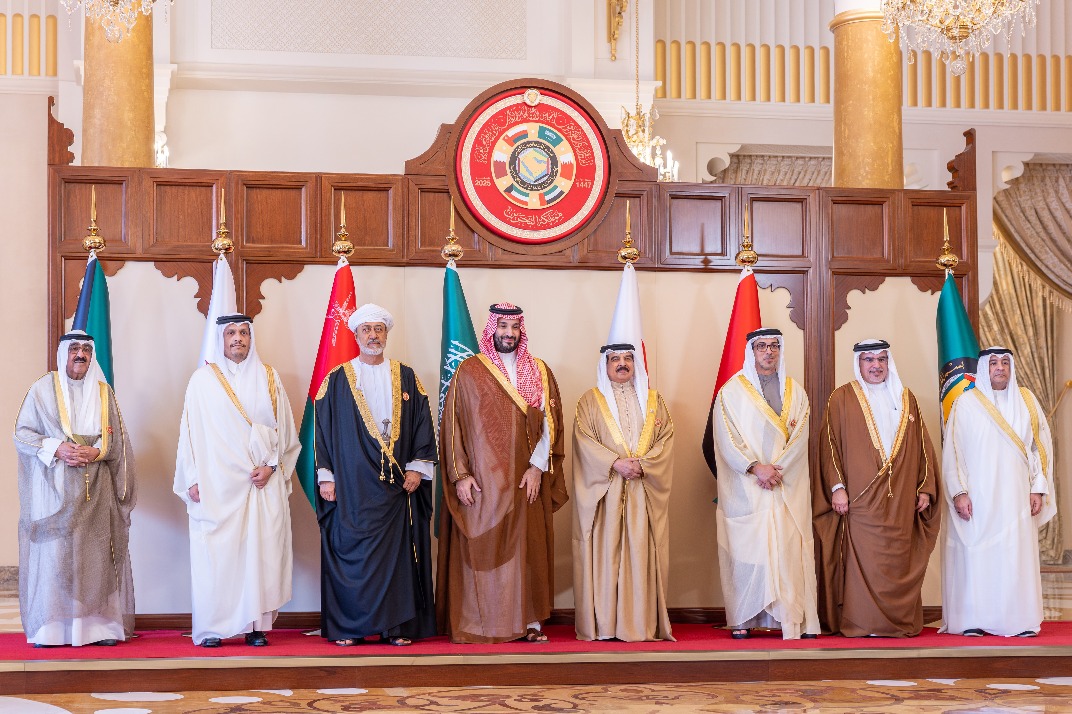
    At the 46th session of the Gulf Cooperation Council’s Supreme Council, regional leaders delivered a powerful collective stance on the Israeli-Palestinian conflict during their December 3 meeting in Bahrain. Convened at Al Sakhir Palace under the presidency of Bahrain’s King Hamad bin Isa Al Khalifa, the high-level gathering produced a strongly worded communique that condemned Israel’s military actions while reaffirming support for Palestinian self-determination.

    The Council explicitly held Israel ‘fully responsible for its ongoing violations and attacks against the Gaza Strip,’ citing the devastating civilian death toll that has disproportionately affected women and children. The statement rejected any justification portraying Israeli operations as self-defense and demanded immediate troop withdrawal from occupied territories.

    Beyond condemnation, the GCC leadership articulated a clear vision for Palestinian rights, emphasizing the ‘legitimate rights of the Palestinian people to establish their independent state’ and warning against any attempts to undermine these inalienable rights. The communique specifically rejected displacement efforts in Gaza and expressed concern over demographic changes in Jerusalem, calling for protection of Islamic holy sites.

    The timing of the summit proved strategically significant, occurring just one day after the UN General Assembly adopted resolutions demanding Israeli withdrawal from occupied Palestinian territories and Syria’s Golan Heights. The GCC explicitly endorsed US-brokered ceasefire efforts and outcomes from the Sharm El Sheikh Peace Summit while maintaining criticism of specific Israeli policies.

    Regional security concerns also featured prominently in discussions. GCC Secretary-General Jasem Mohamed Albudaiwi referenced two ‘painful incidents’ that demonstrated Gulf unity: Iranian missile attacks targeting a US base in Qatar in June, and what he described as ‘brutal Israeli aggression’ during Qatari mediation efforts in September that resulted in casualties.

    The Council further condemned Israeli attacks on Iranian nuclear facilities, noting the potential regional endangerment. Former Bahraini parliament member Jasim Husain observed that this condemnation would likely please Iranian officials while reaffirming the GCC’s commitment to peaceful conflict resolution.

    The meeting occurred amid heightened tensions surrounding the Rafah Crossing, with Israel announcing plans for limited openings exclusively for Gaza resident exits to Egypt—a move that raised depopulation concerns. Egyptian officials subsequently denied coordination with Israel on this matter, highlighting the complex diplomatic landscape surrounding humanitarian access issues.

  • A supersized World Cup field begins taking shape at Friday’s draw

    A supersized World Cup field begins taking shape at Friday’s draw

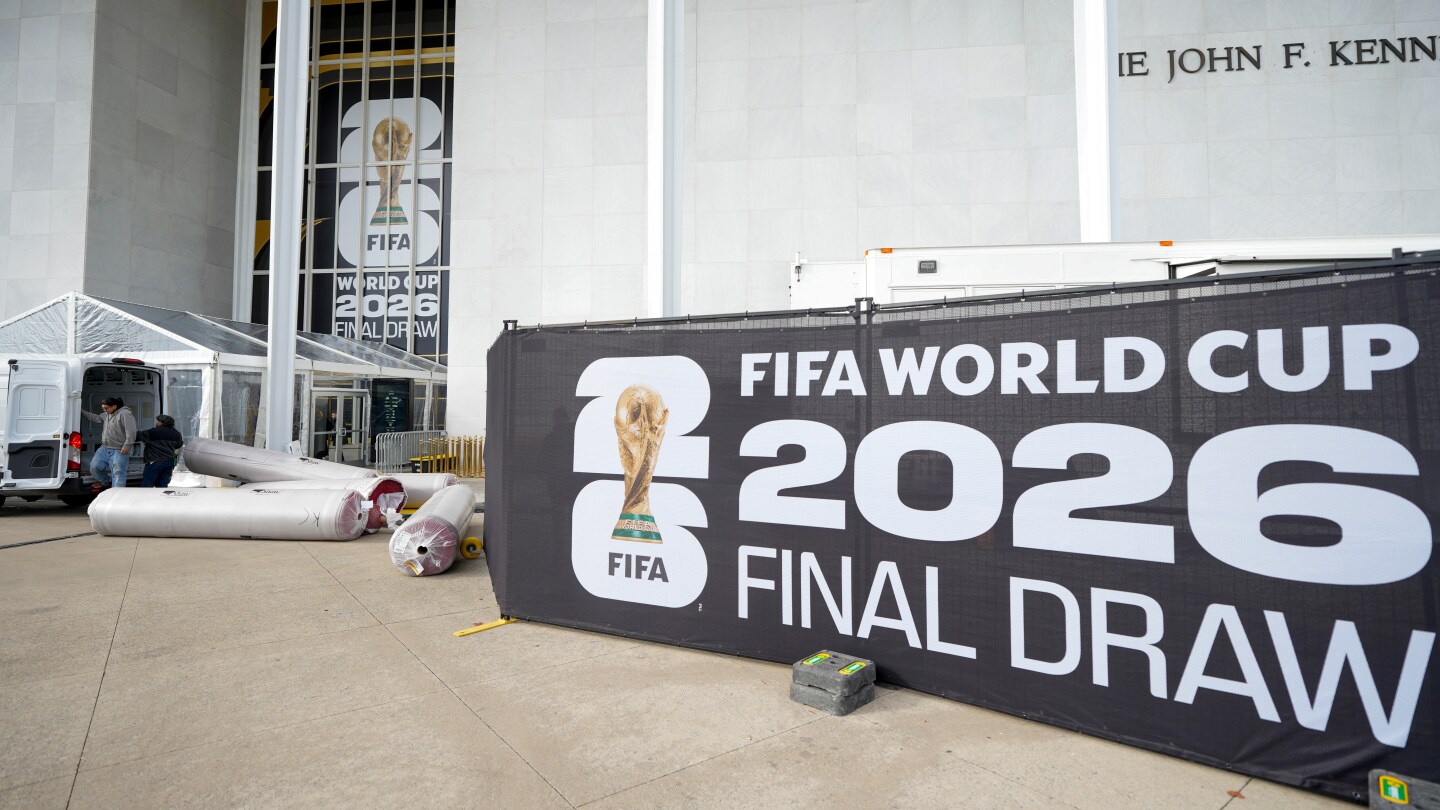
    The global football landscape is poised for a transformative shift as FIFA prepares for the 2026 World Cup draw at Washington’s Kennedy Center, marking the inaugural phase of organizing the most expansive tournament in history. The newly implemented 48-team format will introduce debutants including Cape Verde, Curaçao, Jordan, and Uzbekistan to football’s grandest stage when the month-long championship commences across 16 North American venues from June 11 to July 19.

    Former Arsenal manager Arsène Wenger expressed measured optimism about the competitive quality, noting that qualification itself demonstrates meritocratic achievement. The ceremony will convene high-profile political figures including U.S. President Donald Trump, Mexican President Claudia Sheinbaum, and Canadian Prime Minister Mark Carney, though the venue’s gift shop currently reflects performing arts heritage rather than football memorabilia.

    While the world’s top 11-ranked teams have secured automatic qualification, notable absences include 12th-ranked Italy among 22 nations competing in March playoffs for the final six tournament berths. Defending champions Argentina, led by 39-year-old captain Lionel Messi, aim to become the first back-to-back champions since Brazil’s 1962 triumph, with Messi positioned to break Miroslav Klose’s all-time World Cup scoring record.

    Infrastructure preparations are underway to accommodate unprecedented attendance, with BMO Field in Toronto undergoing expansion to increase capacity to approximately 45,000 through temporary seating. Tournament organizers project record-breaking attendance figures surpassing the 3.59 million benchmark set during the 1994 U.S. World Cup.

    Controversy surrounds FIFA’s ticketing strategy, with initial prices ranging from $60 to $6,730 per match—a substantial increase from 1994’s $25-$475 range—while the organization withholds complete pricing transparency for the first time since 1990. Supplementary costs include premium parking passes priced at $175 for individual matches, though FIFA president Gianni Infantino has declined to publicly address pricing policies.

    The revised tournament structure will see the top two teams from each of 12 groups advance alongside eight best third-place finishers, potentially allowing progression to the knockout stage with just three points. According to Opta Analyst projections, host nation the United States maintains merely 0.9% probability of championship victory, with Spain (17%), France (14.1%), and England (11.8%) leading statistical forecasts.

    In an innovative competitive safeguard, FIFA confirmed that the top four ranked teams—Spain, Argentina, France, and England—will avoid confrontation until the semifinals provided they win their respective groups. The draw ceremony will feature retired sporting icons including NFL legend Tom Brady, NBA superstar Shaquille O’Neal, and NHL great Wayne Gretzky, overseen by former England captain Rio Ferdinand.

  • UAE flights: Flydubai aircraft damaged in accident at Maldives airport

    UAE flights: Flydubai aircraft damaged in accident at Maldives airport

    A Flydubai aircraft experienced significant damage during a ground handling incident at Velana International Airport (MLE) in the Maldives on December 4, 2025. The Dubai-based carrier confirmed all passengers and crew members safely disembarked without injuries and were rebooked on subsequent flights.

    The aviation incident resulted in structural damage to the aircraft’s wing section, prompting an immediate comprehensive inspection. Flydubai officials emphasized that the damaged aircraft will undergo extensive repairs to meet stringent international aviation safety standards before returning to service.

    This occurrence highlights operational challenges at Maldives’ primary aviation gateway, which has been experiencing congestion due to soaring tourist arrivals. The island nation, renowned as a premium vacation destination for UAE residents and international travelers, is currently expanding its airport infrastructure to accommodate growing passenger traffic.

    Tourism Minister Thoriq Ibrahim previously disclosed that Velana International Airport’s new terminal, scheduled for operational readiness by year-end, will significantly enhance capacity to 7 million passengers annually. This development aims to alleviate current congestion issues.

    The Maldives incident follows another aviation safety occurrence involving an Emirates Airbus A380 at Manchester Airport, where a fuel tanker collision caused engine cowling damage. Both incidents underscore the aviation industry’s ongoing focus on ground operation safety protocols.

    Flydubai reiterated that passenger and crew safety remains their utmost priority, consistent with the airline’s operational philosophy and international aviation regulations.

  • Watch: Russia’s Putin gets red-carpet welcome from Modi as he lands in India

    Watch: Russia’s Putin gets red-carpet welcome from Modi as he lands in India

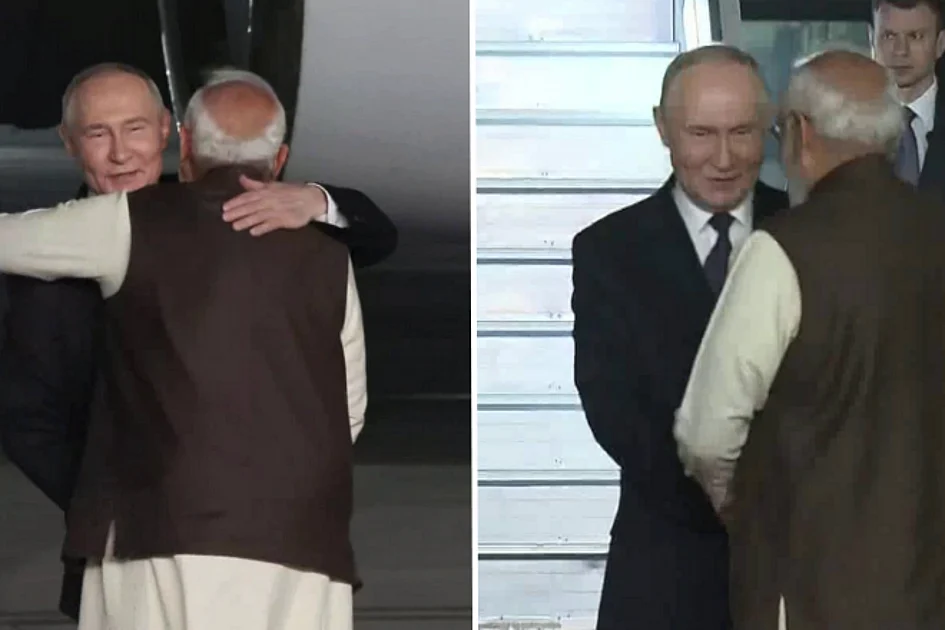
    Russian President Vladimir Putin received a ceremonial welcome from Indian Prime Minister Narendra Modi upon arriving in New Delhi for a pivotal two-day summit. The visit, occurring against the backdrop of intensified US pressure on India regarding Russian oil imports, marks Putin’s first journey to India since the commencement of the Ukraine conflict.

    Modi personally greeted the Russian leader at the airport with an embrace on the red carpet, subsequently escorting him in the same vehicle—a display of diplomatic warmth between the two nations. The Russian delegation included Defense Minister Andrei Belousov, with anticipated discussions focusing on enhanced defense cooperation, including potential agreements on Su-57 fighter jet co-production and expanded S-400 air defense system supplies.

    In pre-summit remarks broadcast by India Today, Putin expressed enthusiasm about meeting “my friend” Modi, highlighting the extensive scope of bilateral collaboration spanning aircraft manufacturing, nuclear energy, and space exploration. The agenda includes a private dinner hosted by Modi on Thursday evening followed by formal negotiations on Friday.

    This diplomatic engagement occurs as India navigates complex geopolitical pressures, particularly from the United States where President Donald Trump imposed 50% tariffs on Indian goods in August, directly citing India’s continued Russian oil purchases. Despite recently reducing crude imports due to sanctions on Russian energy giants Rosneft and Lukoil, India remains a significant consumer of Russian petroleum, creating economic savings while providing Moscow with crucial export revenues.

    Kremlin spokesman Dmitry Peskov emphasized Russia’s commitment to strengthening bilateral trade without external interference, noting that two-way commerce reached $68.7 billion in 2024-25—though with a substantial imbalance favoring Russia. Indian officials are seeking greater market access for pharmaceuticals, automobiles, and service industries to address this disparity.

    International relations experts characterize the summit as a strategic recalibration at a critical juncture. Professor Harsh V Pant of King’s College London noted that Modi’s reception demonstrates India’s assertion of “strategic autonomy,” while Putin’s rare international travel underscores the relationship’s importance to Moscow. An anonymous Indian foreign ministry official described Russia-India ties as “the most stable relationship in modern times,” though downplayed the meeting as routine annual diplomacy.

  • Alert sent for Nevada earthquake that did not happen

    Alert sent for Nevada earthquake that did not happen

    The United States Geological Survey (USGS) issued and subsequently retracted a false earthquake alert for northern Nevada on Thursday, marking what appears to be the first complete false notification from its automated detection system. The erroneous alert was disseminated through the ShakeAlert early warning application.

    At 08:06 local time, the automated system generated a report indicating a magnitude 5.9 earthquake near Carson City, Nevada’s state capital. The alert reached recipients nearly 200 miles away in California’s San Francisco Bay Area, triggering automatic safety instructions advising residents to take protective cover.

    The agency canceled the alert within minutes and removed all corresponding entries from its official platforms. Through a statement on X (formerly Twitter), the USGS clarified: ‘There was no M5.9 earthquake near Carson City, NV.’

    Multiple law enforcement agencies across cities and counties near the reported epicenter confirmed the complete absence of seismic activity. According to the Michigan Tech Earthquake Magnitude Scale, an earthquake of magnitude 5.9 typically produces noticeable shaking and could cause minor property damage.

    The USGS has launched an investigation to determine the cause of the system malfunction that generated the false report. This incident represents a significant anomaly in the earthquake early warning infrastructure designed to protect millions along seismic zones.

  • Israel strikes south Lebanon after warning, official media says

    Israel strikes south Lebanon after warning, official media says

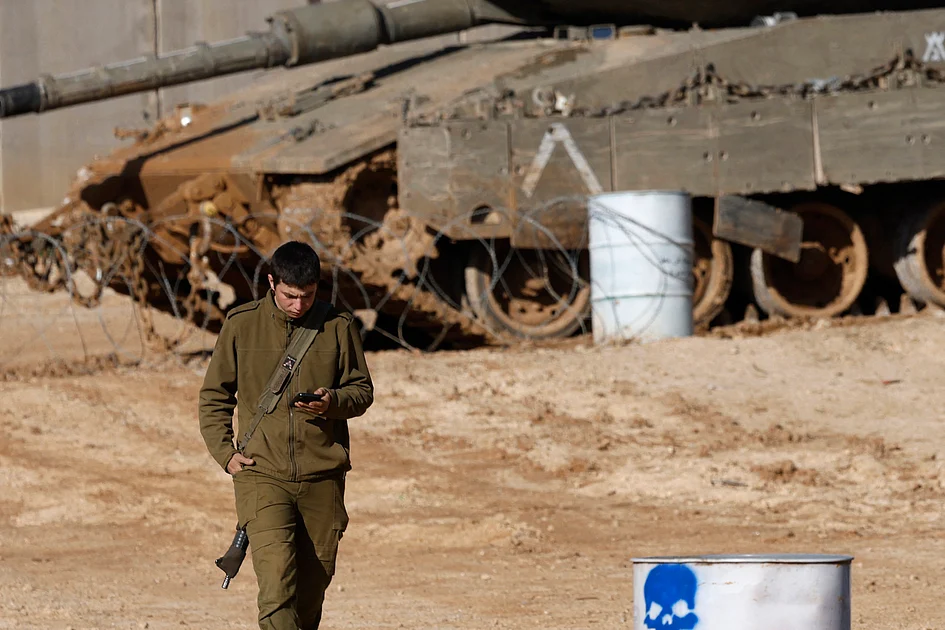
    Israeli military forces conducted airstrikes in southern Lebanon on Thursday, December 4, 2025, targeting what they identified as Hezbollah military infrastructure. The operation followed explicit evacuation warnings issued by the Israeli military earlier in the day.

    According to Lebanon’s official National News Agency, Israeli warplanes struck the town of Mahrouna while simultaneously conducting another raid targeting a residential structure in Jbaa. The Israeli military confirmed the operations, stating they had “begun conducting strikes on Hezbollah terror targets in southern Lebanon.”

    The escalation occurs amid ongoing tensions along the Israel-Lebanon border, where cross-border exchanges between Israeli forces and Hezbollah militants have intensified in recent months. The Israeli military’s pre-strike evacuation warning represents a tactical approach aimed at minimizing civilian casualties while targeting what they classify as terrorist infrastructure.

    This development marks another significant chapter in the complex geopolitical dynamics of the Middle East, particularly within the context of Israel’s security operations against Iranian-backed Hezbollah forces. The strikes come as regional powers continue to navigate delicate security arrangements and power balances across the Levant region.

    Military analysts note that such targeted operations reflect Israel’s continued strategy of preemptive and responsive actions against perceived threats along its northern border. The long-standing conflict between Israel and Hezbollah has seen periodic escalations since the 2006 Lebanon War, with both sides maintaining military readiness along the contested border area.

  • Abu Dhabi: New affordable 3D tumour model eliminates need to test cancer drugs on humans

    Abu Dhabi: New affordable 3D tumour model eliminates need to test cancer drugs on humans

    Researchers at New York University Abu Dhabi have unveiled a groundbreaking paper-based technology that promises to transform cancer research methodologies. The innovation, named Spheromatrix, utilizes a specialized filter paper system to cultivate three-dimensional tumor models that closely mimic human cancer behavior.

    Led by Associate Professor Mohammad Qasaimeh of Mechanical Engineering and Bioengineering, with postdoctoral researcher Ayoub Glia as first author, the team at NYUAD’s Advanced Microfluidics and Microdevices Laboratory has developed a cost-effective alternative to traditional drug testing approaches. The platform enables scientists to grow miniature tumors, preserve them through freezing for extended periods, and conduct repeated drug sensitivity experiments on demand.

    The fiber-based architecture of Spheromatrix provides an optimal biocompatible environment that allows tumor models to develop characteristics remarkably similar to actual human cancers. This technological advancement addresses significant challenges in pharmaceutical development by creating reproducible, scalable systems for preclinical drug screening while substantially reducing dependence on animal testing and human trial subjects.

    In validation studies, the research team applied commercial chemotherapy drugs to preserved brain tumor models, observing response patterns that closely mirrored those seen in actual patient cancers. Crucially, the system demonstrated consistent drug response fidelity both before and after the freezing process, confirming its reliability for long-term research applications.

    The innovation represents part of NYUAD’s expanding portfolio of significant scientific contributions, which recently includes rapid infectious disease detection devices and astrobiological research concerning cosmic rays’ potential role in supporting extraterrestrial life. The Abu Dhabi institution continues to establish itself as a hub for cutting-edge biomedical research with global implications.

  • Root’s superb first ton in Australia keeps England hopes alive

    Root’s superb first ton in Australia keeps England hopes alive

    In a breathtaking display of Test cricket, the second Ashes encounter in Brisbane was illuminated by two monumental performances that will be etched into the rivalry’s storied history. On one side, English captain Joe Root exorcised his Australian demons with a magnificent, unbeaten 135—his first-ever Test century on Australian soil. On the other, Australian pace spearhead Mitchell Starc etched his name into the record books, claiming a devastating 6-71 to become the most prolific left-arm fast bowler in Test history, surpassing Pakistan legend Wasim Akram’s tally of 414 wickets.

    The day-night contest commenced in disastrous fashion for the tourists, crumbling to a precarious 5-2 within the opening overs as Starc’s fiery spell accounted for Ben Duckett and Ollie Pope. From the brink of collapse, Root orchestrated a masterful resurrection of the English innings. He found a crucial ally in Zak Crawley (76), with whom he built a stabilizing 117-run partnership that shifted the momentum. Root’s innings, a blend of impeccable technique and determined resolve, saw him navigate the challenging pink ball under lights and systematically dismantle the Australian attack. He reached his landmark century with a elegant leg glance to the boundary.

    Despite Root’s heroics, Starc remained a persistent threat throughout the day. His six-wicket haul included key breakthroughs that repeatedly stifled England’s momentum, reducing them to 264-9 and seemingly on the verge of another subpar total. However, in a stunning finale, number eleven batsman Jofra Archer launched a blistering counter-attack, smashing an unbeaten 32 off just 26 balls, including two colossal sixes. His unbroken, record 61-run partnership for the tenth wicket with a now-attacking Root, who himself executed a audacious reverse scoop for six, propelled England to a respectable 325-9 at stumps.

    The match was also notable for a major selection shock from the hosts, who omitted veteran off-spinner Nathan Lyon for seamer Michael Neser, marking Australia’s first home Test without a frontline spinner in nearly 14 years. Both teams also paid tribute, wearing black armbands in memory of the late former England batsman Robin Smith.

  • One-step renewal: UAE combines passport, Emirates ID updates in new service

    One-step renewal: UAE combines passport, Emirates ID updates in new service

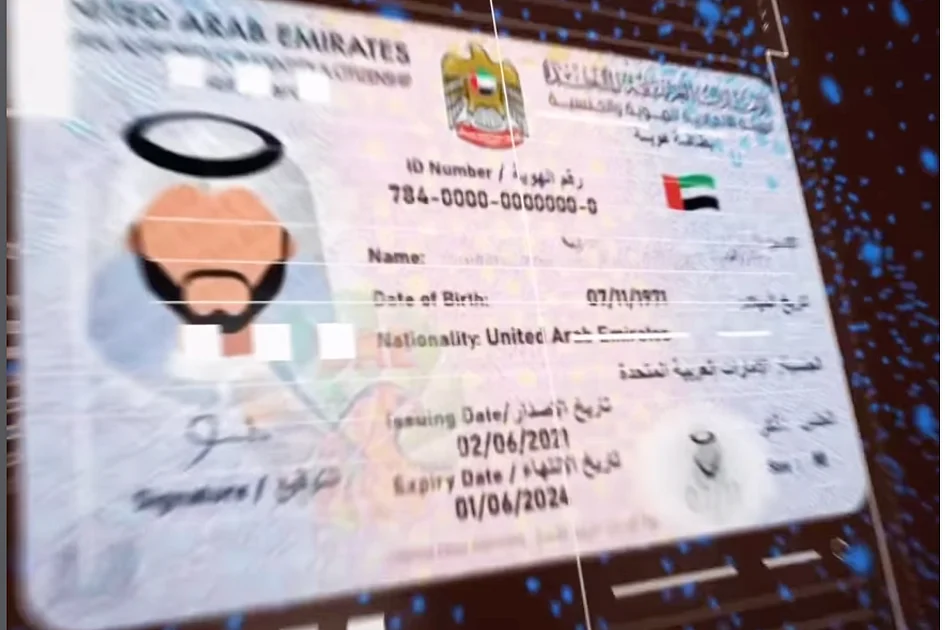
    The United Arab Emirates has introduced a groundbreaking administrative reform that merges passport and Emirates ID renewal processes into a single streamlined service. This transformative initiative, launched by the Federal Authority for Identity, Citizenship, Customs and Port Security (ICP), represents a significant advancement in digital governance and citizen convenience.

    Under the newly implemented system, Emirati citizens can now simultaneously renew both critical identification documents through the UAEICP smart application. This integrated approach eliminates the previously separate renewal procedures that often resulted in mismatched expiration dates and administrative complications. The innovation directly addresses one of the most frequent concerns raised by residents during the government’s ‘Zero Bureaucracy Expo’ earlier this year.

    The technical implementation allows citizens whose passports have expired and whose Emirates IDs are within six months of expiration to renew both documents on a single application page. This consolidation transforms what was once a fragmented process involving multiple forms and payment procedures into a seamless, unified transaction. Users can now review personal data, submit applications, and complete payments for both documents in one efficient digital session.

    Beyond individual convenience, the UAEICP application serves as a comprehensive family management portal where citizens can handle all passport and identity documentation for entire households. This development exemplifies the government’s commitment to its ‘Zero Bureaucracy’ initiative, which aims to eliminate unnecessary administrative barriers and create more efficient public services.

    Officials noted that this enhancement evolved from citizen feedback into a comprehensive smart solution, demonstrating the government’s responsive approach to public service innovation. The system ensures synchronization between these essential documents, preventing the administrative confusion that previously resulted from staggered renewal schedules.

  • Palestinian prisoners face ‘hunger, overcrowding and violence’, Israeli report finds

    Palestinian prisoners face ‘hunger, overcrowding and violence’, Israeli report finds

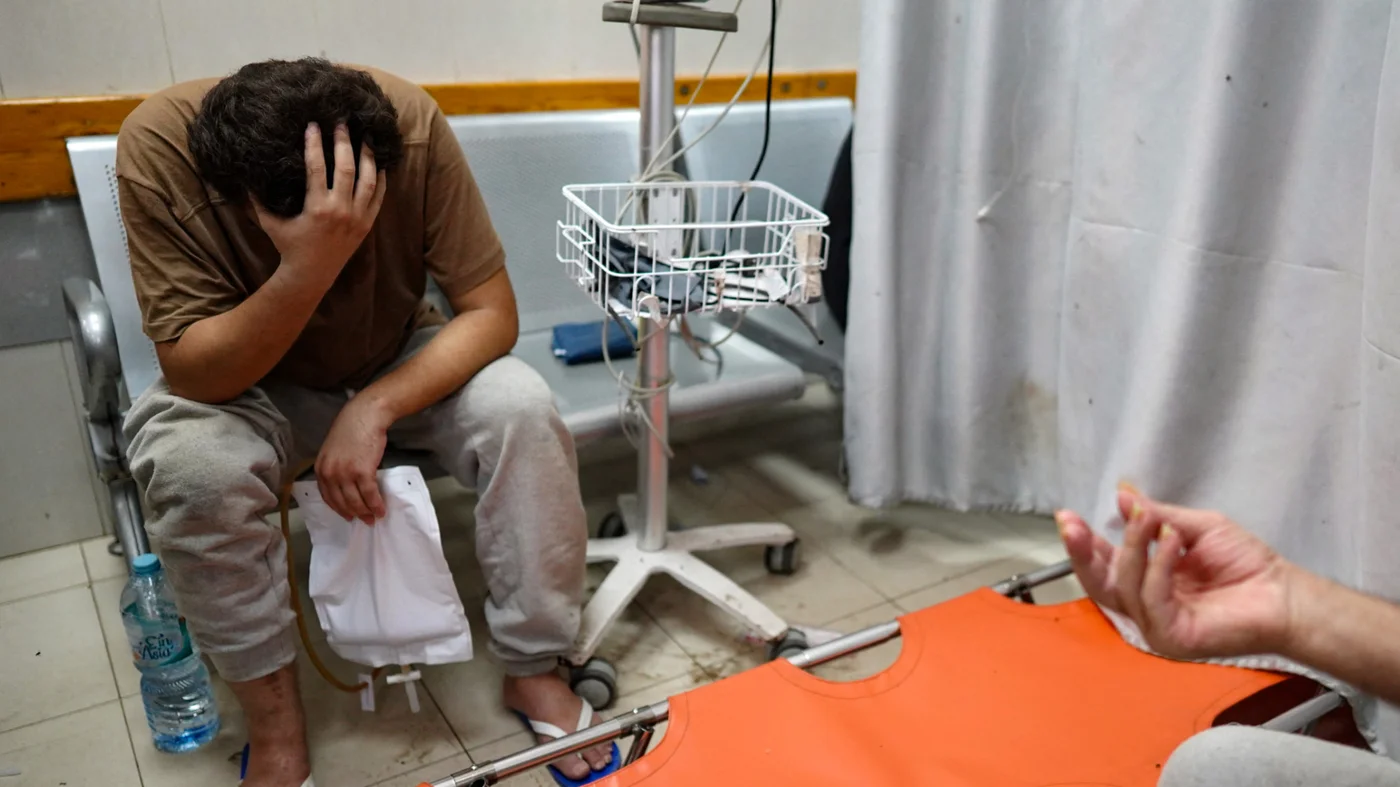
    A damning report from Israel’s own Public Defender’s Office has exposed a humanitarian crisis within the nation’s detention facilities, documenting systematic violence, extreme malnutrition, and severe overcrowding affecting Palestinian prisoners. The investigation, conducted through multiple facility visits in 2023 and 2024, reveals conditions that have drastically deteriorated since October 2023.

    The report details how the Israel Prison Service (IPS) implemented a separate, nutritionally inadequate menu specifically for ‘security prisoners’—a designation predominantly applied to Palestinians. This has resulted in widespread malnourishment, with released detainees describing meals consisting of minuscule portions of undercooked rice shared among several inmates for an entire day. The Public Defender’s Office documented severe hunger manifesting in dramatic weight loss, extreme weakness, and frequent fainting spells among the prison population.

    Despite a Supreme Court ruling in September mandating the provision of adequate food, the report indicates conditions have failed to improve, with some prisoners alleging further reductions in rations. Representatives observed clear signs of severe malnutrition and dehydration during visits, noting many inmates appeared dangerously emaciated.

    The investigation further uncovered widespread and systematic violence perpetrated by prison staff. Detainees reported frequent, unprovoked physical abuse during cell searches, beatings during transfers between wings, and assaults while being transported to court appearances. The Public Defender emphasized this violence was not precipitated by events requiring the use of force.

    These findings align with extensive documentation by media and human rights groups of systemic abuse and torture of Palestinians in Israeli custody, which has surged to unprecedented levels. Since October 2023, at least 100 prisoner deaths have been reported under these conditions, occurring amid widespread accounts of physical abuse, sexual assault, medical neglect, and starvation. Classified Israeli data indicates civilians constitute the majority of these fatalities. The circumstances surrounding these deaths remain largely concealed by prison authorities, and no legal proceedings or accountability measures have been initiated to date.

    The crisis has been exacerbated by a massive arrest campaign following the outbreak of the Gaza war in 2023, which pushed the prison system into extreme overcrowding. The IPS detainee population surged by 3,000 within just two months, reaching approximately 23,000 inmates by late 2024—far exceeding the system’s official capacity of 14,500. Approximately 90% of Palestinian prisoners were confined to living spaces smaller than three square meters, with thousands deprived of beds. Inmates were typically held for 23 hours daily in dark, poorly ventilated cells with inadequate sanitation, sleeping on mattresses on the floor.

    Basic hygiene has become nearly impossible to maintain due to critical shortages of toilet paper, soap, and towels. Cells were stripped of all personal belongings except for a Quran. The report also noted outbreaks of scabies in several Palestinian wings that reached near-epidemic proportions.

    According to Palestinian prisoner-monitoring groups, these deplorable conditions have persisted even after the recent Gaza ceasefire. While at least 9,250 Palestinians are currently held in Israeli jails, the actual figure is believed to be significantly higher, as Israel withholds information on hundreds abducted from Gaza. Nearly half of all Palestinian detainees are held without charge or trial under indefinitely renewable administrative detention orders.