博客

  • US and Ukraine negotiators say ‘real progress’ toward peace depends on Russia

    US and Ukraine negotiators say ‘real progress’ toward peace depends on Russia

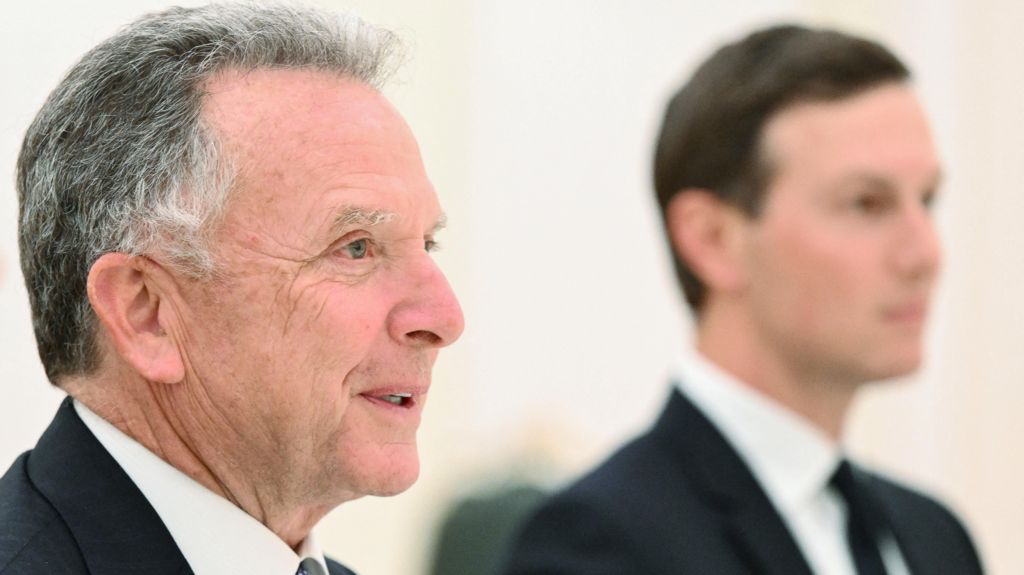
    Senior American and Ukrainian officials concluded a sixth round of high-level discussions on Friday, characterizing the dialogue as constructive while emphasizing that any sustainable peace resolution remains contingent on Russia’s genuine commitment to de-escalation. The bilateral meeting featured US Special Envoy Steve Witkoff and Jared Kushner, former senior advisor to President Donald Trump, engaging with Ukraine’s negotiation team led by National Security Secretary Rustem Umerov and Brigadier General Andriy Hnatov.

    The joint statement issued post-negotiations outlined significant progress in establishing security arrangement frameworks and deterrence mechanisms. Both delegations concurred that achieving ceasefire conditions and tension reduction are prerequisite to implementing Ukraine’s comprehensive redevelopment strategy, designed to rebuild the nation into a more prosperous state than its pre-war condition.

    Despite these advancements, the path toward resolution faces substantial hurdles. Tuesday’s five-hour Moscow negotiations between Witkoff and Russian President Vladimir Putin yielded no compromise, according to Kremlin assessments. Two primary contentious issues persist: the status of Russian-occupied Ukrainian territories and concrete security guarantees for Ukraine’s sovereignty.

    The discussions also addressed Ukraine’s post-conflict reconstruction and economic cooperation initiatives with the United States. Ukrainian representatives reiterated that any settlement must prioritize protecting national independence, ensuring citizen safety, and establishing foundations for a democratic future.

    The negotiating teams are scheduled to reconvene in Florida on Saturday for further deliberations, continuing the intensive diplomatic process that has now entered its sixth session within a fortnight.

  • UAE: Original Hermes Birkin bag auctioned for $2.86 million in Abu Dhabi

    UAE: Original Hermes Birkin bag auctioned for $2.86 million in Abu Dhabi

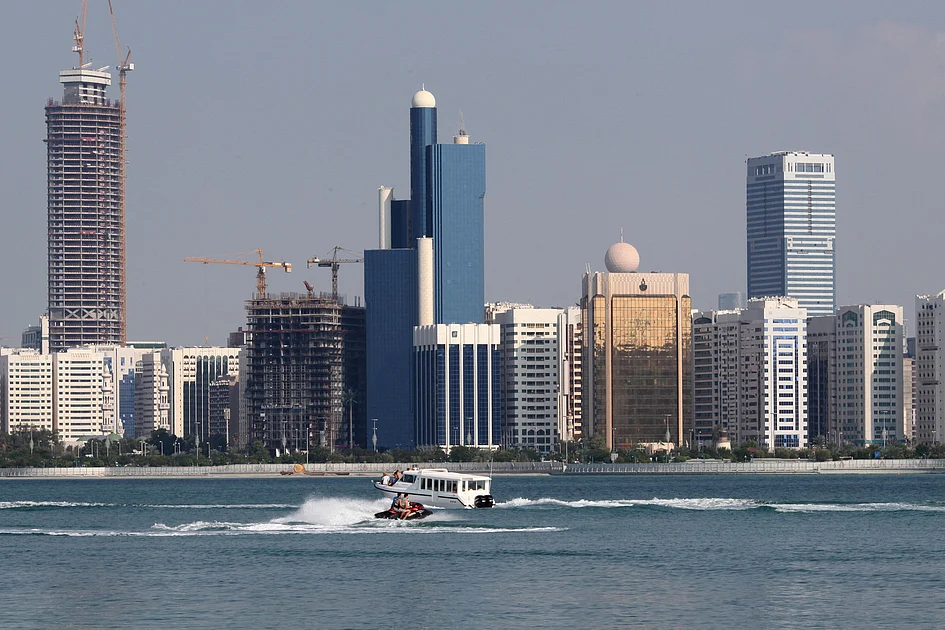
    ABU DHABI – A historic Hermès handbag previously owned by the late British-French icon Jane Birkin fetched an astonishing $2.86 million (€2.45 million) at a Sotheby’s auction in Abu Dhabi last Friday. The sale marks another milestone in the remarkable market performance of Birkin’s personal collection, following the record-shattering €8.58 million ($10 million) achieved by her first prototype bag in Paris just months earlier.

    The auctioned item, a ‘Birkin Voyageur’ model gifted to Birkin in 2003, dramatically exceeded pre-sale estimates of $230,000-$430,000. The final bid represented approximately six times the high estimate after an intense 11-minute bidding war among six collectors. The successful buyer, who participated via telephone, has chosen to remain anonymous.

    This particular bag features a handwritten inscription in French from Birkin herself: ‘My Birkin bag, my globetrotting companion.’ It was one of four bags the actress and singer regularly sold to support charitable causes during her lifetime. The bag’s provenance and personal connection to the style icon contributed significantly to its extraordinary valuation.

    The Hermès Birkin bag, initially created for Birkin in 1984, has evolved into one of fashion’s most coveted status symbols. Produced in extremely limited quantities, these bags maintain an aura of exclusivity and have been embraced by celebrities including the Kardashians, Jennifer Lopez, and Victoria Beckham.

    Another Birkin-owned Hermès bag is scheduled for auction on December 15th at Paris’s Hôtel Drouot. This sale, managed by Birkin’s friend and biographer Gabrielle Crawford, will benefit the future Jane Birkin Foundation. According to Sotheby’s, the most expensive fashion item ever sold at auction remains the ruby slippers from ‘The Wizard of Oz,’ which commanded $32.5 million in 2024.

  • Abu Dhabi GP: Norris sets the pace, but Verstappen remains solid

    Abu Dhabi GP: Norris sets the pace, but Verstappen remains solid

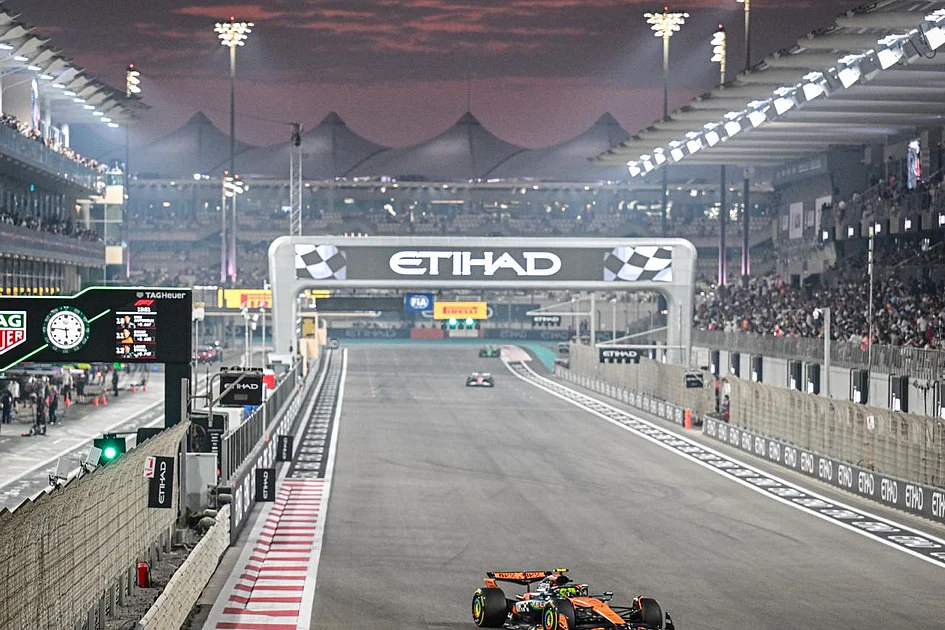
    The stage is set for a dramatic conclusion to the Formula One season at Yas Marina Circuit as Lando Norris emerged as the standout performer during Friday’s practice sessions for the Abu Dhabi Grand Prix. The McLaren driver, who leads the championship standings by 12 points, demonstrated impressive pace by clocking the fastest times in both practice runs ahead of Sunday’s title decider.

    Norris’s performance edge was particularly notable during the evening session under floodlights, where he outpaced his closest rival Max Verstappen by 0.363 seconds. The British driver’s consistent dominance throughout both sessions positions him favorably for what promises to be an electrifying championship finale.

    Defending champion Verstappen, seeking to equal Michael Schumacher’s record of five consecutive world titles, secured the second-fastest time. The Red Bull driver faces the challenging scenario of needing to win the race while hoping Norris fails to secure a podium finish.

    The championship battle extends to a third contender, Oscar Piastri, who currently sits just four points behind Verstappen. The Australian McLaren driver experienced a mixed day, finishing 11th in the evening session after skipping the afternoon practice. Team principal Zak Brown expressed confidence in Piastri’s ability to improve, noting both drivers appeared remarkably relaxed despite the high stakes.

    Mercedes’ George Russell and Haas rookie Oliver Bearman completed the top four in the evening session, while several teams utilized the first practice to provide track time for reserve drivers. The atmosphere at Yas Marina intensified as thousands of spectators gathered to witness what could become one of Formula One’s most memorable championship conclusions.

    Historical context adds further intrigue to the showdown, as Verstappen claimed his first world title at this same circuit in 2021. The Dutch champion arrives with momentum from consecutive victories in Las Vegas and Qatar, setting the stage for a climactic battle between three drivers separated by just 16 points.

  • Lured by lucrative job offers and sent to fight for Russia. Kenyans want their sons back

    Lured by lucrative job offers and sent to fight for Russia. Kenyans want their sons back

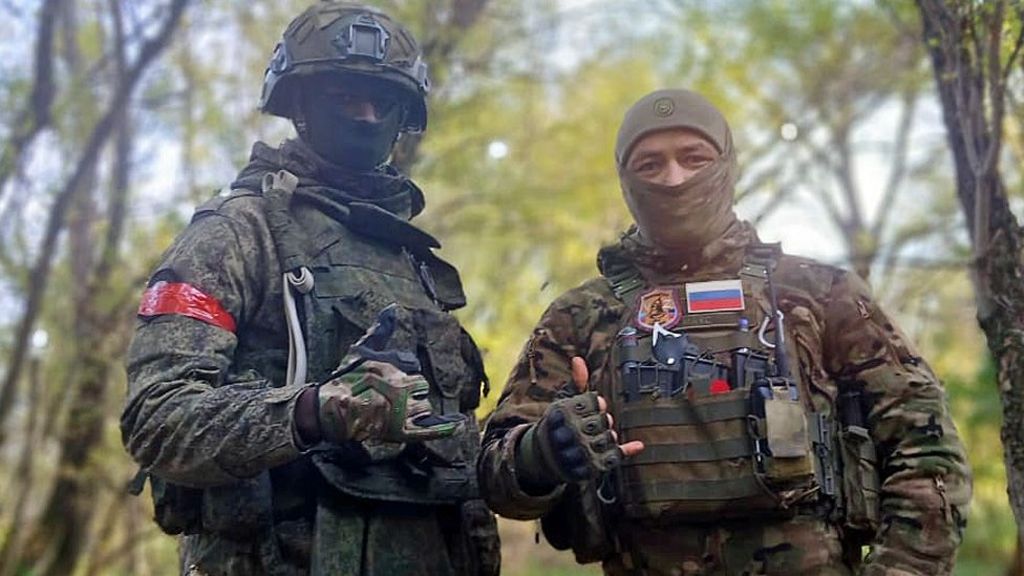
    A young Kenyan man’s pursuit of economic stability ended in tragedy after being deceived into military service in Russia’s war against Ukraine. David Kuloba, 22, initially believed he had secured a lucrative security guard position through a Kenyan recruitment agency—a dream opportunity for someone from Nairobi’s informal Kibera settlement who had been surviving on casual labor.

    Despite his mother Susan’s explicit warnings about Russia’s dangers, Kuloba departed in August 2023, enticed by promises of over $7,000 upon arrival. The reality proved horrifying: instead of security work, he received two weeks of combat training before being deployed to Russian-controlled Ukrainian territory.

    In his final communication on October 4, Kuloba sent his mother voice messages and military documentation, anticipating his possible death. He requested she present these materials to the Russian embassy if he didn’t survive. Subsequent attempts to locate him yielded only vague responses from his recruiter, who initially claimed he was missing before suggesting compensation might be available—without providing any evidence of his fate.

    This case reflects a broader pattern of exploitation. Another Kenyan father revealed his son—recruited as a driver—returned traumatized after being wounded in combat. He described witnessing ‘scattered bodies’ and signing poorly understood contracts under false pretenses.

    Kenyan authorities acknowledge approximately 200 citizens are currently fighting for Russian forces, with recruitment networks remaining active despite government actions. Parliamentary majority chief whip Sylvanus Osoro confirmed several agencies are under investigation, with three licenses suspended and two others being scrutinized. New legislation is being drafted to enhance oversight of overseas recruitment practices.

    The phenomenon extends beyond Kenya, with multiple African nations reporting similar cases of economic migrants being funneled into military service. Many families remain silent due to stigma or legal concerns, though South Africa has seen prominent scandals involving alleged recruitment by politically connected figures.

    Ukrainian officials maintain that foreign fighters supporting Russia will be treated as enemy combatants, offering surrender as the only safe exit strategy. For families like the Kulobas, however, answers remain elusive amid diplomatic complexities and unverified casualties.

  • Abu Dhabi authority launches new winter safety campaign

    Abu Dhabi authority launches new winter safety campaign

    The Abu Dhabi Civil Defence Authority has inaugurated a comprehensive ‘Winter Safety’ campaign designed to heighten public awareness regarding seasonal hazards and accident prevention. This initiative represents a strategic extension of the authority’s proactive risk mitigation approach, emphasizing preventive measures before incidents occur.

    Targeting diverse community segments, the campaign will deploy extensive field activities and educational programs across multiple venues including schools, shopping centers, recreational facilities, public events, desert camps, and traditional majlis gatherings. The program aims to instill a robust culture of safety consciousness during winter months when specific risks emerge in residential and recreational settings.

    Authority officials emphasized that this campaign forms part of a broader transition toward an integrated preventive system where community awareness serves as the primary defense mechanism. The initiative encourages adoption of safe behavioral practices during winter activities while reinforcing shared responsibility for protection.

    Community members are urged to actively follow campaign updates through official communication channels and strictly adhere to published safety guidelines. The authority additionally stressed critical emergency protocols: immediate reporting of incidents via emergency number 999, yielding right-of-way to Civil Defense vehicles, and avoiding congestion at accident sites to facilitate efficient emergency response operations.

  • Israel uses video from Gaza genocide to market arms to European, Asian countries

    Israel uses video from Gaza genocide to market arms to European, Asian countries

    Israeli defense contractors showcased their military technology to representatives from numerous European and Asian nations during Israel’s Defense Tech Week, explicitly highlighting the combat performance of these systems in Gaza operations. The two-day event, co-sponsored by Israel’s Defense Ministry and Tel Aviv University, attracted over 2,000 participants despite growing international condemnation of Israel’s military campaign that has resulted in more than 70,100 Palestinian casualties.

    According to The Wall Street Journal, marketing materials included combat footage depicting Israeli attack drones striking targets within Gaza. This demonstration occurred against the backdrop of what numerous human rights experts, UN officials, and world leaders have characterized as genocidal violence against Palestinians, with daily casualties continuing due to ceasefire violations.

    The attendance roster revealed significant diplomatic contradictions. While the UK government had formally banned Israeli officials from its premier arms fair in London, British embassy representatives nevertheless toured the Israeli event examining weapons systems promoted based on their Gaza deployment. Similarly, Norwegian officials participated despite their government’s sovereign wealth fund—the world’s largest—having recently divested from Caterpillar Inc. and five Israeli banks over human rights concerns in Gaza.

    This participation demonstrates the limited practical impact of diplomatic censure, particularly as global defense spending increases. Israeli arms exports reached a record $14.7 billion in 2024, with the Defense Ministry acknowledging that ‘operational achievements’ in Gaza significantly drove demand. European nations accounted for 54% of these exports, while sales to Arab states party to normalization agreements (Abraham Accords) surged from 3% to 12% year-over-year.

    Major transactions included Germany’s historic $4.6 billion acquisition of the Arrow 3 missile defense system—Israel’s largest-ever defense export deal—and Romania’s $2 billion air-defense purchase from Rafael. Greece similarly approved a $757 million rocket artillery procurement, reflecting strengthened Israel-Greece security cooperation driven by mutual concerns regarding Turkey.

    Despite Pew Research indicating dramatically declining global perceptions of Israel—particularly among younger demographics worldwide—governmental demand for Israeli military technology continues unabated, revealing the complex interplay between geopolitical ethics and security priorities.

  • Fifa awards Trump its first ever ‘peace prize’

    Fifa awards Trump its first ever ‘peace prize’

    The prestigious John F. Kennedy Center for the Performing Arts in Washington, DC, became the stage for a deeply political spectacle on a snowy Friday, where FIFA President Gianni Infantino presented Donald Trump with an inaugural peace prize during the 2026 World Cup draw ceremony. The event, attended by the president’s cabinet, family, and international delegates, featured Infantino praising Trump’s diplomatic achievements and presenting him with a gold medal and trophy larger than the World Cup itself.

    Trump accepted the honor without surprise, stating ‘This is truly one of the great honors of my life’ while claiming credit for saving ‘millions and millions of lives’ through his foreign policy. The ceremony included a video montage highlighting Trump’s meetings with world leaders and his claims of ‘ending eight wars.’

    The event raised serious ethical concerns regarding FIFA’s mandated political neutrality. Miguel Maduro, former chairman of FIFA’s governance committee, previously warned that Infantino had violated the organization’s ethics code by urging universal support for Trump’s policies. Meanwhile, protest groups gathered outside the Kennedy Center to demonstrate against Trump’s immigration policies and his transformation of the historically apolitical institution.

    Additional controversies emerged regarding immigration enforcement during the upcoming tournament. Andrew Giuliani, head of the White House World Cup Task Force, confirmed that ICE could not guarantee protection from raids at stadiums for non-US citizens. This follows a previous incident where a father was arrested by ICE at a FIFA Club World Cup game in New Jersey for flying a drone to take family photos.

    The Kennedy Center itself has undergone significant changes under Trump’s administration, with the president installing himself as chairman and appointing allies including former ambassador to Germany Richard Grenell to manage operations. These changes have prompted staff resignations and potential departures of cultural institutions like the Washington National Opera.

  • IndiGo CEO issues apology, outlines 3 lines of action to solve flight disruptions

    IndiGo CEO issues apology, outlines 3 lines of action to solve flight disruptions

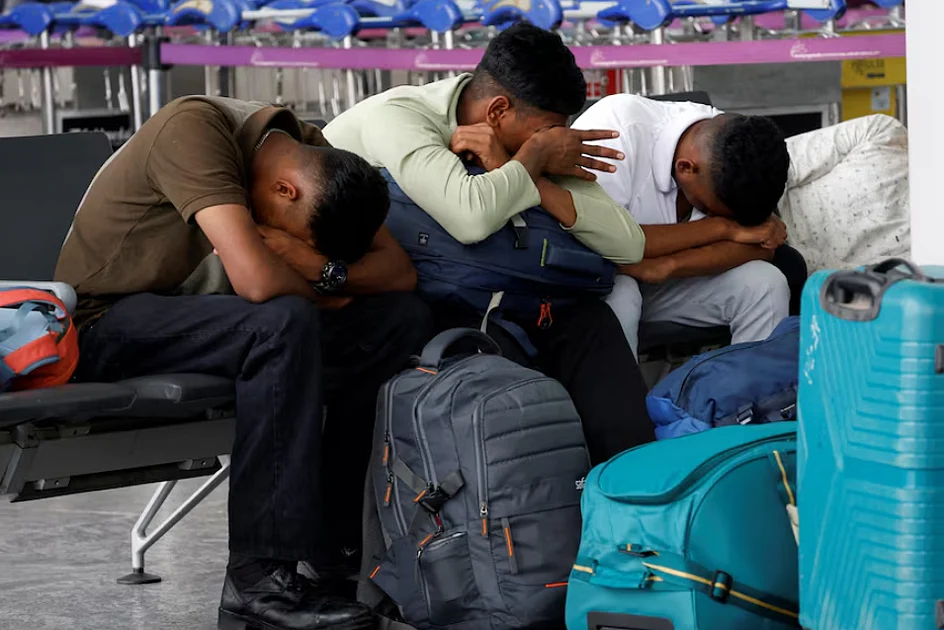
    IndiGo Airlines CEO Pieter Elbers has issued a formal public apology following days of severe operational disruptions that culminated in massive flight cancellations on December 5, 2025. The carrier cancelled over 1,000 flights—representing more than half of its daily operations—stranding passengers across Indian airports and creating widespread travel chaos.

    Elbers characterized December 5 as the ‘most severely impacted day’ of an ongoing operational crisis that has persisted for several days. The CEO outlined a three-point action plan to address the situation and restore normal operations.

    The comprehensive strategy includes enhanced customer communication with detailed refund information and support measures, a request for passengers with cancelled flights to avoid airports to prevent congestion, and a full system ‘reboot’ implemented on December 5. This reboot involved strategic cancellations to properly align aircraft and crew resources for a fresh operational start on December 6.

    Elbers acknowledged that previous measures proved insufficient, necessitating the complete operational reset. The airline has increased call center capacity and expects cancellations to drop below 1,000 flights by Saturday, with a full return to normal operations projected between December 10 and 15.

    The CEO expressed gratitude to India’s Directorate General of Civil Aviation for providing regulatory flexibility regarding Flight Duty Time Limitations (FDTL) during the crisis. Elbers concluded by recognizing the shaken customer confidence in IndiGo and pledged that frontline staff and teams are working relentlessly to restore trust in the airline’s services.

  • Australia take lead in second Ashes Test as England fumble at the Gabba

    Australia take lead in second Ashes Test as England fumble at the Gabba

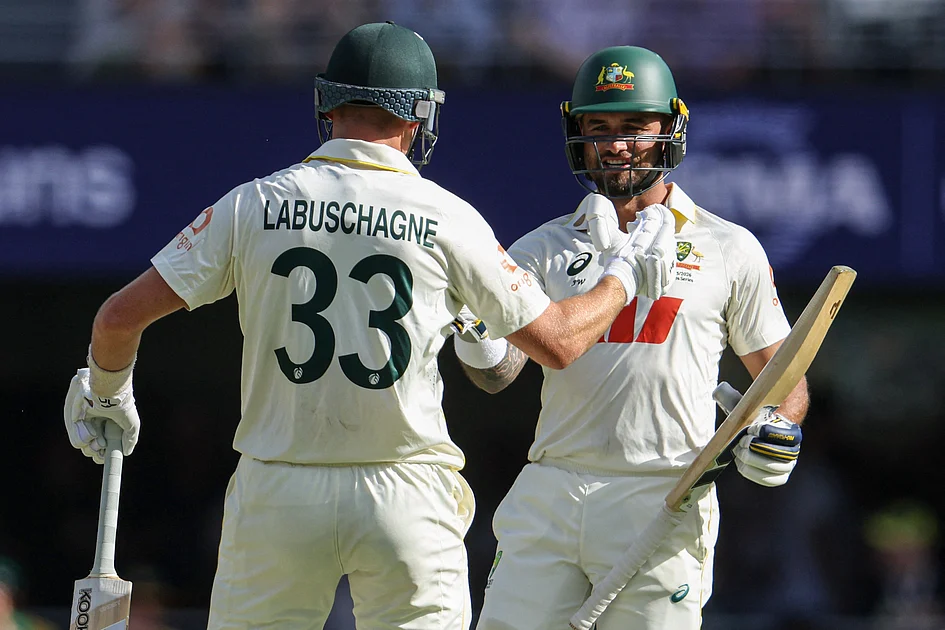
    Australia established a commanding position on day two of the second Ashes Test at Brisbane’s Gabba ground, capitalizing on a disastrous fielding performance from England that saw five dropped catches. The hosts finished Friday’s play at 378 for six, building a 44-run lead over England’s first-innings total of 334.

    Australia’s batting lineup delivered a comprehensive assault on a docile pitch, with Jake Weatherald (72), Marnus Labuschagne (65), and Steve Smith (61) all registering half-centuries. The innings showcased Australia’s adaptation of England’s aggressive ‘Bazball’ approach, maintaining a run-rate comfortably above five throughout the day.

    England’s fielding woes began early when wicketkeeper Jamie Smith dropped opener Travis Head on just three runs. The errors multiplied under the floodlights during the final session, with Ben Duckett responsible for two missed opportunities—first denying Alex Carey a dismissal on zero, then failing to hold a chance from Josh Inglis. The calamities continued as Joe Root spilled a one-handed chance in the slips that would have removed Carey on 25.

    The sole fielding highlight for England came when all-rounder Will Jacks pulled off a spectacular diving catch to dismiss Smith, denying the Australian captain a more substantial score. Bowler Brydon Carse eventually rallied from expensive figures to claim three wickets, including the prized scalp of Smith, though he conceded 113 runs at 6.6 per over.

    Australian number three batter Labuschagne emphasized the importance of ending the day only six wickets down: ‘It gives us bit of time in the morning session and obviously pushes our bowling later into the night.’

    England, trailing 1-0 in the series after losing the Perth opener, face mounting pressure to dismiss Australia quickly on day three. Former captain Joe Root remained optimistic despite the setbacks: ‘We’ve obviously got some more work to do tomorrow, but certainly, we’re well and truly in this game.’

    The match situation was further complicated by England captain Ben Stokes suffering cramp that limited his bowling contribution during the crucial final session.

  • Single women risk rape and exploitation in search for better life in Europe

    Single women risk rape and exploitation in search for better life in Europe

    A disturbing trend is emerging across European migration routes as growing numbers of women undertake perilous journeys alone, facing unprecedented risks of sexual violence and systemic challenges in obtaining asylum protection.

    Esther’s harrowing experience exemplifies this crisis. Having fled an abusive foster home in Lagos in 2016, she was lured by promises of European opportunity only to be forced into sexual slavery in Libya. ‘She locked me in a room and brought in a man. He had sex with me, with force. I was still a virgin,’ Esther recounts. Her traumatic journey included desert crossings, Mediterranean sea rescue, and four years of navigating complex asylum systems across multiple countries.

    Statistical evidence confirms this alarming pattern. The International Rescue Committee’s 2024 report documented a 250% annual increase in single adult women arriving in Italy via the Balkan route, while family migrations grew by 52%. Despite men comprising approximately 70% of irregular migrants according to the European Agency for Asylum, women face distinctly dangerous circumstances.

    ‘Their experiences are different and often riskier,’ explains Ugochi Daniels of the International Organization for Migration (IOM). ‘Even women travelling in groups frequently lack consistent protection, exposing them to abuse by smugglers, traffickers, or other migrants.’

    The IOM recorded 3,419 migrant deaths or disappearances in Europe last year—the deadliest year on record. For women, the journey carries additional threats of sexual exploitation. Many women consciously prepare for the likelihood of rape, packing condoms or obtaining contraceptive devices beforehand.

    Hermine Gbedo of anti-trafficking network Stella Polare reveals the grim economic reality: ‘All migrants must pay smugglers, but women are often expected to offer sex as part of the payment.’

    Legal frameworks theoretically protect gender-based violence survivors. The Council of Europe’s Istanbul Convention and a landmark EU court ruling last year recognize gender-based violence—including psychological, physical, and sexual violence plus FGM—as legitimate grounds for asylum. However, implementation remains inconsistent.

    Marianne Nguena Kana of the End FGM European Network identifies critical shortcomings: ‘Many asylum officials are inadequately trained men who may dismiss cases with flawed reasoning—such as assuming previously mutilated women face no further risk.’

    Proof remains another significant hurdle. Carenza Arnold of Women for Refugee Women notes: ‘Sexual violence leaves no visible scars like physical torture, and cultural taboos complicate disclosure to strangers in rushed immigration procedures.’

    Political responses are increasingly restrictionist. Italian MP Nicola Procaccini asserts: ‘We cannot sustain mass migration. We can guarantee safety only to those genuinely in danger.’ Policy Exchange’s Rakib Ehsan advocates ‘controlled compassion’ that prioritizes ‘women in conflict zones where rape is a weapon of war.’

    Yet many women from ‘safe’ countries like Kosovo report unbearable gender-based persecution. Nina, granted asylum in Italy after sexual exploitation by partners, explains: ‘People think everything is well in Kosovo, but that’s not true. Things are terrible for women.’ An OSCE report indicated 54% of Kosovar women experienced intimate partner violence.

    For survivors like Esther who finally obtained refugee status in 2019 after three attempts, the psychological scars endure. Reflecting on her decade-long journey, she questions: ‘I don’t even know the reason why I came to this place.’ As European nations tighten asylum regulations, the protection gap for vulnerable women migrants continues to widen.