博客

  • Presidents of Venezuela and Turkiye discuss military deployment in Caribbean

    Presidents of Venezuela and Turkiye discuss military deployment in Caribbean

    In a significant diplomatic development, Venezuelan President Nicolas Maduro and Turkish President Recep Tayyip Erdogan held a strategic phone conversation on Saturday addressing escalating military tensions in the Caribbean region. The discussion centered on what both leaders characterized as aggressive military posturing by external powers threatening regional stability.

    Venezuelan Foreign Minister Yvan Gil disclosed that President Erdogan expressed profound concern regarding recent threats facing Venezuela, specifically referencing military deployments and actions purportedly designed to undermine peace and security in the Caribbean basin. The two leaders engaged in comprehensive dialogue about contemporary global geopolitics and international developments with implications for worldwide stability and humanity’s future.

    President Maduro condemned ongoing military maneuvers in the Caribbean as “illegal, disproportionate, unnecessary and even extravagant” acts of aggression. He reaffirmed Venezuela’s commitment to peaceful resolution despite mounting pressures. Concurrently with the diplomatic exchange, Venezuela conducted a swearing-in ceremony for 5,600 new soldiers at Fuerte Tiuna, the nation’s largest military complex in Caracas.

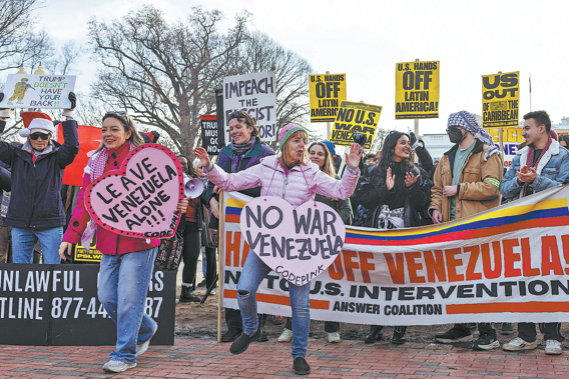
    The military expansion comes in response to the United States deploying a substantial naval contingent to the region, including the world’s largest aircraft carrier, under the justification of combating narcotics trafficking. Recent operations have resulted in US forces striking over 20 vessels with reported casualties exceeding 87 lives.

    Colonel Gabriel Rendon, during the military ceremony, emphatically stated: “Under no circumstances will we allow an invasion by an imperialist force.” Venezuela maintains approximately 200,000 active troops with an additional 200,000 police officers according to official statistics.

    Beyond security matters, the bilateral discussion encompassed enhanced economic cooperation. President Maduro expressed Venezuela’s determination to advance trade relations with Turkey toward a mutual goal of $3 billion in annual commerce. Both parties acknowledged the importance of reestablishing direct flight connectivity between Caracas and Istanbul to facilitate tourism and investment flows. This follows Turkish Airlines’ recent suspension of Venezuelan operations due to US Federal Aviation Administration safety advisories.

    President Maduro extended a formal invitation for President Erdogan to visit Venezuela in the upcoming year for the fifth Joint Cooperation Commission meeting, signaling continued alignment between the two nations.
  • Bookstore in sinkhole deepens readers’ interest

    Bookstore in sinkhole deepens readers’ interest

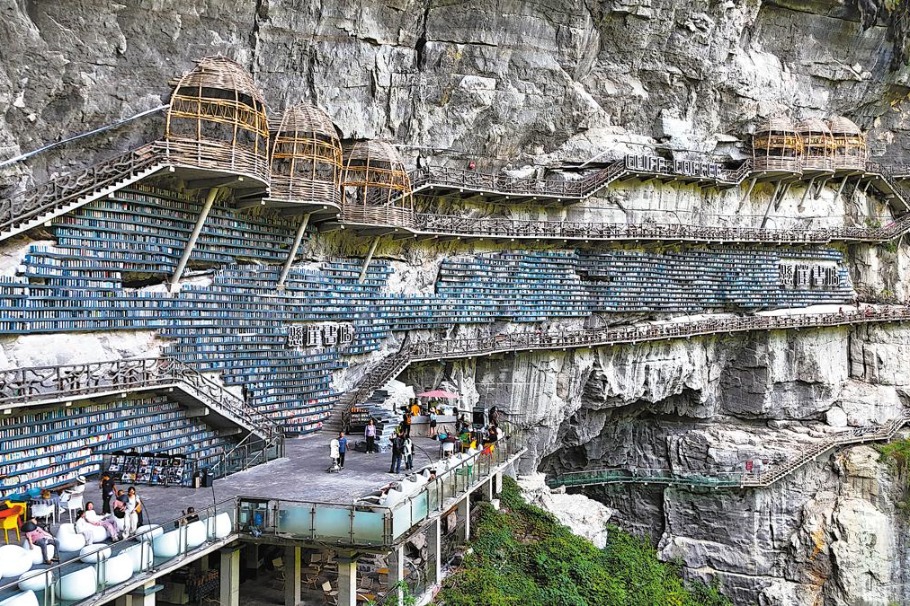
    Deep within the spectacular 326-meter Mianhua Sinkhole in China’s Guangxi Zhuang Autonomous Region, an architectural marvel has emerged that seamlessly blends literature with geological wonder. The cliffside bookstore, carved into the karst rock formations of Hechi city, has rapidly evolved into an international cultural destination since its inauguration in May 2025.

    Perched precariously along the sinkhole’s vertical walls, the open-air literary sanctuary boasts an impressive collection of over 10,000 volumes arranged across 150 meters of cliff face, creating what visitors describe as a ‘floating canyon of knowledge.’ Accessing this unique cultural space requires navigating an exhilarating 1,000-step plank pathway etched into the limestone cliffs—a journey that transforms into a metaphorical pilgrimage for literature enthusiasts.

    The bookstore’s creation presented extraordinary engineering challenges due to the unstable karst topography. He Zhijian, the visionary founder, revealed that specialized anchoring technology was essential for ensuring structural safety, comparing the construction process to ‘performing acrobatics on a cliff.’ His inspiration stemmed from innovative bookstore concepts in Japan and Hangzhou, though the sinkhole adaptation represents an entirely unprecedented approach to literary architecture.

    Remarkably, the natural geological formation provides perfect protection from the elements, allowing books to remain completely dry regardless of weather conditions. This natural sheltering effect enables visitors to enjoy reading experiences surrounded by breathtaking panoramic views of the sinkhole’s dramatic interior.

    Beyond its cultural significance, the project has catalyzed substantial regional economic development. Wu Taichang, General Manager of Guangxi Luocheng Mianhua Tiankeng Tourism Development Company, emphasized how the attraction encourages extended visitor engagement through additional facilities including a cliffside café, hotel accommodations, and pathways leading to the sinkhole’s base. The surrounding area now features a 600-square-meter sinkhole theater and recently hosted its inaugural Music Festival, further enhancing the site’s cultural offerings.

    The development has transformed the fortunes of previously isolated Mianhua village, where geographical constraints once limited agricultural possibilities. Today, the project has generated over 90 local employment opportunities from 108 total staff members, while attracting collective investments from seven neighboring villages. Dividend distributions have surpassed 4 million yuan ($570,000), significantly boosting regional economic prosperity while preserving local communities.

    This innovative fusion of cultural space and natural wonder demonstrates how strategic tourism development can simultaneously preserve geological heritage, promote literary culture, and generate sustainable economic benefits for remote communities.

  • Paired assistance provides aid to remote plateau settlements

    Paired assistance provides aid to remote plateau settlements

    For fifteen consecutive years, the Huangnan Tibetan Autonomous Prefecture in China’s northwestern Qinghai province has witnessed remarkable transformation through a comprehensive regional assistance initiative. This program, mandated by China’s central government, pairs economically advanced eastern regions with less developed areas to foster balanced national development.

    Tianjin municipality has emerged as a key partner for Huangnan, channeling substantial resources into infrastructure, healthcare, and education since 2010. The collaboration represents one of China’s most enduring regional pairing programs, designed to bridge development gaps between coastal and inland regions.

    Infrastructure development has been a cornerstone achievement. In Hornasha township, situated approximately 3,000 meters above sea level, Tianjin allocated 15 million yuan ($2.1 million) to construct a 41.7-kilometer road network connecting four administrative villages. Completed in 2022, this transportation infrastructure has replaced previously treacherous paths that became impassable during rainy seasons and dangerously icy in winter.

    The road infrastructure has dramatically improved mobility and economic opportunities for local residents. Nyangga, a 76-year-old village shopkeeper, reported that travel time to Tongren city has reduced from a three-hour trek by mule or foot to a 40-minute drive.

    Complementing transportation upgrades, Tianjin engineers completed a critical water-supply project in October 2019, delivering potable water to both residents and livestock. The system features pipelines buried 2.6 meters underground to prevent freezing during harsh plateau winters, replacing dependence on collected rainwater.

    Healthcare transformation has been equally significant in Zekog county, where 95% of the 80,000 residents are Tibetan. A specialized medical team from Tianjin, led by Dr. Fan Hongguang, has strengthened local medical services through regular outreach across eight townships and 64 villages. The team focuses on treating and raising awareness about prevalent conditions including hypertension, diabetes, and respiratory infections.

    The medical mission has established 34 mentor-student partnerships, cultivated 15 core local medical professionals, conducted over 500 training sessions, and facilitated medical licensing for nine staff members. Dr. Li Peng, a Tianjin radiologist working at Zekog’s People’s Hospital, emphasized his commitment to enhancing local diagnostic capabilities.

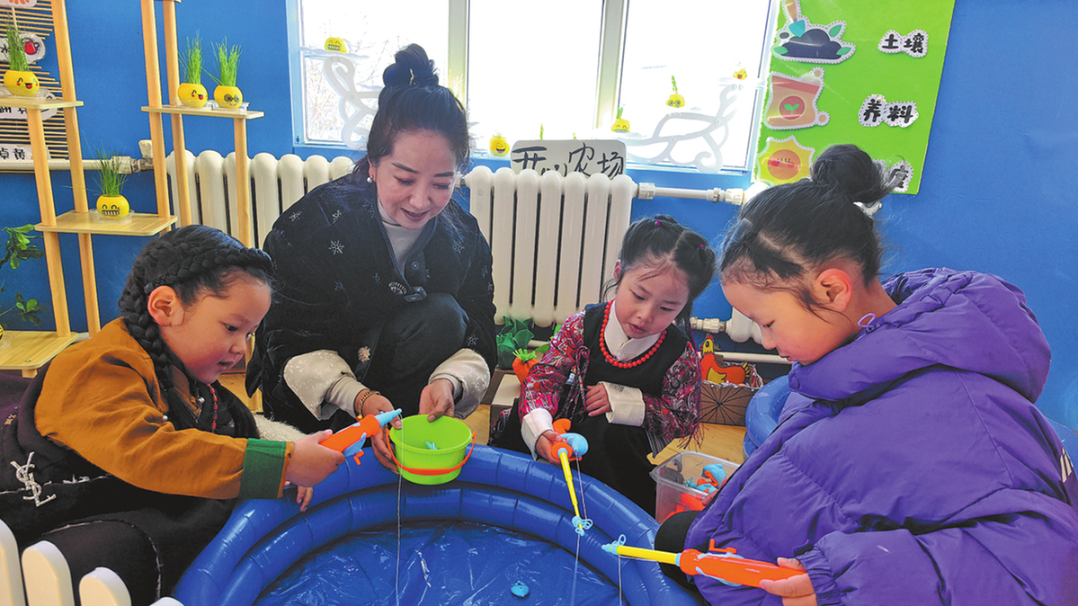
    Educational advancement has manifested through the construction of the Central Kindergarten in Quze town, a 4,320-square-meter facility built with 15 million yuan in Tianjin funding between 2017-2022. The institution now serves 252 children across seven classes with 27 staff members, equipped with digital screens, playhouses, science learning spaces, and comprehensive outdoor facilities.

    According to Yamma Tso, the kindergarten principal, the facility has eliminated the previous practice of preschool children studying alongside primary school students. The principal noted that Tianjin’s support has significantly broadened educational horizons for plateau children.

    Overall, Tianjin has invested approximately 2 billion yuan in Huangnan, supporting 661 distinct projects aimed at comprehensive economic and social development. Pei Zhi, Chief Commander of the Tianjin Aid Qinghai Command Post, emphasized the program’s commitment to directing resources where they are most needed while ensuring residents tangibly experience the benefits of development assistance.

  • Yangtze plan shows path forward for delta’s future

    Yangtze plan shows path forward for delta’s future

    The Chinese government has unveiled a landmark territorial spatial plan for the Yangtze River Delta region, charting an ambitious development course through 2035. Approved by the State Council, this national-level blueprint positions the economically vital region as a pioneering demonstration zone for China’s modernization efforts.

    The comprehensive plan emphasizes technological advancement and industrial innovation as core drivers for regional development. It specifically identifies the G60 Science and Technology Innovation Valley as a priority area for spatial resource allocation while calling for optimized industrial land distribution along Yangtze River and coastal zones. The strategy includes relocating traditional industries to northern Jiangsu and Anhui provinces, particularly riverside areas of Anhui, to facilitate industrial upgrading.

    According to Ruan Qing, executive deputy director of the economic and finance commission of Shanghai’s CPPCC Committee, delta cities must leverage their technological strengths during this period of resource reorganization. He emphasized the need for standardized technology-supportive policies across the region to advance high-quality development of innovation-driven industrial clusters.

    The plan designates Shanghai as the integration leader for its metropolitan area, including surrounding cities Suzhou, Wuxi, and Changzhou. Additionally, it mandates coordinated spatial planning with major regional centers Nanjing, Hangzhou, Hefei, and Ningbo to establish a world-class city cluster.

    Zhang Zhongwei, deputy director of the Shanghai Development and Reform Commission, highlighted that metropolitan agglomerations will strengthen regional commuting networks and develop specialized functional zones. He identified cross-regional coordination as essential for technological innovation, logistics improvement, green development, and economic resilience over the next five years. Zhang further noted that cross-regional legislation could enhance governance stability and institutional benefits.

    The blueprint also addresses maritime development, urging coastal areas to bolster their roles as port and shipping hubs while promoting orderly development of deep-sea space to harness marine potential. This aligns with regional economic data showing the eastern coastal marine economy, centered on the Yangtze River Delta, achieved record output exceeding 3.34 trillion yuan ($472 billion) last year, accounting for 11.9% of regional GDP.

    The plan establishes strict conservation boundaries, including bottom lines for cultivated land preservation, ecological protection red-line zones, and total water consumption management throughout the region.

  • Academics address risks of AI misuse

    Academics address risks of AI misuse

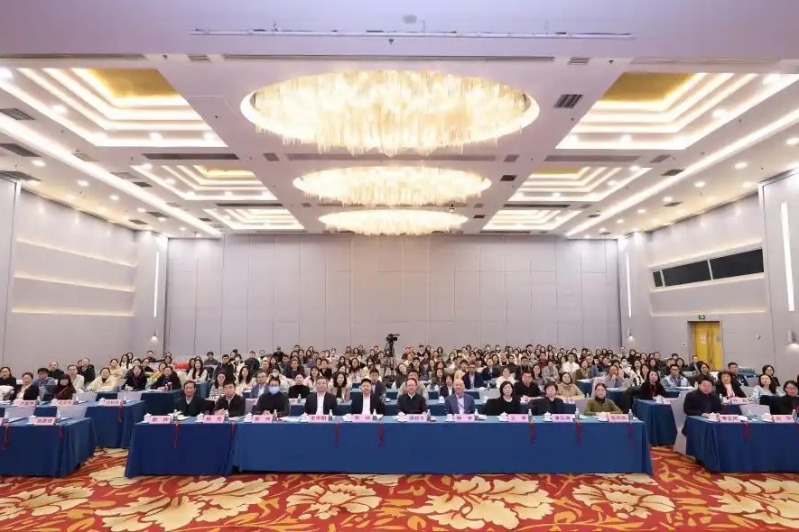
    Over 100 leading researchers convened in Beijing on December 8, 2025, for the second Yuyuantan Conference on Research Integrity, addressing critical challenges in artificial intelligence adoption within academic circles. The gathering marked the release of the comprehensive Guideline on the Boundaries of AI-Generated Content Usage in Academic Publishing 3.0, establishing unprecedented standards for ethical AI implementation throughout research processes.

    The newly unveiled framework provides detailed protocols across all stages of academic work, from literature review to post-publication practices. While endorsing AI assistance for reference collection, categorization, and conclusion summarization, the guideline mandates rigorous human verification of all AI-generated content. It specifically addresses the risks of fabricated citations, outdated references, and algorithmic hallucinations, requiring researchers to maintain ultimate accountability for all published content.

    Academician Tan Tieniu of the Chinese Academy of Sciences emphasized the fundamental principle of researcher responsibility during his keynote address. ‘We must clarify researchers’ primary accountability as AI users and standardize disclosure requirements for AI utilization in academic papers,’ stated Tan, who also serves as Secretary of the Communist Party of China Nanjing University Committee. He advocated for expanded AI training programs and international collaborative governance to establish universal norms and advance Chinese technological standards globally.

    The timing of these developments coincides with revealing data from Elsevier’s Research of the Future report, which surveyed over 3,200 researchers across 113 countries. The study identifies Chinese researchers as the world’s most active AI adopters, with 69% reporting utilization compared to the global average of 58%. Approximately 66% of Chinese respondents expressed confidence in AI’s potential to enhance research quality.

    Gemma Hersh, Elsevier’s Senior Vice-President for Primary Research, acknowledged China’s leadership in both technological innovation and research quality improvement. ‘China has always published substantial research, but the last decade has witnessed remarkable quality enhancement—a significant achievement potentially accelerated by AI adoption,’ Hersh noted. She highlighted transparency and traceability as universal needs within the research community, with Elsevier developing supportive tools including Scopus AI, ScienceDirect AI, and the upcoming Leap Space platform.

    Associate Professor Geng Peng of Tianjin Foreign Studies University’s School of Communication praised the guidelines for establishing clear boundaries, research norms, and disciplinary evaluation criteria. The framework provides explicit guidance for researchers to utilize AIGC tools as scientific assistants while maintaining academic integrity and human oversight throughout the research lifecycle.

  • Screen ban urged to protect kids’ eyesight

    Screen ban urged to protect kids’ eyesight

    Chinese health and education authorities have unveiled comprehensive guidelines implementing a total prohibition of electronic screen exposure for children aged 0-3 years. This decisive measure forms part of an ambitious national initiative to safeguard children’s physiological ‘far-sight reserve’ and combat the escalating myopia epidemic at its developmental origins.

    The joint policy directive, issued by the Ministry of Education, National Health Commission, and National Disease Control and Prevention Administration, highlights the critical importance of preserving natural hyperopic conditions in early childhood. Normally present at birth (approximately 250-300 degrees), this far-sight reserve gradually diminishes through adolescence, typically stabilizing into normal vision between ages 12-15. Premature depletion serves as a primary indicator for myopia development.

    Alarming statistics reveal myopia incidence among Chinese schoolchildren reached 51.9% in 2022, with high school students exceeding 80% prevalence. This follows the ministry’s 2021 classroom smartphone prohibition, now expanded to encompass earlier developmental stages.

    Age-specific interventions include:
    • 0-3 years: Complete screen avoidance, minimum 10 hours daily sleep, and maximized outdoor sunlight exposure
    • 3-6 years: Outdoor activity prioritization with minimal screen contact, replacing academic preparation with visual-tracking games
    • School-aged children: Mandatory two-hour daily outdoor activities and development-appropriate exercise plans

    Healthcare institutions must conduct regular refractive screenings at ages 2-6, while schools perform biannual vision assessments with standardized monitoring of far-sight reserve trends. Children identified with deficient reserve will receive targeted interventions and specialist referrals.

    The guidelines emphasize parental responsibility through role modeling—reducing personal screen usage during family time—and creating vision-healthy environments with ergonomic furniture and enforced 20-20-20 rules (20-second distance-viewing breaks every 20 minutes). Educational institutions will assign physical education homework and utilize parent-teacher meetings to disseminate scientific eye care knowledge, supported by enhanced training for school medical staff.

    This multi-faceted approach establishes collaborative protection mechanisms engaging families, educational institutions, medical facilities, and communities in preserving juvenile ocular health from infancy through adolescence.

  • One hundred abducted schoolchildren released in Nigeria

    One hundred abducted schoolchildren released in Nigeria

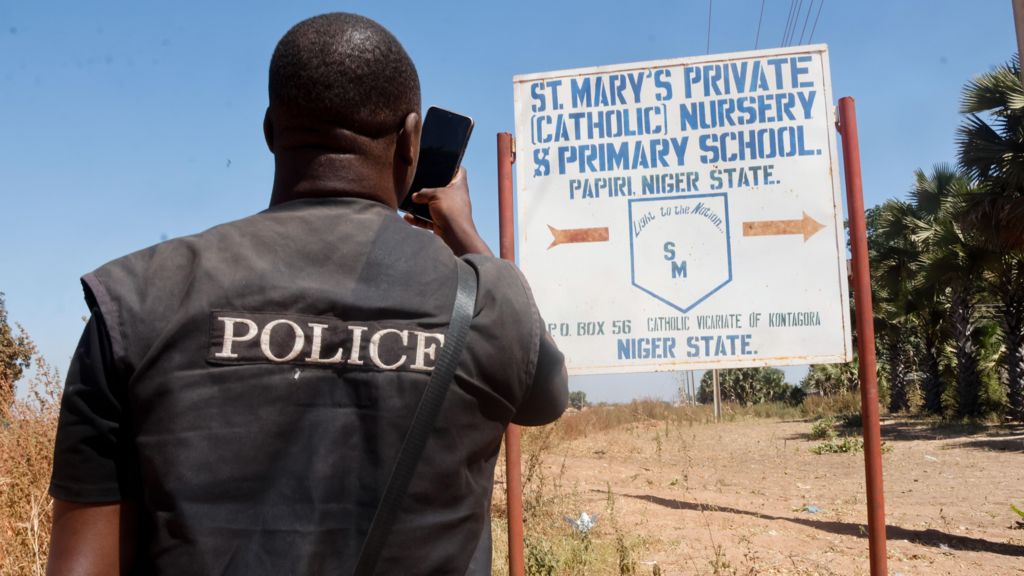
    Approximately 100 students kidnapped from St Mary’s Catholic school in Nigeria’s central Niger state last month have been successfully released, according to official confirmations from both religious and law enforcement authorities. The development marks a partial resolution to one of the latest mass abductions that have gripped the nation.

    Niger State Police Commissioner Adamu Abdullahi Elleman and Bishop Bulus Dauwa Yohanna, the local Catholic leader overseeing the school, independently verified to BBC that they received official notification regarding the children’s liberation. Government authorities indicated that the reunification process between the freed students and their families would commence on Monday, though specific operational details remain classified.

    The November 21st assault on St Mary’s Catholic school in Papiri resulted in the abduction of more than 250 students alongside 12 staff members, representing merely one incident in an escalating pattern of coordinated kidnappings targeting educational and religious institutions across northern and central Nigeria.

    Critical aspects surrounding the release operation remain shrouded in secrecy. Authorities have not disclosed whether the children’s freedom was achieved through tactical military intervention or negotiated settlement, nor have they confirmed if financial ransoms were exchanged. Abdullahi Sule, Governor of neighboring Nasarawa state, acknowledged the federal government’s pivotal involvement while emphasizing that operational sensitivities prevent full transparency regarding the rescue methodology.

    The liberation follows last week’s visit to Papiri by National Security Adviser Nuhu Ribadu, who personally assured community representatives led by Bishop Yohanna that authorities were prioritizing the safe recovery of all captives.

    This incident occurs within a broader context of intensified attacks against soft targets. Mere days before the St Mary’s abduction, parallel incidents unfolded at the Christ Apostolic Church in Kwara state (resulting in two fatalities and 38 kidnappings) and Government Girls’ Secondary School in Kebbi state (where two were killed and 25 Muslim students captured). While victims from these prior attacks have since gained freedom, the systematic targeting continues unabated.

    Just last week, armed assailants seized approximately 20 individuals across two separate events—including worshipers at a newly established church in Kogi state and wedding participants in predominantly Muslim Sokoto state.

    Analytical consensus predominantly attributes these kidnappings to criminal syndicates seeking monetary gains, though presidential representatives have alternatively suggested jihadist involvement. Nigeria’s official prohibition of ransom payments intends to disrupt terrorist financing, though widespread noncompliance reportedly persists.

    The security crisis attracted international scrutiny when former US President Donald Trump recently threatened potential military intervention should Christian persecutions continue. Nigerian officials counter that violence affects all religious communities equally, rejecting allegations of sectarian targeting.

  • Woman who blackmailed Son Heung-min gets four years in jail

    Woman who blackmailed Son Heung-min gets four years in jail

    A Seoul district court has delivered a decisive verdict in a high-profile blackmail case targeting international football sensation Son Heung-min. The court sentenced a woman in her twenties to a four-year prison term for orchestrating an elaborate extortion scheme against the athlete. Her male accomplice, in his forties, received a two-year sentence for attempted blackmail.

    The criminal operation unfolded when the woman falsely claimed to be pregnant with Son’s child, despite having no factual basis for this assertion. The defendants subsequently demanded 300 million won (approximately $200,000) from the footballer, threatening to publicize the fabricated pregnancy claim unless their financial demands were met.

    According to court proceedings and AFP reports, the woman utilized the extorted funds to purchase luxury designer goods. Prosecutors revealed that the defendant attempted to position herself as a victim receiving compensation, but the court found her claims inconsistent with evidence demonstrating thorough premeditation.

    The scheme escalated when the perpetrators attempted to extract additional payments earlier this year, prompting Son to involve law enforcement authorities. The presiding judge noted that the defendants deliberately exploited Son’s celebrity status for financial gain, causing the athlete significant mental distress particularly after media coverage of the case.

    This verdict comes during a notable period in Son’s professional career. The 33-year-old forward recently concluded a decade-long tenure with Tottenham Hotspur to join Los Angeles Football Club in August, marking the most expensive transfer in Major League Soccer history. In October, he was recognized as the second-highest paid footballer in MLS.

    Son’s accomplishments include becoming the first Asian player to win the Premier League Golden Boot in 2022 while with Tottenham, solidifying his status as one of Asia’s most celebrated football exports. The blackmail case has drawn significant attention across South Korea and the Asian region where Son maintains substantial popularity.

  • Children’s smartwatches raise concerns about peer pressure, exclusion

    Children’s smartwatches raise concerns about peer pressure, exclusion

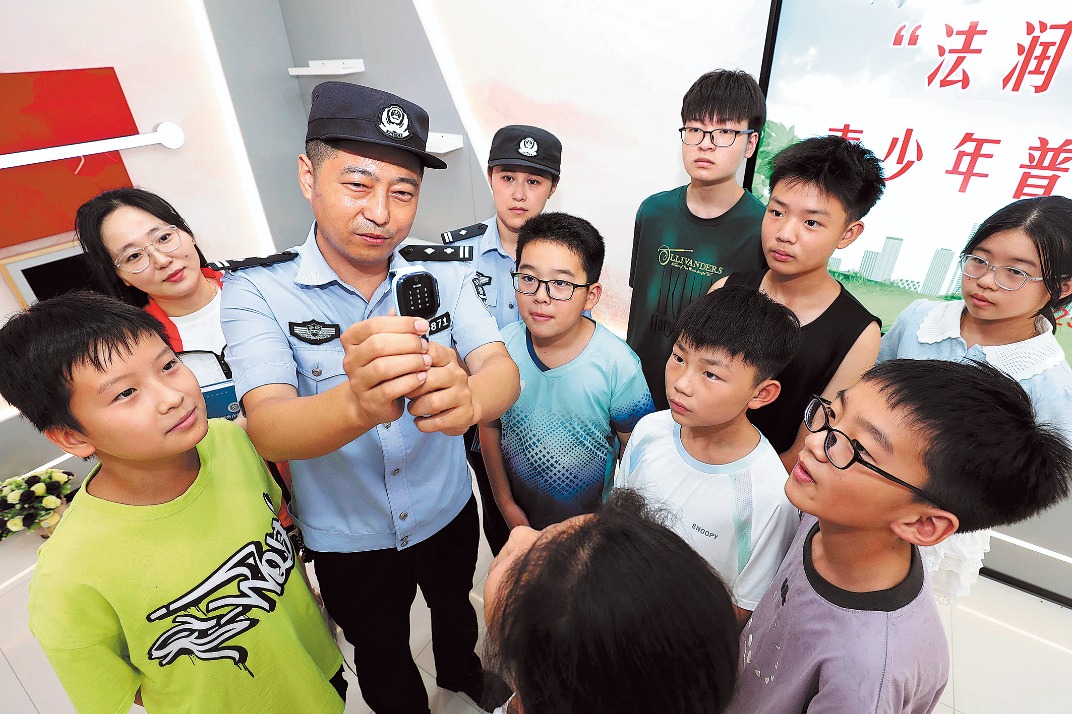
    Across China, children’s smartwatches have undergone a remarkable transformation from basic safety devices to sophisticated social platforms, creating a complex digital ecosystem for young users. This evolution presents both unprecedented connectivity opportunities and serious challenges regarding digital addiction and social pressure among children.

    Eleven-year-old Yu Zexi from Changzhou represents the tech-savvy generation that has embraced these devices. With over three years of experience and more than 70 contacts on her watch, she actively engages in social functions resembling WeChat, sharing life updates and photos with peers. Despite her proficiency, Yu demonstrates self-awareness about the addictive nature of these devices, having attempted to bypass parental controls when her father restricted functionality.

    The social dynamics created by these watches reveal concerning patterns. Huang Lei, Yu’s classmate, observes that some children treat social interactions on these platforms as transactional, with friendships becoming conditional on digital engagement. “Some classmates will delete you from their friends list if you don’t like their posts,” Huang noted, describing the phenomenon as “a threat to your friendship.”

    For parents like Zhu Yuyan from Hangzhou, the journey with smartwatches began with safety considerations. Her son received his first device as a birthday gift in first grade, later upgrading to a more advanced model in fourth grade primarily to match what classmates were using. Like many parents, Zhu maintains strict boundaries, allowing usage only during outdoor activities or interest classes rather than regular school days.

    Educators and child development experts are calling for increased supervision and awareness of how these devices function as miniature smartphones on children’s wrists. The social features—including photo sharing, voice messaging, and liking systems—create digital environments where peer pressure and exclusion can manifest in new forms. The very devices intended to provide parents with peace of mind regarding physical safety are now raising concerns about psychological and emotional well-being in digital spaces.

    This technological shift requires balanced approaches that acknowledge both the benefits of connectivity and the potential risks of early digital addiction. As these devices continue to evolve, families, schools, and manufacturers must collaborate to establish healthy usage patterns that prioritize children’s overall development while navigating the complexities of digital socialization.

  • Man found guilty of Australian beach murder after hiding in India for years

    Man found guilty of Australian beach murder after hiding in India for years

    In a landmark verdict that concludes a seven-year pursuit of justice, Rajwinder Singh, a 41-year-old former nurse, has been found guilty of the brutal 2018 murder of Toyah Cordingley. The conviction was delivered by a jury in the Cairns Supreme Court on Monday, sparking an emotional outpouring from the public gallery.

    The case dates back to October 2018, when Ms. Cordingley, a 24-year-old health store worker and dedicated animal shelter volunteer, was killed during a routine Sunday afternoon walk with her dog on Wangetti Beach, a scenic coastal stretch between the tourist centers of Cairns and Port Douglas. The court heard harrowing details that she was stabbed at least 26 times with a sharp object before being partially buried in sand dunes, where she was later discovered by her father.

    Singh, originally from Punjab, India, was residing in the town of Innisfail at the time, approximately two hours from the crime scene. In a move prosecutors argued demonstrated consciousness of guilt, he fled to India the day after the victim’s body was found, abandoning his wife, three children, and parents. This initiated an extensive four-year international manhunt.

    The prosecution’s case, though largely circumstantial, presented compelling scientific evidence. A critical DNA sample recovered from a stick at the murder scene was statistically analyzed to be 3.8 billion times more likely to have originated from Singh than from an unrelated individual. Furthermore, digital evidence indicated that the movements of Ms. Cordingley’s mobile phone precisely matched the trajectory of Singh’s vehicle immediately following the attack.

    This trial marked the second judicial proceeding against Singh, following a previous trial in March that concluded with a hung jury, unable to reach a unanimous decision. The conviction brings a measure of closure to a case that horrified and united the local community, where Ms. Cordingley was remembered as a well-loved and respected individual. Singh is scheduled to return to court for a sentencing hearing.