博客

  • Hunt under way for Benin coup plotters and their hostages

    Hunt under way for Benin coup plotters and their hostages

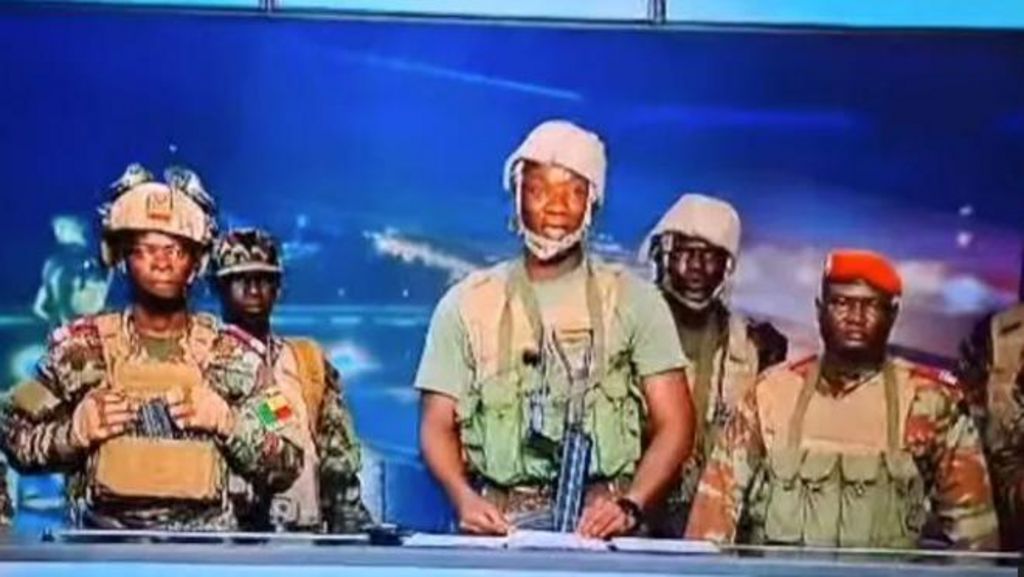
    Benin’s government has successfully suppressed a military mutiny after rebel soldiers attempted to seize power in the West African nation on Sunday. The crisis unfolded when armed insurgents stormed the national television station, appearing on state broadcasts to declare their takeover while gunfire erupted near the presidential residence in Cotonou.

    President Patrice Talon confirmed the situation was ‘totally under control’ following intervention by regional ally Nigeria, whose fighter jets assisted in dislodging coup plotters from strategic locations. The operation included targeted airstrikes in Benin’s largest city, where substantial explosions were reported throughout Sunday afternoon.

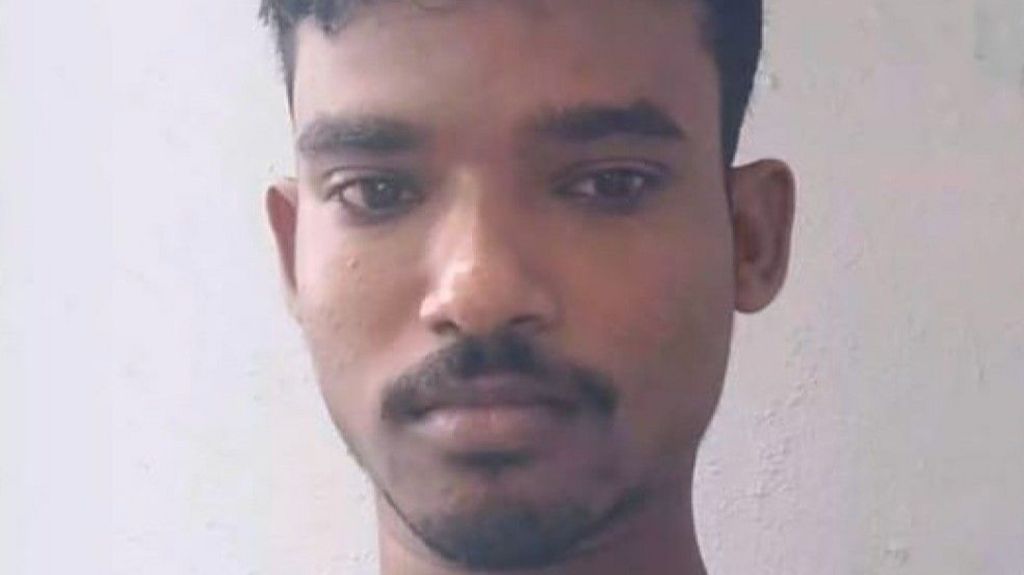
    Government spokesperson Wilfried Leandre Houngbedji disclosed that 14 individuals have been apprehended in connection with the attempted overthrow, including 12 who assaulted the television station headquarters. Among those detained is a previously dismissed soldier, while the alleged ringleader, Lieutenant Colonel Pascal Tigri, remains at large with an unknown number of hostages.

    In his national address, President Talon commended loyalist forces for clearing ‘the last pockets of resistance’ and vowed that ‘this treachery will not go unpunished.’ The 67-year-old leader expressed condolences to victims affected by the violence while reassuring citizens that stability had been restored.

    The coup attempt reflects broader regional instability, occurring just one week after Guinea-Bissau’s presidential overthrow. Benin had previously been regarded as one of Africa’s more stable democracies despite recent criticisms of Talon’s authoritarian tendencies and suppression of political opposition.

    Rebel soldiers justified their actions by citing grievances over national security deterioration along Benin’s northern border with Niger and Burkina Faso, where jihadist militants have expanded their influence. Additional complaints included inadequate support for military families, healthcare reductions, and recent tax increases.

    International responses included condemnations from ECOWAS and the African Union, while foreign embassies issued security alerts advising citizens to avoid Cotonou’s government district. The incident highlights growing regional security challenges as military regimes gain traction in neighboring Sahel states.
  • Thailand launches air strikes at Cambodia as border tensions reignite

    Thailand launches air strikes at Cambodia as border tensions reignite

    Southeast Asia faces renewed military confrontation as Thailand conducted aerial assaults against Cambodian positions on Monday, marking a severe escalation in long-standing border tensions. The Thai military command confirmed the deployment of aircraft to strike strategic targets after reporting casualties from Cambodian rocket fire.

    The offensive follows the collapse of a U.S.-brokered ceasefire agreement, with both nations accusing each other of violating the peace accord. Thailand’s armed forces disclosed that one soldier was killed and four others wounded during clashes concentrated in the Uran Ratchathani province border region.

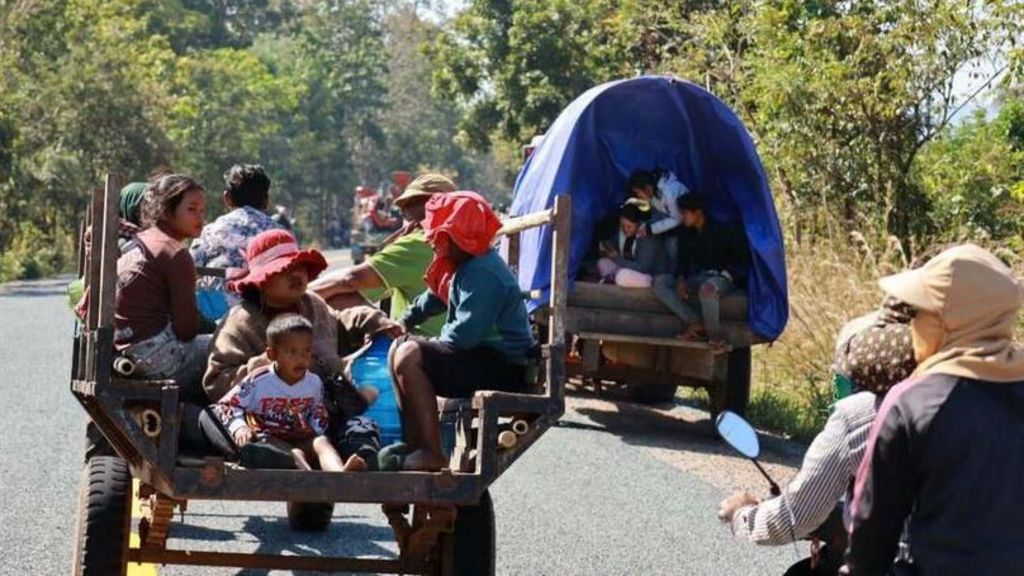
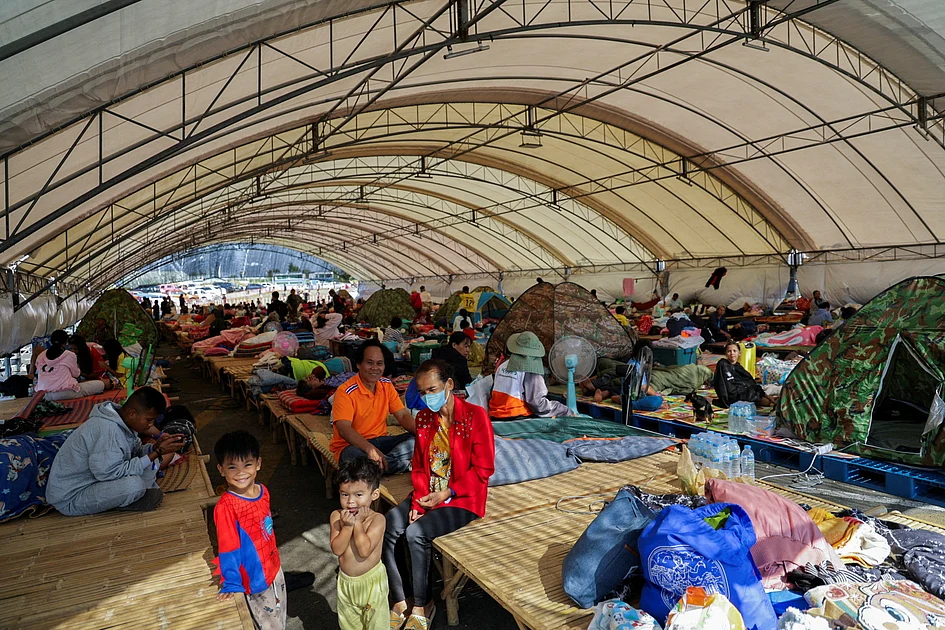
    Civilian displacement has reached critical levels, with Thai authorities evacuating approximately 385,000 residents from four border districts. More than 35,000 evacuees have already been relocated to temporary shelters as artillery exchanges threaten border communities.

    Cambodia’s Defense Ministry issued a counter-statement alleging that Thai forces initiated dawn attacks at multiple locations after days of provocations. Cambodian officials emphasized their troops exercised restraint despite what they characterized as aggressive actions by Thai military units.

    This confrontation represents the most serious breach of security since July’s five-day conflict that resulted in 48 fatalities and displaced 300,000 people. The previous ceasefire was negotiated through diplomatic intervention by former U.S. President Donald Trump and Malaysian Prime Minister Anwar Ibrahim, who witnessed the signing of an expanded peace agreement in Kuala Lumpur last October.

    The current escalation follows a recent landmine explosion that injured a Thai soldier, prompting Thailand to suspend its ceasefire implementation. Cambodia’s influential former leader Hun Sen characterized Thai military actions as provocations designed to elicit retaliation, urging Cambodian forces to maintain disciplined restraint despite established response protocols.

    The territorial dispute originates from imperfectly demarcated borders established during French colonial rule in 1907, with periodic violent outbreaks occurring along the 817-kilometer boundary despite numerous diplomatic resolution attempts.

  • Elon Musk’s X bans European Commission from making ads after €120m fine

    Elon Musk’s X bans European Commission from making ads after €120m fine

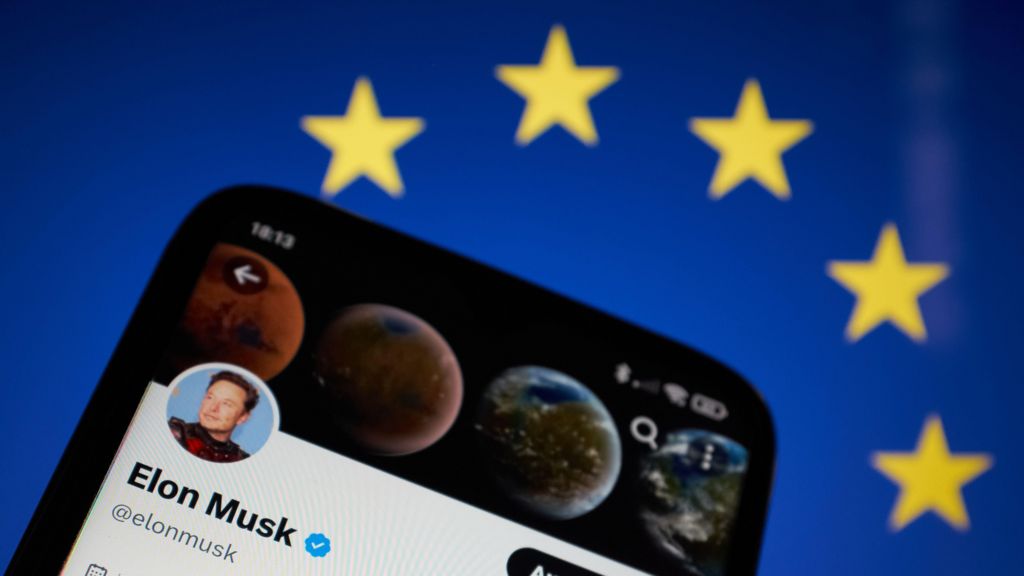
    In an unprecedented escalation of tensions between tech giants and regulators, X has terminated the European Commission’s advertising capabilities on its platform. This decisive action comes merely days after the social media company owned by Elon Musk received a landmark €120 million penalty from EU authorities for violations of the Digital Services Act.

    The conflict ignited when Nikita Bier, a senior X executive, publicly accused the EU regulator of attempting to exploit a vulnerability within the platform’s advertising mechanism. Bier asserted that the Commission had utilized a seldom-active account to artificially amplify reach for a post discussing the substantial fine, characterizing this maneuver as an abuse of system protocols. “It seems you believe that the rules should not apply to your account,” Bier stated unequivocally. “Your ad account has been terminated.”

    The European Commission responded through an official spokesperson, maintaining that their actions were conducted “always in good faith” and utilizing standard corporate tools provided by the platform itself. The spokesperson emphasized expectations that these tools should comply with both platform terms and the broader EU legislative framework.

    This confrontation stems from Friday’s groundbreaking penalty—the first ever levied under the EU’s Digital Services Act. Regulators determined that X’s revised blue verification system employs “deceptive” practices by no longer conducting meaningful user verification. This approach, according to official statements, “exposes users to scams, including impersonation frauds, as well as other forms of manipulation by malicious actors.”

    Additional concerns raised by the EU include insufficient advertising transparency and restricted data access for academic researchers. X now faces a 60-day window to address these issues regarding blue checkmarks or confront further penalties.

    The dispute has rapidly evolved into a transatlantic diplomatic matter. Elon Musk personally advocated for the abolition of the EU via his platform, while U.S. Secretary of State Marco Rubio and the Federal Communications Commission accused European regulators of targeting American companies with censorship tactics.

    This incident represents merely the latest chapter in X’s ongoing conflicts with global regulators. The platform previously faced restrictions in Brazil related to misinformation dissemination and penalties in Australia concerning child protection protocols, indicating a persistent pattern of regulatory challenges across international jurisdictions.

  • EU leader warns of US interference in Europe’s affairs as Russia praises Trump’s security vision

    EU leader warns of US interference in Europe’s affairs as Russia praises Trump’s security vision

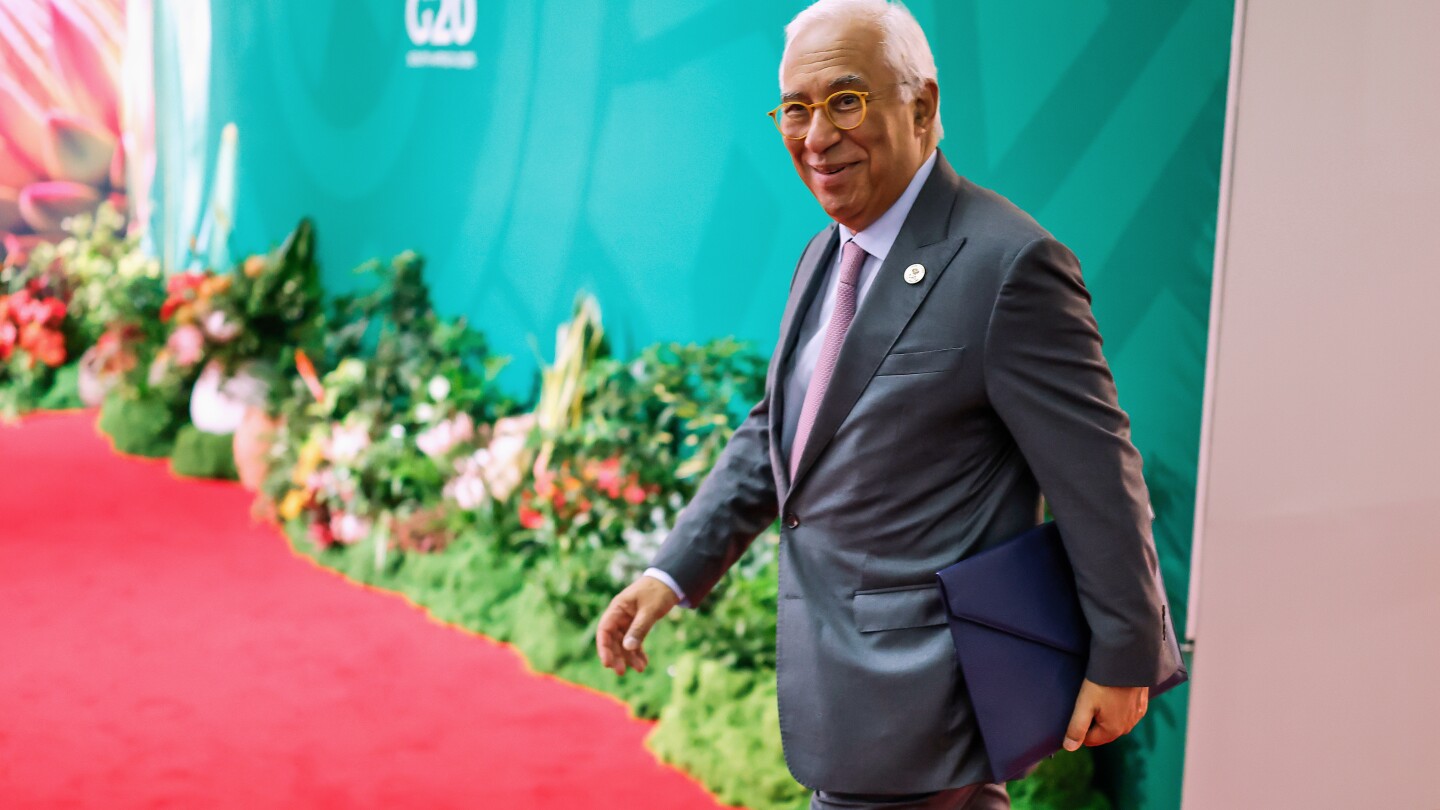
    BRUSSELS — European Council President António Costa issued a stern admonition to the United States on Monday, cautioning against external interference in European political affairs while asserting that only European citizens possess the right to determine their governing parties. The remarks came in direct response to the Trump administration’s newly published national security strategy, which characterizes European allies as weakened entities while extending implicit endorsement to far-right political movements across the continent.

    Speaking at the Jacques Delors Institute in Paris, Costa acknowledged the strategy’s classification of European nations as allies but emphasized that “allies don’t threaten to interfere in the domestic political choices of their partners.” The former Portuguese prime minister articulated Europe’s firm position: “The United States cannot replace European citizens in choosing what the good or the bad parties are.”

    The security document, which marks the Trump administration’s first formal policy framework since returning to office in January, has drawn praise from Russian officials while provoking consternation among European leaders. The strategy notably breaks from the approach of the previous Biden administration, particularly regarding Russia relations and European policy assessments.

    European Policy Centre Chief Executive Fabian Zuleeg characterized the document as potentially emboldening nationalist parties within Europe, warning that “Trump’s America is not an ally, but an adversary to Europe’s freedoms and fundamental values.” The strategy further criticizes European free speech and migration policies, suggesting allies face “civilizational erasure” that undermines their reliability as American partners.

    Costa countered these assertions by invoking historical lessons: “Our history has taught us that you can’t have freedom of speech without freedom of information.” He additionally cautioned against sacrificing informational freedom “for the aims of the tech oligarchs in the United States.”

    German government spokesperson Sebastian Hille, speaking in Berlin, reaffirmed the historical, economic and cultural bonds between Europe and the U.S. while rejecting the strategy’s critical tones. Hille maintained that political freedoms, including expression rights, constitute fundamental EU values, and dismissed accusations regarding their suppression as “more ideology than strategy.”

    The document’s approach to Russia has generated particular concern among European officials. While the strategy identifies ending the Ukraine conflict as a vital U.S. interest to “reestablish strategic stability with Russia,” Costa noted that Moscow’s approval signals problematic alignment: “The objective in this strategy is not a fair and durable peace. It’s only about the end of hostilities, and the stability of relations with Russia.”

    European intelligence assessments suggest Russia could be positioned to attack elsewhere in Europe within three to five years if it prevails in Ukraine. Hille emphasized Germany’s divergence from the U.S. assessment, noting: “The strategy doesn’t classify Russia as a threat; we don’t share this assessment. We are sticking with NATO’s joint analysis.” Despite these differences, Hille affirmed that trans-Atlantic cooperation remains “of central significance for our common security.”

  • All you need to know about Afcon 2025

    All you need to know about Afcon 2025

    Morocco prepares to stage an unprecedented Christmas edition of the Africa Cup of Nations as the continent’s premier football tournament kicks off on December 21st at Rabat’s Prince Moulay Abdellah Stadium. The 35th edition marks the first time Afcon will be contested during the festive period, creating both excitement and logistical challenges across the football world.

    The tournament structure features 24 nations divided into six groups, with hosts Morocco heading Group A alongside Mali, Zambia, and Comoros. Defending champions Ivory Coast face a formidable challenge in Group F against five-time winners Cameroon, while Group D presents an intriguing clash between Senegal and DR Congo. Egypt’s Mohamed Salah continues his quest for continental glory in Group B against South Africa, Angola, and Zimbabwe.

    Significant infrastructure investment precedes the tournament, with Morocco utilizing nine renovated stadiums across six host cities. The capital Rabat boasts four venues, including the 69,500-capacity Prince Moulay Abdellah Stadium that will host the final on January 18th. These developments serve as preparation for Morocco’s co-hosting of the 2030 World Cup alongside Spain and Portugal.

    Controversy surrounds player availability, with FIFA mandating a December 15th release date – seven days later than standard tournament protocols. Mali coach Tom Saintfiet condemned the decision as “catastrophic” for preparation time, accusing European clubs of disrespect toward African football. Premier League clubs face particular challenges, with players like Manchester United’s Bryan Mbeumo (Cameroon), Amad Diallo (Ivory Coast), and Noussair Mazraoui (Morocco) potentially missing critical domestic fixtures.

    Morocco enters as overwhelming favorites, riding an unprecedented 18-match winning streak in international football. The Atlas Lions have scored 50 goals while conceding only four during their 20-month unbeaten run. Other contenders include Senegal (2021 champions), Algeria, Egypt, and a resurgent DR Congo squad that impressed during World Cup qualifying.

    The tournament format will see the top two teams from each group plus four best third-placed sides advance to knockout stages beginning January 3rd. Daily fixtures throughout the group stage promise a football-filled holiday season, with matches scheduled at 12:30, 15:00, 17:30, and 20:00 GMT through December 31st.

  • When the Olympics meets tai chi

    When the Olympics meets tai chi

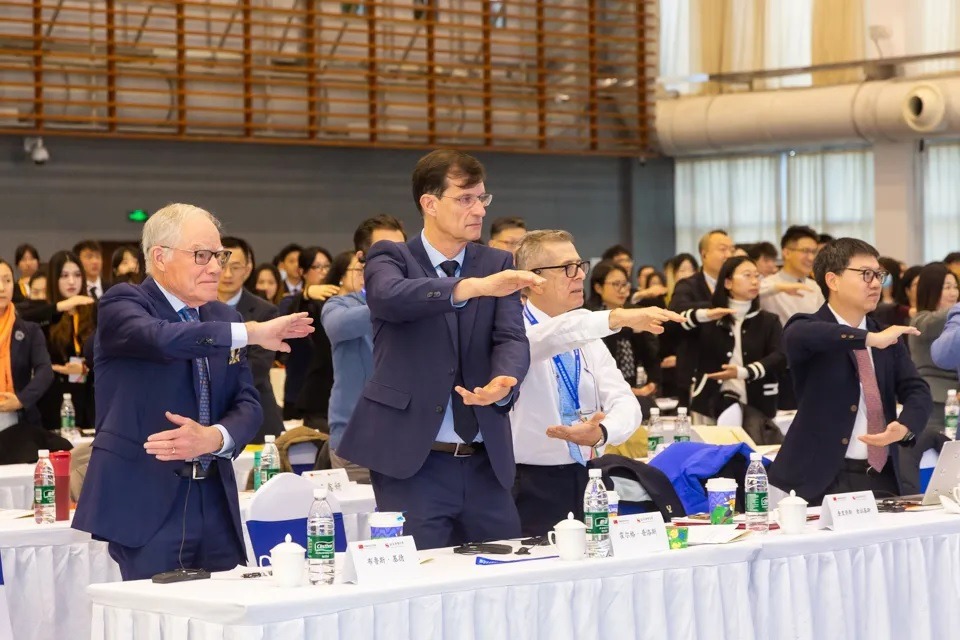
    The 2025 Olympic Development Academic Forum witnessed a remarkable convergence of Eastern tradition and Western sporting ideals as participants engaged in collective tai chi practice, symbolizing the growing fusion between Chinese cultural heritage and Olympic principles. This ceremonial demonstration preceded a significant milestone in international sports cooperation: the formal signing of a memorandum of understanding between the Chinese Olympic Academy and the International Olympic Academy.

    The newly established partnership heralds a transformative phase in collaborative academic research and athletic talent development initiatives. The memorandum outlines comprehensive frameworks for joint scholarly investigations and educational programs that bridge cultural divides through sports diplomacy.

    Concurrently, the forum marked the official inauguration of two pioneering institutions: the Champions Studio and the Champions Research and Study Center. These complementary establishments will focus on cultivating elite athletic talent while promoting the core values of the Olympic movement. Their mandate extends beyond competitive excellence to encompass the holistic development of sports professionals who embody both technical mastery and philosophical understanding of sportsmanship.

    The integrated approach demonstrates how traditional Chinese practices like tai chi—with their emphasis on harmony, discipline, and mental focus—can enrich contemporary Olympic values. This cultural exchange represents a paradigm shift in how global sports institutions approach talent development, recognizing that athletic excellence transcends physical achievement and encompasses cultural understanding and philosophical alignment.

  • Thousands flee Thai-Cambodia border after deadly clashes

    Thousands flee Thai-Cambodia border after deadly clashes

    Renewed military confrontations erupted along the disputed Thailand-Cambodia border on Monday, resulting in at least five fatalities and triggering mass civilian evacuations on both sides. This represents the most severe escalation since the two Southeast Asian nations agreed to a ceasefire brokered by Malaysia in July.

    According to official statements from both governments, Thai forces conducted air strikes in Ubon Ratchathani Province in response to what they described as Cambodian provocation, while Phnom Penh asserted that Thai soldiers initiated hostilities in Preah Vihear province. The conflicting accounts underscore the persistent tensions that have claimed over 40 lives since May and led to reciprocal import bans and travel restrictions.

    The human cost extends beyond combat casualties, with education emerging as a particularly affected sector. Thailand’s Education Ministry ordered nearly 650 schools across five border provinces to close indefinitely, while social media footage from Cambodian border regions showed chaotic scenes as parents rushed to retrieve children from classrooms. This marks the second major educational disruption in recent months, following intense fighting during examination periods in July.

    Thai educator Siksaka Pongsuwan highlighted the hidden victims of the conflict, noting that border-area children are “losing opportunities and precious time” compared to peers in peaceful regions. The previous shift to online education proved inadequate, with many households lacking internet access and digital devices failing to reach all students.

    The current confrontation revives a century-old territorial dispute along the 800km border established after French colonial rule in Cambodia. Despite a high-profile ceasefire signing ceremony mediated by former US President Donald Trump in October – for which Cambodia nominated Trump for a Nobel Peace Prize – the agreement collapsed within weeks when Thailand suspended implementation following a landmine incident that injured two soldiers.

    As artillery fire continues to echo across border villages, residents remain torn between evacuation concerns and attachment to their homes, embodying the human dilemma wrought by protracted geopolitical conflicts.

  • People in Benin felt ‘total fear’ at attempted coup

    People in Benin felt ‘total fear’ at attempted coup

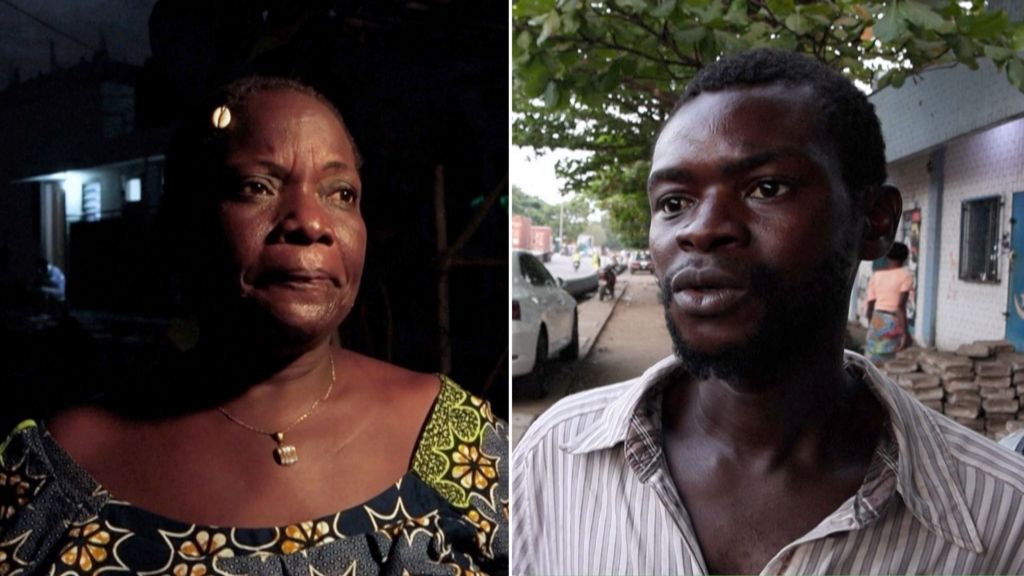
    Citizens of Cotonou, Benin’s economic hub, are grappling with profound shock and widespread terror following a destabilizing attempt by renegade soldiers to seize power from the democratically elected government. The incident, which unfolded with alarming speed, has cast a pall of fear over the city, with residents describing an atmosphere of ‘total fear’ as gunfire erupted and the specter of political chaos loomed.

    Eyewitness accounts detail scenes of panic as the attempted coup forced civilians to seek refuge indoors, disrupting daily life and commerce. The swift and decisive response from forces loyal to President Patrice Talon ultimately thwarted the insurrection, but the event has exposed underlying tensions within the West African nation. This attack on Benin’s institutions marks a serious challenge to its stability, which has been regarded as a democratic anchor in a region increasingly plagued by military takeovers and jihadist insurgencies.

    The failed coup has drawn international condemnation, with regional bodies and global powers reiterating support for constitutional order. Analysts are now scrutinizing the potential motivations behind the attempt, from internal political grievances to the broader regional trend of democratic backsliding. The event serves as a stark reminder of the fragile nature of governance in the region and has prompted a nationwide security crackdown as authorities work to identify and apprehend all conspirators involved.

  • Wonders of the Pyramids

    Wonders of the Pyramids

    The majestic Egyptian pyramids stand as far more than mere architectural marvels composed of colossal stone blocks. Each massive stone serves as an enduring testament to the extraordinary wisdom and engineering prowess that transcended the technological limitations of its era. A groundbreaking documentary series now invites global audiences to embark on an immersive journey alongside a China Daily correspondent and expert Egyptian guides, unraveling the fascinating mysteries embedded within these ancient wonders.

    This unprecedented exploration delves deep into the heart of ancient Egyptian civilization, offering viewers privileged access to archaeological insights and historical context that illuminate the sophisticated knowledge systems behind pyramid construction. The production represents a significant milestone in cultural documentation, blending on-site reporting with expert analysis to create a comprehensive understanding of these iconic structures.

    The inaugural episode, now available with professional English dubbing, marks the beginning of an educational series designed to make ancient history accessible to international audiences. Through high-quality cinematography and scholarly commentary, the documentary breaks down complex archaeological concepts into engaging content that appeals to both history enthusiasts and casual learners alike.

    This collaborative project between Chinese media and Egyptian cultural experts demonstrates the growing importance of international partnerships in preserving and interpreting world heritage sites. By combining modern journalistic techniques with ancient historical scholarship, the series creates a bridge between contemporary audiences and one of humanity’s most remarkable architectural achievements.

  • No Christmas homecoming: Families mourn victims of Goa nightclub fire

    No Christmas homecoming: Families mourn victims of Goa nightclub fire

    A devastating blaze that engulfed a popular nightclub in India’s coastal paradise of Goa has extinguished 25 lives, revealing heartbreaking human stories behind the statistics. The incident at Birch By Romeo Lane, located near a bustling beach area, occurred during peak hours on Sunday morning, leaving families across multiple Indian states grappling with unimaginable loss.

    Among the victims were brothers Binod and Pradip Mahto, migrant workers from Jharkhand who had relocated to Goa seeking better employment opportunities. Working as cooks at the ill-fated establishment, they had been diligently sending earnings home to support their family’s dream of converting their mud house into concrete structure. Tragically, their planned weddings scheduled for early next year will now never occur.

    The tragedy predominantly affected staff members—migrant workers drawn to Goa’s tourism economy—while five tourists also perished. Twenty-two-year-old Mohit Mundain, who had been supporting his family through his waiter earnings, was anticipating Christmas reunions that will now remain unfulfilled. In Uttarakhand, 27-year-old Satish Rana’s family mourns the loss of their son who had merely two months ago embarked on his Goa employment journey.

    Particularly heartbreaking is the story of a Delhi family visiting Goa for the first time. Three sisters-in-law and one male family member lost their lives during what was supposed to be a joyful vacation. The sole survivor, Bhavna, witnessed the tragedy unfold as the group was concluding their dinner preparations to depart.

    Authorities have initiated a comprehensive investigation into the fire’s origins, with at least four individuals including the nightclub manager already apprehended. Police continue searching for the establishment’s owner as questions mount regarding potential safety regulation violations. The incident has cast a somber shadow over Goa’s reputation as a carefree tourist destination, highlighting the precarious conditions faced by migrant workers in India’s hospitality industry.