博客

  • Sperm from donor with cancer-causing gene was used to conceive almost 200 children

    Sperm from donor with cancer-causing gene was used to conceive almost 200 children

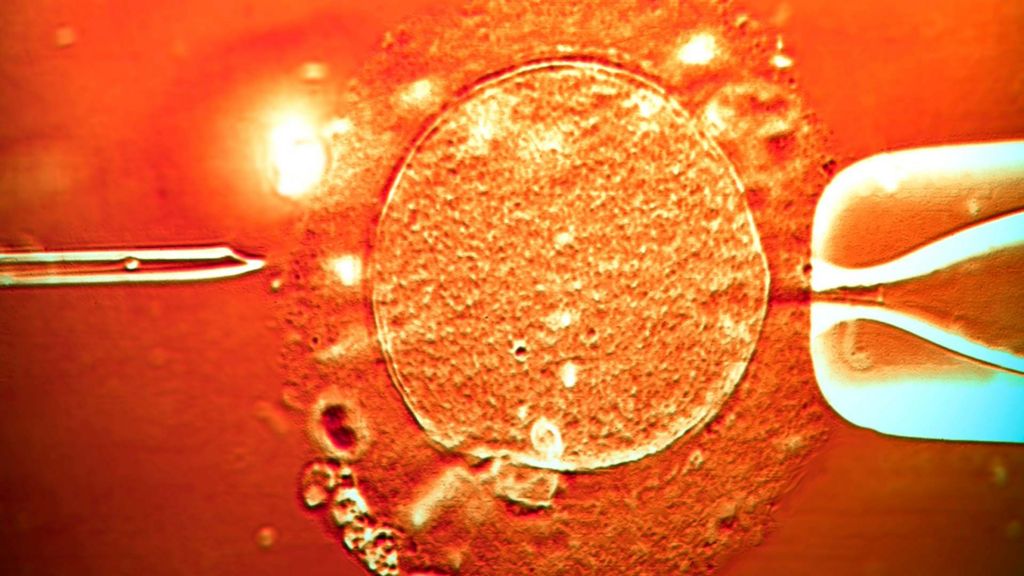
    A comprehensive multinational investigation has uncovered a critical public health situation involving a European sperm donor carrying a dangerous genetic mutation that significantly elevates cancer risk. The anonymous donor, who began contributing sperm as a student in 2005, has biologically fathered at least 197 children across multiple European countries, with some offspring already developing cancer and several having died at young ages.

    The investigation, conducted by 14 public service broadcasters including the BBC through the European Broadcasting Union’s Investigative Journalism Network, revealed that approximately 20% of the donor’s sperm contains a mutated TP53 gene. This genetic defect severely compromises the body’s natural cancer prevention mechanisms, resulting in Li Fraumeni syndrome—a condition associated with up to 90% lifetime cancer risk, particularly during childhood and for breast cancer in later life.

    Despite passing standard donor screening protocols, the donor carried this mutation in a portion of his reproductive cells. Children conceived using affected sperm inherit the mutation in every cell of their body, creating a lifelong health vulnerability. Medical experts describe the situation as particularly devastating because affected individuals require annual MRI scans of the body and brain plus abdominal ultrasounds for early tumor detection, with many women opting for preventive mastectomies.

    The European Sperm Bank, which distributed the genetic material, expressed sympathy for affected families while noting that neither the donor nor his biological relatives exhibit illness. The organization acknowledged that current genetic screening practices cannot proactively detect such mutations and stated they immediately blocked further use of the donor’s sperm upon discovery of the problem.

    Distribution records indicate the sperm was utilized by 67 fertility clinics across 14 nations, with significant regulatory breaches occurring in several countries. Belgium, which limits donors to six families per donor, recorded 38 women producing 53 children from this single source. While the sperm was not directly sold to UK clinics, British authorities confirmed a “very small number” of families who sought treatment in Denmark have been notified.

    This case has reignited debates about international sperm bank regulations and donor usage limits. Currently, no global standards govern how frequently a single donor’s sperm may be used internationally, with individual countries setting their own restrictions. The UK maintains a 10-family limit per donor, while the European Society of Human Reproduction and Embryology recently proposed a 50-family maximum—though experts note this wouldn’t prevent rare genetic disease transmission.

    Reproductive health specialists emphasize that while such cases remain extremely rare compared to the overall number of donor-conceived children, they highlight systemic vulnerabilities in the global fertility industry. With approximately half of the UK’s sperm supply now imported from international banks, experts recommend prospective parents inquire about donor origins and usage history when considering fertility treatments.

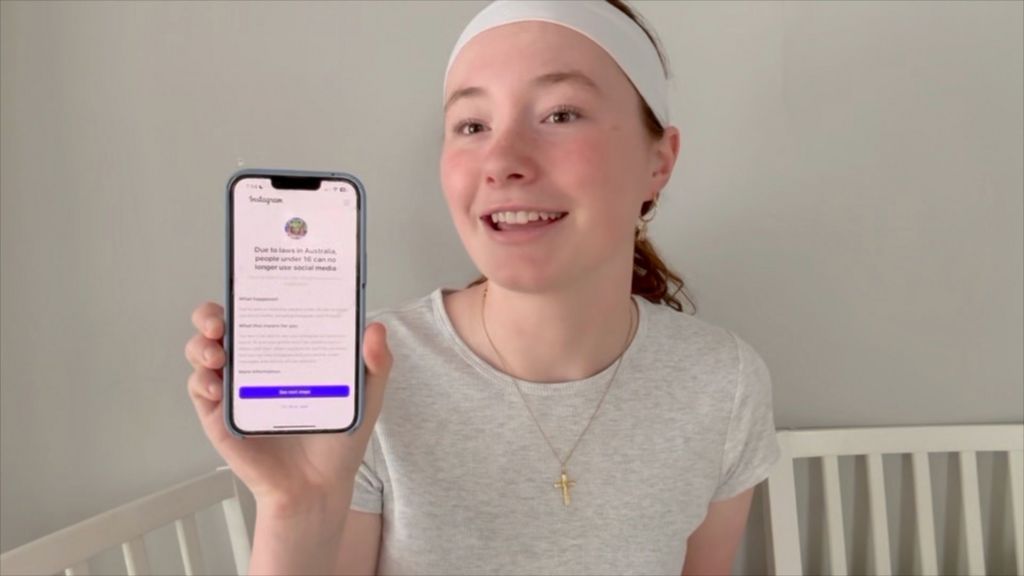
  • Kids locked out of social media apps after Australia’s world-first ban

    Kids locked out of social media apps after Australia’s world-first ban

    Australia has implemented a groundbreaking prohibition on social media access for minors under 16, becoming the first nation to enforce such comprehensive restrictions without parental consent exemptions. The landmark legislation, which took effect this week, requires major platforms including Meta, TikTok and YouTube to implement “reasonable steps” in preventing underage account creation and usage.

    Prime Minister Anthony Albanese hailed the policy as a transformative measure that could set global precedents for child protection online. “This is Australia showing enough is enough,” he declared during a press conference surrounded by advocates. “I believe this has the power to change lives around the world.”

    The regulatory framework empowers Australia’s eSafety Commissioner to monitor compliance across ten designated platforms, with corporations facing penalties up to A$49.5 million for serious violations. Julie Inman Grant, the online safety regulator, confirmed compliance checks would commence immediately, with preliminary assessments to be published before Christmas.

    Supporters argue the ban addresses critical concerns about harmful content algorithms and psychological impacts on developing brains. Twelve-year-old activist Florence ‘Flossie’ Brodribb articulated this perspective: “Our brains are going through one of the biggest rewiring periods of our lives… Social media is designed to take advantage of that.”

    However, significant opposition emerges from both youth and experts questioning the ban’s practicality and potential unintended consequences. Teenagers report already circumventing restrictions, while critics warn of isolation risks for vulnerable communities including LGBTQ+ and rural youth. Fifteen-year-old Breanna highlighted connectivity concerns: “When our Snapchat is taken away, so is our communication.”

    Technology companies have resisted the measures, emphasizing enhanced parental controls as preferable solutions. Meanwhile, international observers from Denmark to Brazil are monitoring Australia’s experiment as potential test case for their own regulatory considerations.

    The government acknowledges implementation challenges while framing the policy as part of a longer-term strategy. “Success is the fact that we’re having this discussion,” Albanese noted, recognizing the ban won’t be perfect but represents a necessary starting point for digital safety reform.

  • Watch Australian teens test out social media on first day of ban

    Watch Australian teens test out social media on first day of ban

    Australia has embarked on an unprecedented social experiment with the implementation of a nationwide ban on social media access for users under the age of 16. On the first day of this sweeping policy, Australian teenagers provided the BBC with a real-time glimpse into their attempts to log on to platforms like TikTok, Instagram, and Snapchat, revealing a complex digital landscape of adaptation, frustration, and technological workarounds.

    The policy, designed to shield minors from online harms such as cyberbullying, inappropriate content, and data privacy issues, represents one of the world’s most aggressive governmental interventions in digital youth protection. Early observations indicate a patchwork of outcomes: while some younger teens found themselves completely locked out of their accounts, others encountered partial restrictions or began immediately seeking alternative access methods, including Virtual Private Networks (VPNs) to bypass geographical restrictions.

    This digital clampdown has ignited a fiery debate across the nation. Proponents, including child safety advocates and many parents, hail the move as a necessary step to safeguard mental health and ensure a more developmental childhood. Conversely, critics and digital rights groups argue the ban is overly simplistic, potentially stifling creativity, social connection, and digital literacy. They also raise significant concerns about enforcement and the potential for such measures to push youth toward less regulated, and potentially more dangerous, corners of the internet. The effectiveness of this bold policy and its long-term societal impact remain subjects of intense global scrutiny.

  • Ethiopia embraces big projects but escalates regional tensions by seeking more access to the sea

    Ethiopia embraces big projects but escalates regional tensions by seeking more access to the sea

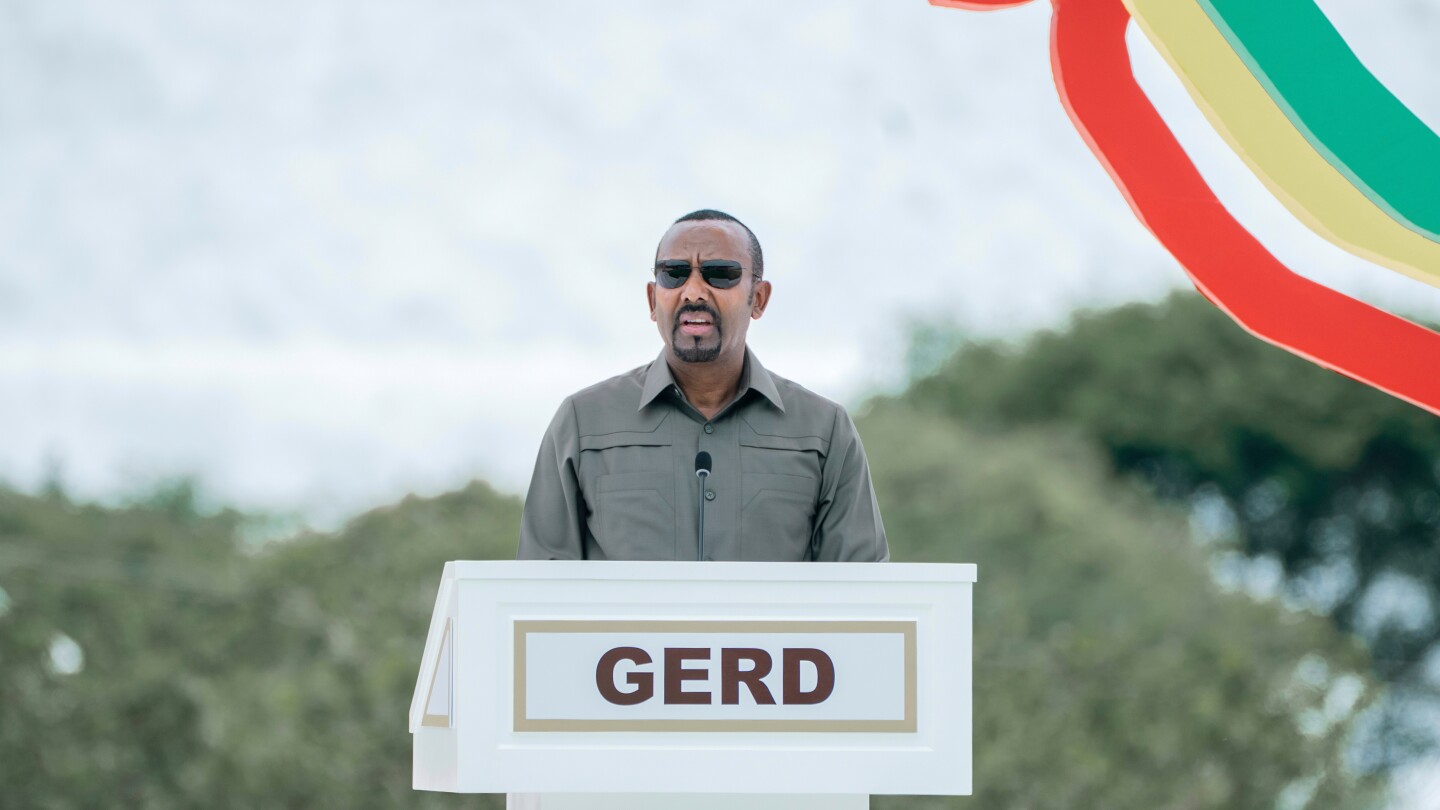
    Under Prime Minister Abiy Ahmed’s visionary leadership, Ethiopia is pursuing an ambitious transformation agenda marked by massive infrastructure projects while simultaneously navigating complex regional tensions. The recent completion of the contentious Grand Ethiopian Renaissance Dam on the Nile—a project vehemently opposed by Egypt and Sudan—stands as a testament to Ethiopia’s determination to achieve energy independence and economic sovereignty.

  • Iain Douglas-Hamilton, pioneering elephant conservationist, dies aged 83

    Iain Douglas-Hamilton, pioneering elephant conservationist, dies aged 83

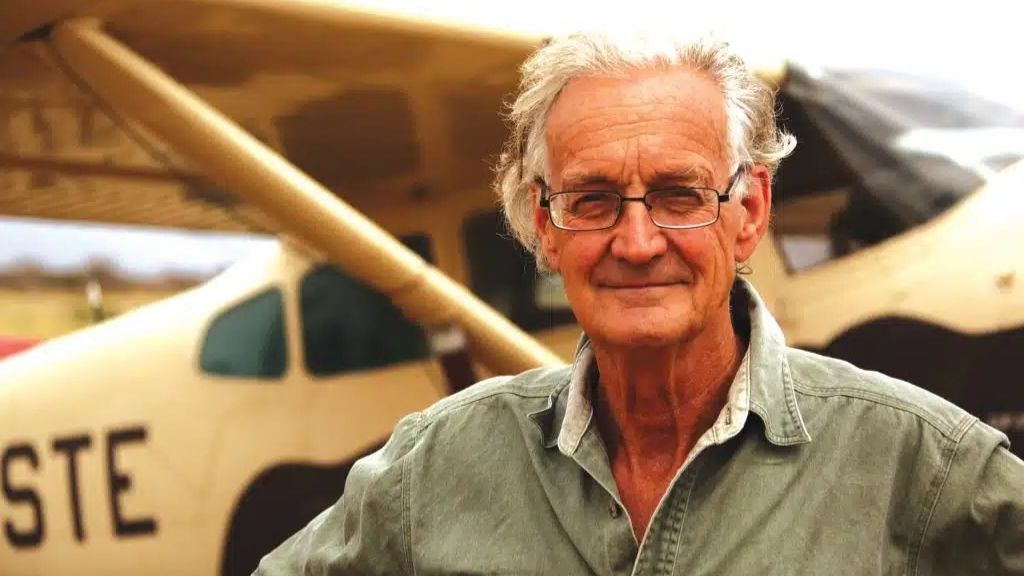
    The global conservation community is mourning the passing of pioneering elephant researcher Iain Douglas-Hamilton, who died at 83 in his Nairobi home on Monday. The British zoologist dedicated his life to studying and protecting African elephants, revolutionizing our understanding of these majestic creatures while facing extraordinary personal risks.

    Douglas-Hamilton’s groundbreaking research exposed the catastrophic impact of poaching on elephant populations, work that proved instrumental in the international ban on ivory trade. His methodology involved meticulous documentation of individual elephants at Tanzania’s Lake Manyara National Park, where he became so familiar with herds that he could identify them by unique ear shapes and skin patterns.

    Prince William, who spent time with Douglas-Hamilton in Africa, paid heartfelt tribute to the conservationist. “The memories of spending time in Africa with him will remain with me forever,” said the Prince, who serves as royal patron for Tusk, the African wildlife conservation charity where Douglas-Hamilton was an ambassador. The Prince praised him as “a man who dedicated his life to conservation and whose life’s work leaves lasting impact on our appreciation for, and understanding of, elephants.”

    The aristocrat-turned-conservationist faced numerous life-threatening challenges throughout his career, including elephant charges, poacher gunfire, and a devastating flood that destroyed his Kenyan research facility in 2010. Despite these hardships, he remained unwavering in his mission, eventually becoming a leading voice in alerting the world to what he termed “an elephant holocaust.”

    His advocacy efforts culminated in the 1989 Convention on International Trade in Endangered Species. When this agreement proved insufficient, Douglas-Hamilton successfully targeted the world’s largest ivory markets, resulting in near-total import-export bans from China and the United States in 2015.

    In 1993, he established Save the Elephants, a charity dedicated to protecting the animals and advancing human understanding of their behavior. The organization’s CEO Frank Pope, also Douglas-Hamilton’s son-in-law, stated: “Iain changed the future not just for elephants, but for huge numbers of people across the globe. His courage, determination and rigour inspired everyone he met.”

    Fellow conservationist Jane Goodall, featured with Douglas-Hamilton in the 2024 documentary “A Life Among Elephants,” noted that his work revealed elephants’ capacity for human-like emotions. “I think his legacy will be one of a man who did so much to help people understand how majestic, how wonderful elephants are,” Goodall remarked.

    Douglas-Hamilton expressed his own vision for the future shortly before his passing: “I think my greatest hope is that there will be an ethic developed of human-elephant coexistence.” He is survived by his wife Oria, children Saba and Dudu, and six grandchildren.

  • Trump once denied using this slur about Haiti and African nations. Now he boasts about it

    Trump once denied using this slur about Haiti and African nations. Now he boasts about it

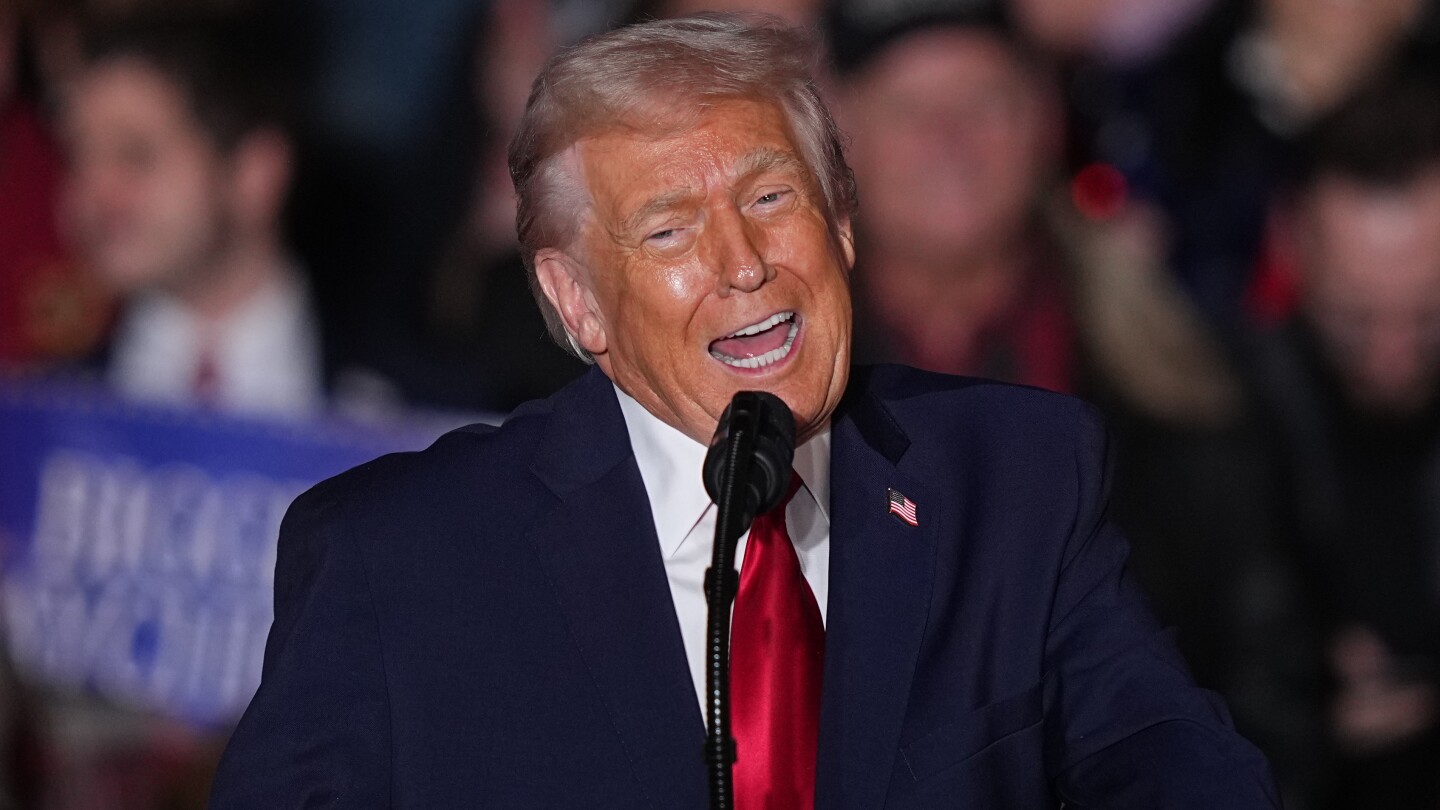
    Former President Donald Trump openly acknowledged and proudly recounted his controversial 2018 characterization of Haiti and African nations as ‘shithole countries’ during a campaign rally in Pennsylvania on Tuesday. This marked a stark reversal from his initial denial of the remark that previously triggered international condemnation during his first term.

    Addressing supporters, Trump elaborated on his inflammatory comments by specifically targeting Somalia, describing it as ‘filthy, dirty, disgusting, ridden with crime.’ The recollection emerged when an audience member referenced the 2018 incident during Trump’s speech about his recently announced ‘permanent pause on Third World migration,’ which would restrict immigration from nations including Afghanistan, Haiti, and Somalia.

    Trump’s account closely aligned with contemporaneous reports from individuals briefed on the original Oval Office discussion. ‘We had a meeting and I said, ‘Why is it we only take people from shithole countries,’ right? ‘Why can’t we have some people from Norway, Sweden?” Trump told rally attendees.

    The original 2018 comments—which disparaged predominantly Black nations while expressing preference for immigration from predominantly white countries—were widely condemned as racist by congressional Republicans, foreign leaders, and human rights advocates. Botswana’s government summoned the U.S. ambassador in protest, while Senegal’s President Macky Sall expressed shock, asserting that ‘Africa and the Black race merit the respect and consideration of all.’

    This incident represents another example of Trump’s departure from traditional presidential decorum. Throughout his political career, he has frequently employed profanity and offensive language in public remarks, including recent use of explicit language during recorded events and derogatory comments about Minnesota Governor Tim Walz on Thanksgiving.

  • Chaos in Brazil Congress during push to cut Bolsonaro’s sentence

    Chaos in Brazil Congress during push to cut Bolsonaro’s sentence

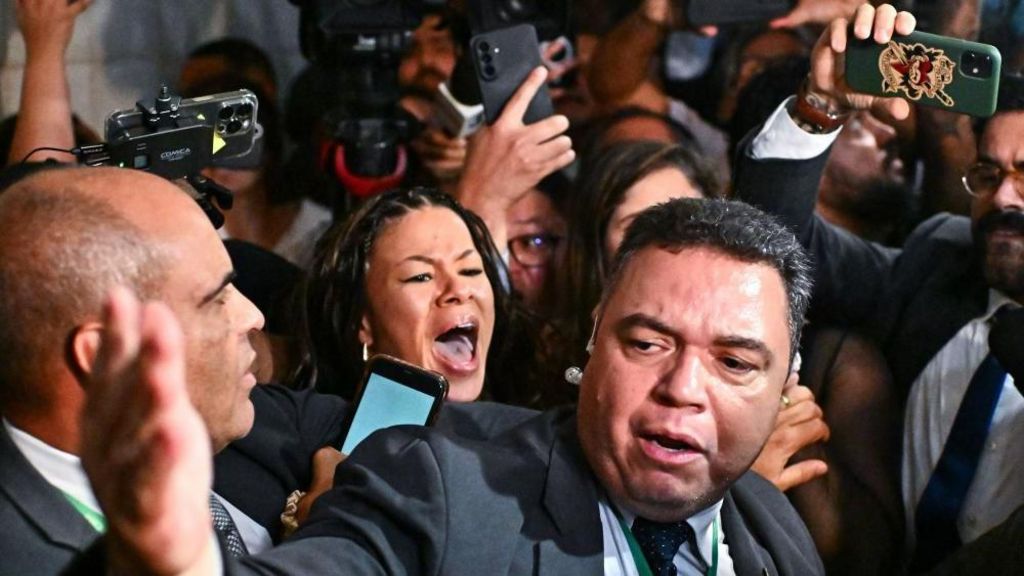
    Brazil’s National Congress became the epicenter of political turmoil on Tuesday as legislative proceedings devolved into physical altercations over a controversial bill seeking to reduce prison sentences for coup-related offenses. The proposed legislation, championed by conservative allies of imprisoned former President Jair Bolsonaro, sparked intense opposition from left-wing lawmakers, resulting in unprecedented scenes of chaos within the parliamentary chamber.

    The confrontation reached its peak when federal police forcibly removed leftist congressman Glauber Braga after he occupied the Speaker’s chair in protest against what he termed a ‘coup offensive.’ Television feeds were abruptly terminated, and journalists were expelled from the chamber—a move condemned by press freedom organizations as blatant censorship.

    This legislative battle unfolds against the backdrop of Bolsonaro’s ongoing 27-year incarceration, imposed by the Supreme Court in November for his role in attempting to orchestrate a military coup following his 2022 electoral defeat to President Luiz Inácio Lula da Silva. The proposed law would not only substantially reduce Bolsonaro’s sentence but also secure the release of dozens of his supporters convicted for storming government buildings in January 2023.

    Simultaneously, Bolsonaro’s legal team has filed a new petition requesting temporary release from prison to undergo surgery, reiterating previous appeals for house arrest based on health concerns. The 70-year-old former leader has experienced significant medical complications, including intensive care hospitalization earlier this year following intestinal surgery and a life-threatening stabbing incident in 2018.

    The sentencing reduction proposal represents the latest strategic maneuver by Bolsonaro’s Liberal Party, which maintains the largest congressional bloc despite the former president’s conviction. Previous attempts to secure full amnesty foundered amid widespread public protests, prompting conservative lawmakers to pursue sentence reduction as a compromise measure.

    As of Tuesday evening, the legislation remained pending in the lower house, requiring subsequent ratification by the Senate before becoming law. The outcome promises to further deepen Brazil’s political divisions, testing the resilience of the country’s democratic institutions three years after Bolsonaro’s controversial election defeat.

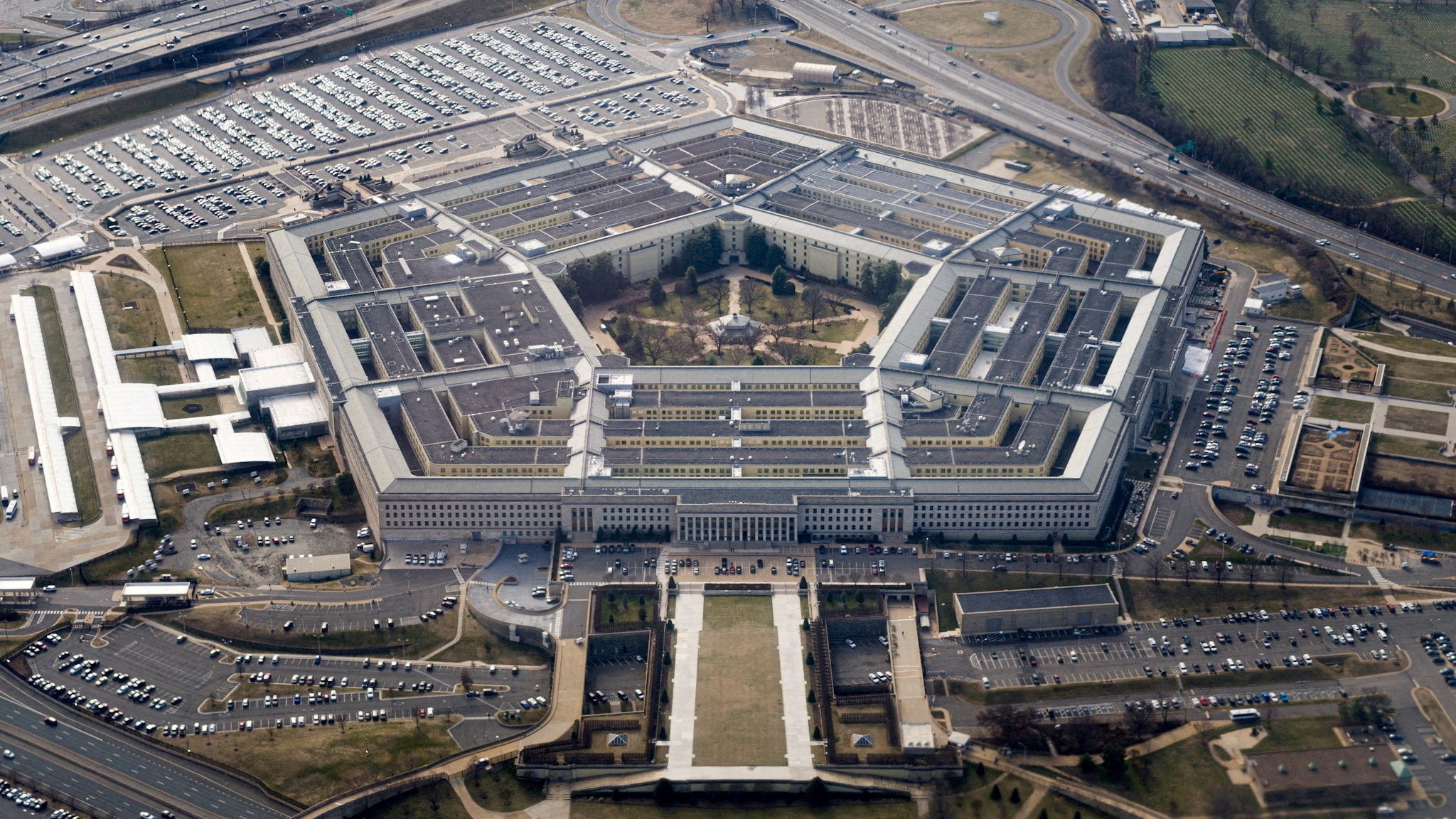
  • US annual defence budget seeks to bolster Israeli defences, remove Syria sanctions

    US annual defence budget seeks to bolster Israeli defences, remove Syria sanctions

    The United States Congress is preparing for a decisive Wednesday vote on the National Defense Authorization Act (NDAA), the comprehensive annual legislation that sets the Pentagon’s budget and military policy for the upcoming fiscal year. This year’s bill, spanning over 3,000 pages, authorizes a historic discretionary spending level of $900.6 billion, marking a significant increase from the previous year’s $883.7 billion allocation. The funding encompasses a vast spectrum of defense priorities, including military operations, troop compensation, recruitment initiatives, technological innovation, and the modernization of the nation’s nuclear arsenal.

    A substantial portion of the NDAA is dedicated to security cooperation and policy in the Middle East and North Africa (MENA) region. The House Armed Services Committee has explicitly described the budget as providing “unprecedented levels of support for the security of Israel.” While the precise total for all Israel-related projects is not fully itemized, the bill mandates continued substantial funding, including $200 million for the Iron Dome, David’s Sling, and Arrow missile defense systems. An additional $80 million is allocated for the US-Israel Anti-Tunnel Cooperation Program, and $70 million is designated for countering drone attacks and other aerial threats. Furthermore, a new $35 million emerging-technology cooperative program will be established between the US, Israel, and other G7 allies to advance development in artificial intelligence, quantum computing, cybersecurity, robotics, and automation.

    The legislation also aims to bolster Israel’s defense industrial base, establishing a working group to deepen technological integration and consider including Israel in the exclusive US National Technology and Industrial Base (NTIB), a status currently held only by Canada, the UK, and Australia. In a significant policy directive, the bill prohibits the Department of Defense from participating in any international event where Israel is banned due to the Boycott, Divestment, and Sanctions (BDS) movement.

    Beyond Israel, the NDAA frames Iran as the “key driver of regional insecurity” and mandates intensified Pentagon monitoring and reporting to Congress on a range of threats. This includes details on Iran’s conventional weapons purchases from Russia, the status of its proxy forces like the Houthis and Hezbollah, its drone supply chain, and advancements in its ballistic missile and nuclear programs. The US intelligence community is specifically ordered to notify Congress if Iran enriches uranium beyond 60 percent or decides to produce a nuclear weapon.

    The bill extends US support for the Iraqi military through 2026 but attaches a critical condition: 75% of the funds will be withheld until the Pentagon certifies that the Iraqi government has taken credible, verifiable steps to disarm and demobilize Iran-aligned militia groups not integrated into the official security forces. An allocation of $212.5 million is specified for the Counter-ISIS Train and Equip Fund (CTEF) in Iraq, with continued funding assured for Peshmerga forces in the Kurdistan Region.

    A landmark provision within the NDAA is the repeal of the 2019 Caesar Act sanctions on Syria, which had devastating humanitarian consequences for the civilian population. The bill also requires the Pentagon to report on the status of ISIS detention camps, US force posture in Syria, and the feasibility of reopening the US embassy in Damascus.

    Conversely, the legislation has drawn criticism from refugee advocates for omitting funding for the Enduring Welcome Act, which was removed from the draft by House Republican leadership. Advocacy group #AfghanEvac condemned the move as an “abdication of responsibility” for Afghan allies awaiting relocation to the US.

    Finally, the NDAA repeals the 1991 and 2002 Authorizations for Use of Military Force (AUMFs) related to the Gulf War and Iraq invasion, which had been used to justify prolonged military operations. However, the 2001 AUMF underpinning the global war on terror remains in effect. The bill also explicitly prohibits the closure of the Guantanamo Bay detention facility, where 15 men remain held indefinitely without charge.

  • Trump touts upbeat message on economy as Americans feel the pinch

    Trump touts upbeat message on economy as Americans feel the pinch

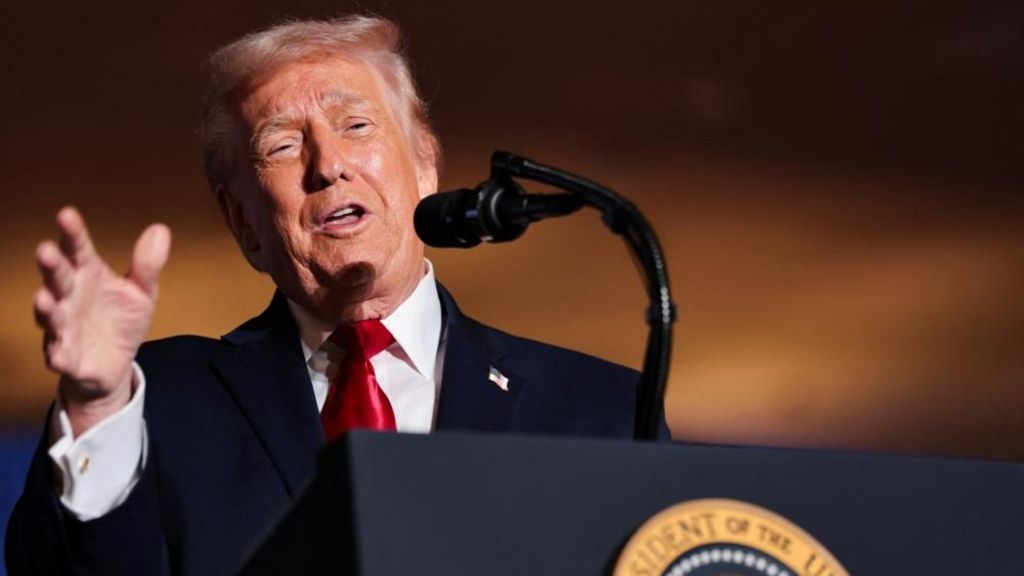
    President Donald Trump launched a campaign-style rally in Pennsylvania’s pivotal swing state, asserting that consumer prices are experiencing a “tremendous” decline despite persistent public concerns about affordability. Addressing supporters at a casino venue, the president declared having “no higher priority than making America affordable again” while dismissing cost-of-living anxieties as a Democratic “hoax.”

    The administration’s recent policy maneuvers include eliminating tariffs on numerous food products, promoting Trump-branded retirement accounts for children, and rolling back fuel efficiency standards as part of its economic messaging strategy. In a newly released Politico interview excerpt, Trump awarded the economy an “A plus-plus-plus-plus-plus” grade—a sentiment partially reflected in his recent three-point approval rating increase to 41% in Reuters/Ipsos polling.

    Nevertheless, economic data reveals a complex landscape: November recorded the lowest consumer confidence levels since spring, while inflation persists at 3%—above the Federal Reserve’s 2% target despite being significantly lower than the 9.1% peak during the Biden administration. Overall prices have surged 25% over five years, generating widespread frustration that outweighs wage growth for many Americans.

    Personal narratives underscore this economic tension. Alaina Hunt, a 37-year-old Oklahoma City designer, lost her job in April partly due to Trump’s steel and aluminum tariffs, and after 75 unsuccessful job applications, she now struggles with $25 weekly increases in grocery bills. Similarly, Beth Richardson from Kansas expressed shock at nearly $5 purchases of Mentos gum after losing her sales support job in late 2023.

    Despite these challenges, certain Trump supporters maintain allegiance. John Mohring, a Wisconsin construction worker, acknowledges persistent grocery inflation but continues supporting the president’s tariff and border policies. Illinois soybean farmer Brad Smith, though initially harmed by China’s purchase freeze during trade tensions, recognizes market recovery since October’s bilateral agreement and backs Trump’s “America First” economic vision.

    The Pennsylvania event initiates a series of rallies designed to bolster Republican prospects amid Democratic successes in recent off-cycle elections that capitalized on economic vulnerabilities.

  • Man who grabbed Ariana Grande kicked out of Lady Gaga concert

    Man who grabbed Ariana Grande kicked out of Lady Gaga concert

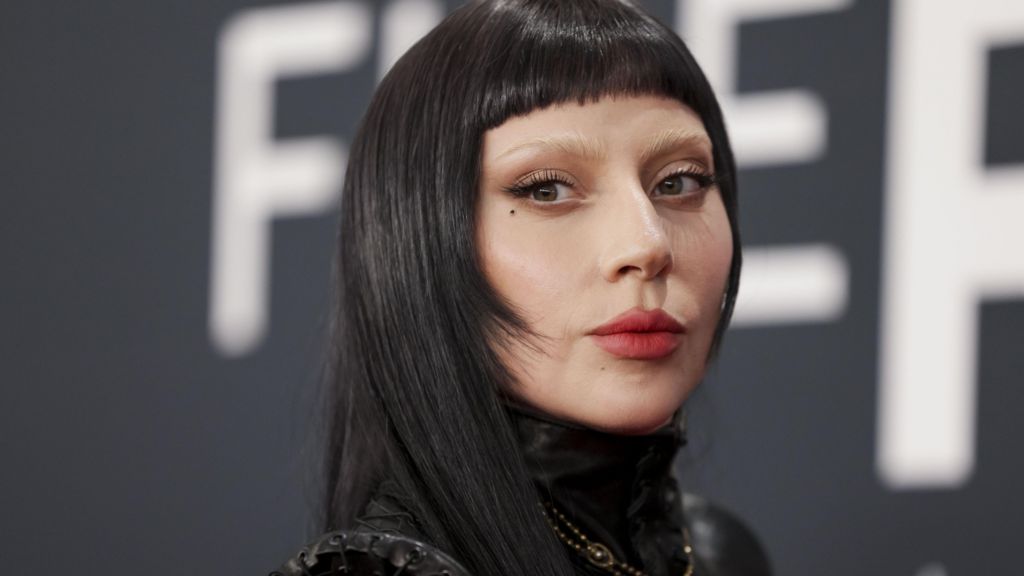
    An Australian man with a documented history of disrupting high-profile celebrity events has been forcibly removed from Lady Gaga’s concert in Brisbane, continuing a pattern of behavior that recently resulted in his imprisonment in Singapore. Johnson Wen, 26, was ejected from Suncorp Stadium on Tuesday evening prior to the commencement of the performance, despite not actively disrupting the show.

    The removal stems from Wen’s recent conviction in Singapore where he received a nine-day jail sentence for charging at pop star Ariana Grande during the Asian premiere of ‘Wicked: For Good’ last month. Despite his assurances to the Singaporean court that he would ‘not do it again,’ venue management identified Wen as a potential security threat based on his established pattern of public nuisance offenses.

    Social media footage captured the moment security personnel escorted Wen from the premises as audience reactions ranged from supportive cheers to disapproving boos. Stadium management confirmed to the Sydney Morning Herald that they had received advance intelligence regarding ‘a known serial offender’ potentially attempting to attend and disrupt the event, prompting preemptive action ‘in the interest of the artist’s safety.’

    Wen gained international notoriety following the Singapore incident, where Judge Christopher Goh characterized his actions as ‘attention-seeking’ and demonstrating disregard for public safety. The court subsequently imposed a ban preventing Wen from re-entering Singapore.

    His social media accounts document additional stage invasions during performances by major artists including Katy Perry and The Weeknd. The Grande incident provoked significant outrage among Singaporean fans who expressed concern about potentially ‘re-traumatizing’ the singer, who has publicly discussed experiencing PTSD following the deadly 2017 Manchester Arena bombing at her concert.